


Destination Guide
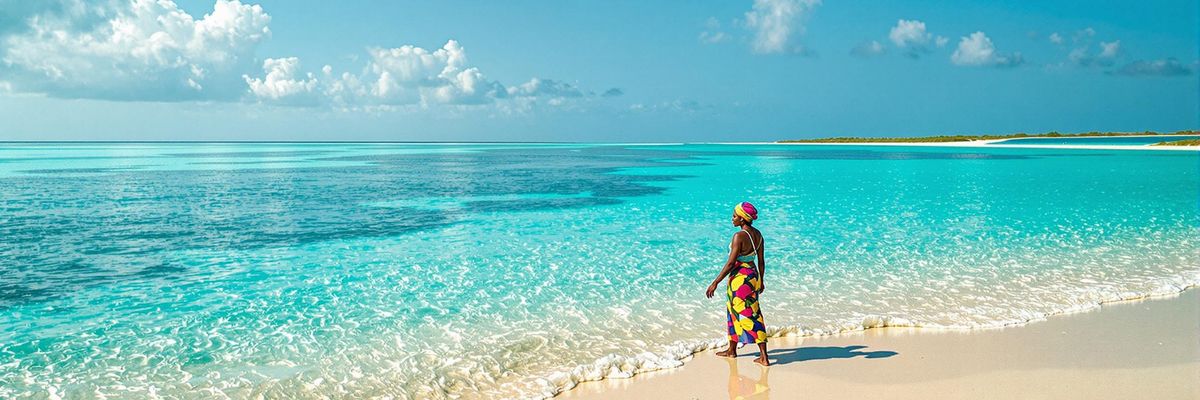
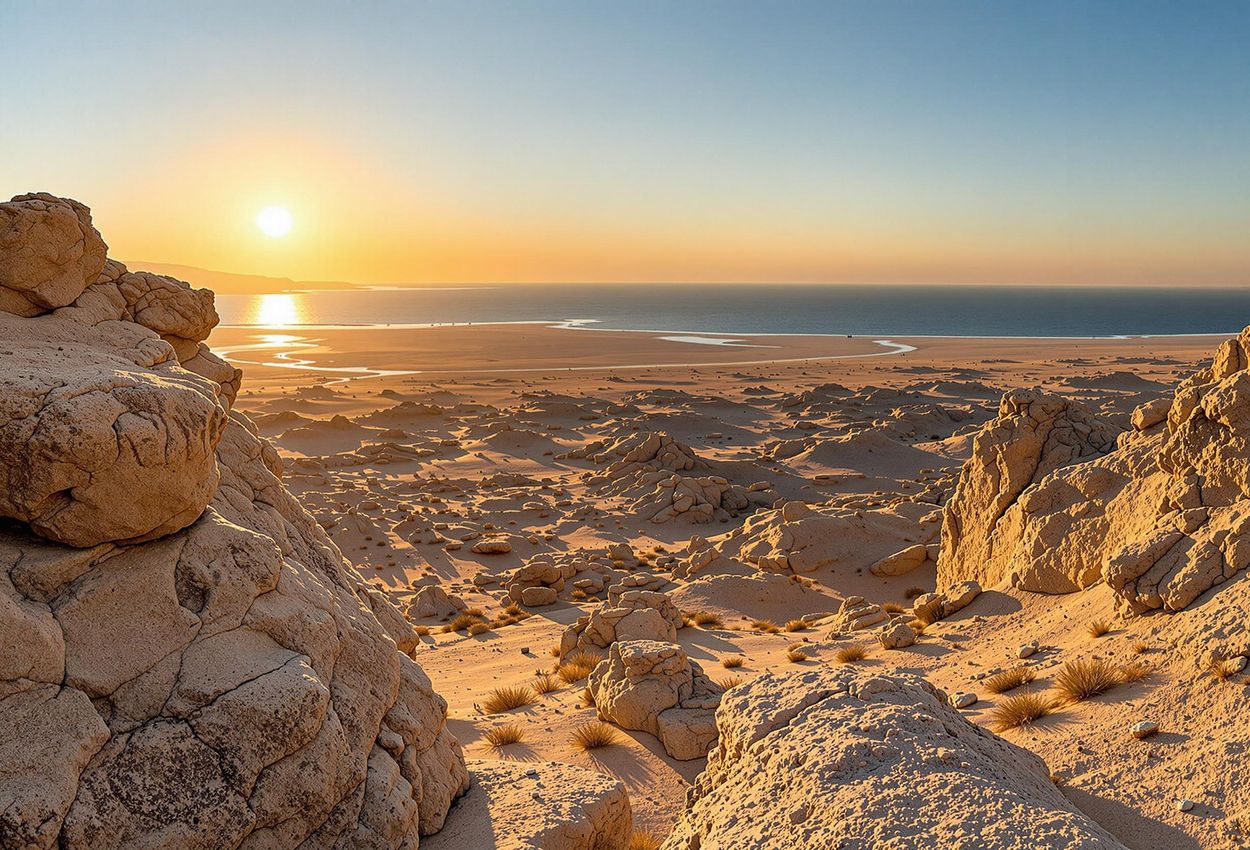
Xai-Xai: A Coastal Retreat
Relax on the beaches and explore the reefs of Xai-Xai.
View More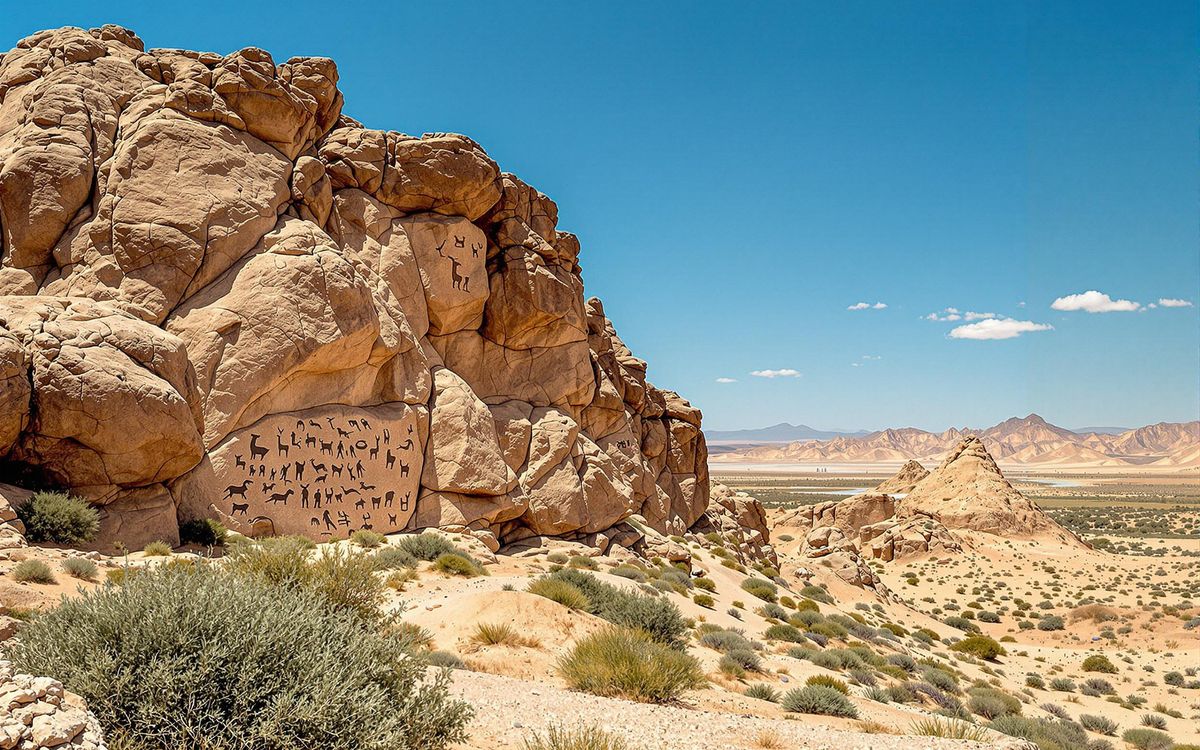

Imagine stepping back in time, not with a time machine, but through art etched in stone. In Gobustan National Park, Azerbaijan, you can witness a vast open-air gallery of ancient rock carvings, telling stories of early human life and offering a glimpse into a world long past. August, with its clear skies and warm temperatures, provides an ideal window to explore this captivating UNESCO World Heritage site.
Located approximately 60 km southwest of Baku, Gobustan National Park is more than just a collection of rocks; it's a historical canvas showcasing over 40,000 years of human evolution in Eurasia. Declared a national historical landmark of Azerbaijan in 1966 to preserve its ancient carvings, relics, mud volcanoes, and gas-stones, Gobustan earned UNESCO World Heritage status in 2007, recognized for its outstanding universal value. This recognition highlights the park's significance in illustrating the cultural continuity between prehistoric and medieval times through its dense collection of high-quality rock art engravings. The park is spread across 537 hectares and encompasses three rocky highlands rising from the semi-desert of central Azerbaijan. These mountains—Boyukdash, Kichikdash, and Jingirdag—hold most of the carvings. The relatively mild August temperatures make it an excellent time to explore the outdoor museum. The park entrance fee is approximately 4 Azerbaijani Manats.
The petroglyphs at Gobustan offer a detailed narrative of life from the Upper Paleolithic era through the Middle Ages. These carvings, numbering around 6,000, provide insights into the flora, fauna, hunting practices, social structures, and cultural expressions of early human societies. The engravings depict a range of scenes, from hunting expeditions and animal figures to ritualistic dances and celestial symbols. The animal images vary across different periods, reflecting shifts in hunting targets influenced by climatic changes. Human figures are also prominent, including dancers, hunters, and men wearing tropical-style helmets.
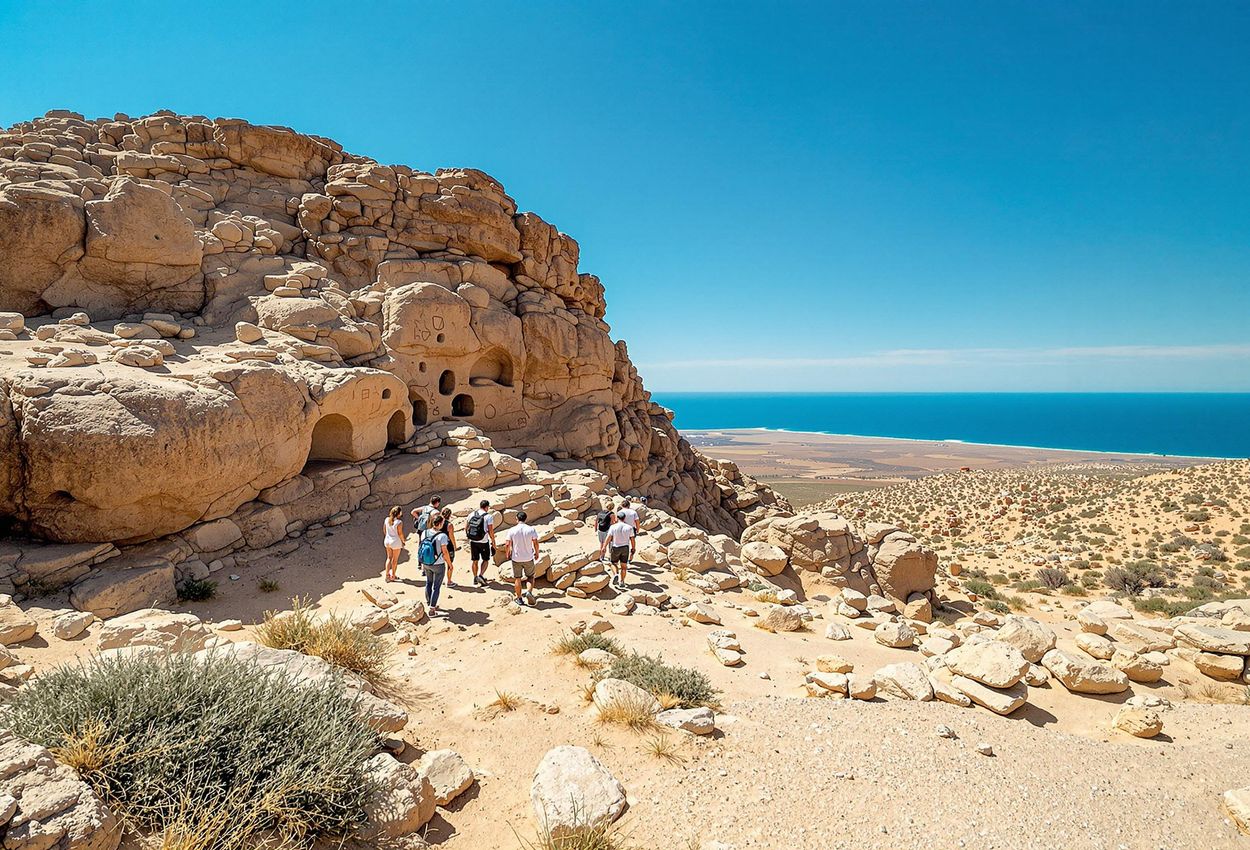
Most of the carvings are concentrated on the upper surfaces of the Boyukdash and Kichikdash mountains. During archaeological excavations, researchers discovered 104 small engraved stones across different stratigraphic layers. Among the petroglyphs, depictions of longships dating back approximately 5,000 to 8,000 years bear a striking resemblance to Viking ships. This finding suggests possible cultural connections or maritime interactions between the region's inhabitants and those of the Mediterranean and other European regions. Close to the museum, a Stone Age life reconstruction offers an immersive experience, providing a tangible sense of the era's living conditions.
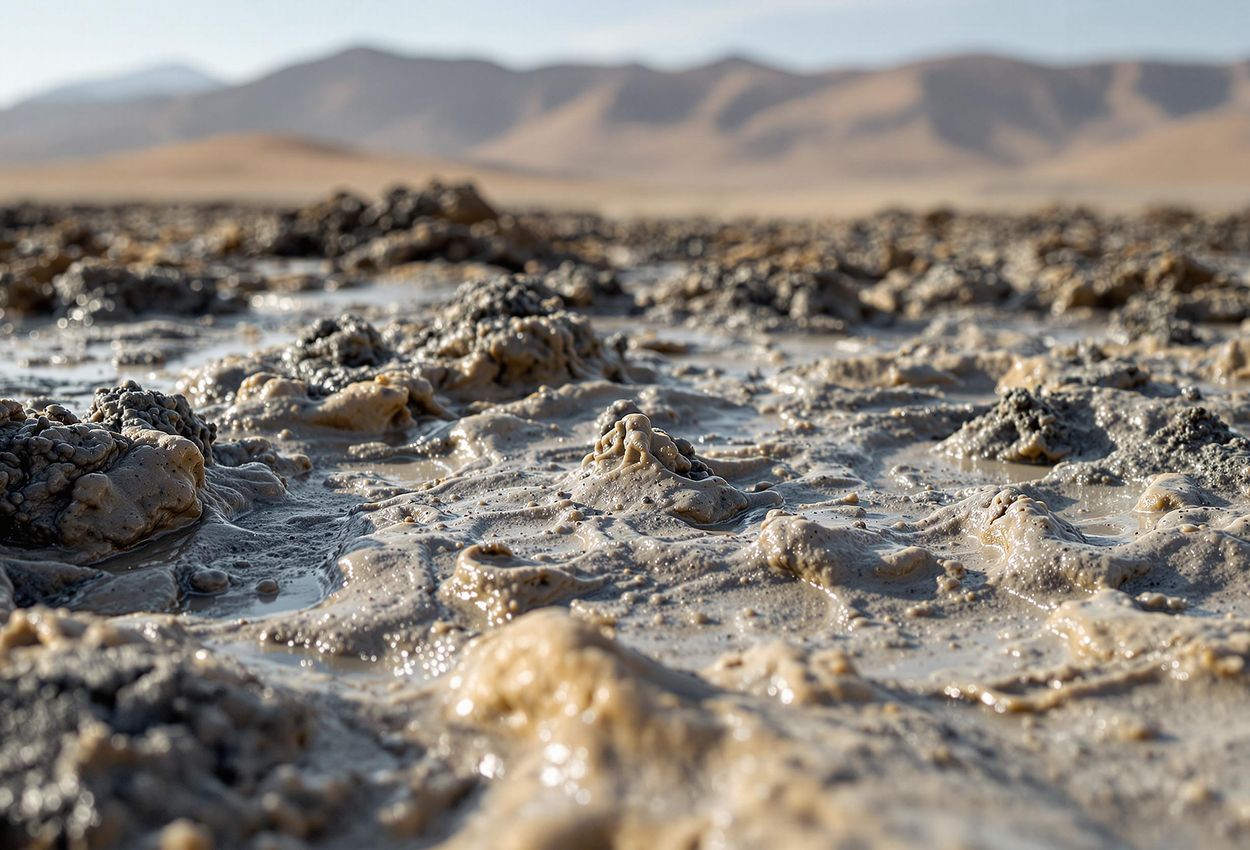
Beyond the petroglyphs, Gobustan is renowned for its mud volcanoes, a geological phenomenon where cold, thick mud erupts instead of hot lava. Azerbaijan is home to nearly half of the world's mud volcanoes, with over 400 scattered throughout the country. These formations result from tectonic movements that cause underground gases to reach the surface, bringing mud and water along. The landscape around the mud volcanoes is often described as lunar-like, offering a unique and surreal experience. The mud ejected by these volcanoes is believed to have therapeutic properties, leading some visitors to cover themselves in it.
The Mud Volcanoes Tourism Complex, located approximately 80 km from the center of Baku, provides an opportunity to see these geological wonders up close. The complex features an administrative building, a panoramic observation point, and pedestrian walkways around the volcanoes. Inside the complex, the Tourism Information Center offers insights into the natural and therapeutic properties of mud volcanoes, with exhibits showcasing rare minerals collected from across Azerbaijan. The Natural History Exhibition Hall displays animal skeletons and remains, highlighting the biodiversity of the region. Quad bike and golf cart tours are available for those seeking a comfortable way to explore the rugged terrain.
Planning a trip to Gobustan in August requires some consideration to ensure a comfortable and fulfilling experience. The park is typically open from 9 AM to 5 PM. August in Gobustan is characterized by clear, sunny skies, with average high temperatures ranging from 81°F to 88°F (27°C to 31°C). It's essential to wear comfortable clothing and shoes suitable for walking on uneven terrain. Bringing water and snacks is advisable, as facilities within the park may be limited. Starting the excursion early in the morning helps avoid the intense midday heat.
While the weather is generally pleasant, it’s wise to check the forecast beforehand. The average amount of sunshine in Gobustan during August is approximately 21.9 hours per day, indicating predominantly clear conditions. Rainfall is minimal, with only a 6% chance of rain on an average day. However, it's always good to be prepared for unexpected weather changes. The combination of historical exploration and natural beauty makes Gobustan National Park a unique and memorable destination.
Our editors` picks of the latest and greatest in travel - delivered to your inbox daily
Relax on the beaches and explore the reefs of Xai-Xai.
View More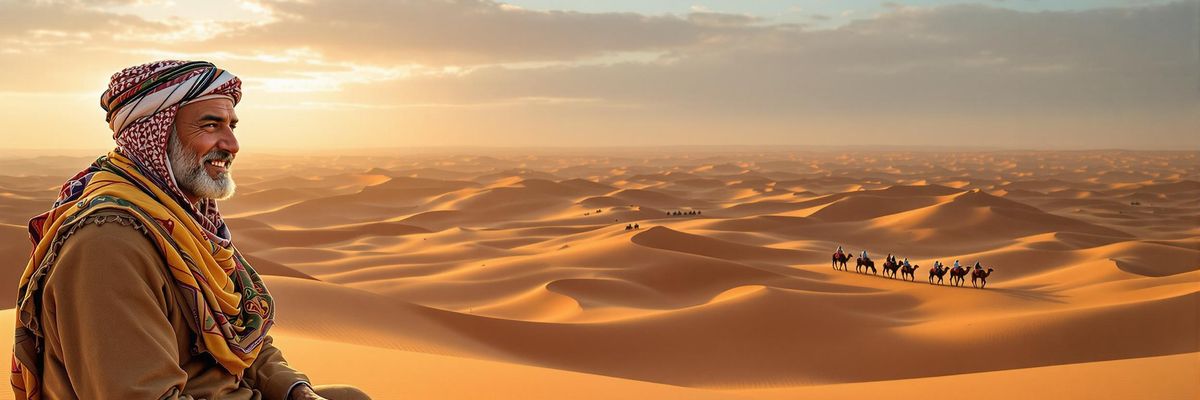
Embrace the cooler temperatures and experience the International Festival of the Sahara in Douz this December.
View More
Celebrate the year-end festivities in Accra, culminating in the vibrant Afrofuture festival.
View More Albania EDITION
 Algeria EDITION
 Argentina EDITION
 Armenia EDITION
 Australia EDITION
 Austria EDITION
 Bangladesh EDITION
 Belgium EDITION
 Belize EDITION
 Benin EDITION
 Bhutan EDITION
 Bolivia EDITION
 Bosnia and Herzegovina EDITION
 Botswana EDITION
 Brazil EDITION
 Bulgaria EDITION
 Burkina Faso EDITION
 Cambodia EDITION
 Cameroon EDITION
 Canada EDITION
 Central African Republic EDITION
 Chad EDITION
 Chile EDITION
 China EDITION
 Colombia EDITION
 Costa Rica EDITION
 Croatia EDITION
 Cyprus EDITION
 Denmark EDITION
 Djibouti EDITION
 Ecuador EDITION
 Egypt EDITION
 El Salvador EDITION
 Eritrea EDITION
 Estonia EDITION
 Ethiopia EDITION
 Finland EDITION
 France EDITION
 Gabon EDITION
 Georgia EDITION
 Germany EDITION
 Ghana EDITION
 Greece EDITION
 Guatemala EDITION
 Guinea EDITION
 Guinea-Bissau EDITION
 Honduras EDITION
 Hungary EDITION
 Iceland EDITION
 India EDITION
 Indonesia EDITION
 Ireland EDITION
 Israel EDITION
 Italy EDITION
 Jamaica EDITION
 Japan EDITION
 Jordan EDITION
 Kenya EDITION
 Kuwait EDITION
 Laos EDITION
 Latvia EDITION
 Lebanon EDITION
 Lesotho EDITION
 Liberia EDITION
 Lithuania EDITION
 Luxembourg EDITION
 Madagascar EDITION
 Malawi EDITION
 Malaysia EDITION
 Maldives EDITION
 Mali EDITION
 Malta EDITION
 Mauritania EDITION
 Mauritius EDITION
 Mexico EDITION
 Mongolia EDITION
 Montenegro EDITION
 Morocco EDITION
 Mozambique EDITION
 Namibia EDITION
 Nepal EDITION
 Netherlands EDITION
 New Zealand EDITION
 Nicaragua EDITION
 Niger EDITION
 Nigeria EDITION
 Norway EDITION
 Oman EDITION
 Pakistan EDITION
 Panama EDITION
 Papua New Guinea EDITION
 Paraguay EDITION
 Peru EDITION
 Philippines EDITION
 Poland EDITION
 Portugal EDITION
 Qatar EDITION
 Romania EDITION
 Rwanda EDITION
 Saudi Arabia EDITION
 Senegal EDITION
 Serbia EDITION
 Singapore EDITION
 Slovakia EDITION
 Slovenia EDITION
 Somalia EDITION
 South Africa EDITION
 South Korea EDITION
 Spain EDITION
 Sri Lanka EDITION
 Suriname EDITION
 Sweden EDITION
 Switzerland EDITION
 Tanzania EDITION
 Thailand EDITION
 Tunisia EDITION
 Uganda EDITION
 United Arab Emirates EDITION
 United Kingdom EDITION
 Uruguay EDITION
 Venezuela EDITION
 Vietnam EDITION
 Zambia EDITION
 Zimbabwe EDITION
Subscribe to our newsletter and get the most captivating travel stories, hidden gems, and expert insights delivered straight to your inbox. As a subscriber, you’ll be first in line for exclusive content, premium offers, and unforgettable travel experiences