


Destination Guide
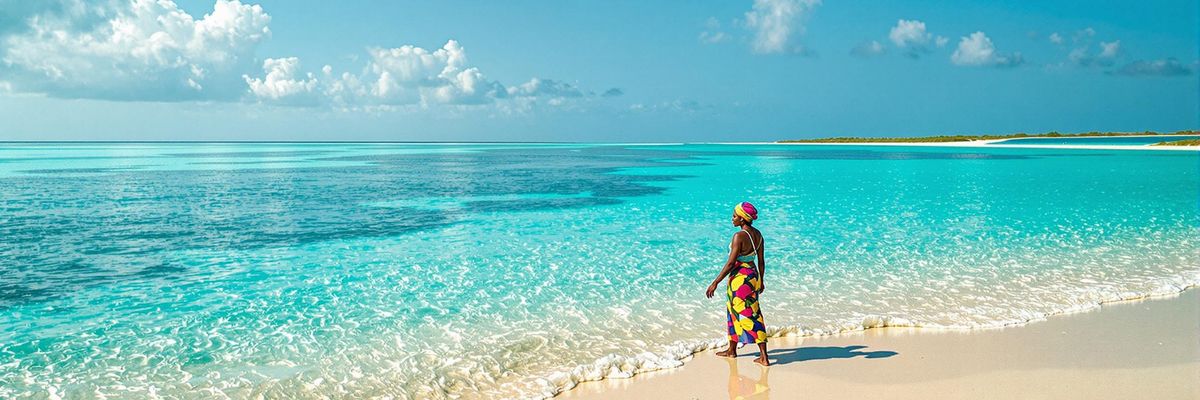
Xai-Xai: A Coastal Retreat
Relax on the beaches and explore the reefs of Xai-Xai.
View More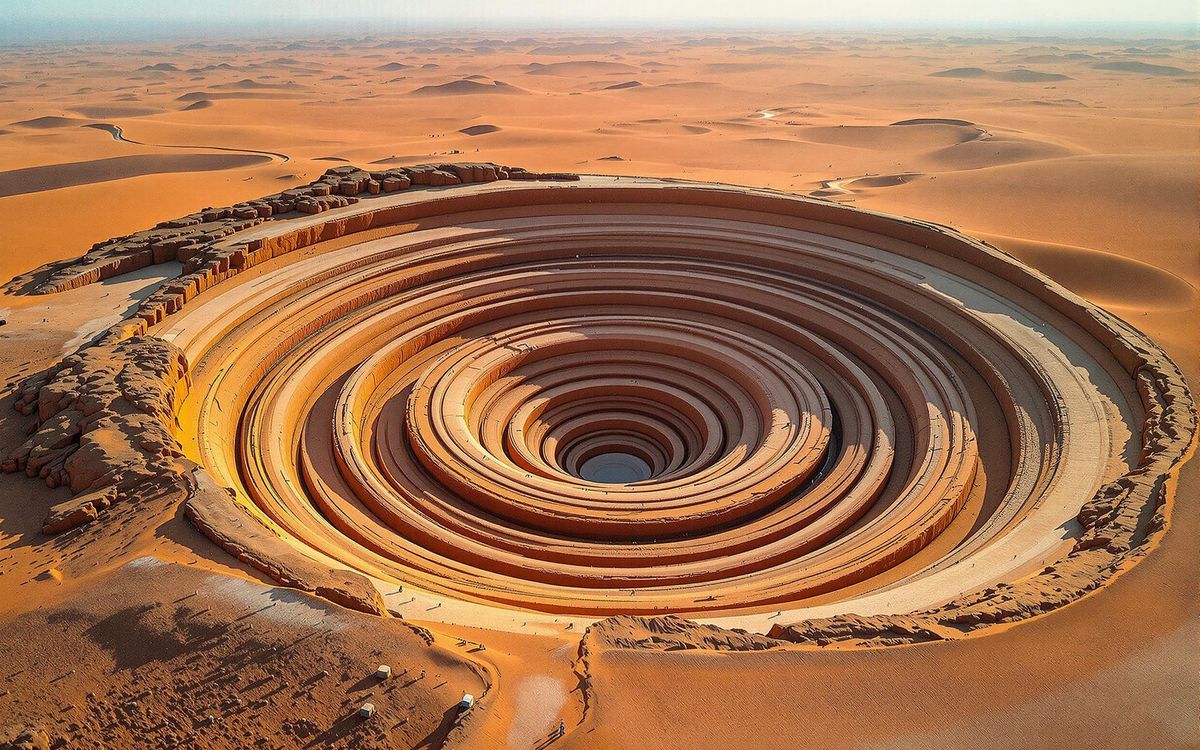

Gaze upon the Eye of the Sahara, a mesmerizing geological marvel that lies cradled in the vast expanse of the Sahara Desert. This colossal structure, also known as the Richat Structure, presents a breathtaking spectacle of concentric rings etched into the earth, an enigma that has captivated scientists and travelers alike for decades.
Visible even from space, the Eye of the Sahara beckons adventurers to explore its unique beauty and unravel the mysteries of its formation. Journey with us as we delve into the heart of this geological wonder, uncovering its secrets and revealing the best ways to witness its grandeur firsthand.
The Richat Structure, or the Eye of the Sahara, is a prominent circular feature located in the Adrar Plateau, near the town of Ouadane, Mauritania. Its striking appearance, characterized by concentric rings, makes it easily visible from space, and astronauts have long used it as a landmark for navigation. The structure spans approximately 40 to 50 kilometers (25 to 31 miles) in diameter, a testament to the immense forces that shaped it over millions of years.
Imagine soaring above the Sahara, the ochre landscape stretching endlessly beneath you. Suddenly, a colossal eye emerges from the sands, its circular rings drawing you in. This is the Richat Structure, a geological anomaly that defies simple explanation. The concentric rings, like the iris of an eye, create a mesmerizing pattern that seems almost otherworldly.
The sheer scale of the structure is awe-inspiring. From the ground, one can only perceive segments of the rings, but from above, the full scope of its circular pattern becomes apparent. The alternating layers of sedimentary rock, exposed by eons of erosion, create a textured landscape of ridges and valleys. The central part of the structure exhibits a significant degree of erosion, forming a circular area with a raised central peak.
The Richat Structure's unique appearance has sparked numerous theories about its origin, ranging from meteor impacts to volcanic activity. However, the most widely accepted explanation involves a combination of uplift and erosion, a process that has sculpted the landscape over millions of years.
The structure's location in the Sahara Desert adds to its mystique. The surrounding landscape, characterized by endless sand dunes and rocky plateaus, creates a stark contrast with the circular formation. The isolation and remoteness of the area contribute to the sense of adventure and discovery that accompanies a visit to the Eye of the Sahara.
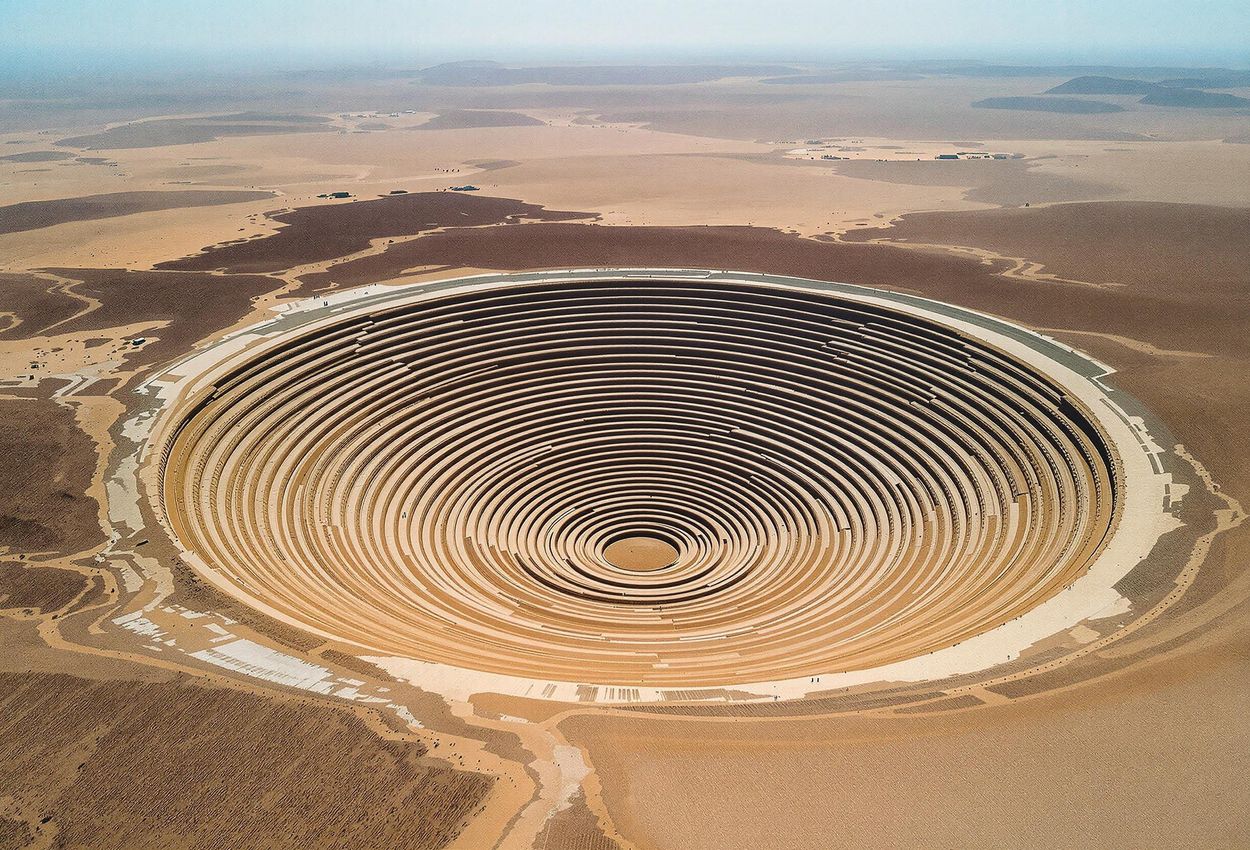
The Richat Structure is more than just a geological curiosity; it's a testament to the power of nature and the enduring mysteries of our planet. Its unique appearance and remote location make it a truly unforgettable destination for those seeking adventure and discovery.
The formation of the Richat Structure has been a topic of ongoing scientific debate. Initially, it was hypothesized to be an impact crater, but this theory has been largely discredited due to the absence of evidence of shock metamorphism, which is typically associated with such events. The prevailing scientific consensus suggests that the structure is the result of uplift and erosion, a process that has unfolded over millions of years.
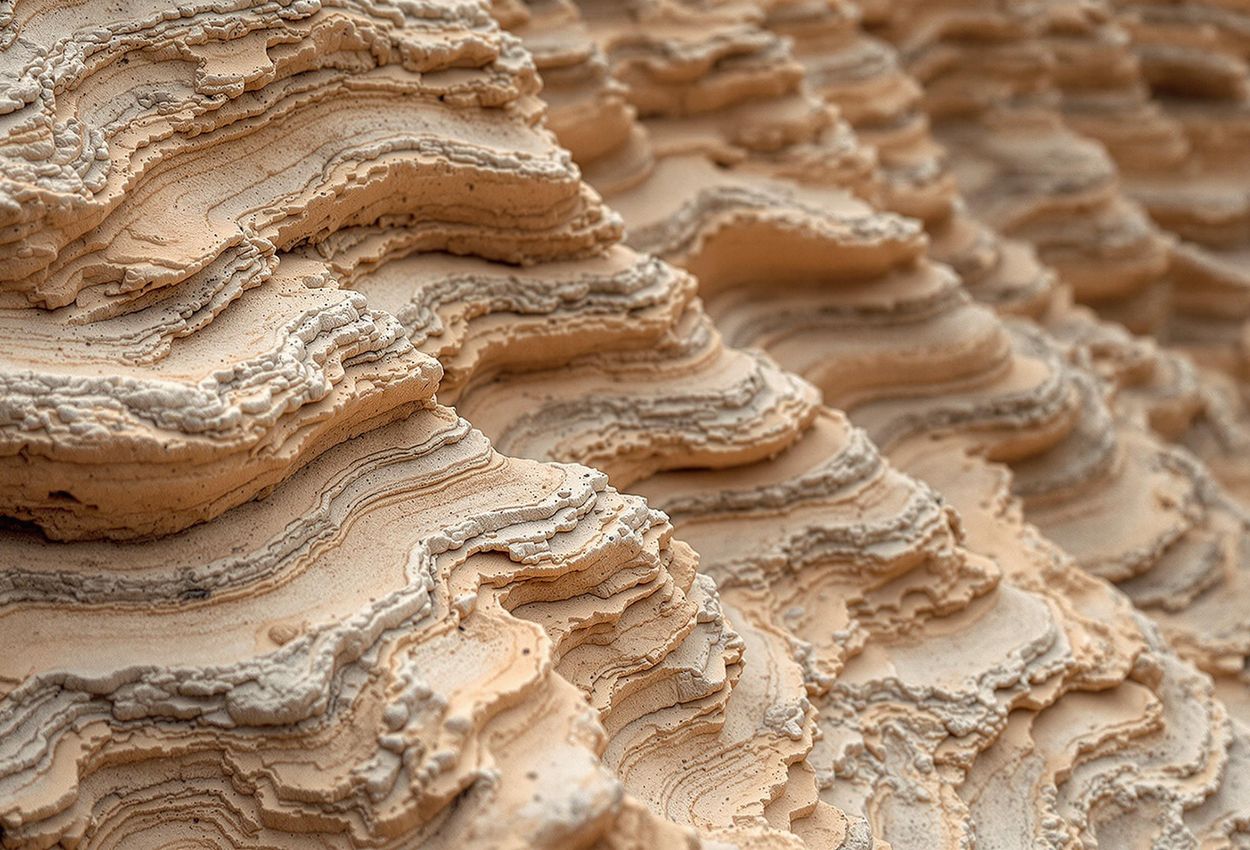
The erosion and uplift hypothesis posits that the Richat Structure began as a geological dome formed by magmatic activity or tectonic forces. Over time, the dome was subjected to relentless erosion by wind and water, which gradually exposed the different layers of rock. The varying resistance of these layers to erosion resulted in the formation of the concentric rings that characterize the structure.
The uplift process may have been driven by the movement of magma beneath the Earth's surface. As the magma pushed upwards, it caused the overlying rock layers toArchived from the original on 2005-09-09.dome upwards. This uplift was followed by a period of intense erosion, which stripped away the softer rock layers, leaving behind the more resistant layers in concentric circles.
Another hypothesis suggests that the Richat Structure may have formed as an anticline, a geological formation in which rock layers are folded upwards. In this scenario, the uplift and erosion processes would have acted on the anticline, exposing the different rock layers and creating the circular pattern.
The structure dates back to the Paleozoic era, approximately 500 million years ago. The rocks that make up the Richat Structure include quartzite, shale, and sandstone, each with varying degrees of resistance to erosion. The alternating layers of these rock types contribute to the structure's distinct ringed appearance.
While the uplift and erosion hypothesis is the most widely accepted, other theories have been proposed. Some scientists believe that volcanic explosions or the collapse of a magma chamber may have played a role in the structure's formation. However, these theories are less widely accepted than the uplift and erosion explanation.
The precise origins of the Richat Structure may remain a subject of scientific debate, but the prevailing evidence points to a complex interplay of geological forces that have shaped the landscape over vast stretches of time. The structure stands as a testament to the power of these forces and the enduring mysteries of our planet.
There are several ways to witness the grandeur of the Richat Structure, each offering a unique perspective on this geological marvel. Whether you prefer to explore it from the ground or soar above it in the sky, there's an option to suit every taste and budget.
One of the most popular ways to experience the Richat Structure is by taking a guided tour from Ouadane. Local tour operators offer excursions to the structure, providing transportation, knowledgeable guides, and insights into the area's geology and history. These tours often involve traversing the Sahara in 4x4 vehicles, adding an element of adventure to the experience.
For those seeking a bird's-eye view, aerial tours via chartered flights or photography offer an unforgettable perspective. From above, the full scope of the structure's circular pattern becomes apparent, revealing the intricate details of its concentric rings. The best times for aerial viewing are sunrise and sunset, when the light casts long shadows and enhances the texture of the landscape.
Imagine floating above the Sahara, the vast expanse of sand stretching out in all directions. As you approach the Richat Structure, its circular rings begin to emerge from the landscape, growing larger and more defined with each passing moment. From this vantage point, you can truly appreciate the scale and complexity of this geological wonder.
Whether you choose to explore the Richat Structure from the ground or the air, be sure to plan your visit carefully. The best time to visit is during the cooler months, from November to February, when temperatures are more moderate. It's also essential to bring plenty of water, sunscreen, and appropriate clothing to protect yourself from the desert sun.

Witnessing the Richat Structure is an experience that will stay with you long after you've left the Sahara. Its unique beauty and remote location make it a truly unforgettable destination for those seeking adventure and discovery.
The Richat Structure's significance extends beyond its geological intrigue. Throughout history, it has served as a landmark for travelers traversing the Sahara, and its unique appearance has sparked various theories about its role in ancient cultures.
Some believe that the Richat Structure may have served as a navigational aid for ancient peoples crossing the Sahara. Its prominent circular shape would have been easily recognizable from a distance, providing a reliable point of reference in the vast and featureless desert.
One of the more intriguing, though unsubstantiated, theories links the Richat Structure to the lost city of Atlantis. According to this theory, the structure's concentric rings match Plato's description of Atlantis, suggesting that it may be the remains of the legendary city. However, it's important to note that there is no scientific evidence to support this claim, and it remains a fringe theory.
Archaeological evidence suggests that the area surrounding the Richat Structure has been inhabited by humans for thousands of years. Acheulean Paleolithic stone tools have been found in the area, indicating early human activity. These tools provide a glimpse into the lives of the people who once roamed this region, hunting and gathering in the shadow of the Eye of the Sahara.
The Richat Structure's cultural and historical significance adds another layer of intrigue to this geological wonder. Whether it served as a navigational aid, inspired legends of lost cities, or simply provided a backdrop for early human settlements, its impact on the human imagination is undeniable.
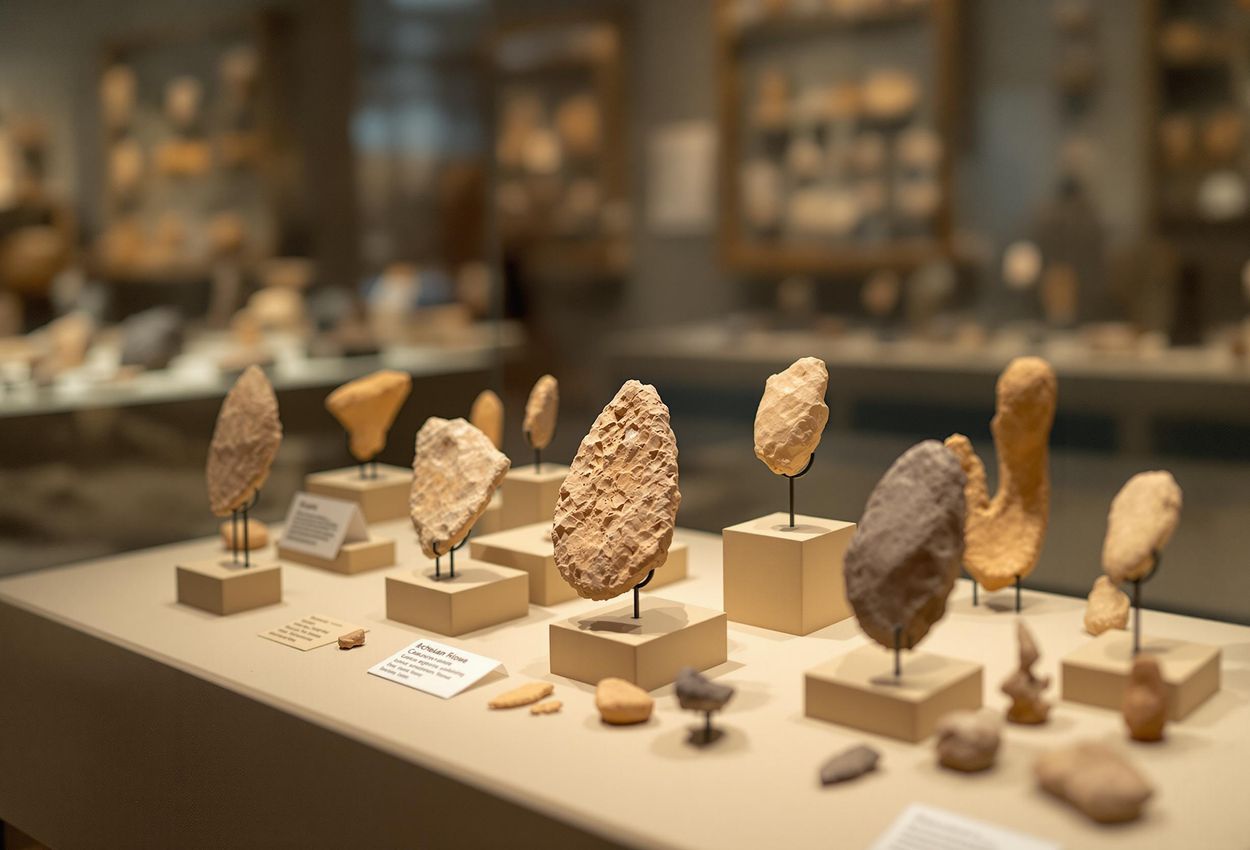
As you stand before the Eye of the Sahara, consider its place in human history and culture. Its enduring presence in the Sahara Desert serves as a reminder of the enduring connection between humanity and the natural world.
Ouadane, a UNESCO World Heritage site, serves as the closest town to the Richat Structure and a vital starting point for exploring the Eye of the Sahara. This ancient caravan city, steeped in history and culture, offers a unique glimpse into Mauritania's rich past.
Founded in the 11th century, Ouadane was once a thriving center of Islamic learning and a crucial stop along the trans-Saharan trade route. Its strategic location made it a hub for merchants, scholars, and travelers, contributing to its cultural and economic significance.
Today, Ouadane retains its historical charm, with its ancient stone buildings and narrow, winding streets. Visitors can explore the ancient city, marveling at the architecture and imagining life in this once-bustling trade center. The Ouadane Mosque, a testament to the city's Islamic heritage, is a must-see attraction, as are the manuscript libraries, which house a wealth of ancient texts.
Reaching Ouadane requires a bit of planning, but the journey is well worth the effort. The most common route is from Nouakchott, Mauritania's capital, followed by arranging local transport to the Richat Structure. From Ouadane, it's a journey by 4x4 vehicle into the desert to reach the Eye of the Sahara.
Before venturing into the desert, take some time to explore Ouadane and immerse yourself in its unique atmosphere. Wander through the ancient streets, visit the mosque and libraries, and soak in the history of this remarkable town.
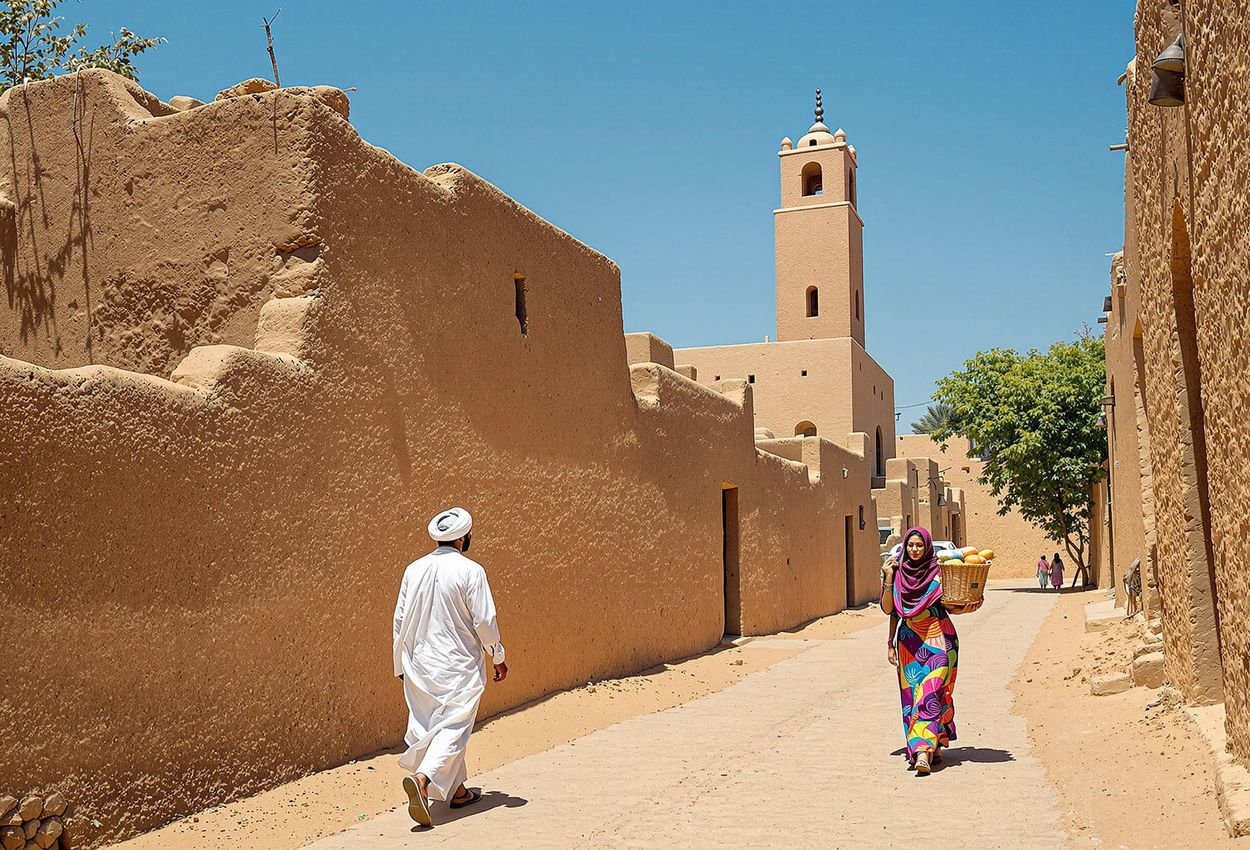
Ouadane is more than just a gateway to the Richat Structure; it's a destination in its own right, offering a glimpse into Mauritania's rich cultural heritage and the enduring spirit of the Sahara.
Our editors` picks of the latest and greatest in travel - delivered to your inbox daily
Relax on the beaches and explore the reefs of Xai-Xai.
View More
Embrace the cooler temperatures and experience the International Festival of the Sahara in Douz this December.
View More
Celebrate the year-end festivities in Accra, culminating in the vibrant Afrofuture festival.
View More Albania EDITION
 Algeria EDITION
 Argentina EDITION
 Armenia EDITION
 Australia EDITION
 Austria EDITION
 Bangladesh EDITION
 Belgium EDITION
 Belize EDITION
 Benin EDITION
 Bhutan EDITION
 Bolivia EDITION
 Bosnia and Herzegovina EDITION
 Botswana EDITION
 Brazil EDITION
 Bulgaria EDITION
 Burkina Faso EDITION
 Cambodia EDITION
 Cameroon EDITION
 Canada EDITION
 Central African Republic EDITION
 Chad EDITION
 Chile EDITION
 China EDITION
 Colombia EDITION
 Costa Rica EDITION
 Croatia EDITION
 Cyprus EDITION
 Denmark EDITION
 Djibouti EDITION
 Ecuador EDITION
 Egypt EDITION
 El Salvador EDITION
 Eritrea EDITION
 Estonia EDITION
 Ethiopia EDITION
 Finland EDITION
 France EDITION
 Gabon EDITION
 Georgia EDITION
 Germany EDITION
 Ghana EDITION
 Greece EDITION
 Guatemala EDITION
 Guinea EDITION
 Guinea-Bissau EDITION
 Honduras EDITION
 Hungary EDITION
 Iceland EDITION
 India EDITION
 Indonesia EDITION
 Ireland EDITION
 Israel EDITION
 Italy EDITION
 Jamaica EDITION
 Japan EDITION
 Jordan EDITION
 Kenya EDITION
 Kuwait EDITION
 Laos EDITION
 Latvia EDITION
 Lebanon EDITION
 Lesotho EDITION
 Liberia EDITION
 Lithuania EDITION
 Luxembourg EDITION
 Madagascar EDITION
 Malawi EDITION
 Malaysia EDITION
 Maldives EDITION
 Mali EDITION
 Malta EDITION
 Mauritania EDITION
 Mauritius EDITION
 Mexico EDITION
 Mongolia EDITION
 Montenegro EDITION
 Morocco EDITION
 Mozambique EDITION
 Namibia EDITION
 Nepal EDITION
 Netherlands EDITION
 New Zealand EDITION
 Nicaragua EDITION
 Niger EDITION
 Nigeria EDITION
 Norway EDITION
 Oman EDITION
 Pakistan EDITION
 Panama EDITION
 Papua New Guinea EDITION
 Paraguay EDITION
 Peru EDITION
 Philippines EDITION
 Poland EDITION
 Portugal EDITION
 Qatar EDITION
 Romania EDITION
 Rwanda EDITION
 Saudi Arabia EDITION
 Senegal EDITION
 Serbia EDITION
 Singapore EDITION
 Slovakia EDITION
 Slovenia EDITION
 Somalia EDITION
 South Africa EDITION
 South Korea EDITION
 Spain EDITION
 Sri Lanka EDITION
 Suriname EDITION
 Sweden EDITION
 Switzerland EDITION
 Tanzania EDITION
 Thailand EDITION
 Tunisia EDITION
 Uganda EDITION
 United Arab Emirates EDITION
 United Kingdom EDITION
 Uruguay EDITION
 Venezuela EDITION
 Vietnam EDITION
 Zambia EDITION
 Zimbabwe EDITION
Subscribe to our newsletter and get the most captivating travel stories, hidden gems, and expert insights delivered straight to your inbox. As a subscriber, you’ll be first in line for exclusive content, premium offers, and unforgettable travel experiences