


Destination Guide
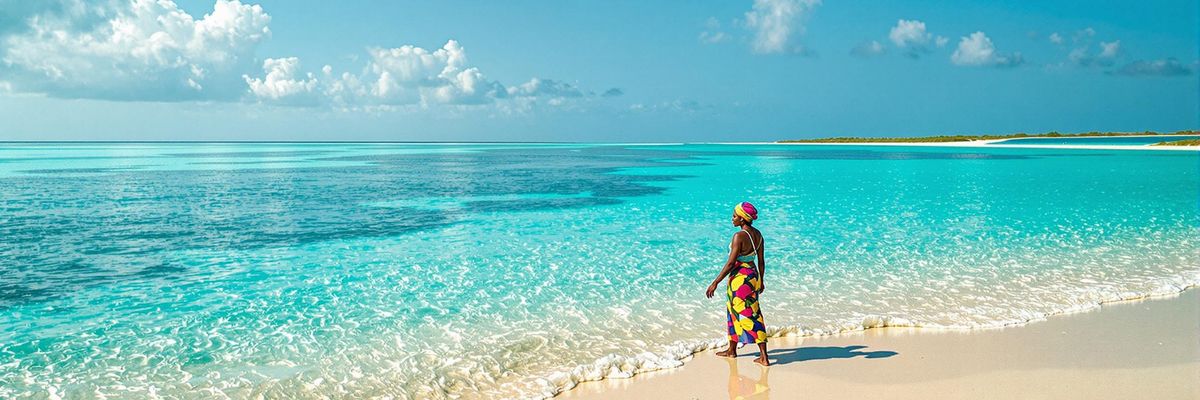
Xai-Xai: A Coastal Retreat
Relax on the beaches and explore the reefs of Xai-Xai.
View More

Freetown, a city where history whispers on every corner and resilience shines in the eyes of its people, offers an unforgettable journey into the heart of Sierra Leone.
From its iconic Cotton Tree to its bustling markets and serene beaches, Freetown is a vibrant tapestry of culture, history, and natural beauty. This coastal capital is more than just a destination; it's an experience that will stir your soul and leave you with a profound appreciation for the spirit of Sierra Leone.
The Cotton Tree stands as a silent sentinel in the heart of Freetown, a living monument to the city's founding and a symbol of hope for generations of Sierra Leoneans. This majestic kapok tree, estimated to be around 400 years old, gained prominence in 1792 when freed African Americans, also known as Black Nova Scotians, who fought for the British during the American Revolutionary War, settled in the area and founded Freetown.
Legend has it that these settlers gathered under the tree to offer prayers and thanksgiving for their safe passage and new beginning. A white preacher named Nathaniel Gilbert is said to have preached a sermon there. The Cotton Tree quickly became a central gathering place, a spiritual anchor for the burgeoning community. Today, it represents freedom, resilience, and hope for the people of Sierra Leone.
Standing in the roundabout near the Supreme Court building and the Sierra Leone National Museum, the Cotton Tree's sheer size is awe-inspiring. Its massive trunk, reinforced with steel straps and concrete after being partially damaged by fire and a lightning strike, reaches towards the sky, its branches providing shade and shelter. The air is thick with the sounds of the city, a symphony of car horns, street vendors, and the chatter of locals going about their day. The Cotton Tree is more than just a tree; it's a living, breathing testament to Freetown's enduring spirit. In May 2023, heavy rains caused much of the tree to topple over, marking a significant event in the city's history.

Just a stone's throw from the Cotton Tree, the Sierra Leone National Museum offers a captivating journey into the nation's rich cultural and historical heritage. Housed in a historic structure that once served as the Cotton Tree Telephone Exchange, the museum is a treasure trove of artifacts, exhibits, and stories that illuminate Sierra Leone's past and present.
Inside, you'll find a diverse collection of cultural and historical items, including traditional masks, musical instruments, and ceremonial attire. Exhibits showcase the country's ethnic diversity, highlighting the unique customs, beliefs, and traditions of its various groups. The museum also delves into Sierra Leone's colonial past, displaying historical documents, photographs, and artifacts that shed light on this transformative period.
One of the museum's highlights is the exhibit dedicated to Bai Bureh, a Temne guerrilla leader who led a war against British rule in 1898. Here, you can see Bureh's drum, clothes, and sword, tangible reminders of his courageous fight for freedom and independence. The Sierra Leone National Museum is more than just a repository of artifacts; it's a place where history comes alive, offering visitors a deeper understanding of Sierra Leone's complex and fascinating story. The museum also features temporary exhibitions of paintings and multimedia presentations.

St. John's Maroon Church, located in the Maroon Town district of Freetown, stands as one of the oldest and most historically significant places of worship in Sierra Leone. Constructed around 1820, the church holds special significance for the Maroon settlers, descendants of escaped slaves from Jamaica who fought alongside the British during the American Revolutionary War.
In 1800, the Jamaican Maroons were sent to Freetown after being captured during the Second Maroon War in Jamaica. The government granted them land to build their own church, a testament to their resilience and determination to preserve their cultural and religious identity. St. John's Maroon Church served as the focal point for social and religious activities in the Maroon community, providing a space for worship, fellowship, and cultural expression.
The church's architecture reflects its historical significance, with its simple yet elegant design and well-preserved structure. Today, St. John's Maroon Church remains an active place of worship and a symbol of cultural pride for the Maroon community and the people of Freetown. Visiting the church offers a glimpse into the past, a chance to connect with the stories of the Maroon settlers and their enduring legacy. The church is a national heritage site.

Embark on a captivating walking tour through Freetown's historical downtown, where every street corner whispers tales of the past. Start your journey at the iconic Cotton Tree, the city's symbolic heart, and proceed to St. George's Cathedral, an Anglican cathedral with a rich history.
Continue to the Sierra Leone National Museum, where you can delve into the nation's cultural heritage through its fascinating exhibits. From there, make your way to the Peace Museum, a poignant reminder of Sierra Leone's civil war and a testament to the country's commitment to peace and reconciliation.
As you wander through downtown, you'll pass by other landmarks, each with its own unique story to tell. Conclude your tour near Big Market, a bustling marketplace where you can immerse yourself in the vibrant sights, sounds, and smells of Freetown's local commerce. This walking tour offers a comprehensive overview of Freetown's historical and cultural treasures, providing a deeper appreciation for the city's past and present.

Escape the hustle and bustle of Freetown with a visit to the Tacugama Chimpanzee Sanctuary, a haven for rescued and orphaned chimpanzees nestled in the lush rainforest of the Western Area Peninsula National Park. Founded in 1995 by conservationist Bala Amarasekaran, the sanctuary is dedicated to the rehabilitation and conservation of these endangered primates.
Take a guided tour of the sanctuary and witness the incredible work being done to care for these animals. Learn about the sanctuary's mission to rescue, rehabilitate, and release chimpanzees back into the wild whenever possible. Observe the chimps in their semi-natural enclosures, mimicking the branches of trees, and witness their playful interactions and social dynamics.
For a truly immersive experience, consider staying overnight in one of the sanctuary's eco-lodges, where you can fall asleep to the sounds of the rainforest and wake up to the calls of the chimpanzees. The Tacugama Chimpanzee Sanctuary is not only a place of refuge for these animals but also a center for research, education, and community engagement, raising awareness about the importance of chimpanzee conservation and environmental protection. Tours typically take place twice a day.

Take a boat trip to Bunce Island, a hauntingly beautiful yet historically significant site related to the transatlantic slave trade. Located about 20 miles up the Sierra Leone River from Freetown, this small island was once a major British slave castle, operating from around 1670 to 1807.
Tens of thousands of African captives were held here before being shipped to North America and the West Indies. Many were sent to the rice plantations of South Carolina and Georgia, where their knowledge of rice cultivation was highly valued. Bunce Island is also linked to the Gullah people of South Carolina, descendants of enslaved Africans who have preserved many of their West African traditions.
Explore the ruins of the castle, including the slave quarters, the factory where captives were processed, and the remnants of the pier where ships once docked. As you walk through these crumbling structures, reflect on the human cost of the slave trade and the resilience of those who endured its horrors. Bunce Island stands as a powerful reminder of this dark chapter in history and the importance of remembering and learning from the past. The island was declared a National Monument in 1948.

Escape the city and discover the pristine beauty of River Number Two Beach, a tranquil paradise located a short drive from Freetown. With its powdery white sand, crystal-clear waters, and lush tropical greenery, this beach offers a perfect escape from the everyday.
Spend your days swimming, sunbathing, and soaking up the natural beauty. Take a kayak or boat ride along the river, exploring the mangroves and spotting local wildlife. The estuary where the river meets the ocean creates a unique ecosystem, providing opportunities for birdwatching and nature photography.
River Number Two Beach is also known for its community-run tourism initiatives, with locals managing the beach facilities and offering boat rides and other activities. This provides a unique opportunity to support the local community and experience the warmth and hospitality of the Sierra Leonean people. The beach rose to fame after being chosen as the setting for a Bounty Bar commercial in the 1980s.
Immerse yourself in the vibrant energy of Big Market, Freetown's bustling central marketplace. This shopper's paradise is a feast for the senses, with its colorful displays of local crafts, textiles, spices, and produce.
Wander through the narrow aisles, interacting with local vendors and haggling for souvenirs. The air is thick with the sounds of bartering, the aroma of spices, and the vibrant colors of African prints. Big Market is the perfect place to find unique gifts, from intricately woven baskets and wood carvings to colorful fabrics and handmade jewelry.
Beyond the shopping, Big Market offers a glimpse into the daily life of Freetown, a chance to connect with the local community and experience the city's vibrant culture. The market is managed by the Freetown City Council.

No trip to Freetown is complete without sampling the local cuisine, a delicious blend of flavors and traditions. One of the most popular dishes is Jollof rice, a flavorful one-pot dish made with rice, tomatoes, onions, peppers, and spices.
Another must-try is cassava leaves stew, a thick and hearty soup made from cassava leaves, onions, peppers, and meat or fish. This stew, also known as saka saka, pondu, palava, or mpondu, is often considered the national dish of Sierra Leone and is enjoyed throughout West Africa.
For a quick and tasty snack, try akara (bean cakes) or fried plantains, popular street food items that are sure to satisfy your cravings. Wash it all down with poyo (palm wine) or ginger beer, local beverages that offer a refreshing taste of Freetown. White rice is a staple ingredient in Sierra Leone.

Navigating Freetown can be an adventure in itself, but with a few practical tips, you can ensure a smooth and enjoyable experience. Transportation options include taxis, poda-podas (minibuses), and tuk-tuks (auto rickshaws). It's advisable to use reputable taxi companies and negotiate the fare before you start your journey.
While poda-podas are a cheap way to get around, they can be crowded and uncomfortable. Motorcycle taxis (okadas) are available but are considered unsafe. It's important to dress modestly, especially when visiting religious sites. Health precautions and vaccinations are recommended before traveling to Sierra Leone.
Despite the challenges, Freetown is a city of warmth and hospitality, with locals eager to welcome visitors and share their culture. Embrace the spirit of adventure, be open to new experiences, and you're sure to have an unforgettable journey in this vibrant capital.

Our editors` picks of the latest and greatest in travel - delivered to your inbox daily
Relax on the beaches and explore the reefs of Xai-Xai.
View More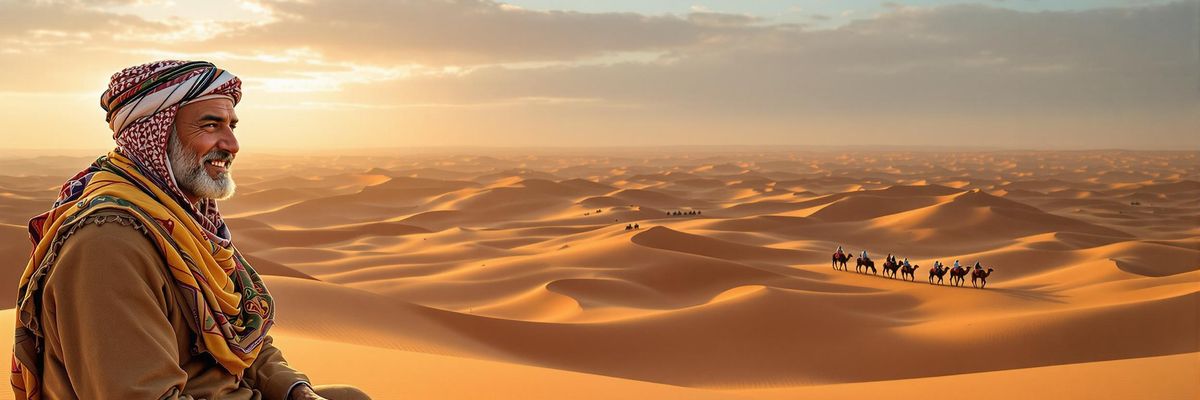
Embrace the cooler temperatures and experience the International Festival of the Sahara in Douz this December.
View More
Celebrate the year-end festivities in Accra, culminating in the vibrant Afrofuture festival.
View More Albania EDITION
 Algeria EDITION
 Argentina EDITION
 Armenia EDITION
 Australia EDITION
 Austria EDITION
 Bangladesh EDITION
 Belgium EDITION
 Belize EDITION
 Benin EDITION
 Bhutan EDITION
 Bolivia EDITION
 Bosnia and Herzegovina EDITION
 Botswana EDITION
 Brazil EDITION
 Bulgaria EDITION
 Burkina Faso EDITION
 Cambodia EDITION
 Cameroon EDITION
 Canada EDITION
 Central African Republic EDITION
 Chad EDITION
 Chile EDITION
 China EDITION
 Colombia EDITION
 Costa Rica EDITION
 Croatia EDITION
 Cyprus EDITION
 Denmark EDITION
 Djibouti EDITION
 Ecuador EDITION
 Egypt EDITION
 El Salvador EDITION
 Eritrea EDITION
 Estonia EDITION
 Ethiopia EDITION
 Finland EDITION
 France EDITION
 Gabon EDITION
 Georgia EDITION
 Germany EDITION
 Ghana EDITION
 Greece EDITION
 Guatemala EDITION
 Guinea EDITION
 Guinea-Bissau EDITION
 Honduras EDITION
 Hungary EDITION
 Iceland EDITION
 India EDITION
 Indonesia EDITION
 Ireland EDITION
 Israel EDITION
 Italy EDITION
 Jamaica EDITION
 Japan EDITION
 Jordan EDITION
 Kenya EDITION
 Kuwait EDITION
 Laos EDITION
 Latvia EDITION
 Lebanon EDITION
 Lesotho EDITION
 Liberia EDITION
 Lithuania EDITION
 Luxembourg EDITION
 Madagascar EDITION
 Malawi EDITION
 Malaysia EDITION
 Maldives EDITION
 Mali EDITION
 Malta EDITION
 Mauritania EDITION
 Mauritius EDITION
 Mexico EDITION
 Mongolia EDITION
 Montenegro EDITION
 Morocco EDITION
 Mozambique EDITION
 Namibia EDITION
 Nepal EDITION
 Netherlands EDITION
 New Zealand EDITION
 Nicaragua EDITION
 Niger EDITION
 Nigeria EDITION
 Norway EDITION
 Oman EDITION
 Pakistan EDITION
 Panama EDITION
 Papua New Guinea EDITION
 Paraguay EDITION
 Peru EDITION
 Philippines EDITION
 Poland EDITION
 Portugal EDITION
 Qatar EDITION
 Romania EDITION
 Rwanda EDITION
 Saudi Arabia EDITION
 Senegal EDITION
 Serbia EDITION
 Singapore EDITION
 Slovakia EDITION
 Slovenia EDITION
 Somalia EDITION
 South Africa EDITION
 South Korea EDITION
 Spain EDITION
 Sri Lanka EDITION
 Suriname EDITION
 Sweden EDITION
 Switzerland EDITION
 Tanzania EDITION
 Thailand EDITION
 Tunisia EDITION
 Uganda EDITION
 United Arab Emirates EDITION
 United Kingdom EDITION
 Uruguay EDITION
 Venezuela EDITION
 Vietnam EDITION
 Zambia EDITION
 Zimbabwe EDITION
Subscribe to our newsletter and get the most captivating travel stories, hidden gems, and expert insights delivered straight to your inbox. As a subscriber, you’ll be first in line for exclusive content, premium offers, and unforgettable travel experiences