


Destination Guide
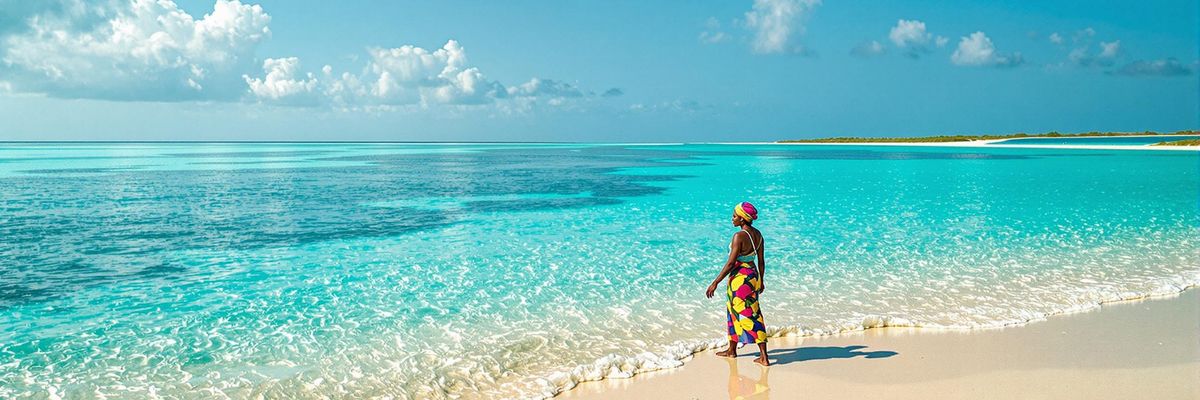
Xai-Xai: A Coastal Retreat
Relax on the beaches and explore the reefs of Xai-Xai.
View More

Imagine stepping onto an island where time slows, and the vibrant hues of red earth meet the lush green of ancient palms. This is Curieuse Island, a hidden gem of the Seychelles archipelago, where giant tortoises roam freely and the echoes of history whisper on the breeze.
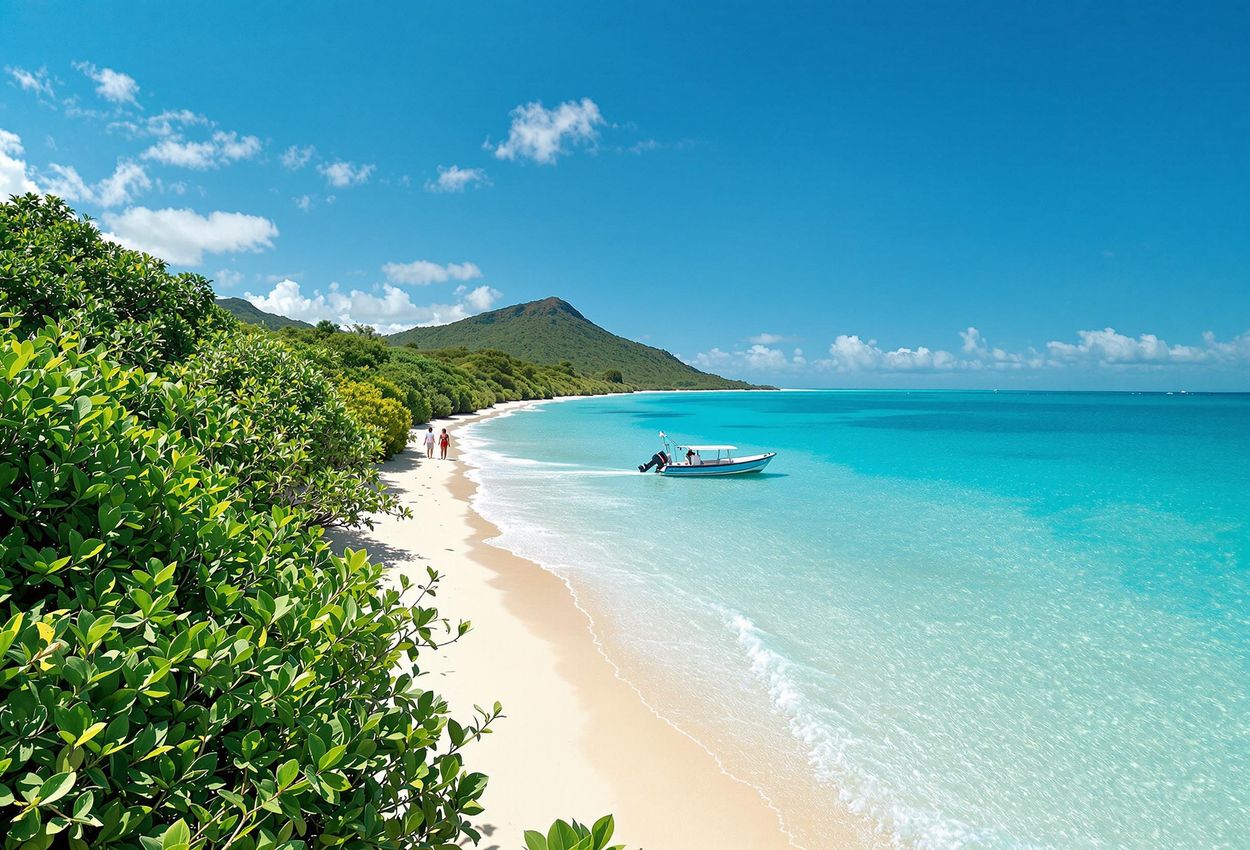
Located a mere kilometer off the coast of Praslin Island, Curieuse Island beckons with its unique blend of natural beauty and historical intrigue. Once known as Ile Rouge for its distinctive red soil, the island now stands as a testament to conservation and a sanctuary for some of the world's most fascinating creatures. As you approach by boat, the striking contrast of the red earth against the verdant landscape creates a breathtaking panorama, hinting at the wonders that await.
Curieuse Island is more than just a picturesque destination; it's a living museum, where the past and present intertwine. Designated as a Marine National Park in 1979, the island is a haven for diverse ecosystems, from mangrove forests to thriving coral reefs. Its history as a former leper colony adds a layer of somber reflection, while its current role as a conservation hub offers hope for the future.
Accessible by a short boat trip from Praslin, Curieuse Island promises an unforgettable journey into the heart of the Seychelles' natural heritage. Prepare to be captivated by the gentle giants that call this island home, the mysteries of its past, and the vibrant life that thrives in its protected waters.
The stars of Curieuse Island are undoubtedly the Aldabra giant tortoises. These magnificent creatures, originally from the Aldabra Atoll, were relocated to Curieuse as part of a conservation project between 1978 and 1982. Today, over 300 of these gentle giants roam freely, making Curieuse one of the best places in the Seychelles to observe them in their natural habitat.
As you step onto the island, you're immediately greeted by the sight of these ancient reptiles grazing peacefully. The sound of their shells scraping against the undergrowth and their slow, deliberate movements create a mesmerizing symphony of nature. Reaching impressive sizes and weights, some individuals can live for over 100 years, embodying the island's timeless spirit.
A visit to the tortoise nursery offers a heartwarming glimpse into the future of these incredible animals. Here, young tortoises are carefully nurtured, ensuring the continued survival of the species. You can witness these tiny creatures up close, learning about their life cycle and the conservation efforts dedicated to their well-being.
Among the many tortoises, you might encounter a particularly large and venerable individual, perhaps even one known affectionately by name. These tortoises, with their wrinkled necks and wise eyes, seem to carry the weight of the island's history on their sturdy shells. Feeding them a piece of fruit or simply observing their peaceful existence is an experience that will stay with you long after you leave Curieuse Island.
Local Tip: Approach the tortoises slowly and gently to avoid startling them. Remember that these are wild animals, and it's important to respect their space. Enjoy the unique opportunity to observe them in their natural environment, but always prioritize their well-being.

Curieuse Island's history is not without its shadows. From 1829 to 1965, the island served as a leper colony, a place of isolation and hardship for those afflicted with the disease. While the colony is no longer in operation, remnants of its past remain, offering a poignant glimpse into a different era.
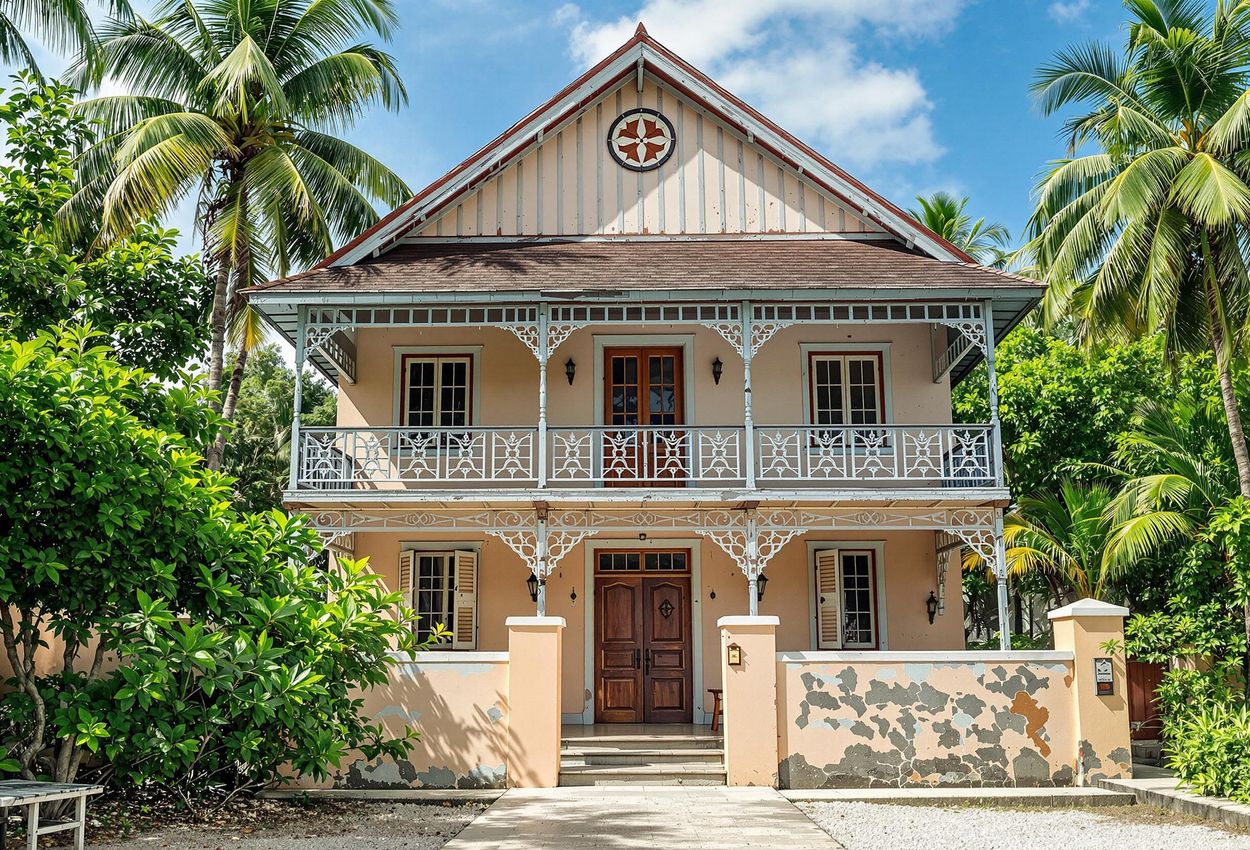
The most prominent reminder of this period is the Doctor's House at Anse St. Joseph, now a museum and national monument. Built in 1873, this Creole-style house stands as a testament to the lives of those who lived and worked on the island. Inside, exhibits tell the story of the leper colony, shedding light on the challenges faced by its residents and the medical practices of the time.
One notable figure associated with the colony was Dr. William MacGregor, a physician who dedicated himself to improving the lives of the patients. His house, now the museum, offers a glimpse into his life and work, providing a human connection to this often-forgotten chapter of history.
Ironically, the island's use as a leper colony contributed to its conservation. By limiting human impact, the colony inadvertently protected the island's unique ecosystem, allowing its flora and fauna to flourish. Today, as you walk through the remnants of the colony, you can appreciate the resilience of nature and the complex relationship between humans and the environment.
Visiting the leper colony is a somber yet important experience, offering a chance to reflect on the past and appreciate the island's transformation into a sanctuary for life. It serves as a reminder of the importance of compassion, understanding, and the enduring power of nature to heal.
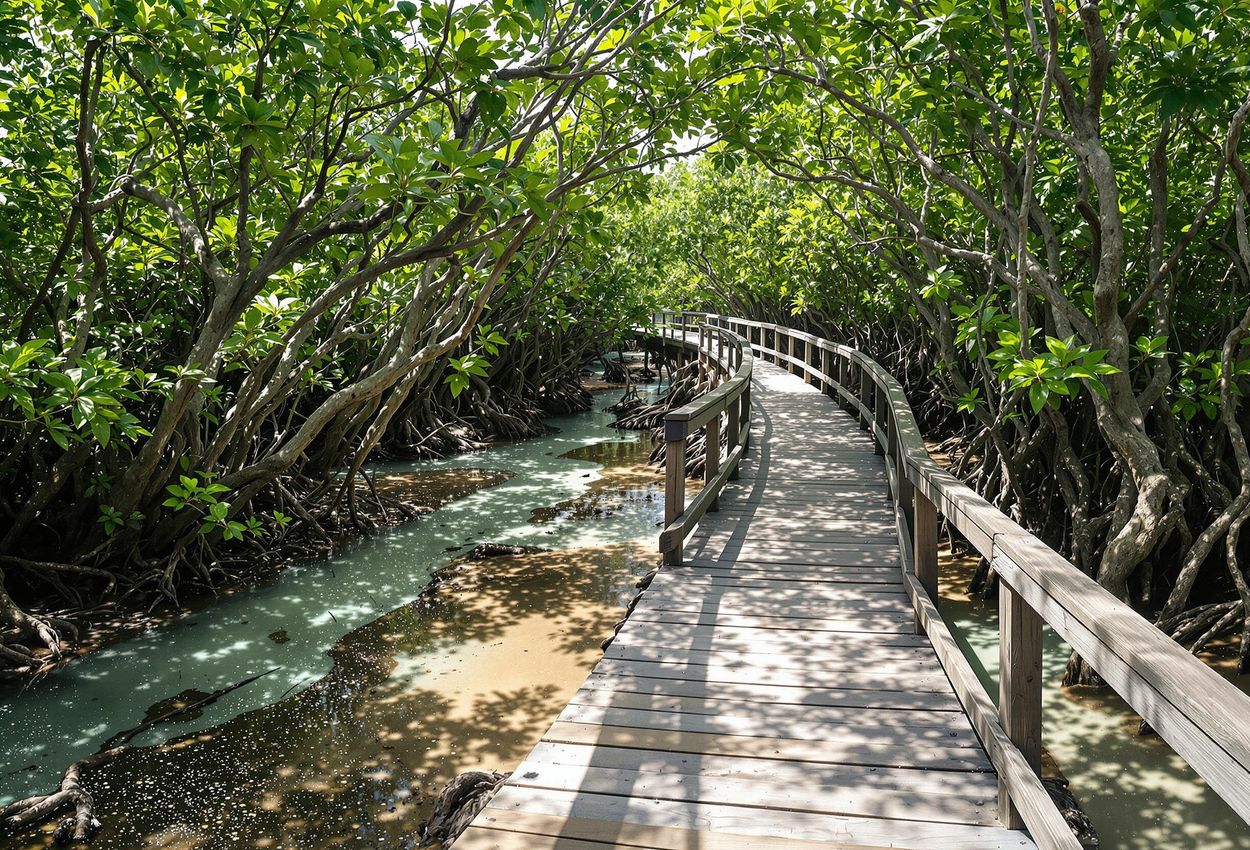
Beyond its tortoises and historical remnants, Curieuse Island boasts a diverse ecosystem, with mangrove forests playing a vital role. These unique coastal habitats are essential for protecting the island's shoreline, providing nurseries for marine life, and filtering the water.
A 1.5km boardwalk trail winds through the heart of the mangrove forest, connecting Baie Lazare and Anse St. José. This scenic path offers an immersive experience, allowing you to observe the intricate root systems of the mangroves and the diverse wildlife that calls them home.
As you stroll along the boardwalk, keep an eye out for various mangrove species, each adapted to different levels of salinity and inundation. These trees, with their specialized roots and salt-filtering mechanisms, are a testament to the power of adaptation.
The mangrove forest is also teeming with life. You might spot sea snails clinging to the roots, geckos darting across the leaves, and skinks scurrying along the boardwalk. Birdwatchers will be delighted by the variety of avian species that frequent the mangroves, from herons and egrets to kingfishers and sunbirds.
The boardwalk trail offers a unique perspective on the island's natural beauty, allowing you to appreciate the delicate balance of this coastal ecosystem. It's a chance to connect with nature, learn about the importance of mangroves, and discover the hidden wonders of Curieuse Island.
Curieuse Island, along with Praslin, is one of the only places in the world where the coco de mer palm grows naturally. This iconic tree produces the world's largest seed, a cultural symbol of the Seychelles, and a source of fascination for visitors.
The coco de mer seed is renowned for its unique shape, resembling a human pelvis. This distinctive form has led to various myths and legends, adding to the allure of this remarkable plant. The tree itself is equally impressive, with towering fronds and a lifespan that can exceed 100 years.
In the past, fires threatened the coco de mer population on Curieuse Island, prompting conservation efforts to protect these valuable trees. Today, the island is home to a thriving coco de mer forest, a testament to the success of these initiatives.
As you explore the island, keep an eye out for these majestic palms, their massive seeds a reminder of the unique biodiversity of the Seychelles. Learning about the coco de mer is an essential part of understanding the natural heritage of Curieuse Island.

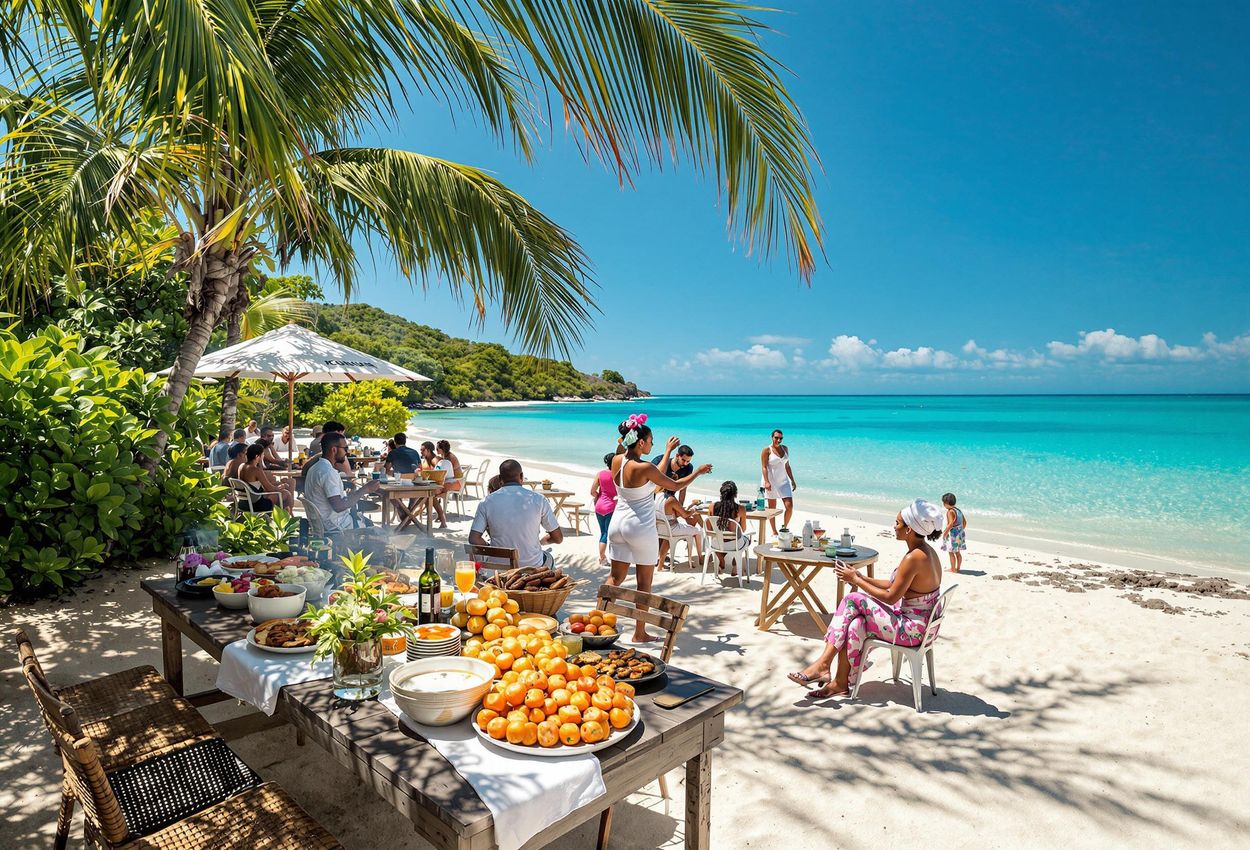
No visit to Curieuse Island is complete without indulging in a traditional Creole BBQ lunch on the beach. This culinary experience is a feast for the senses, offering a taste of the local culture and a chance to relax in a stunning setting.
Imagine the aroma of grilled fish wafting through the air, seasoned with local spices and cooked to perfection. The taste of fresh seafood, accompanied by flavorful Creole sauces and side dishes, is a true delight. The sound of the waves lapping against the shore and the gentle sea breeze add to the ambiance, creating a truly unforgettable dining experience.
Typical dishes might include grilled fish or chicken, rice, lentils, and a variety of local vegetables. The use of spices like ginger, garlic, and chili adds a unique flavor to the cuisine, reflecting the island's diverse cultural influences.
The relaxed atmosphere of the beach BBQ encourages you to slow down, savor the moment, and connect with the local culture. It's an opportunity to chat with the chefs, learn about their culinary traditions, and appreciate the simple pleasures of island life.
A Creole BBQ lunch on Curieuse Island is more than just a meal; it's an immersion into the heart of Seychelles culture, a chance to taste the flavors of the island and create lasting memories.
The crystal-clear waters surrounding Curieuse Island offer excellent snorkeling opportunities, allowing you to discover the vibrant marine life that thrives beneath the surface. With colorful coral reefs and an abundance of fish, the underwater world is a kaleidoscope of beauty.
A popular snorkeling spot near Curieuse Island is St. Pierre Island, a small granite islet with stunning underwater scenery. Here, you can swim among schools of colorful fish, observe intricate coral formations, and perhaps even spot sea turtles or small sharks.
The marine environment around Curieuse Island is protected, ensuring the health and sustainability of its ecosystems. Conservation efforts are in place to safeguard the coral reefs, monitor marine life, and promote responsible tourism practices.
Snorkeling in the turquoise waters of Curieuse Island is an unforgettable experience, offering a glimpse into the underwater wonders of the Seychelles. It's a chance to connect with the marine environment, appreciate its beauty, and understand the importance of its conservation.

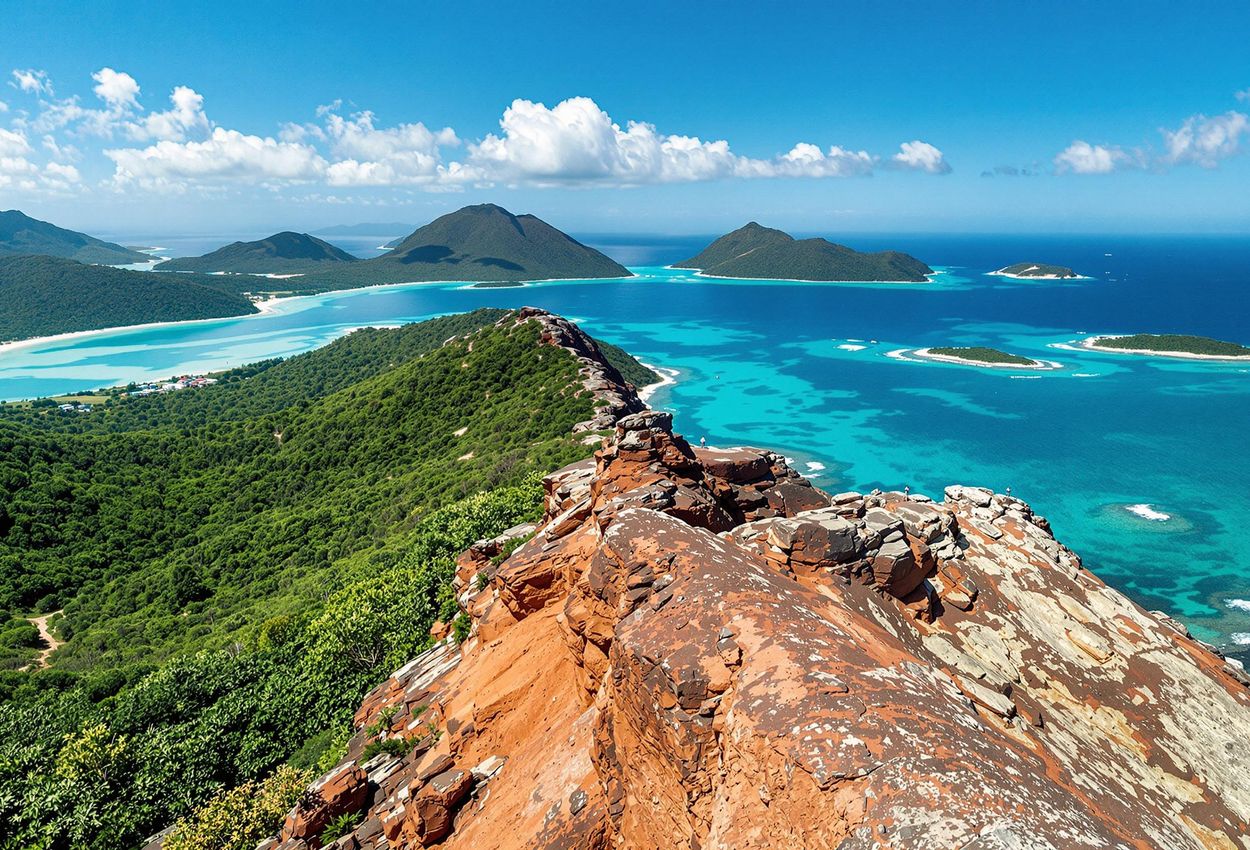
For those seeking a panoramic view of Curieuse Island and its surroundings, a hike to Mont Curieuse, the island's highest point, is a must. This challenging trail rewards you with breathtaking vistas, offering a unique perspective on the island's landscape.
As you ascend the trail, you'll traverse through lush vegetation, encountering diverse flora and fauna along the way. The hike can be steep and challenging in places, so it's important to wear appropriate footwear and bring plenty of water.
From the summit of Mont Curieuse, you'll be rewarded with stunning views of the island's red earth, verdant forests, and turquoise waters. You can see the surrounding islands, including Praslin and St. Pierre, stretching out into the horizon.
The hike to Mont Curieuse is an adventure in itself, offering a chance to connect with the island's natural beauty and appreciate its unique topography. The panoramic views from the summit are a fitting reward for your efforts, providing a lasting memory of your visit to Curieuse Island.
Curieuse Island is a shining example of conservation in action, with various organizations working to protect its unique biodiversity. The Seychelles National Parks Authority (SNPA) plays a key role in managing the island and its marine environment, implementing regulations and monitoring wildlife populations.
Global Vision International (GVI) also has a presence on Curieuse Island, conducting research and monitoring programs to support conservation efforts. Their work includes monitoring lemon sharks, surveying coral reefs, and studying the coco de mer population.
Sustainable tourism practices are also essential for protecting Curieuse Island. By promoting responsible behavior among visitors, such as avoiding littering and respecting wildlife, the island can continue to thrive for generations to come.
The conservation efforts on Curieuse Island demonstrate the importance of collaboration, research, and sustainable practices in protecting our planet's natural treasures. By supporting these initiatives, you can contribute to the preservation of this unique paradise.

Visiting Curieuse Island in July offers an ideal opportunity to experience its natural wonders in pleasant weather. The warm and equable temperature makes it perfect for exploring the island's trails, snorkeling in its waters, and relaxing on its beaches.
To reach Curieuse Island, take a boat trip from Praslin Island, which can be arranged through local tour operators. The boat ride is short and scenic, offering stunning views of the coastline.
When packing for your trip, be sure to bring sunscreen, a hat, and sunglasses to protect yourself from the sun. Comfortable hiking shoes are essential for exploring the island's trails, and swimwear is a must for snorkeling and swimming. It's also a good idea to bring plenty of water to stay hydrated.
The best times to visit for wildlife sightings are during the early morning or late afternoon when the animals are most active. Be sure to check with local guides for information on the best spots for seeing tortoises, birds, and other wildlife.
There is an entry fee to visit Curieuse Marine National Park, which helps support the island's conservation efforts. Be sure to check the latest regulations and guidelines before your visit to ensure you are following responsible tourism practices.
A July escape to Curieuse Island promises an unforgettable adventure, offering a chance to encounter giant tortoises, explore unique ecosystems, and discover the natural beauty of the Seychelles.
Our editors` picks of the latest and greatest in travel - delivered to your inbox daily
Relax on the beaches and explore the reefs of Xai-Xai.
View More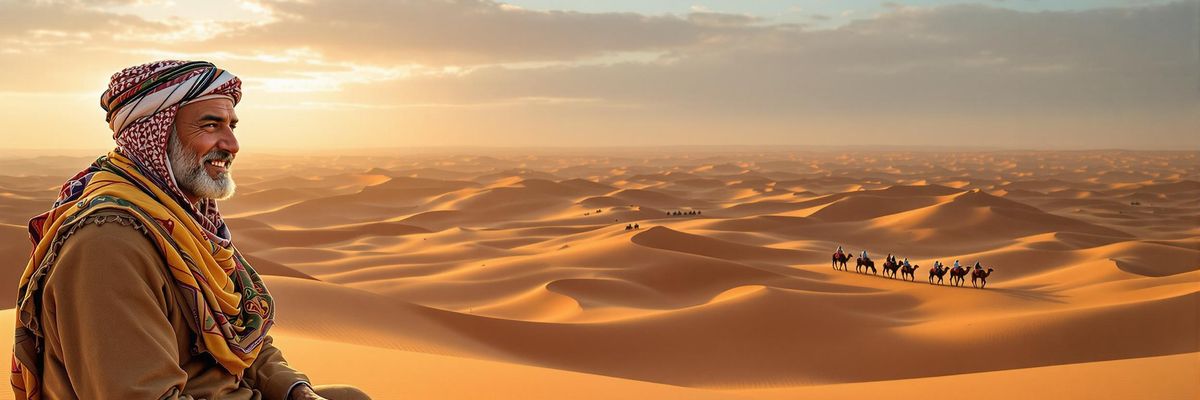
Embrace the cooler temperatures and experience the International Festival of the Sahara in Douz this December.
View More
Celebrate the year-end festivities in Accra, culminating in the vibrant Afrofuture festival.
View More Albania EDITION
 Algeria EDITION
 Argentina EDITION
 Armenia EDITION
 Australia EDITION
 Austria EDITION
 Bangladesh EDITION
 Belgium EDITION
 Belize EDITION
 Benin EDITION
 Bhutan EDITION
 Bolivia EDITION
 Bosnia and Herzegovina EDITION
 Botswana EDITION
 Brazil EDITION
 Bulgaria EDITION
 Burkina Faso EDITION
 Cambodia EDITION
 Cameroon EDITION
 Canada EDITION
 Central African Republic EDITION
 Chad EDITION
 Chile EDITION
 China EDITION
 Colombia EDITION
 Costa Rica EDITION
 Croatia EDITION
 Cyprus EDITION
 Denmark EDITION
 Djibouti EDITION
 Ecuador EDITION
 Egypt EDITION
 El Salvador EDITION
 Eritrea EDITION
 Estonia EDITION
 Ethiopia EDITION
 Finland EDITION
 France EDITION
 Gabon EDITION
 Georgia EDITION
 Germany EDITION
 Ghana EDITION
 Greece EDITION
 Guatemala EDITION
 Guinea EDITION
 Guinea-Bissau EDITION
 Honduras EDITION
 Hungary EDITION
 Iceland EDITION
 India EDITION
 Indonesia EDITION
 Ireland EDITION
 Israel EDITION
 Italy EDITION
 Jamaica EDITION
 Japan EDITION
 Jordan EDITION
 Kenya EDITION
 Kuwait EDITION
 Laos EDITION
 Latvia EDITION
 Lebanon EDITION
 Lesotho EDITION
 Liberia EDITION
 Lithuania EDITION
 Luxembourg EDITION
 Madagascar EDITION
 Malawi EDITION
 Malaysia EDITION
 Maldives EDITION
 Mali EDITION
 Malta EDITION
 Mauritania EDITION
 Mauritius EDITION
 Mexico EDITION
 Mongolia EDITION
 Montenegro EDITION
 Morocco EDITION
 Mozambique EDITION
 Namibia EDITION
 Nepal EDITION
 Netherlands EDITION
 New Zealand EDITION
 Nicaragua EDITION
 Niger EDITION
 Nigeria EDITION
 Norway EDITION
 Oman EDITION
 Pakistan EDITION
 Panama EDITION
 Papua New Guinea EDITION
 Paraguay EDITION
 Peru EDITION
 Philippines EDITION
 Poland EDITION
 Portugal EDITION
 Qatar EDITION
 Romania EDITION
 Rwanda EDITION
 Saudi Arabia EDITION
 Senegal EDITION
 Serbia EDITION
 Singapore EDITION
 Slovakia EDITION
 Slovenia EDITION
 Somalia EDITION
 South Africa EDITION
 South Korea EDITION
 Spain EDITION
 Sri Lanka EDITION
 Suriname EDITION
 Sweden EDITION
 Switzerland EDITION
 Tanzania EDITION
 Thailand EDITION
 Tunisia EDITION
 Uganda EDITION
 United Arab Emirates EDITION
 United Kingdom EDITION
 Uruguay EDITION
 Venezuela EDITION
 Vietnam EDITION
 Zambia EDITION
 Zimbabwe EDITION
Subscribe to our newsletter and get the most captivating travel stories, hidden gems, and expert insights delivered straight to your inbox. As a subscriber, you’ll be first in line for exclusive content, premium offers, and unforgettable travel experiences