



Destination Guide
Xai-Xai: A Coastal Retreat
Relax on the beaches and explore the reefs of Xai-Xai.
View More

Venture into the heart of West Africa and discover the Epe Ekpe festival in Glidji, Togo, a mesmerizing display of voodoo traditions, cultural immersion, and spiritual significance.
As the September sun casts a golden hue over the ancient town of Glidji, a palpable energy fills the air. The Epe Ekpe festival, a celebration deeply rooted in the traditions of the Guin people, is about to unfold. This is not merely a spectacle; it's an immersive journey into the heart of Togolese voodoo, a chance to witness a vibrant culture, and an opportunity to connect with the spiritual essence of West Africa.
The Epe Ekpe festival marks the Guin New Year, a time of renewal, reflection, and reverence for ancestral spirits. The festival's date is determined by the Nma Dumo (corn sowing) ceremony, which occurs on the first new moon of June. This intricate calculation underscores the deep connection between the Guin people and the agricultural cycles that sustain their lives. As the new year approaches, the high priest announces the beginning of Sedodo, a forbidden period of purification and preparation.

A Journey to Glidji
Located in the Lacs Prefecture of Togo, Glidji is more than just a town; it's a spiritual epicenter. Approximately 45 kilometers east of Lomé, the nation's capital, Glidji is easily accessible, yet it feels worlds away from the hustle and bustle of city life. The journey itself is an immersion into the Togolese landscape, a tapestry of verdant fields, bustling markets, and vibrant communities.
Upon arrival, the air is thick with anticipation. The sounds of drums and chants echo through the streets, drawing visitors deeper into the heart of the festivities. White-clad figures, the traditional attire of the Guin people, move with purpose, their faces etched with devotion. The scent of incense and traditional herbs fills the air, creating an atmosphere that is both mystical and inviting.
The heart of the Epe Ekpe festival lies in the quest for the sacred stone, the Kpessosso, a ritual that determines the fate of the coming year.
The Kpessosso is not merely a stone; it's a vessel of prophecy, a conduit to the ancestral realm. A specially chosen priest ventures into the sacred forest, a place shrouded in mystery and reverence, to seek the stone. The color of the stone holds the key to the future, each hue carrying a distinct message.
A blue stone signifies a year of abundant rain and bountiful harvests, a blessing for the agricultural community. A red stone warns of potential conflicts and wars, urging vigilance and diplomacy. A black stone foreshadows famine, disease, and hardship, calling for resilience and community support. Finally, a white stone heralds a year of peace, prosperity, and good fortune, a time for celebration and gratitude.
The unveiling of the stone is a moment of profound significance. The priest emerges from the forest, holding the Kpessosso aloft, and the crowd erupts in a mixture of anticipation and reverence. The color is revealed, and the message is interpreted by the Gê Yéhoué priests, who then share their wisdom with the community. This pronouncement sets the tone for the year, guiding the Guin people in their actions and decisions.
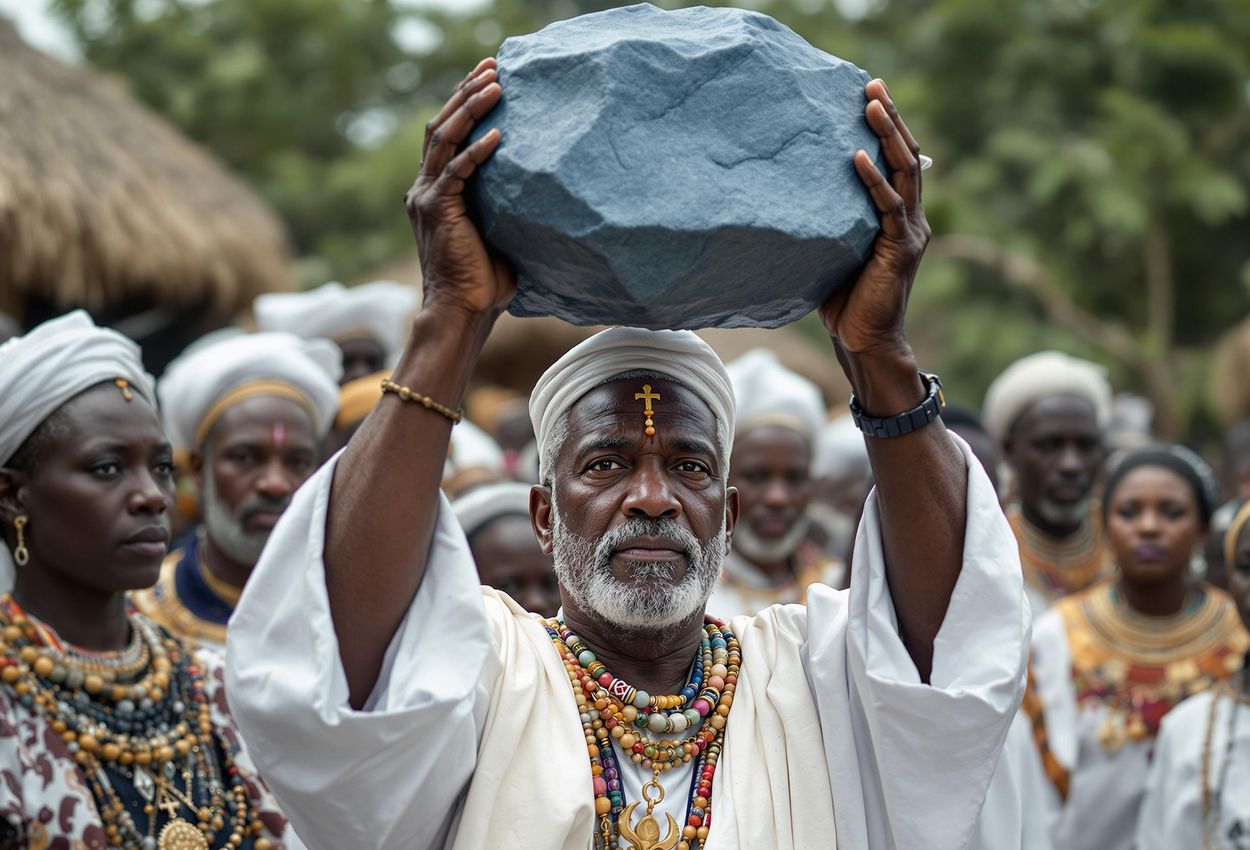
Beyond the sacred stone, the Epe Ekpe festival is a vibrant tapestry of rituals, ceremonies, and traditions that showcase the richness and complexity of voodoo culture.
The festival is a time for family reunions, bringing together Guin people from far and wide to celebrate their shared heritage. It's a time for paying homage to the deities, offering prayers for peace, prosperity, and protection. It's also a time for purification, cleansing the spirit and preparing for the new year ahead.
One of the most striking aspects of the festival is the vibrant processions. Priests and priestesses, adorned in white robes and intricate beadwork, lead the way, chanting and dancing to the rhythm of traditional drums. Followers, dressed in their finest attire, join the procession, creating a sea of color and movement. These processions wind through the streets of Glidji, stopping at sacred sites to perform rituals and offer prayers.
Voodoo, often misunderstood and misrepresented, is a complex religion with a deep connection to nature and the ancestral realm. It's a way of life for many Togolese, influencing their beliefs, customs, and social structures. The Epe Ekpe festival offers a rare glimpse into this world, allowing visitors to witness the power and beauty of voodoo traditions firsthand.
Witnessing the Epe Ekpe festival is a privilege, and it's essential to approach the event with respect, sensitivity, and a genuine desire to learn.
Before attending the festival, take the time to research the traditions and customs of the Guin people. Understanding the significance of the rituals and ceremonies will enhance your experience and allow you to appreciate the depth of the culture. Dress modestly and respectfully, avoiding overly revealing clothing. White is the traditional color, so consider incorporating it into your attire as a sign of respect.
During the festival, observe the rituals with reverence and avoid disrupting the ceremonies. Refrain from taking photographs or videos without permission, and be mindful of your surroundings. Engage with the locals in a respectful manner, asking questions and expressing your interest in their culture. Remember, you are a guest in their community, and your behavior should reflect that.

Local Tip: Seek out a local guide who can provide insights into the festival's significance and help you navigate the cultural nuances. A guide can also facilitate interactions with the community and ensure that you are observing the traditions in a respectful manner.
While the Epe Ekpe festival is a highlight, Glidji and Togo offer a wealth of cultural and natural attractions that are worth exploring.
Glidji itself is a town steeped in history, with colonial buildings and traditional homes that offer a glimpse into its past. Take a stroll through the streets, soak in the atmosphere, and discover the hidden gems that await around every corner.
Nearby Aneho, a conurbation with Glidji, boasts a rich history as a former German capital and a center for Afro-Brazilian culture. Explore the colonial architecture, visit the local markets, and learn about the town's fascinating past.
Togo offers diverse landscapes, from the beaches of the Atlantic coast to the mountains and savannas of the interior. Visit Lake Togo, a serene body of water that is perfect for boating and fishing. Explore the Nok and Mamproug Cave Dwellings, ancient shelters that offer a glimpse into Togo's pre-colonial past.
Hidden Gem: Take a trip to Togoville, a town on the shores of Lake Togo that is considered the birthplace of voodoo. Visit the sacred sites, learn about the history of the religion, and experience the spiritual essence of this unique destination.

The Epe Ekpe festival is more than just an event; it's an experience that will stay with you long after you leave Glidji.
It's a chance to witness the power of tradition, the beauty of culture, and the resilience of the human spirit. It's an opportunity to connect with a community, learn about a different way of life, and broaden your understanding of the world. As you depart from Glidji, carry with you the memories of the Epe Ekpe festival, the sounds of the drums, the colors of the processions, and the warmth of the Togolese people. Let the spirit of Epe Ekpe inspire you to embrace diversity, respect traditions, and celebrate the richness of human culture.
The Epe Ekpe festival in Glidji, Togo is an unforgettable journey into the heart of West African voodoo culture. It's a chance to witness a vibrant tradition, connect with a spiritual community, and create memories that will last a lifetime.
Our editors` picks of the latest and greatest in travel - delivered to your inbox daily
Relax on the beaches and explore the reefs of Xai-Xai.
View More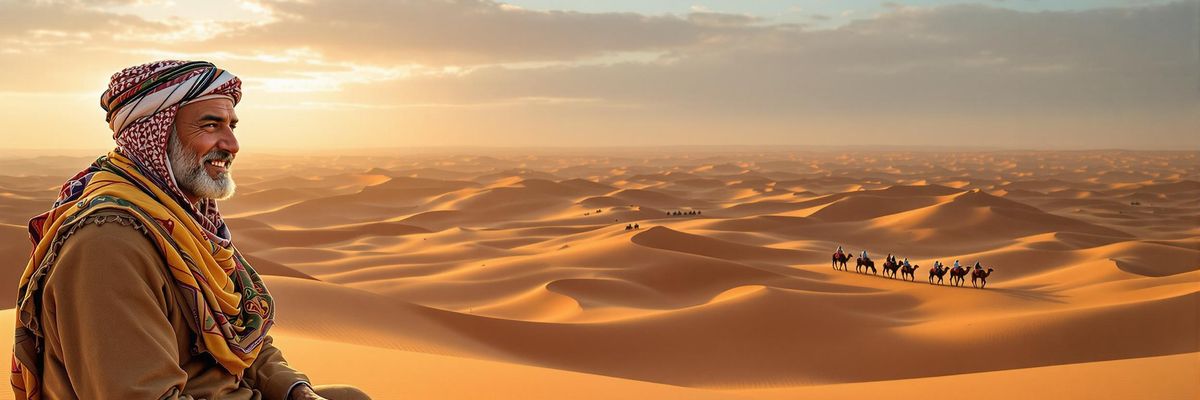
Embrace the cooler temperatures and experience the International Festival of the Sahara in Douz this December.
View More
Celebrate the year-end festivities in Accra, culminating in the vibrant Afrofuture festival.
View More Albania EDITION
 Algeria EDITION
 Argentina EDITION
 Armenia EDITION
 Australia EDITION
 Austria EDITION
 Bangladesh EDITION
 Belgium EDITION
 Belize EDITION
 Benin EDITION
 Bhutan EDITION
 Bolivia EDITION
 Bosnia and Herzegovina EDITION
 Botswana EDITION
 Brazil EDITION
 Bulgaria EDITION
 Burkina Faso EDITION
 Cambodia EDITION
 Cameroon EDITION
 Canada EDITION
 Central African Republic EDITION
 Chad EDITION
 Chile EDITION
 China EDITION
 Colombia EDITION
 Costa Rica EDITION
 Croatia EDITION
 Cyprus EDITION
 Denmark EDITION
 Djibouti EDITION
 Ecuador EDITION
 Egypt EDITION
 El Salvador EDITION
 Eritrea EDITION
 Estonia EDITION
 Ethiopia EDITION
 Finland EDITION
 France EDITION
 Gabon EDITION
 Georgia EDITION
 Germany EDITION
 Ghana EDITION
 Greece EDITION
 Guatemala EDITION
 Guinea EDITION
 Guinea-Bissau EDITION
 Honduras EDITION
 Hungary EDITION
 Iceland EDITION
 India EDITION
 Indonesia EDITION
 Ireland EDITION
 Israel EDITION
 Italy EDITION
 Jamaica EDITION
 Japan EDITION
 Jordan EDITION
 Kenya EDITION
 Kuwait EDITION
 Laos EDITION
 Latvia EDITION
 Lebanon EDITION
 Lesotho EDITION
 Liberia EDITION
 Lithuania EDITION
 Luxembourg EDITION
 Madagascar EDITION
 Malawi EDITION
 Malaysia EDITION
 Maldives EDITION
 Mali EDITION
 Malta EDITION
 Mauritania EDITION
 Mauritius EDITION
 Mexico EDITION
 Mongolia EDITION
 Montenegro EDITION
 Morocco EDITION
 Mozambique EDITION
 Namibia EDITION
 Nepal EDITION
 Netherlands EDITION
 New Zealand EDITION
 Nicaragua EDITION
 Niger EDITION
 Nigeria EDITION
 Norway EDITION
 Oman EDITION
 Pakistan EDITION
 Panama EDITION
 Papua New Guinea EDITION
 Paraguay EDITION
 Peru EDITION
 Philippines EDITION
 Poland EDITION
 Portugal EDITION
 Qatar EDITION
 Romania EDITION
 Rwanda EDITION
 Saudi Arabia EDITION
 Senegal EDITION
 Serbia EDITION
 Singapore EDITION
 Slovakia EDITION
 Slovenia EDITION
 Somalia EDITION
 South Africa EDITION
 South Korea EDITION
 Spain EDITION
 Sri Lanka EDITION
 Suriname EDITION
 Sweden EDITION
 Switzerland EDITION
 Tanzania EDITION
 Thailand EDITION
 Tunisia EDITION
 Uganda EDITION
 United Arab Emirates EDITION
 United Kingdom EDITION
 Uruguay EDITION
 Venezuela EDITION
 Vietnam EDITION
 Zambia EDITION
 Zimbabwe EDITION
Subscribe to our newsletter and get the most captivating travel stories, hidden gems, and expert insights delivered straight to your inbox. As a subscriber, you’ll be first in line for exclusive content, premium offers, and unforgettable travel experiences