


Destination Guide
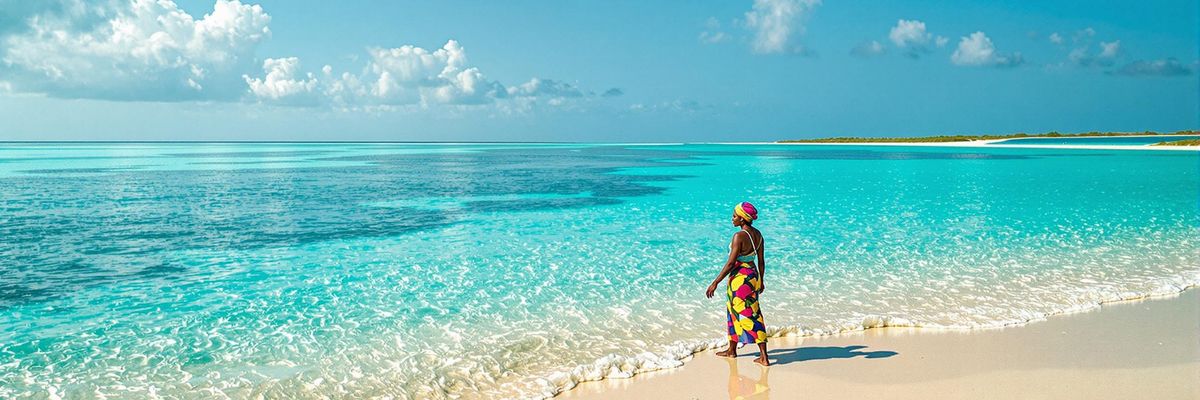
Xai-Xai: A Coastal Retreat
Relax on the beaches and explore the reefs of Xai-Xai.
View More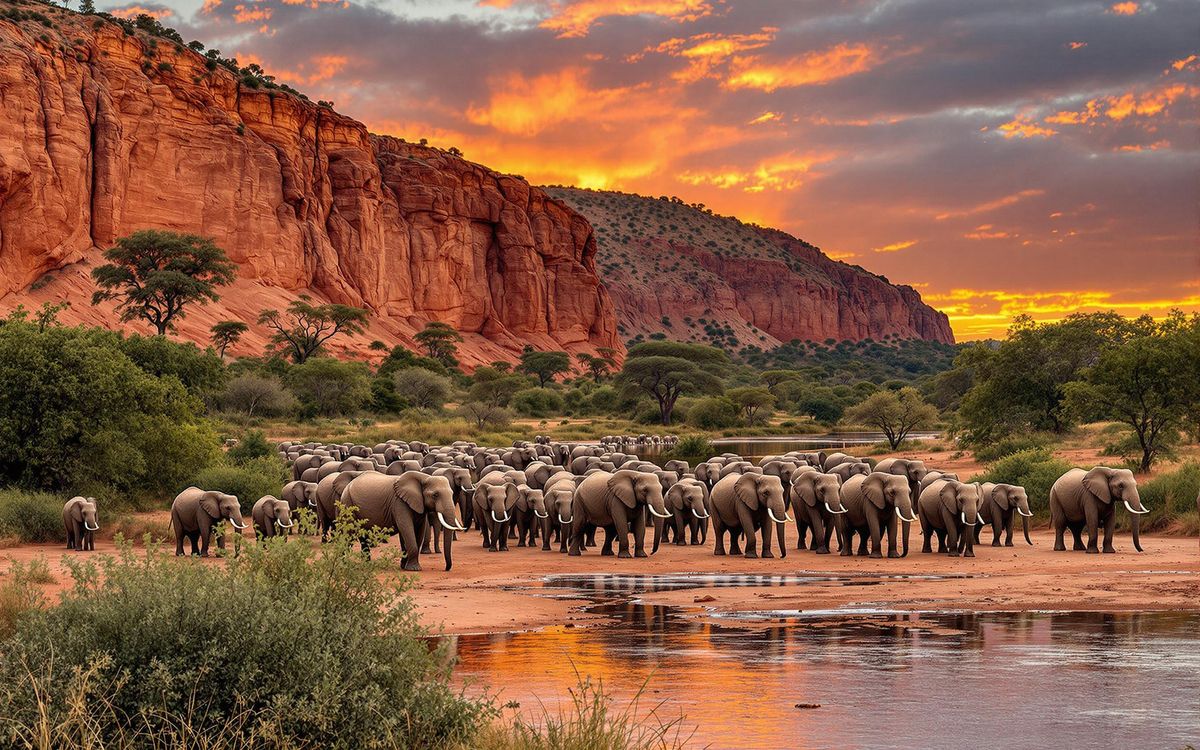

Imagine yourself venturing into a realm where the untamed heart of Africa beats strong, where elephants roam free, and the landscapes are painted with the vibrant hues of a setting sun. Welcome to Gonarezhou National Park, Zimbabwe's hidden gem, waiting to be discovered by those who seek a truly wild and unspoiled safari experience.
Nestled in the southeastern corner of Zimbabwe, Gonarezhou National Park beckons with its remoteLocation, pristine wilderness, and the promise of unforgettable encounters. As Zimbabwe's second-largest park, Gonarezhou, meaning 'Place of Elephants' in the local Shona language, stretches over 5,053 square kilometers. This vast expanse of protected land forms an integral part of the Great Limpopo Transfrontier Conservation Area, linking it with Kruger National Park in South Africa and Limpopo National Park in Mozambique, allowing animals to roam freely across borders.
Gonarezhou's history is as rich and diverse as its landscapes. From early human settlements to its proclamation as a national park in 1975, the park has witnessed the ebb and flow of time, preserving its natural beauty for generations to come. Today, Gonarezhou stands as a testament to successful conservation efforts, a sanctuary where wildlife thrives and adventurous travelers can immerse themselves in the raw splendor of Africa.
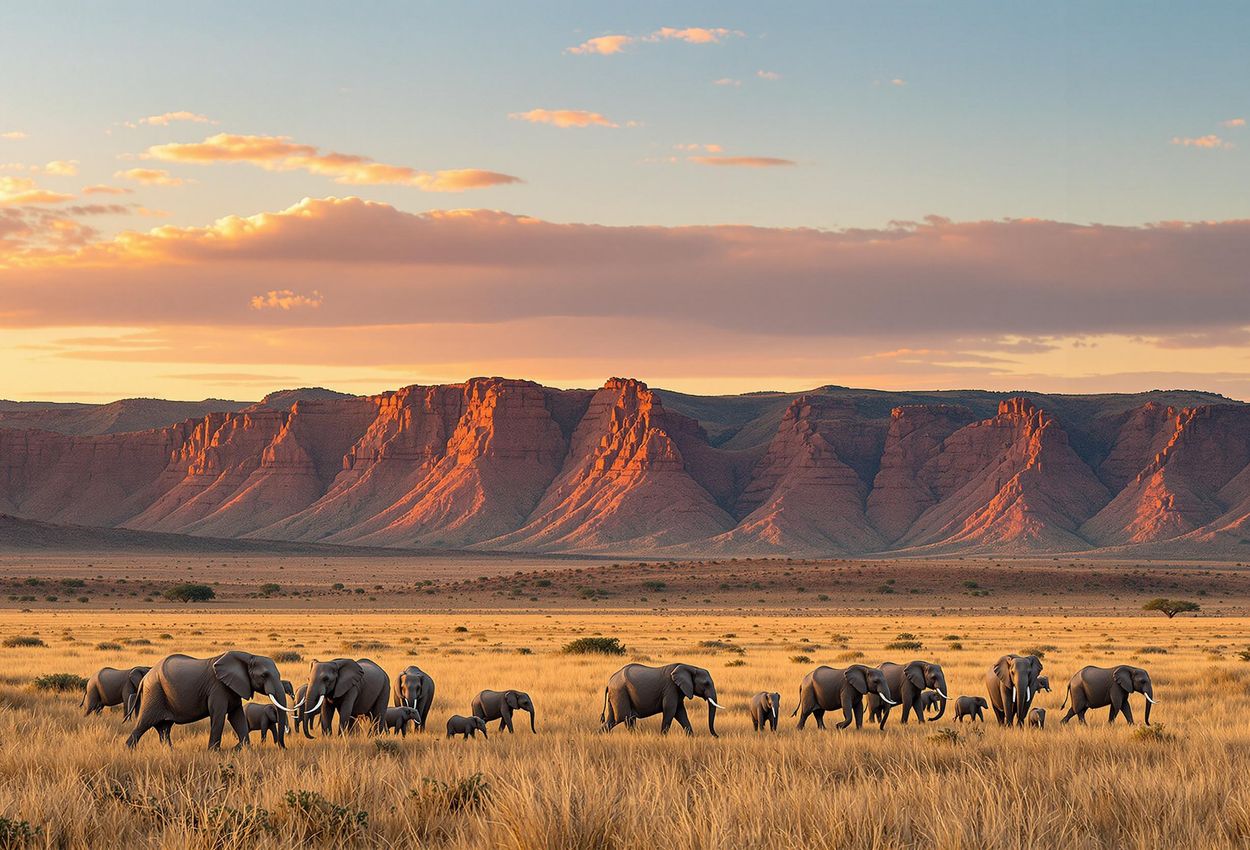
In the heart of southeastern Zimbabwe, far from the bustling tourist trails, lies a sanctuary of untamed beauty: Gonarezhou National Park. As the country's second-largest park, it covers an impressive 5,053 square kilometers, a realm where wildlife roams free and the spirit of Africa thrives. The park's name, derived from the Shona language, translates to 'Place of Elephants,' a fitting moniker for a region teeming with these gentle giants.
Gonarezhou is not merely a park; it's an experience, a journey into a world untouched by time. Its remoteness and pristine wilderness attract adventurous travelers seeking an escape from the ordinary, a chance to reconnect with nature in its purest form. The park's integration into the Great Limpopo Transfrontier Conservation Area further enhances its appeal, creating a vast protected zone spanning Zimbabwe, South Africa, and Mozambique. This transfrontier park allows for the free movement of animals, fostering biodiversity and ecological balance across the region.
The history of Gonarezhou is a tapestry woven with threads of human interaction and natural evolution. From early settlements by the Shangaan people to its establishment as a game reserve in 1935 and its subsequent proclamation as a national park in 1975, the land has undergone numerous transformations. Despite periods of closure due to conflict, Gonarezhou has emerged as a beacon of conservation, a testament to the enduring power of nature and the unwavering commitment of those who protect it.
Today, Gonarezhou National Park stands as a unique conservation success story, a partnership between the Zimbabwe Parks and Wildlife Management Authority and the Frankfurt Zoological Society. This collaboration ensures the sustainable management of the park, safeguarding its ecological integrity and promoting responsible tourism. As you venture into this untamed jewel, prepare to be captivated by its dramatic landscapes, abundant wildlife, and the profound sense of wilderness that permeates every corner of Gonarezhou.

June offers a unique window into the soul of Gonarezhou National Park, a time when the dry season casts its spell upon the land, transforming it into a haven for wildlife enthusiasts and adventurous travelers. The advantages of visiting Gonarezhou in June are manifold, each contributing to an unforgettable safari experience.
The comfortable day and night temperatures create an ideal climate for exploration, allowing you to immerse yourself in the wilderness without the discomfort of extreme heat or cold. The reduced malaria risk during this dry period provides peace of mind, allowing you to focus on the wonders of the park without the worry of mosquito-borne illnesses. As the landscape dries, wildlife congregates around water sources, making it easier to spot a diverse array of animals. June is also considered the ideal time for camping, allowing you to experience the magic of the African bush under a canopy of stars.
While June offers numerous benefits, it's essential to be prepared for the arid and dusty conditions that prevail during this time. The landscape takes on a parched appearance, with vegetation thinning and the earth turning a reddish hue. Early morning game drives can be surprisingly cold, requiring appropriate clothing to ward off the chill. However, these minor inconveniences are easily outweighed by the exceptional wildlife viewing opportunities and the overall sense of adventure that Gonarezhou provides in June.
As you traverse the dusty plains and navigate the dry riverbeds, keep your eyes peeled for the iconic species that call Gonarezhou home. Elephants, in particular, are drawn to the Runde River, where they gather to quench their thirst and socialize in large herds. Lions, leopards, cheetahs, and other predators prowl the landscape, their movements dictated by the availability of prey. The dry season also favors birdwatching, as migratory species flock to the park, adding to the already impressive avian diversity.

Rising majestically from the heart of Gonarezhou National Park, the Chilojo Cliffs stand as a testament to the power of nature and the passage of time. These iconic cliffs, towering 180 meters above the Runde River, are a geological marvel, their red sandstone composition a striking contrast to the surrounding landscape. Formed through eons of erosion, the Chilojo Cliffs offer a breathtaking panorama, a sweeping vista of the Runde River valley and the untamed wilderness beyond.
A game drive to witness the Chilojo Cliffs is an essential experience for any visitor to Gonarezhou. As you approach the cliffs, the sheer scale of these sandstone giants becomes apparent, their imposing presence dominating the horizon. The diverse wildlife in the Runde River valley adds to the allure, with opportunities to spot lions, leopards, cheetahs, buffalo, giraffes, and zebras roaming freely in their natural habitat. The presence of rare species like the nyala further enhances the appeal, making each game drive a unique and rewarding adventure.
The Chilojo Cliffs are not only a visual spectacle but also a haven for birdlife. Verreaux's Eagles, with their distinctive black and white plumage, nest on the cliffs, their soaring flights adding to the drama of the scene. Other raptors, such as the Peregrine Falcon and Black Stork, also frequent the cliffs, creating a birdwatcher's paradise. As the sun sets, the Chilojo Cliffs come alive with color, the red sandstone glowing with an intense warmth. This is the perfect time to capture the beauty of these majestic cliffs, their silhouettes etched against the African sky.

Gonarezhou's reputation as 'the place of elephants' is well-deserved, with over 11,500 of these magnificent creatures roaming its vast landscapes. The experience of encountering elephants in their natural habitat is nothing short of awe-inspiring, a reminder of the raw power and gentle grace of these iconic animals. Near the Runde River, elephants gather in large herds, their presence shaping the ecosystem and creating a spectacle that will stay with you long after you leave.
The history of impressive tuskers in Gonarezhou adds to the mystique of these elephant encounters. Tales of legendary bulls, such as 'Dhulamiti,' whose tusks were said to be taller than the trees, echo through the park, reminding visitors of the long and complex relationship between humans and elephants in this region. Today, descendants of these famed tuskers still roam the wilderness, their presence a symbol of the park's commitment to conservation and the preservation of its natural heritage.
During the dry season, elephants are more easily spotted as they congregate around water sources, their massive forms silhouetted against the arid landscape. Observing these gentle giants as they drink, bathe, and interact with each other is a privilege, a glimpse into their intricate social structures and their vital role in the ecosystem. Whether you encounter them on a game drive, a walking safari, or from the comfort of your campsite, the elephants of Gonarezhou will leave an indelible mark on your soul.
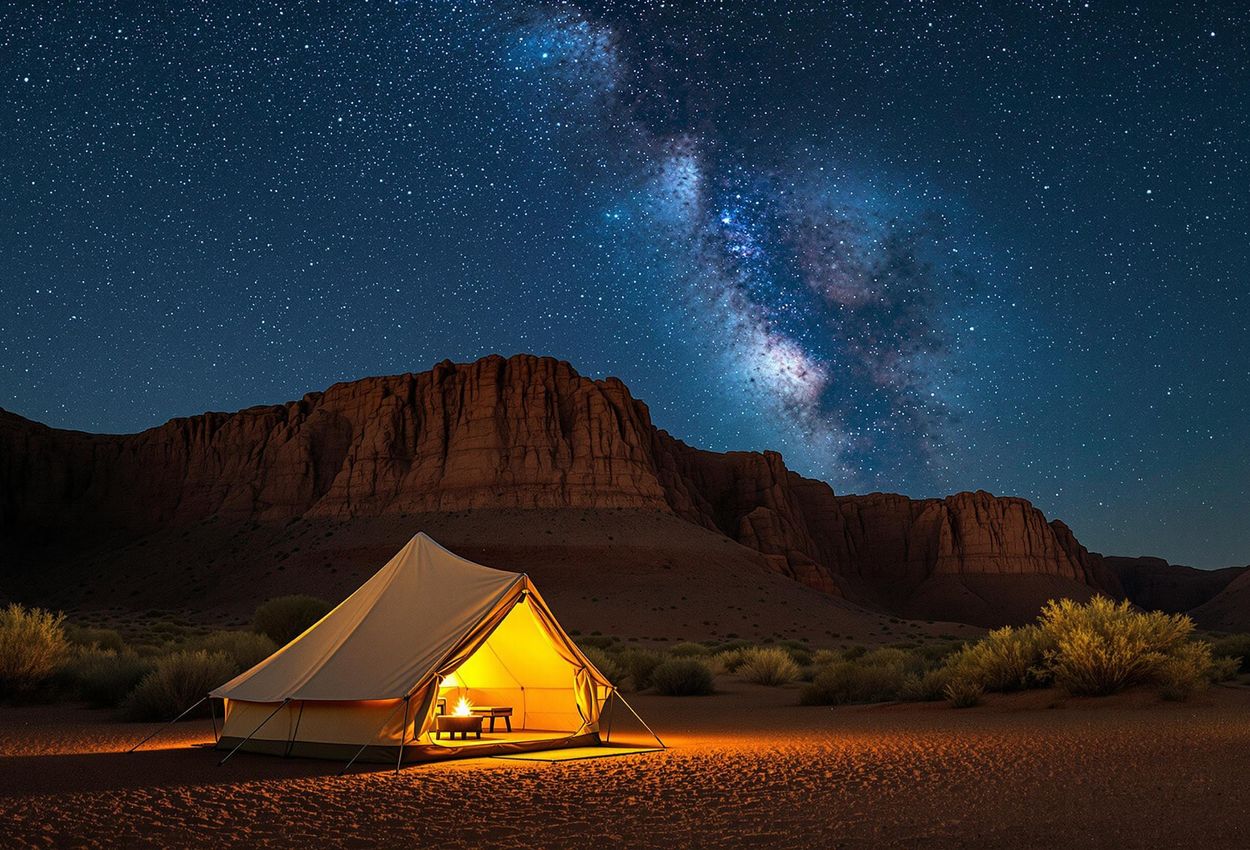
For those seeking an immersive and authentic African experience, camping in Gonarezhou National Park offers an unparalleled opportunity to connect with nature and embrace the solitude of the wilderness. The park provides a range of camping options to suit different preferences and levels of adventure, from exclusive bush campsites to developed campsites with basic amenities.
Exclusive bush campsites offer the ultimate in seclusion, allowing you to pitch your tent in remote corners of the park, far from the crowds and the noise of civilization. These campsites are for the self-sufficient traveler, requiring you to bring all your own supplies, including food, water, and camping equipment. The facilities at bush campsites are minimal, typically consisting of a basic bush loo and a fire pit. However, the reward for your self-reliance is the chance to experience the African bush in its purest form, surrounded by the sounds of the wilderness and the vast expanse of the night sky.
Developed campsites, such as Chipinda Pools, Chinguli, and Mabalauta, offer a more comfortable camping experience, with communal ablution blocks providing hot and cold running water and flush toilets. These campsites also feature braai areas and, in some cases, camp attendants to assist with your needs. Developed campsites are ideal for families, groups, and those who prefer some of the basic luxuries of modern life while still immersing themselves in the natural beauty of Gonarezhou. Transit campsites provide a convenient option for travelers passing through the park, offering a place to rest and recharge before continuing their journey. Self-catering options are also available, with several lodges and tented camps offering comfortable accommodation and the freedom to prepare your own meals.
While self-drive safaris offer a sense of independence and adventure, guided tours in Gonarezhou National Park provide invaluable insights into the park's ecosystem and enhance your chances of spotting wildlife. Local guides possess a wealth of knowledge about the park's flora, fauna, and history, sharing their expertise and passion with visitors. Game drives in open safari vehicles offer a comfortable and elevated vantage point, allowing you to scan the landscape for elusive predators and hidden gems.
Walking safaris provide an intimate connection with the African bush, allowing you to experience the sights, sounds, and smells of the wilderness up close. Guided walks emphasize safety and environmental awareness, ensuring that you can explore the park's diverse ecosystems without disturbing the delicate balance of nature. Cultural tours offer a unique opportunity to interact with local communities, learning about their traditions, customs, and their relationship with the land. These interactions provide a deeper understanding of the human element within the Gonarezhou ecosystem, fostering respect and appreciation for the cultural heritage of the region.
Whether you choose a game drive, a walking safari, or a cultural tour, guided adventures in Gonarezhou offer a transformative experience, revealing the park's hidden secrets and fostering a deeper connection with the African wilderness.
Gonarezhou National Park is a haven for birdwatchers, boasting an impressive checklist of over 450 recorded species. The park's diverse habitats, ranging from riverine forests to mopane woodlands, attract a wide variety of avian species, making it a prime destination for ornithologists and casual bird enthusiasts alike.
The Save-Runde confluence is a particular hotspot for waterbirds, attracting species such as the African Skimmer, Southern Carmine Bee-eater, and Pel's Fishing-owl. The Purple-crested Turaco flashes its crimson plumage through the denser riverine forests, while the African Fish Eagle soars overhead, its distinctive call echoing through the air. Migratory birds arrive from November to April, adding to the already impressive avian diversity and creating a spectacle of color and sound.
Whether you're a seasoned birder or a novice enthusiast, Gonarezhou's avian wonders will captivate your senses and leave you with a newfound appreciation for the beauty and diversity of birdlife. Keep your eyes peeled for the rare and elusive species that call this park home, and prepare to be amazed by the sheer abundance of avian life that thrives in this pristine wilderness.
Exploring Gonarezhou National Park requires a spirit of adventure and a reliable vehicle, as the park's roads can be challenging, particularly during the wet season. A 4x4 vehicle is essential for navigating the river crossings and sandy tracks that crisscross the park, ensuring that you can reach the remote corners and hidden gems that Gonarezhou has to offer.
During the dry season, some of the roads are navigable in a high-clearance two-wheel-drive vehicle, but a 4x4 is still recommended for peace of mind and accessibility. When exploring remote areas, it's advisable to travel with two vehicles and recovery gear, ensuring that you can assist each other in case of breakdowns or getting stuck. The challenging terrain of Gonarezhou adds to the sense of adventure, making the journey as rewarding as the destination.
As you navigate the park's rugged roads, be prepared for river crossings, sandy tracks, and rocky terrain. Engage four-wheel drive when necessary, and maintain a steady speed to avoid getting bogged down in the sand. With a reliable vehicle and a sense of preparedness, you can conquer Gonarezhou's terrain and unlock the park's hidden beauty.
Gonarezhou National Park's role in the Great Limpopo Transfrontier Conservation Area (GLTFCA) highlights the importance of cross-border collaboration in conservation efforts. The GLTFCA links Gonarezhou with Kruger National Park in South Africa and Limpopo National Park in Mozambique, creating a vast protected area where animals can roam freely across international borders.
The conservation efforts within the GLTFCA are focused on wildlife reintroduction, anti-poaching measures, and community development. By working together, the three countries are able to protect the region's biodiversity and promote sustainable tourism. The free movement of animals between the parks allows for genetic exchange and helps to maintain healthy populations. The GLTFCA stands as a model for transfrontier conservation, demonstrating the power of collaboration in protecting Africa's natural heritage.
As you explore Gonarezhou, remember that you are part of a larger conservation story, a story of international cooperation and a shared commitment to preserving the African wilderness for future generations. Your visit contributes to the ongoing efforts to protect this unique ecosystem and support the communities that depend on it.
A visit to Gonarezhou National Park requires careful planning to ensure a safe and enjoyable experience. Here are some practical tips to help you prepare for your Gonarezhou adventure :
Park Entrances: Gonarezhou has several entrances, including Chipinda Pools, Save-Runde Basecamp, and Boli Gate. Choose the entrance that is most convenient for your itinerary and be sure to check the current road conditions before you travel.
Supplies: There are no convenience facilities within the park, so it's essential to bring all your own food, drinks, and personal items. Stock up on supplies in Chiredzi, the nearest town to Chipinda Pools, before entering the park.
Best Time to Visit: The best time to visit Gonarezhou is during the dry season, from April to September, when the weather is cooler and the wildlife is easier to spot. The park is typically closed from January 10th to March 1st, so plan your trip accordingly.
Malaria Precautions: Gonarezhou is a malaria area, so it's essential to take precautions before, during, and after your visit. Consult your doctor about appropriate malaria medication and use insect repellent to avoid mosquito bites.
Vehicle Requirements: A 4x4 vehicle is highly recommended for navigating the park's challenging roads, especially during the wet season. If you're planning to explore remote areas, consider traveling with two vehicles and recovery gear.
By following these practical tips, you can ensure a safe and rewarding adventure in Gonarezhou National Park, creating memories that will last a lifetime.
As the sun dips below the horizon, casting long shadows across the African savanna, you'll find yourself reflecting on the incredible experiences you've had in Gonarezhou National Park. From the majestic Chilojo Cliffs to the gentle giants that roam the plains, Gonarezhou has captured your heart and ignited your sense of adventure. As you bid farewell to this untamed wilderness, you'll carry with you the memories of a truly unforgettable safari, a journey into the soul of Africa that will stay with you forever.
Our editors` picks of the latest and greatest in travel - delivered to your inbox daily
Relax on the beaches and explore the reefs of Xai-Xai.
View More
Embrace the cooler temperatures and experience the International Festival of the Sahara in Douz this December.
View More
Celebrate the year-end festivities in Accra, culminating in the vibrant Afrofuture festival.
View More Albania EDITION
 Algeria EDITION
 Argentina EDITION
 Armenia EDITION
 Australia EDITION
 Austria EDITION
 Bangladesh EDITION
 Belgium EDITION
 Belize EDITION
 Benin EDITION
 Bhutan EDITION
 Bolivia EDITION
 Bosnia and Herzegovina EDITION
 Botswana EDITION
 Brazil EDITION
 Bulgaria EDITION
 Burkina Faso EDITION
 Cambodia EDITION
 Cameroon EDITION
 Canada EDITION
 Central African Republic EDITION
 Chad EDITION
 Chile EDITION
 China EDITION
 Colombia EDITION
 Costa Rica EDITION
 Croatia EDITION
 Cyprus EDITION
 Denmark EDITION
 Djibouti EDITION
 Ecuador EDITION
 Egypt EDITION
 El Salvador EDITION
 Eritrea EDITION
 Estonia EDITION
 Ethiopia EDITION
 Finland EDITION
 France EDITION
 Gabon EDITION
 Georgia EDITION
 Germany EDITION
 Ghana EDITION
 Greece EDITION
 Guatemala EDITION
 Guinea EDITION
 Guinea-Bissau EDITION
 Honduras EDITION
 Hungary EDITION
 Iceland EDITION
 India EDITION
 Indonesia EDITION
 Ireland EDITION
 Israel EDITION
 Italy EDITION
 Jamaica EDITION
 Japan EDITION
 Jordan EDITION
 Kenya EDITION
 Kuwait EDITION
 Laos EDITION
 Latvia EDITION
 Lebanon EDITION
 Lesotho EDITION
 Liberia EDITION
 Lithuania EDITION
 Luxembourg EDITION
 Madagascar EDITION
 Malawi EDITION
 Malaysia EDITION
 Maldives EDITION
 Mali EDITION
 Malta EDITION
 Mauritania EDITION
 Mauritius EDITION
 Mexico EDITION
 Mongolia EDITION
 Montenegro EDITION
 Morocco EDITION
 Mozambique EDITION
 Namibia EDITION
 Nepal EDITION
 Netherlands EDITION
 New Zealand EDITION
 Nicaragua EDITION
 Niger EDITION
 Nigeria EDITION
 Norway EDITION
 Oman EDITION
 Pakistan EDITION
 Panama EDITION
 Papua New Guinea EDITION
 Paraguay EDITION
 Peru EDITION
 Philippines EDITION
 Poland EDITION
 Portugal EDITION
 Qatar EDITION
 Romania EDITION
 Rwanda EDITION
 Saudi Arabia EDITION
 Senegal EDITION
 Serbia EDITION
 Singapore EDITION
 Slovakia EDITION
 Slovenia EDITION
 Somalia EDITION
 South Africa EDITION
 South Korea EDITION
 Spain EDITION
 Sri Lanka EDITION
 Suriname EDITION
 Sweden EDITION
 Switzerland EDITION
 Tanzania EDITION
 Thailand EDITION
 Tunisia EDITION
 Uganda EDITION
 United Arab Emirates EDITION
 United Kingdom EDITION
 Uruguay EDITION
 Venezuela EDITION
 Vietnam EDITION
 Zambia EDITION
 Zimbabwe EDITION
Subscribe to our newsletter and get the most captivating travel stories, hidden gems, and expert insights delivered straight to your inbox. As a subscriber, you’ll be first in line for exclusive content, premium offers, and unforgettable travel experiences