


Destination Guide
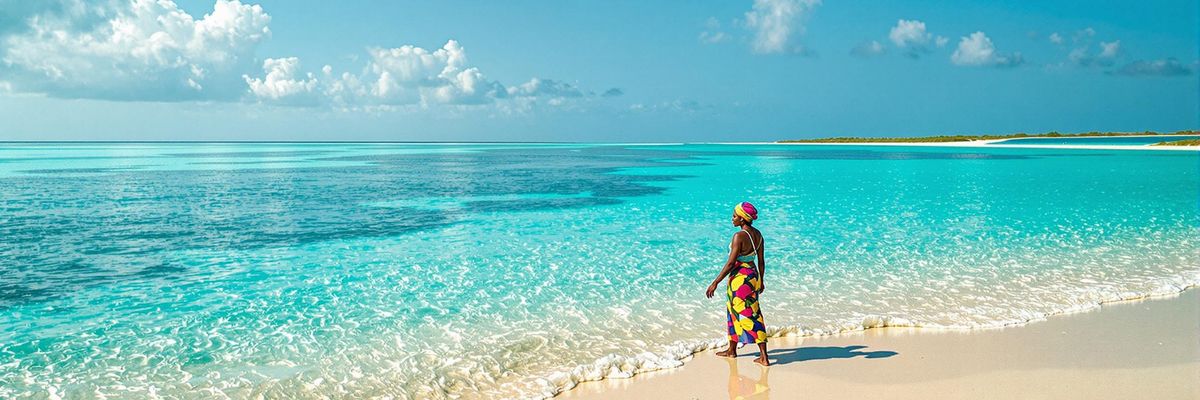
Xai-Xai: A Coastal Retreat
Relax on the beaches and explore the reefs of Xai-Xai.
View More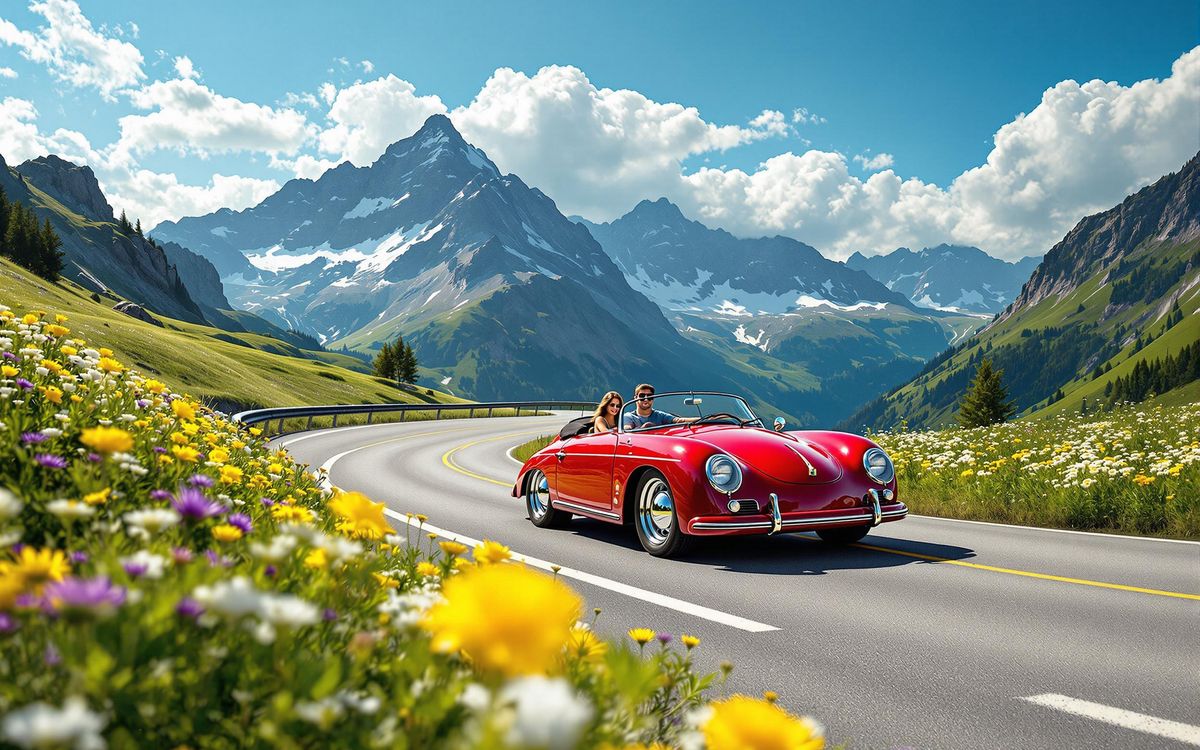

The Grossglockner High Alpine Road, a ribbon of asphalt draped across the Austrian Alps, promises an exhilarating escape in July. Imagine yourself behind the wheel, with the promise of panoramic vistas and crisp mountain air.
July is an ideal time to experience this iconic route, with mild weather and long daylight hours creating perfect conditions for exploration. However, mountain weather can be unpredictable, so it's essential to be prepared for anything. Pack layers to accommodate fluctuating temperatures, and always check the forecast before you set off. The road typically opens from 5:30 AM to 9:00 PM during July, giving you ample time to savor every moment of your alpine adventure.
The anticipation builds as you approach the toll booths, the gateway to a world of hairpin bends and breathtaking scenery. This is more than just a drive; it's an immersion into the heart of the Austrian Alps, a journey that will leave you breathless and yearning for more.
July on the Grossglockner High Alpine Road is a symphony of sensory delights, a time when the mountains awaken from their winter slumber and burst into vibrant life.
The weather in July is generally mild, with average temperatures hovering in the comfortable range for hiking and sightseeing. However, it's crucial to remember that you're in the mountains, where conditions can change rapidly. Be prepared for potential rain showers, and always pack layers to adjust to fluctuating temperatures. Despite the possibility of rain, July boasts long daylight hours, providing ample time to explore the numerous viewpoints and hiking trails along the route. The sun typically rises early, painting the peaks with golden light, and sets late, casting long shadows across the valleys.
Before embarking on your adventure, it's essential to consult a reliable weather forecast. Several websites and apps provide detailed weather information for the Grossglockner region, allowing you to plan your day accordingly. Keep in mind that conditions can vary significantly depending on altitude, so be prepared for cooler temperatures as you ascend. The Grossglockner High Alpine Road is typically open from 5:30 AM to 9:00 PM in July, offering extended hours for exploration. This allows you to make the most of the daylight and experience the road at your own pace. Whether you're an early riser eager to catch the sunrise from Edelweiss Spitze or prefer a leisurely drive with stops along the way, the extended opening hours provide flexibility for all types of travelers.
Packing appropriately is crucial for a comfortable and enjoyable experience. Layers are key, allowing you to adapt to changing temperatures throughout the day. A waterproof jacket is essential, as rain showers are always a possibility in the mountains. Sturdy hiking shoes are recommended if you plan to explore any of the trails along the route. Don't forget sunscreen, sunglasses, and a hat to protect yourself from the sun's rays at high altitude. A small backpack is useful for carrying water, snacks, and other essentials.
Local Tip: Check the Grossglockner High Alpine Road website for any road closures or construction updates before you travel. This will help you avoid any unexpected delays or detours.
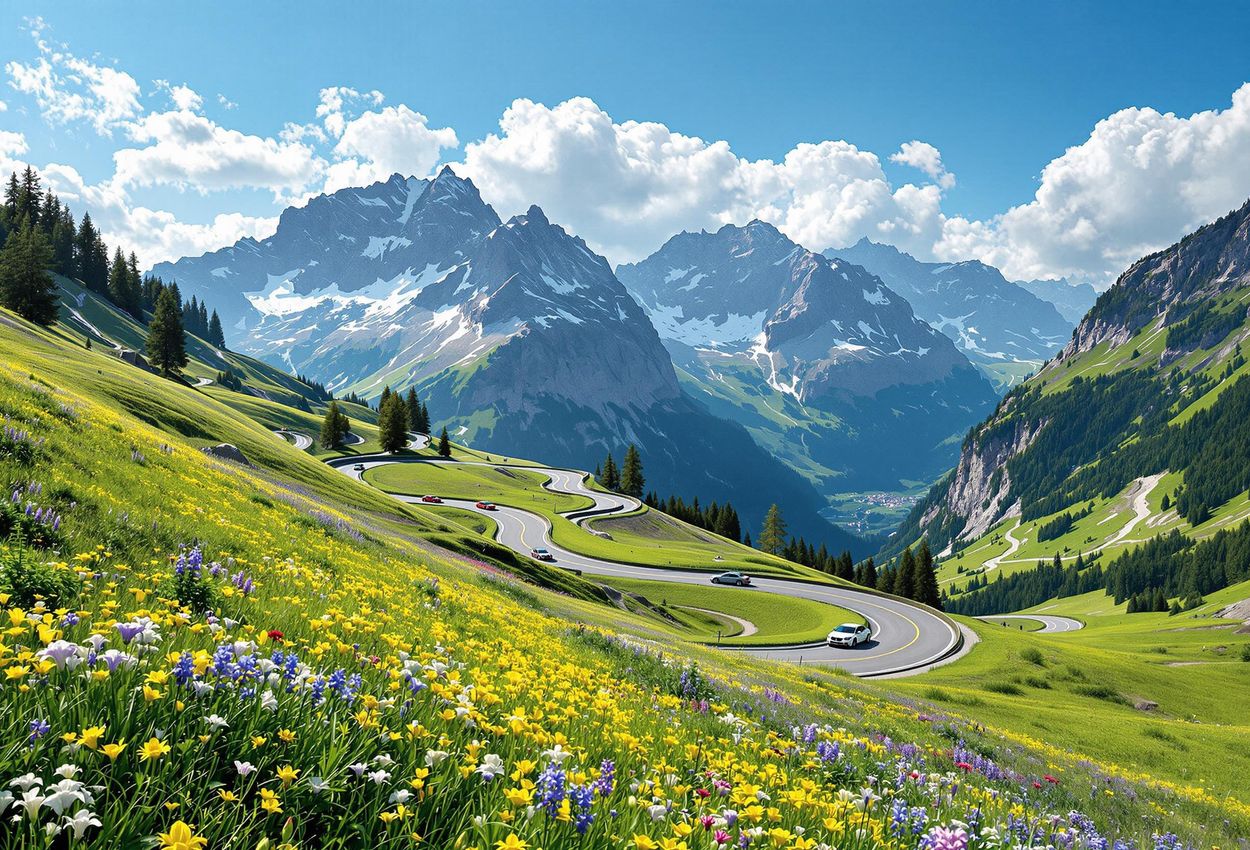
Image Description: A scenic view of the Grossglockner High Alpine Road on a sunny July morning. The road winds through lush green meadows dotted with colorful wildflowers. Snow-capped peaks rise majestically in the background, partially veiled by wispy clouds. The sky is a brilliant blue, with a few fluffy white clouds adding depth to the scene. Several cars are seen driving along the road, their headlights glinting in the sunlight. The overall impression is one of breathtaking beauty and alpine serenity. The purpose is to showcase the ideal conditions for driving the road in July.
Style Instructions: Landscape. Use a wide-angle lens to capture the expansive view. The light should be soft and natural, highlighting the colors of the landscape. Focus on the road and the surrounding mountains, creating a sense of depth and perspective. The photo should be taken on July 14, 2025, around 9:00 AM.
Driving the Grossglockner High Alpine Road is an experience that transcends mere transportation; it's a sensory symphony, a visceral connection with the raw beauty of the Alps.
The 48-kilometer journey, punctuated by 36 hairpin bends, is a testament to engineering ingenuity and a celebration of nature's grandeur. Whether you begin your ascent from the charming village of Heiligenblut or the picturesque town of Fusch, you're immediately enveloped in a world of alpine enchantment. The scent of wildflowers dances in the air, mingling with the earthy aroma of the mountains. The gentle clanging of cowbells echoes across the meadows, a soothing soundtrack to your alpine adventure. And everywhere you look, snow-capped peaks pierce the sky, their jagged silhouettes a constant reminder of the power and majesty of nature.
The road itself is a marvel of engineering, meticulously maintained to ensure a smooth and safe driving experience. Each hairpin bend presents a new perspective, a fresh vista that unfolds before your eyes. The thrill of navigating these curves is undeniable, a dance between driver and road that heightens the senses and intensifies the experience. As you ascend, the landscape transforms, morphing from verdant meadows to rugged, rocky terrain. The air grows crisper, the views more expansive.
To streamline your journey, consider purchasing tickets online in advance. This not only saves time but also allows you to bypass potential queues at the toll booths. The toll fee for cars is €45 as of 2025, a worthwhile investment for the unparalleled experience that awaits. As you approach the toll booth, anticipation builds, the gateway to a world of alpine wonders just beyond.
Local Tip: Download a map of the Grossglockner High Alpine Road before you set off. This will help you identify the various viewpoints and attractions along the route.
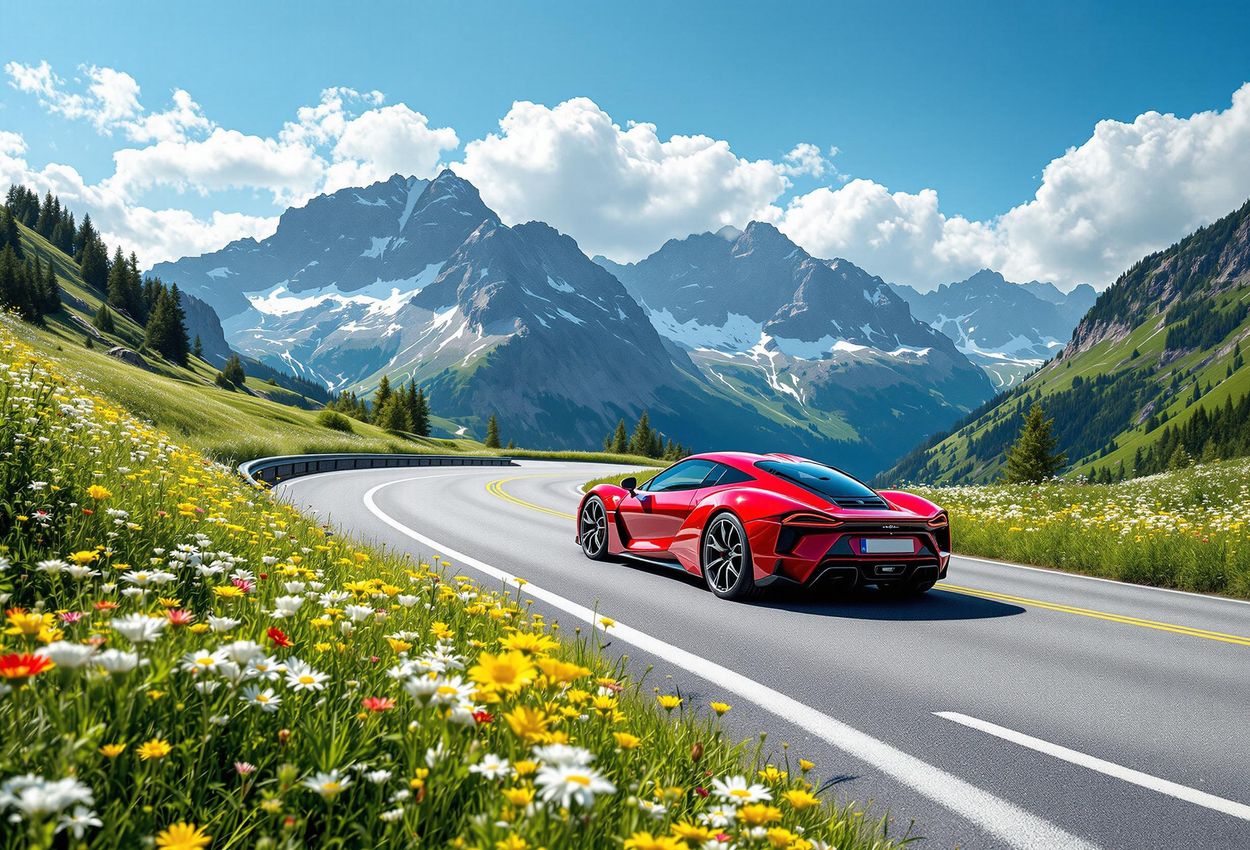
Image Description: A car navigating one of the hairpin bends on the Grossglockner High Alpine Road. The car is red, adding a pop of color to the scene. The road is surrounded by lush green meadows dotted with wildflowers. In the background, snow-capped mountains rise majestically, their peaks partially obscured by clouds. The sky is a clear blue, with a few wispy clouds adding depth to the scene. The purpose is to capture the thrill of driving the road.
Style Instructions: Action. Use a telephoto lens to compress the scene and emphasize the hairpin bend. The light should be bright and sunny, highlighting the colors of the landscape. Focus on the car as it navigates the bend, capturing the sense of movement and excitement. The photo should be taken on July 14, 2025, around 11:00 AM.
The Grossglockner High Alpine Road is punctuated by a series of strategically placed viewpoints, each offering a unique and unforgettable perspective on the surrounding landscape. Two of the most iconic are Kaiser-Franz-Josefs-Höhe and Edelweiss Spitze, must-see destinations that will leave you breathless with their panoramic vistas.
Kaiser-Franz-Josefs-Höhe is perhaps the most famous viewpoint on the entire route, a veritable pilgrimage site for those seeking the ultimate Grossglockner experience. From this vantage point, you're treated to unparalleled views of Austria's highest mountain, the majestic Grossglockner, and the Pasterze Glacier, a shimmering river of ice that snakes its way down the mountainside. The visitor center at Kaiser-Franz-Josefs-Höhe provides a wealth of information about the region's geology, history, and ecology, offering a deeper understanding of the landscape before you. Interactive exhibits and informative displays cater to all ages, making it an enriching experience for the whole family.
Edelweiss Spitze, the highest drivable point on the road, offers a different but equally spectacular perspective. Reaching this summit requires a short detour, but the reward is well worth the effort. From here, you can gaze out over a sea of peaks, a seemingly endless expanse of alpine majesty. The Edelweiss Spitze restaurant, with its sunny terrace, provides the perfect setting to savor the views while enjoying a delicious meal or refreshing drink. Imagine yourself basking in the warm sunshine, surrounded by breathtaking scenery, as you indulge in traditional Austrian cuisine.
Hidden Gem: For early birds, Edelweiss Spitze opens its doors at 7:30 AM, allowing you to witness the sunrise over the Alps in relative solitude. This is a truly magical experience, as the first rays of light paint the peaks with vibrant hues, creating a scene of unparalleled beauty.
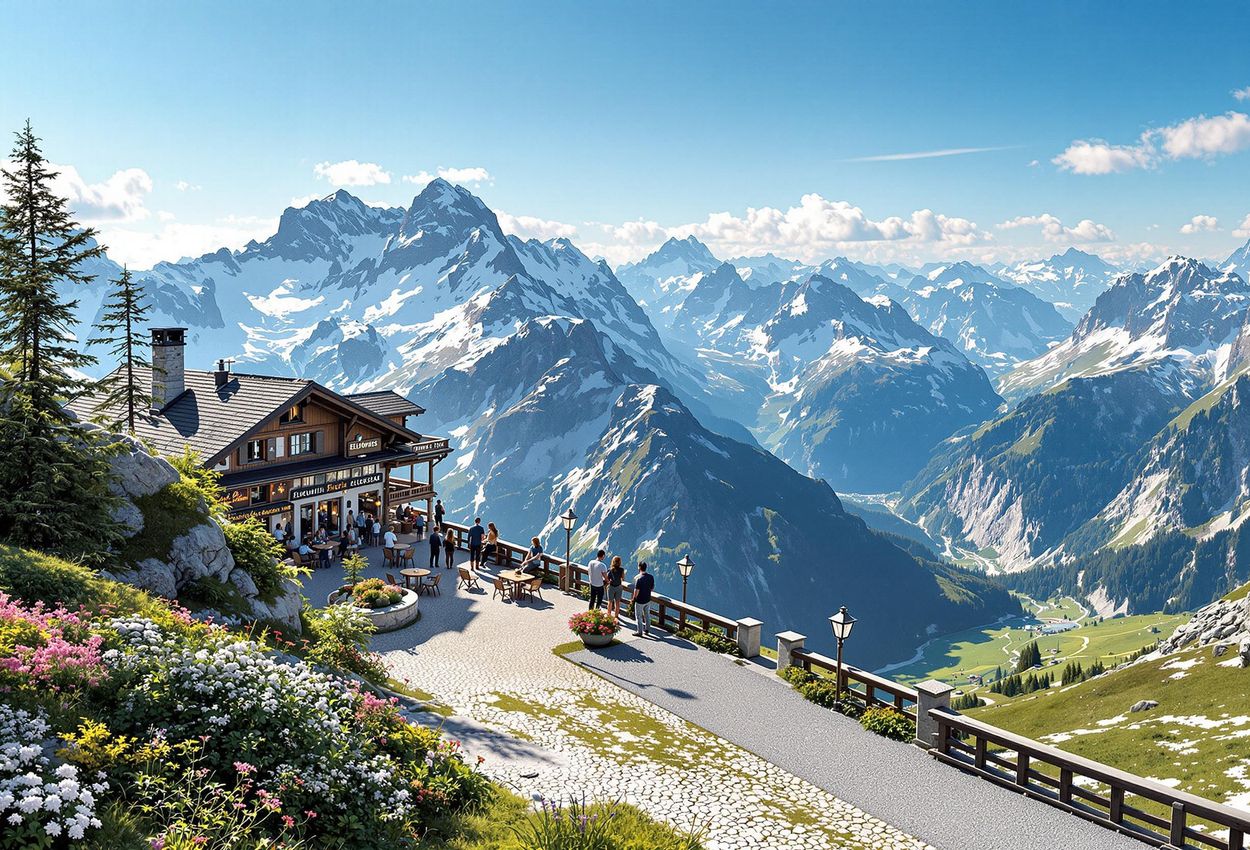
Image Description: A panoramic view from Edelweiss Spitze, the highest drivable point on the Grossglockner High Alpine Road. In the foreground, the Edelweiss Spitze restaurant stands proudly, its sunny terrace beckoning visitors. Beyond the restaurant, a vast expanse of snow-capped peaks stretches to the horizon. The sky is a brilliant blue, with a few wispy clouds adding depth to the scene. The purpose is to capture the panoramic views from Edelweiss Spitze.
Style Instructions: Landscape. Use a wide-angle lens to capture the expansive view. The light should be soft and natural, highlighting the colors of the landscape. Focus on the restaurant and the surrounding mountains, creating a sense of depth and perspective. The photo should be taken on July 14, 2025, around 8:00 AM.
The Grossglockner High Alpine Road is not just a scenic drive; it's also a gateway to a network of hiking trails that cater to all levels of experience, from leisurely strolls to challenging mountain ascents. Whether you're a seasoned hiker or a casual walker, you'll find a trail that allows you to immerse yourself in the stunning alpine landscape.
The Gamsgrubenweg, currently accessible until Tunnel 6, is a popular choice for those seeking a moderate hike with breathtaking views. This trail winds its way through a series of tunnels, offering unique perspectives on the Grossglockner and the surrounding mountains. The Pasterze Glacier Trail provides a closer look at the glacier, allowing you to witness firsthand the impact of climate change on this fragile environment. The panorama path up to the Kaiserstein offers stunning views of the Kaiser-Franz-Josefs-Höhe and the surrounding peaks.
For a truly enriching experience, consider joining one of the free guided hikes with National Park rangers that take place daily in July. These hikes provide valuable insights into the region's flora, fauna, and geology, enhancing your understanding and appreciation of the alpine environment. The rangers are knowledgeable and passionate about the area, and their expertise will undoubtedly enhance your hiking experience.
Local Tip: Wear sturdy hiking shoes and bring plenty of water, especially if you plan to tackle a longer or more challenging trail. Mountain weather can change quickly, so be prepared for potential rain showers or sudden drops in temperature.
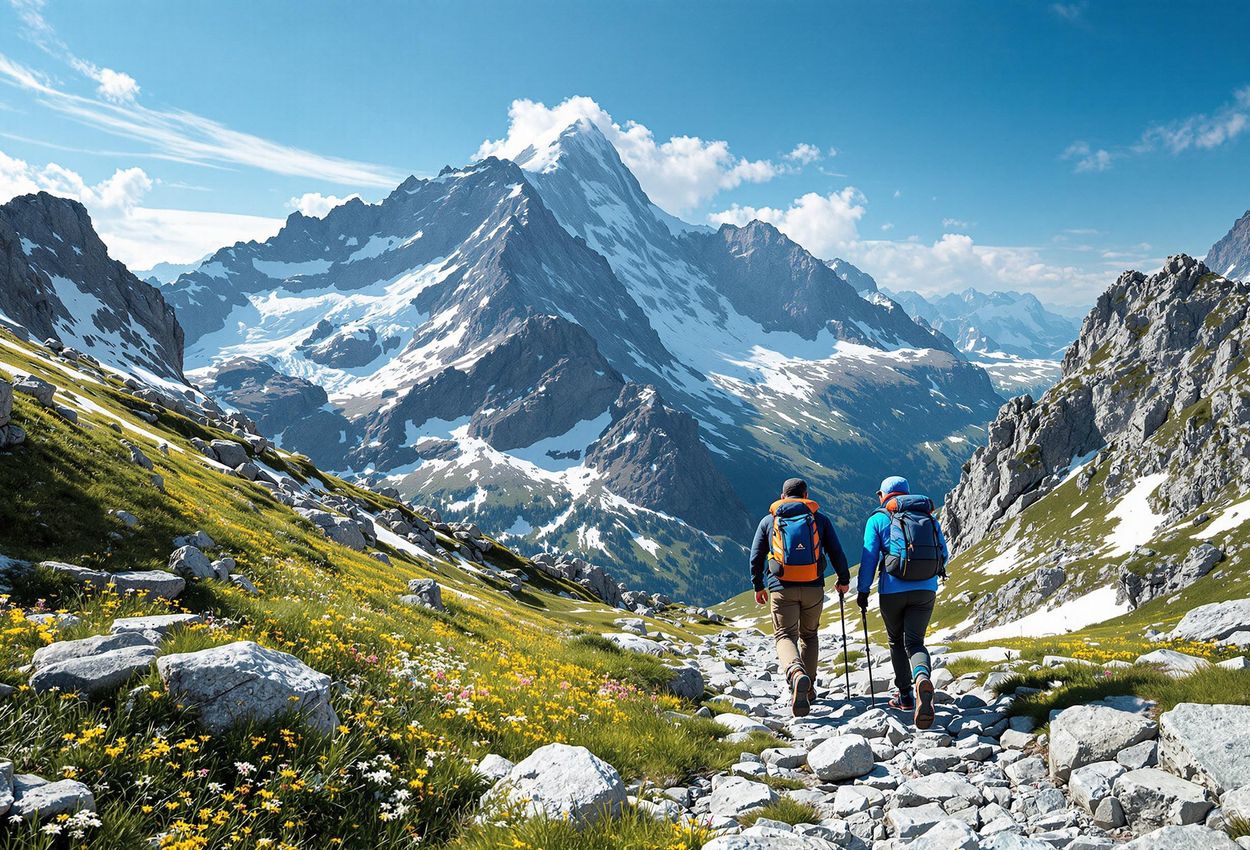
Image Description: Hikers on the Gamsgrubenweg trail, with the Grossglockner mountain in the background. The hikers are wearing appropriate hiking gear and carrying backpacks. The trail winds through rocky terrain, with patches of snow still visible in some areas. The sky is a clear blue, with a few wispy clouds adding depth to the scene. The purpose is to showcase the hiking opportunities along the Grossglockner High Alpine Road.
Style Instructions: Action. Use a wide-angle lens to capture the hikers and the surrounding landscape. The light should be bright and sunny, highlighting the colors of the landscape. Focus on the hikers as they navigate the trail, capturing the sense of adventure and exploration. The photo should be taken on July 14, 2025, around 10:00 AM.
A visit to the Pasterze Glacier is a poignant reminder of the power and fragility of nature, a chance to witness firsthand the effects of climate change on one of the Alps' most iconic landscapes.
As you approach the glacier, you'll be struck by its sheer scale and beauty, a vast expanse of ice that clings to the mountainside. However, you'll also notice the signs of retreat, the telltale marks of a glacier in decline. The glacier has been shrinking rapidly in recent years, a stark reminder of the impact of global warming on our planet.
The Pasterzenweg trail leads to the Glocknerhaus, a historic mountain hut that offers stunning views of the glacier. Along the way, you'll pass informative displays that explain the glacier's history and the science behind its retreat. The trail is well-maintained and relatively easy to navigate, making it accessible to a wide range of visitors.
Local Tip: Take a moment to reflect on the importance of protecting our planet and preserving these natural wonders for future generations. The Pasterze Glacier is a living testament to the need for climate action.
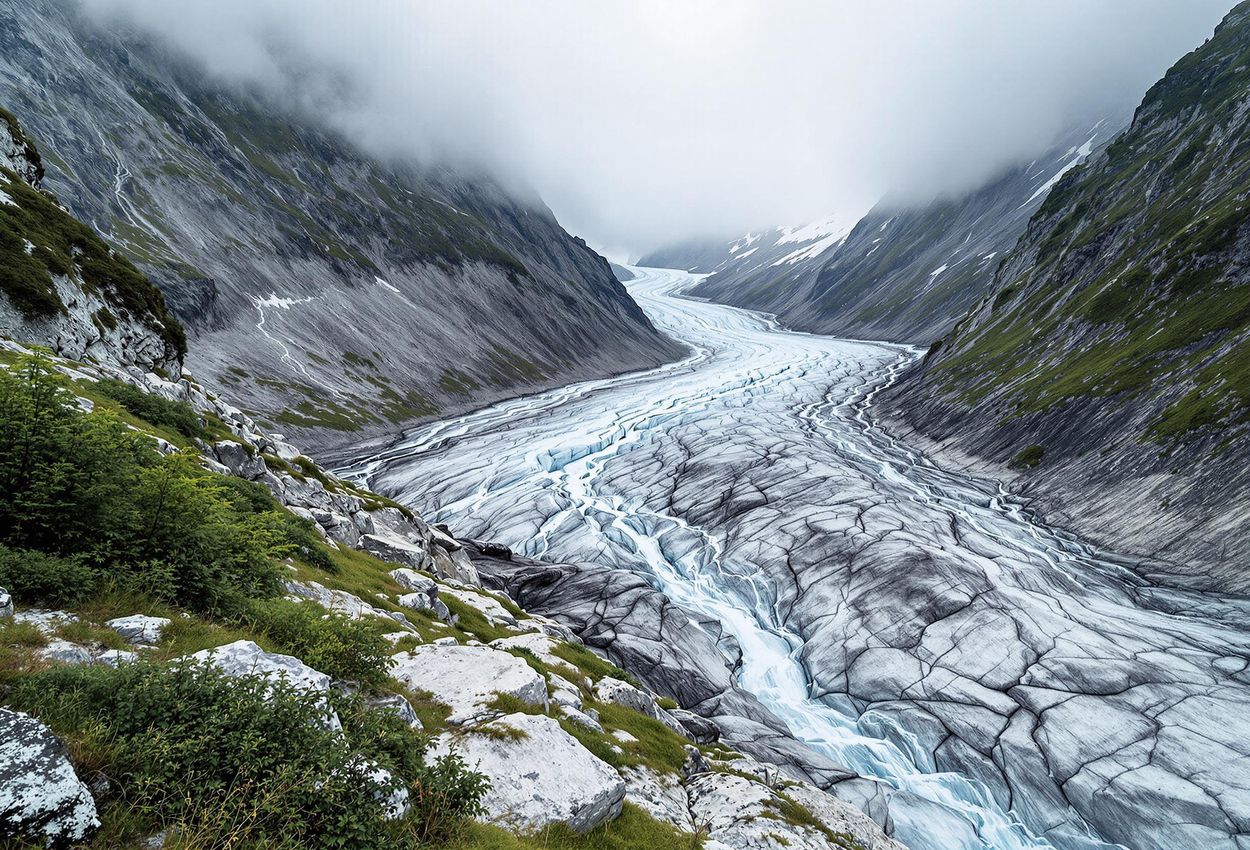
Image Description: A view of the Pasterze Glacier, showing its retreat and the impact of climate change. The glacier is surrounded by rocky terrain, with a few patches of vegetation clinging to the mountainside. The sky is overcast, creating a somber mood. The purpose is to highlight the effects of climate change on the glacier.
Style Instructions: Landscape. Use a wide-angle lens to capture the glacier and the surrounding landscape. The light should be soft and diffused, highlighting the textures of the ice and rock. Focus on the signs of retreat, such as the exposed rock and the meltwater streams. The photo should be taken on July 14, 2025, around 12:00 PM.
July on the Grossglockner High Alpine Road is not just about stunning scenery and outdoor adventures; it's also a time for celebration, with a variety of events and activities taking place along the route and in nearby towns.
Running enthusiasts can find the Grossglockner Mountain Run from July 4 to 6, athletes will be pushing themselves to the limit on Austria's highest mountain with astounding stamina, team spirit, and stunning alpine views on full display. From mid-July until the end of September, from Monday-Sunday at 10:30 and 13:30, free guided hikes with a National Park ranger start from the visitor centre up to Kaiser-Franz-Josefs-Höhe via the panorama path up to the Kaiserstein. On the way, the ranger explains how the glacier has changed, what flowers are in bloom at the wayside and about the animals that live up here.
In nearby Zell am See-Kaprun, the Grossglockner Ultra-Trail takes place from July 24 to 27, attracting trail runners from around the world. This challenging event showcases the region's stunning scenery and provides a thrilling spectacle for spectators.
Local Tip: Check the local tourism websites for a complete list of events and activities taking place during your visit. This will help you plan your itinerary and make the most of your time on the Grossglockner High Alpine Road.
Image Description: A scene from the Grossglockner Mountain Run, with runners ascending a steep section of the trail. Spectators line the route, cheering on the runners. The Grossglockner mountain looms in the background, its snow-capped peak partially obscured by clouds. The purpose is to capture the excitement and energy of the event.
Style Instructions: Event. Use a telephoto lens to compress the scene and emphasize the runners and the spectators. The light should be bright and sunny, highlighting the colors of the landscape and the runners' clothing. Focus on the runners as they ascend the trail, capturing the sense of effort and determination. The photo should be taken on July 5, 2025, around 11:00 AM.
A successful road trip requires careful planning, and a visit to the Grossglockner High Alpine Road is no exception. By taking the time to prepare, you can ensure a smooth and enjoyable experience, maximizing your time and minimizing potential hassles.
The Grossglockner High Alpine Road is typically open from 5:30 AM to 9:00 PM in July, providing ample time for exploration. However, it's always a good idea to check the official website for any updates or changes to the schedule. The toll fee for cars is €45 as of 2025, and tickets can be purchased online in advance or at the toll booths. Purchasing tickets online can save you time and allow you to bypass potential queues.
Before you set off, it's essential to check road conditions and weather forecasts. Mountain weather can be unpredictable, and conditions can change rapidly. Be aware of potential hazards such as fog, rain, and snow, especially at higher altitudes. Pack layers to accommodate fluctuating temperatures, and always be prepared for the unexpected.
Hidden Gem: If you're planning to stay overnight along the road, you won't be required to pay additional fees on the day of your departure. This allows you to take your time and explore the area at your own pace, without feeling rushed.
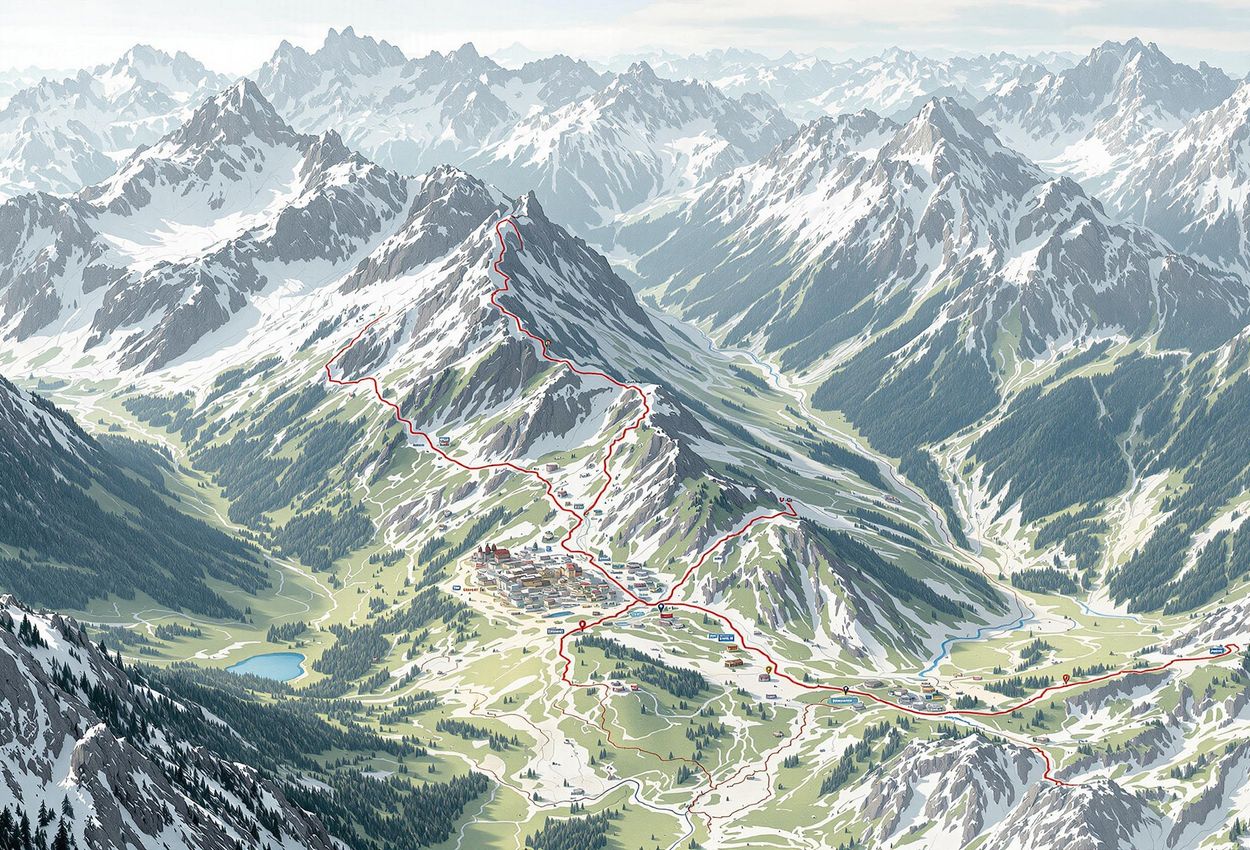
Image Description: A map of the Grossglockner High Alpine Road, highlighting the key viewpoints, hiking trails, and other attractions. The map is clear and easy to read, with detailed information about each location. The purpose is to provide readers with a visual guide to the road and its surroundings.
Style Instructions: Serene. Use a high-resolution image of a professionally designed map. The colors should be muted and natural, reflecting the alpine landscape. The map should be well-lit and easy to read, with clear labels and symbols. The photo should be taken on July 14, 2025.
The Grossglockner High Alpine Road is not just a scenic route; it's also a haven for wildlife, offering the chance to encounter some of the Alps' most iconic creatures in their natural habitat. Keep your eyes peeled for marmots and ibex, two species that are commonly seen along the road.
Marmots, with their chubby bodies and distinctive whistles, are often spotted near Kaiser-Franz-Josefs-Höhe, where they burrow in the grassy slopes. These playful creatures are a delight to watch, but remember to keep a respectful distance and avoid feeding them, as this can disrupt their natural behavior.
Ibex, with their impressive horns and agile movements, are more elusive but can sometimes be seen grazing on the rocky cliffs above the road. The Wilhelm Swarovski Observatory is a particularly good spot for ibex sightings, as a colony of these majestic animals lives in the area.
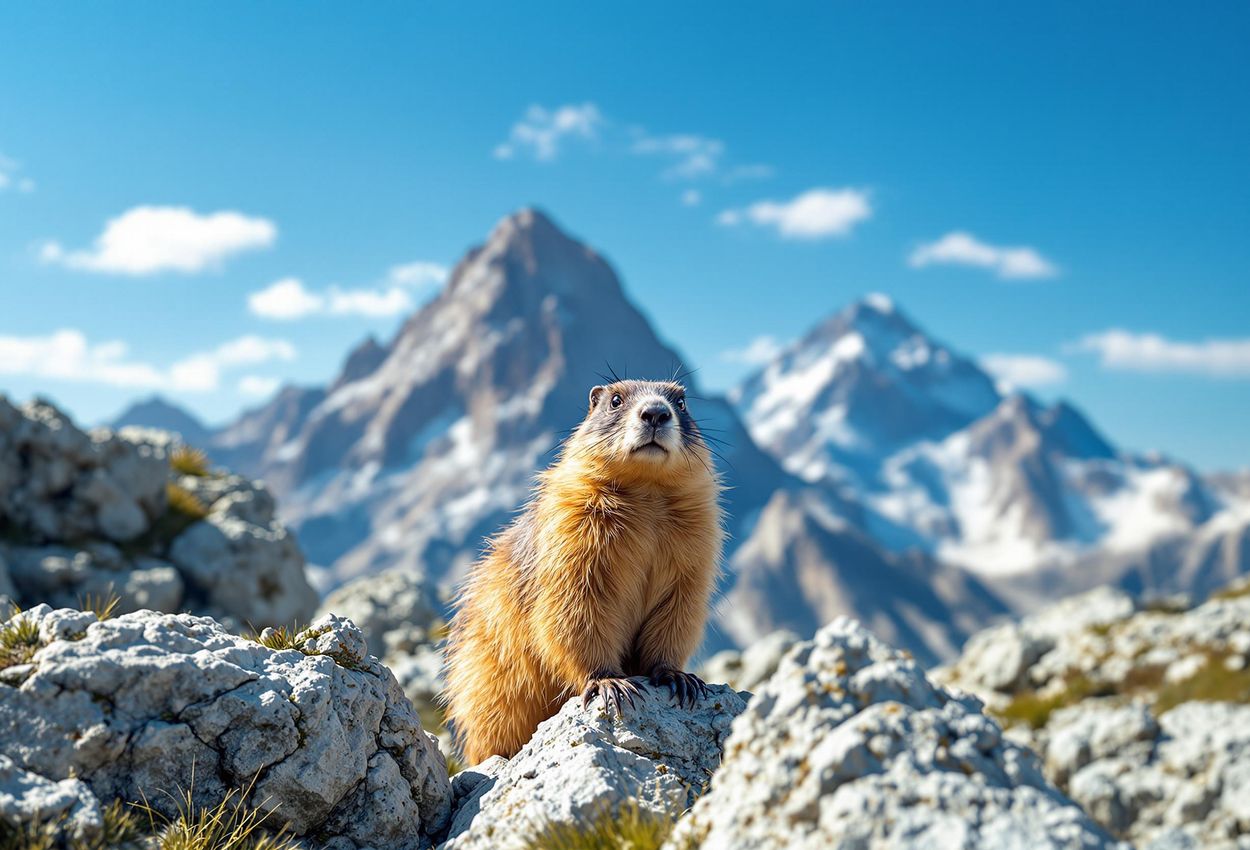
Image Description: A marmot standing on a rocky outcrop, with the Grossglockner mountain in the background. The marmot is looking directly at the camera, its expression curious and alert. The sky is a clear blue, with a few wispy clouds adding depth to the scene. The purpose is to showcase the wildlife that can be seen along the Grossglockner High Alpine Road.
Style Instructions: Wildlife. Use a telephoto lens to capture the marmot in detail. The light should be bright and sunny, highlighting the marmot's fur and the textures of the rock. Focus on the marmot's eyes, capturing its expression and personality. The photo should be taken on July 14, 2025, around 11:00 AM.
While the Grossglockner High Alpine Road is undoubtedly the main attraction, the charming village of Heiligenblut, nestled at its southern end, is well worth exploring. This picturesque village offers a glimpse into traditional Austrian life, with its stunning church and breathtaking mountain backdrop.
The church of St. Vincent, with its iconic spire, is the symbol of Heiligenblut, its image gracing countless postcards and travel brochures. The church's interior is equally impressive, with intricate carvings and beautiful stained-glass windows. Take some time to wander through the village's narrow streets, admiring the traditional architecture and soaking up the alpine atmosphere.
During the summer months, Heiligenblut offers a variety of activities, including hiking, mountain biking, and guided tours. The Grossglockner Mountain Walk on July 5 is a relaxed walk. Explore the surrounding mountains and discover the hidden gems of this alpine paradise.
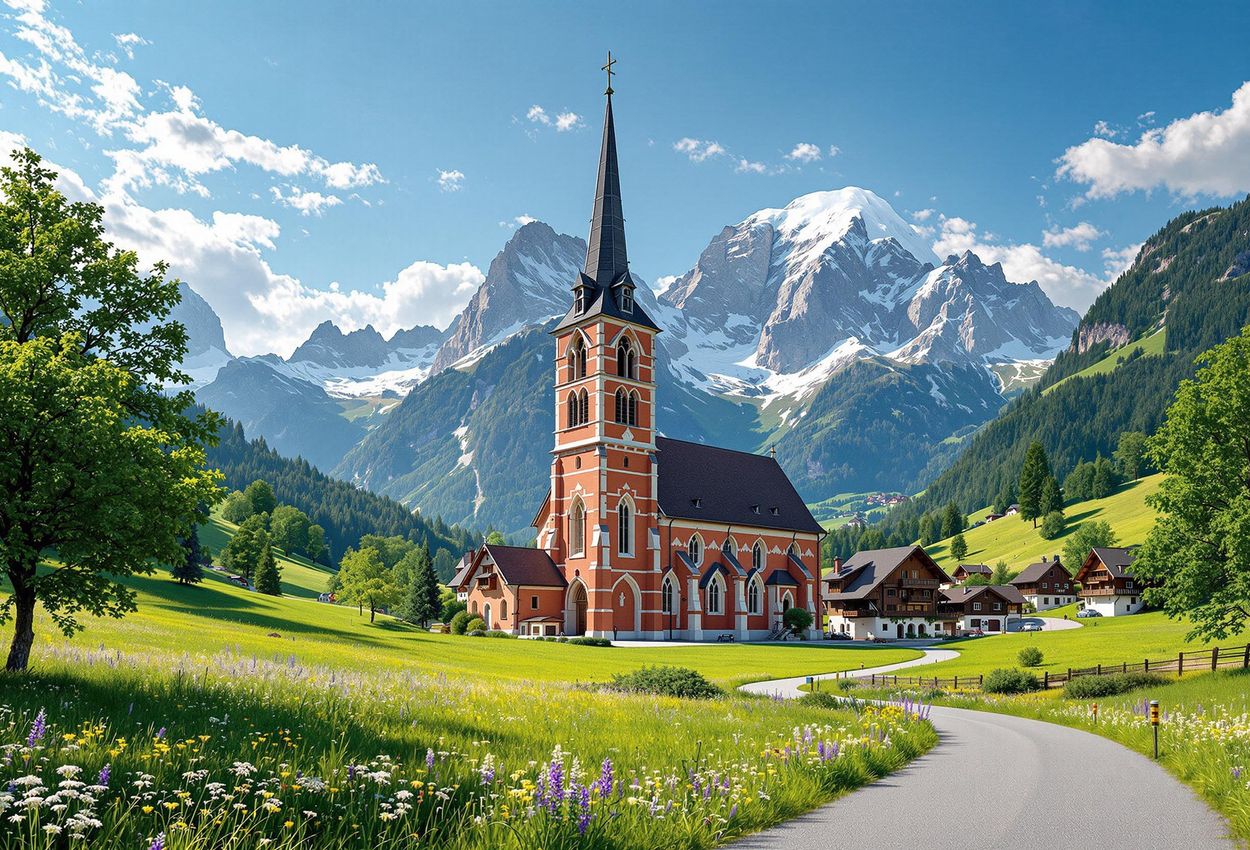
Image Description: A view of the village of Heiligenblut, with the church of St. Vincent in the foreground and the Grossglockner mountain in the background. The village is nestled in a valley, surrounded by lush green meadows and snow-capped peaks. The sky is a clear blue, with a few wispy clouds adding depth to the scene. The purpose is to showcase the beauty and charm of Heiligenblut.
Style Instructions: Cityscape. Use a wide-angle lens to capture the village and the surrounding landscape. The light should be soft and natural, highlighting the colors of the buildings and the mountains. Focus on the church and the Grossglockner mountain, creating a sense of depth and perspective. The photo should be taken on July 14, 2025, around 4:00 PM.
A road trip is not complete without indulging in the local cuisine, and the Grossglockner High Alpine Road offers a variety of culinary experiences to tantalize your taste buds. From traditional Austrian dishes to international fare, there's something to satisfy every craving.
Along the route, you'll find numerous restaurants and huts where you can enjoy traditional Austrian cuisine. Sample hearty dishes such as Wiener Schnitzel, Tafelspitz, and Kaiserschmarren, all made with fresh, local ingredients. Be sure to try some of the regional specialties, such as Carinthian Kasnudeln, a type of pasta filled with cheese and herbs.
Many of the restaurants along the road offer stunning views of the surrounding mountains, allowing you to savor your meal while enjoying the breathtaking scenery. Imagine yourself sitting on a sunny terrace, sipping a glass of local wine, and gazing out at the majestic peaks of the Alps.
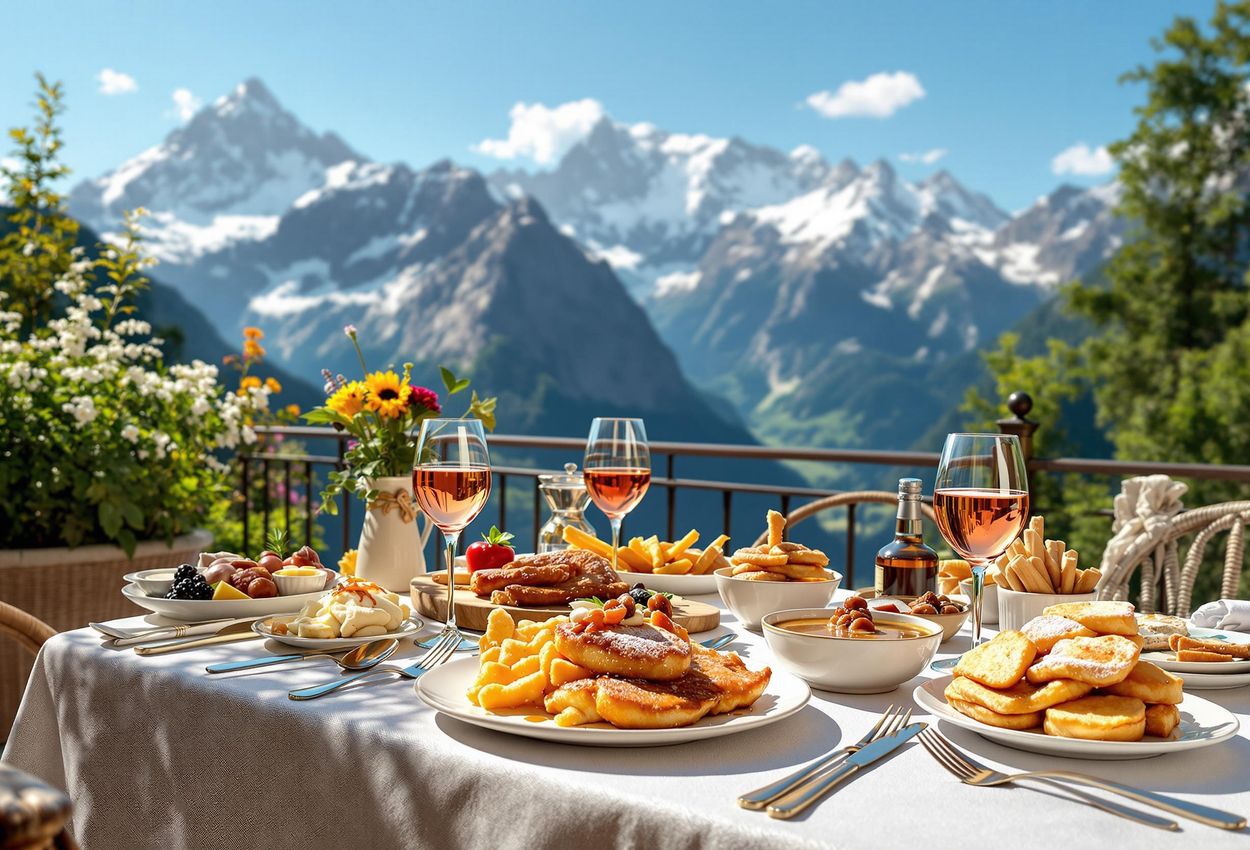
Image Description: A table laden with traditional Austrian dishes, such as Wiener Schnitzel, Tafelspitz, and Kaiserschmarren. The table is set on a sunny terrace, with the Grossglockner mountain in the background. The purpose is to showcase the culinary experiences available along the Grossglockner High Alpine Road.
Style Instructions: Food. Use a shallow depth of field to focus on the dishes. The light should be bright and natural, highlighting the colors and textures of the food. Focus on the details, such as the crispy breading on the Wiener Schnitzel and the powdered sugar on the Kaiserschmarren. The photo should be taken on July 14, 2025, around 1:00 PM.
The Grossglockner High Alpine Road in July is an unforgettable experience, a journey that will leave you with memories to last a lifetime. From the stunning scenery to the thrilling drive to the chance encounters with wildlife, every moment is a celebration of the Alps' beauty and majesty. So pack your bags, hit the road, and prepare for an adventure you'll never forget.
Our editors` picks of the latest and greatest in travel - delivered to your inbox daily
Relax on the beaches and explore the reefs of Xai-Xai.
View More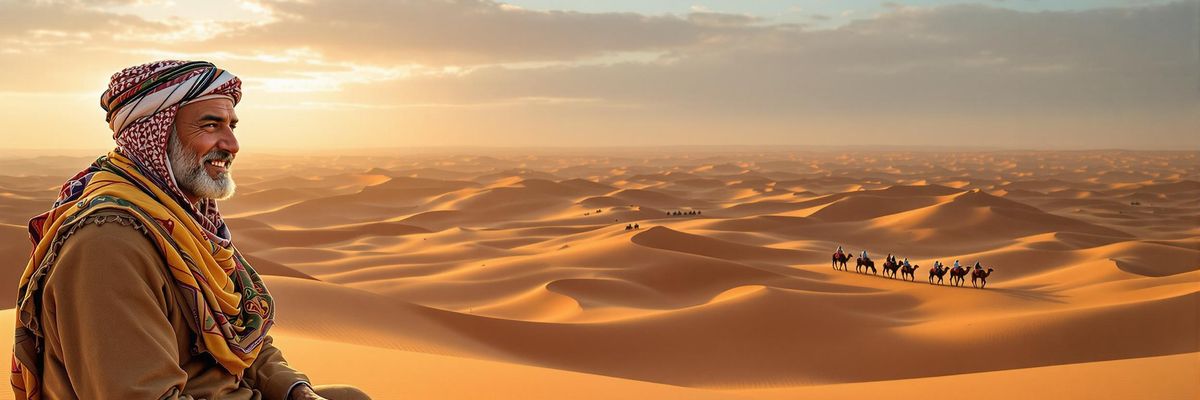
Embrace the cooler temperatures and experience the International Festival of the Sahara in Douz this December.
View More
Celebrate the year-end festivities in Accra, culminating in the vibrant Afrofuture festival.
View More Albania EDITION
 Algeria EDITION
 Argentina EDITION
 Armenia EDITION
 Australia EDITION
 Austria EDITION
 Bangladesh EDITION
 Belgium EDITION
 Belize EDITION
 Benin EDITION
 Bhutan EDITION
 Bolivia EDITION
 Bosnia and Herzegovina EDITION
 Botswana EDITION
 Brazil EDITION
 Bulgaria EDITION
 Burkina Faso EDITION
 Cambodia EDITION
 Cameroon EDITION
 Canada EDITION
 Central African Republic EDITION
 Chad EDITION
 Chile EDITION
 China EDITION
 Colombia EDITION
 Costa Rica EDITION
 Croatia EDITION
 Cyprus EDITION
 Denmark EDITION
 Djibouti EDITION
 Ecuador EDITION
 Egypt EDITION
 El Salvador EDITION
 Eritrea EDITION
 Estonia EDITION
 Ethiopia EDITION
 Finland EDITION
 France EDITION
 Gabon EDITION
 Georgia EDITION
 Germany EDITION
 Ghana EDITION
 Greece EDITION
 Guatemala EDITION
 Guinea EDITION
 Guinea-Bissau EDITION
 Honduras EDITION
 Hungary EDITION
 Iceland EDITION
 India EDITION
 Indonesia EDITION
 Ireland EDITION
 Israel EDITION
 Italy EDITION
 Jamaica EDITION
 Japan EDITION
 Jordan EDITION
 Kenya EDITION
 Kuwait EDITION
 Laos EDITION
 Latvia EDITION
 Lebanon EDITION
 Lesotho EDITION
 Liberia EDITION
 Lithuania EDITION
 Luxembourg EDITION
 Madagascar EDITION
 Malawi EDITION
 Malaysia EDITION
 Maldives EDITION
 Mali EDITION
 Malta EDITION
 Mauritania EDITION
 Mauritius EDITION
 Mexico EDITION
 Mongolia EDITION
 Montenegro EDITION
 Morocco EDITION
 Mozambique EDITION
 Namibia EDITION
 Nepal EDITION
 Netherlands EDITION
 New Zealand EDITION
 Nicaragua EDITION
 Niger EDITION
 Nigeria EDITION
 Norway EDITION
 Oman EDITION
 Pakistan EDITION
 Panama EDITION
 Papua New Guinea EDITION
 Paraguay EDITION
 Peru EDITION
 Philippines EDITION
 Poland EDITION
 Portugal EDITION
 Qatar EDITION
 Romania EDITION
 Rwanda EDITION
 Saudi Arabia EDITION
 Senegal EDITION
 Serbia EDITION
 Singapore EDITION
 Slovakia EDITION
 Slovenia EDITION
 Somalia EDITION
 South Africa EDITION
 South Korea EDITION
 Spain EDITION
 Sri Lanka EDITION
 Suriname EDITION
 Sweden EDITION
 Switzerland EDITION
 Tanzania EDITION
 Thailand EDITION
 Tunisia EDITION
 Uganda EDITION
 United Arab Emirates EDITION
 United Kingdom EDITION
 Uruguay EDITION
 Venezuela EDITION
 Vietnam EDITION
 Zambia EDITION
 Zimbabwe EDITION
Subscribe to our newsletter and get the most captivating travel stories, hidden gems, and expert insights delivered straight to your inbox. As a subscriber, you’ll be first in line for exclusive content, premium offers, and unforgettable travel experiences