


Destination Guide
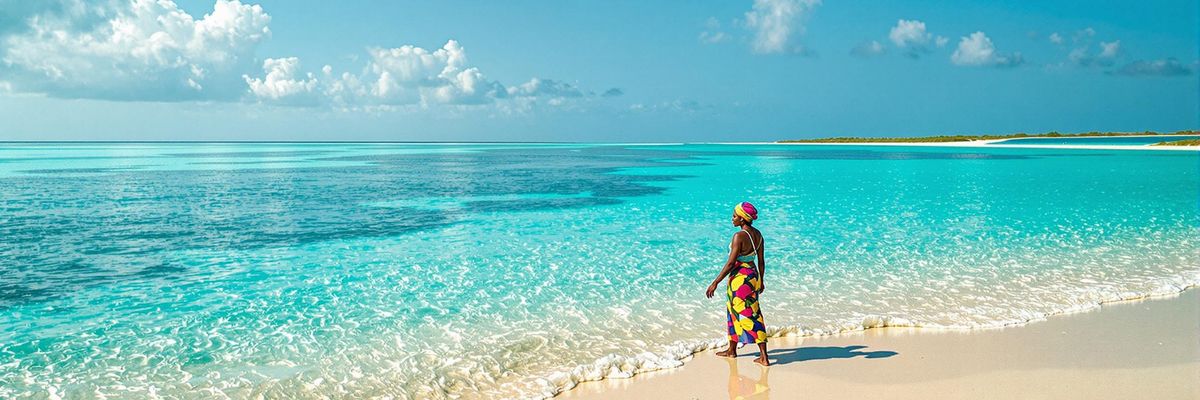
Xai-Xai: A Coastal Retreat
Relax on the beaches and explore the reefs of Xai-Xai.
View More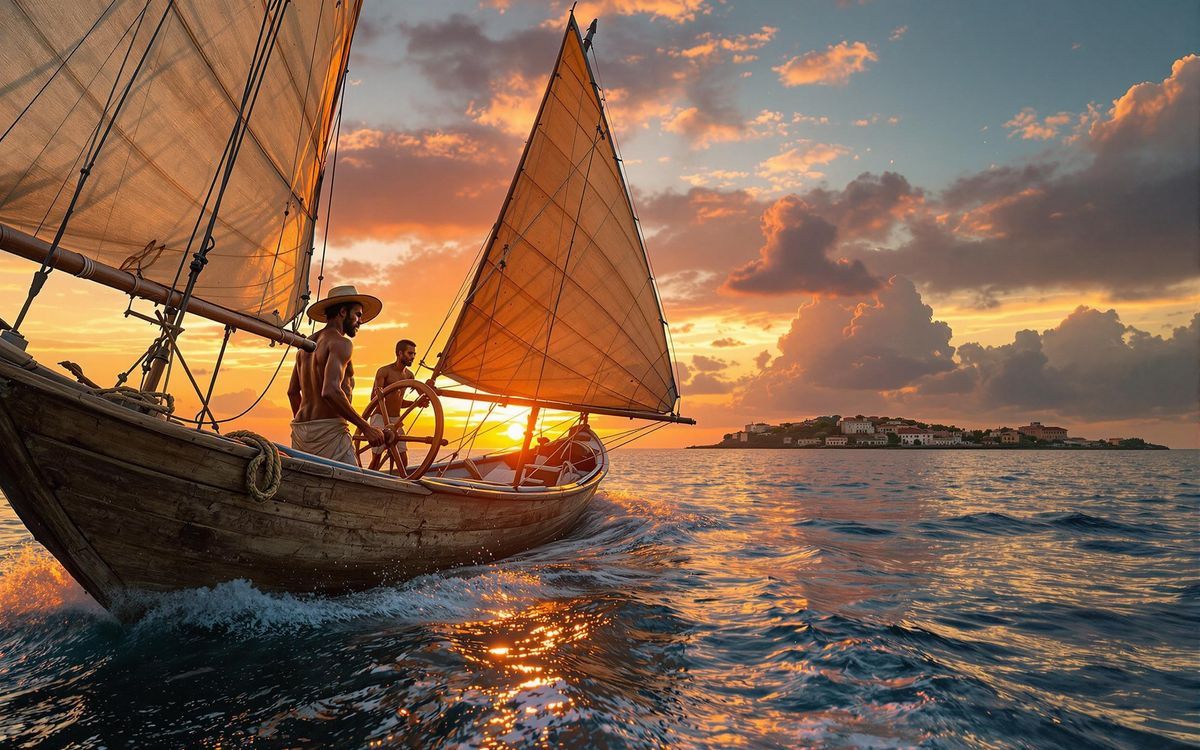

Discover the enchanting Ilha de Moçambique, a UNESCO World Heritage site where time seems to stand still. Explore its rich history, vibrant culture, and stunning architecture, all while immersing yourself in the island's unique blend of African, Arab, and European influences.
Located off the northern coast of Mozambique, the island is a treasure trove of historical landmarks, cultural experiences, and culinary delights, offering an unforgettable journey through time. From its pre-colonial Swahili origins to its pivotal role in the Portuguese spice trade, Ilha de Moçambique promises an immersive exploration of a bygone era.
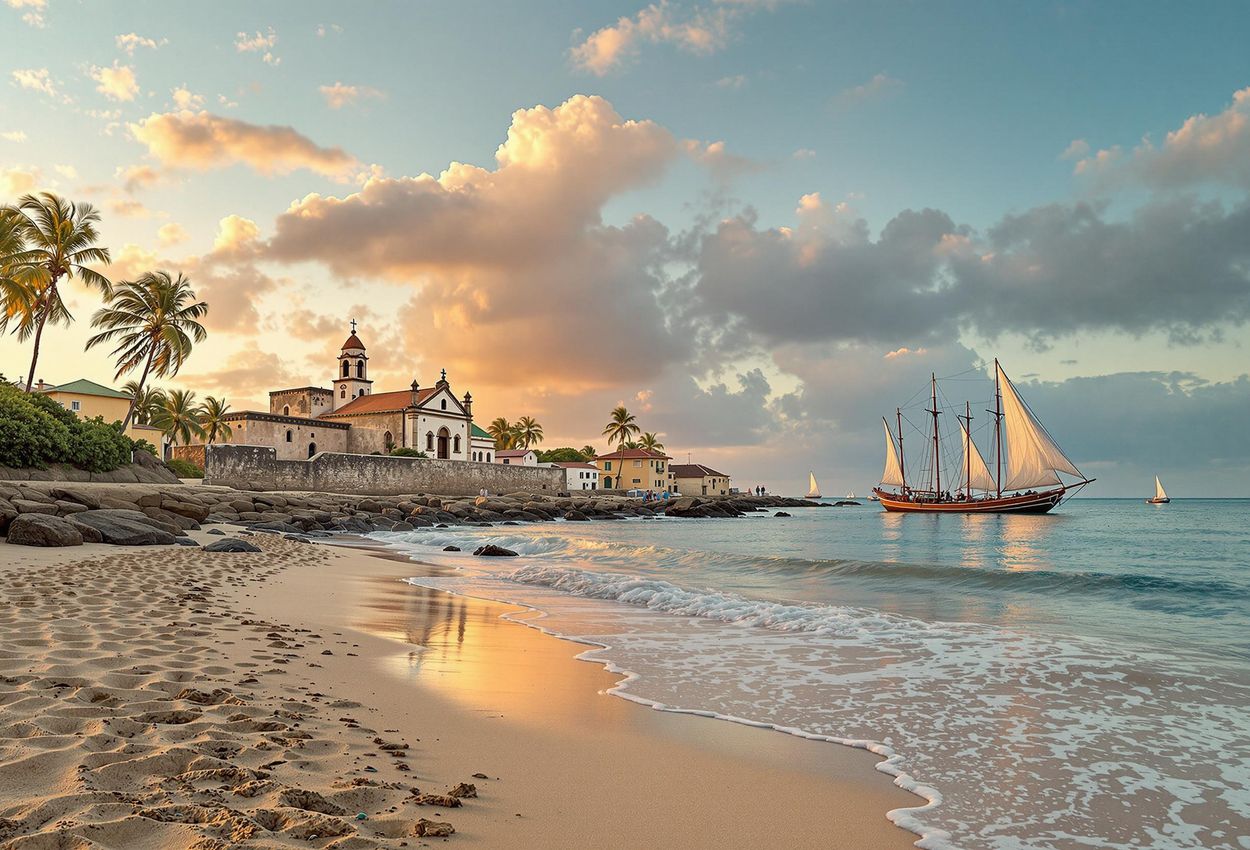
Before the arrival of the Portuguese, Ilha de Moçambique thrived as a Swahili trading post, a vibrant hub where Arab, Persian, and Bantu cultures converged. From as early as the 11th century, Muslim merchants established a significant presence, interweaving kinship relations with the local Makua people. This cultural fusion profoundly shaped the island's identity, influencing its language, customs, and social structures. Islam became a prominent religion, and the island served as a crucial support for ships engaged in the lucrative Indian Ocean trade.
The interactions between these diverse groups fostered a unique cultural landscape. The Swahili language, a blend of Bantu and Arabic, became the lingua franca of the coast, facilitating trade and communication. Architectural styles reflected a mix of Arab and African designs, with coral stone buildings and intricate carvings adorning the town. The Makua people, with their deep-rooted traditions and knowledge of the land, contributed significantly to the island's agricultural practices and social customs.
Hidden Gem: Delve into the fascinating Naharsa language, a local tongue infused with Arabic influences, offering a glimpse into the island's rich linguistic heritage. This unique language reflects the long-standing interactions between the Swahili and Arab communities, preserving a vital piece of the island's cultural identity.
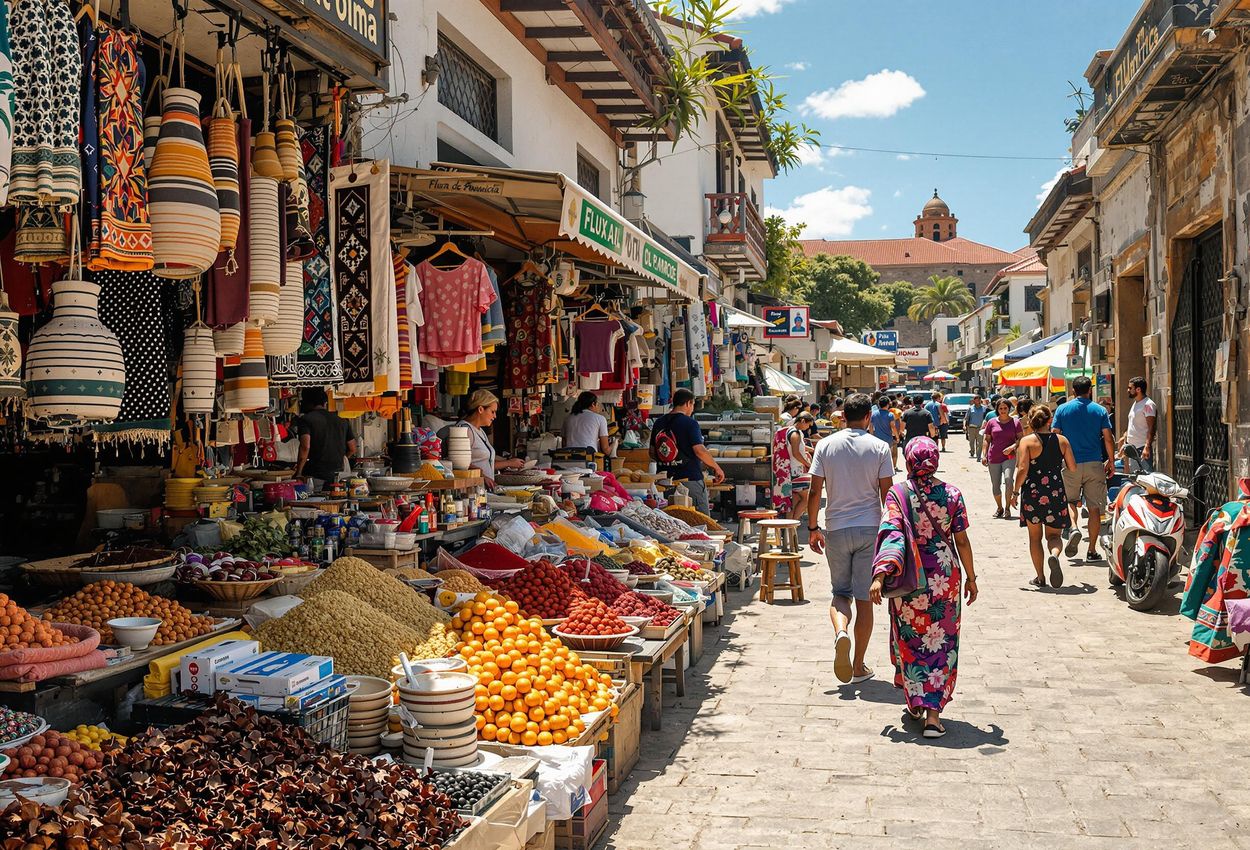
In 1498, Vasco da Gama's arrival marked a turning point in the island's history, heralding the establishment of a Portuguese port and naval base. The Portuguese recognized the island's strategic importance in the spice trade route to India and quickly set about transforming it into a formidable stronghold. In 1507-1508, the Portuguese settlers built the ancient fortress, St. Gabriel. The construction of the Chapel of Nossa Senhora de Baluarte in 1522 solidified their presence, marking it as the oldest European building in the Southern Hemisphere.
The chapel, with its Manueline vaulted architecture, stands as a testament to the early Portuguese influence. The island became a vital trading hub, connecting Europe to the riches of the East. The Portuguese exerted their control over the region, establishing trade routes and engaging in conflicts to maintain their dominance. The island's transformation into a Portuguese stronghold reshaped its urban landscape and cultural identity.
Hidden Gem: Uncover the intriguing history of the Chapel of Nossa Senhora de Baluarte, originally a mosque, reflecting the island's layered past and the blending of cultures. The earlier Muslim architecture is evident as soon as you enter the building and look up at the domed roof.
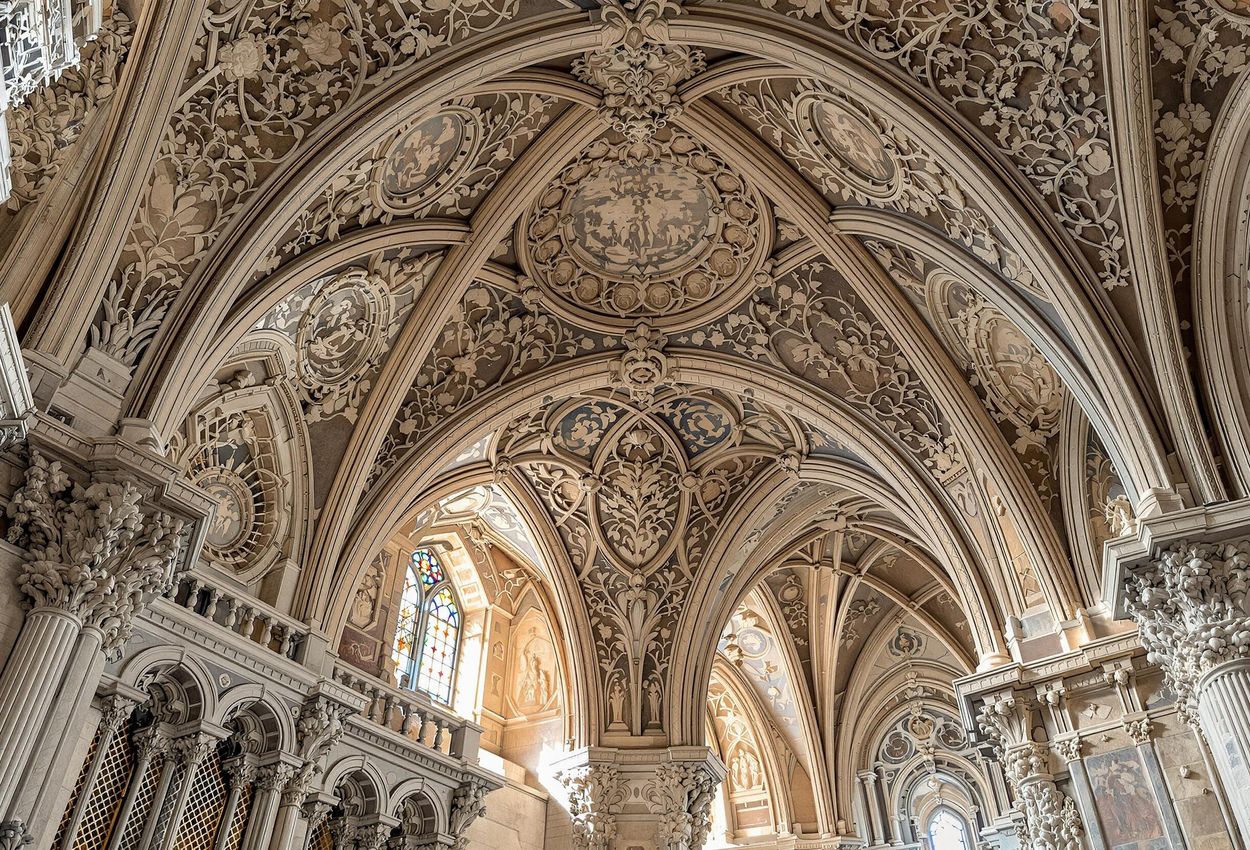
The construction of the Fort of São Sebastião, beginning in 1558, underscored the island's strategic importance in protecting Portuguese interests in the Indian Ocean. The fort, the oldest complete fort still standing in sub-Saharan Africa, took nearly five decades to complete and served as a crucial defense against rival European powers and local adversaries. Its imposing architecture and strategic design made it a formidable bastion, capable of withstanding attacks from the sea.
The fort's thick limestone walls, corner bastions, vaulted chambers, and lookout towers provided a secure base for the Portuguese military and commercial operations. In the 17th century, the fort successfully repelled Dutch attacks, solidifying its reputation as an impregnable fortress. The fort stands as a symbol of Portuguese power and resilience, a testament to their enduring presence in East Africa.
Hidden Gem: Discover the fort's modern-day role as a campus for the Faculty of Social Sciences and Humanities of Universidade Lúrio, blending history with contemporary education.

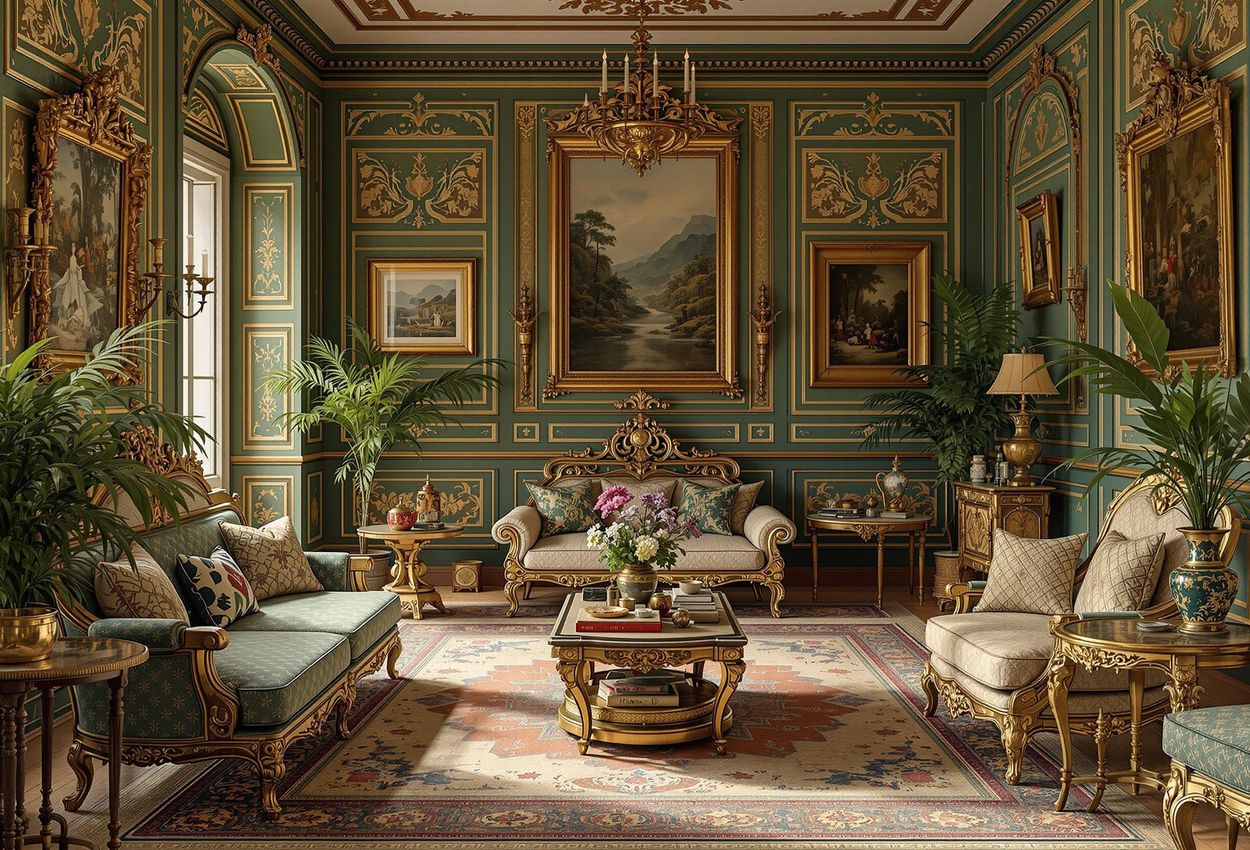
Originally a Jesuit College, the Palace of São Paulo underwent a transformation to become the residence of the Governor-General, symbolizing the shift from religious influence to colonial power. Dating back to 1610, this imposing terracotta edifice showcases the grandeur of Portuguese colonial architecture. Today, the palace serves as a museum, offering insights into the island's colonial history and the opulent lifestyle of its former inhabitants.
Within the Palace of São Paulo, explore the Chapel of São Paulo, the Museum of Sacred Art, the Museum of the Navy, and the Museum of Decorative Art, each offering a unique glimpse into the island's past. The Museu de Artes Decorativas, recently refurbished, provides a remarkable glimpse of what upper-class life must have been like during the island's 18th-century heyday. The Maritime Museum displays gold coins, ship compasses, and Chinese porcelain recovered from local shipwrecks.
Hidden Gem: Relate the anecdote of Samora Machel's visit and the decree to turn the Palace into a museum, preserving its historical significance for future generations.
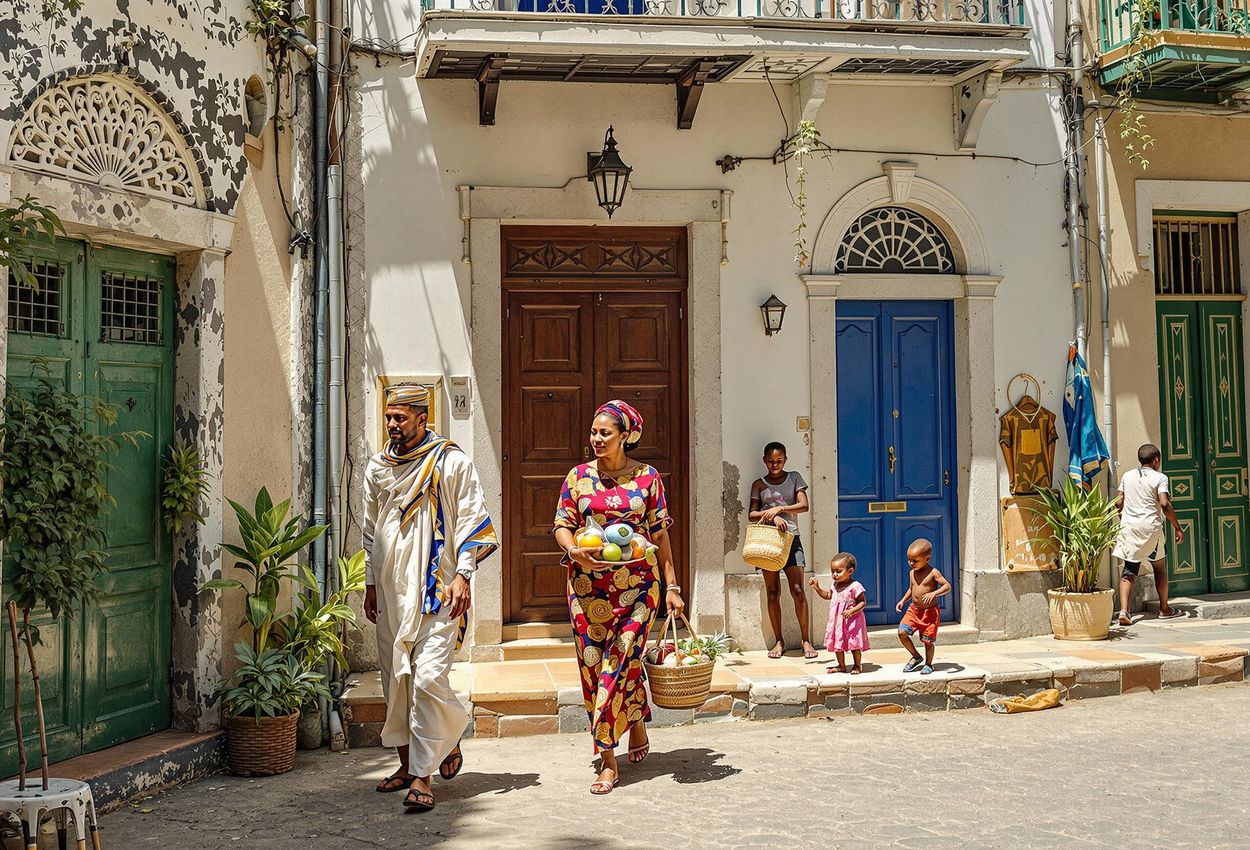
Wander through the narrow, winding streets of Stone Town, a UNESCO World Heritage Site, and immerse yourself in its unique architectural blend of Arab, Portuguese, Indian, and African influences. The town's buildings, constructed from coral and lime, showcase a distinct aesthetic, reflecting the island's diverse cultural heritage. The use of local materials and traditional building techniques has preserved the town's character for centuries.
The sounds of daily life fill the air, from the call to prayer from mosques to the rhythms of Mapiko drums, creating a vibrant and sensory-rich atmosphere. The streets teem with activity as locals go about their daily routines, offering a glimpse into the island's contemporary culture. Stone Town is a living museum, where history and culture intertwine to create a unique and unforgettable experience.
Hidden Gem: Discover the fascinating detail of how timber beams were imported from Brazil, showcasing the island's global connections during its colonial past.
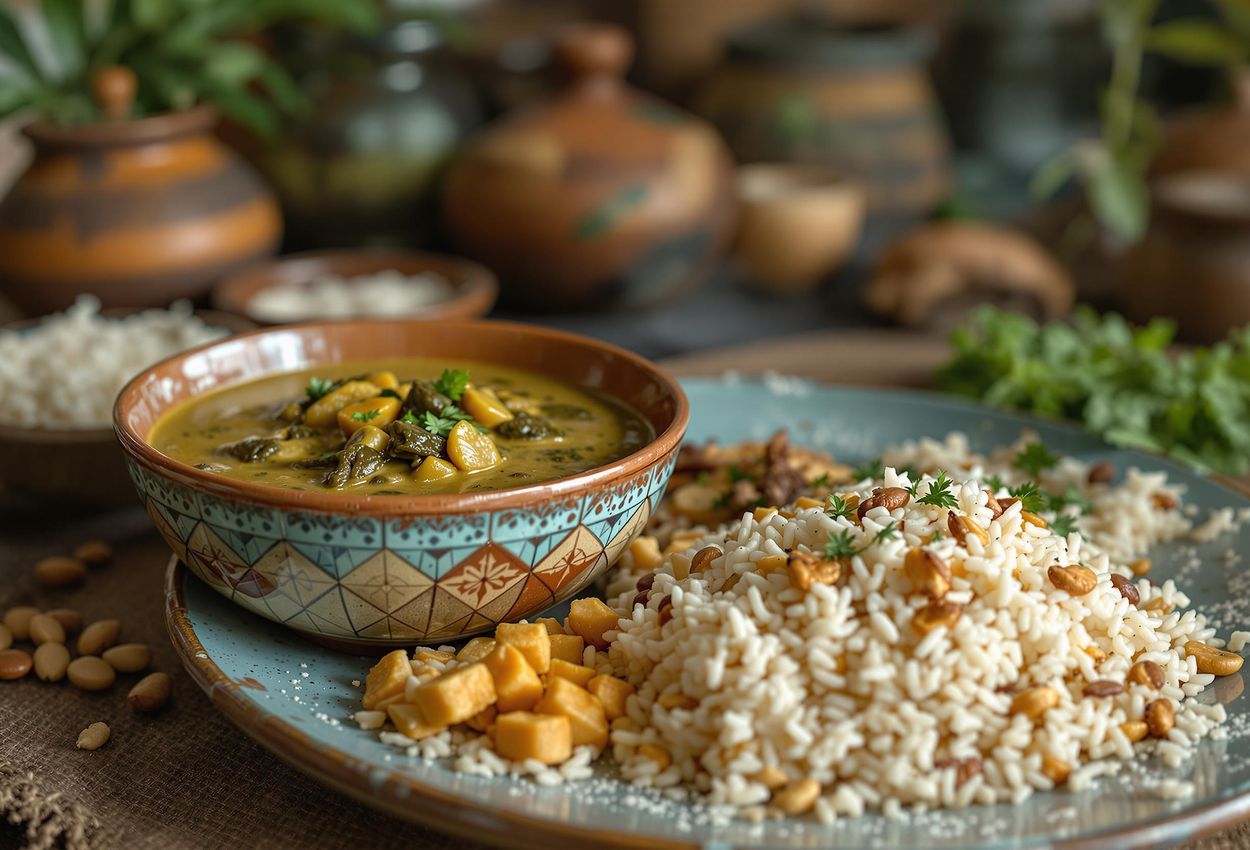
Embark on a culinary adventure and savor the flavors of Ilha de Moçambique's local cuisine, influenced by Portuguese, Arab, and Swahili traditions. Key dishes like Matapa de Siri-Siri (caril prepared à base de uma alga local) and Nsoro (rice) offer a tantalizing glimpse into the island's gastronomic heritage. The use of spices like guardamungo and piripiri adds a unique zest to the dishes, reflecting the island's history as a spice trading hub.
The island's cuisine reflects its diverse cultural influences, blending flavors and techniques from across the Indian Ocean. Seafood plays a prominent role, with freshly caught fish, prawns, and lobster featuring in many dishes. Local produce, such as cassava, coconut, and mango, adds a tropical touch to the cuisine. The culinary traditions of Ilha de Moçambique offer a delicious way to connect with its rich cultural heritage.
Hidden Gem: Uncover the tradition of never eating Nakuwo (milho) cold, reflecting the island's unique food customs and beliefs. When it is time for a meal and the husband or another member of the family is not home, and the nakuwo cools down, it is thrown away.
Meet the local artisans and witness their craftsmanship, from jewelry making to boat building and tailoring. The use of capulanas (local fabrics) in clothing adds a vibrant splash of color to the island's streets. The riquexós (rickshaws) serve as a unique mode of transport, adding to the island's charm. The artisans of Ilha de Moçambique preserve traditional skills and techniques, passing them down through generations.
The island's artisans create a variety of crafts, reflecting its cultural heritage and natural resources. Jewelry makers use gold and silver to create intricate designs, often incorporating traditional motifs. Boat builders construct traditional dhows, essential for fishing and transportation. Tailors create colorful clothing from capulanas, showcasing the island's vibrant textile traditions.
Hidden Gem: Detail the process of cleaning gold using magnets in jewelry making, a unique and traditional technique passed down through generations.

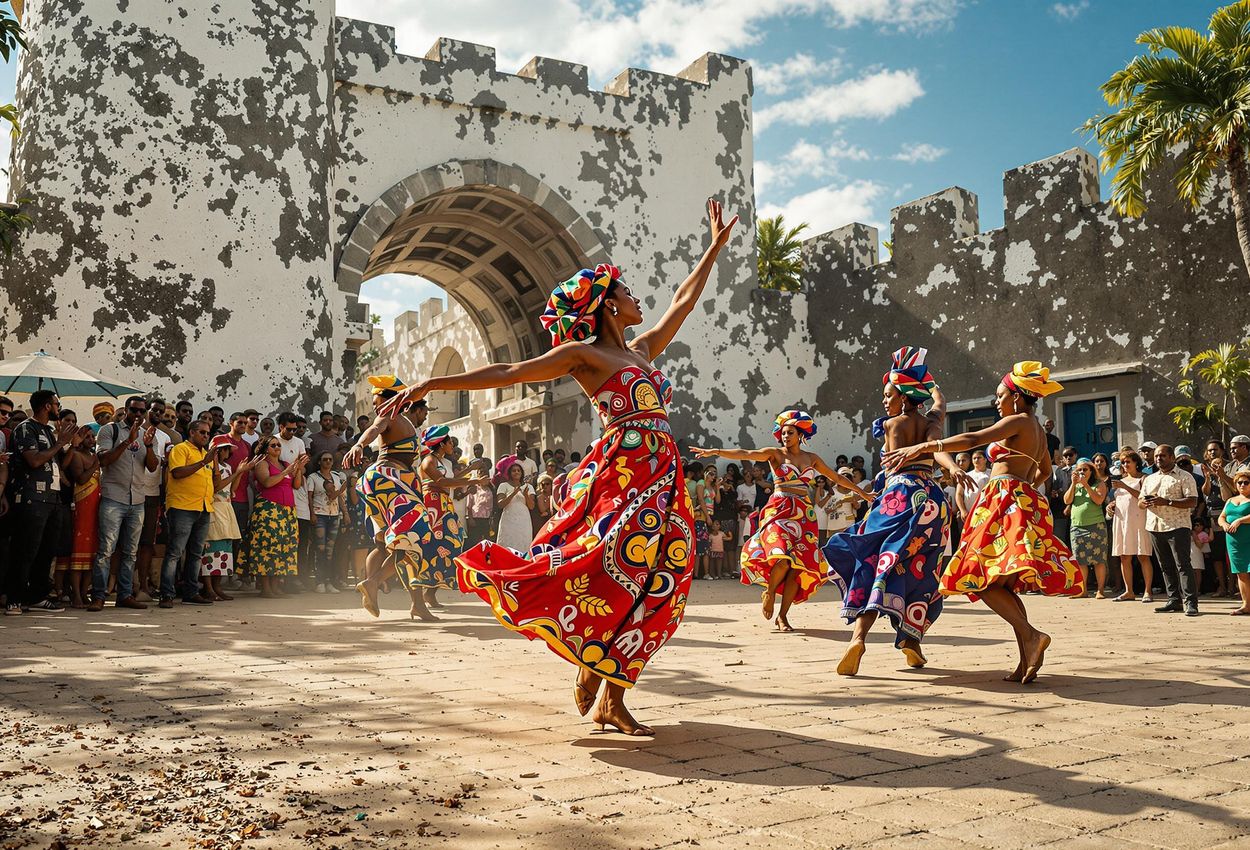
Immerse yourself in the cultural events and festivals that bring the island to life, such as the Macuti Festival and Festival d’Arte. Witness traditional dances like Tufo and Mapiko, showcasing the island's vibrant performing arts traditions. The Maulide celebration, a religious festival, brings the community together in joyous celebration. These festivals offer a unique opportunity to experience the soul of Ilha de Moçambique and connect with its people.
The Macuti Festival, held annually, celebrates the island's cultural heritage through music, dance, and art. The Festival d’Arte showcases contemporary Mozambican art, providing a platform for local artists to display their work. Traditional dances like Tufo and Mapiko are performed during festivals and celebrations, preserving the island's cultural identity. These events offer a glimpse into the heart and soul of Ilha de Moçambique.
Hidden Gem: Mention the traditional kimau clothing, worn during special occasions, reflecting the island's unique cultural identity.
Plan your visit to Ilha de Moçambique with these practical tips. Transportation to the island is convenient via the bridge from the mainland and Lumbo Airport. Boat trips to nearby islands like Goa and Sena offer opportunities for exploration and relaxation. A variety of accommodations and restaurants cater to different budgets and preferences.
Lumbo Airport (LFB) provides air access to the island, connecting it to major cities in Mozambique and beyond. The bridge from the mainland offers a scenic route to the island, providing stunning views of the coastline. Boat trips to nearby islands offer opportunities for snorkeling, swimming, and exploring deserted beaches. A range of accommodations, from guesthouses to boutique hotels, ensures a comfortable stay.
Hidden Gem: Discover the snorkeling opportunities around a sunken barge, offering a unique underwater experience.

As a UNESCO World Heritage Site, Ilha de Moçambique holds immense historical and cultural significance. Preserving its unique heritage for future generations is of paramount importance. Ongoing restoration projects, supported by UNESCO and other organizations, aim to protect the island's architectural treasures and cultural traditions.
The island's inclusion on the World Heritage List recognizes its exceptional universal value and the need to safeguard it for posterity. UNESCO supports various initiatives, including the restoration of the Fort of São Sebastião and the Chapel of Nossa Senhora de Baluarte. These projects not only preserve the island's physical heritage but also contribute to the revitalization of its economy and the well-being of its people.
Hidden Gem: Mention the ongoing restoration projects supported by UNESCO, ensuring the preservation of this historical treasure for years to come.
Visiting Ilha de Moçambique is more than just a trip; it's a journey through time, an immersion into a rich tapestry of cultures, and an opportunity to witness the enduring legacy of a truly remarkable place.
Our editors` picks of the latest and greatest in travel - delivered to your inbox daily
Relax on the beaches and explore the reefs of Xai-Xai.
View More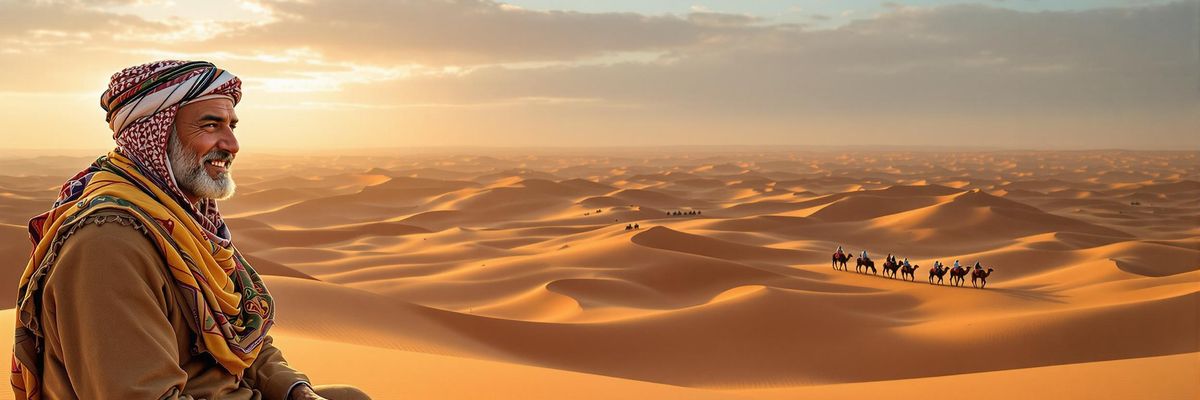
Embrace the cooler temperatures and experience the International Festival of the Sahara in Douz this December.
View More
Celebrate the year-end festivities in Accra, culminating in the vibrant Afrofuture festival.
View More Albania EDITION
 Algeria EDITION
 Argentina EDITION
 Armenia EDITION
 Australia EDITION
 Austria EDITION
 Bangladesh EDITION
 Belgium EDITION
 Belize EDITION
 Benin EDITION
 Bhutan EDITION
 Bolivia EDITION
 Bosnia and Herzegovina EDITION
 Botswana EDITION
 Brazil EDITION
 Bulgaria EDITION
 Burkina Faso EDITION
 Cambodia EDITION
 Cameroon EDITION
 Canada EDITION
 Central African Republic EDITION
 Chad EDITION
 Chile EDITION
 China EDITION
 Colombia EDITION
 Costa Rica EDITION
 Croatia EDITION
 Cyprus EDITION
 Denmark EDITION
 Djibouti EDITION
 Ecuador EDITION
 Egypt EDITION
 El Salvador EDITION
 Eritrea EDITION
 Estonia EDITION
 Ethiopia EDITION
 Finland EDITION
 France EDITION
 Gabon EDITION
 Georgia EDITION
 Germany EDITION
 Ghana EDITION
 Greece EDITION
 Guatemala EDITION
 Guinea EDITION
 Guinea-Bissau EDITION
 Honduras EDITION
 Hungary EDITION
 Iceland EDITION
 India EDITION
 Indonesia EDITION
 Ireland EDITION
 Israel EDITION
 Italy EDITION
 Jamaica EDITION
 Japan EDITION
 Jordan EDITION
 Kenya EDITION
 Kuwait EDITION
 Laos EDITION
 Latvia EDITION
 Lebanon EDITION
 Lesotho EDITION
 Liberia EDITION
 Lithuania EDITION
 Luxembourg EDITION
 Madagascar EDITION
 Malawi EDITION
 Malaysia EDITION
 Maldives EDITION
 Mali EDITION
 Malta EDITION
 Mauritania EDITION
 Mauritius EDITION
 Mexico EDITION
 Mongolia EDITION
 Montenegro EDITION
 Morocco EDITION
 Mozambique EDITION
 Namibia EDITION
 Nepal EDITION
 Netherlands EDITION
 New Zealand EDITION
 Nicaragua EDITION
 Niger EDITION
 Nigeria EDITION
 Norway EDITION
 Oman EDITION
 Pakistan EDITION
 Panama EDITION
 Papua New Guinea EDITION
 Paraguay EDITION
 Peru EDITION
 Philippines EDITION
 Poland EDITION
 Portugal EDITION
 Qatar EDITION
 Romania EDITION
 Rwanda EDITION
 Saudi Arabia EDITION
 Senegal EDITION
 Serbia EDITION
 Singapore EDITION
 Slovakia EDITION
 Slovenia EDITION
 Somalia EDITION
 South Africa EDITION
 South Korea EDITION
 Spain EDITION
 Sri Lanka EDITION
 Suriname EDITION
 Sweden EDITION
 Switzerland EDITION
 Tanzania EDITION
 Thailand EDITION
 Tunisia EDITION
 Uganda EDITION
 United Arab Emirates EDITION
 United Kingdom EDITION
 Uruguay EDITION
 Venezuela EDITION
 Vietnam EDITION
 Zambia EDITION
 Zimbabwe EDITION
Subscribe to our newsletter and get the most captivating travel stories, hidden gems, and expert insights delivered straight to your inbox. As a subscriber, you’ll be first in line for exclusive content, premium offers, and unforgettable travel experiences