


Destination Guide
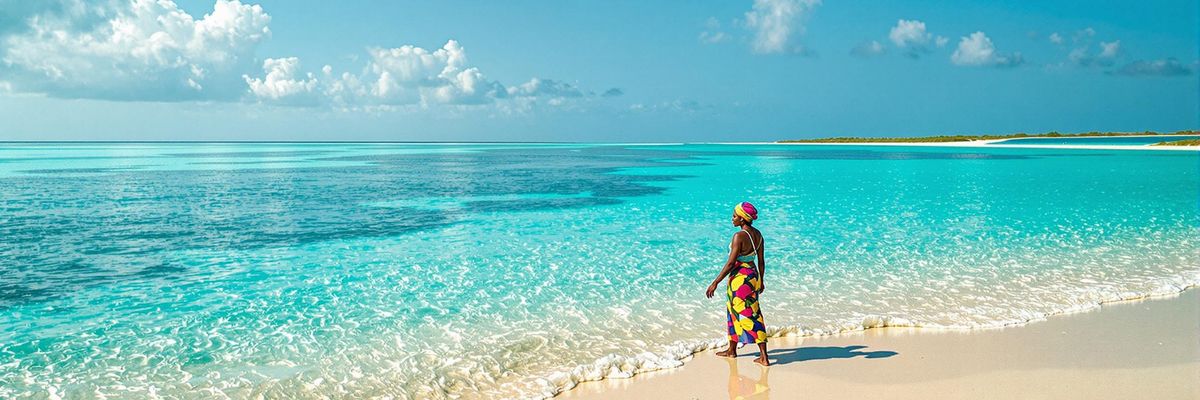
Xai-Xai: A Coastal Retreat
Relax on the beaches and explore the reefs of Xai-Xai.
View More

Kumasi, the capital of the Ashanti Region in Ghana, is a city brimming with history, culture, and vibrant traditions. Here, the legacy of the Ashanti Kingdom lives on, offering visitors an immersive experience into the heart of Ghanaian heritage. From royal palaces to bustling markets and serene natural landscapes, Kumasi promises an unforgettable journey.
Prepare to be captivated by the Golden Stool, the Kejetia Market, and the untold stories of a kingdom that has shaped Ghana's identity. This is Kumasi, where every corner tells a tale.

Visiting the Manhyia Palace, the official residence of the Asantehene (the Ashanti king), is like stepping back in time. This modern palace, built in 1925, stands as a symbol of the Ashanti people's resilience and pride. The original palace, now a museum, offers a glimpse into the kingdom's rich history and the lives of its rulers.
Guided tours of the Manhyia Palace Museum provide a comprehensive understanding of Ashanti history, royal lineage, and the kingdom's complex political system. Exhibits include royal regalia, photographs, and historical documents, showcasing the evolution of the Ashanti Kingdom from its early days to its current status. The blend of traditional Ashanti designs with colonial British influences in the palace's architecture is a testament to the kingdom's ability to adapt and thrive through different eras.
The museum also features life-sized effigies representing past kings and queens, allowing visitors to connect with the figures who shaped Ashanti history. Viewing video presentations that explain Ashanti history, culture, and the significance of the Golden Stool are also available.
The Adae Kese Festival, a significant cultural event, is celebrated at Manhyia Palace. This festival, held every two weeks, honors ancestral spirits and celebrates Ashanti achievements. During the festival, the Asantehene makes a public appearance, and traditional drumming, dancing, and libation ceremonies take place. Witnessing the Adae Kese Festival offers a unique insight into the spiritual and cultural life of the Ashanti people. Note that the Adae Kese is celebrated on specific dates of the Akan calendar, so checking the dates for 2025 is recommended before planning your visit.
Local artisans often display their crafts near the palace, offering visitors the opportunity to purchase authentic Ashanti souvenirs. These include Kente cloth, Adinkra textiles, and wood carvings, each with its own unique cultural significance.
Kejetia Market, one of West Africa's largest open-air markets, is an experience that assaults the senses in the best possible way. The market, established in 1924, is a sprawling maze of stalls and vendors offering everything from fresh produce and spices to traditional clothing and handmade crafts. The sheer variety of goods available is astounding, and the market's vibrant atmosphere is infectious.
Navigating Kejetia Market can be overwhelming, but it's part of the adventure. The market is divided into sections, each specializing in different types of goods, which helps to organize the chaos. Bargaining is expected, so don't be afraid to negotiate prices with the vendors.
The market is not just a place to shop; it's a cultural hub where you can immerse yourself in the daily life of the Ashanti people. The sounds of hawkers calling out their wares, the smells of exotic spices and local foods, and the sights of colorful fabrics and bustling crowds create an unforgettable sensory experience.
Trying local delicacies is a must when visiting Kejetia Market. Kelewele (spicy fried plantains) and jollof rice (a flavorful rice dish cooked with tomatoes, peppers, and spices) are popular choices. Be sure to sample some of the fresh fruit juices and local snacks available throughout the market.
Kejetia Market plays a vital role in the Ashanti Region's economy, serving as a trading and commerce hub for both local and international visitors. The market's vendors are known for their craftsmanship and creativity, producing high-quality handmade goods that reflect Ashanti culture.
The Kumasi Cultural Centre, also known as the Centre for National Culture, is a hub for Ashanti heritage and traditions. The center showcases traditional Ashanti arts, crafts, music, and dance. Visitors can explore museum exhibits, witness traditional craft workshops, and attend live performances.
The museum at the Kumasi Cultural Centre features exhibits on Ashanti history, customs, and traditional artifacts. These exhibits provide context for understanding the cultural practices and beliefs of the Ashanti people.
Traditional craft workshops offer the opportunity to witness Kente weaving, pottery, and wood carving firsthand. Local artisans demonstrate their skills, and visitors can purchase handmade items as souvenirs. These workshops provide insight into the intricate techniques and cultural significance of Ashanti crafts.
The Centre also hosts performances of traditional Ashanti drumming, dancing, and storytelling, offering visitors a deeper understanding of the cultural practices of the Ashanti people. In addition to its role in preserving traditional crafts, the Cultural Centre serves as a venue for cultural festivals, exhibitions, and lectures on Ashanti history and customs. The Centre plays a key role in ensuring that Ashanti traditions continue to thrive in the modern world, providing a space for younger generations to learn about their cultural heritage.
The Kumasi Cultural Centre is a place where Ashanti traditions come alive, offering visitors an immersive experience into the region's rich cultural heritage. It's a place to learn, engage, and appreciate the artistic and cultural contributions of the Ashanti people.

The Okomfo Anokye Sword Site is a historical landmark with deep cultural significance for the Ashanti people. The site is located on the grounds of the Komfo Anokye Teaching Hospital. The sword, planted over 300 years ago by the legendary priest Okomfo Anokye, is said to be irremovable.
The story of the sword is intertwined with the founding of the Ashanti Kingdom. Okomfo Anokye, a spiritual leader and advisor to King Osei Tutu I, planted the sword during a ceremony to unite the Ashanti people. He declared that the sword could never be removed and that the Ashanti Kingdom would prosper as long as the sword remained in place.
The sword has become a symbol of unity, strength, and the spiritual foundation of the Ashanti Kingdom. It serves as a reminder of the kingdom's rich history and the importance of its cultural traditions.
Visiting the Okomfo Anokye Sword Site requires cultural etiquette and respect. It is a sacred site for the Ashanti people, and visitors should dress modestly and refrain from loud or disruptive behavior. Guided tours of the site provide insights into the history and significance of the sword.
The nearby Komfo Anokye Teaching Hospital is named in honor of Okomfo Anokye, recognizing his role as a spiritual healer and advisor. The hospital serves as a reminder of Okomfo Anokye's legacy and his contributions to the health and well-being of the Ashanti people.
Lake Bosumtwi, Ghana's only natural lake, offers a serene escape from the bustling city of Kumasi. The lake, formed by a meteorite impact over a million years ago, is surrounded by lush greenery and rolling hills. The lake's tranquil beauty and rich biodiversity make it a popular destination for nature lovers and relaxation seekers.
Boat rides on Lake Bosumtwi provide the opportunity to explore the lake's shoreline and enjoy the surrounding scenery. Local guides share stories about the lake's formation, its cultural significance, and the legends associated with it.
Bird watching is a popular activity at Lake Bosumtwi, as the lake and its surrounding forests are home to a variety of bird species. Nature trails offer opportunities for hiking and exploring the area's diverse flora and fauna.
Several accommodations are available near Lake Bosumtwi, ranging from budget-friendly guesthouses to luxury resorts. These accommodations offer stunning views of the lake and provide a comfortable base for exploring the area.
Eco-tourism initiatives are in place to protect Lake Bosumtwi's natural environment and promote sustainable tourism. These initiatives focus on preserving the lake's water quality, protecting its biodiversity, and supporting local communities.
Lake Bosumtwi offers a unique blend of luxury and nature, providing visitors with the opportunity to relax, explore, and connect with the natural beauty of Ghana. It's a place to escape the city, breathe fresh air, and appreciate the tranquility of the Ashanti Region.

Kumasi, the heart of the Ashanti Kingdom, offers a rich tapestry of cultural experiences, historical landmarks, and natural wonders. From the royal welcome at Manhyia Palace to the sensory overload of Kejetia Market, the cultural immersion at Kumasi Cultural Centre, the legend of Okomfo Anokye Sword Site, and the luxury and nature of Lake Bosumtwi, Kumasi promises an unforgettable journey into the heart of Ghanaian heritage. Come, discover the Ashanti Kingdom's heart and experience the warmth and vibrancy of its people.
Our editors` picks of the latest and greatest in travel - delivered to your inbox daily
Relax on the beaches and explore the reefs of Xai-Xai.
View More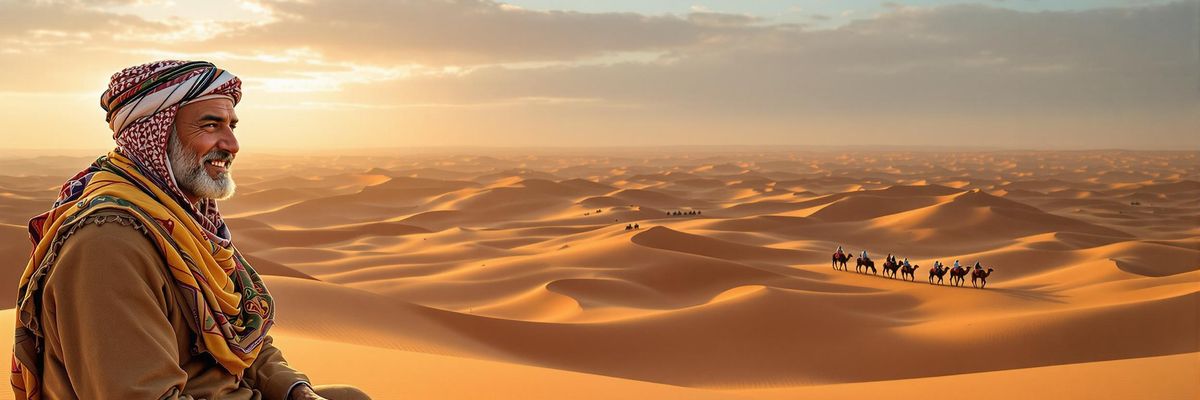
Embrace the cooler temperatures and experience the International Festival of the Sahara in Douz this December.
View More
Celebrate the year-end festivities in Accra, culminating in the vibrant Afrofuture festival.
View More Albania EDITION
 Algeria EDITION
 Argentina EDITION
 Armenia EDITION
 Australia EDITION
 Austria EDITION
 Bangladesh EDITION
 Belgium EDITION
 Belize EDITION
 Benin EDITION
 Bhutan EDITION
 Bolivia EDITION
 Bosnia and Herzegovina EDITION
 Botswana EDITION
 Brazil EDITION
 Bulgaria EDITION
 Burkina Faso EDITION
 Cambodia EDITION
 Cameroon EDITION
 Canada EDITION
 Central African Republic EDITION
 Chad EDITION
 Chile EDITION
 China EDITION
 Colombia EDITION
 Costa Rica EDITION
 Croatia EDITION
 Cyprus EDITION
 Denmark EDITION
 Djibouti EDITION
 Ecuador EDITION
 Egypt EDITION
 El Salvador EDITION
 Eritrea EDITION
 Estonia EDITION
 Ethiopia EDITION
 Finland EDITION
 France EDITION
 Gabon EDITION
 Georgia EDITION
 Germany EDITION
 Ghana EDITION
 Greece EDITION
 Guatemala EDITION
 Guinea EDITION
 Guinea-Bissau EDITION
 Honduras EDITION
 Hungary EDITION
 Iceland EDITION
 India EDITION
 Indonesia EDITION
 Ireland EDITION
 Israel EDITION
 Italy EDITION
 Jamaica EDITION
 Japan EDITION
 Jordan EDITION
 Kenya EDITION
 Kuwait EDITION
 Laos EDITION
 Latvia EDITION
 Lebanon EDITION
 Lesotho EDITION
 Liberia EDITION
 Lithuania EDITION
 Luxembourg EDITION
 Madagascar EDITION
 Malawi EDITION
 Malaysia EDITION
 Maldives EDITION
 Mali EDITION
 Malta EDITION
 Mauritania EDITION
 Mauritius EDITION
 Mexico EDITION
 Mongolia EDITION
 Montenegro EDITION
 Morocco EDITION
 Mozambique EDITION
 Namibia EDITION
 Nepal EDITION
 Netherlands EDITION
 New Zealand EDITION
 Nicaragua EDITION
 Niger EDITION
 Nigeria EDITION
 Norway EDITION
 Oman EDITION
 Pakistan EDITION
 Panama EDITION
 Papua New Guinea EDITION
 Paraguay EDITION
 Peru EDITION
 Philippines EDITION
 Poland EDITION
 Portugal EDITION
 Qatar EDITION
 Romania EDITION
 Rwanda EDITION
 Saudi Arabia EDITION
 Senegal EDITION
 Serbia EDITION
 Singapore EDITION
 Slovakia EDITION
 Slovenia EDITION
 Somalia EDITION
 South Africa EDITION
 South Korea EDITION
 Spain EDITION
 Sri Lanka EDITION
 Suriname EDITION
 Sweden EDITION
 Switzerland EDITION
 Tanzania EDITION
 Thailand EDITION
 Tunisia EDITION
 Uganda EDITION
 United Arab Emirates EDITION
 United Kingdom EDITION
 Uruguay EDITION
 Venezuela EDITION
 Vietnam EDITION
 Zambia EDITION
 Zimbabwe EDITION
Subscribe to our newsletter and get the most captivating travel stories, hidden gems, and expert insights delivered straight to your inbox. As a subscriber, you’ll be first in line for exclusive content, premium offers, and unforgettable travel experiences