



Destination Guide
Xai-Xai: A Coastal Retreat
Relax on the beaches and explore the reefs of Xai-Xai.
View More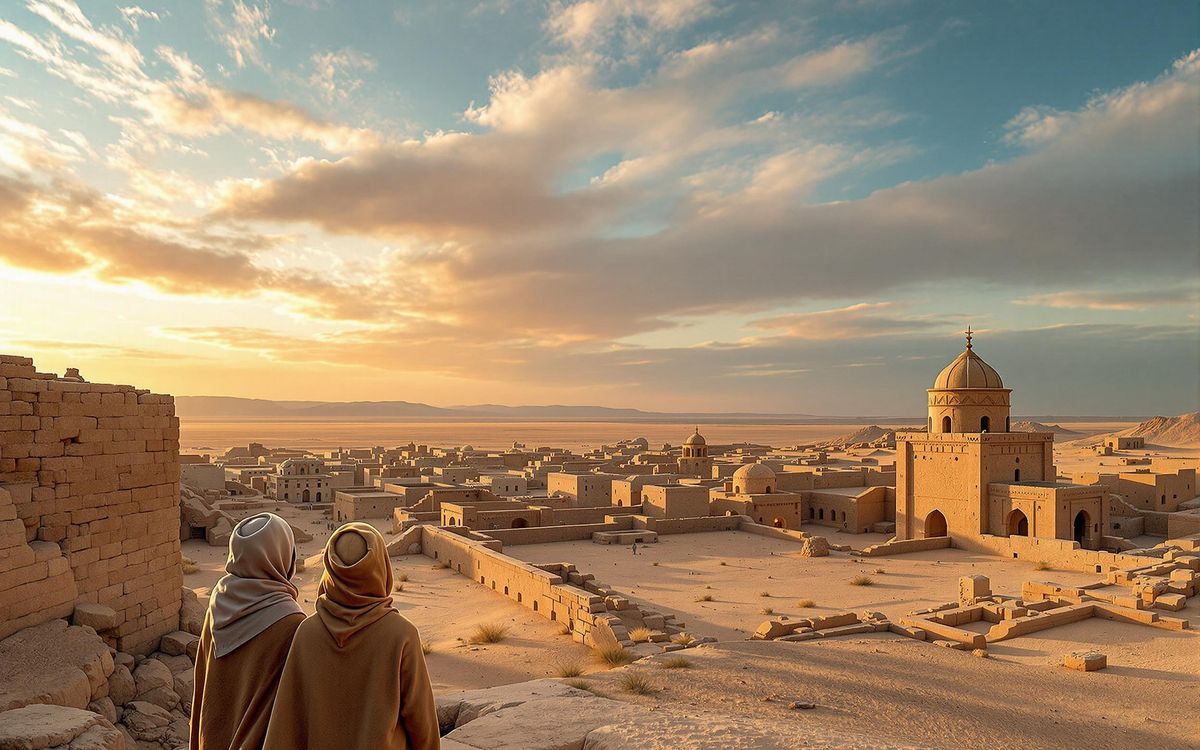

Journey to Kunya-Urgench, a city steeped in Silk Road history, where the echoes of empires resonate through its stunning architecture and vast, open landscapes. Uncover the secrets of this lost city, a testament to human endeavor and a poignant reminder of time's relentless march.
In the heart of Turkmenistan, where the vast Karakum Desert stretches towards the horizon, lies Kunya-Urgench, a city that whispers tales of Silk Road glory. This ancient capital of the Khorezm region, now a UNESCO World Heritage site, stands as a silent testament to a vibrant past, inviting travelers to explore its architectural marvels and unravel its captivating history. Founded in the 4th century BCE, Kunya-Urgench rose to prominence between the 10th and 14th centuries, becoming a crucial hub for trade, culture, and intellectual exchange. Its strategic location along the Silk Road, connecting east and west, fostered a diverse and cosmopolitan atmosphere, drawing merchants, scholars, and travelers from across the globe.
The city's skyline, once punctuated by bustling bazaars and towering mosques, is now adorned with the remnants of its rich heritage. Mausoleums, minarets, and fortresses stand as enduring symbols of the Khorezmian dynasty's power and artistic prowess. However, Kunya-Urgench's prosperity was not without its trials. In the 13th century, the city faced devastation at the hands of the Mongol armies of Genghis Khan, leading to widespread destruction and loss of life. Although the city was rebuilt, it never fully regained its former glory, eventually fading into obscurity. The Amu Darya River, once a life-giving source, shifted its course, further impacting the city's fortunes. Despite these challenges, Kunya-Urgench perseveres, offering a unique glimpse into a bygone era, where the echoes of the Silk Road still resonate through its ancient walls.
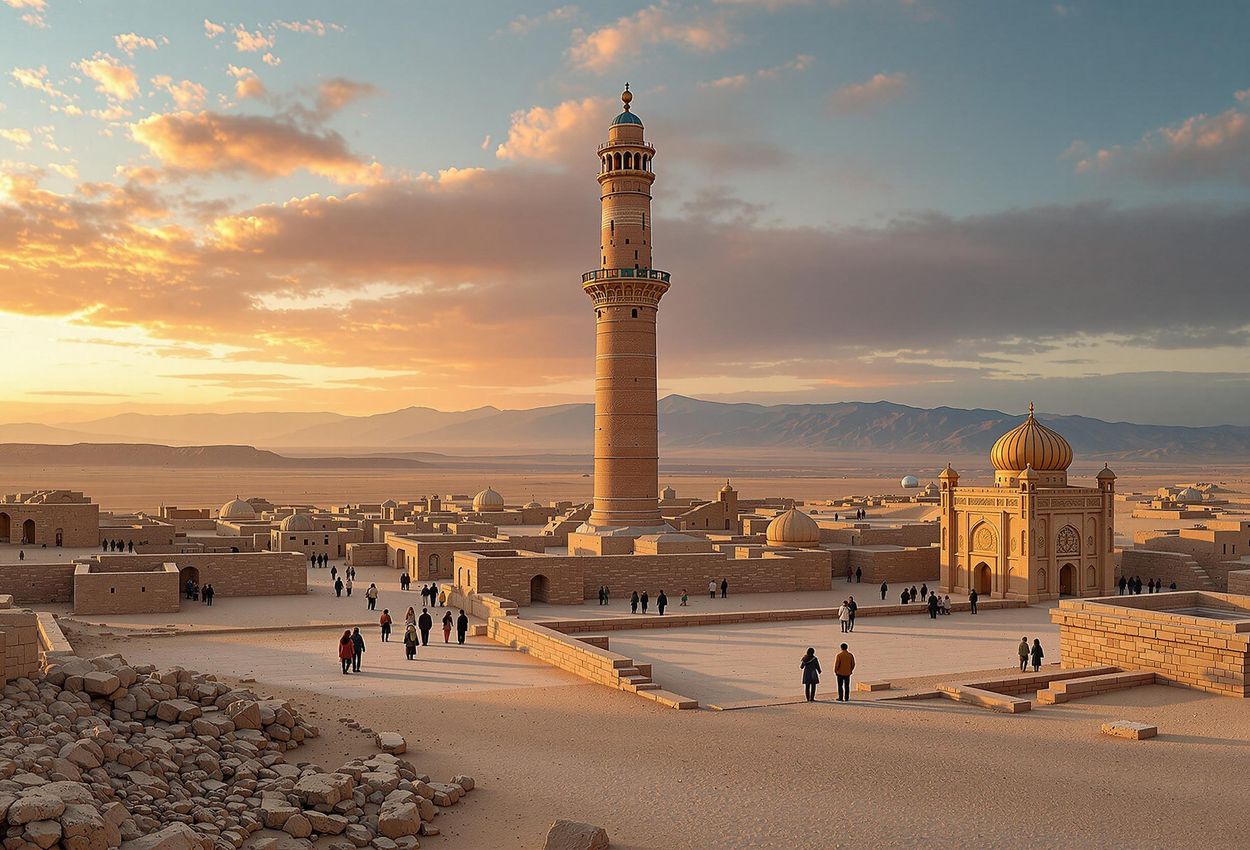
Image Description: A panoramic view of Kunya-Urgench at sunset. The golden light illuminates the ancient ruins, including the Kutlug Timur Minaret and several mausoleums. In the foreground, a small group of tourists explores the site, their silhouettes adding a sense of scale and wonder. The sky is a blend of orange, pink, and purple hues, creating a dramatic and evocative atmosphere. The image should capture the timeless beauty and historical significance of this Silk Road city, emphasizing its architectural grandeur and the vastness of the surrounding desert landscape. The photo should be taken in February to match the article's date, with a clear, crisp sky typical of the winter season in Turkmenistan.
Style Instructions: Landscape style, taken with a wide-angle lens to capture the vastness of the site. Use a low ISO to minimize noise and a narrow aperture (f/11 or higher) to ensure sharpness throughout the scene. Focus on the Kutlug Timur Minaret, making it the central point of the image. The sunset lighting should be warm and inviting, enhancing the textures and colors of the ancient ruins. Date of Photo: February 10, 2025.
Kyrk-Molla Fortress, a modest hill concealing a wealth of history, stands as the most ancient monument in Kunya-Urgench. This unassuming mound, spanning 3 hectares and rising 12.5 meters, holds within it layers of civilizations, myths, and forgotten knowledge. Archaeological excavations have revealed that the fortress dates back to the 5th century BC, with evidence of fortifications including inclined walls and square towers. These early structures were destroyed during the Arab conquest in the 8th century, marking a significant turning point in the region's history.
The fortress reached its zenith in the 11th century when Sultan Mamun ibn-Mamun established his famed Academy on this site. This center of learning attracted some of the greatest minds of the era, including Al-Biruni and Avicenna (Ibn Sina), whose groundbreaking work in astronomy, medicine, and philosophy resonated throughout the medieval world. Their intellectual pursuits transformed Kyrk-Molla into a beacon of knowledge, drawing scholars and students from far and wide. Legend has it that during the Mongol invasion of the 13th century, forty mullahs (scholars) prayed for the protection of the Academy's priceless manuscripts. Miraculously, the building flipped underground, shielding its treasures and forming the hill seen today. While archaeologists attribute the mound to centuries of layered ruins, the legend endures, casting Kyrk-Molla as a guardian of lost knowledge. Today, Kyrk-Molla draws pilgrims, particularly women seeking fertility, who perform a poignant ritual: after prayers, they wrap themselves in cloaks and roll down the hill, pleading for divine intervention.
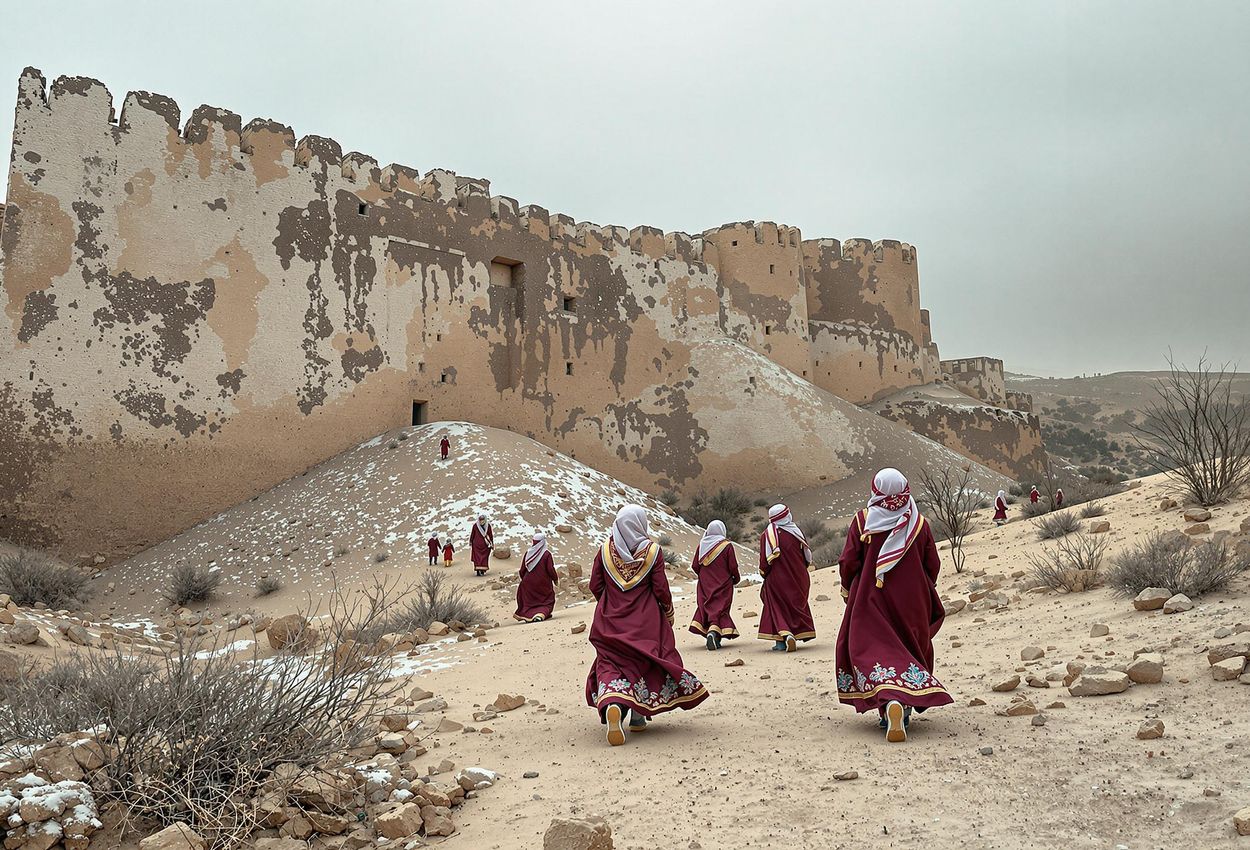
Image Description: A medium shot of Kyrk-Molla Fortress, capturing the texture of the ancient walls and the surrounding landscape. Several pilgrims, mostly women in traditional clothing, are shown performing the ritual of rolling down the hill. The sky is overcast, creating a soft, diffused light that emphasizes the age and history of the site. The image should convey a sense of reverence and spirituality, highlighting the enduring traditions of the region. The photo should be taken in February 10, 2025 to match the article's date, with the pilgrims dressed in winter clothing suitable for the season in Turkmenistan.
Style Instructions: Candid style, taken with a telephoto lens to capture the details of the fortress and the pilgrims from a respectful distance. Use a shallow depth of field to isolate the subjects and blur the background, drawing attention to the ritual taking place. The color palette should be muted and earthy, reflecting the natural tones of the desert landscape. Date of Photo: February 10, 2025.
Rising majestically from the desert landscape, the Kutlug Timur Minaret stands as a testament to the architectural prowess of the Khwarazmian dynasty. This towering structure, reaching a height of approximately 60 meters (197 feet), is one of the tallest minarets in Central Asia, a beacon of faith and a vital navigation point for Silk Road travelers. Constructed in 1011 during the Khwarazmian dynasty and later restored by Kutlug-Timur around 1330, the minaret showcases a blend of architectural styles and intricate detailing. Its conical shape, adorned with decorative brickwork and Kufic inscriptions, reflects the influence of Islamic architecture, while its sheer height speaks to the ambition and engineering skills of its builders.
The minaret's circular trunk is divided by eighteen belts, each painted with unique ornaments, and three belts of inscriptions in Kufi script. These inscriptions, etched into the exterior walls, add a layer of historical and cultural significance to the structure. In its prime, the minaret was crowned with a wooden Iranian lantern, which unfortunately burned down in a fire. A spiral staircase of 145 steps once led to the top, offering panoramic views of the surrounding landscape, but access is no longer possible. Despite the lack of elaborate decorations found on other Central Asian minarets, the Kutlug Timur Minaret surpasses them in its boldness of design, its height and harmonious proportions creating a lasting impression. The Kutlug Timur Minaret served not only as a symbol of Islamic faith but also as a practical guide for travelers crossing the vast desert. Its towering presence was visible from afar, helping merchants, pilgrims, and explorers navigate the treacherous terrain of the Silk Road.
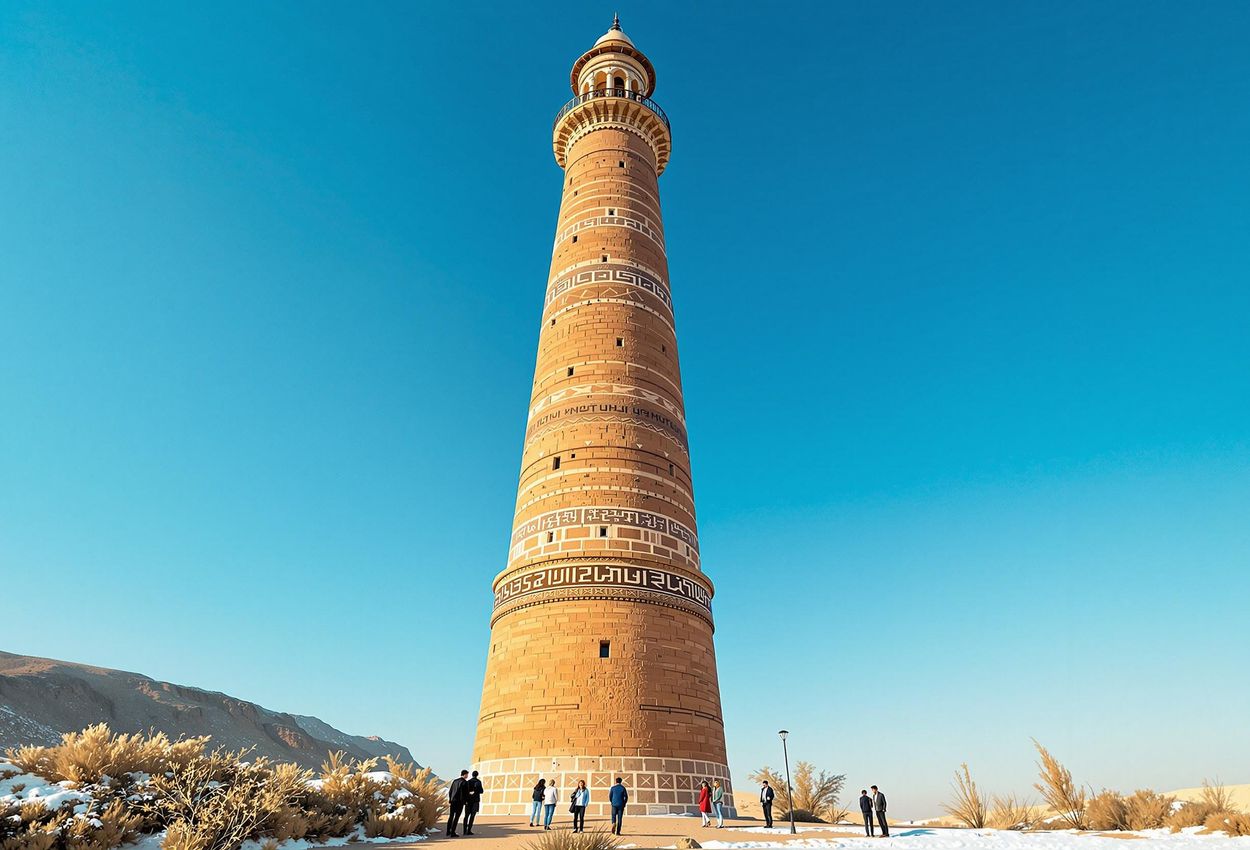
Image Description: A low-angle shot of the Kutlug Timur Minaret, emphasizing its height and grandeur. The minaret is bathed in the warm light of the late afternoon sun, casting long shadows across the surrounding landscape. The intricate brickwork and Kufic inscriptions are clearly visible, showcasing the craftsmanship of the Khwarazmian dynasty. A few tourists are standing at the base of the minaret, looking up in awe. The photo should be taken in February 10, 2025 to match the article's date, with a clear sky and the desert landscape in its winter colors.
Style Instructions: Dramatic style, taken with a wide-angle lens to exaggerate the minaret's height and create a sense of perspective. Use a low ISO and a narrow aperture to ensure sharpness and detail throughout the image. The lighting should be warm and inviting, highlighting the textures and colors of the brickwork. Date of Photo: February 10, 2025.
The Mausoleum of Najimetdin al-Kubr, a revered pilgrimage site, forms the heart of the 360 Saints Memorial Complex. This sacred space honors Najimetdin al-Kubr (1145-1221), a Sufi sheikh, philosopher, and founder of the Kubrawiya order, whose teachings emphasized ascetic practices and spiritual progression. His name, meaning 'star of religion' in Arabic, reflects his profound spiritual influence. Legend recounts Najimetdin al-Kubr's martyrdom during the Mongol invasion. Offered a chance to surrender, he refused and fought alongside his followers, only to be beheaded by a Mongol warrior. It is said that he clutched the city's banner so tightly that his severed fingers could not release it.
The mausoleum, built over a century later, comprises four rooms, including a burial chamber containing a tombstone believed to mark the spot where his body fell. A commemorative obelisk nearby indicates the location of his severed head. The tombstone was originally covered with tiles decorated with plant motifs. The mausoleum is oriented north-south with its entrance on the northern side. The building is dominated by a 12-meter-high portal, whose doors open into a small twin-domed entry vestibule, flanked on each side with square rooms. These rooms have a single domed ceiling and their own separate entry doors on each side of the central portal. The entry vestibule leads into the main burial chamber, which has squinches in each of the four upper corners and is roofed with a large open octagonal drum. The walls are decorated with large arched niches. The whole interior is illuminated by small screened windows set in the walls as well as in the domes of the roof. The cemetery surrounding the mausoleum also contains the mausoleums of Sultan Ali and Piryar Vali, further enhancing the site's spiritual significance.
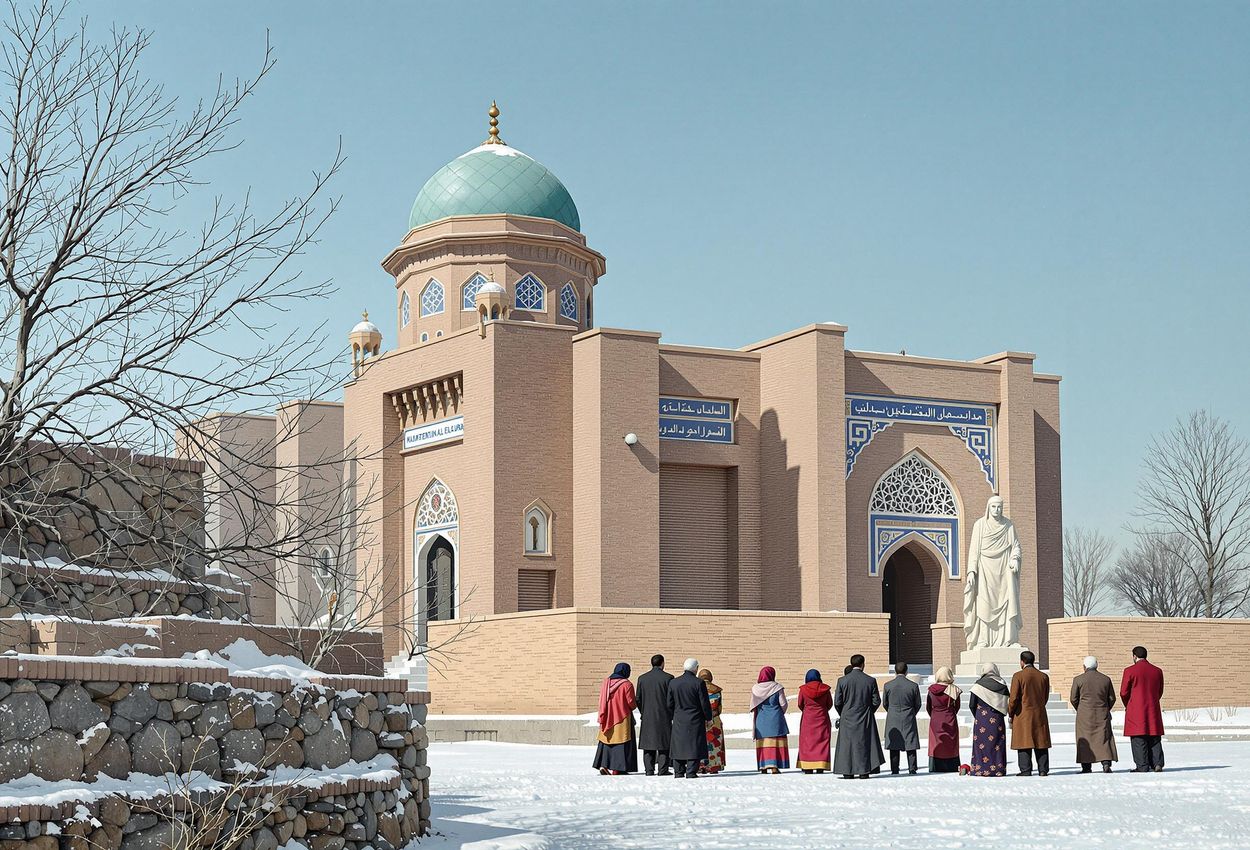
Image Description: A serene shot of the Mausoleum of Najimetdin al-Kubr, capturing its architectural details and spiritual atmosphere. Pilgrims are shown praying near the tombstone, their faces reflecting reverence and devotion. The lighting is soft and diffused, creating a sense of peace and tranquility. The image should convey the mausoleum's significance as a pilgrimage site and a place of deep spiritual connection. The photo should be taken in February 10, 2025 to match the article's date, with the pilgrims dressed in winter clothing suitable for the season in Turkmenistan.
Style Instructions: Serene style, taken with a medium-format camera to capture the details of the mausoleum and the pilgrims. Use a shallow depth of field to isolate the subjects and blur the background, drawing attention to their expressions and gestures. The color palette should be muted and earthy, reflecting the natural tones of the mausoleum and the surrounding landscape. Date of Photo: February 10, 2025.
The Mausoleum of Tyubarek-khanym, a jewel of Kunya-Urgench, captivates visitors with its stunning architecture and intricate tile decorations. Constructed in the 14th century, this mausoleum is associated with Tyubarek-khanym, the wife of Kutlug-Timur, a powerful governor of Khorezm. The mausoleum stands out with its high and light six-sided hall, adorned with colored mosaics. The inner plan of the tomb is made in the form of a hexagonal prism, into the edges of which deep arched lancet niches with window openings are cut.
The mausoleum is renowned for the intricate mosaic panel inside the dome, depicting stars and flowers in a complex geometric ornament. This panel is considered a masterpiece of oriental art, unparalleled in medieval architecture. Legend tells of Gulgardan, a master architect who built the mausoleum in exchange for Tyubarek-khanym's hand in marriage, but she instead married Kutlug Timur, leading Gulgardan to take his own life. The building was crowned with a huge dome, which many researchers considered the most perfect dome in the whole of Turan. Above the building, a blue glazed tent once towered on a high drum with twelve openings.
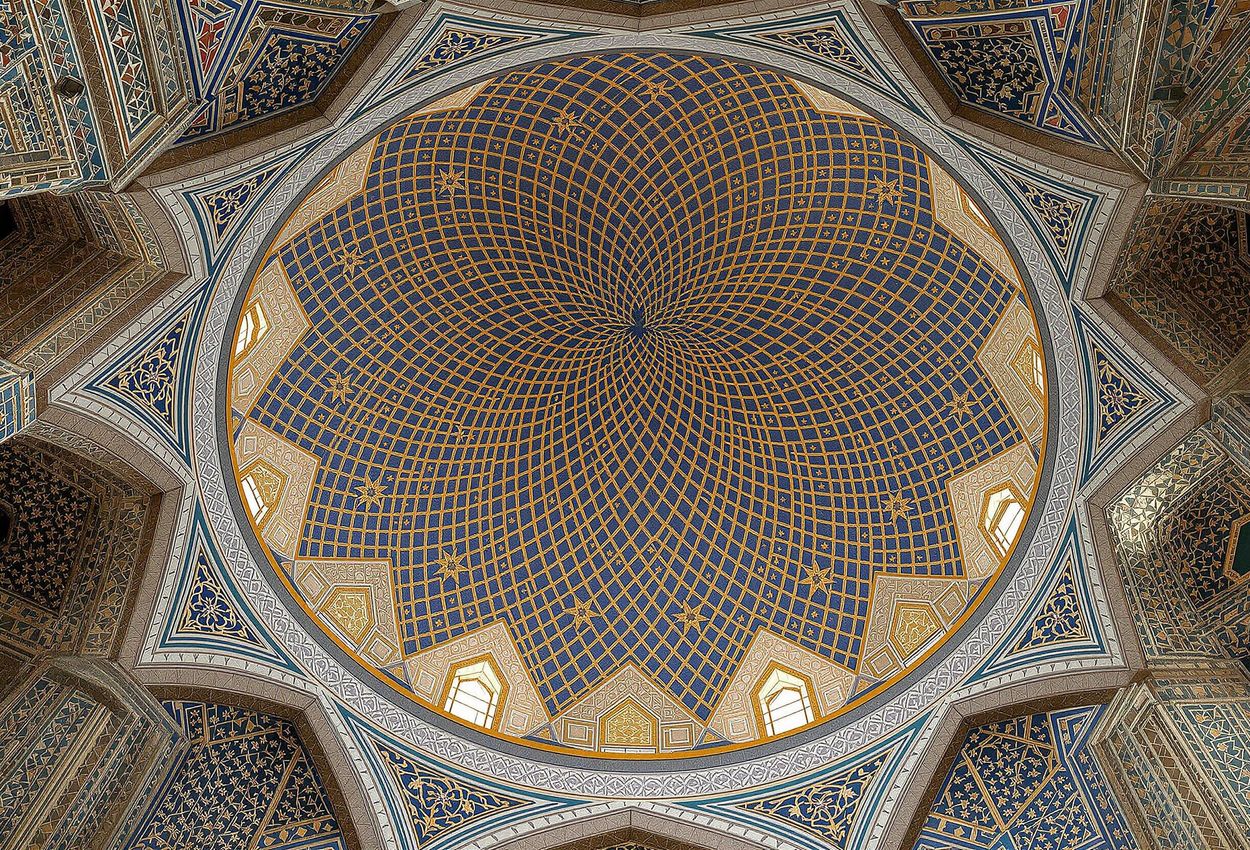
Image Description: A detailed shot of the mosaic panel inside the dome of the Mausoleum of Tyubarek-khanym. The intricate geometric patterns of stars and flowers are clearly visible, showcasing the artistry and craftsmanship of the Khorezmian artisans. The lighting is soft and diffused, highlighting the colors and textures of the mosaic. The image should convey a sense of wonder and admiration for the artistic achievements of the past. The photo should be taken in February 10, 2025 to match the article's date, with the lighting conditions typical of the winter season in Turkmenistan.
Style Instructions: Macro style, taken with a high-resolution camera to capture the intricate details of the mosaic. Use a narrow aperture to ensure sharpness throughout the image. The lighting should be soft and diffused, avoiding harsh shadows and highlights. The color palette should be rich and vibrant, showcasing the beauty of the mosaic. Date of Photo: February 10, 2025.
The Il-Arslan Mausoleum, also known as the Mausoleum of Fakhr ad-Din Razi, stands as one of the oldest surviving monuments in Kunya-Urgench. Constructed in the 12th century, it is dedicated to Il-Arslan, who ruled from 1156 to 1172. Il-Arslan was an important figure in the Khorezmian dynasty, a powerful empire in Central Asia that flourished during the medieval period. During his reign, Il-Arslan earned the title 'Lion of the People' for his exceptional leadership and military prowess. He expanded the state of Khorezm by annexing the ancient city of Dehistan and several cities in Khorasan. In 1172, Il-Arslan successfully repelled an invasion by the Karakitai army, cementing his reputation as a skilled and capable ruler.
The mausoleum's cuboidal structure, crafted from baked brick, is topped by a faceted conical roof, showcasing the architectural style of the era. The exterior is decorated with a well-preserved geometric pattern of blue tiles, giving the monument a distinctive charm. The brick walls feature intricate floral patterns over the arches, and the use of a double-domed structure creates an impressive sense of height and grandeur. Researchers recognize the mausoleum as an exceptional architectural achievement, combining different architectural styles. The techniques and design elements used in the structure later influenced the construction of Timurid-era buildings, making the mausoleum an important precursor to later architectural advances.
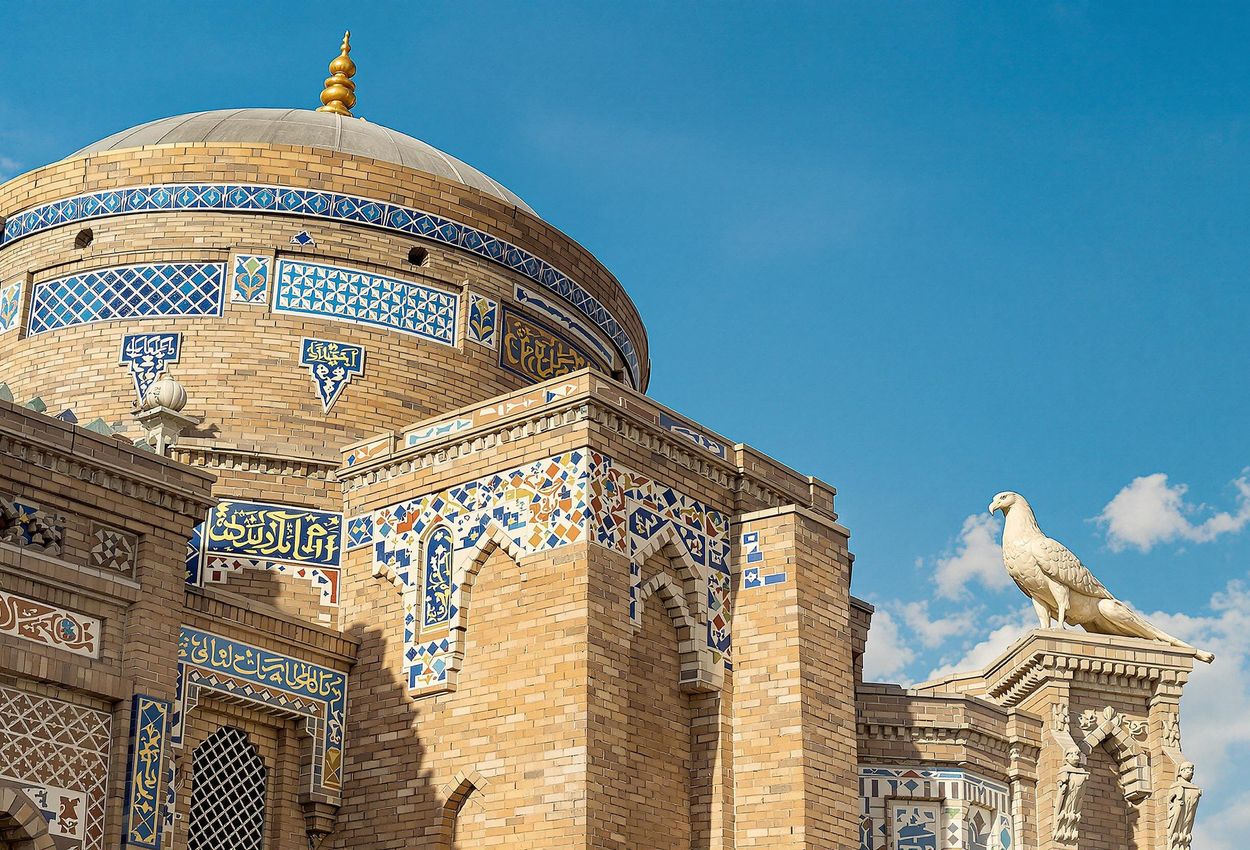
Image Description: A close-up shot of the Il-Arslan Mausoleum, capturing its unique architectural details and the intricate brickwork. The blue tiles and geometric patterns are clearly visible, showcasing the craftsmanship of the Khorezmian artisans. The lighting is soft and diffused, highlighting the colors and textures of the mausoleum. The image should convey a sense of history and architectural significance. The photo should be taken in February 10, 2025 to match the article's date, with the lighting conditions typical of the winter season in Turkmenistan.
Style Instructions: Architecture style, taken with a medium-format camera to capture the details of the mausoleum. Use a narrow aperture to ensure sharpness throughout the image. The lighting should be soft and diffused, avoiding harsh shadows and highlights. The color palette should be rich and vibrant, showcasing the beauty of the mausoleum. Date of Photo: February 10, 2025.
Ak-Kala Fortress, located southwest of medieval Urgench, stands as a silent sentinel against the sands of time. Constructed with sun-dried mud bricks, its walls, ranging from 6 to 8 meters in height, once played a crucial role in defending the city. The corners of the fortress are adorned with semi-circular towers, adding to its imposing presence. The loophole system was undoubtedly designed for the use of firearms. It is very likely that Ak Kala, adjacent to the wall of Tash Kala, was a fortified residence of the Uzbek khans of Khorezm of the 16th - 17th centuries.
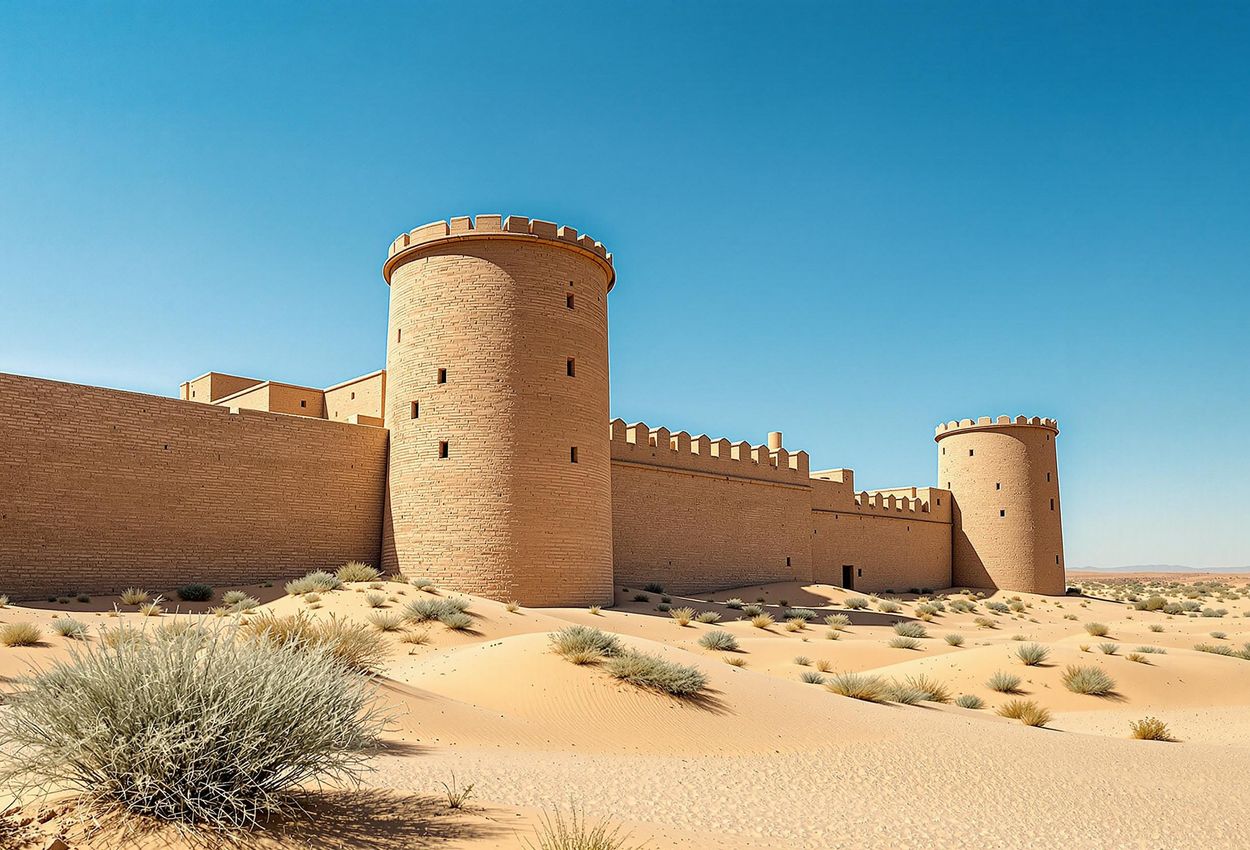
Image Description: A wide shot of Ak-Kala Fortress, showing its location in the desert landscape. The walls and towers are clearly visible, showcasing the fortress's defensive architecture. The lighting is harsh, creating a sense of desolation and abandonment. The image should convey the fortress's historical significance and its role in defending the city. The photo should be taken in February 10, 2025 to match the article's date, with the lighting conditions typical of the winter season in Turkmenistan.
Style Instructions: Landscape style, taken with a wide-angle lens to capture the vastness of the site. Use a low ISO and a narrow aperture to ensure sharpness throughout the image. The lighting should be harsh and direct, highlighting the textures and colors of the fortress. Date of Photo: February 10, 2025.
Planning a visit to Kunya-Urgench in 2025 requires careful consideration, especially regarding visa requirements and the best time to travel. While the process could feel a bit like running an obstacle course in the past, Turkmenistan is stepping into the digital age by introducing an electronic visa system, a move that promises to make the country more accessible. The law, signed by President Serdar Berdimuhamedov, officially came into force on April 18, 2025. Now, travelers can apply online for Turkmenistan e-Visa, skip the invitation letter, and receive digital authorization for entry, stay, or even transit through Turkmenistan.
For a smooth trip, basing yourself in Dashoguz, the modern regional capital, is advisable. From there, Kunya-Urgench is easily accessible for a day trip. The ideal time to visit is during the shoulder seasons: March to early June and September to October. These months offer pleasant temperatures, avoiding the extreme desert heat of summer. Remember to check the latest travel advisories and respect local customs to ensure a rewarding and memorable experience in this captivating Silk Road city.
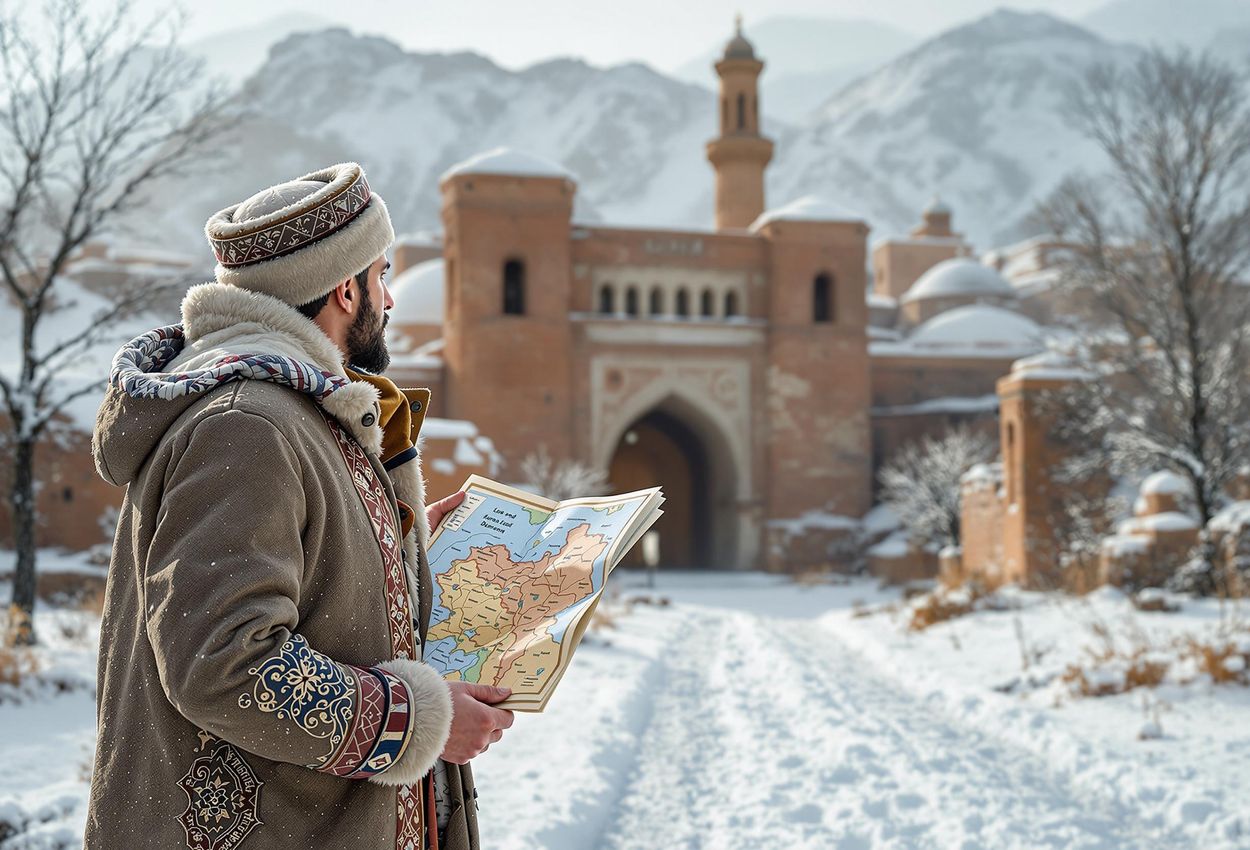
Image Description: A traveler is standing in front of the entrance to Kunya-Urgench historical site, holding a map and looking at the ancient ruins. The traveler is dressed in comfortable clothing and wearing a hat to protect from the sun. The lighting is soft and diffused, creating a sense of adventure and exploration. The image should convey the excitement of discovering a lost Silk Road city. The photo should be taken in February 10, 2025 to match the article's date, with the traveler dressed in winter clothing suitable for the season in Turkmenistan.
Style Instructions: Lifestyle style, taken with a medium-format camera to capture the details of the traveler and the ancient ruins. Use a shallow depth of field to isolate the subject and blur the background, drawing attention to their expression and gestures. The color palette should be warm and inviting, showcasing the beauty of the desert landscape. Date of Photo: February 10, 2025.
Our editors` picks of the latest and greatest in travel - delivered to your inbox daily
Relax on the beaches and explore the reefs of Xai-Xai.
View More
Embrace the cooler temperatures and experience the International Festival of the Sahara in Douz this December.
View More
Celebrate the year-end festivities in Accra, culminating in the vibrant Afrofuture festival.
View More Albania EDITION
 Algeria EDITION
 Argentina EDITION
 Armenia EDITION
 Australia EDITION
 Austria EDITION
 Bangladesh EDITION
 Belgium EDITION
 Belize EDITION
 Benin EDITION
 Bhutan EDITION
 Bolivia EDITION
 Bosnia and Herzegovina EDITION
 Botswana EDITION
 Brazil EDITION
 Bulgaria EDITION
 Burkina Faso EDITION
 Cambodia EDITION
 Cameroon EDITION
 Canada EDITION
 Central African Republic EDITION
 Chad EDITION
 Chile EDITION
 China EDITION
 Colombia EDITION
 Costa Rica EDITION
 Croatia EDITION
 Cyprus EDITION
 Denmark EDITION
 Djibouti EDITION
 Ecuador EDITION
 Egypt EDITION
 El Salvador EDITION
 Eritrea EDITION
 Estonia EDITION
 Ethiopia EDITION
 Finland EDITION
 France EDITION
 Gabon EDITION
 Georgia EDITION
 Germany EDITION
 Ghana EDITION
 Greece EDITION
 Guatemala EDITION
 Guinea EDITION
 Guinea-Bissau EDITION
 Honduras EDITION
 Hungary EDITION
 Iceland EDITION
 India EDITION
 Indonesia EDITION
 Ireland EDITION
 Israel EDITION
 Italy EDITION
 Jamaica EDITION
 Japan EDITION
 Jordan EDITION
 Kenya EDITION
 Kuwait EDITION
 Laos EDITION
 Latvia EDITION
 Lebanon EDITION
 Lesotho EDITION
 Liberia EDITION
 Lithuania EDITION
 Luxembourg EDITION
 Madagascar EDITION
 Malawi EDITION
 Malaysia EDITION
 Maldives EDITION
 Mali EDITION
 Malta EDITION
 Mauritania EDITION
 Mauritius EDITION
 Mexico EDITION
 Mongolia EDITION
 Montenegro EDITION
 Morocco EDITION
 Mozambique EDITION
 Namibia EDITION
 Nepal EDITION
 Netherlands EDITION
 New Zealand EDITION
 Nicaragua EDITION
 Niger EDITION
 Nigeria EDITION
 Norway EDITION
 Oman EDITION
 Pakistan EDITION
 Panama EDITION
 Papua New Guinea EDITION
 Paraguay EDITION
 Peru EDITION
 Philippines EDITION
 Poland EDITION
 Portugal EDITION
 Qatar EDITION
 Romania EDITION
 Rwanda EDITION
 Saudi Arabia EDITION
 Senegal EDITION
 Serbia EDITION
 Singapore EDITION
 Slovakia EDITION
 Slovenia EDITION
 Somalia EDITION
 South Africa EDITION
 South Korea EDITION
 Spain EDITION
 Sri Lanka EDITION
 Suriname EDITION
 Sweden EDITION
 Switzerland EDITION
 Tanzania EDITION
 Thailand EDITION
 Tunisia EDITION
 Uganda EDITION
 United Arab Emirates EDITION
 United Kingdom EDITION
 Uruguay EDITION
 Venezuela EDITION
 Vietnam EDITION
 Zambia EDITION
 Zimbabwe EDITION
Subscribe to our newsletter and get the most captivating travel stories, hidden gems, and expert insights delivered straight to your inbox. As a subscriber, you’ll be first in line for exclusive content, premium offers, and unforgettable travel experiences