



Destination Guide
Xai-Xai: A Coastal Retreat
Relax on the beaches and explore the reefs of Xai-Xai.
View More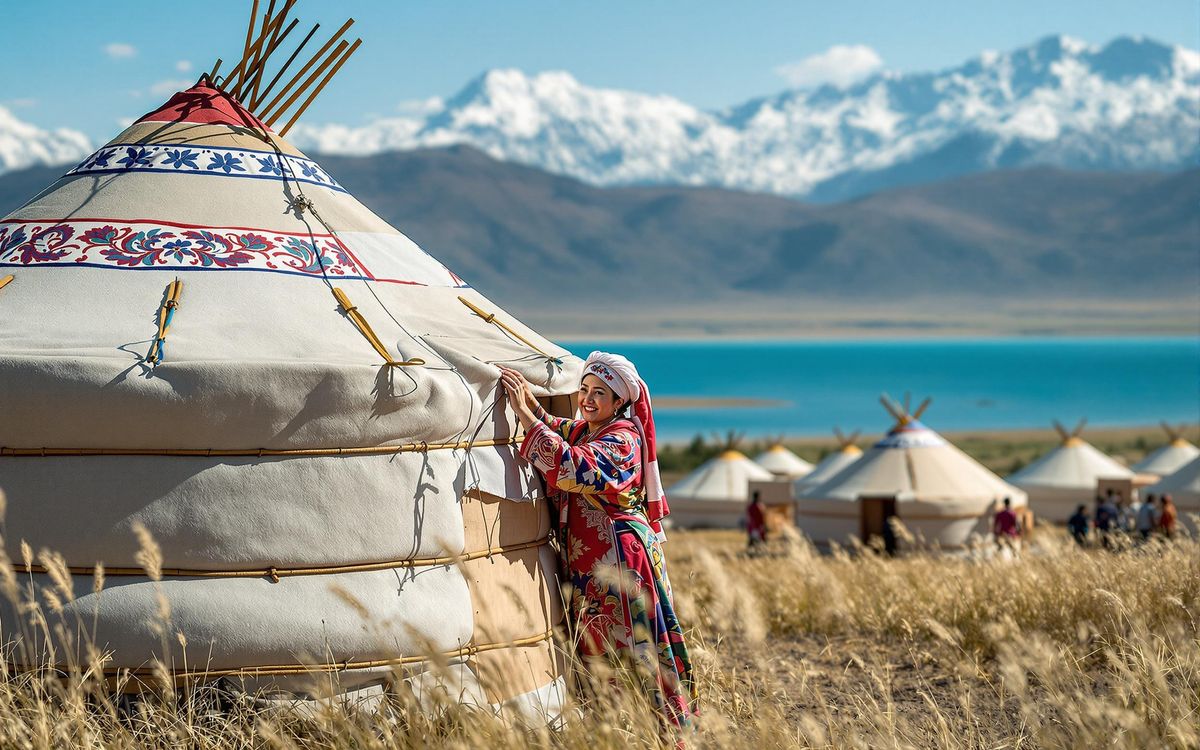

Discover the heart of Kyrgyz culture in Kyzyl-Tuu, a village where the ancient art of yurt making thrives, and traditions come alive.
Nestled on the southern shore of the serene Issyk-Kul Lake, against the majestic backdrop of the Tian Shan mountains, lies Kyzyl-Tuu, a village where time seems to slow down, and the nomadic spirit of Kyrgyzstan endures. Here, the rhythmic hammering of wood and the gentle rustling of felt create a symphony of craftsmanship, as generations of artisans continue the time-honored tradition of yurt making. This isn't just a place; it's a living museum, where the past is not merely remembered but actively woven into the fabric of everyday life.
As you approach Kyzyl-Tuu, the air is filled with the earthy scent of freshly cut wood and the subtle aroma of felt. The village unfolds as a cluster of traditional houses and workshops, each a testament to the enduring legacy of yurt construction. Children play in the streets, their laughter echoing against the backdrop of half-finished yurt frames, while artisans meticulously carve intricate patterns into wooden poles. The warmth of the community is palpable, a welcoming embrace that invites you to step into their world and become a part of their story.
The village's location is strategic, offering not only stunning views but also access to the resources necessary for their craft. The nearby mountains provide the wood, while the vast grasslands sustain the sheep whose wool is transformed into the felt coverings of the yurts. Bokonbaevo, the nearest town, serves as a gateway to this cultural haven, a place to gather supplies before immersing oneself in the tranquility of Kyzyl-Tuu. But Kyzyl-Tuu is more than just a picturesque village; it is a testament to the resilience and ingenuity of the Kyrgyz people, a place where tradition is not just preserved but celebrated with every sunrise.
Here, the art of yurt building is more than just a skill; it's a way of life, a connection to the past, and a promise to the future. It's about preserving the cultural identity in a rapidly changing world. The yurts made here are not just dwellings; they are symbols of unity, harmony, and the enduring spirit of the nomadic people. A visit to Kyzyl-Tuu is an invitation to witness this legacy firsthand, to learn from the artisans, and to experience the warmth and hospitality of a community that has mastered the art of living in harmony with nature.
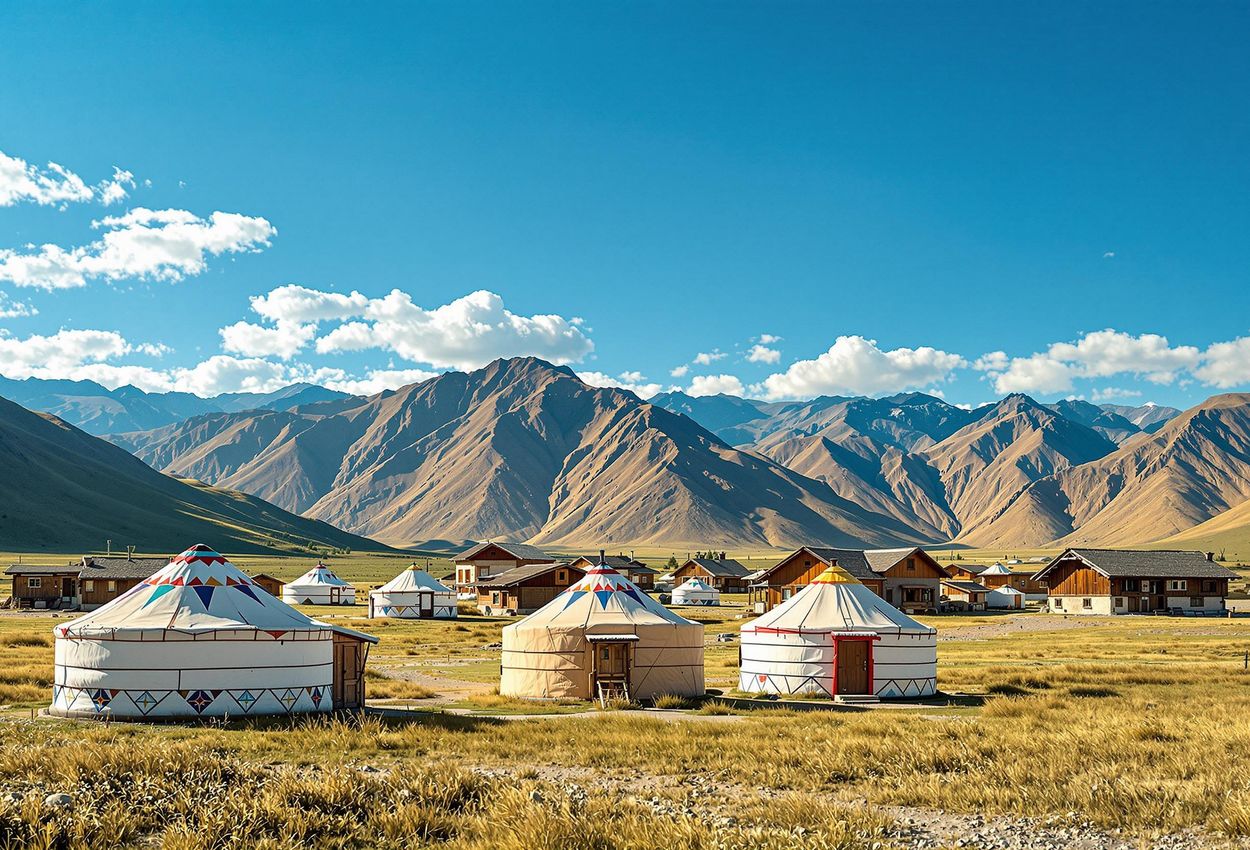
Immerse yourself in the vibrant tapestry of Kyrgyz culture at the annual Yurt Festival in Kyzyl-Tuu, a celebration of heritage, craftsmanship, and nomadic traditions.
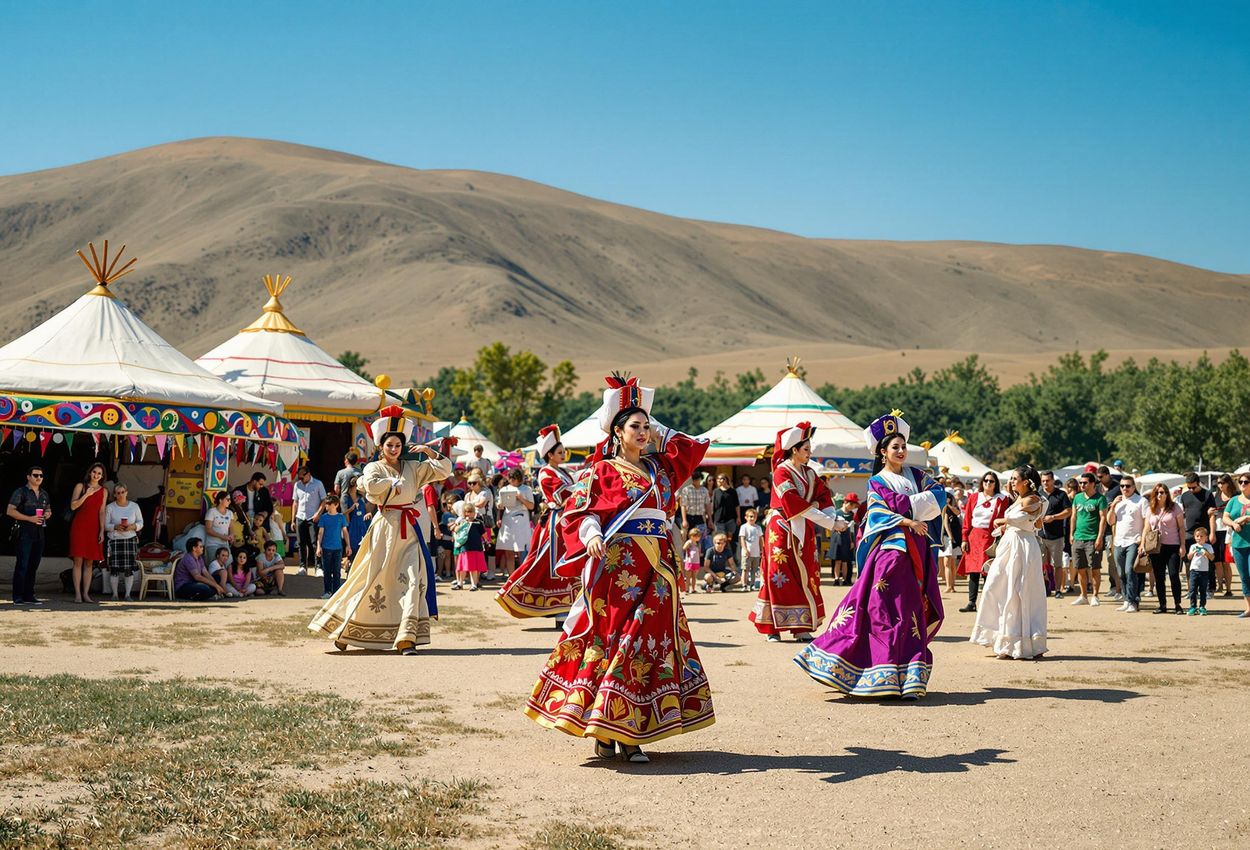
Each year, around August 16th, Kyzyl-Tuu transforms into a vibrant hub of cultural activity, hosting the Yurt Festival, a celebration of all things Kyrgyz. The festival is more than just an event; it's a living, breathing testament to the enduring traditions of the Kyrgyz people, a chance to witness the artistry, music, and flavors that define their unique identity. The air is filled with the sounds of traditional music, the tantalizing aromas of Kyrgyz cuisine, and the excited chatter of locals and visitors alike.
The heart of the festival is the yurt installation competition, where skilled teams showcase their expertise in constructing these traditional dwellings. It's a race against time, but also a display of skill, precision, and deep understanding of the ancient techniques passed down through generations. Folklore performances add to the festive atmosphere, with musicians playing traditional instruments and dancers in colorful costumes. The energy is infectious, drawing everyone into the celebration of Kyrgyz heritage.
The Yurt Festival offers a sensory feast of traditional Kyrgyz cuisine. Sample the rich flavors of beshbarmak (boiled meat with noodles), savor the warmth of kumis (fermented mare's milk), and indulge in the sweetness of boorsok (fried dough). Traditional games provide entertainment and a glimpse into the playful side of Kyrgyz culture. Watch skilled horsemen compete in Ulak Tartysh (a game similar to polo with a goat carcass) or test your strength in Kyz Kuumai (a horse riding game where a man chases a woman to steal a kiss).
For those seeking a tangible piece of Kyrgyz culture, the festival offers a chance to purchase unique souvenirs. Local artisans display their handcrafted goods, from intricately woven carpets to hand-carved wooden items, each a testament to the skill and creativity of the Kyrgyz people. The festival is also an ethno-cultural immersion, a chance to learn about the customs, beliefs, and values that shape Kyrgyz society. It's an opportunity to connect with the locals, share stories, and gain a deeper understanding of their way of life.
The entrance fee to the Yurt Festival is 2500 soms, which includes a delicious lunch, allowing you to savor the flavors of Kyrgyz cuisine while enjoying the festivities. The festival is more than just a spectacle; it's an investment in cultural preservation, a way to support the local community, and an opportunity to experience the true heart of Kyrgyzstan. It’s a reminder of the importance of tradition, community, and the enduring power of cultural heritage.
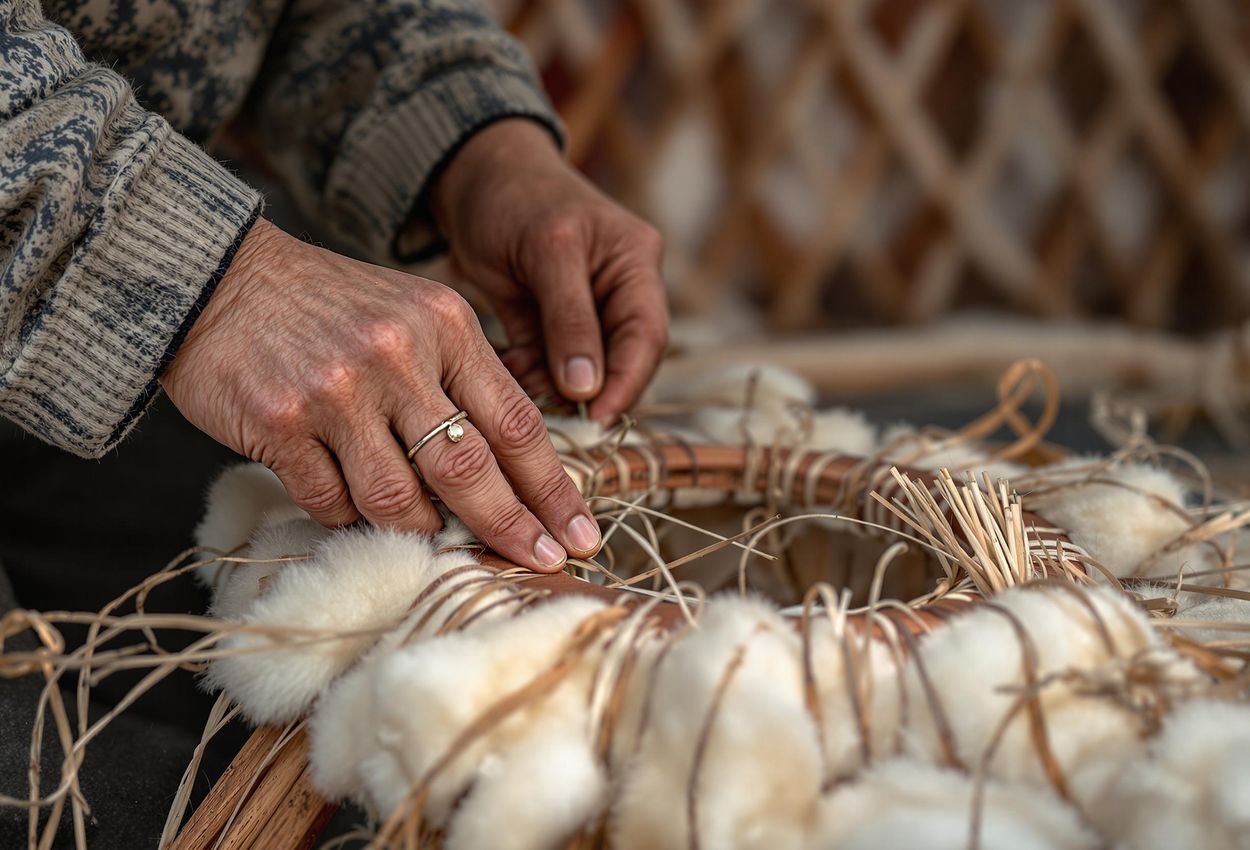
Delve into the intricate process of yurt construction in Kyzyl-Tuu, where skilled artisans transform simple materials into a symbol of Kyrgyz identity and nomadic heritage.
In Kyzyl-Tuu, yurt making is more than just a craft; it's an art form, a tradition, and a way of life. The process begins with carefully selected wood, which forms the frame of the yurt. Unlike modern structures, no nails are used in the construction; instead, the wooden components are meticulously joined together using intricate interlocking techniques, a testament to the ingenuity of Kyrgyz craftsmanship. This method not only ensures the structural integrity of the yurt but also allows it to be easily disassembled and transported, a necessity for the nomadic lifestyle.
The next step involves preparing the felt coverings, which provide insulation and protection from the elements. This process begins with the shearing of sheep, followed by the washing, carding, and felting of the wool. The felt is then carefully measured and cut to fit the yurt frame, and often adorned with intricate designs and patterns that reflect the cultural heritage of the Kyrgyz people. Leather is used to reinforce the structure and create durable straps and ties that hold the yurt together, showcasing the resourcefulness of the artisans.
Yurt building is a communal activity, often requiring the help of the entire village. Families and neighbors come together to raise the yurt frame, stretch the felt coverings, and secure the structure, creating a sense of unity and shared purpose. This collaborative spirit is a reflection of the Kyrgyz culture, where community bonds are strong and cooperation is valued. The process is not just about constructing a dwelling; it's about strengthening relationships, sharing knowledge, and celebrating the collective identity.
Visiting a local family in Kyzyl-Tuu offers a unique opportunity to witness the secrets of yurt fabrication firsthand. Artisans are often eager to share their knowledge and demonstrate the techniques they have learned from their ancestors. You can participate in the process, learning how to prepare the wood, weave the felt coverings, and assemble the yurt frame. This hands-on experience provides a deeper appreciation for the craftsmanship and cultural significance of yurts.
The yurts crafted in Kyzyl-Tuu are not just structures; they are symbols of resilience, adaptability, and the enduring spirit of the Kyrgyz people. They are a testament to the power of tradition, the importance of community, and the beauty of living in harmony with nature. A visit to Kyzyl-Tuu is an invitation to witness this legacy firsthand, to learn from the artisans, and to experience the warmth and hospitality of a community that has mastered the art of crafting a home.
Discover the diverse cultural and natural attractions in and around Kyzyl-Tuu, offering a rich tapestry of experiences beyond the art of yurt making.
While Kyzyl-Tuu is renowned for its yurt-making traditions, the village and its surroundings offer a wealth of other cultural and natural experiences. The Kyzyl-Tuu Village Museum provides a glimpse into the history and culture of the region, showcasing artifacts, photographs, and exhibits that tell the story of the Kyrgyz people. It's a great way to gain a deeper understanding of the local lifestyle and the traditions that have shaped the community. The museum is a treasure trove of knowledge, offering insights into the past and present of Kyzyl-Tuu.
For those seeking a comfortable and immersive experience, several guesthouses and yurt camps are located near Kyzyl-Tuu. These accommodations offer a chance to stay in traditional yurts, experience Kyrgyz hospitality, and enjoy the stunning scenery of the Issyk-Kul Lake region. Guesthouses provide a more conventional lodging experience, while yurt camps offer a unique opportunity to live like a nomad, surrounded by the beauty of nature.
A short distance from Kyzyl-Tuu in Bokonbaevo, you can witness the ancient tradition of eagle hunting, a practice that has been passed down through generations of Kyrgyz hunters. These demonstrations showcase the incredible bond between man and bird, as trained eagles soar through the sky, hunting for prey with remarkable precision. It's a thrilling spectacle, a testament to the skill and patience of the hunters, and the intelligence and power of the eagles.
The Issyk-Kul Lake region is home to several natural wonders, including the stunning Skazka Canyon (also known as Fairytale Canyon), a landscape of colorful rock formations that resemble a scene from a fantasy novel. The canyon is a photographer's dream, with its unique shapes, vibrant colors, and dramatic vistas. Swimming in Issyk-Kul Lake is a refreshing experience, especially during the summer months. The lake's crystal-clear waters and sandy beaches offer a perfect escape from the heat, and a chance to relax and soak in the natural beauty.
For those seeking a spiritual experience, a hike to Manjyly Ata is a must. This sacred site is known for its healing springs and stunning natural beauty. Pilgrims come to Manjyly Ata to seek blessings, drink from the springs, and connect with the spiritual energy of the place. The area is rich in history and legend, with ancient petroglyphs and sacred sites that offer a glimpse into the past. Exploring beyond yurts in Kyzyl-Tuu reveals a wealth of cultural and natural treasures, offering a diverse range of experiences for every traveler.
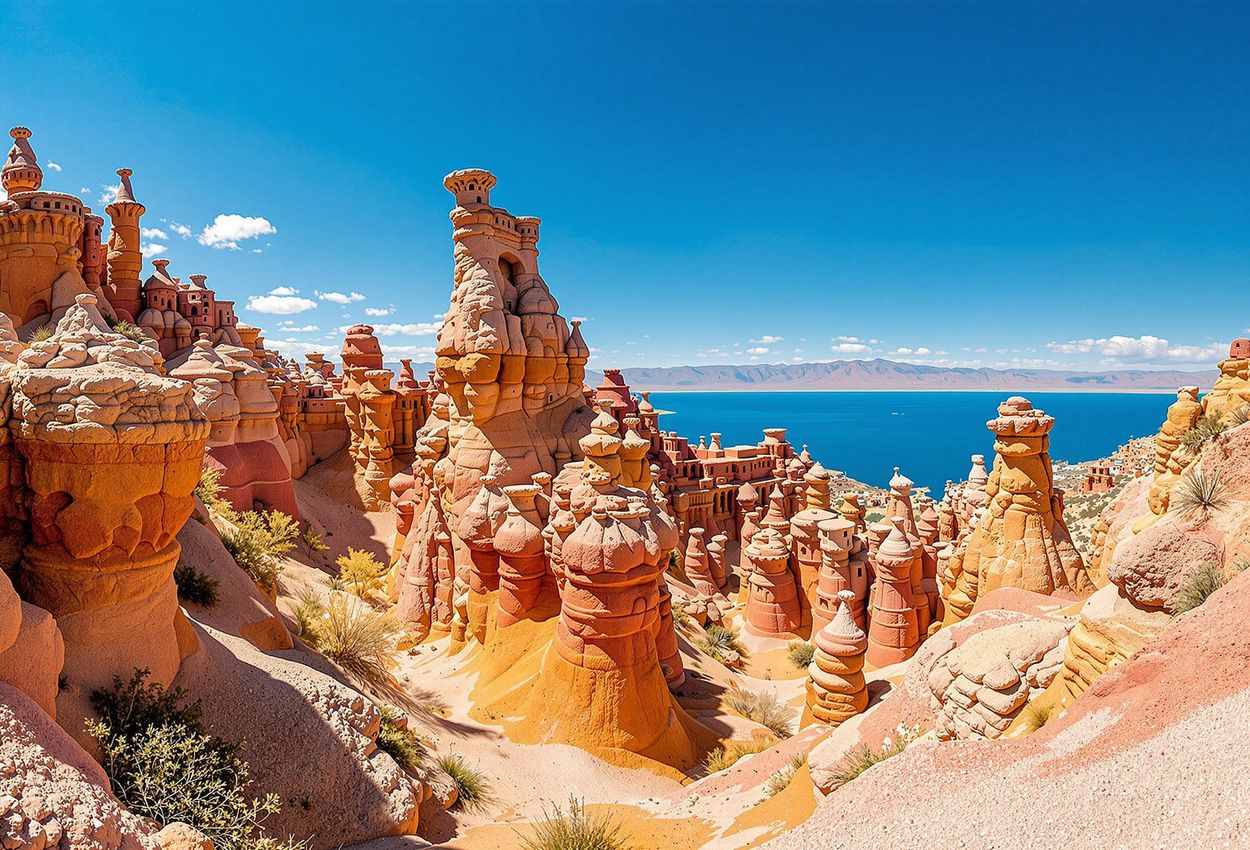
Plan your visit to Kyzyl-Tuu with ease, using this guide to transportation options, accommodation tips, and essential information for a smooth and enriching travel experience.
Getting to Kyzyl-Tuu is relatively straightforward, with several transportation options available from Bishkek. The most common and affordable way to reach the village is by bus. Buses depart regularly from the Bishkek Zapadnyi Avtovokzal (Western Bus Station) and take approximately 3-4 hours to reach Balykchy. From Balykchy, you can take a taxi to Kyzyl-Tuu, which is about an hour away. Taxis offer a more comfortable and direct option, but they are also more expensive.
Another option is to take a taxi directly from Bishkek to Kyzyl-Tuu, which takes around 3 hours and 18 minutes. This is the most convenient option, but also the most expensive. The journey offers scenic views of the Kyrgyz countryside, making it a worthwhile experience.
Accommodation in Kyzyl-Tuu is primarily in the form of guesthouses and yurt stays. Guesthouses offer basic but comfortable rooms, often with shared bathrooms and kitchen facilities. Yurt stays provide a more immersive cultural experience, allowing you to sleep in a traditional Kyrgyz dwelling. Several yurt camps are located near the village, offering stunning views of the lake and mountains.
It's advisable to bring cash with you, as credit cards are not widely accepted in Kyzyl-Tuu. ATMs are available in Bokonbaevo, the nearest town, but it's always a good idea to have enough cash on hand to cover your expenses. While some guesthouses may offer Wi-Fi, it's not always reliable, so it's best to be prepared for limited internet access. Embrace the opportunity to disconnect from the digital world and connect with the natural beauty and cultural richness of Kyzyl-Tuu.
With a little planning, your visit to Kyzyl-Tuu will be a memorable and enriching experience. From the moment you arrive, you'll be captivated by the warmth of the community, the beauty of the surroundings, and the enduring legacy of Kyrgyz culture. It's a place where time slows down, traditions come alive, and memories are made that will last a lifetime.
Our editors` picks of the latest and greatest in travel - delivered to your inbox daily
Relax on the beaches and explore the reefs of Xai-Xai.
View More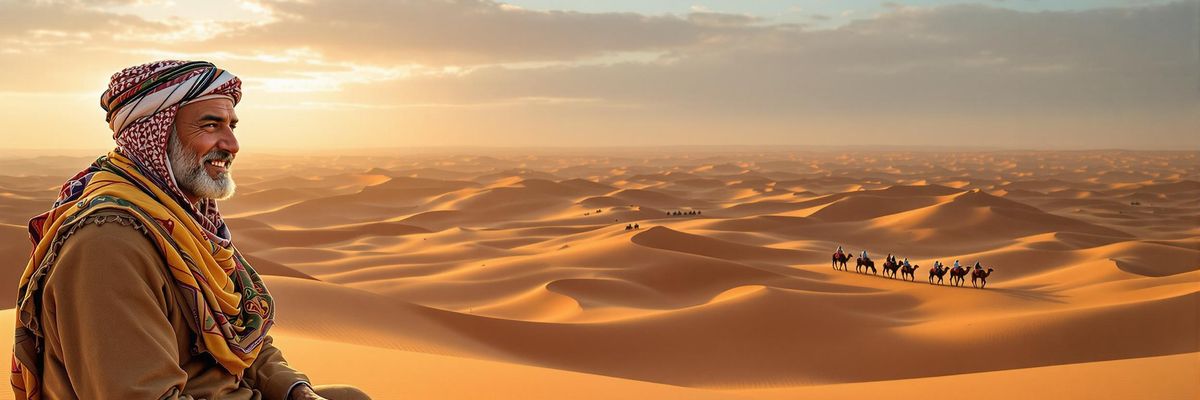
Embrace the cooler temperatures and experience the International Festival of the Sahara in Douz this December.
View More
Celebrate the year-end festivities in Accra, culminating in the vibrant Afrofuture festival.
View More Albania EDITION
 Algeria EDITION
 Argentina EDITION
 Armenia EDITION
 Australia EDITION
 Austria EDITION
 Bangladesh EDITION
 Belgium EDITION
 Belize EDITION
 Benin EDITION
 Bhutan EDITION
 Bolivia EDITION
 Bosnia and Herzegovina EDITION
 Botswana EDITION
 Brazil EDITION
 Bulgaria EDITION
 Burkina Faso EDITION
 Cambodia EDITION
 Cameroon EDITION
 Canada EDITION
 Central African Republic EDITION
 Chad EDITION
 Chile EDITION
 China EDITION
 Colombia EDITION
 Costa Rica EDITION
 Croatia EDITION
 Cyprus EDITION
 Denmark EDITION
 Djibouti EDITION
 Ecuador EDITION
 Egypt EDITION
 El Salvador EDITION
 Eritrea EDITION
 Estonia EDITION
 Ethiopia EDITION
 Finland EDITION
 France EDITION
 Gabon EDITION
 Georgia EDITION
 Germany EDITION
 Ghana EDITION
 Greece EDITION
 Guatemala EDITION
 Guinea EDITION
 Guinea-Bissau EDITION
 Honduras EDITION
 Hungary EDITION
 Iceland EDITION
 India EDITION
 Indonesia EDITION
 Ireland EDITION
 Israel EDITION
 Italy EDITION
 Jamaica EDITION
 Japan EDITION
 Jordan EDITION
 Kenya EDITION
 Kuwait EDITION
 Laos EDITION
 Latvia EDITION
 Lebanon EDITION
 Lesotho EDITION
 Liberia EDITION
 Lithuania EDITION
 Luxembourg EDITION
 Madagascar EDITION
 Malawi EDITION
 Malaysia EDITION
 Maldives EDITION
 Mali EDITION
 Malta EDITION
 Mauritania EDITION
 Mauritius EDITION
 Mexico EDITION
 Mongolia EDITION
 Montenegro EDITION
 Morocco EDITION
 Mozambique EDITION
 Namibia EDITION
 Nepal EDITION
 Netherlands EDITION
 New Zealand EDITION
 Nicaragua EDITION
 Niger EDITION
 Nigeria EDITION
 Norway EDITION
 Oman EDITION
 Pakistan EDITION
 Panama EDITION
 Papua New Guinea EDITION
 Paraguay EDITION
 Peru EDITION
 Philippines EDITION
 Poland EDITION
 Portugal EDITION
 Qatar EDITION
 Romania EDITION
 Rwanda EDITION
 Saudi Arabia EDITION
 Senegal EDITION
 Serbia EDITION
 Singapore EDITION
 Slovakia EDITION
 Slovenia EDITION
 Somalia EDITION
 South Africa EDITION
 South Korea EDITION
 Spain EDITION
 Sri Lanka EDITION
 Suriname EDITION
 Sweden EDITION
 Switzerland EDITION
 Tanzania EDITION
 Thailand EDITION
 Tunisia EDITION
 Uganda EDITION
 United Arab Emirates EDITION
 United Kingdom EDITION
 Uruguay EDITION
 Venezuela EDITION
 Vietnam EDITION
 Zambia EDITION
 Zimbabwe EDITION
Subscribe to our newsletter and get the most captivating travel stories, hidden gems, and expert insights delivered straight to your inbox. As a subscriber, you’ll be first in line for exclusive content, premium offers, and unforgettable travel experiences