


Destination Guide
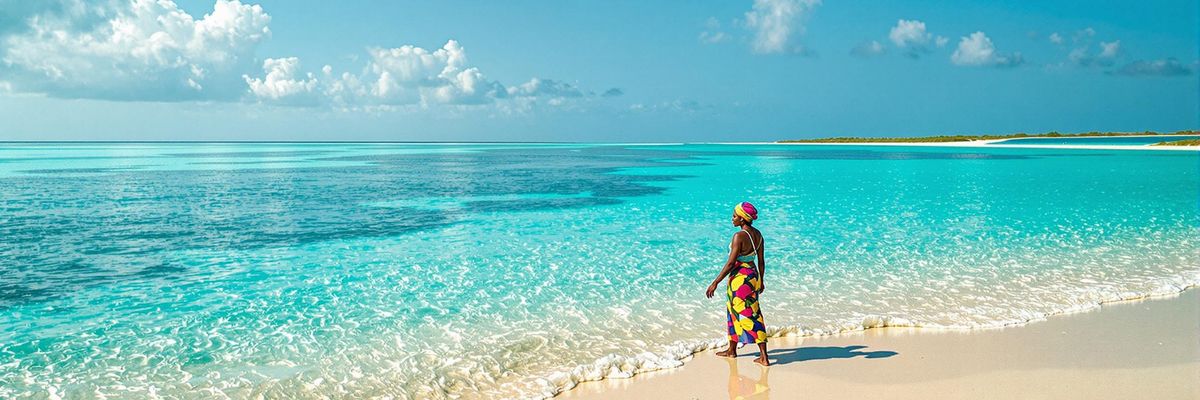
Xai-Xai: A Coastal Retreat
Relax on the beaches and explore the reefs of Xai-Xai.
View More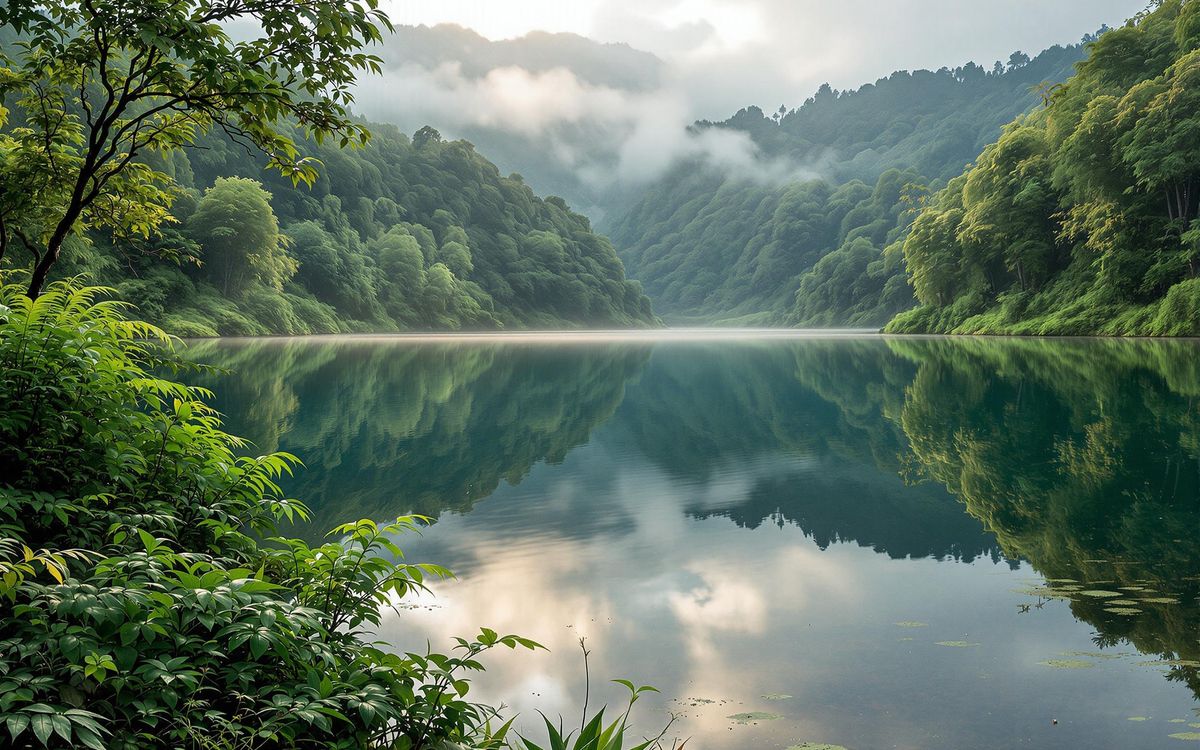

In the heart of Cameroon's North-West Region, nestled atop Mount Oku, lies a realm where the natural and supernatural intertwine.
Here, the still waters of Lake Oku reflect the emerald canopy of the Kilum-Ijim Forest, a place where legends whisper on the wind and the critically endangered Lake Oku clawed frog silently navigates its watery kingdom. This is a journey into the soul of Cameroon, where ancient traditions meet modern conservation, and the mysteries of nature unfold in breathtaking splendor.
Lake Oku sits cradled within the Kilum-Ijim Forest on Mount Oku in Cameroon's Northwest Region. At an elevation of 2,227 meters (7,306 ft), the lake's formation as a crater lake gives it a unique charm. The area is shrouded in mist and mystery. The surrounding cloud forest, lush and vibrant, adds to the lake's stunning natural beauty. The lake's tranquil surface mirrors the sky, creating an ethereal scene that captivates all who visit. Sunlight filters through the dense canopy, casting dappled shadows on the water and illuminating the rich biodiversity that thrives within this unique ecosystem.
The air is thick with the scent of damp earth and exotic flora, while the sounds of the forest – the rustling of leaves, the calls of unseen birds – create a symphony of nature that soothes the soul. The Oku people hold the lake in reverence, considering it a sacred site imbued with spiritual significance. Local legends tell tales of goddesses and ancient spirits that dwell within its depths, adding to the sense of mystique that permeates the area. The towering trees, draped with moss and vines, stand as silent sentinels, guarding the secrets of the lake and the forest beyond.
The journey to Lake Oku is an adventure in itself, with winding paths leading through the dense forest, offering glimpses of rare and exotic plant life. The higher one climbs, the more dramatic the scenery becomes, with panoramic views opening up to reveal the vast expanse of the Cameroonian landscape. The crisp mountain air invigorates the senses, preparing visitors for the breathtaking sight that awaits them at the summit. This isn't just a destination; it's an experience that engages all the senses, leaving a lasting impression on those fortunate enough to witness its beauty.
The lake is approximately 10,000 m2 and is also a worthy tourist attraction. The myths of the lake's creation are centered around a goddess called Ma, who was denied food, water, and a haircut in Kejem Fondom. She found these favors in Oku and in return, drowned the Kejem people, except for those who had given her food.

Lake Oku's unique ecosystem is home to the critically endangered Lake Oku clawed frog (Xenopus longipes), its most famous resident. These small, dark-colored frogs, with males averaging 28–31 mm and females 32–36 mm, are fully aquatic, never leaving the water. The frog gets its name from the claws on its hind feet. The back is brown, and the belly is speckled black on an orange background.
These frogs possess a unique genetic makeup, having twelve sets of chromosomes. The Lake Oku clawed frog faces threats such as the introduction of non-native fish and habitat degradation. Conservation efforts are in place, including captive populations at zoos like ZSL-London Zoo and the Steinhart Aquarium of the California Academy of Sciences.
Imagine peering into the still waters of Lake Oku, the sunlight dancing on the surface as you search for a glimpse of the elusive Lake Oku clawed frog. These tiny amphibians, endemic to this single crater lake, represent a unique evolutionary lineage, possessing an astounding twelve sets of chromosomes compared to the two sets found in humans. Their existence is a testament to the delicate balance of this isolated ecosystem, a balance that is increasingly threatened by external pressures. The introduction of non-native fish, habitat degradation, and pollution all pose significant risks to their survival, making conservation efforts all the more critical.
Zoos are studying the species to learn how to set up captive assurance colonies in the event of extinction in the wild. The high likelihood of fish introduction is a constant threat for the Lake Oku frog, and their habitat is at risk of degradation which could cause a decline in water quality and increased risk of disease.

The Kilum-Ijim Forest, one of West Africa's last remaining cloud forests, surrounds Lake Oku. This area of massive land has extreme biodiversity, ranging from tropical rainforest to lake biomes. The forest is home to endemic bird species like Bannerman's turaco and banded wattle-eye. The Kilum-Ijim Forest Project promotes community-based conservation, balancing biodiversity preservation with sustainable use by local communities. The forest provides medicinal herbs and clean water.
Walking through the Kilum-Ijim Forest is like stepping into a green cathedral, where the towering trees form a natural nave and the sunlight filters through the canopy like stained glass. The air is alive with the sounds of exotic birds, including the endemic Bannerman's turaco, its vibrant plumage a flash of color against the verdant backdrop. The forest floor is a tapestry of ferns, mosses, and orchids, each contributing to the rich biodiversity of this unique ecosystem. But the Kilum-Ijim Forest is more than just a beautiful landscape; it's a vital resource for the local communities, providing clean water, medicinal herbs, and a source of livelihood.
The Kilum-Ijim Forest Project is a model for community-based conservation, empowering local people to protect their natural heritage while also meeting their own needs. This collaborative approach recognizes that the long-term survival of the forest depends on the active participation and stewardship of those who live closest to it. By promoting sustainable use of forest resources and providing alternative sources of income, the project helps to ensure that the Kilum-Ijim Forest will continue to thrive for generations to come.
The Kilum-Ijim Forest Project works with the 44 communities surrounding the Kilum-Ijim Forest for the establishment of legally recognised community forests that will cover the entire forest. The boundaries of the forest, as mapped by satellite imagery, are expanding.
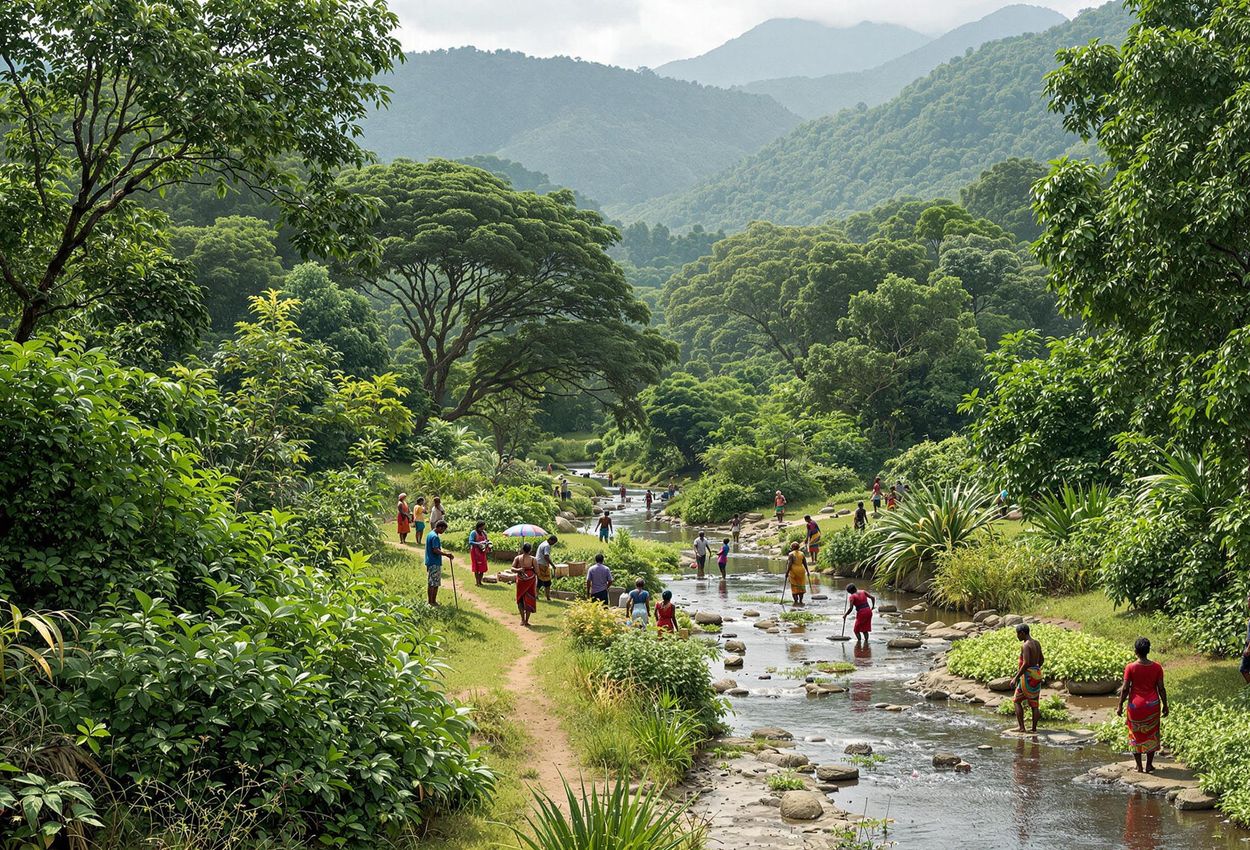
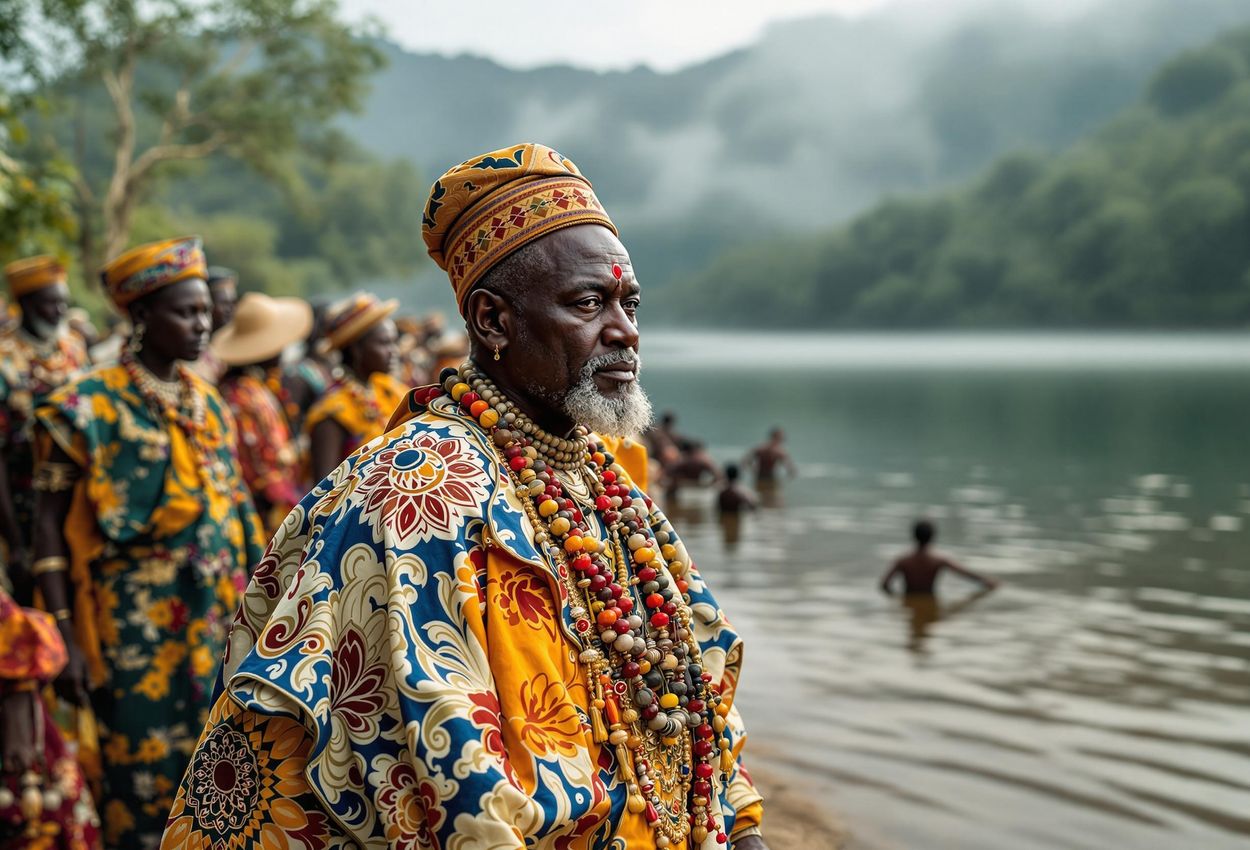
Lake Oku has spiritual significance, playing a role in the legends, rituals, and social structures of the Oku community. The Fon (traditional ruler) is significant, and annual sacrifices are made to the goddess Ma (Mawes). It's important to respect the lake's cultural significance and avoid activities that could harm the environment.
To truly understand Lake Oku, one must delve into the spiritual beliefs and traditions that have shaped the lives of the Oku people for centuries. The lake is more than just a body of water; it's a sacred entity, a living embodiment of the goddess Ma, who is believed to control the fertility of the land and the well-being of the community. The Fon, the traditional ruler of the Oku people, serves as a spiritual intermediary, conducting annual sacrifices and rituals to appease the goddess and ensure the continued prosperity of his people.
These traditions are not mere relics of the past; they are a vital part of the present-day culture of the Oku community, shaping their relationship with the natural world and guiding their actions in everyday life. Respect for the lake and its surrounding environment is paramount, and any activity that could potentially harm the delicate balance of this sacred ecosystem is strictly forbidden. As visitors, it is our responsibility to be mindful of these cultural sensitivities and to approach Lake Oku with the reverence and respect it deserves.
According to local belief, a goddess called Ma was denied food, water, and a haircut at Kejem Fondom. She found these favors in Oku and in return, drowned the Kejem people, except for those who had given her food. Today, the people of Oku offer yearly sacrifices to Ma, the goddess of the lake, and any newly crowned Fon of Oku must be presented to the goddess of the lake. She is the goddess of birth, fertility and increase in population and food. Thus the lake is called “Mawes” (our Ma).
Visitors to Lake Oku can enjoy hiking and birdwatching. Hiking trails provide opportunities to see diverse crops and endemic bird species. Motorbike taxis can be hired for part of the journey. Responsible tourism and respect for local customs are essential.
Imagine yourself trekking through the lush landscapes surrounding Lake Oku, the air filled with the melodies of exotic birds. The trails wind through fields of diverse crops, offering a glimpse into the agricultural practices of the local communities. As you ascend, the panoramic views become increasingly breathtaking, revealing the vast expanse of the Cameroonian countryside.
For those seeking a less strenuous journey, motorbike taxis offer a convenient way to cover some of the distance, allowing you to conserve your energy for exploring the lake and its immediate surroundings. Whether you choose to hike or ride, remember that responsible tourism is paramount. Respect local customs, support local businesses, and leave no trace behind, ensuring that future generations can also experience the majesty of Lake Oku.
The Oku area is home to settled Fulani people and you will pass through their lands on your walk. Depending on how active you feel, you can either hike up to the lake and back or take a motorbike taxi there and walk back. The trek there is largely uphill from Belo and takes around 5 hours, by bike taxi the journey time is 1 – 1.5 hrs. Returning from the lake, the walk takes approximately 4 hours and takes you through the village of Anyajua.

Visiting Lake Oku and the Kilum-Ijim Forest offers an opportunity to connect with nature and culture. By respecting the traditions and supporting conservation efforts, visitors can help protect this area for future generations. As the sun sets over the crater lake, casting a golden glow on the surrounding forest, one can't help but feel a sense of awe and gratitude for the beauty and mystery of this sacred place.
Our editors` picks of the latest and greatest in travel - delivered to your inbox daily
Relax on the beaches and explore the reefs of Xai-Xai.
View More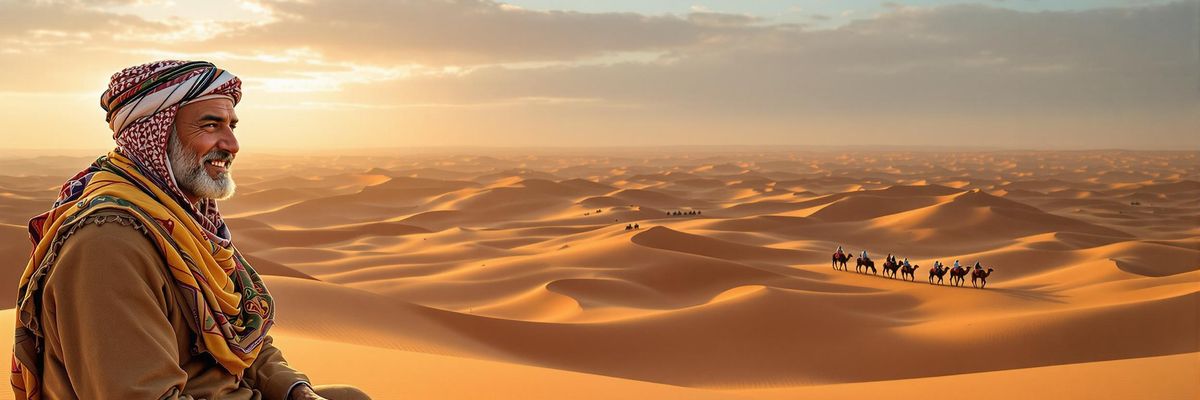
Embrace the cooler temperatures and experience the International Festival of the Sahara in Douz this December.
View More
Celebrate the year-end festivities in Accra, culminating in the vibrant Afrofuture festival.
View More Albania EDITION
 Algeria EDITION
 Argentina EDITION
 Armenia EDITION
 Australia EDITION
 Austria EDITION
 Bangladesh EDITION
 Belgium EDITION
 Belize EDITION
 Benin EDITION
 Bhutan EDITION
 Bolivia EDITION
 Bosnia and Herzegovina EDITION
 Botswana EDITION
 Brazil EDITION
 Bulgaria EDITION
 Burkina Faso EDITION
 Cambodia EDITION
 Cameroon EDITION
 Canada EDITION
 Central African Republic EDITION
 Chad EDITION
 Chile EDITION
 China EDITION
 Colombia EDITION
 Costa Rica EDITION
 Croatia EDITION
 Cyprus EDITION
 Denmark EDITION
 Djibouti EDITION
 Ecuador EDITION
 Egypt EDITION
 El Salvador EDITION
 Eritrea EDITION
 Estonia EDITION
 Ethiopia EDITION
 Finland EDITION
 France EDITION
 Gabon EDITION
 Georgia EDITION
 Germany EDITION
 Ghana EDITION
 Greece EDITION
 Guatemala EDITION
 Guinea EDITION
 Guinea-Bissau EDITION
 Honduras EDITION
 Hungary EDITION
 Iceland EDITION
 India EDITION
 Indonesia EDITION
 Ireland EDITION
 Israel EDITION
 Italy EDITION
 Jamaica EDITION
 Japan EDITION
 Jordan EDITION
 Kenya EDITION
 Kuwait EDITION
 Laos EDITION
 Latvia EDITION
 Lebanon EDITION
 Lesotho EDITION
 Liberia EDITION
 Lithuania EDITION
 Luxembourg EDITION
 Madagascar EDITION
 Malawi EDITION
 Malaysia EDITION
 Maldives EDITION
 Mali EDITION
 Malta EDITION
 Mauritania EDITION
 Mauritius EDITION
 Mexico EDITION
 Mongolia EDITION
 Montenegro EDITION
 Morocco EDITION
 Mozambique EDITION
 Namibia EDITION
 Nepal EDITION
 Netherlands EDITION
 New Zealand EDITION
 Nicaragua EDITION
 Niger EDITION
 Nigeria EDITION
 Norway EDITION
 Oman EDITION
 Pakistan EDITION
 Panama EDITION
 Papua New Guinea EDITION
 Paraguay EDITION
 Peru EDITION
 Philippines EDITION
 Poland EDITION
 Portugal EDITION
 Qatar EDITION
 Romania EDITION
 Rwanda EDITION
 Saudi Arabia EDITION
 Senegal EDITION
 Serbia EDITION
 Singapore EDITION
 Slovakia EDITION
 Slovenia EDITION
 Somalia EDITION
 South Africa EDITION
 South Korea EDITION
 Spain EDITION
 Sri Lanka EDITION
 Suriname EDITION
 Sweden EDITION
 Switzerland EDITION
 Tanzania EDITION
 Thailand EDITION
 Tunisia EDITION
 Uganda EDITION
 United Arab Emirates EDITION
 United Kingdom EDITION
 Uruguay EDITION
 Venezuela EDITION
 Vietnam EDITION
 Zambia EDITION
 Zimbabwe EDITION
Subscribe to our newsletter and get the most captivating travel stories, hidden gems, and expert insights delivered straight to your inbox. As a subscriber, you’ll be first in line for exclusive content, premium offers, and unforgettable travel experiences