


Destination Guide
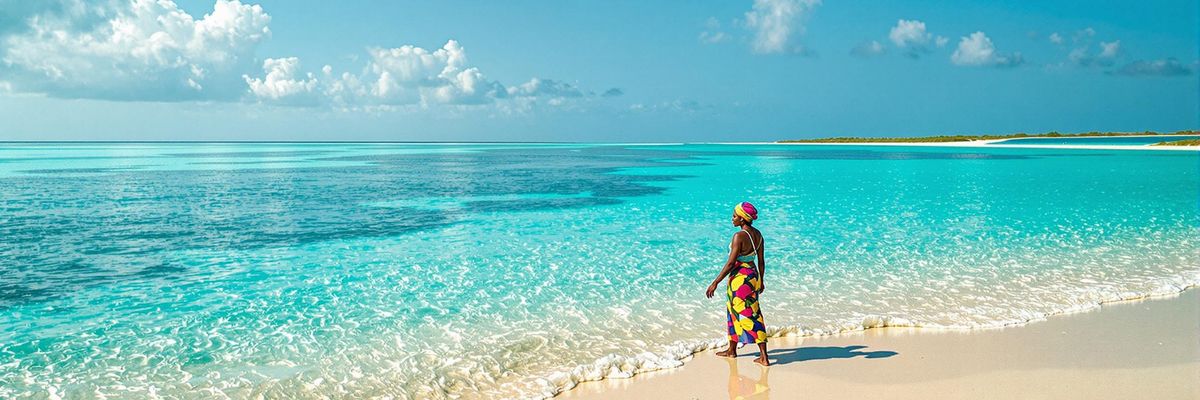
Xai-Xai: A Coastal Retreat
Relax on the beaches and explore the reefs of Xai-Xai.
View More

Journey to Lubango, a city cradled in the highlands of Angola, where vibrant traditions meet breathtaking landscapes.
Here, the annual Lubango International Festival of Culture explodes with color and rhythm, showcasing the nation's rich heritage amidst a cool, refreshing climate. Beyond the festival, Lubango's colonial past whispers through its architecture, blending seamlessly with the modern pulse of Angolan life. Prepare for an immersive experience where every sense is awakened.

Nestled high within Angola's Huíla Province, Lubango offers a unique allure. Unlike the sweltering coastal regions, its elevated location blesses it with a temperate climate, a welcome respite for travelers. Rolling hills and verdant valleys paint a picturesque backdrop, setting the stage for a cultural immersion unlike any other. The air is crisp, carrying the scent of eucalyptus and distant wood fires, a sensory symphony that immediately distinguishes Lubango from other Angolan cities.
The Lubango International Festival of Culture stands as a testament to the city's vibrant spirit. This annual event serves as a dynamic crossroads, where Angolan heritage intertwines with international influences. It's a celebration of music, art, dance, and traditions, drawing visitors from across the globe. The festival is more than just entertainment; it's a powerful expression of national identity and a platform for cultural exchange.
As you arrive in Lubango, the city unfolds as a tapestry of contrasts. Colonial-era buildings stand proudly alongside modern structures, a visual narrative of Angola's journey through time. The echoes of Portuguese influence are palpable, yet they harmonize with the vibrant energy of contemporary Angolan culture. The sounds of laughter, spirited conversations in Portuguese and Umbundu, and the rhythmic beats of traditional music create an atmosphere that is both captivating and welcoming.
The aroma of freshly brewed coffee mingles with the tantalizing scents of local cuisine, inviting you to explore the city's culinary offerings. Street vendors offer grilled meats, savory pastries, and exotic fruits, a feast for the senses that embodies the heart of Angolan hospitality. The city awakens your senses, promising an unforgettable adventure.

The opening day of the Lubango International Festival of Culture is a spectacle of unparalleled energy and color. The city transforms into a vibrant stage, as cultural parades wind their way through the streets, captivating onlookers with a kaleidoscope of traditional attire and spirited dances. The rhythmic pulse of drums reverberates through the air, intertwining with the melodies of traditional music, creating an intoxicating soundtrack to the festivities.
The parades showcase Angola's diverse ethnic tapestry, with groups such as the Ovimbundu and Chokwe proudly displaying their unique cultural identities. The Ovimbundu, the largest ethnic group in Angola, are known for their intricate beadwork and vibrant textiles, while the Chokwe are renowned for their elaborate masks and ceremonial dances. Each group contributes its distinct flavor to the parade, creating a rich mosaic of Angolan heritage.
The parade route meanders through Lubango's key landmarks, offering a glimpse into the city's historical and architectural treasures. The procession passes by colonial-era buildings, their facades adorned with intricate details, and winds its way through bustling marketplaces, where vendors hawk their wares with spirited enthusiasm. The air crackles with excitement as the parade culminates at the festival grounds, where the opening ceremonies officially commence.
Hidden Gem: Keep an eye out for the Efiko dance, a unique performance originating from a small village near Lubango. This energetic dance, characterized by its rapid footwork and acrobatic movements, tells the story of the village's ancestors and their connection to the land. The Efiko dancers, adorned in elaborate costumes and masks, bring a raw, untamed energy to the parade, offering a glimpse into the lesser-known traditions of the Angolan highlands.

The Lubango International Festival of Culture extends beyond the parades and music, offering a rich tapestry of artistic expression. Art exhibitions showcasing paintings, sculptures, and traditional crafts provide a window into Angola's soul, reflecting its history, culture, and contemporary issues. Local artists take center stage, their works telling stories of resilience, identity, and the enduring spirit of the Angolan people.
The art on display is as diverse as Angola itself, with artists employing a wide range of materials and techniques. Wood carvings depict scenes from daily life, while stone sculptures pay homage to ancestral spirits. Textiles woven with intricate patterns and vibrant colors showcase the artistry of Angolan weavers, each piece a testament to their skill and creativity.
One particular artwork that captures the essence of Lubango is a series of paintings depicting the Serra da Leba Pass. These paintings, rendered in vivid colors and bold strokes, convey the drama and beauty of this iconic mountain road, a symbol of Lubango's connection to the wider world. The paintings capture the hairpin turns, the breathtaking vistas, and the sheer engineering marvel of the pass, offering a visual tribute to this remarkable feat of human ingenuity.
Hidden Gem: Seek out the revival of Kissangua pottery, a lesser-known art form from the region. This unique pottery, characterized by its intricate geometric designs and earthy tones, is being revitalized by a group of local artisans. Using traditional techniques passed down through generations, these artisans are creating contemporary pieces that honor their heritage while pushing the boundaries of artistic expression. Their work offers a glimpse into the hidden depths of Angolan artistry, a testament to the enduring power of tradition.

As the sun dips below the horizon, casting a warm glow across the Angolan sky, the Lubango International Festival of Culture transforms into a symphony of sound. Music performances take center stage, blending traditional African rhythms with contemporary pop and hip-hop beats. The air crackles with energy as Angolan and international artists share their talents, creating a vibrant atmosphere that transcends cultural boundaries.
Traditional Angolan music, with its roots in ancient rituals and storytelling, takes on new life in the hands of modern musicians. The sounds of the marimba, the dikanza, and the hungu resonate through the festival grounds, transporting listeners to a world of ancestral spirits and timeless traditions. Contemporary Angolan pop and hip-hop artists infuse these traditional sounds with modern influences, creating a unique fusion that reflects the dynamic spirit of the nation.
One performance that stands out is that of Yuri da Cunha, a rising star in the Angolan music scene. His powerful vocals, combined with his socially conscious lyrics, captivate the crowd, inspiring them to dance, sing, and celebrate their shared identity. Da Cunha's stage presence is magnetic, his energy infectious, making him a true ambassador of Angolan culture.
Hidden Gem: Discover the Ombwita, a unique Angolan musical instrument resembling a one-stringed bow. Played with a combination of plucking and percussive techniques, the Ombwita produces a hauntingly beautiful sound that is both ancient and modern. Seek out performances featuring this instrument to experience the hidden depths of Angolan musical artistry.

No cultural immersion is complete without a culinary journey, and the Lubango International Festival of Culture offers a delectable array of Angolan flavors. Food stalls line the festival grounds, tempting visitors with the aromas of traditional dishes such as funge and moamba de galinha. Each dish tells a story, reflecting Angola's history, geography, and cultural influences.
Funge, a cassava porridge, is a staple of Angolan cuisine. Made from cassava flour and water, this simple dish is a blank canvas for the bold flavors of Angolan stews and sauces. Moamba de galinha, a rich chicken stew simmered in palm oil, is considered the national dish of Angola. The dish is infused with garlic, onions, tomatoes, and gindungo (Angolan hot pepper), creating a complex flavor profile that is both savory and spicy.
Regional variations of these dishes abound, reflecting the diversity of Angolan cuisine. In some regions, funge is made with corn flour instead of cassava flour, while in others, moamba de galinha is prepared with peanuts instead of palm oil. These subtle differences add to the richness and complexity of Angolan culinary heritage.
Hidden Gem: Quench your thirst with Ginguba, a traditional Angolan peanut drink. This creamy, refreshing beverage is made from ground peanuts, water, sugar, and a hint of spice. Ginguba is a popular treat at festivals and celebrations, a taste of Angolan hospitality that is both satisfying and invigorating. Alternatively, sample Mongozo, a palm nut beer that represents a modern take on traditional Angolan brewing.

While the Lubango International Festival of Culture is a highlight, Lubango offers a wealth of attractions beyond the festival grounds. From iconic landmarks to historical sites, the city beckons visitors to explore its hidden corners and uncover its unique charm. Take a stroll through the city center, admiring the colonial architecture and soaking in the vibrant atmosphere. Visit the Cristo Rei statue, a towering monument that offers panoramic views of the city and surrounding mountains. Explore the Tundavala Gap, a geological wonder that showcases the raw beauty of the Angolan landscape.
Practical information for visitors: The best time to visit Lubango is during the dry season, from May to September. The weather is mild and sunny, perfect for exploring the city and its surroundings. Transportation options include taxis, buses, and rental cars. Taxis are readily available and relatively inexpensive, while buses offer a more budget-friendly option. Renting a car provides the freedom to explore the region at your own pace.
Hidden Gem: Venture into the Mercado Municipal, Lubango's bustling local market. Here, you can find unique souvenirs, interact with local vendors, and experience the daily life of Lubango residents. From handcrafted jewelry to vibrant textiles, the market offers a treasure trove of Angolan artistry.

A short drive from Lubango lies the Serra da Leba Pass, a breathtaking mountain road that winds its way through dramatic hairpin turns and offers unparalleled views. This engineering marvel is more than just a road; it's a testament to human ingenuity and a gateway to the stunning landscapes of southern Angola. The experience of driving or hiking through the pass is a sensory feast, with each turn revealing a new vista of rugged mountains, verdant valleys, and endless horizons.
The road's hairpin turns demand careful navigation, but the rewards are well worth the effort. As you ascend, the air becomes cooler and crisper, carrying the scent of pine trees and wildflowers. The sounds of birdsong and the gentle breeze create a tranquil atmosphere, a welcome escape from the hustle and bustle of city life.
Hidden Gem: Seek out the Miradouro Secreto, a hidden viewpoint along the Serra da Leba that offers a particularly stunning vista. This viewpoint, known only to locals, provides a panoramic perspective of the entire pass, allowing you to appreciate the full scale of its engineering brilliance and natural beauty.

Overlooking Lubango stands the Cristo Rei statue, a towering monument that serves as a symbol of faith and hope. Inspired by Christ the Redeemer in Rio de Janeiro, this iconic statue offers panoramic views of the city and surrounding mountains. The statue's history is intertwined with Lubango's colonial past, representing both religious devotion and the aspirations of a growing community.
The atmosphere at Cristo Rei is one of reverence and tranquility. Visitors often gather at the base of the statue to pray, meditate, or simply soak in the stunning views. The site is particularly enchanting during sunrise and sunset, when the sky is ablaze with color, casting a warm glow over the city below.
Hidden Gem: Legend says that the statue was built on the site of an ancient spring, believed to possess healing powers. Locals still visit the site to collect water from the spring, seeking blessings and spiritual renewal.

A short drive from Lubango lies Tundavala Gap, a geological wonder that showcases the raw power and beauty of nature. This dramatic escarpment plunges nearly 1,000 meters, offering breathtaking views of the surrounding landscapes stretching towards Namibia. Standing at the edge of the escarpment is an awe-inspiring experience, a reminder of the Earth's immense scale and the forces that have shaped it over millions of years.
The sensory details at Tundavala Gap are overwhelming. The wind whips through the air, carrying the scent of dust and distant rain. The sounds of birds soaring overhead mingle with the echoes of your own footsteps, creating a sense of solitude and connection to the natural world.
Hidden Gem: Look for the Giant Aloe, a unique plant species found only at Tundavala Gap. This towering succulent, with its spiky leaves and vibrant orange flowers, is a testament to the resilience of life in this harsh environment.

To truly experience the heart of Lubango, venture into the Mercado Municipal, the city's bustling municipal market. Here, you'll find a vibrant atmosphere, a kaleidoscope of colors, and a cacophony of sounds, all interwoven into the fabric of daily life. The market is a place where locals gather to buy and sell fresh produce, traditional handicrafts, and a variety of other goods, offering a glimpse into the soul of the city.
The market is a feast for the senses, with stalls overflowing with ripe fruits, vegetables, and spices. The air is thick with the aroma of grilled meats, freshly baked bread, and exotic herbs. The sounds of vendors hawking their wares mingle with the laughter and chatter of shoppers, creating a lively and convivial atmosphere.
Hidden Gem: Seek out Mama Cândida, a vendor known for her exquisite handwoven baskets. Her intricate designs and vibrant colors reflect the artistry of the local Nyaneka-Humbe people, offering a unique souvenir that embodies the spirit of Lubango.
As you leave Lubango, you carry with you a tapestry of memories: the vibrant rhythms of the festival, the breathtaking vistas of the Serra da Leba, and the warm smiles of the Angolan people. Lubango is more than just a destination; it's an experience that will stay with you long after you've returned home.
Our editors` picks of the latest and greatest in travel - delivered to your inbox daily
Relax on the beaches and explore the reefs of Xai-Xai.
View More
Embrace the cooler temperatures and experience the International Festival of the Sahara in Douz this December.
View More
Celebrate the year-end festivities in Accra, culminating in the vibrant Afrofuture festival.
View More Albania EDITION
 Algeria EDITION
 Argentina EDITION
 Armenia EDITION
 Australia EDITION
 Austria EDITION
 Bangladesh EDITION
 Belgium EDITION
 Belize EDITION
 Benin EDITION
 Bhutan EDITION
 Bolivia EDITION
 Bosnia and Herzegovina EDITION
 Botswana EDITION
 Brazil EDITION
 Bulgaria EDITION
 Burkina Faso EDITION
 Cambodia EDITION
 Cameroon EDITION
 Canada EDITION
 Central African Republic EDITION
 Chad EDITION
 Chile EDITION
 China EDITION
 Colombia EDITION
 Costa Rica EDITION
 Croatia EDITION
 Cyprus EDITION
 Denmark EDITION
 Djibouti EDITION
 Ecuador EDITION
 Egypt EDITION
 El Salvador EDITION
 Eritrea EDITION
 Estonia EDITION
 Ethiopia EDITION
 Finland EDITION
 France EDITION
 Gabon EDITION
 Georgia EDITION
 Germany EDITION
 Ghana EDITION
 Greece EDITION
 Guatemala EDITION
 Guinea EDITION
 Guinea-Bissau EDITION
 Honduras EDITION
 Hungary EDITION
 Iceland EDITION
 India EDITION
 Indonesia EDITION
 Ireland EDITION
 Israel EDITION
 Italy EDITION
 Jamaica EDITION
 Japan EDITION
 Jordan EDITION
 Kenya EDITION
 Kuwait EDITION
 Laos EDITION
 Latvia EDITION
 Lebanon EDITION
 Lesotho EDITION
 Liberia EDITION
 Lithuania EDITION
 Luxembourg EDITION
 Madagascar EDITION
 Malawi EDITION
 Malaysia EDITION
 Maldives EDITION
 Mali EDITION
 Malta EDITION
 Mauritania EDITION
 Mauritius EDITION
 Mexico EDITION
 Mongolia EDITION
 Montenegro EDITION
 Morocco EDITION
 Mozambique EDITION
 Namibia EDITION
 Nepal EDITION
 Netherlands EDITION
 New Zealand EDITION
 Nicaragua EDITION
 Niger EDITION
 Nigeria EDITION
 Norway EDITION
 Oman EDITION
 Pakistan EDITION
 Panama EDITION
 Papua New Guinea EDITION
 Paraguay EDITION
 Peru EDITION
 Philippines EDITION
 Poland EDITION
 Portugal EDITION
 Qatar EDITION
 Romania EDITION
 Rwanda EDITION
 Saudi Arabia EDITION
 Senegal EDITION
 Serbia EDITION
 Singapore EDITION
 Slovakia EDITION
 Slovenia EDITION
 Somalia EDITION
 South Africa EDITION
 South Korea EDITION
 Spain EDITION
 Sri Lanka EDITION
 Suriname EDITION
 Sweden EDITION
 Switzerland EDITION
 Tanzania EDITION
 Thailand EDITION
 Tunisia EDITION
 Uganda EDITION
 United Arab Emirates EDITION
 United Kingdom EDITION
 Uruguay EDITION
 Venezuela EDITION
 Vietnam EDITION
 Zambia EDITION
 Zimbabwe EDITION
Subscribe to our newsletter and get the most captivating travel stories, hidden gems, and expert insights delivered straight to your inbox. As a subscriber, you’ll be first in line for exclusive content, premium offers, and unforgettable travel experiences