


Destination Guide
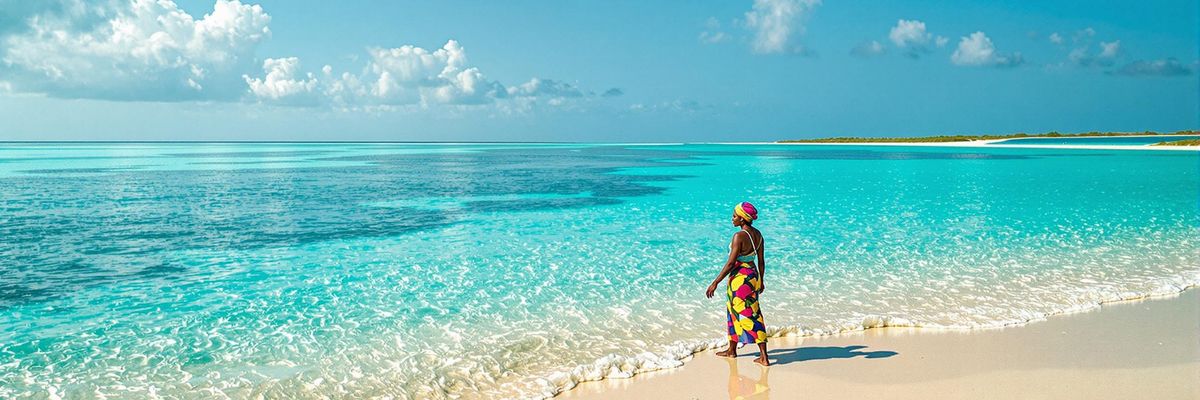
Xai-Xai: A Coastal Retreat
Relax on the beaches and explore the reefs of Xai-Xai.
View More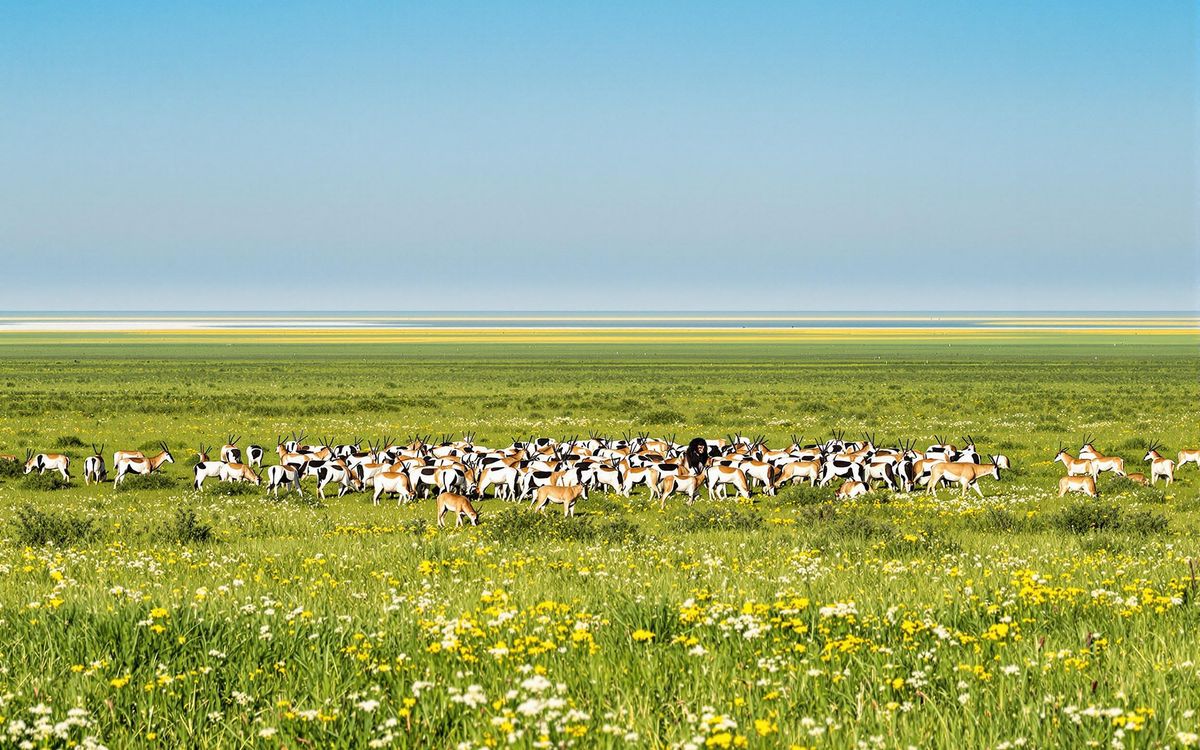

Venture into the heart of Botswana and discover the raw, untamed beauty of the Central Kalahari Game Reserve (CKGR), a realm where the spirit of Africa roams free.
Imagine a place where the horizon stretches endlessly, unburdened by the touch of civilization, where the silence is broken only by the whispers of the wind and the calls of the wild. This is the Central Kalahari Game Reserve, a sanctuary of immense proportions, sprawling across 52,800 square kilometers in the heart of Botswana. Larger than Switzerland , it stands as one of the largest and most isolated game reserves on the continent. Here, the air is intensely dry , carrying the scent of sun-baked earth and distant rain, and the heat shimmers off the vast open plains, creating mirages that dance on the horizon. The CKGR is a place to lose yourself in the boundlessness of nature, to reconnect with the primal rhythms of the earth, and to experience a silence so profound it speaks to the soul.
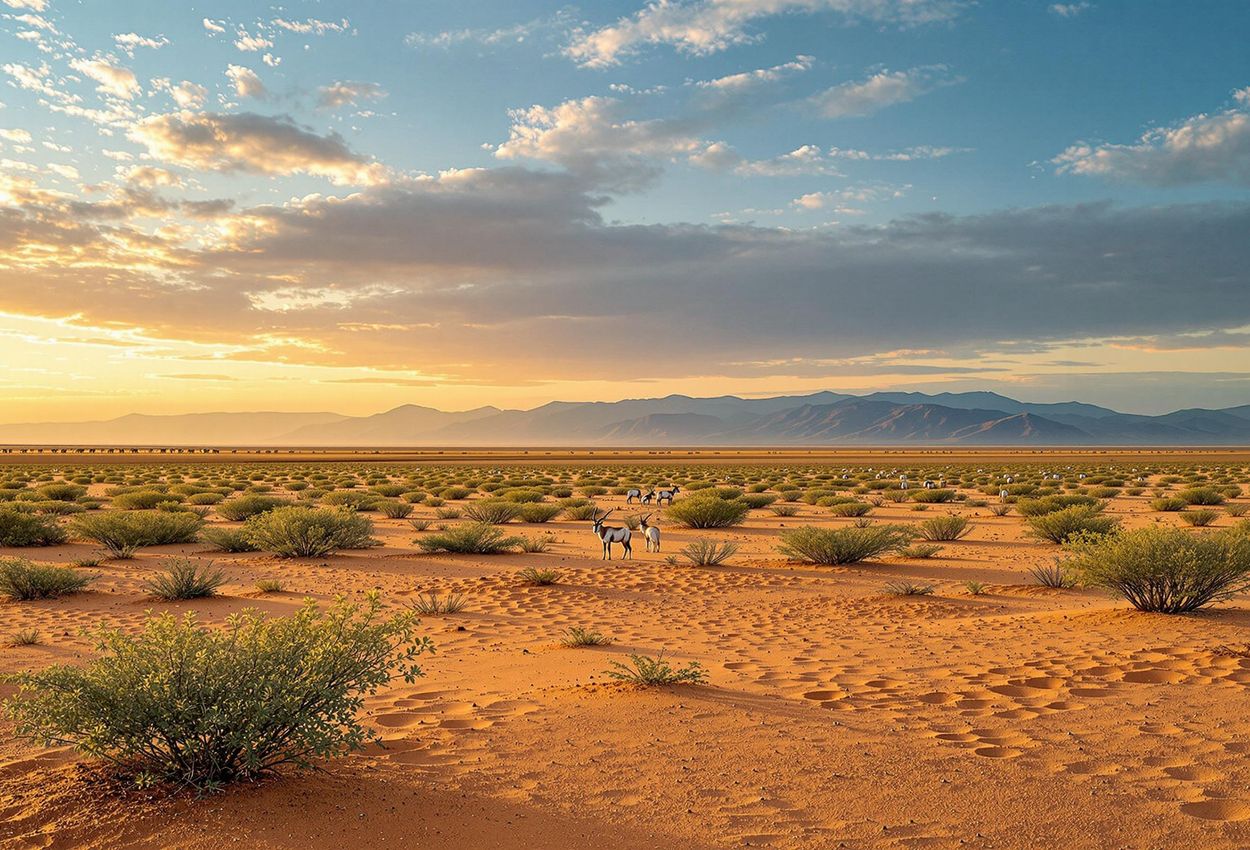
The landscape of the CKGR is a tapestry woven from open grasslands, ancient salt pans, and fossil riverbeds. These geographical features tell tales of a time when water flowed freely, shaping the land and nurturing abundant life. Today, these dry riverbeds serve as vital arteries, drawing wildlife from far and wide, especially after the life-giving summer rains. The sense of solitude here is palpable, a reminder of the CKGR's remoteness and its position as a true wilderness.
Prepare to be captivated by the sheer scale of the reserve, where every sunrise paints a new masterpiece across the sky and every sunset ignites the horizon with fiery hues. The Central Kalahari Game Reserve is more than just a destination; it's an experience that will leave an indelible mark on your soul.
In the heart of the Central Kalahari lies Deception Valley, a place of stark beauty and surprising abundance, where the parched earth awakens with the touch of the rains.
Deception Valley, a renowned fossil riverbed, earned its evocative name from the shimmering mirages that often deceive travelers into believing water is present. This illusion, however, belies the valley's true magic. From November to March, the summer rains sweep across the Kalahari, transforming the arid landscape into a vibrant green oasis. The dry riverbeds awaken, drawing wildlife in astonishing numbers.
Here, you'll witness herds of springbok and gemsbok grazing on the fresh grasses, their numbers swelling as the rains continue. Wildebeest thunder across the plains, their calves following close behind, creating a spectacle of life and renewal. And where there are herbivores, predators are sure to follow. The Kalahari lions, with their distinctive black manes, stalk the valley, their powerful presence adding a thrilling edge to the serene landscape. Cheetahs, perfectly adapted to the open terrain, sprint across the plains in pursuit of prey, offering unforgettable sightings for those fortunate enough to witness their speed and agility.
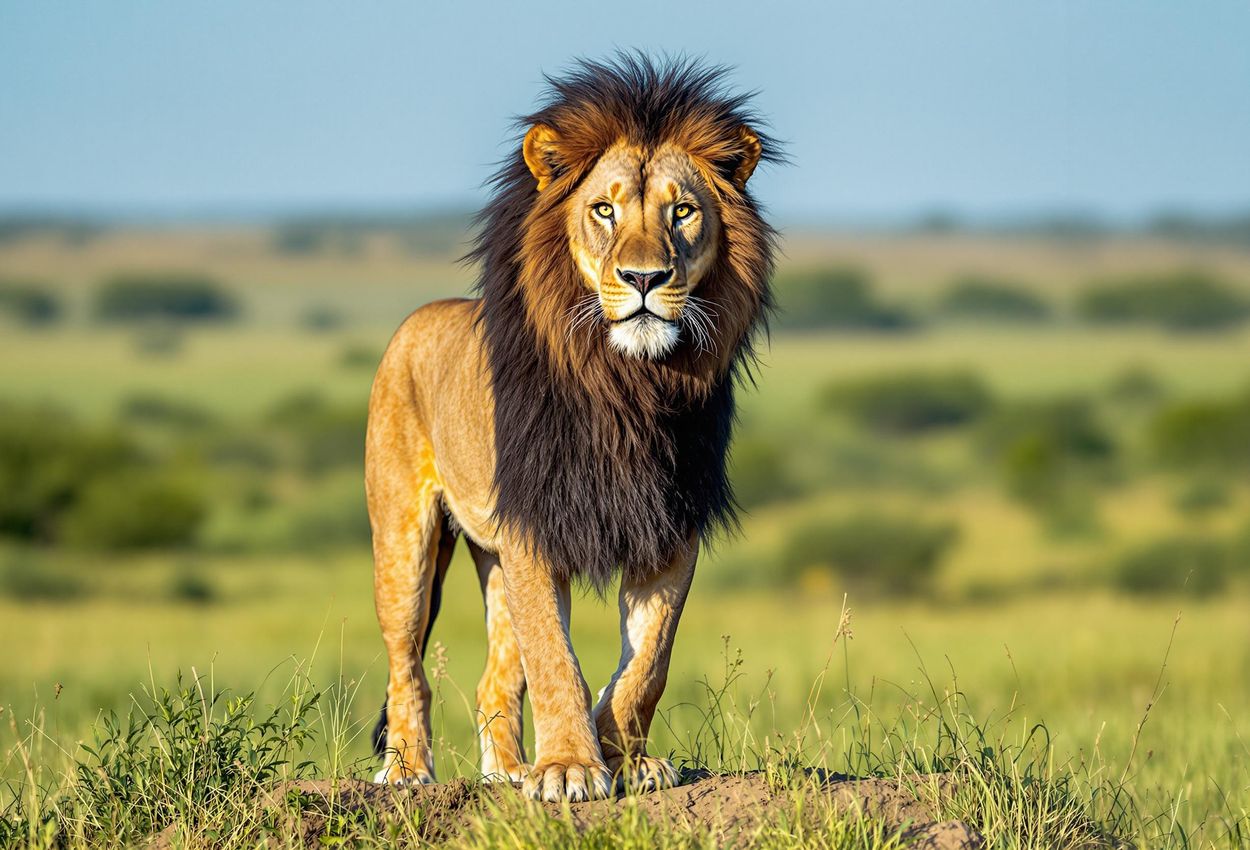
The transformation of Deception Valley is a testament to the resilience of life in the Kalahari, a reminder that even in the harshest environments, nature finds a way to flourish. The valley becomes a haven, a place of concentrated wildlife activity, making it a prime destination for game viewing.
Hidden Gem: The best time to experience Deception Valley in its full glory is during and immediately after the rains, from late December to May. This is when the valley is at its greenest, the wildlife is most abundant, and the photographic opportunities are simply breathtaking.
The Central Kalahari offers a unique opportunity to connect with the San Bushmen, the indigenous people of this ancient land, and to learn from their profound knowledge and enduring traditions.
For millennia, the San have called the Kalahari home, their lives intricately interwoven with the rhythms of the desert. Their deep understanding of the land, passed down through generations, is a testament to their resilience and adaptability. They possess an unparalleled knowledge of the local flora and fauna, knowing which plants provide sustenance, which offer medicinal properties, and which can be used to create tools and shelter.
Today, visitors to the Central Kalahari can engage in guided walks and cultural tours led by San guides, offering a rare glimpse into their world. These experiences provide an opportunity to learn about their traditional hunting and gathering techniques, their intricate social structures, and their unique spiritual beliefs. You might witness their skill in crafting traditional tools, their expertise in tracking animals, or their ability to find water in the driest of landscapes.
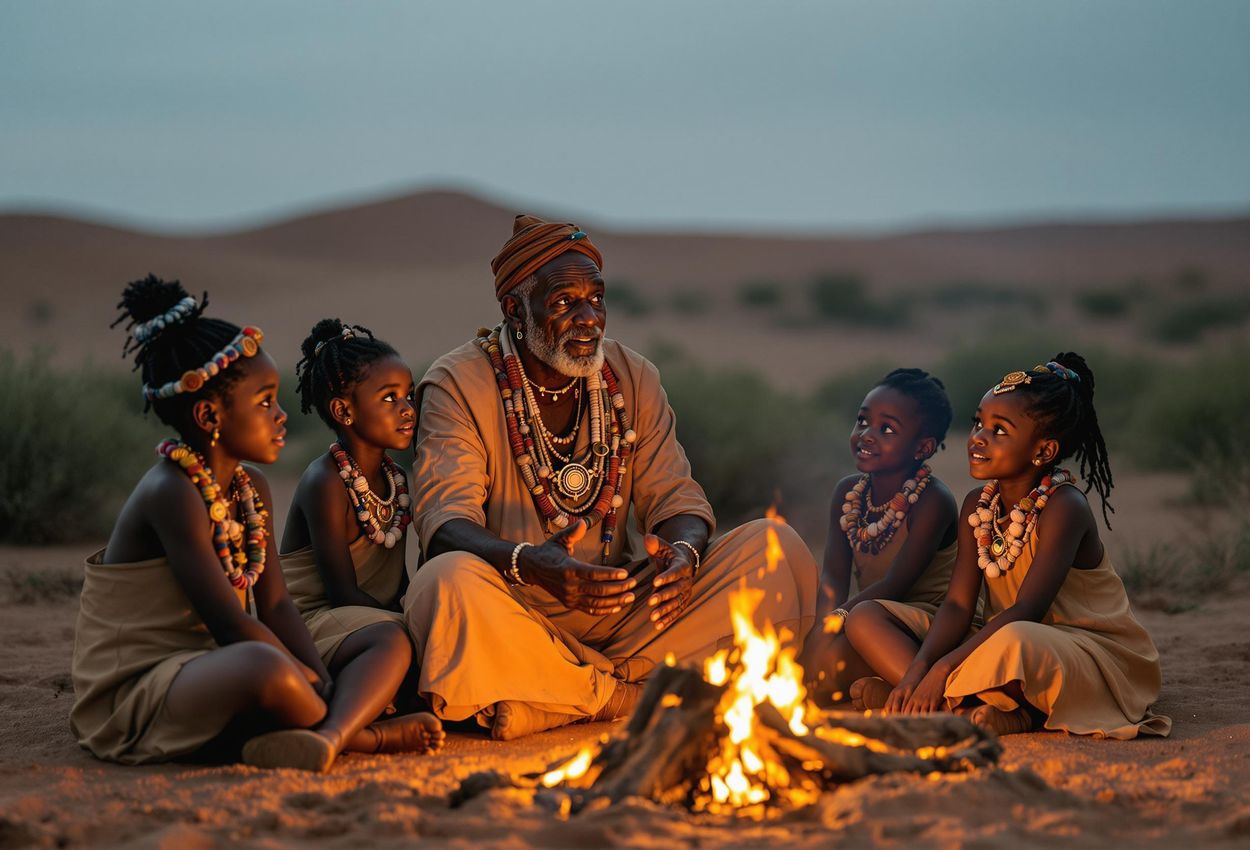
However, the San face numerous challenges in preserving their way of life in the face of modernization and external pressures. By supporting cultural tourism initiatives, visitors can contribute to the preservation of their heritage and empower them to maintain their traditions for future generations.
Hidden Gem: The San possess an extraordinary ability to categorize thousands of plants and their uses, from nutritional to medicinal. Their knowledge of the natural world is a treasure trove of information, offering valuable insights into sustainable living and the interconnectedness of all things.
Embarking on a self-sufficient 4x4 adventure in the Central Kalahari requires meticulous planning and preparation, but the rewards are immeasurable for those who seek true wilderness.
The Central Kalahari is a realm for the self-reliant traveler, demanding a robust 4x4 vehicle capable of handling deep sand and challenging terrain. Before venturing into the reserve, ensure your vehicle is in top condition and equipped with essential recovery gear, including a jack, tow rope, and tire repair kit.
Given the limited facilities within the reserve, meticulous planning is crucial. Carry ample fuel, as there are no filling stations within the CKGR. A minimum of 5 liters of water per person per day is essential, along with sufficient food and supplies for the duration of your stay. Camping equipment must be sturdy and reliable, capable of withstanding the harsh desert conditions.
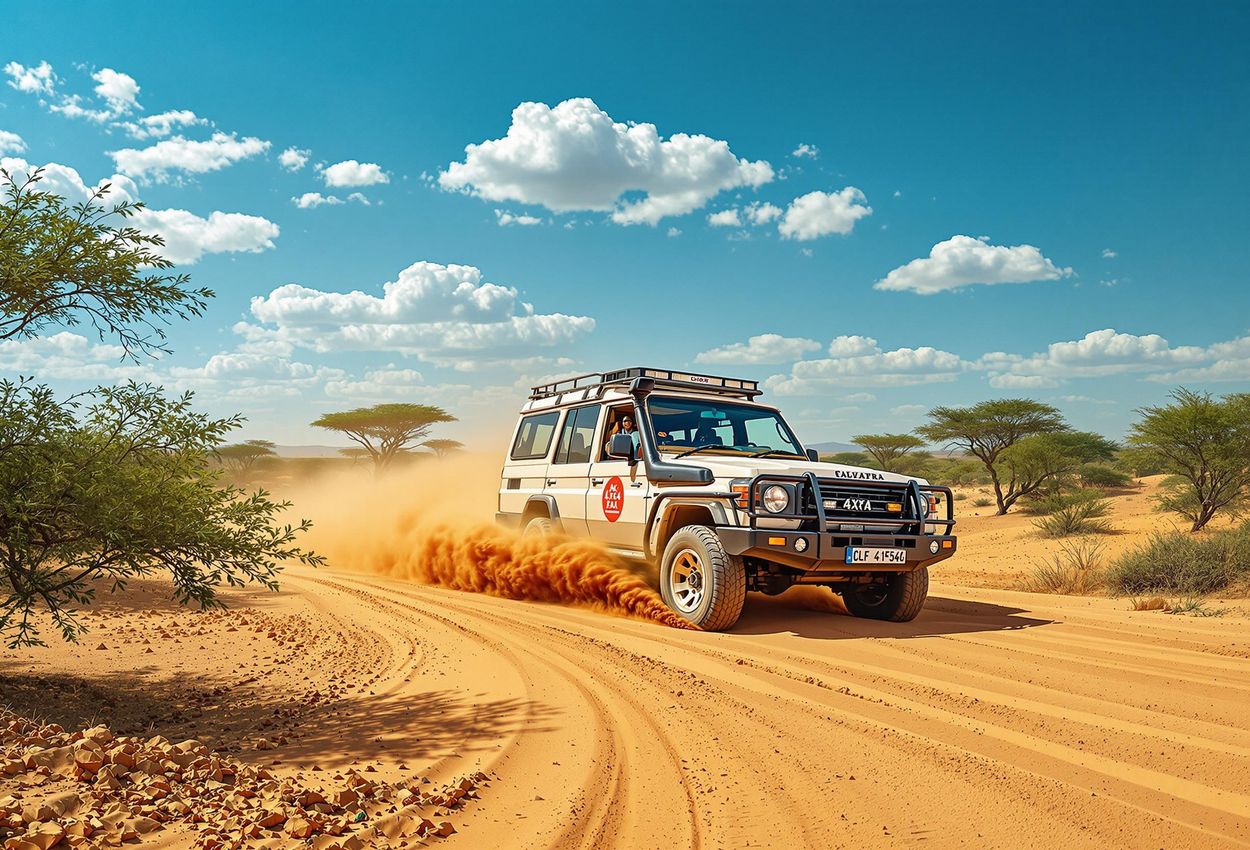
Matswere Gate, located in the northeast of the reserve, is often considered the most accessible entrance point. It is situated approximately 45 kilometers from the town of Rakops, where you can find the nearest fuel station and stock up on last-minute supplies.
Hidden Gem: Navigation in the Central Kalahari can be challenging, so it's highly recommended to carry a GPS device loaded with Tracks4Africa maps. These maps provide detailed information on tracks, campsites, and water sources, ensuring you stay on course and discover the hidden gems of the reserve.
The Central Kalahari is a haven for predators, offering thrilling opportunities to witness cheetahs, wild dogs, and leopards in their natural habitat.
The CKGR's vast open plains and diverse habitats provide the perfect stage for predator sightings. Cheetahs, masters of speed and agility, are often spotted in Deception Valley, where they hunt springbok and other plains game. Their graceful movements and incredible acceleration make for unforgettable wildlife encounters.
Wild dogs, also known as painted wolves, roam the reserve in packs, their distinctive markings and social behavior captivating observers. These highly efficient hunters often work together to bring down prey, showcasing their intelligence and teamwork.
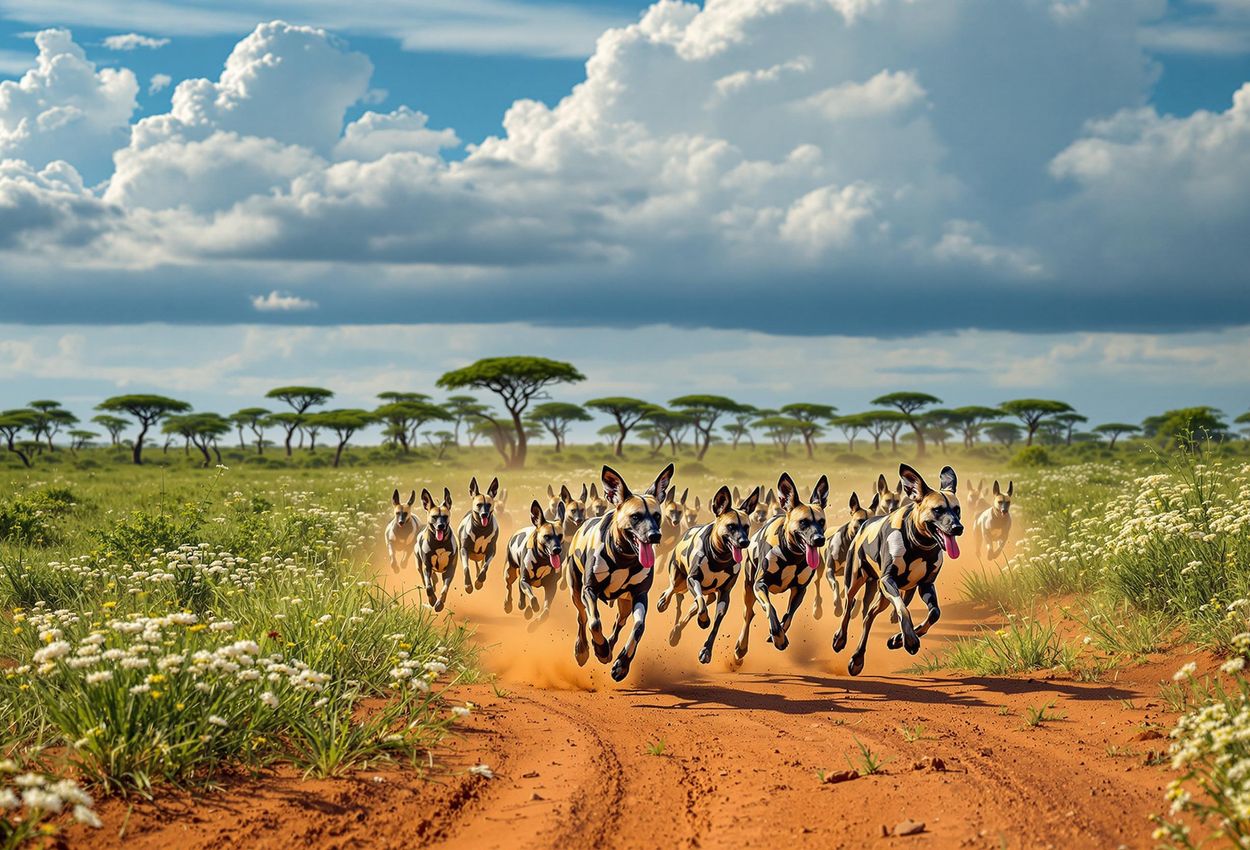
Leopards, elusive and solitary, prefer the more vegetated areas of the Central Kalahari, such as the Letiahau Valley. Spotting these magnificent cats requires patience and a keen eye, but the reward is well worth the effort.
The thrill of witnessing these predators in their natural environment is amplified by the raw beauty and untamed nature of the Central Kalahari. As you traverse the landscape, listen for the distant calls of lions, a reminder of the wildness that surrounds you. Keep your eyes peeled for the telltale signs of predators: tracks in the sand, alarm calls from birds, or the sudden stillness of prey animals.
Choosing the right time to visit the Central Kalahari can significantly enhance your game-viewing experience, as the seasons dramatically influence the landscape and wildlife activity.
The best time for overall game viewing is during and after the summer rains, from December to May. During this period, the landscape undergoes a remarkable transformation, with lush grasses and wildflowers blanketing the plains. This abundance of vegetation attracts large herds of herbivores, which in turn draw predators.
Alternatively, the dry season, from April to October, offers a different but equally rewarding experience. As water becomes scarce, animals congregate around waterholes, making them easier to spot. However, the landscape can be dry and dusty during this time.
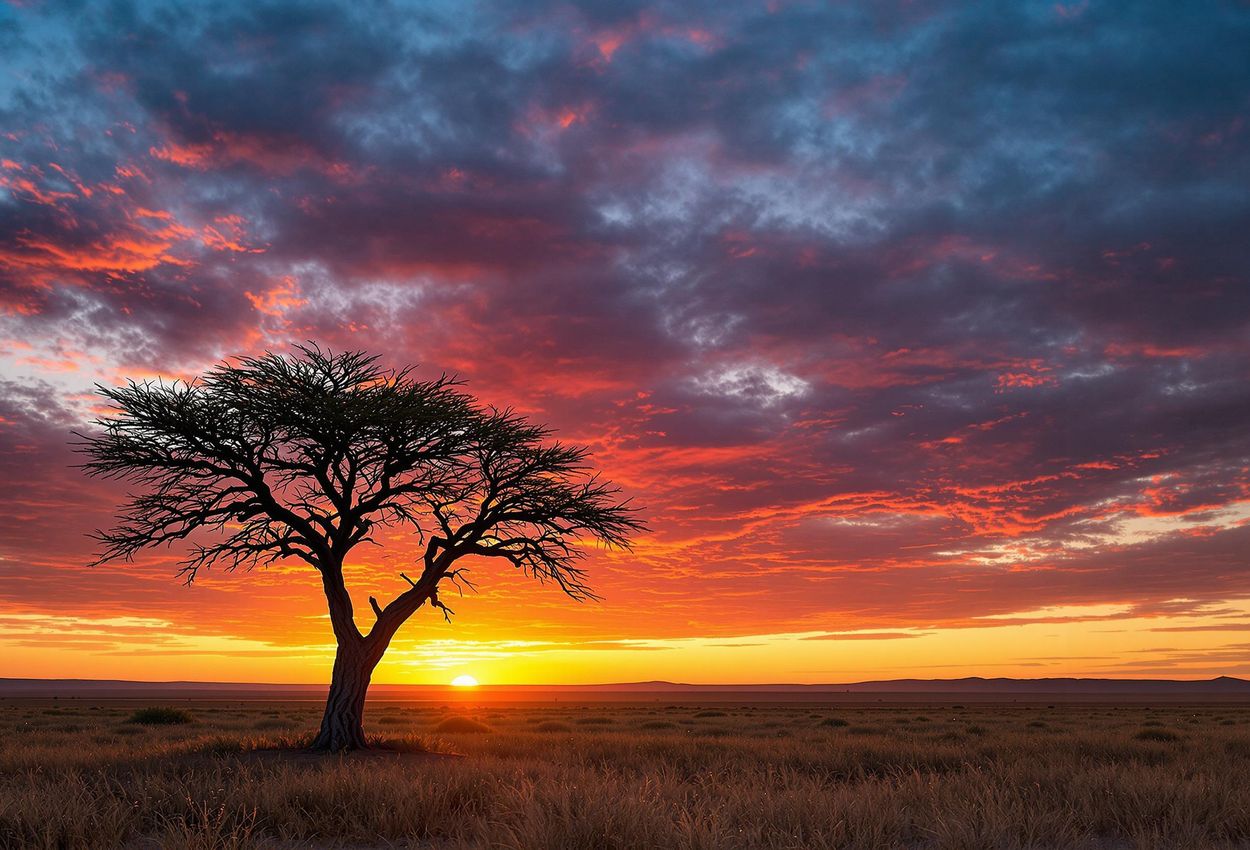
Hidden Gem: April and May offer a sweet spot, balancing receding waters, concentrated wildlife, and more navigable road conditions. This is an ideal time to witness the Central Kalahari at its best, with pleasant temperatures and fewer crowds.
Ultimately, the best time to visit depends on your preferences. Whether you seek the vibrant energy of the rainy season or the stark beauty of the dry season, the Central Kalahari promises an unforgettable adventure.
Our editors` picks of the latest and greatest in travel - delivered to your inbox daily
Relax on the beaches and explore the reefs of Xai-Xai.
View More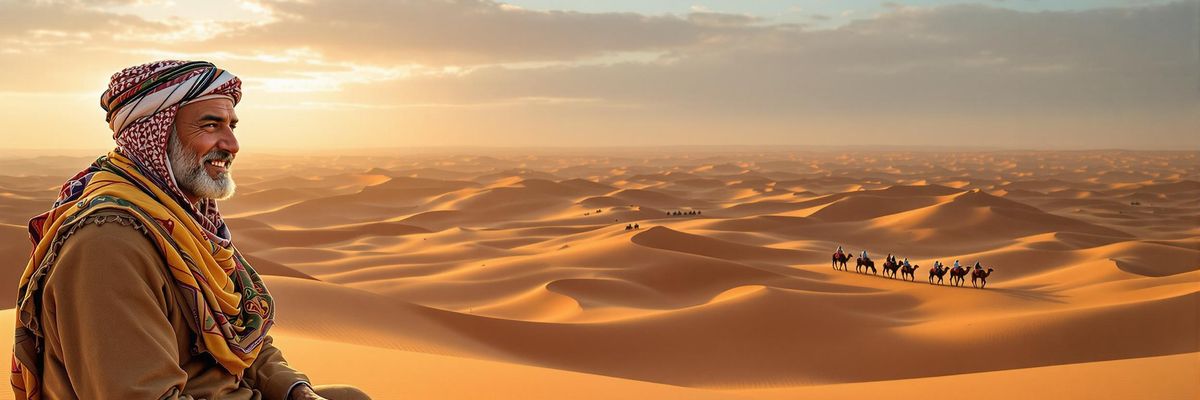
Embrace the cooler temperatures and experience the International Festival of the Sahara in Douz this December.
View More
Celebrate the year-end festivities in Accra, culminating in the vibrant Afrofuture festival.
View More Albania EDITION
 Algeria EDITION
 Argentina EDITION
 Armenia EDITION
 Australia EDITION
 Austria EDITION
 Bangladesh EDITION
 Belgium EDITION
 Belize EDITION
 Benin EDITION
 Bhutan EDITION
 Bolivia EDITION
 Bosnia and Herzegovina EDITION
 Botswana EDITION
 Brazil EDITION
 Bulgaria EDITION
 Burkina Faso EDITION
 Cambodia EDITION
 Cameroon EDITION
 Canada EDITION
 Central African Republic EDITION
 Chad EDITION
 Chile EDITION
 China EDITION
 Colombia EDITION
 Costa Rica EDITION
 Croatia EDITION
 Cyprus EDITION
 Denmark EDITION
 Djibouti EDITION
 Ecuador EDITION
 Egypt EDITION
 El Salvador EDITION
 Eritrea EDITION
 Estonia EDITION
 Ethiopia EDITION
 Finland EDITION
 France EDITION
 Gabon EDITION
 Georgia EDITION
 Germany EDITION
 Ghana EDITION
 Greece EDITION
 Guatemala EDITION
 Guinea EDITION
 Guinea-Bissau EDITION
 Honduras EDITION
 Hungary EDITION
 Iceland EDITION
 India EDITION
 Indonesia EDITION
 Ireland EDITION
 Israel EDITION
 Italy EDITION
 Jamaica EDITION
 Japan EDITION
 Jordan EDITION
 Kenya EDITION
 Kuwait EDITION
 Laos EDITION
 Latvia EDITION
 Lebanon EDITION
 Lesotho EDITION
 Liberia EDITION
 Lithuania EDITION
 Luxembourg EDITION
 Madagascar EDITION
 Malawi EDITION
 Malaysia EDITION
 Maldives EDITION
 Mali EDITION
 Malta EDITION
 Mauritania EDITION
 Mauritius EDITION
 Mexico EDITION
 Mongolia EDITION
 Montenegro EDITION
 Morocco EDITION
 Mozambique EDITION
 Namibia EDITION
 Nepal EDITION
 Netherlands EDITION
 New Zealand EDITION
 Nicaragua EDITION
 Niger EDITION
 Nigeria EDITION
 Norway EDITION
 Oman EDITION
 Pakistan EDITION
 Panama EDITION
 Papua New Guinea EDITION
 Paraguay EDITION
 Peru EDITION
 Philippines EDITION
 Poland EDITION
 Portugal EDITION
 Qatar EDITION
 Romania EDITION
 Rwanda EDITION
 Saudi Arabia EDITION
 Senegal EDITION
 Serbia EDITION
 Singapore EDITION
 Slovakia EDITION
 Slovenia EDITION
 Somalia EDITION
 South Africa EDITION
 South Korea EDITION
 Spain EDITION
 Sri Lanka EDITION
 Suriname EDITION
 Sweden EDITION
 Switzerland EDITION
 Tanzania EDITION
 Thailand EDITION
 Tunisia EDITION
 Uganda EDITION
 United Arab Emirates EDITION
 United Kingdom EDITION
 Uruguay EDITION
 Venezuela EDITION
 Vietnam EDITION
 Zambia EDITION
 Zimbabwe EDITION
Subscribe to our newsletter and get the most captivating travel stories, hidden gems, and expert insights delivered straight to your inbox. As a subscriber, you’ll be first in line for exclusive content, premium offers, and unforgettable travel experiences