


Destination Guide
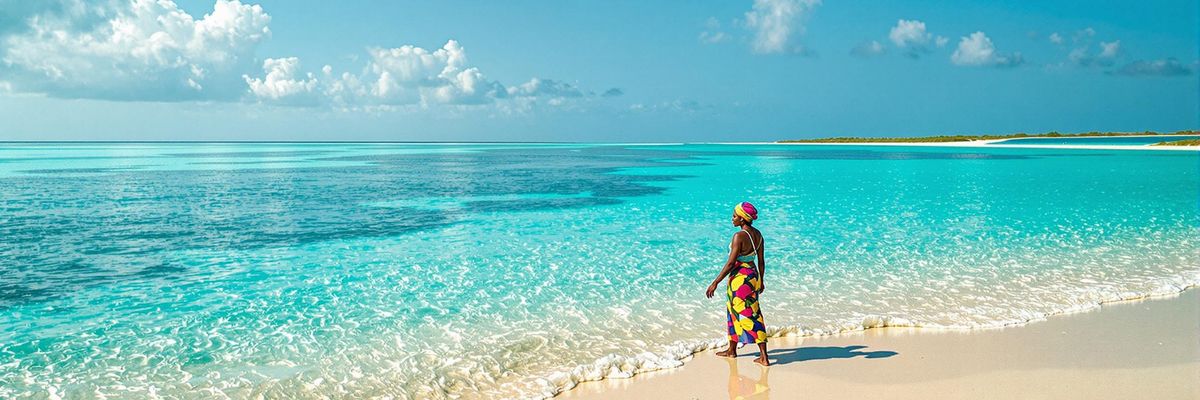
Xai-Xai: A Coastal Retreat
Relax on the beaches and explore the reefs of Xai-Xai.
View More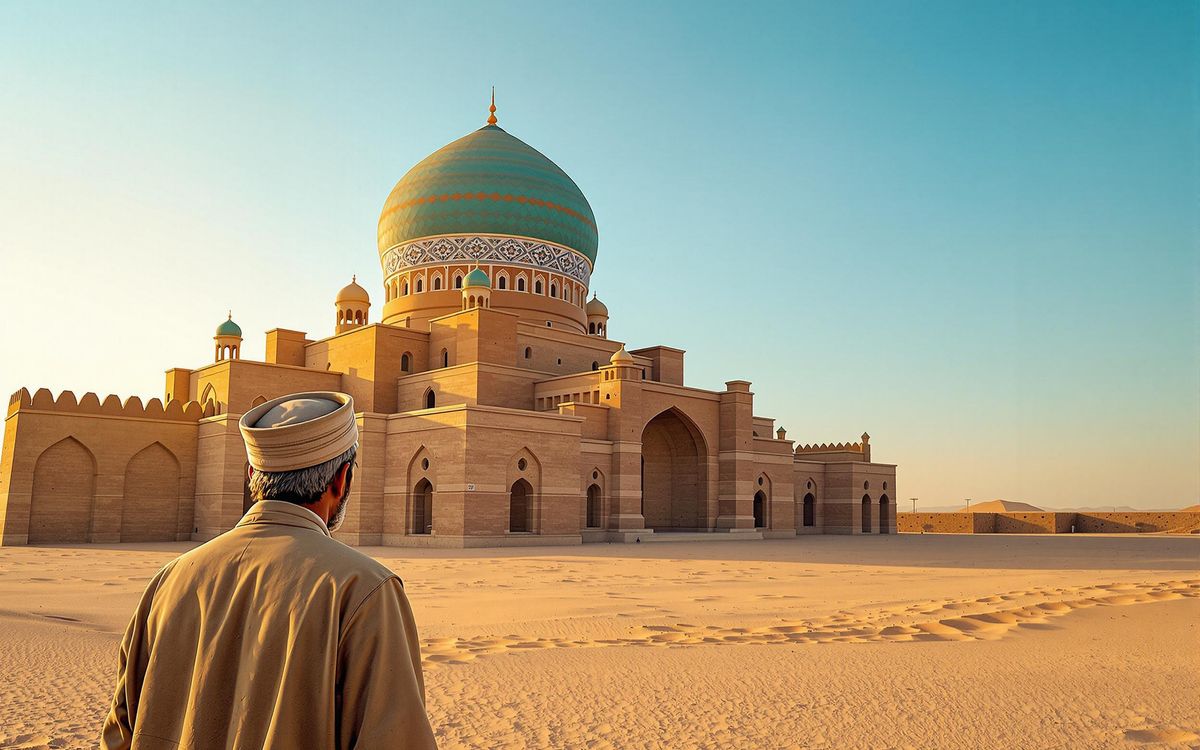

In the heart of Turkmenistan, amidst the sprawling Karakum Desert, lies Ancient Merv, a city that once stood as a vibrant jewel on the Silk Road. Today, it is a UNESCO World Heritage Site, inviting travelers to unearth its rich history and architectural wonders.
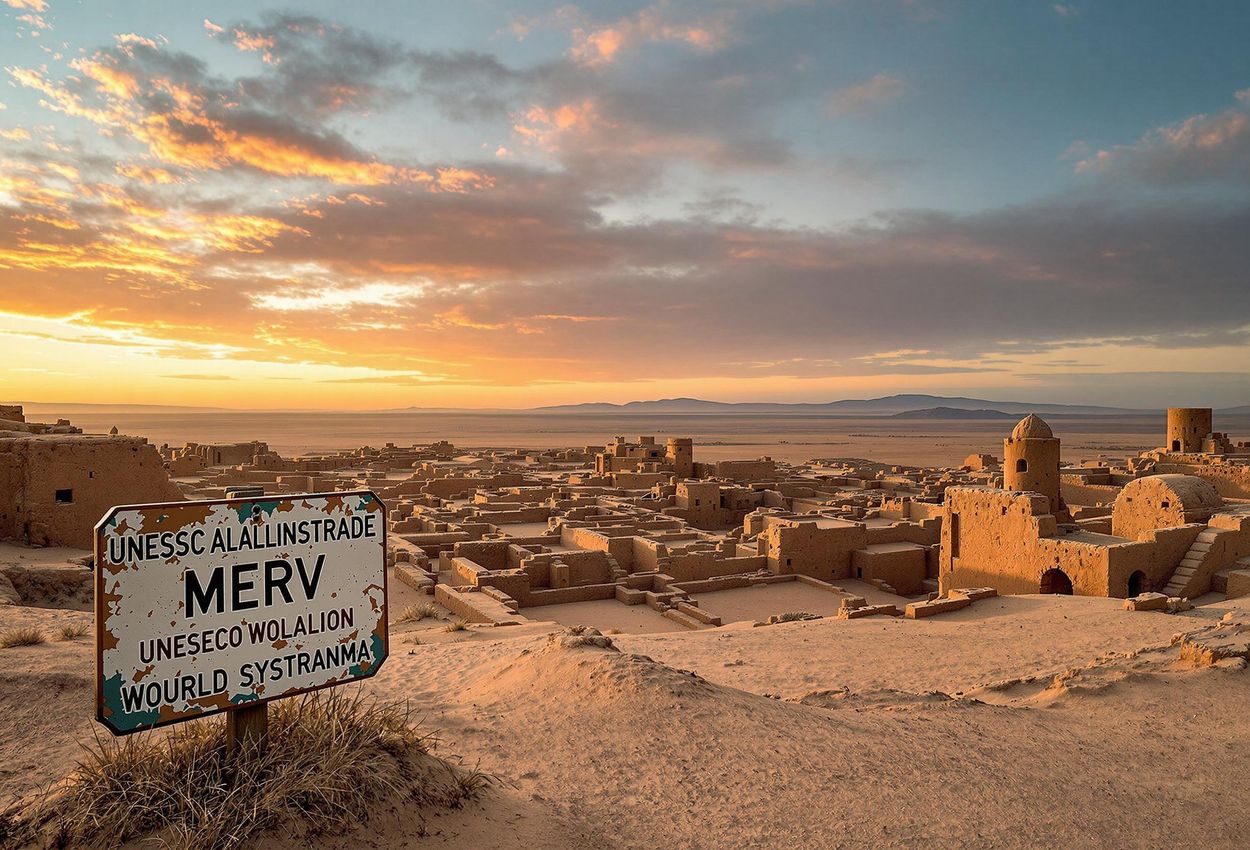
As you approach Merv, the immensity of the desert landscape is striking. The air is dry, carrying the subtle scent of earth and the whispers of wind that seem to echo the voices of centuries past. This ancient oasis, located near the modern city of Mary, Turkmenistan, was strategically positioned on the Silk Road, serving as a crucial hub for trade, culture, and the exchange of ideas between East and West. Its history spans over 4,000 years, with settlements dating back to the 3rd millennium BC.
The Murgab River played a vital role in the city's existence, providing the necessary water for agriculture and sustaining its population. This lifeline allowed Merv to flourish, becoming a major urban center and a melting pot of diverse cultures and religions. Zoroastrians, Christians, Buddhists, and Muslims all left their mark on the city, contributing to its unique identity and historical significance.
Known as “Merv – Queen of the World”, during its prime, it was a center for commerce, religion, and culture, rivaling cities like Damascus and Baghdad as the major cities of Islamic world. The city's strategic location made it a coveted prize, leading to numerous conquests and periods of rule by various empires, including the Achaemenids, Greeks, Parthians, and Seljuks. Each ruler left their imprint on the city, adding to its architectural and cultural tapestry.
Walking through the ruins of Merv today, one can't help but feel a sense of awe and wonder at the resilience of this ancient city. Despite the ravages of time and the destruction wrought by invading armies, the remnants of its once-grand structures still stand as a testament to its enduring legacy. The scale of the complex, covering over 1,500 hectares, is a testament to its historical importance and the various periods it has witnessed.
Local Tip: Engage a local guide to truly appreciate the historical context and hidden stories within the ruins. Their insights can bring the ancient city to life, offering a deeper understanding of its significance and the lives of its inhabitants.
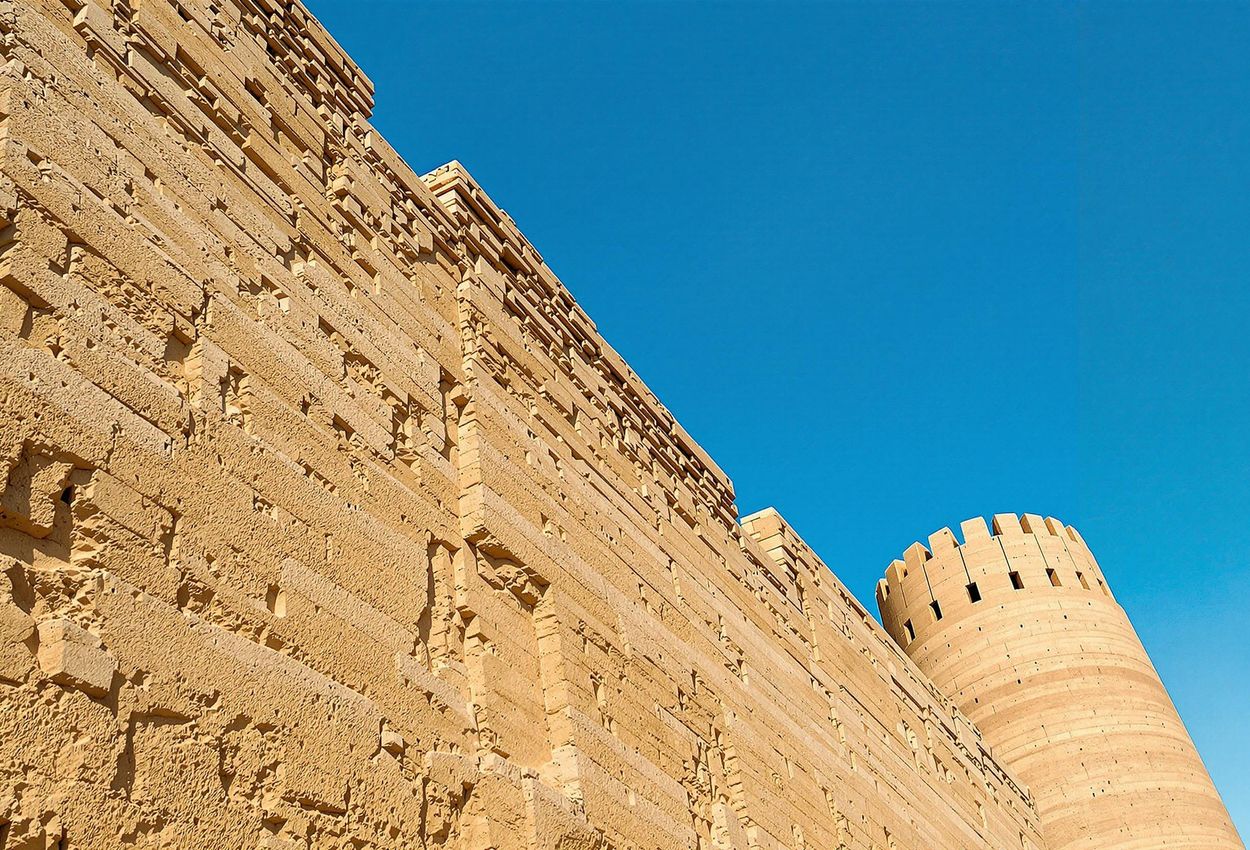
As you venture deeper into Merv, you'll encounter Erk-Kala, the oldest section of the city, dating back to the 6th century BC during the Achaemenid Empire. This ancient citadel stands as a silent sentinel, its imposing walls whispering tales of battles, conquests, and the ebb and flow of civilizations.
Erk-Kala was constructed as a Persian-style fortress, serving as both a military stronghold and an acropolis. Its strategic location on a raised hill provided a commanding view of the surrounding landscape, allowing its defenders to monitor the horizon for approaching threats. The fortress walls, remarkably well-preserved, rise to a height of 25-29 meters, a testament to the engineering prowess of the ancient builders.
One unique aspect of Erk-Kala is its entrance, located on a raised hill on the south side. This design feature added an extra layer of defense, making it more difficult for invaders to breach the fortress. As you approach the entrance, imagine the soldiers who once stood guard, their eyes scanning the horizon for any sign of danger.
Archaeological excavations at Erk-Kala have unearthed a wealth of artifacts, providing valuable insights into the lives of its inhabitants. Pottery fragments adorned with geometric designs, large storage pots (khumchas) buried in the ground, and bronze arrowheads similar to those found in Persepolis have all been discovered. These finds suggest a connection to the Achaemenid Empire and offer a glimpse into the trade and cultural exchanges that took place in Merv during that era.
Walking through Erk-Kala today, you can almost feel the weight of history beneath your feet. The collapsed structures and walls, shaped like a volcanic crater, evoke a sense of awe and wonder. Imagine the bustling activity that once filled this citadel, the soldiers drilling, the artisans crafting, and the merchants trading their wares. Erk-Kala stands as a powerful reminder of Merv's strategic importance and its role as a crossroads of civilizations.
Hidden Gem: Seek out the remnants of the fire temple within Erk-Kala. This sacred space offers a glimpse into the religious practices of the ancient inhabitants and provides a unique perspective on the city's cultural heritage.

Rising majestically from the desert landscape, the Mausoleum of Sultan Sanjar is a testament to the architectural prowess of the Seljuk Empire and a poignant reminder of a ruler's legacy. This iconic structure, with its towering dome and intricate brickwork, stands as one of the most impressive surviving monuments of medieval Islamic architecture in Central Asia.
Sultan Sanjar, the last great Seljuk ruler, reigned from 1118 to 1157, a period of relative stability and prosperity for the region. Merv flourished under his rule, becoming a major center of Islamic science and culture, attracting renowned poets, musicians, physicians, mathematicians, and astronomers. The mausoleum, built shortly before his death in 1157, was intended to be a symbol of his power and a lasting tribute to his reign.
The mausoleum is a square building, measuring 27 meters per side, topped with a dome that reaches a height of 38 meters. The dome's original turquoise tiles, now mostly gone, once created the illusion of a sky, a fitting tribute to a ruler who saw himself as the center of his world. Legend says that the turquoise dome was visible from a day's journey away. The intricate brick patterns and geometric designs that adorn the mausoleum's exterior are a testament to the skill and artistry of the Seljuk architects.
Inside, the mausoleum's design is equally remarkable. The main chamber houses the tomb of Sultan Sanjar, and the interior walls are decorated with geometric patterns and inscriptions. The structure combines functionality with an expression of divine authority and celestial symbolism. The mausoleum influenced later Islamic architecture in Central Asia, serving as a model for subsequent funerary monuments.
Despite the ravages of time and the destruction caused by earthquakes and invading armies, the Mausoleum of Sultan Sanjar has survived, a testament to the strength of its construction and the enduring power of its symbolism. The mausoleum stands as a reminder of Merv's golden age and the legacy of Sultan Sanjar, a ruler who left an indelible mark on the history of Central Asia.
Local Tip: Visit the mausoleum at sunrise or sunset to witness the dome bathed in the warm glow of the sun. The play of light and shadow on the intricate brickwork creates a truly magical experience.
Our editors` picks of the latest and greatest in travel - delivered to your inbox daily
Relax on the beaches and explore the reefs of Xai-Xai.
View More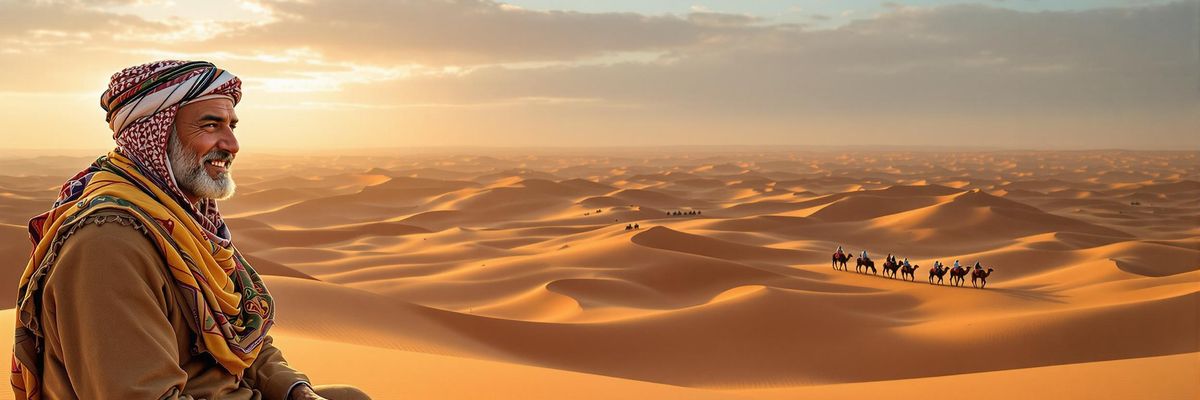
Embrace the cooler temperatures and experience the International Festival of the Sahara in Douz this December.
View More
Celebrate the year-end festivities in Accra, culminating in the vibrant Afrofuture festival.
View More Albania EDITION
 Algeria EDITION
 Argentina EDITION
 Armenia EDITION
 Australia EDITION
 Austria EDITION
 Bangladesh EDITION
 Belgium EDITION
 Belize EDITION
 Benin EDITION
 Bhutan EDITION
 Bolivia EDITION
 Bosnia and Herzegovina EDITION
 Botswana EDITION
 Brazil EDITION
 Bulgaria EDITION
 Burkina Faso EDITION
 Cambodia EDITION
 Cameroon EDITION
 Canada EDITION
 Central African Republic EDITION
 Chad EDITION
 Chile EDITION
 China EDITION
 Colombia EDITION
 Costa Rica EDITION
 Croatia EDITION
 Cyprus EDITION
 Denmark EDITION
 Djibouti EDITION
 Ecuador EDITION
 Egypt EDITION
 El Salvador EDITION
 Eritrea EDITION
 Estonia EDITION
 Ethiopia EDITION
 Finland EDITION
 France EDITION
 Gabon EDITION
 Georgia EDITION
 Germany EDITION
 Ghana EDITION
 Greece EDITION
 Guatemala EDITION
 Guinea EDITION
 Guinea-Bissau EDITION
 Honduras EDITION
 Hungary EDITION
 Iceland EDITION
 India EDITION
 Indonesia EDITION
 Ireland EDITION
 Israel EDITION
 Italy EDITION
 Jamaica EDITION
 Japan EDITION
 Jordan EDITION
 Kenya EDITION
 Kuwait EDITION
 Laos EDITION
 Latvia EDITION
 Lebanon EDITION
 Lesotho EDITION
 Liberia EDITION
 Lithuania EDITION
 Luxembourg EDITION
 Madagascar EDITION
 Malawi EDITION
 Malaysia EDITION
 Maldives EDITION
 Mali EDITION
 Malta EDITION
 Mauritania EDITION
 Mauritius EDITION
 Mexico EDITION
 Mongolia EDITION
 Montenegro EDITION
 Morocco EDITION
 Mozambique EDITION
 Namibia EDITION
 Nepal EDITION
 Netherlands EDITION
 New Zealand EDITION
 Nicaragua EDITION
 Niger EDITION
 Nigeria EDITION
 Norway EDITION
 Oman EDITION
 Pakistan EDITION
 Panama EDITION
 Papua New Guinea EDITION
 Paraguay EDITION
 Peru EDITION
 Philippines EDITION
 Poland EDITION
 Portugal EDITION
 Qatar EDITION
 Romania EDITION
 Rwanda EDITION
 Saudi Arabia EDITION
 Senegal EDITION
 Serbia EDITION
 Singapore EDITION
 Slovakia EDITION
 Slovenia EDITION
 Somalia EDITION
 South Africa EDITION
 South Korea EDITION
 Spain EDITION
 Sri Lanka EDITION
 Suriname EDITION
 Sweden EDITION
 Switzerland EDITION
 Tanzania EDITION
 Thailand EDITION
 Tunisia EDITION
 Uganda EDITION
 United Arab Emirates EDITION
 United Kingdom EDITION
 Uruguay EDITION
 Venezuela EDITION
 Vietnam EDITION
 Zambia EDITION
 Zimbabwe EDITION
Subscribe to our newsletter and get the most captivating travel stories, hidden gems, and expert insights delivered straight to your inbox. As a subscriber, you’ll be first in line for exclusive content, premium offers, and unforgettable travel experiences