


Destination Guide
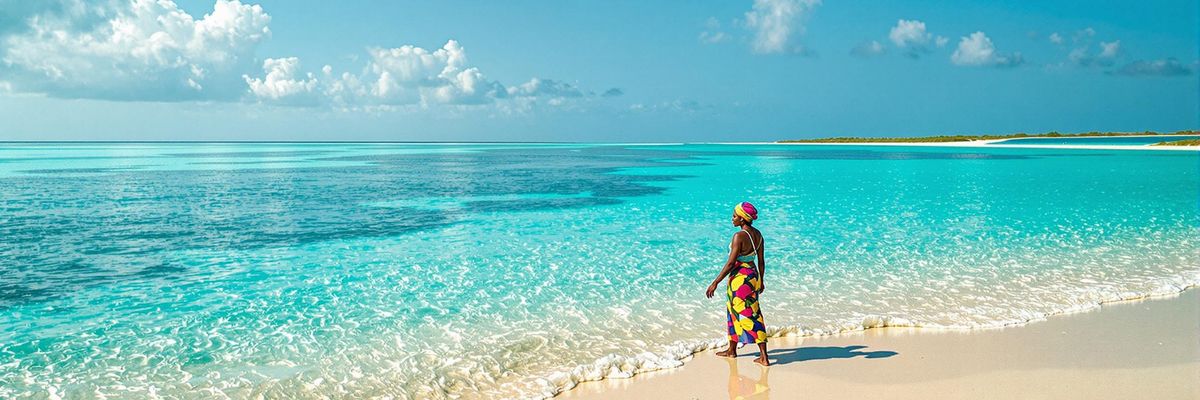
Xai-Xai: A Coastal Retreat
Relax on the beaches and explore the reefs of Xai-Xai.
View More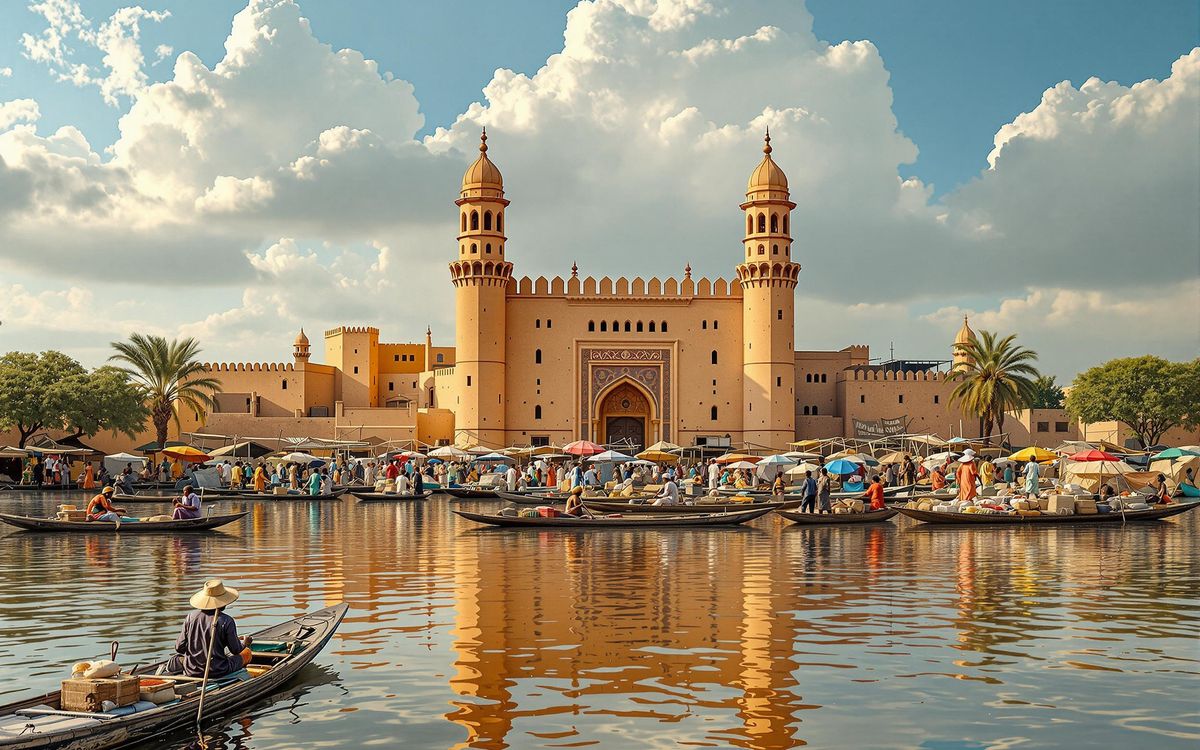

Mopti, the 'Venice of Mali', is a city teeming with life, where the Niger and Bani rivers converge, creating a vibrant hub of trade, culture, and history.
Here, the rhythm of the river dictates the pace of life, and the colorful chaos of the markets provides a sensory feast. From the stunning mud-brick architecture of the Grand Mosque to the bustling docks where goods from across West Africa arrive, Mopti offers an immersive experience unlike any other.
At the heart of Mali, where the mighty Niger and Bani rivers embrace, lies Mopti, a city whose very existence is interwoven with the waterways that cradle it. This strategic location has long defined Mopti as a vital transportation and trading hub, a place where goods and cultures from across West Africa converge. The lifeblood of the city pulses along the riverbanks, where the sounds of bustling trade, the sights of colorful boats, and the smells of the market create a symphony of sensory experiences.
Arriving in Mopti is an experience in itself. The journey often involves traversing the elevated causeway that links the city to Sévaré, a necessary passage during the months when the rivers swell and transform Mopti into a series of islands. As you approach, the skyline is punctuated by the towering Grand Mosque, a testament to the city's rich architectural heritage. The air is thick with anticipation, a sense of entering a world where the river reigns supreme.
The strategic importance of Mopti was recognized early on, with French forces developing the town's infrastructure at the end of the 19th century. This development solidified Mopti's role as a key administrative and commercial center, a position it maintains to this day. The city's growth is inextricably linked to its waterways, which serve as both a source of livelihood and a conduit for cultural exchange.
Mopti is more than just a geographical point; it's a living, breathing entity shaped by the ebb and flow of the rivers that define it. The city's heart beats in rhythm with the Niger and Bani, its spirit nourished by the diverse cultures that have come to call it home.
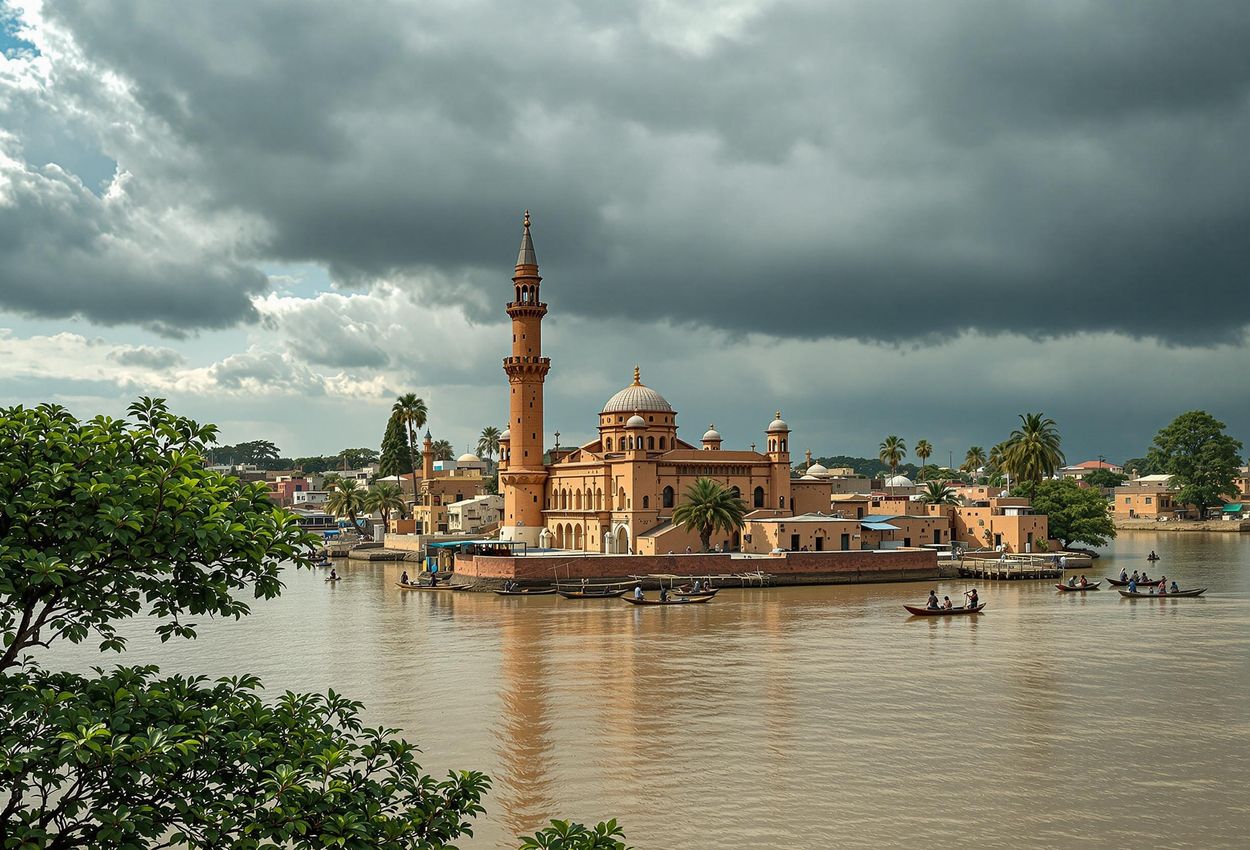
The docks of Mopti are a microcosm of the city itself: a hive of activity where the pulse of river life is palpable. Here, a vibrant tableau unfolds daily, showcasing the intricate dance between people and the river that sustains them. A myriad of boats bob and weave, each with its own story to tell. Traditional pinasses, long wooden canoes, jostle for space alongside larger trading vessels, creating a colorful mosaic against the backdrop of the Niger.
The goods being traded are as diverse as the people who trade them. Freshly caught fish, glistening under the Malian sun, are piled high, destined for markets near and far. Slabs of salt, hewn from the depths of the Sahara, arrive via camel caravan and river barge, a testament to the ancient trade routes that converge in Mopti. Livestock, too, forms a significant part of the commerce, with cattle and sheep arriving from nomadic herders, their bleating adding to the cacophony of the docks.
For a truly immersive experience, a boat trip on the Niger River is a must. As you glide along the water, Mopti reveals itself from a unique perspective, its mud-brick buildings rising majestically from the riverbanks. The possibility of spotting hippos wallowing in the shallows or a kaleidoscope of bird species flitting through the trees adds an element of adventure to the journey. The riverbanks are dotted with small fishing villages, offering glimpses into the traditional way of life of the Bozo people, who have long been masters of these waters.
The docks of Mopti are more than just a place of commerce; they are a stage upon which the drama of river life unfolds daily. A boat trip here is an invitation to witness this spectacle firsthand, to immerse yourself in the sights, sounds, and smells of a city that lives and breathes by the rhythm of the river.
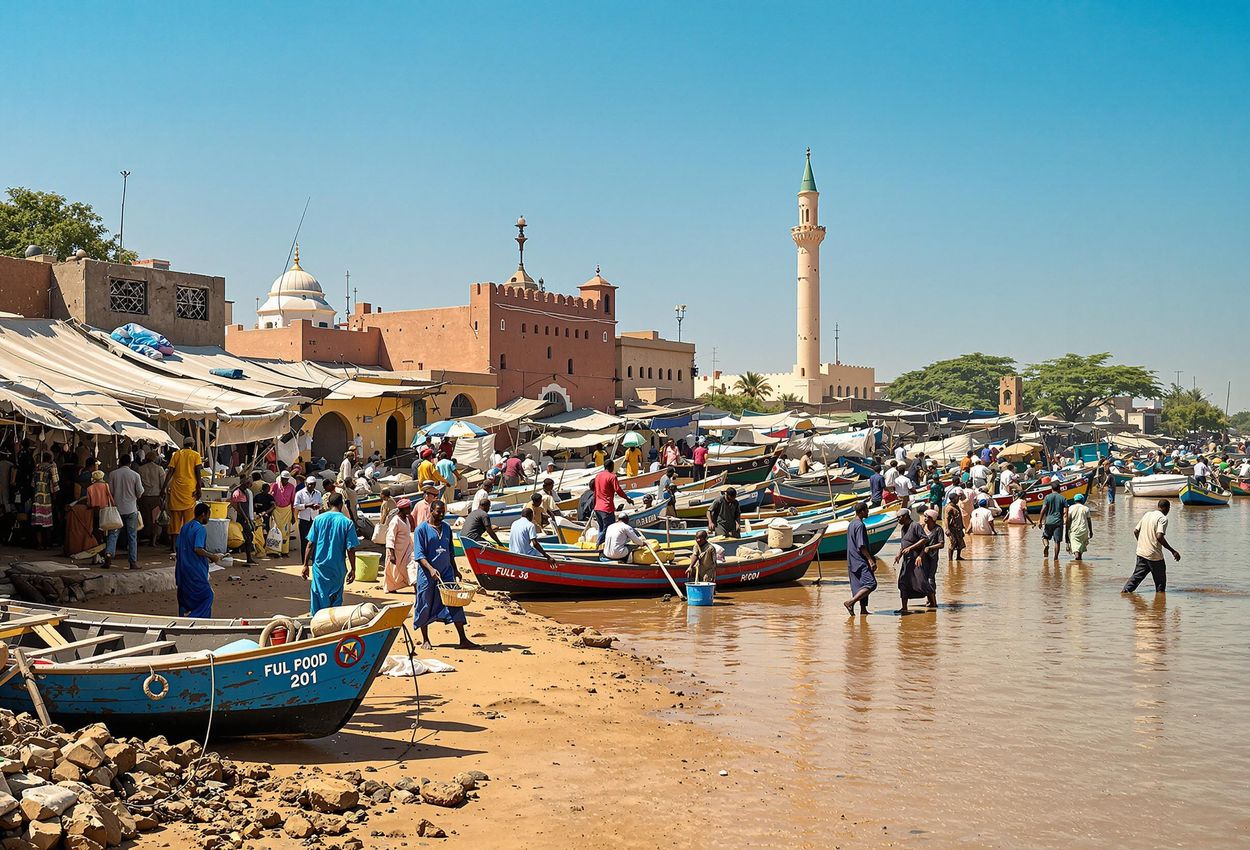
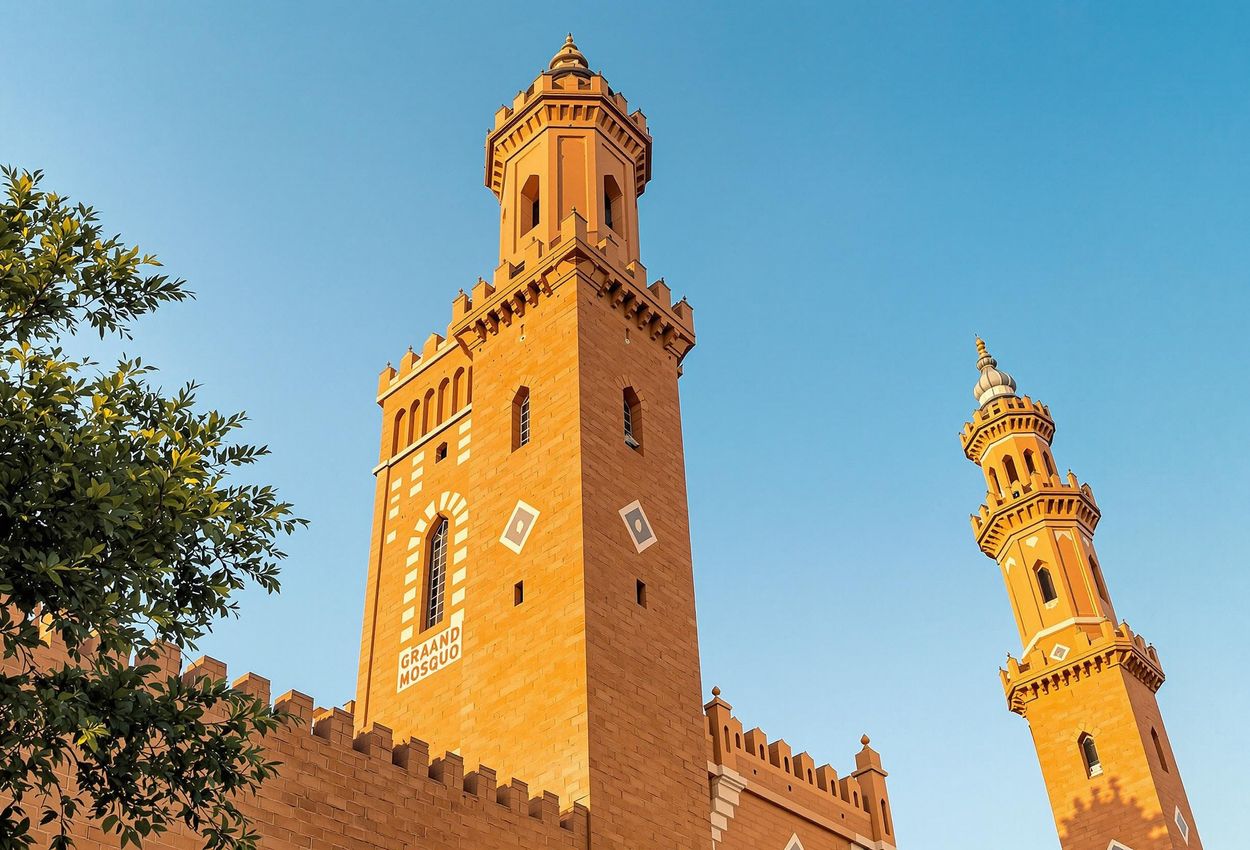
Rising majestically from the heart of Mopti, the Grand Mosque stands as a testament to the city's rich cultural and architectural heritage. This mud-brick marvel, also known as the Komoguel Mosque, is a striking example of Sudanese architecture, its towering structure dominating the skyline. Built between 1933 and 1935, the mosque stands on the site of an older mosque dating back to the early 20th century.
The design of the Grand Mosque is credited to M. Cocheteaux, the French Resident Administrator of the Mopti region at the time. Cocheteaux drew inspiration from the Great Mosque of Djenné, another iconic example of Sudanese architecture. However, the Mopti mosque possesses its own unique character, with a more vertical and symmetrical design. The mosque's walls are adorned with intricate patterns and towering minarets, showcasing the artistry and skill of the local craftsmen.
The Grand Mosque is more than just a building; it's a symbol of community and faith. Each year, the community comes together for the annual re-plastering of the mosque, a collective effort that reinforces the bonds between the people and their sacred space. This tradition involves applying a fresh layer of mud and rice straw to the mosque's exterior, ensuring its continued preservation.
While non-Muslims are not permitted to enter the mosque, its beauty can be admired from the surrounding rooftops. From this vantage point, one can appreciate the intricate details of the architecture and the mosque's central role in the life of Mopti. The Grand Mosque of Mopti stands as a reminder of the city's rich history, its vibrant culture, and the enduring power of community. In 2009, it was added to the UNESCO World Heritage Tentative List.
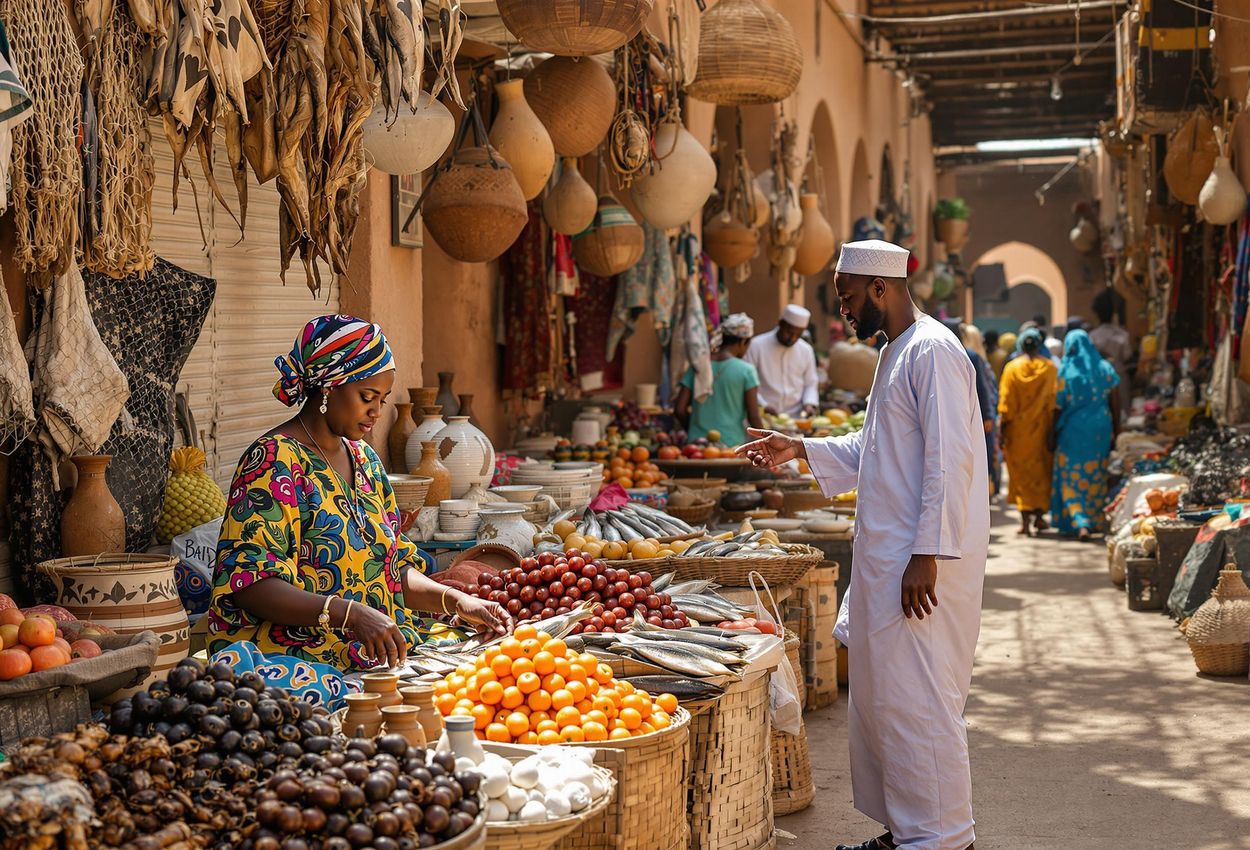
The central market of Mopti is a sensory explosion, a place where the colors, sounds, and smells of West Africa converge in a vibrant tapestry. This bustling hub is the heart of the city's commerce, a place where traders from diverse ethnic groups gather to exchange goods and stories. From textiles and spices to local crafts and traditional medicines, the market offers a glimpse into the daily life and cultural richness of Mopti.
Wandering through the market's labyrinthine alleys is an adventure in itself. Heaps of colorful fabrics vie for attention alongside mounds of fragrant spices, their aromas mingling in the air. Local crafts, from intricately carved wooden sculptures to handwoven baskets, showcase the artistic talents of the region. Traditional medicines, made from local herbs and plants, offer a glimpse into the ancient healing practices of the community.
The cultural diversity of Mopti is on full display in the market, with traders from various ethnic groups, including the Fula, Bozo, Bambara, and Dogon, each contributing their unique products and traditions. This melting pot of cultures creates a dynamic and engaging atmosphere, where languages blend and customs intertwine.
A hidden gem within the central market is the women's market, which takes place every morning. Here, women from the community gather to sell fresh produce, fish, and meat, creating a lively and intimate space. This market offers a unique opportunity to interact with the women of Mopti and experience their vital role in the city's economy. The central market is not just a place to buy and sell; it's a living, breathing reflection of Mopti's vibrant culture and diverse community.
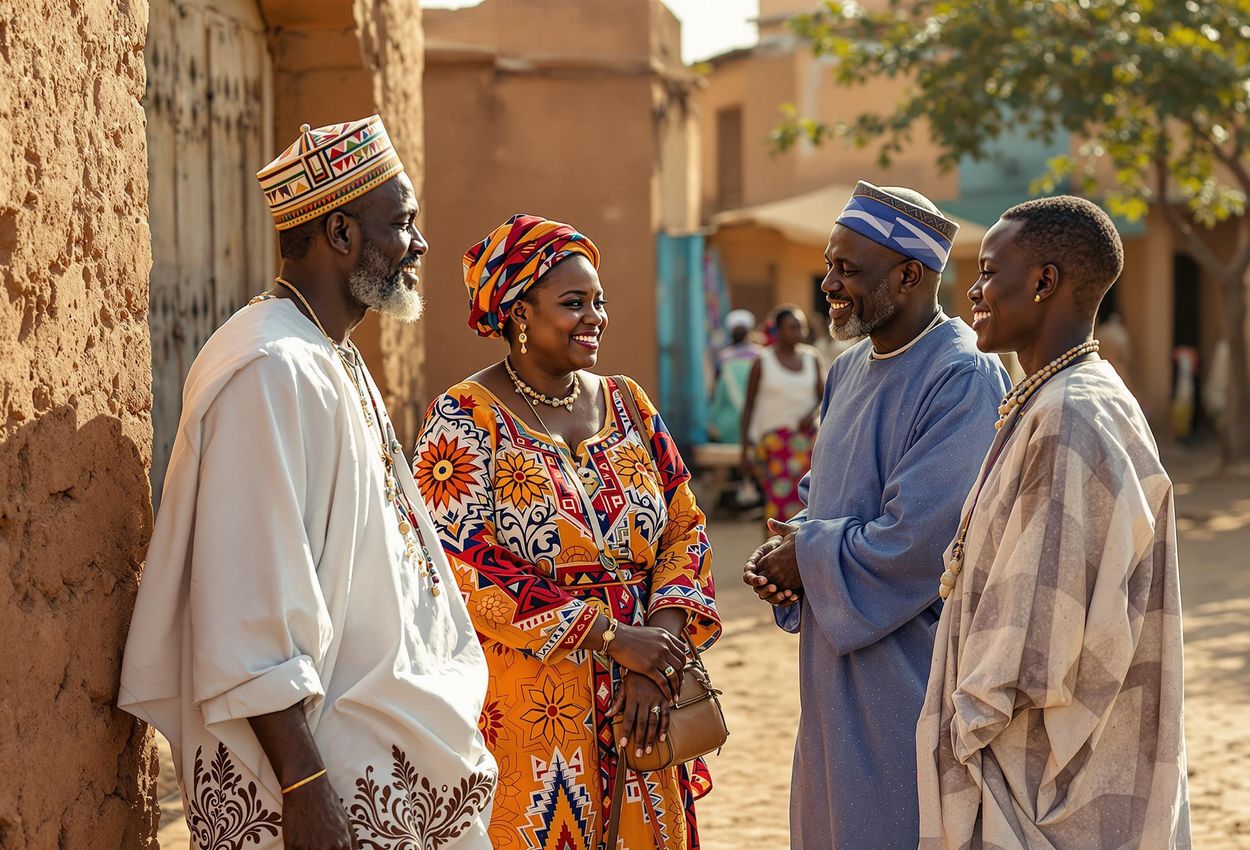
Mopti is a crossroads of cultures, a place where diverse ethnic groups have come together over centuries to create a unique and vibrant society. The city's location at the confluence of the Niger and Bani rivers has made it a natural meeting point for people from across West Africa, resulting in a rich tapestry of traditions, languages, and customs.
Among the many ethnic groups that call Mopti home are the Fula, known for their nomadic pastoral traditions; the Bozo, masters of the river and skilled fishermen; the Bambara, the largest ethnic group in Mali, known for their agricultural prowess; the Dogon, famous for their unique cliffside villages and ancient traditions; the Songhai, with their historical ties to the great Songhai Empire; and the Bobos and Mossi, who contribute to the city's diverse cultural landscape. Each group brings its own distinct language, customs, and traditions to Mopti, enriching the city's cultural fabric.
The languages spoken in Mopti reflect this ethnic diversity, with Fulfulde and Bozo being the most prevalent. Bambara, the lingua franca of Mali, is also widely spoken, facilitating communication between the different groups. French, the official language of Mali, is used in government and administration. This linguistic diversity adds another layer to Mopti's cultural richness, creating a vibrant and dynamic environment.
The people of Mopti live in relative harmony, each group contributing to the city's economic and cultural life. The Fula tend to livestock, the Bozo fish the rivers, the Bambara farm the land, and the Dogon bring their unique crafts to the market. This interdependence fosters a sense of community and shared identity, making Mopti a true melting pot of cultures.
Our editors` picks of the latest and greatest in travel - delivered to your inbox daily
Relax on the beaches and explore the reefs of Xai-Xai.
View More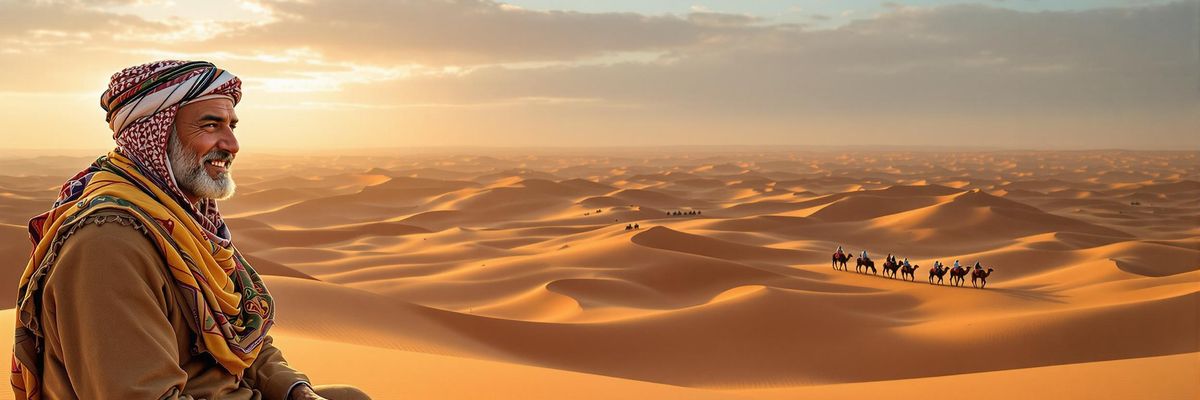
Embrace the cooler temperatures and experience the International Festival of the Sahara in Douz this December.
View More
Celebrate the year-end festivities in Accra, culminating in the vibrant Afrofuture festival.
View More Albania EDITION
 Algeria EDITION
 Argentina EDITION
 Armenia EDITION
 Australia EDITION
 Austria EDITION
 Bangladesh EDITION
 Belgium EDITION
 Belize EDITION
 Benin EDITION
 Bhutan EDITION
 Bolivia EDITION
 Bosnia and Herzegovina EDITION
 Botswana EDITION
 Brazil EDITION
 Bulgaria EDITION
 Burkina Faso EDITION
 Cambodia EDITION
 Cameroon EDITION
 Canada EDITION
 Central African Republic EDITION
 Chad EDITION
 Chile EDITION
 China EDITION
 Colombia EDITION
 Costa Rica EDITION
 Croatia EDITION
 Cyprus EDITION
 Denmark EDITION
 Djibouti EDITION
 Ecuador EDITION
 Egypt EDITION
 El Salvador EDITION
 Eritrea EDITION
 Estonia EDITION
 Ethiopia EDITION
 Finland EDITION
 France EDITION
 Gabon EDITION
 Georgia EDITION
 Germany EDITION
 Ghana EDITION
 Greece EDITION
 Guatemala EDITION
 Guinea EDITION
 Guinea-Bissau EDITION
 Honduras EDITION
 Hungary EDITION
 Iceland EDITION
 India EDITION
 Indonesia EDITION
 Ireland EDITION
 Israel EDITION
 Italy EDITION
 Jamaica EDITION
 Japan EDITION
 Jordan EDITION
 Kenya EDITION
 Kuwait EDITION
 Laos EDITION
 Latvia EDITION
 Lebanon EDITION
 Lesotho EDITION
 Liberia EDITION
 Lithuania EDITION
 Luxembourg EDITION
 Madagascar EDITION
 Malawi EDITION
 Malaysia EDITION
 Maldives EDITION
 Mali EDITION
 Malta EDITION
 Mauritania EDITION
 Mauritius EDITION
 Mexico EDITION
 Mongolia EDITION
 Montenegro EDITION
 Morocco EDITION
 Mozambique EDITION
 Namibia EDITION
 Nepal EDITION
 Netherlands EDITION
 New Zealand EDITION
 Nicaragua EDITION
 Niger EDITION
 Nigeria EDITION
 Norway EDITION
 Oman EDITION
 Pakistan EDITION
 Panama EDITION
 Papua New Guinea EDITION
 Paraguay EDITION
 Peru EDITION
 Philippines EDITION
 Poland EDITION
 Portugal EDITION
 Qatar EDITION
 Romania EDITION
 Rwanda EDITION
 Saudi Arabia EDITION
 Senegal EDITION
 Serbia EDITION
 Singapore EDITION
 Slovakia EDITION
 Slovenia EDITION
 Somalia EDITION
 South Africa EDITION
 South Korea EDITION
 Spain EDITION
 Sri Lanka EDITION
 Suriname EDITION
 Sweden EDITION
 Switzerland EDITION
 Tanzania EDITION
 Thailand EDITION
 Tunisia EDITION
 Uganda EDITION
 United Arab Emirates EDITION
 United Kingdom EDITION
 Uruguay EDITION
 Venezuela EDITION
 Vietnam EDITION
 Zambia EDITION
 Zimbabwe EDITION
Subscribe to our newsletter and get the most captivating travel stories, hidden gems, and expert insights delivered straight to your inbox. As a subscriber, you’ll be first in line for exclusive content, premium offers, and unforgettable travel experiences