


Destination Guide
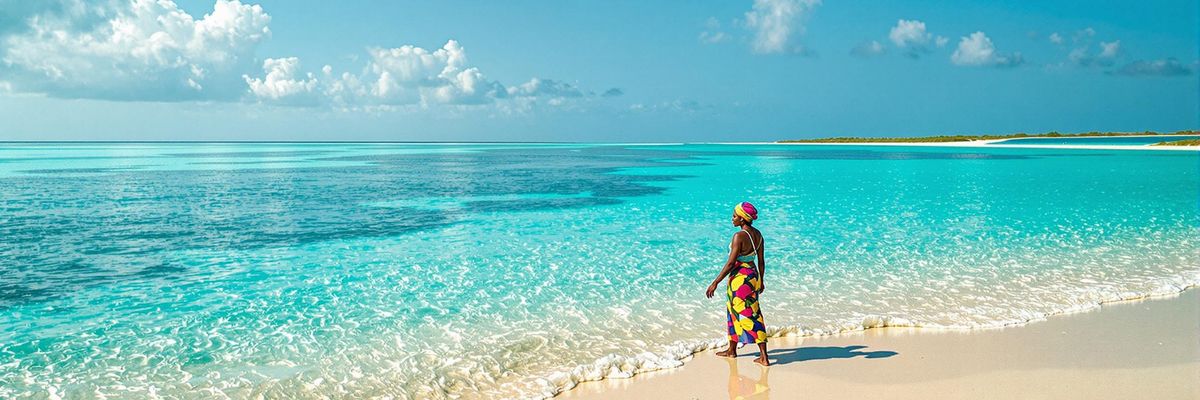
Xai-Xai: A Coastal Retreat
Relax on the beaches and explore the reefs of Xai-Xai.
View More

Mount Kenya, a UNESCO World Heritage Site and Biosphere Reserve, beckons adventurers with its rugged glacier-clad summits, diverse ecosystems, and unique Afro-alpine flora.
Rising to 5,199 meters (17,057 feet), it is the second highest mountain in Africa and offers a challenging yet rewarding trekking experience. From the lower forest teeming with wildlife to the alpine moorlands adorned with giant lobelias, a journey to the roof of Kenya promises breathtaking scenery and unforgettable encounters.
Whether you're an experienced mountaineer or a novice trekker, Mount Kenya's diverse routes and stunning landscapes offer an adventure for every soul seeking to conquer its majestic heights.

Mount Kenya offers a variety of trekking routes, each with its own unique charm and challenges. The three main routes, Naro Moru, Sirimon, and Chogoria, cater to different preferences and experience levels.
The Naro Moru route, known as the fastest way to Point Lenana, typically takes around four days. However, it is considered less scenic compared to the other routes. The trek starts in Naro Moru town and passes through the Park Headquarters, leading up the ridge between the Northern and Southern Naro Moru Rivers. Be prepared for a challenging ascent, including a section known as the 'Vertical Bog,' which can be particularly difficult during the rainy season.
For a more gradual ascent and better acclimatization, the Sirimon route is an excellent choice. This route, taking approximately five days, is considered the easiest ascent and offers stunning scenery. Starting near Nanyuki, the trail gradually climbs through the forest, eventually transitioning into moorland covered with giant heather. The Sirimon route is also known for its abundant wildlife viewing opportunities.
The Chogoria route is widely regarded as the most scenic of the three main options. This longer route, also around five days, takes you through the enchanting Hall Tarns, offering breathtaking views of the Gorges Valley and Lake Michaelson. While the jeep journey from Chogoria town to the park gate is lengthy, the stunning landscapes make it worthwhile.
For those seeking a more remote and challenging experience, Mount Kenya offers several less common routes, including Burguret, Timau, Meru, Ithanguni, and Kamweti. These routes require wild camping and often necessitate the accompaniment of park rangers due to the presence of wildlife. The Burguret route, for example, is a little-used wilderness path where you might not encounter another soul. The Kamweti route approaches from the south, requiring trekkers to navigate through dense bamboo and giant heather.

Mount Kenya National Park is not only a haven for trekkers but also a sanctuary for diverse wildlife. As you ascend through the different altitude zones, you'll have the opportunity to encounter a variety of animals and birds.
In the lower forest and bamboo zones, keep an eye out for elephants, black rhinos, and various monkey species. Black-and-white colobus monkeys are commonly sighted, adding a touch of primate charm to the lush surroundings. Other mammals that call this zone home include giant forest hogs, tree hyraxes, and white-tailed mongooses.
As you venture into the moorland, be on the lookout for the Mount Kenya mouse shrew and common duiker. These smaller mammals are well-adapted to the high-altitude environment. The moorland is also home to a variety of bird species, including the olive ibis and scarlet-tufted malachite sunbird. Birdwatchers will be delighted by the park's rich avian diversity, with over 130 recorded species.
While wildlife encounters can be a highlight of your trek, it's crucial to maintain a safe distance and respect the animals' habitat. Remember that you are a visitor in their home, and it's essential to minimize your impact on their natural environment.
Local Tip: Carry binoculars to enhance your wildlife viewing experience. The park is also home to some elusive creatures like leopards and bongos, so keep your eyes peeled and your camera ready.

Mount Kenya offers a range of camping spots and mountain huts, providing trekkers with various accommodation options along the routes. Whether you prefer the rustic charm of camping under the stars or the comfort of a mountain hut, you'll find a suitable option to rest and rejuvenate during your trek.
Shipton's Camp, located at 4,200 meters (13,780 feet), is a popular choice for trekkers ascending the Sirimon route. This camp offers stunning views of the surrounding peaks and provides basic amenities such as water, toilets, and kitchen areas. Old Moses Camp, situated at 3,300 meters (10,827 feet), is another well-known campsite on the Sirimon route, offering similar facilities.
Mackinder's Camp, located in the Naro Moru valley, is a frequently used base for summit attempts. These huts typically provide basic amenities such as water, toilet/bathroom, and a kitchen area.
For a unique and accessible camping experience, consider Lake Ellis Campsite, the highest point one can drive to. This campsite offers breathtaking views of the surrounding landscape and is an ideal spot for acclimatization hikes.
If you prefer a touch of luxury amidst the wilderness, the Fairmont Mount Kenya Safari Club offers a lavish retreat. This exclusive club, located near Nanyuki, boasts elegant rooms, a pristine golf course, a spa, and a heated outdoor pool. It's the perfect place to unwind and enjoy the stunning views of Mount Kenya after your trekking adventure.
Hidden Gem: For a truly unique experience, consider camping near one of the glacial tarns (small lakes) scattered across the mountain. These pristine lakes offer breathtaking scenery and a sense of solitude that is hard to find elsewhere.

Acclimatization is crucial for a safe and successful trek on Mount Kenya. As you ascend to higher altitudes, the air becomes thinner, and your body needs time to adjust to the reduced oxygen levels.
A general rule of thumb is the '300-meter rule': once you're above 2,400 meters (7,874 feet), don't ascend more than 300 meters (984 feet) per day. This gradual ascent allows your body to produce more red blood cells, helping you cope with the thinner air.
Staying hydrated is also essential. Aim to drink 4-6 liters of water per day to prevent dehydration, which can exacerbate the symptoms of altitude sickness. A carbohydrate-rich diet can provide your body with the necessary fuel for energy and acclimatization.
Be aware of the symptoms of altitude sickness, which can include headache, nausea, dizziness, and fatigue. If you experience any of these symptoms, it's crucial to descend to a lower altitude. Ignoring the symptoms can lead to more severe conditions like High Altitude Pulmonary Edema (HAPE) or High-Altitude Cerebral Edema (HACE), which require immediate medical attention.
Some trekkers opt to use Diamox (acetazolamide) to prevent altitude sickness. However, it's essential to consult with your doctor before taking any medication.
Safety First: Always trek with a qualified and certified guide who is familiar with the routes and trained in altitude safety. They can monitor your condition, provide valuable assistance, and ensure your safety during the climb.

Mount Kenya's diverse ecosystems support a remarkable array of flora and fauna, with each vegetation zone exhibiting unique adaptations to the high-altitude environment.
The montane forest, found at lower altitudes, is characterized by towering trees such as Juniperus procera and Podocarpus species. As you ascend, you'll enter the bamboo zone, typically between 2,700 and 3,800 meters (8,800 and 12,500 feet), where the giant bamboo (Yushania alpina) dominates.
Above the bamboo zone lies the alpine moorland, a more open landscape with grasses and scattered shrubs. Here, you'll find unique plant species like giant groundsels (Senecio species), lobelias (Lobelia species), and everlasting flowers (Helichrysum species).
Many of the plant species found on Mount Kenya are endemic, meaning they are found nowhere else in the world. These species have developed remarkable adaptations to survive in the harsh conditions, such as specialized leaves to conserve water and thick stems to withstand freezing temperatures.
The fauna of Mount Kenya is equally diverse, with animals adapted to the different vegetation zones. From the elephants and buffaloes in the montane forest to the Mount Kenya hyrax and common duiker in the moorland, each animal plays a vital role in the ecosystem.
Did You Know? Approximately three-quarters of Afro-alpine vegetation is endemic, highlighting the unique biodiversity of Mount Kenya.

Packing the right gear is essential for a comfortable and safe trekking experience on Mount Kenya. The specific gear you'll need depends on the trekking option you choose, but some essential items are necessary for all routes.
Clothing layers are crucial for adapting to the changing weather conditions. Start with a moisture-wicking base layer, followed by an insulating mid-layer such as a fleece jacket. A waterproof and windproof outer layer is essential for protection against rain and wind. For summit day, pack a warm down jacket and fleece-lined hiking pants.
Sturdy and waterproof trekking boots are a must-have. Ensure your boots are well broken-in before your trek to prevent blisters. Pack several pairs of warm, wool or synthetic socks to keep your feet dry and comfortable.
Other essential gear includes a warm sleeping bag rated for sub-zero temperatures, a headlamp with spare batteries, sunscreen, sunglasses, and a first-aid kit. A large rucksack (65-75 liters) is necessary for porters to carry your main gear, while a daypack (35-45 liters) is ideal for personal essentials.
Pro Tip: Pack a small, lightweight dry bag to protect your electronics and other sensitive items from moisture.
Trekking to the roof of Kenya is an adventure of a lifetime, offering breathtaking scenery, unique wildlife encounters, and a chance to challenge yourself physically and mentally. By choosing the right route, acclimatizing properly, and packing smart, you can conquer Mount Kenya's majestic heights and create memories that will last a lifetime.
Our editors` picks of the latest and greatest in travel - delivered to your inbox daily
Relax on the beaches and explore the reefs of Xai-Xai.
View More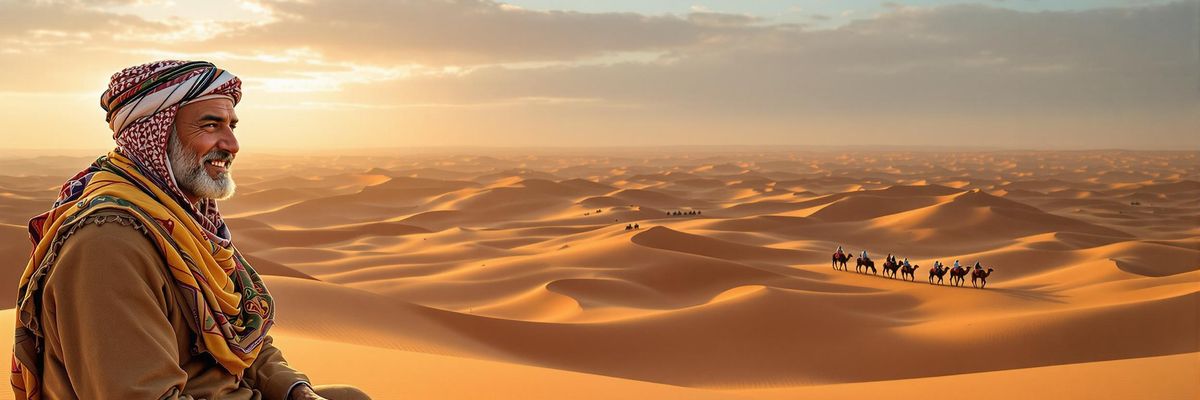
Embrace the cooler temperatures and experience the International Festival of the Sahara in Douz this December.
View More
Celebrate the year-end festivities in Accra, culminating in the vibrant Afrofuture festival.
View More Albania EDITION
 Algeria EDITION
 Argentina EDITION
 Armenia EDITION
 Australia EDITION
 Austria EDITION
 Bangladesh EDITION
 Belgium EDITION
 Belize EDITION
 Benin EDITION
 Bhutan EDITION
 Bolivia EDITION
 Bosnia and Herzegovina EDITION
 Botswana EDITION
 Brazil EDITION
 Bulgaria EDITION
 Burkina Faso EDITION
 Cambodia EDITION
 Cameroon EDITION
 Canada EDITION
 Central African Republic EDITION
 Chad EDITION
 Chile EDITION
 China EDITION
 Colombia EDITION
 Costa Rica EDITION
 Croatia EDITION
 Cyprus EDITION
 Denmark EDITION
 Djibouti EDITION
 Ecuador EDITION
 Egypt EDITION
 El Salvador EDITION
 Eritrea EDITION
 Estonia EDITION
 Ethiopia EDITION
 Finland EDITION
 France EDITION
 Gabon EDITION
 Georgia EDITION
 Germany EDITION
 Ghana EDITION
 Greece EDITION
 Guatemala EDITION
 Guinea EDITION
 Guinea-Bissau EDITION
 Honduras EDITION
 Hungary EDITION
 Iceland EDITION
 India EDITION
 Indonesia EDITION
 Ireland EDITION
 Israel EDITION
 Italy EDITION
 Jamaica EDITION
 Japan EDITION
 Jordan EDITION
 Kenya EDITION
 Kuwait EDITION
 Laos EDITION
 Latvia EDITION
 Lebanon EDITION
 Lesotho EDITION
 Liberia EDITION
 Lithuania EDITION
 Luxembourg EDITION
 Madagascar EDITION
 Malawi EDITION
 Malaysia EDITION
 Maldives EDITION
 Mali EDITION
 Malta EDITION
 Mauritania EDITION
 Mauritius EDITION
 Mexico EDITION
 Mongolia EDITION
 Montenegro EDITION
 Morocco EDITION
 Mozambique EDITION
 Namibia EDITION
 Nepal EDITION
 Netherlands EDITION
 New Zealand EDITION
 Nicaragua EDITION
 Niger EDITION
 Nigeria EDITION
 Norway EDITION
 Oman EDITION
 Pakistan EDITION
 Panama EDITION
 Papua New Guinea EDITION
 Paraguay EDITION
 Peru EDITION
 Philippines EDITION
 Poland EDITION
 Portugal EDITION
 Qatar EDITION
 Romania EDITION
 Rwanda EDITION
 Saudi Arabia EDITION
 Senegal EDITION
 Serbia EDITION
 Singapore EDITION
 Slovakia EDITION
 Slovenia EDITION
 Somalia EDITION
 South Africa EDITION
 South Korea EDITION
 Spain EDITION
 Sri Lanka EDITION
 Suriname EDITION
 Sweden EDITION
 Switzerland EDITION
 Tanzania EDITION
 Thailand EDITION
 Tunisia EDITION
 Uganda EDITION
 United Arab Emirates EDITION
 United Kingdom EDITION
 Uruguay EDITION
 Venezuela EDITION
 Vietnam EDITION
 Zambia EDITION
 Zimbabwe EDITION
Subscribe to our newsletter and get the most captivating travel stories, hidden gems, and expert insights delivered straight to your inbox. As a subscriber, you’ll be first in line for exclusive content, premium offers, and unforgettable travel experiences