


Destination Guide
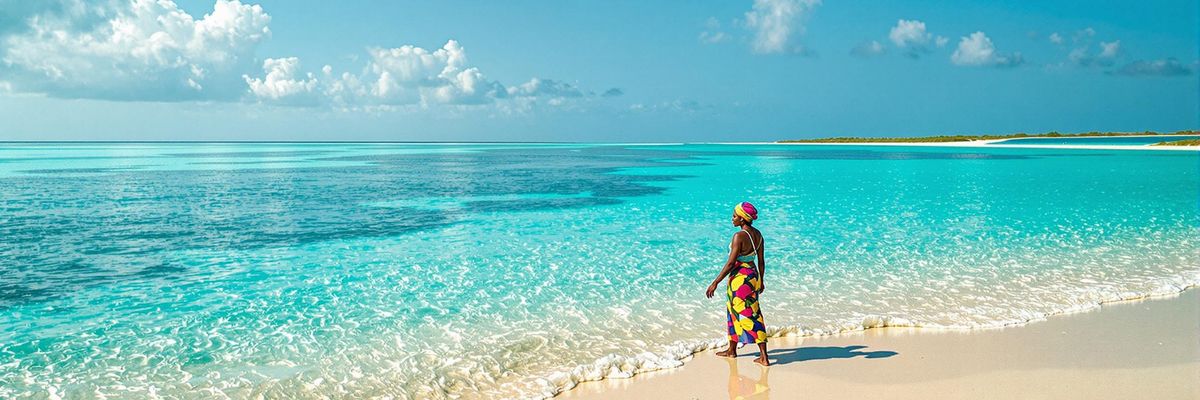
Xai-Xai: A Coastal Retreat
Relax on the beaches and explore the reefs of Xai-Xai.
View More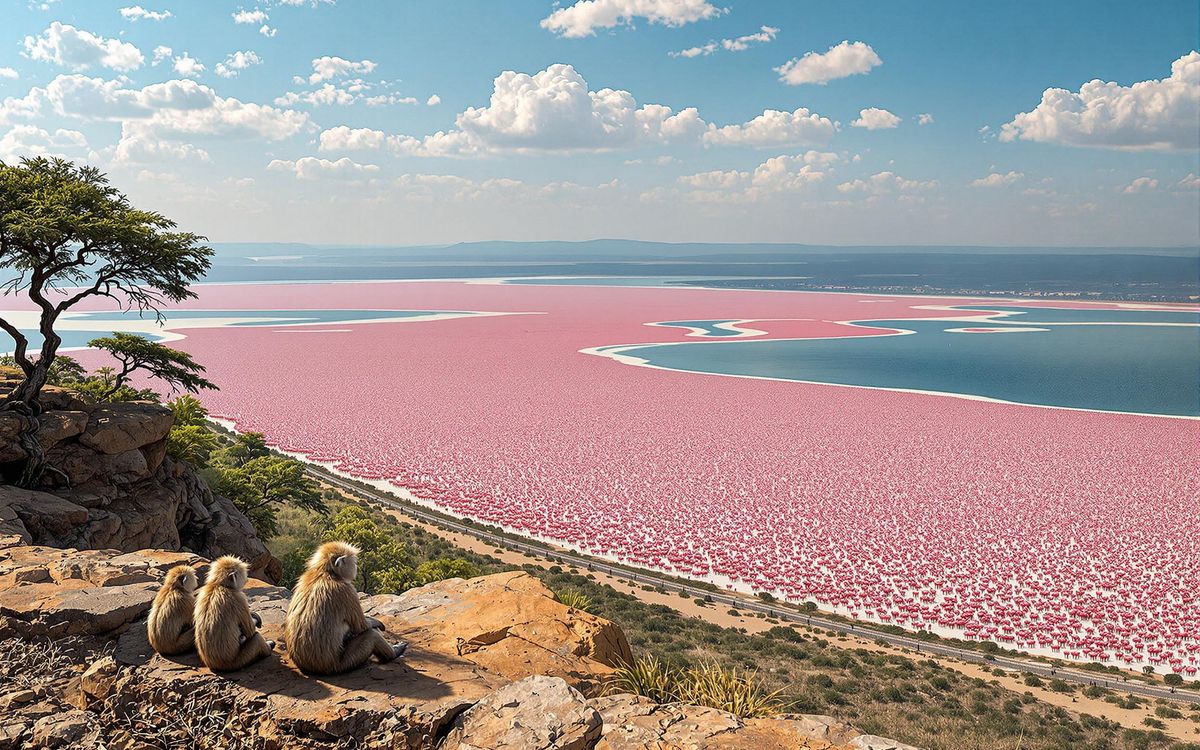

Lake Nakuru National Park, a jewel in Kenya's Rift Valley, is world-renowned for its breathtaking spectacles of pink flamingos and diverse wildlife, offering an unforgettable safari experience.
Imagine a shimmering lake painted pink as far as the eye can see, a living canvas created by thousands upon thousands of flamingos. This is Lake Nakuru, a soda lake in Kenya's Great Rift Valley, famed for its stunning concentrations of these iconic birds. But Nakuru is more than just a pretty picture; it's a vital ecosystem and a haven for diverse birdlife and wildlife, making it a must-visit destination for nature enthusiasts.
Painted Pink: Witnessing the Flamingo Spectacle
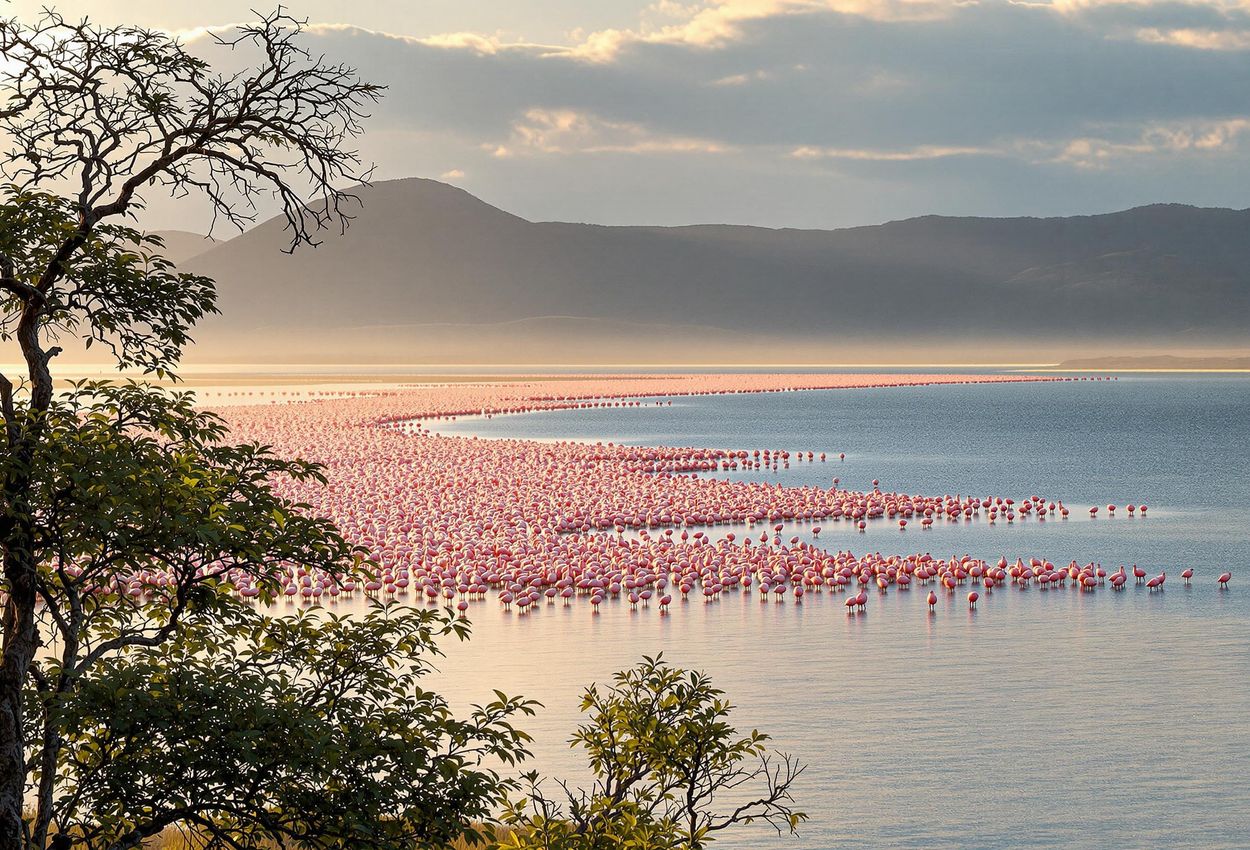
The sight of flamingos at Lake Nakuru is nothing short of mesmerizing. The lake often appears as a vast, pink carpet, a testament to the sheer number of these elegant birds. The park hosts both lesser and greater flamingos, with the lesser flamingos being the more numerous. Their bright pink plumage, especially vibrant in the lesser flamingos, is a result of their diet of blue-green algae, which thrives in the lake's alkaline waters.
To witness this spectacle, plan your visit between June and March, the dry season, when the water levels are lower and the algae concentration is higher, attracting the largest flocks. Head to the southern end of the lake, where the flamingos tend to congregate in the greatest numbers. As you approach, the air fills with their gentle honking and the soft rustle of their feathers, creating an immersive sensory experience.
The flamingo population fluctuates depending on water levels and food availability. When water levels rise, reducing the lake's alkalinity, the flamingos may migrate to other Rift Valley lakes such as Lake Bogoria and Lake Elementeita. However, even when the flamingo numbers are lower, the sight is still impressive, and the park offers plenty of other attractions to enjoy.
Beyond the Pink: Discovering Nakuru's Diverse Birdlife
While the flamingos steal the show, Lake Nakuru National Park boasts over 450 recorded bird species, making it a true birdwatcher's paradise. From majestic raptors to colorful forest dwellers, the park's diverse habitats provide refuge for a wide array of avian life.
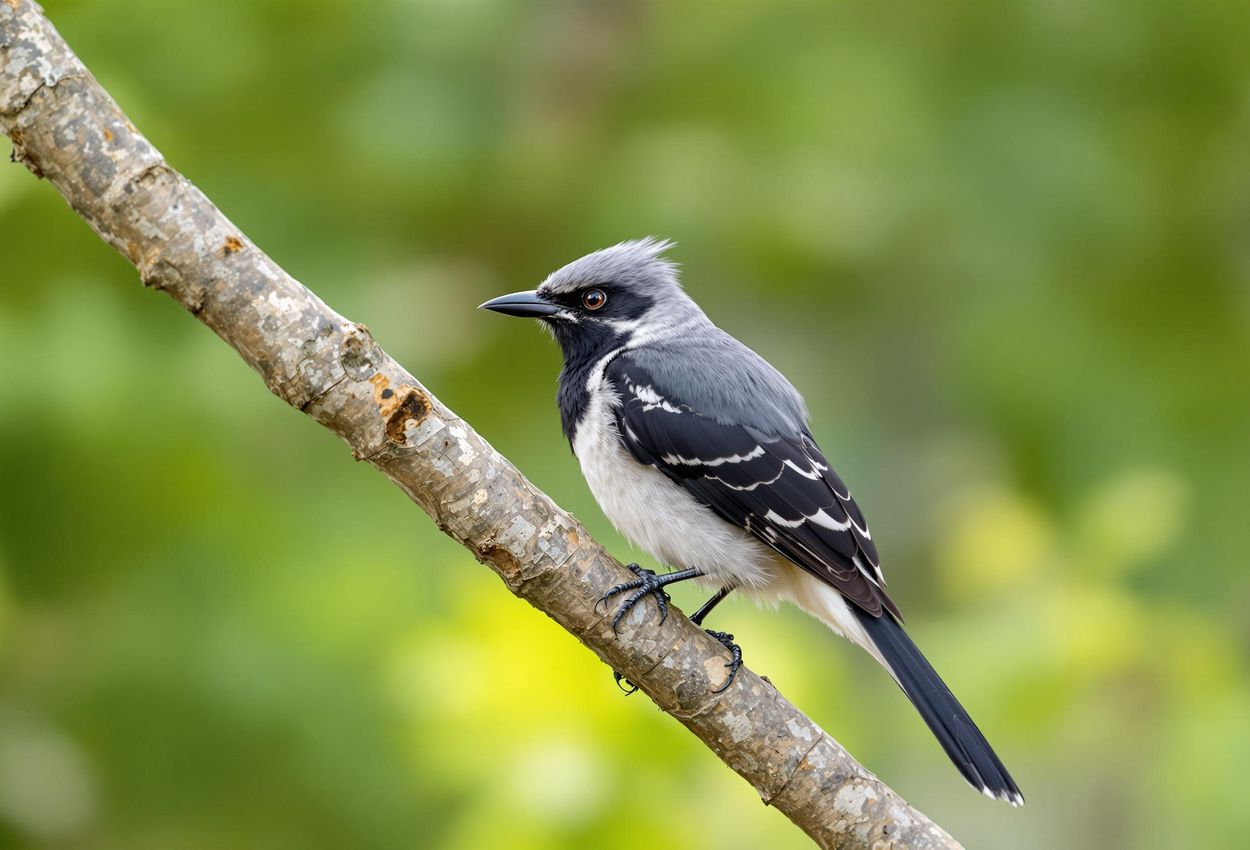
Keep an eye out for rare species such as the Abyssinian thrush, Grey-crested helmetshrike, and African spoonbill. These birds benefit from the park's protected environment and conservation efforts. Explore beyond the lake shore to discover the woodland and grassland areas, where you'll find a variety of other bird species.
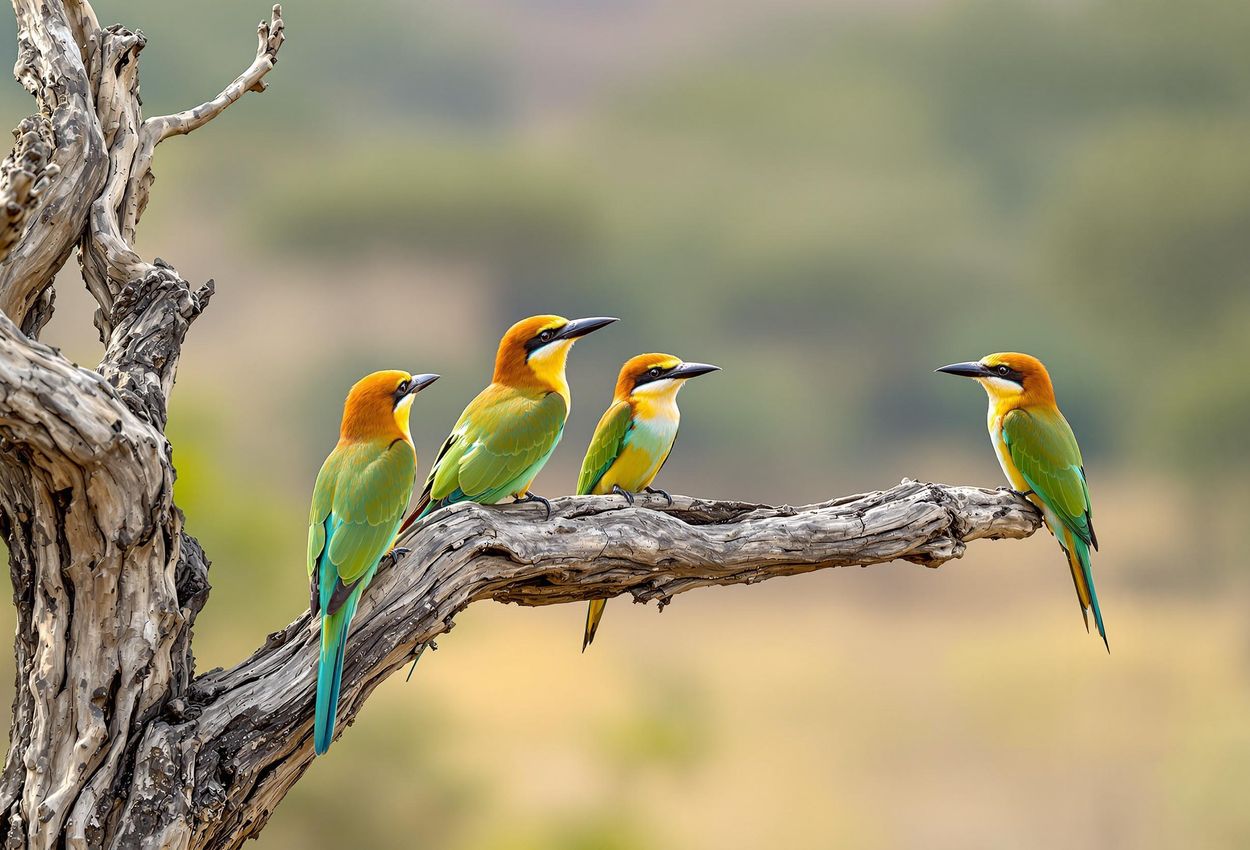
Among the notable birds you might encounter are the Great White Pelican, often seen fishing in groups, and the African Fish Eagle, frequently spotted soaring above the lake in search of prey. The park also hosts migratory birds from Europe and Asia, particularly between November and April. Species like the European Bee-eater, Barn Swallow, and Common Greenshank make a stop at Lake Nakuru during their long journeys.
Whether you're a seasoned birder or a casual observer, Lake Nakuru's diverse birdlife will captivate you. Bring your binoculars and a bird guide, and prepare to be amazed by the sheer variety and beauty of the avian inhabitants.
Rhino Haven: Nakuru's Conservation Success Story
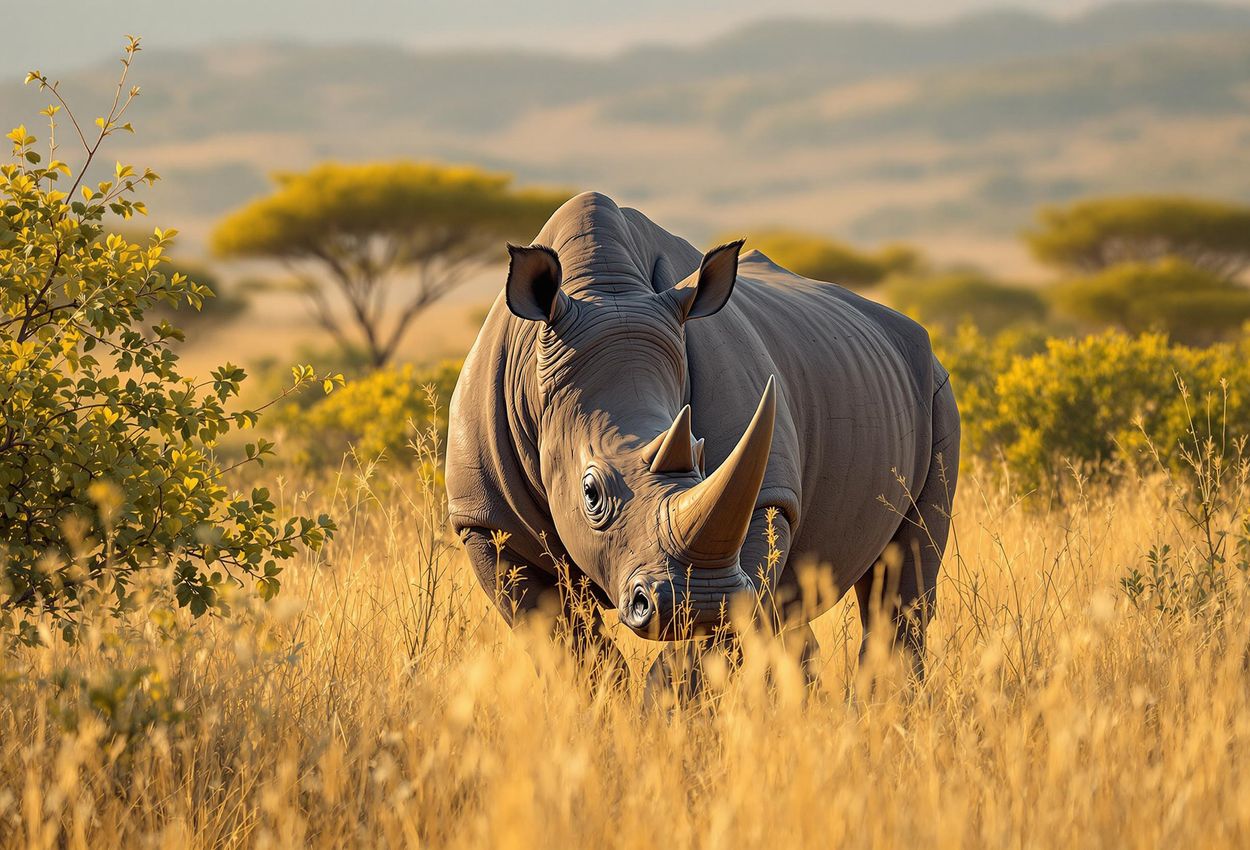
Lake Nakuru National Park plays a crucial role as a rhino sanctuary, housing both black and white rhinos. The park's commitment to rhino conservation dates back to the 1980s when it was designated as a rhino sanctuary. This initiative was part of a broader effort to protect the dwindling rhino population in Kenya from poaching and habitat loss.
To protect the rhinos, the park established a fenced boundary to keep out poachers and manage human-wildlife conflicts. Anti-poaching efforts are ongoing, with 24/7 patrols and surveillance technology in place to ensure the safety of these endangered animals. The success of these efforts is evident in the steady increase in the rhino population within the park.
Seeing these magnificent creatures in their natural habitat is a testament to the park's conservation efforts. The rhinos can be spotted in the woodlands and grasslands, often grazing peacefully or wallowing in the mud. Lake Nakuru has become a vital breeding ground for both species of rhinos. The sanctuary's enclosed and protected environment provides an ideal setting for population growth.
Walking on the Wild Side: Trails and Viewpoints
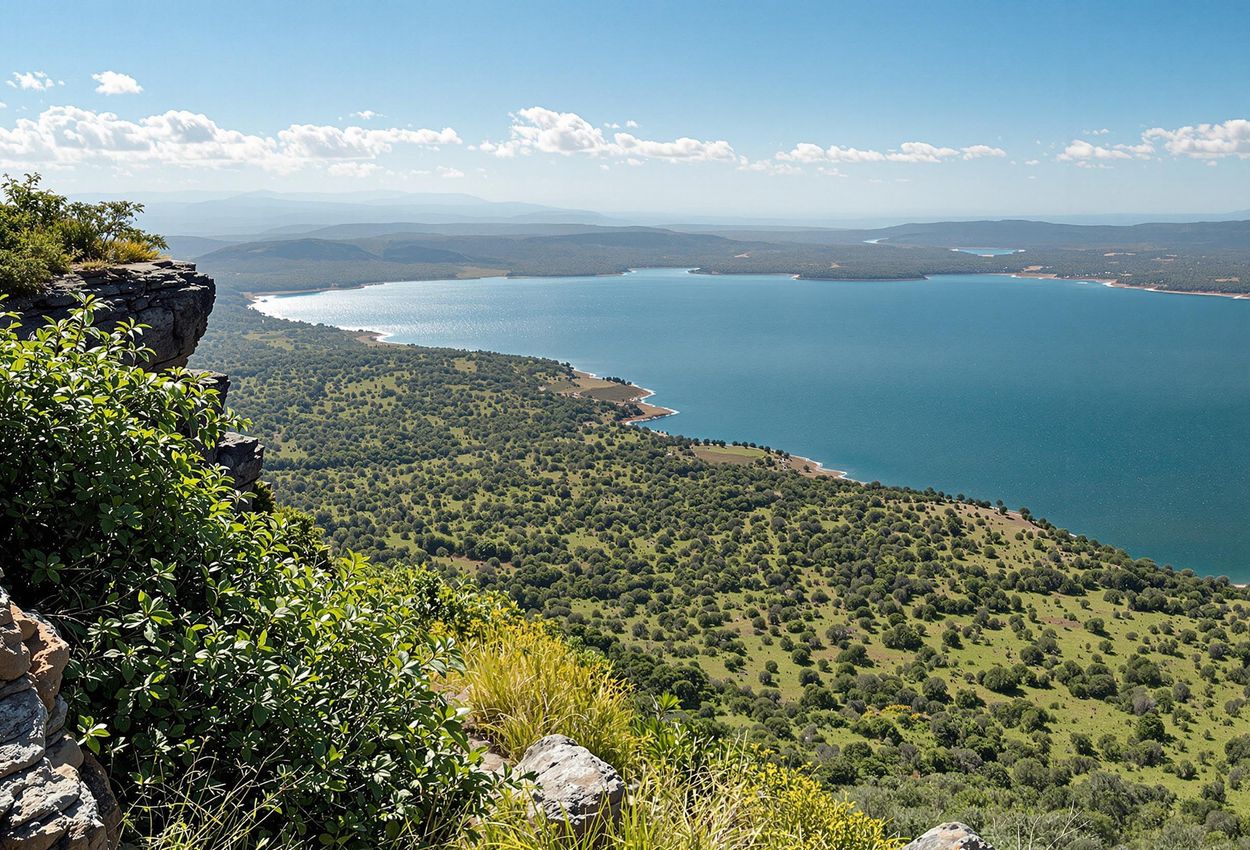
To fully appreciate the beauty of Lake Nakuru National Park, explore its various viewpoints and walking trails. Baboon Cliff and Lion Hill are two of the most popular viewpoints, offering panoramic vistas of the lake and surrounding landscapes.
Baboon Cliff is an ideal spot for birding, game viewing, and enjoying a picnic lunch. From this vantage point, you can see the vast expanse of the lake, the pink flamingo flocks, and the diverse wildlife that roams the park. Be mindful of the baboons, as they are known to be opportunistic and may try to snatch food from unsuspecting visitors.
Lion Hill offers equally stunning views and is a great place to spot raptors. The surrounding landscape features acacia woodlands and grasslands, providing habitat for a variety of mammals and birds. Take your time to soak in the scenery and appreciate the natural beauty of Lake Nakuru National Park.
Alkaline Marvel: Understanding Lake Nakuru's Ecosystem
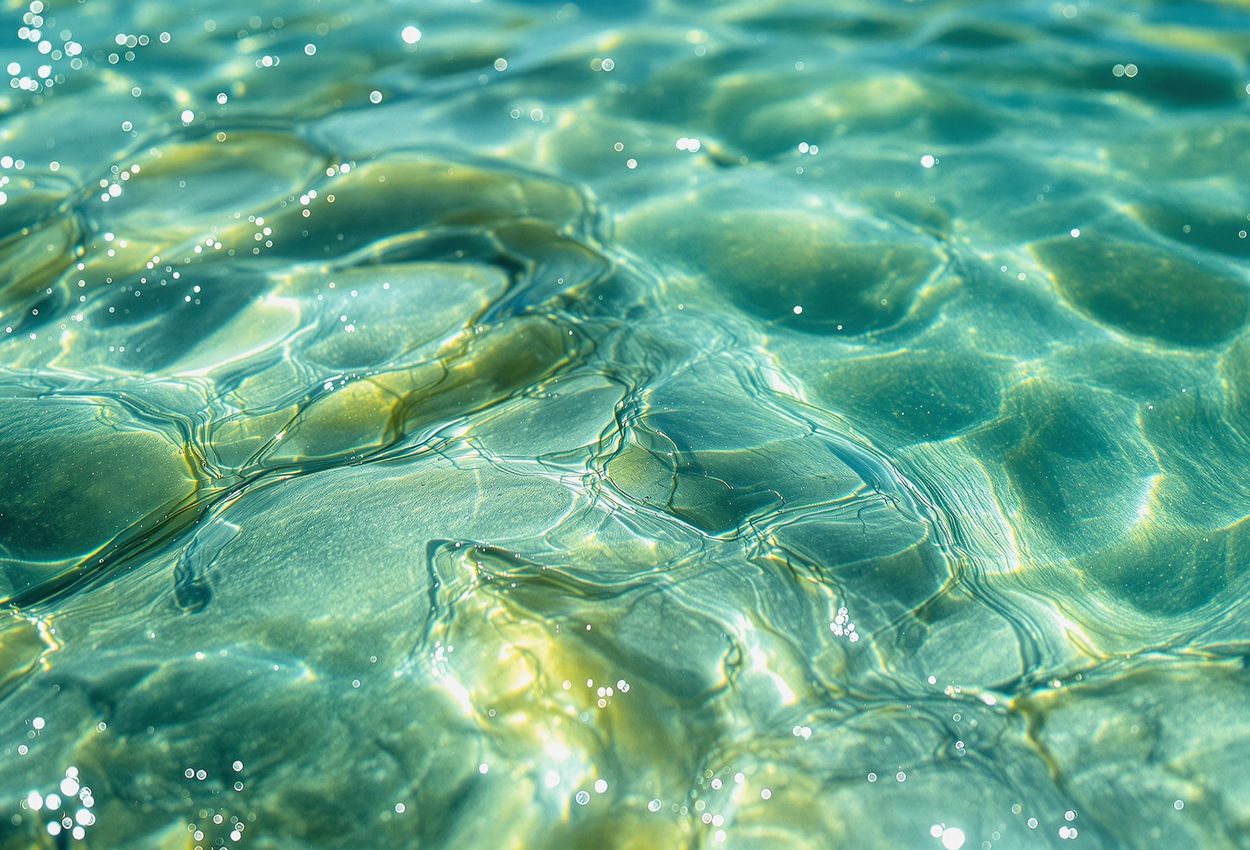
The alkaline nature of Lake Nakuru is a defining characteristic that shapes its unique ecosystem. The lake's alkalinity is a result of the volcanic rocks and sediments in the area, which release carbonates into the water system. The high evaporation rates and limited freshwater inflows further contribute to the concentration of dissolved salts and minerals, making the lake highly alkaline.
This alkaline environment supports the growth of cyanobacteria, particularly Arthrospira platensis, a blue-green algae that serves as the primary food source for the flamingos. The flamingos, in turn, play a vital role in the ecosystem by controlling the algae population and distributing nutrients through their droppings.
The lake's hydrology is also crucial to the ecosystem. The balance between freshwater inflows, evaporation, and nutrient levels determines the lake's salinity and alkalinity, which in turn affects the abundance and distribution of algae and other aquatic organisms. Changes in water levels and salinity can have significant impacts on the flamingo population and the overall health of the ecosystem.
Whispers of the Wind: Bird Watching Hotspots
For avid birdwatchers, Lake Nakuru National Park offers a variety of prime locations to observe different species. Makalia Falls is an excellent spot for forest birds, while Lion Hill is known for its raptors. The lake shore itself is teeming with waterbirds, offering ample opportunities to spot flamingos, pelicans, and other aquatic species.
During the months of November to April, migratory birds from Europe and Asia visit the park, adding to the already impressive avian diversity. Species like the White Stork, European Bee-eater, and Pallid Harrier can be seen during this time, making their way from their breeding grounds to Africa for the winter.
Whether you're exploring the woodlands, grasslands, or lake shore, Lake Nakuru National Park promises a rewarding birdwatching experience. Take your time to observe the birds in their natural habitat, listen to their calls, and appreciate the intricate web of life that thrives in this unique ecosystem.
Visiting Lake Nakuru National Park is more than just a safari; it's an immersion into a world of natural beauty and ecological significance. From the breathtaking flamingo spectacle to the diverse birdlife and rhino conservation efforts, Lake Nakuru offers a unique and unforgettable experience. So, pack your bags, grab your binoculars, and prepare to be amazed by the wonders of this Kenyan paradise.
Local Tips
Best time to visit: The dry season (June to March) offers the best flamingo viewing opportunities.
What to bring: Binoculars, a bird guide, sunscreen, a hat, and comfortable walking shoes.
Where to stay: There are several lodges and campsites within the park, offering a range of accommodation options.
Our editors` picks of the latest and greatest in travel - delivered to your inbox daily
Relax on the beaches and explore the reefs of Xai-Xai.
View More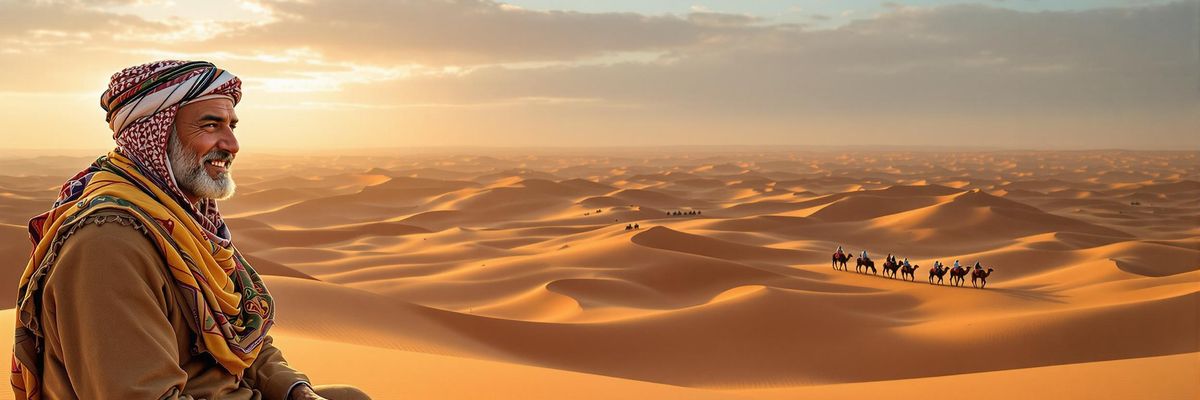
Embrace the cooler temperatures and experience the International Festival of the Sahara in Douz this December.
View More
Celebrate the year-end festivities in Accra, culminating in the vibrant Afrofuture festival.
View More Albania EDITION
 Algeria EDITION
 Argentina EDITION
 Armenia EDITION
 Australia EDITION
 Austria EDITION
 Bangladesh EDITION
 Belgium EDITION
 Belize EDITION
 Benin EDITION
 Bhutan EDITION
 Bolivia EDITION
 Bosnia and Herzegovina EDITION
 Botswana EDITION
 Brazil EDITION
 Bulgaria EDITION
 Burkina Faso EDITION
 Cambodia EDITION
 Cameroon EDITION
 Canada EDITION
 Central African Republic EDITION
 Chad EDITION
 Chile EDITION
 China EDITION
 Colombia EDITION
 Costa Rica EDITION
 Croatia EDITION
 Cyprus EDITION
 Denmark EDITION
 Djibouti EDITION
 Ecuador EDITION
 Egypt EDITION
 El Salvador EDITION
 Eritrea EDITION
 Estonia EDITION
 Ethiopia EDITION
 Finland EDITION
 France EDITION
 Gabon EDITION
 Georgia EDITION
 Germany EDITION
 Ghana EDITION
 Greece EDITION
 Guatemala EDITION
 Guinea EDITION
 Guinea-Bissau EDITION
 Honduras EDITION
 Hungary EDITION
 Iceland EDITION
 India EDITION
 Indonesia EDITION
 Ireland EDITION
 Israel EDITION
 Italy EDITION
 Jamaica EDITION
 Japan EDITION
 Jordan EDITION
 Kenya EDITION
 Kuwait EDITION
 Laos EDITION
 Latvia EDITION
 Lebanon EDITION
 Lesotho EDITION
 Liberia EDITION
 Lithuania EDITION
 Luxembourg EDITION
 Madagascar EDITION
 Malawi EDITION
 Malaysia EDITION
 Maldives EDITION
 Mali EDITION
 Malta EDITION
 Mauritania EDITION
 Mauritius EDITION
 Mexico EDITION
 Mongolia EDITION
 Montenegro EDITION
 Morocco EDITION
 Mozambique EDITION
 Namibia EDITION
 Nepal EDITION
 Netherlands EDITION
 New Zealand EDITION
 Nicaragua EDITION
 Niger EDITION
 Nigeria EDITION
 Norway EDITION
 Oman EDITION
 Pakistan EDITION
 Panama EDITION
 Papua New Guinea EDITION
 Paraguay EDITION
 Peru EDITION
 Philippines EDITION
 Poland EDITION
 Portugal EDITION
 Qatar EDITION
 Romania EDITION
 Rwanda EDITION
 Saudi Arabia EDITION
 Senegal EDITION
 Serbia EDITION
 Singapore EDITION
 Slovakia EDITION
 Slovenia EDITION
 Somalia EDITION
 South Africa EDITION
 South Korea EDITION
 Spain EDITION
 Sri Lanka EDITION
 Suriname EDITION
 Sweden EDITION
 Switzerland EDITION
 Tanzania EDITION
 Thailand EDITION
 Tunisia EDITION
 Uganda EDITION
 United Arab Emirates EDITION
 United Kingdom EDITION
 Uruguay EDITION
 Venezuela EDITION
 Vietnam EDITION
 Zambia EDITION
 Zimbabwe EDITION
Subscribe to our newsletter and get the most captivating travel stories, hidden gems, and expert insights delivered straight to your inbox. As a subscriber, you’ll be first in line for exclusive content, premium offers, and unforgettable travel experiences