


Destination Guide
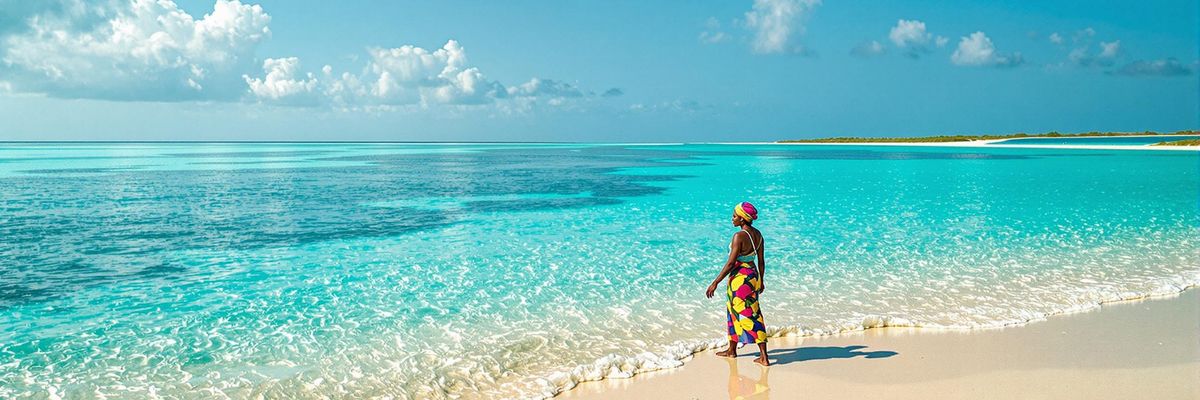
Xai-Xai: A Coastal Retreat
Relax on the beaches and explore the reefs of Xai-Xai.
View More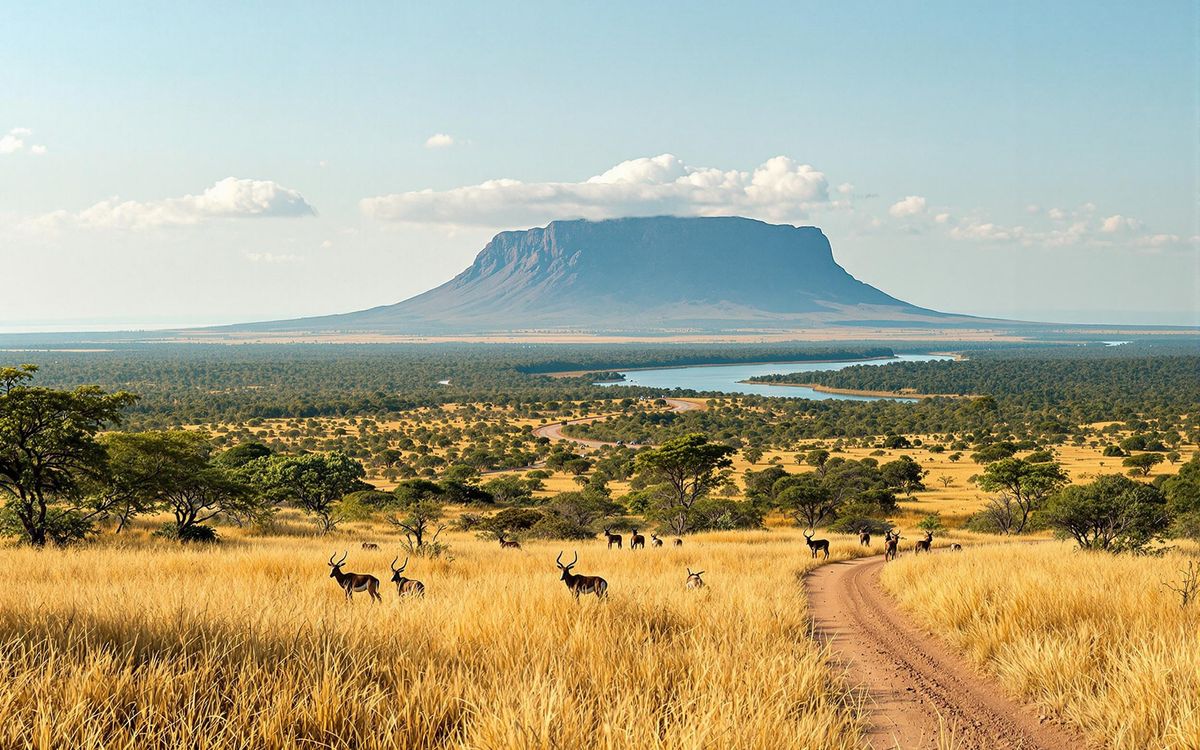

Venture into the heart of Mozambique's wild north, where the Niassa Reserve sprawls across an immense territory, offering a safari experience unlike any other. Here, the untamed spirit of Africa thrives, inviting intrepid travelers to discover its hidden wonders.
Imagine a place where the horizon stretches endlessly, where wildlife roams free across vast landscapes, and where the silence is broken only by the sounds of nature. This is the Niassa Reserve, a protected area in northern Mozambique that stands as one of Africa's largest and most remote wildernesses. Covering over 42,000 square kilometers – an area larger than Switzerland – Niassa offers an unparalleled sense of adventure and discovery.
Unlike the well-trodden paths of popular safari destinations, Niassa remains largely untouched by mass tourism. Its 'untamed' nature presents both challenges and rewards. Accessing this remote sanctuary requires careful planning and a spirit of self-reliance. The nearest city, Lichinga, serves as a gateway, but reaching the reserve itself typically involves a combination of 4x4 vehicles or chartered flights. The limited infrastructure within the reserve adds to the allure, promising an exclusive and immersive experience for those who dare to venture off the beaten path.
The journey to Niassa is an adventure in itself. From Lichinga, the capital of Niassa Province, travelers embark on a rugged expedition, traversing dusty roads and crossing meandering rivers. The anticipation builds with each passing kilometer, as the landscape transforms from cultivated fields to sprawling bush. The sense of remoteness intensifies, creating a feeling of entering a world apart.
As you approach the reserve's boundaries, the air crackles with anticipation. The vastness of Niassa unfolds before you, an ocean of miombo woodlands and open savannahs stretching as far as the eye can see. Here, the true essence of Africa awaits, promising an unforgettable encounter with nature in its purest form.

The sheer scale of Niassa is breathtaking, fostering a sense of humility and awe. The challenges of access and the lack of infrastructure only amplify the reward, making the experience all the more profound. This is not a destination for the faint of heart, but for those who seek true wilderness and a connection with the raw beauty of Africa, Niassa offers an adventure that will stay with you long after you've left its untamed embrace.
Step into a world dominated by the whispering leaves of miombo trees, where the landscape unfolds in a tapestry of woodlands, savannahs, and dramatic granite formations. This is the unique ecosystem of Niassa Reserve, a realm of immense biodiversity and captivating beauty.
The defining feature of Niassa Reserve is its expansive miombo woodlands. These woodlands, dominated by trees in the legume family, create a unique and enchanting environment. Imagine driving through seemingly endless stretches of these trees, the sunlight filtering through the canopy, creating dappled patterns on the ground.
Interspersed within the miombo are open savannahs, providing a contrasting landscape of wide-open spaces. These grasslands support a variety of wildlife, offering excellent opportunities for game viewing. Wetlands, known locally as 'dambos', add another layer of diversity, attracting a variety of birdlife and other water-dependent species.
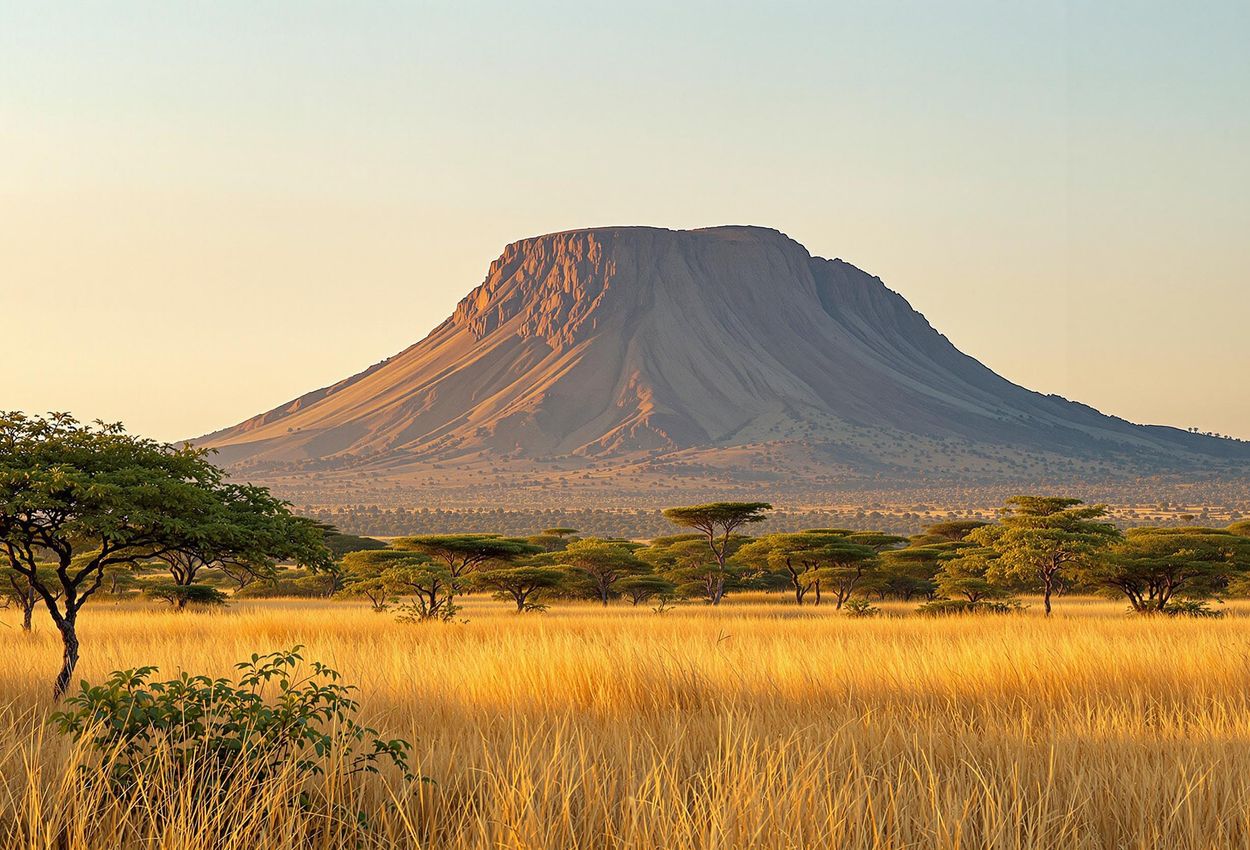
Adding drama to the landscape are the 'inselbergs', granite island mountains that rise abruptly from the surrounding plains. These imposing formations, like Mecula Mountain, serve as landmarks and provide stunning panoramic views of the reserve. Climbing to the summit of Mecula Mountain offers a rewarding challenge, with the vista from the top revealing the true scale and beauty of Niassa.
Two major rivers define the reserve's boundaries and provide essential water sources for its inhabitants. The Rovuma River, forming the border with Tanzania, is a significant waterway, supporting diverse ecosystems along its banks. The Lugenda River meanders through the heart of the reserve, its perennial flow sustaining a rich variety of plant and animal life.
The biodiversity of Niassa is staggering, with over 190 species of trees and shrubs identified within its borders. This botanical richness supports a complex web of life, from the smallest insects to the largest mammals. The miombo woodlands themselves are a vital component of the ecosystem, playing a crucial role in carbon storage and providing habitat for countless species.
As you traverse the landscapes of Niassa, you'll be captivated by the harmonious blend of miombo woodlands, open savannahs, wetlands, and dramatic granite formations. This unique ecosystem is a testament to the power and beauty of nature, offering an unforgettable experience for those who venture into its embrace.
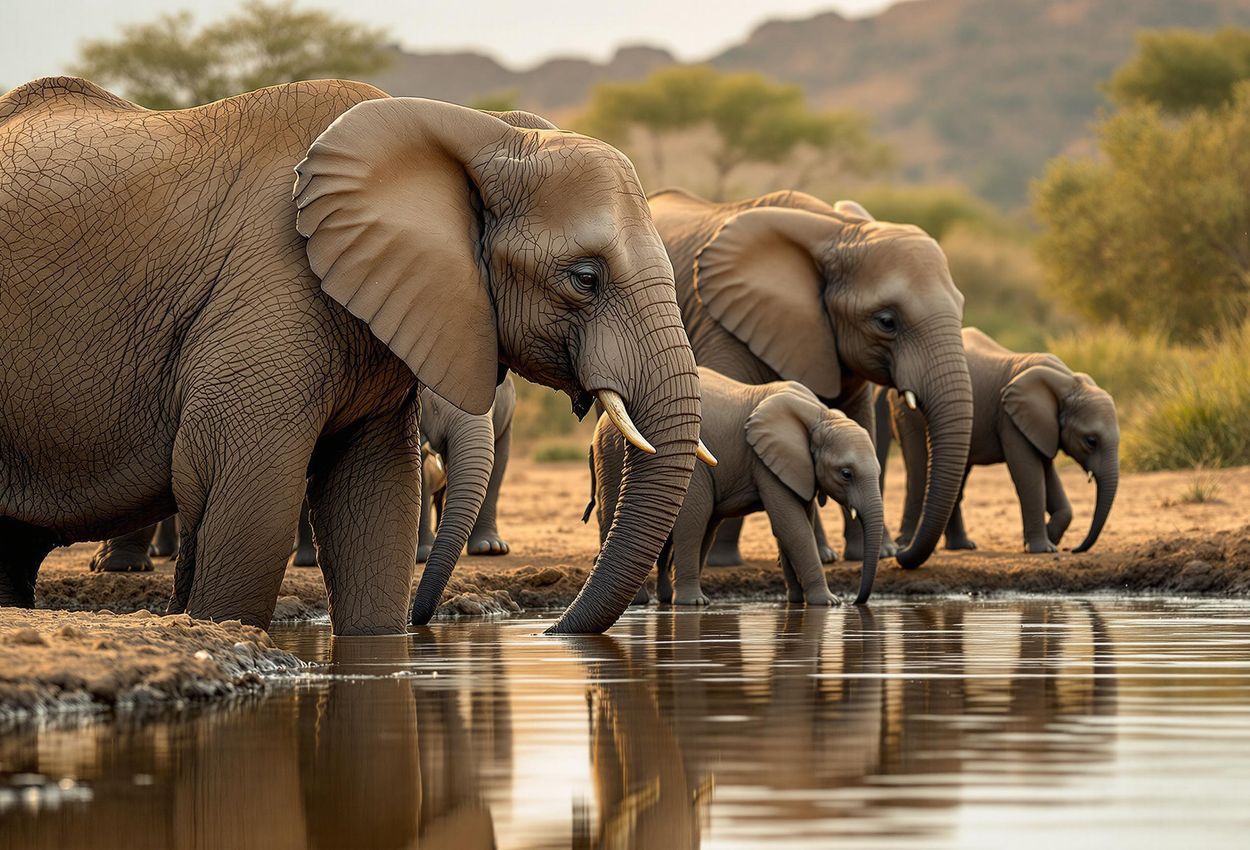
Prepare to be amazed by the diverse wildlife of Niassa Reserve, where elephants roam in large herds, sable antelope graze gracefully, and predators stalk the shadows. This is a realm of giants and hunters, a true African spectacle.
Niassa Reserve is home to a remarkable array of wildlife, including some of Africa's most iconic species. The reserve boasts a significant population of elephants, majestic creatures that roam freely across its vast landscapes. Witnessing these giants in their natural habitat is an awe-inspiring experience, a reminder of the power and grace of the animal kingdom.
The sable antelope, with its striking black coat and curved horns, is another iconic species found in Niassa. These graceful creatures are a sight to behold, often seen grazing in the open woodlands. Niassa is also home to three endemic subspecies: the Niassa wildebeest, Boehm's zebra, and Johnston's impala, adding to the reserve's unique biodiversity.
Niassa's predators add another layer of excitement to the wildlife spectacle. Lions, leopards, and African wild dogs roam the reserve, playing a crucial role in maintaining the ecological balance. Spotting these elusive hunters requires patience and a keen eye, but the reward is well worth the effort.
While Niassa's wildlife populations are thriving, they have faced challenges in the past. Poaching, particularly for elephants, has had a significant impact on the reserve. However, ongoing conservation efforts are helping to combat this threat, with elephant populations showing signs of recovery.
It's important to note that rhinos are locally extinct in Niassa. However, the presence of other iconic species and the ongoing efforts to protect them make Niassa a vital sanctuary for African wildlife.
As you explore Niassa, keep your eyes peeled for the diverse array of wildlife that calls this reserve home. From the majestic elephants to the elusive predators, Niassa offers a wildlife spectacle that will leave you in awe of the natural world.
Discover the heart of Niassa Reserve's conservation efforts, where protecting wildlife and empowering local communities go hand in hand. This is a safari with a purpose, a chance to contribute to the preservation of this unique wilderness.
Conservation is at the heart of Niassa Reserve's mission. Protecting this vast wilderness and its incredible biodiversity requires a concerted effort, involving collaboration between various organizations and the active participation of local communities.
The Administração Nacional para Áreas de Conservação (ANAC), the Mozambican government agency responsible for conservation areas, works closely with the Wildlife Conservation Society (WCS) to manage and protect Niassa Reserve. This partnership combines the expertise and resources of both organizations, ensuring effective conservation strategies are implemented.
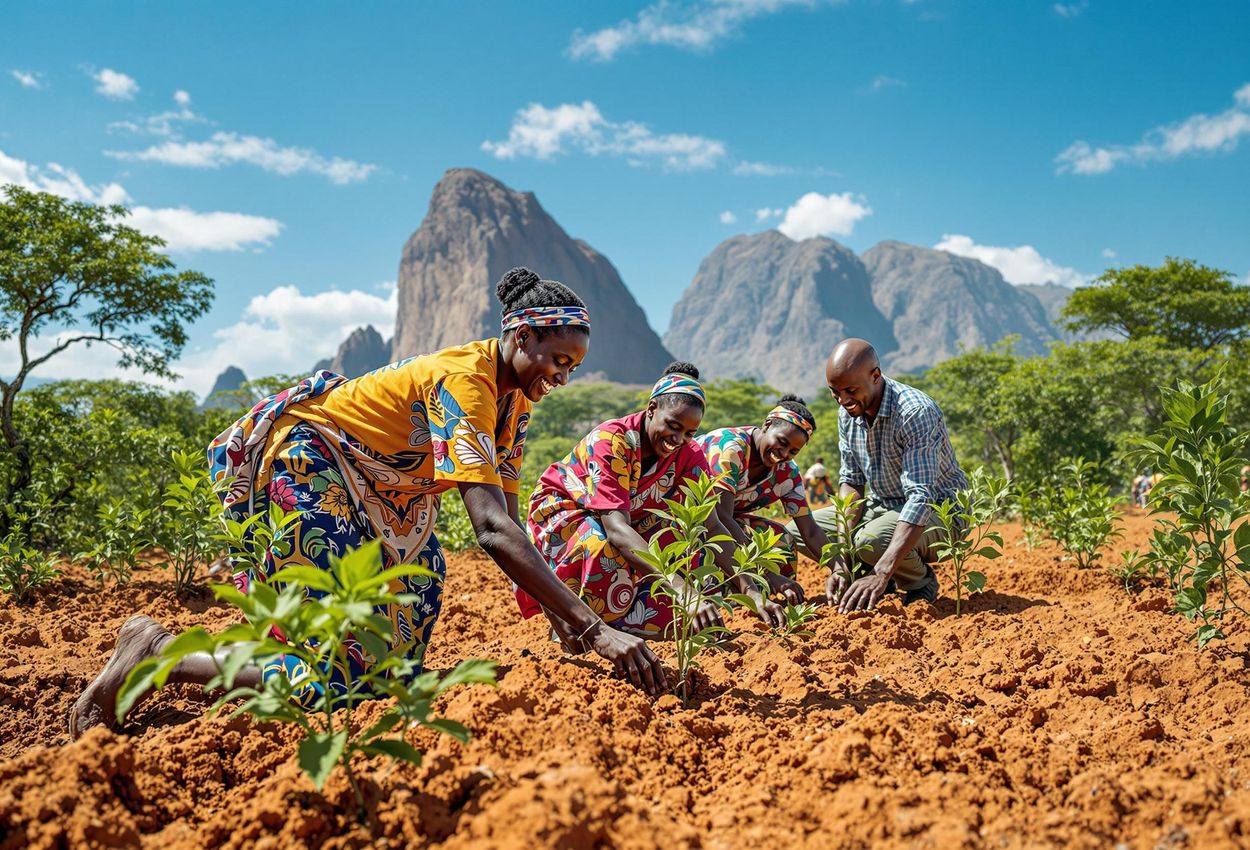
Local communities play a vital role in the success of Niassa's conservation efforts. Recognizing that the future of the reserve is intertwined with the well-being of its people, ANAC and WCS actively involve communities in conservation and tourism initiatives.
Community-based tourism initiatives, such as Mpopo Trails Camp, provide sustainable employment and income generation for local residents. These initiatives not only improve livelihoods but also foster a sense of ownership and responsibility for the reserve's well-being. By supporting these initiatives, visitors can directly contribute to the conservation of Niassa and the empowerment of its communities.
The challenges facing Niassa's conservation efforts are significant. Poaching, illegal logging, and human-wildlife conflict pose ongoing threats to the reserve's biodiversity. However, through collaborative efforts and the commitment of local communities, progress is being made to address these challenges and ensure the long-term sustainability of Niassa Reserve.
When planning your safari to Niassa, consider supporting community-based tourism initiatives and responsible tour operators. By doing so, you can experience the magic of Niassa while contributing to its conservation and the well-being of its communities.
Embark on your Niassa adventure with careful planning and preparation. This practical guide provides essential information on the best time to visit, how to get there, and the activities that await you in this untamed wilderness.
The best time to visit Niassa Reserve is during the dry season, from July to October. During these months, wildlife is easier to spot as animals congregate around water sources. The cooler temperatures and reduced humidity also make for more comfortable travel conditions.
Getting to Niassa requires careful planning. Flights to Lichinga are available from major Mozambican cities. From Lichinga, a 4x4 vehicle is essential for navigating the rugged terrain within the reserve. Alternatively, chartered flights can be arranged to airstrips within Niassa.
A variety of activities await you in Niassa, offering opportunities to experience the reserve's unique beauty and wildlife. Game drives provide a chance to spot elephants, lions, and other iconic species. Walking safaris offer a more intimate encounter with the bush, allowing you to appreciate the smaller details of the ecosystem. Birdwatching is another popular activity, with over 400 species recorded in the reserve.
Due to the limited infrastructure within Niassa, careful planning is crucial. Accommodation options are limited, with Mpopo Trails Camp being a notable community-based tourism initiative. It's essential to book accommodation and activities in advance and to be prepared for self-sufficient travel.
Responsible safari practices are essential when visiting Niassa. Respecting wildlife, minimizing your environmental impact, and supporting local communities are all important considerations. By following these guidelines, you can ensure that your visit to Niassa contributes to the long-term sustainability of this remarkable wilderness.
With careful planning and a spirit of adventure, your expedition to Niassa Reserve will be an unforgettable experience. Prepare to be captivated by the vast landscapes, diverse wildlife, and the untamed beauty of this hidden gem in northern Mozambique.
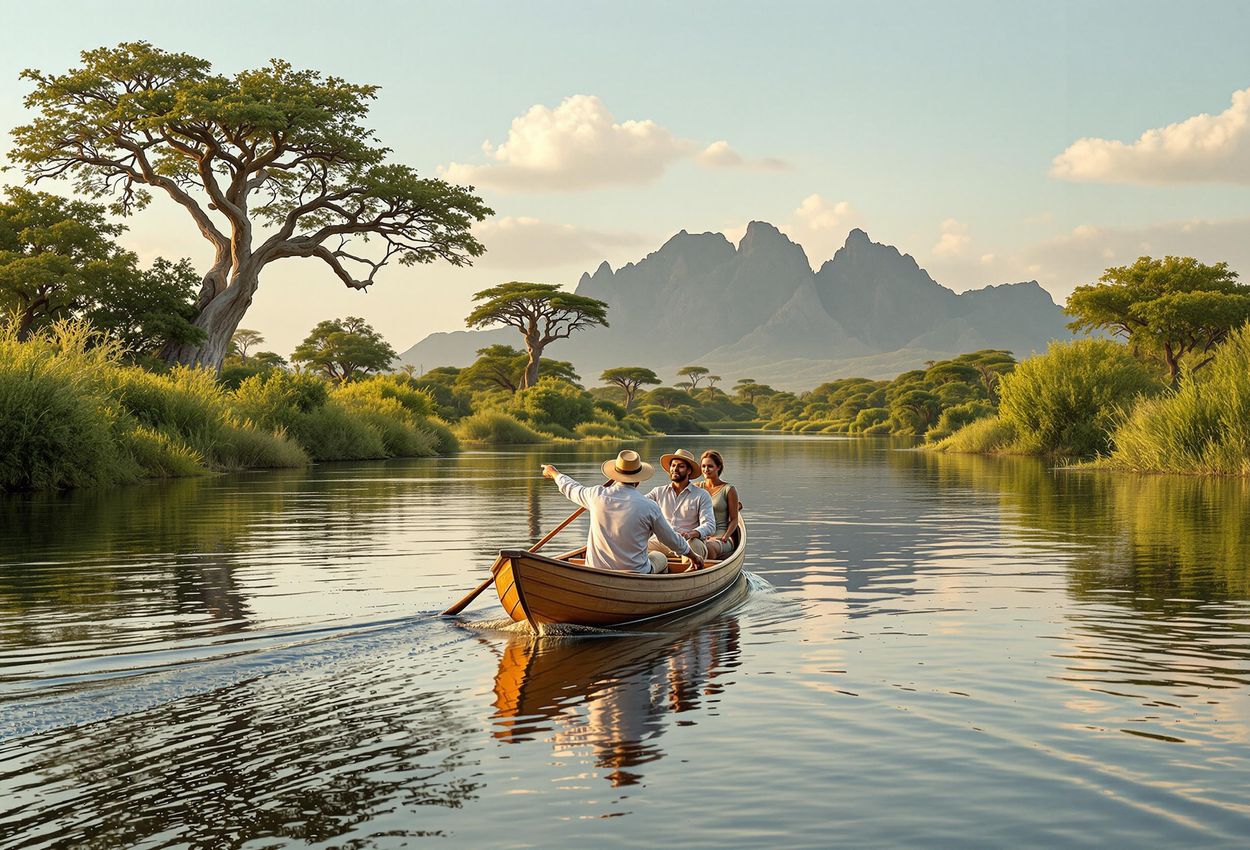
Local Tip: Engage with the local communities to learn about their culture and traditions. This enriches your experience and supports their livelihoods.
Hidden Gem: Explore the isolated forest communities on the mountains and inselbergs. These unique ecosystems harbor rare plant and animal species.
Our editors` picks of the latest and greatest in travel - delivered to your inbox daily
Relax on the beaches and explore the reefs of Xai-Xai.
View More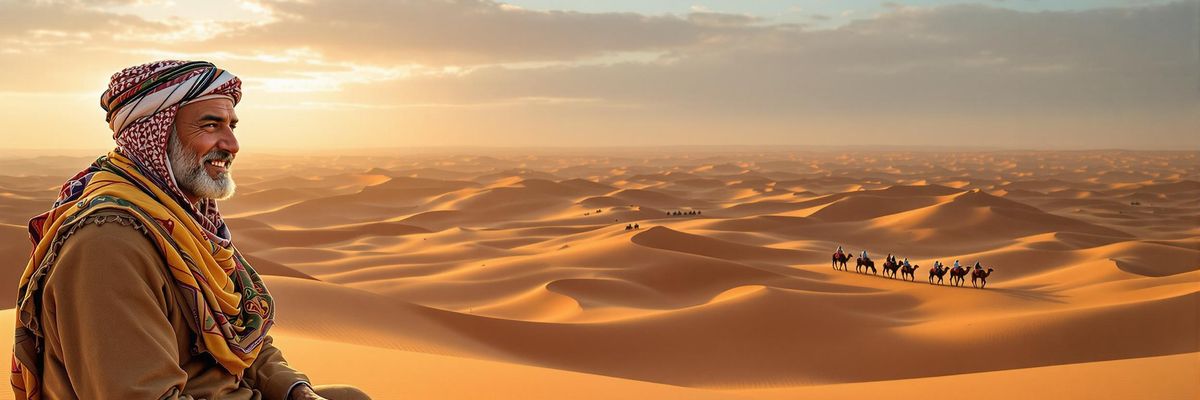
Embrace the cooler temperatures and experience the International Festival of the Sahara in Douz this December.
View More
Celebrate the year-end festivities in Accra, culminating in the vibrant Afrofuture festival.
View More Albania EDITION
 Algeria EDITION
 Argentina EDITION
 Armenia EDITION
 Australia EDITION
 Austria EDITION
 Bangladesh EDITION
 Belgium EDITION
 Belize EDITION
 Benin EDITION
 Bhutan EDITION
 Bolivia EDITION
 Bosnia and Herzegovina EDITION
 Botswana EDITION
 Brazil EDITION
 Bulgaria EDITION
 Burkina Faso EDITION
 Cambodia EDITION
 Cameroon EDITION
 Canada EDITION
 Central African Republic EDITION
 Chad EDITION
 Chile EDITION
 China EDITION
 Colombia EDITION
 Costa Rica EDITION
 Croatia EDITION
 Cyprus EDITION
 Denmark EDITION
 Djibouti EDITION
 Ecuador EDITION
 Egypt EDITION
 El Salvador EDITION
 Eritrea EDITION
 Estonia EDITION
 Ethiopia EDITION
 Finland EDITION
 France EDITION
 Gabon EDITION
 Georgia EDITION
 Germany EDITION
 Ghana EDITION
 Greece EDITION
 Guatemala EDITION
 Guinea EDITION
 Guinea-Bissau EDITION
 Honduras EDITION
 Hungary EDITION
 Iceland EDITION
 India EDITION
 Indonesia EDITION
 Ireland EDITION
 Israel EDITION
 Italy EDITION
 Jamaica EDITION
 Japan EDITION
 Jordan EDITION
 Kenya EDITION
 Kuwait EDITION
 Laos EDITION
 Latvia EDITION
 Lebanon EDITION
 Lesotho EDITION
 Liberia EDITION
 Lithuania EDITION
 Luxembourg EDITION
 Madagascar EDITION
 Malawi EDITION
 Malaysia EDITION
 Maldives EDITION
 Mali EDITION
 Malta EDITION
 Mauritania EDITION
 Mauritius EDITION
 Mexico EDITION
 Mongolia EDITION
 Montenegro EDITION
 Morocco EDITION
 Mozambique EDITION
 Namibia EDITION
 Nepal EDITION
 Netherlands EDITION
 New Zealand EDITION
 Nicaragua EDITION
 Niger EDITION
 Nigeria EDITION
 Norway EDITION
 Oman EDITION
 Pakistan EDITION
 Panama EDITION
 Papua New Guinea EDITION
 Paraguay EDITION
 Peru EDITION
 Philippines EDITION
 Poland EDITION
 Portugal EDITION
 Qatar EDITION
 Romania EDITION
 Rwanda EDITION
 Saudi Arabia EDITION
 Senegal EDITION
 Serbia EDITION
 Singapore EDITION
 Slovakia EDITION
 Slovenia EDITION
 Somalia EDITION
 South Africa EDITION
 South Korea EDITION
 Spain EDITION
 Sri Lanka EDITION
 Suriname EDITION
 Sweden EDITION
 Switzerland EDITION
 Tanzania EDITION
 Thailand EDITION
 Tunisia EDITION
 Uganda EDITION
 United Arab Emirates EDITION
 United Kingdom EDITION
 Uruguay EDITION
 Venezuela EDITION
 Vietnam EDITION
 Zambia EDITION
 Zimbabwe EDITION
Subscribe to our newsletter and get the most captivating travel stories, hidden gems, and expert insights delivered straight to your inbox. As a subscriber, you’ll be first in line for exclusive content, premium offers, and unforgettable travel experiences