


Destination Guide
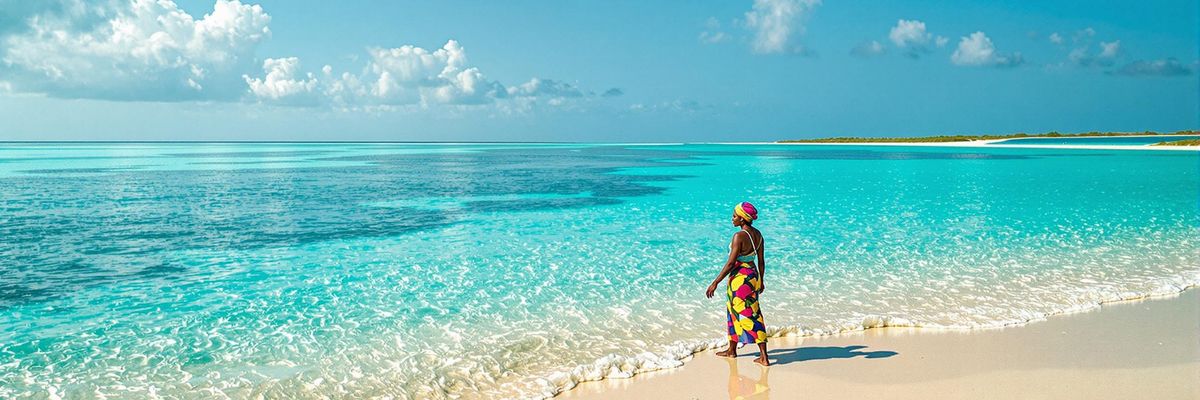
Xai-Xai: A Coastal Retreat
Relax on the beaches and explore the reefs of Xai-Xai.
View More

In Nouadhibou, Mauritania, the stark beauty of the Sahara Desert collides with the vast expanse of the Atlantic Ocean, creating a landscape of dramatic contrasts and unexpected allure. This coastal city, a vital hub for fishing and trade, offers a unique blend of urban grit and natural splendor, inviting travelers to explore its hidden corners and experience the raw, untamed spirit of the Sahara's edge.
From the haunting remains of a ship cemetery to the bustling activity of its fishing port and the serene vistas of its coastline, Nouadhibou presents a multifaceted portrait of a city shaped by its relationship with both the desert and the sea. Here, the whispers of forgotten vessels mingle with the cries of seagulls, and the golden sands meet the endless blue in a mesmerizing display of nature's artistry.

Once a sprawling testament to maritime abandonment, the 'Cimetière de Bateaux,' or Ship Cemetery, of Nouadhibou was a surreal landscape where decaying vessels lay scattered along the coastline, creating a hauntingly beautiful scene. Fishing trawlers, cargo ships, and even naval cruisers rested in their rusty slumber, their skeletal forms a stark contrast to the vibrant blue of the Atlantic.
The origin of this maritime graveyard lies in a combination of economic hardship and corruption. During the 1980s, as Mauritania's economy faltered, unscrupulous ship owners found it cheaper to bribe local officials and abandon their unwanted vessels in the bay rather than bear the cost of proper dismantling. This practice led to the accumulation of hundreds of ships, transforming the coastline into an eerie spectacle of decay and abandonment.
While the ship cemetery was a sight to behold, it also posed environmental risks due to the leakage of toxic oils, paints, and rust into the waters. Recognizing these dangers, the Mauritanian government, with the help of international organizations, has undertaken efforts to dismantle and remove the ships. Chinese recycling firms have been involved in collecting the scrap metal.
Though the ship graveyard is disappearing, its memory lingers as a reminder of the city's complex past and its ongoing efforts to balance economic development with environmental responsibility. While the haunting symphony of rust and waves may be fading, the allure of Nouadhibou remains, drawing visitors to witness the captivating intersection of desert and sea.
Local legend has it that, in the quieter stretches of the coast near the former ship cemetery, one might catch a glimpse of the elusive Mediterranean monk seals. These critically endangered creatures, with their sleek bodies and soulful eyes, are a rare and precious sight, adding another layer of intrigue to Nouadhibou's coastal wonders.
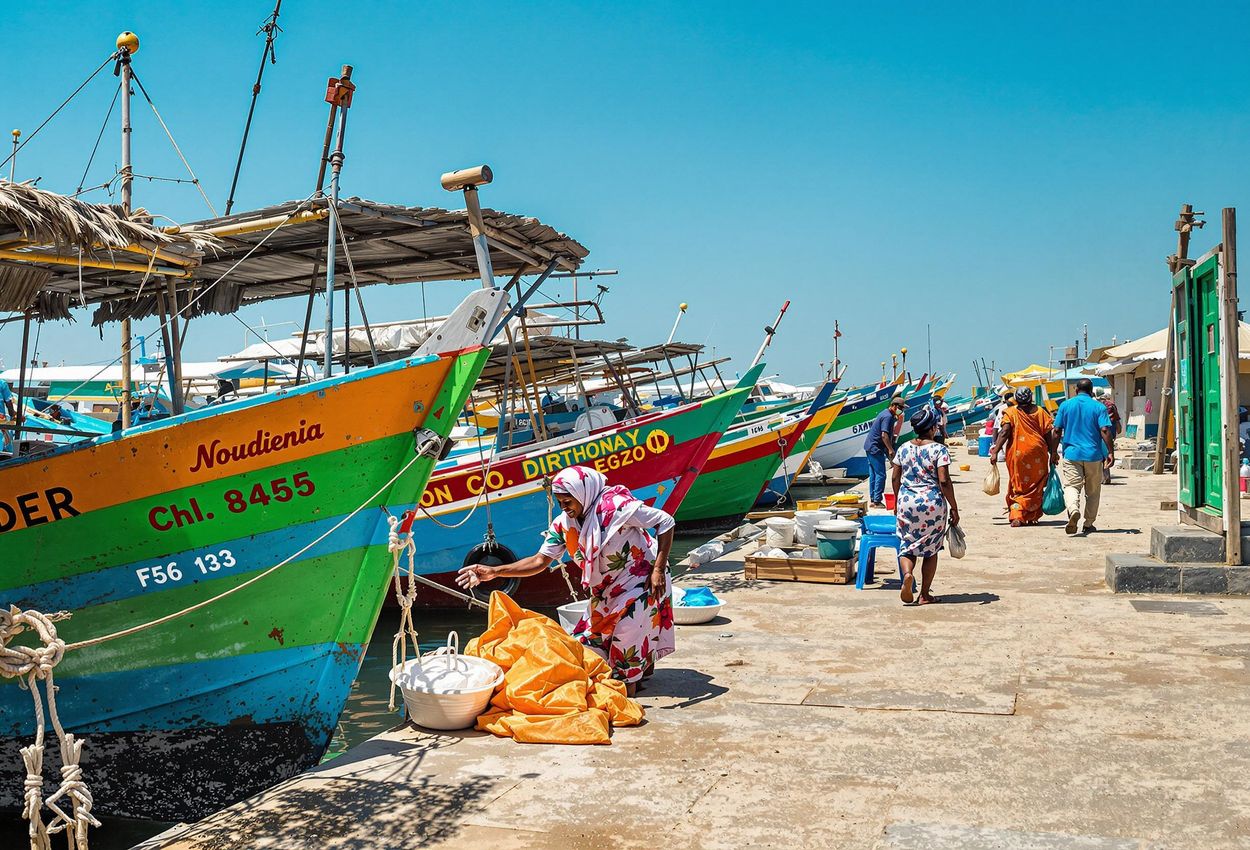
Nouadhibou pulsates with the rhythm of its vibrant fishing industry, the lifeblood of the city and a cornerstone of the Mauritanian economy. The port is a hive of activity, where colorful Senegalese boats bob alongside local vessels, their hulls laden with the day's catch.
The air is thick with the briny scent of the sea, mingled with the earthy aroma of sun-baked sand. The cries of seagulls echo overhead as fishermen unload their bounty: silvery sardines, glistening tuna, and a variety of other fish that teem in the rich waters off the Mauritanian coast. These catches are not only a source of sustenance but also a vital component of the local economy, providing livelihoods for countless families.
However, the fishing industry in Nouadhibou faces numerous challenges. Foreign competition, unsustainable fishing practices, and inadequate infrastructure have all taken their toll. Local fishermen struggle to compete with larger, more technologically advanced foreign vessels that often exploit Mauritania's waters without contributing to the local economy.
Despite these challenges, efforts are underway to improve the port's competitiveness and attract fish processing industries. The government has launched initiatives to modernize infrastructure, promote sustainable fishing practices, and empower local fishermen. The goal is to transform Nouadhibou into a thriving seafood hub, where fish are not only caught but also processed and exported, creating jobs and boosting the local economy.
A visit to the fish market is an immersion into the heart and soul of Nouadhibou. Here, the senses are bombarded with a symphony of sights, smells, and sounds. Vendors hawk their wares with gusto, their voices rising above the din of bartering customers. The air is filled with the aroma of fresh fish, spices, and grilling seafood, a tantalizing invitation to sample the flavors of the Atlantic.
Local Tip: For an authentic taste of Nouadhibou, try the grilled fish served at the small restaurants near the port. The fish is typically marinated in a blend of local spices and grilled over charcoal, resulting in a delicious and unforgettable culinary experience.

Nouadhibou's strategic coastal location, nestled on the peninsula of Ras Nouadhibou (also known as Cap Blanc), offers a unique vantage point where the vast Sahara Desert meets the boundless Atlantic Ocean. This dramatic juxtaposition of landscapes creates a sense of awe and wonder, inviting visitors to contemplate the raw power and beauty of nature.
Standing on the shores of Nouadhibou, one can witness the mesmerizing sight of the Sahara's golden sands merging with the Atlantic's azure waters. The experience is both surreal and captivating, a reminder of the earth's diverse and interconnected ecosystems. The air is crisp and clean, carrying the scent of both the desert and the sea, a unique olfactory blend that invigorates the senses.
The sunsets in Nouadhibou are legendary, painting the sky in a kaleidoscope of colors as the sun dips below the horizon. The fiery hues of orange, red, and gold reflect off the water, creating a breathtaking spectacle that lingers long after the sun has disappeared. As darkness descends, the stars emerge, twinkling like diamonds against the inky blackness, offering a glimpse into the vastness of the universe.
Cap Blanc (White Cape), the westernmost point of Saharan Africa, is a must-see destination for nature enthusiasts. This dramatic headland offers panoramic views of the coastline, where the desert cliffs plunge into the crashing waves of the Atlantic. The area is also home to a diverse array of birdlife, making it a paradise for birdwatchers.
Hidden Gem: For a truly unique experience, visit the lighthouse at Cap Blanc. Built in 1910, this historic landmark offers a glimpse into the region's maritime past and provides stunning views of the surrounding landscape. The lighthouse is located close to the border between Mauritania and Western Sahara.
Exploring Nouadhibou and its surrounding coastal wonders is an adventure that will stay with you long after you've left. It's a journey into a land of contrasts, where the desert meets the sea, and where the raw beauty of nature intertwines with the resilience of human spirit.
Our editors` picks of the latest and greatest in travel - delivered to your inbox daily
Relax on the beaches and explore the reefs of Xai-Xai.
View More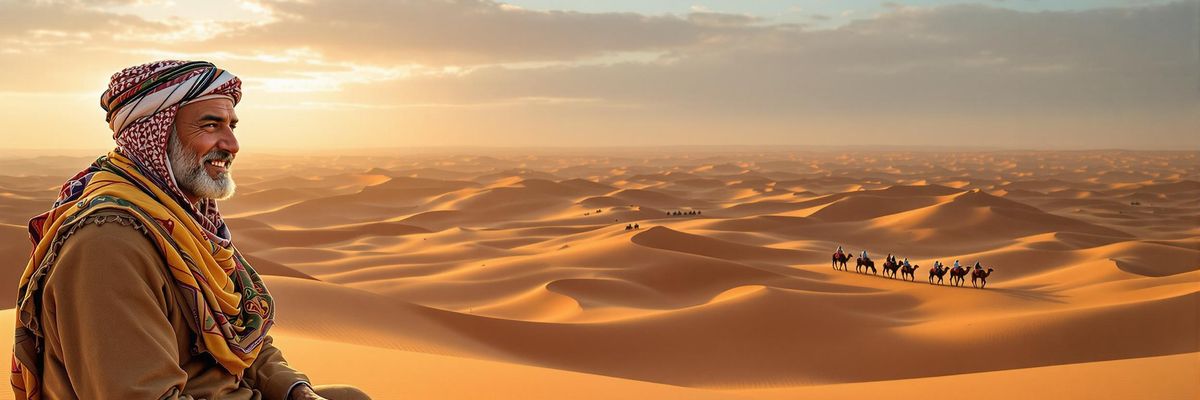
Embrace the cooler temperatures and experience the International Festival of the Sahara in Douz this December.
View More
Celebrate the year-end festivities in Accra, culminating in the vibrant Afrofuture festival.
View More Albania EDITION
 Algeria EDITION
 Argentina EDITION
 Armenia EDITION
 Australia EDITION
 Austria EDITION
 Bangladesh EDITION
 Belgium EDITION
 Belize EDITION
 Benin EDITION
 Bhutan EDITION
 Bolivia EDITION
 Bosnia and Herzegovina EDITION
 Botswana EDITION
 Brazil EDITION
 Bulgaria EDITION
 Burkina Faso EDITION
 Cambodia EDITION
 Cameroon EDITION
 Canada EDITION
 Central African Republic EDITION
 Chad EDITION
 Chile EDITION
 China EDITION
 Colombia EDITION
 Costa Rica EDITION
 Croatia EDITION
 Cyprus EDITION
 Denmark EDITION
 Djibouti EDITION
 Ecuador EDITION
 Egypt EDITION
 El Salvador EDITION
 Eritrea EDITION
 Estonia EDITION
 Ethiopia EDITION
 Finland EDITION
 France EDITION
 Gabon EDITION
 Georgia EDITION
 Germany EDITION
 Ghana EDITION
 Greece EDITION
 Guatemala EDITION
 Guinea EDITION
 Guinea-Bissau EDITION
 Honduras EDITION
 Hungary EDITION
 Iceland EDITION
 India EDITION
 Indonesia EDITION
 Ireland EDITION
 Israel EDITION
 Italy EDITION
 Jamaica EDITION
 Japan EDITION
 Jordan EDITION
 Kenya EDITION
 Kuwait EDITION
 Laos EDITION
 Latvia EDITION
 Lebanon EDITION
 Lesotho EDITION
 Liberia EDITION
 Lithuania EDITION
 Luxembourg EDITION
 Madagascar EDITION
 Malawi EDITION
 Malaysia EDITION
 Maldives EDITION
 Mali EDITION
 Malta EDITION
 Mauritania EDITION
 Mauritius EDITION
 Mexico EDITION
 Mongolia EDITION
 Montenegro EDITION
 Morocco EDITION
 Mozambique EDITION
 Namibia EDITION
 Nepal EDITION
 Netherlands EDITION
 New Zealand EDITION
 Nicaragua EDITION
 Niger EDITION
 Nigeria EDITION
 Norway EDITION
 Oman EDITION
 Pakistan EDITION
 Panama EDITION
 Papua New Guinea EDITION
 Paraguay EDITION
 Peru EDITION
 Philippines EDITION
 Poland EDITION
 Portugal EDITION
 Qatar EDITION
 Romania EDITION
 Rwanda EDITION
 Saudi Arabia EDITION
 Senegal EDITION
 Serbia EDITION
 Singapore EDITION
 Slovakia EDITION
 Slovenia EDITION
 Somalia EDITION
 South Africa EDITION
 South Korea EDITION
 Spain EDITION
 Sri Lanka EDITION
 Suriname EDITION
 Sweden EDITION
 Switzerland EDITION
 Tanzania EDITION
 Thailand EDITION
 Tunisia EDITION
 Uganda EDITION
 United Arab Emirates EDITION
 United Kingdom EDITION
 Uruguay EDITION
 Venezuela EDITION
 Vietnam EDITION
 Zambia EDITION
 Zimbabwe EDITION
Subscribe to our newsletter and get the most captivating travel stories, hidden gems, and expert insights delivered straight to your inbox. As a subscriber, you’ll be first in line for exclusive content, premium offers, and unforgettable travel experiences