


Destination Guide
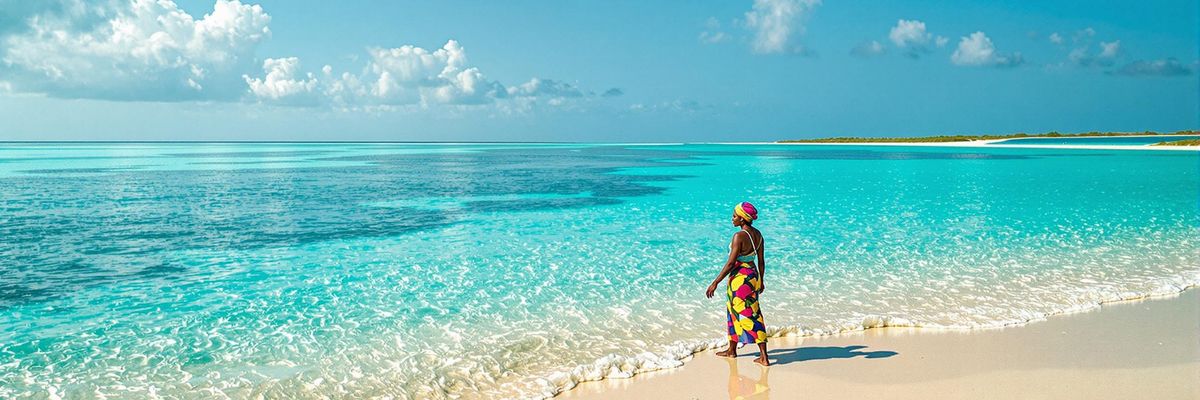
Xai-Xai: A Coastal Retreat
Relax on the beaches and explore the reefs of Xai-Xai.
View More

Nouakchott, a city born from the sands, stands as a testament to Mauritania's resilience and ambition, a place where the echoes of ancient nomadic traditions harmonize with the aspirations of a modern nation.
Arriving in Nouakchott is akin to stepping onto a canvas where the ochre hues of the Sahara Desert meet the endless blue of the Atlantic Ocean. The city, sprawling and ever-expanding, is a unique blend of coastal and desert landscapes, a place where camels roam freely on the outskirts while the city center pulses with the energy of a rapidly developing urban hub. Founded in 1958, just two years before Mauritania gained independence, Nouakchott was initially conceived as a modest administrative center. However, it quickly transformed into a bustling capital, drawing people from across the country in search of opportunity and a new way of life.
Today, Nouakchott presents a captivating juxtaposition of worlds. Modern buildings rise alongside traditional Moorish architecture, reflecting the city's journey from a small settlement to a sprawling metropolis. The sandy streets, often swept by the harmattan winds, are filled with the sounds of bustling markets, the calls of street vendors, and the rhythmic beat of traditional music. The air carries the scent of the sea mingled with the earthy aroma of spices and grilled meats, creating a sensory experience that is both invigorating and uniquely Mauritanian.
The city's rapid growth has presented significant challenges. Infrastructure struggles to keep pace with the increasing population, and access to basic amenities can be inconsistent. Yet, amidst these challenges, the spirit of the Nouakchott residents shines through. Their resilience, resourcefulness, and unwavering sense of community are palpable, creating a vibrant and welcoming atmosphere for those who venture to explore this intriguing capital. Nouakchott is not a city of grand monuments or meticulously manicured gardens; instead, its charm lies in its authenticity, its raw energy, and the genuine warmth of its people.
The city’s landscape is dotted with contrasts at every turn. Modern vehicles navigate alongside donkey carts, and the traditional dress of flowing boubous and colorful melhfas blends with contemporary Western attire. This fusion of cultures and traditions is what makes Nouakchott so compelling, offering a glimpse into a society in transition, where the past and the future are constantly intertwined. As the sun sets over the Atlantic, casting a golden glow across the city, Nouakchott reveals its true essence: a capital of contrasts, a city of resilience, and a vibrant heart of Mauritania.

The Port de Pêche, more than just a harbor, is a stage where the daily drama of life unfolds, a place where the ocean's bounty meets the relentless energy of human endeavor.
The Port de Pêche, or fishing port, is the beating heart of Nouakchott, a place where the city's connection to the Atlantic Ocean is most palpable. Located on the coast, a short distance from the city center, the port is a hive of activity from dawn till dusk, offering a sensory overload of sights, sounds, and smells. As you approach the port, the air fills with the briny scent of the sea, the pungent odor of fish, and the cacophony of voices as fishermen hawk their daily catch.
Hundreds of colorful wooden boats, known as pirogues, line the shore, creating a vibrant tableau against the backdrop of the ocean. These boats, often painted with intricate designs and symbols, are the lifeblood of the port, carrying fishermen out to sea each day to harvest the ocean's bounty. The most active time to visit the Port de Pêche is typically between 2 PM and 5 PM, when the fishing boats return to shore laden with their catch. The scene is one of organized chaos, as teams of fishermen work together to haul the heavy nets onto the beach, their muscles straining with the effort. The air is thick with anticipation as the nets are opened, revealing a shimmering mass of fish, crabs, and other marine creatures.
The fishermen of Nouakchott employ traditional methods passed down through generations. They navigate the ocean in their wooden pirogues, using hand-woven nets and relying on their knowledge of the tides and currents to guide them. Despite the challenges of the sea, they persevere, driven by a deep connection to their craft and a commitment to providing for their families and community. The Port de Pêche plays a vital role in Nouakchott's economy, providing a source of income for countless families and supplying the city with fresh seafood. The fish market, located adjacent to the port, is a bustling hub where locals gather to purchase the day's catch.
Local Encounter: I spoke with a local fisherman named Ahmed, who has been fishing in Nouakchott for over 20 years. He shared his experiences of the changing ocean conditions, the challenges of competing with larger fishing vessels, and his hopes for the future of his community. Despite the difficulties, Ahmed expressed a deep love for his work and a strong connection to the sea, a sentiment echoed by many of the fishermen at the port.
A visit to the Port de Pêche is an immersion into the heart of Nouakchott's maritime culture, a place where the rhythms of the ocean dictate the pace of life and where the spirit of the city is most vibrantly on display.

The National Museum is a repository of Mauritania's collective memory, a place where artifacts whisper tales of ancient empires, nomadic traditions, and the enduring spirit of the Mauritanian people.
The National Museum of Mauritania, located in Nouakchott, is a treasure trove of artifacts and exhibits that showcase the country's rich history, diverse cultures, and artistic heritage. Housed in a two-story building constructed in 1972, the museum is more than just a repository of objects; it is a place where the past comes alive, offering visitors a glimpse into the lives of those who came before.
The museum's collections are divided into two main sections: archaeology and ethnography. The archaeological section features artifacts from ancient cities and settlements across Mauritania, including Koumbi Saleh, Aoudaghost, Tichit, Ouadane, and Azougui. These artifacts provide insights into the lives of the people who inhabited these cities, their trade networks, their religious beliefs, and their artistic achievements. Exhibits include lithic tools, sherds, arrowheads, and epigraphic shale plates. The ethnographic section of the museum showcases the diverse cultures of Mauritania, with exhibits featuring traditional clothing, jewelry, musical instruments, and household objects. These objects offer a glimpse into the daily lives, customs, and traditions of the various ethnic groups that make up Mauritania's society.
One of the highlights of the museum is its collection of artifacts from Koumbi Saleh, the former capital of the Ghana Empire. These artifacts, including pottery, jewelry, and metalwork, provide evidence of the city's wealth, its sophisticated culture, and its importance as a center of trade in West Africa. The museum also features exhibits on the nomadic lifestyle of the Mauritanian people, showcasing their adaptation to the harsh desert environment and their reliance on camels for transportation, trade, and sustenance. These exhibits include traditional tents, camel saddles, and other objects related to nomadic life.
Local Insight: I had the opportunity to speak with a museum curator, Fatima, who shared her passion for preserving Mauritania's heritage and promoting cultural understanding. She emphasized the importance of the museum as a place where Mauritanians can connect with their past and where visitors can learn about the country's rich and complex history. Fatima also highlighted the museum's role in educating young people about their cultural heritage and fostering a sense of national pride.
A visit to the National Museum of Mauritania is an enriching experience, offering a deeper understanding of the country's past and its vibrant cultural present. It is a place where history comes alive, where the stories of ancient civilizations and nomadic traditions are told through the objects they left behind.

The camel market is a microcosm of Mauritania itself: a place of ancient traditions, bustling commerce, and the enduring bond between humans and animals.
The camel market in Nouakchott is a sensory explosion, a place where the sights, sounds, and smells of the desert converge in a vibrant display of commerce and culture. Located on the outskirts of the city, the market is one of the largest camel markets in Africa, attracting traders and buyers from across Mauritania and neighboring countries. As you approach the market, the air fills with the bleating of camels, the shouts of traders, and the swirling dust kicked up by the animals' hooves. The scene is chaotic yet captivating, a glimpse into a world where ancient traditions and modern commerce intertwine.
Camels are central to Mauritanian culture and economy, serving as a source of transportation, milk, meat, and wool. In the camel market, traders gather to buy and sell these majestic animals, engaging in a time-honored ritual of negotiation and exchange. The negotiation process is a spectacle in itself, with traders engaging in animated discussions, gesturing wildly, and slapping hands to seal the deal. The price of a camel depends on its age, health, and breed, with the most prized animals fetching high prices. The camel market is not just a place of commerce; it is also a social gathering, where people come to meet friends, exchange news, and share stories. The market is filled with makeshift stalls selling tea, snacks, and other goods, providing sustenance for traders and visitors alike.
The cultural significance of camels in Mauritania cannot be overstated. These animals have been an integral part of Mauritanian life for centuries, enabling nomadic communities to traverse the vast desert landscapes and sustain themselves in harsh conditions. Camels are also a symbol of wealth and status, with owning a large herd signifying prosperity and influence.
Local Insight: I spoke with a camel trader named Omar, who has been working in the market for over 30 years. He shared his insights into the changing market trends, the challenges of competing with imported goods, and the importance of preserving the cultural heritage associated with camels. Omar also emphasized the importance of treating the animals with respect and compassion, recognizing their vital role in Mauritanian society.
A visit to the camel market in Nouakchott is an unforgettable experience, offering a glimpse into a world where ancient traditions thrive and where the bond between humans and animals remains strong. It is a place where the spirit of the desert comes alive, where the echoes of nomadic history resonate in the present.

Daily life in Nouakchott is a tapestry woven with threads of tradition and modernity, resilience and resourcefulness, challenge and charm.
Life in Nouakchott is a unique blend of challenges and charms, offering a glimpse into the realities of life in a rapidly developing African capital. The city's residents face a range of obstacles, from infrastructure limitations to environmental concerns, but they also possess a remarkable ability to adapt, innovate, and find joy in the everyday. One of the most significant challenges facing Nouakchott is its infrastructure. The city has grown rapidly in recent decades, and its infrastructure has struggled to keep pace. Access to basic amenities such as clean water, reliable electricity, and sanitation can be inconsistent, particularly in the city's informal settlements.
Transportation is another challenge, with traffic congestion being a common occurrence. The roads are often crowded with cars, taxis, buses, donkey carts, and pedestrians, creating a chaotic and sometimes dangerous environment. However, despite these challenges, the residents of Nouakchott display remarkable resilience and resourcefulness. They have developed creative solutions to overcome the obstacles they face, from using donkey carts to navigate the sandy streets to relying on community networks for support.
The city also possesses a unique charm, stemming from its vibrant culture, its welcoming people, and its blend of traditional and modern influences. The markets are a hub of activity, filled with the sights, sounds, and smells of local life. The beaches offer a respite from the city's hustle and bustle, providing a place to relax, swim, and enjoy the ocean breeze. The city's residents are known for their hospitality and their willingness to share their culture with visitors. They are proud of their heritage and eager to showcase the best of Mauritania.
Tips for Visitors:
Hidden Gem: Seek out the smaller tea shops tucked away in the side streets. Here, you can experience the traditional Mauritanian tea ceremony, a ritual of hospitality and friendship that involves brewing and pouring tea three times, each time with a different flavor and strength.
Navigating daily life in Nouakchott requires patience, adaptability, and a sense of adventure. But for those who embrace its challenges and appreciate its charms, the city offers a unique and rewarding experience, a glimpse into the heart of a vibrant and resilient nation.

Our editors` picks of the latest and greatest in travel - delivered to your inbox daily
Relax on the beaches and explore the reefs of Xai-Xai.
View More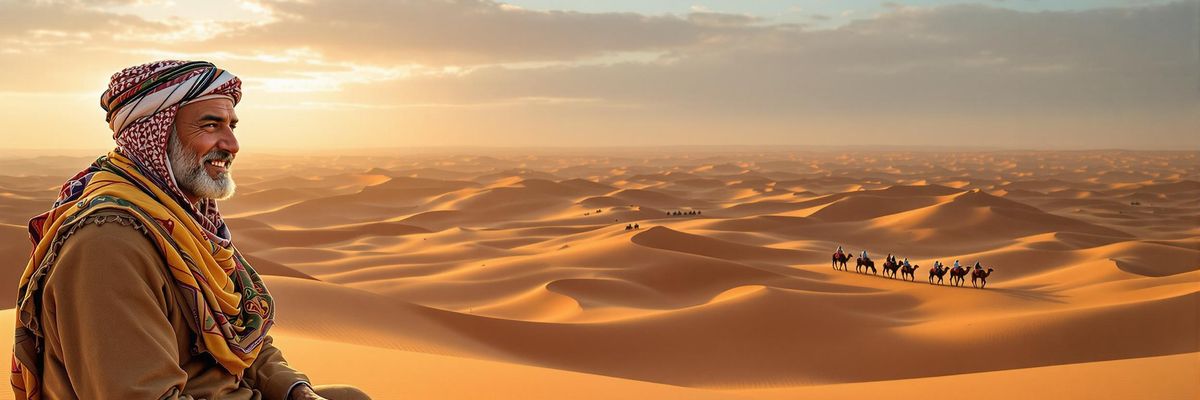
Embrace the cooler temperatures and experience the International Festival of the Sahara in Douz this December.
View More
Celebrate the year-end festivities in Accra, culminating in the vibrant Afrofuture festival.
View More Albania EDITION
 Algeria EDITION
 Argentina EDITION
 Armenia EDITION
 Australia EDITION
 Austria EDITION
 Bangladesh EDITION
 Belgium EDITION
 Belize EDITION
 Benin EDITION
 Bhutan EDITION
 Bolivia EDITION
 Bosnia and Herzegovina EDITION
 Botswana EDITION
 Brazil EDITION
 Bulgaria EDITION
 Burkina Faso EDITION
 Cambodia EDITION
 Cameroon EDITION
 Canada EDITION
 Central African Republic EDITION
 Chad EDITION
 Chile EDITION
 China EDITION
 Colombia EDITION
 Costa Rica EDITION
 Croatia EDITION
 Cyprus EDITION
 Denmark EDITION
 Djibouti EDITION
 Ecuador EDITION
 Egypt EDITION
 El Salvador EDITION
 Eritrea EDITION
 Estonia EDITION
 Ethiopia EDITION
 Finland EDITION
 France EDITION
 Gabon EDITION
 Georgia EDITION
 Germany EDITION
 Ghana EDITION
 Greece EDITION
 Guatemala EDITION
 Guinea EDITION
 Guinea-Bissau EDITION
 Honduras EDITION
 Hungary EDITION
 Iceland EDITION
 India EDITION
 Indonesia EDITION
 Ireland EDITION
 Israel EDITION
 Italy EDITION
 Jamaica EDITION
 Japan EDITION
 Jordan EDITION
 Kenya EDITION
 Kuwait EDITION
 Laos EDITION
 Latvia EDITION
 Lebanon EDITION
 Lesotho EDITION
 Liberia EDITION
 Lithuania EDITION
 Luxembourg EDITION
 Madagascar EDITION
 Malawi EDITION
 Malaysia EDITION
 Maldives EDITION
 Mali EDITION
 Malta EDITION
 Mauritania EDITION
 Mauritius EDITION
 Mexico EDITION
 Mongolia EDITION
 Montenegro EDITION
 Morocco EDITION
 Mozambique EDITION
 Namibia EDITION
 Nepal EDITION
 Netherlands EDITION
 New Zealand EDITION
 Nicaragua EDITION
 Niger EDITION
 Nigeria EDITION
 Norway EDITION
 Oman EDITION
 Pakistan EDITION
 Panama EDITION
 Papua New Guinea EDITION
 Paraguay EDITION
 Peru EDITION
 Philippines EDITION
 Poland EDITION
 Portugal EDITION
 Qatar EDITION
 Romania EDITION
 Rwanda EDITION
 Saudi Arabia EDITION
 Senegal EDITION
 Serbia EDITION
 Singapore EDITION
 Slovakia EDITION
 Slovenia EDITION
 Somalia EDITION
 South Africa EDITION
 South Korea EDITION
 Spain EDITION
 Sri Lanka EDITION
 Suriname EDITION
 Sweden EDITION
 Switzerland EDITION
 Tanzania EDITION
 Thailand EDITION
 Tunisia EDITION
 Uganda EDITION
 United Arab Emirates EDITION
 United Kingdom EDITION
 Uruguay EDITION
 Venezuela EDITION
 Vietnam EDITION
 Zambia EDITION
 Zimbabwe EDITION
Subscribe to our newsletter and get the most captivating travel stories, hidden gems, and expert insights delivered straight to your inbox. As a subscriber, you’ll be first in line for exclusive content, premium offers, and unforgettable travel experiences