


Destination Guide
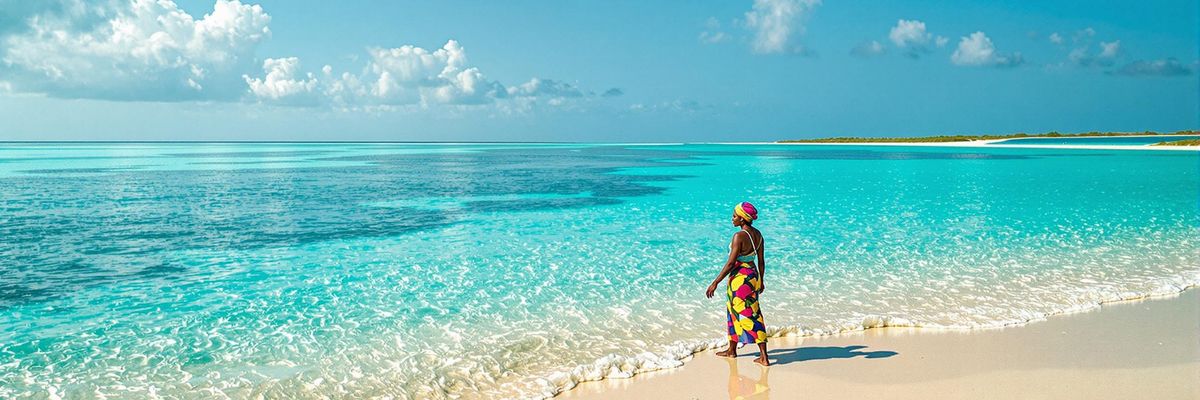
Xai-Xai: A Coastal Retreat
Relax on the beaches and explore the reefs of Xai-Xai.
View More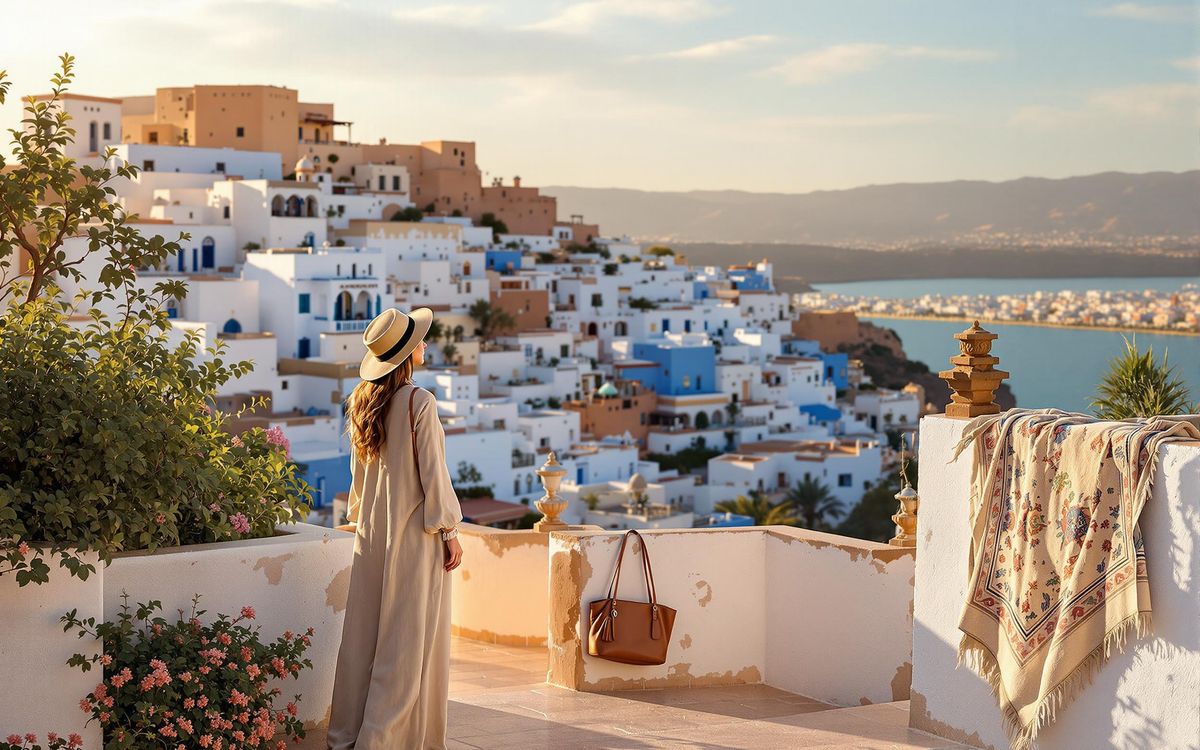

As the calendar turns to October, Rabat, Morocco, sheds its summer heat and welcomes a gentle, inviting atmosphere.
The city, a captivating blend of coastal beauty and imperial history, offers a unique travel experience during this transitional month. From exploring ancient landmarks to savoring culinary delights, Rabat in October promises a journey filled with cultural richness and serene discoveries.
October in Rabat is characterized by pleasant weather, making it an ideal time to explore the city's many attractions. The daily high temperatures gradually decrease from 77°F (25°C) to 73°F (23°C), while the low temperatures decrease from 62°F (17°C) to 57°F (14°C). This creates a comfortable climate for strolling through the city's historic sites and enjoying outdoor activities.
While the temperatures are mild, it's worth noting that cloud cover gradually increases throughout October, with the sky becoming overcast or mostly cloudy about 43% of the time by the end of the month. Rainfall also increases slightly, with an average of 48 mm of precipitation expected over approximately 6 days. However, the chance of rain on any given day remains relatively low at 12%.
The sea temperature in October remains a comfortable 71°F (21°C), making it suitable for a refreshing dip in the Atlantic. However, it's important to be aware that the UV index is high during this time of year, so protection against skin and eye damage is essential.
One of the most appealing aspects of visiting Rabat in October is the opportunity to explore its historic sites under these gentle conditions. The mild temperatures and soft sunlight create a pleasant ambiance for discovering the city's rich heritage. Imagine wandering through the Oudayas Kasbah, its blue and white walls gleaming under the October sky, or exploring the ancient ruins of Chellah without the intensity of the summer heat.
Local Tip: For a truly unique experience, take a sunrise walk along the Bou Regreg river. As the city awakens, the soft light illuminates the water and bathes the surrounding landscape in a warm glow. It's a perfect way to start your day and appreciate the serene beauty of Rabat.
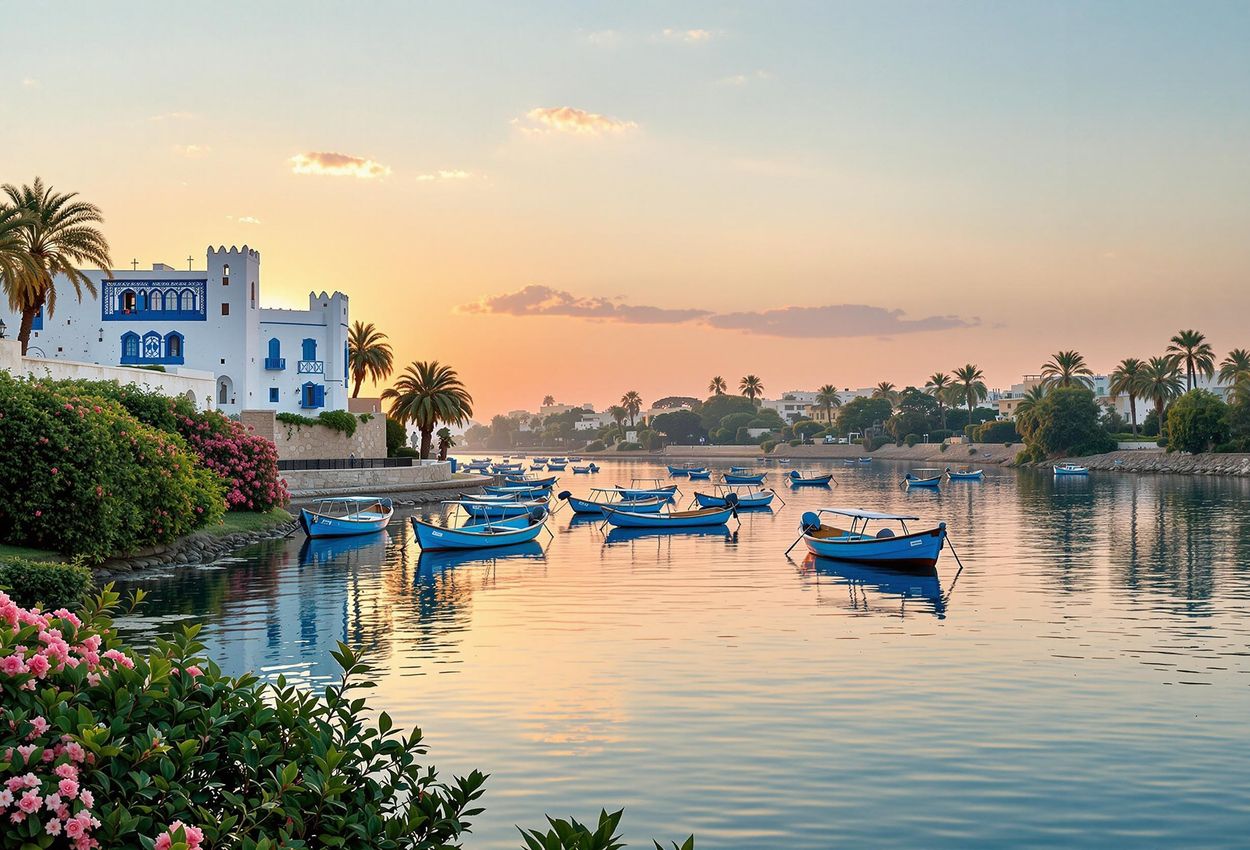
The Hassan Tower stands as a testament to Rabat's rich history and architectural ambition. This iconic landmark, an incomplete mosque commissioned by Abu Yusuf Yaqub al-Mansur in the 12th century, was intended to be the centerpiece of a grand Almohad capital. However, construction was halted after al-Mansur's death in 1199, leaving the tower in its current state of silent majesty.
The tower, constructed of red ochre sandstone, reaches a height of 44 meters. Had it been completed, it would have stood at least 64 meters tall, making it one of the tallest mosques in the world. Today, the Hassan Tower and the ruins of the mosque serve as a powerful reminder of the Almohad dynasty's vision and the passage of time.
Adjacent to the Hassan Tower lies the Mausoleum of Mohammed V, a stunning example of modern Alaouite dynasty architecture. This ornate mausoleum houses the tombs of King Mohammed V and his two sons, King Hassan II and Prince Abdallah. Visitors can admire the intricate carvings, zellige tilework, and gilded bronze accents that adorn the mausoleum's interior.
Visiting the Hassan Tower and the Mausoleum of Mohammed V is a must for any traveler to Rabat. The entrance fee to the Hassan Tower is minimal, and the site is open to visitors throughout the day. The best times to visit are early in the morning or late in the afternoon to avoid the crowds and enjoy the soft light.
Hidden Gem: As the sun begins to set, find a spot at the base of the Hassan Tower and watch as the red ochre sandstone glows with a warm, golden hue. The play of light and shadow on the tower's surface creates a magical atmosphere, transporting you back to the time of sultans and grand ambitions.
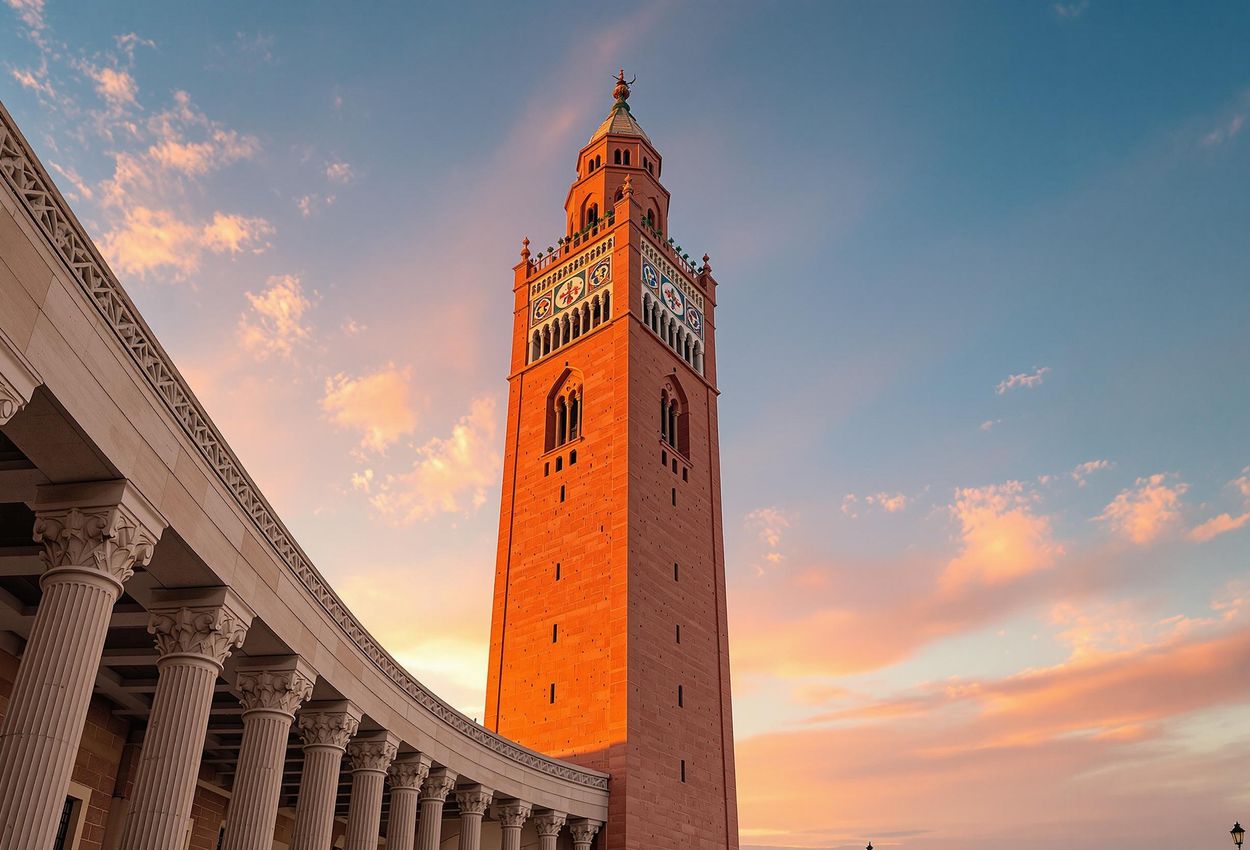
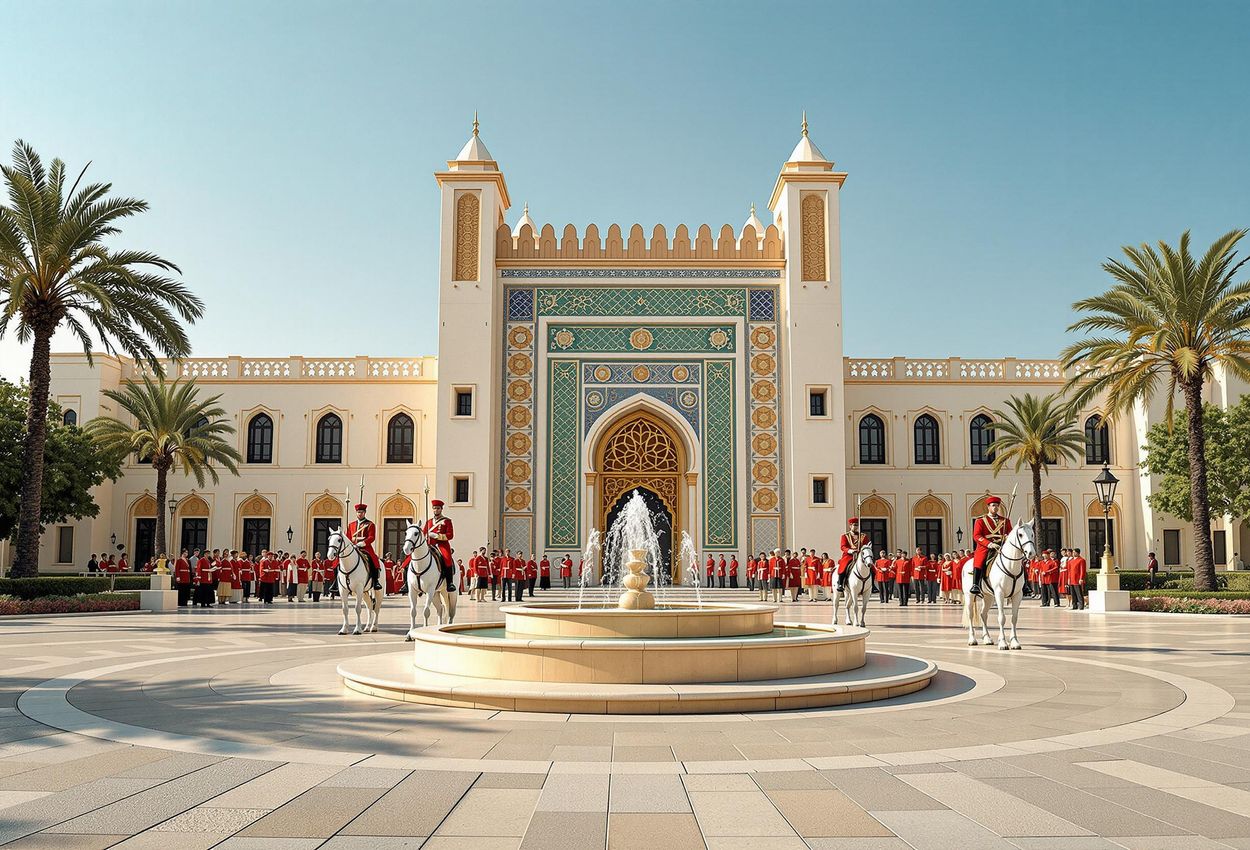
The Royal Palace (Dar El Makhzen), also known as El Mechouar Essaid Palace, in Rabat serves as the official residence of the King of Morocco. While the interior of the palace is not accessible to the public, visitors can still admire its impressive architecture and explore the surrounding gardens. The palace, constructed in the 19th century on the ruins of an older palace, exemplifies Moroccan art with its majestic design and protective presence.
The Mechouar, a vast esplanade in front of the palace's main entrance, is used for outdoor royal ceremonies. The palace complex also includes a domed mosque, barracks for the guards, ministerial buildings, a royal college, and a racetrack. The buildings are adorned with green tiles and feature large gardens and inner courtyards.
Adjacent to the palace is the Hassan II Park, a sprawling green space that provides a tranquil escape from the city's bustle. The park features landscaped gardens, fountains, and walking paths, making it a perfect spot for a leisurely stroll.
Hidden Gem: Witness the changing of the guard ceremony for a glimpse into Moroccan royal tradition. The best vantage points are along the perimeter of the Mechouar, where you can observe the guards in their ceremonial attire as they perform their duties.
The Oudayas Kasbah, a UNESCO World Heritage Site, offers a captivating glimpse into Rabat's history and coastal charm. Originally built in the 12th century as a fortress, the Kasbah has served various purposes throughout its existence, including a military camp and a refuge for Andalusian refugees. Today, it stands as a residential neighborhood with its blue and white washed walls, a peaceful retreat from the city's hustle.
Wander through the Kasbah's narrow, winding streets, admiring the traditional architecture and the vibrant colors. The blue and white walls, reminiscent of the Greek islands, create a serene and picturesque atmosphere. Be sure to visit the Andalusian Gardens, a tranquil oasis filled with fragrant flowers, citrus trees, and trickling fountains.
From the Kasbah's elevated position, enjoy panoramic views of the Atlantic Ocean and the city of Salé across the Bou Regreg estuary. The views are particularly stunning at sunset, when the sky is ablaze with color.
Inside the Kasbah, you'll find the Oudayas Museum, housed in a 17th-century palace. The museum showcases Moroccan art and artifacts, providing insights into the country's rich cultural heritage.
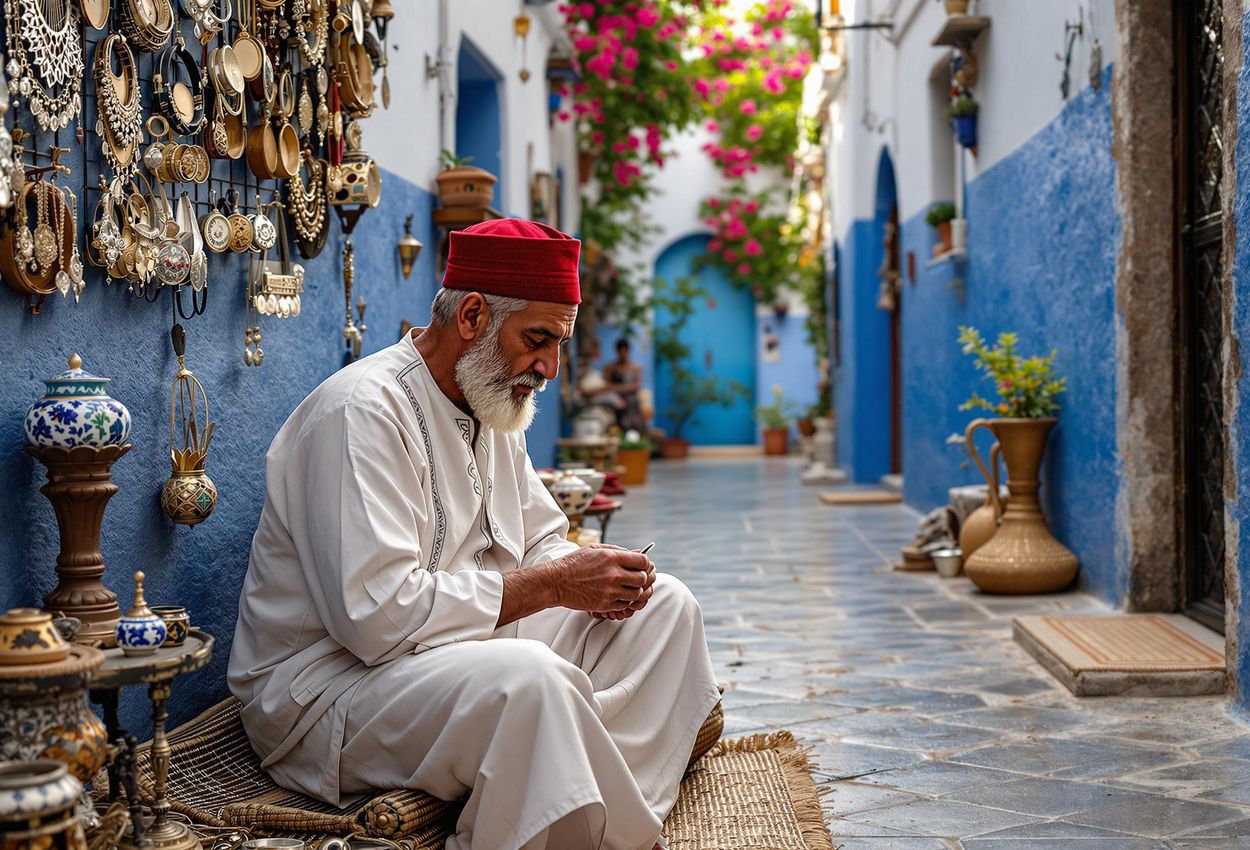
Hidden Gem: Seek out a local artisan selling traditional crafts within the Kasbah. Engage in conversation, learn about their techniques, and perhaps even purchase a unique souvenir to remember your visit. The Kasbah is known for its carpets.
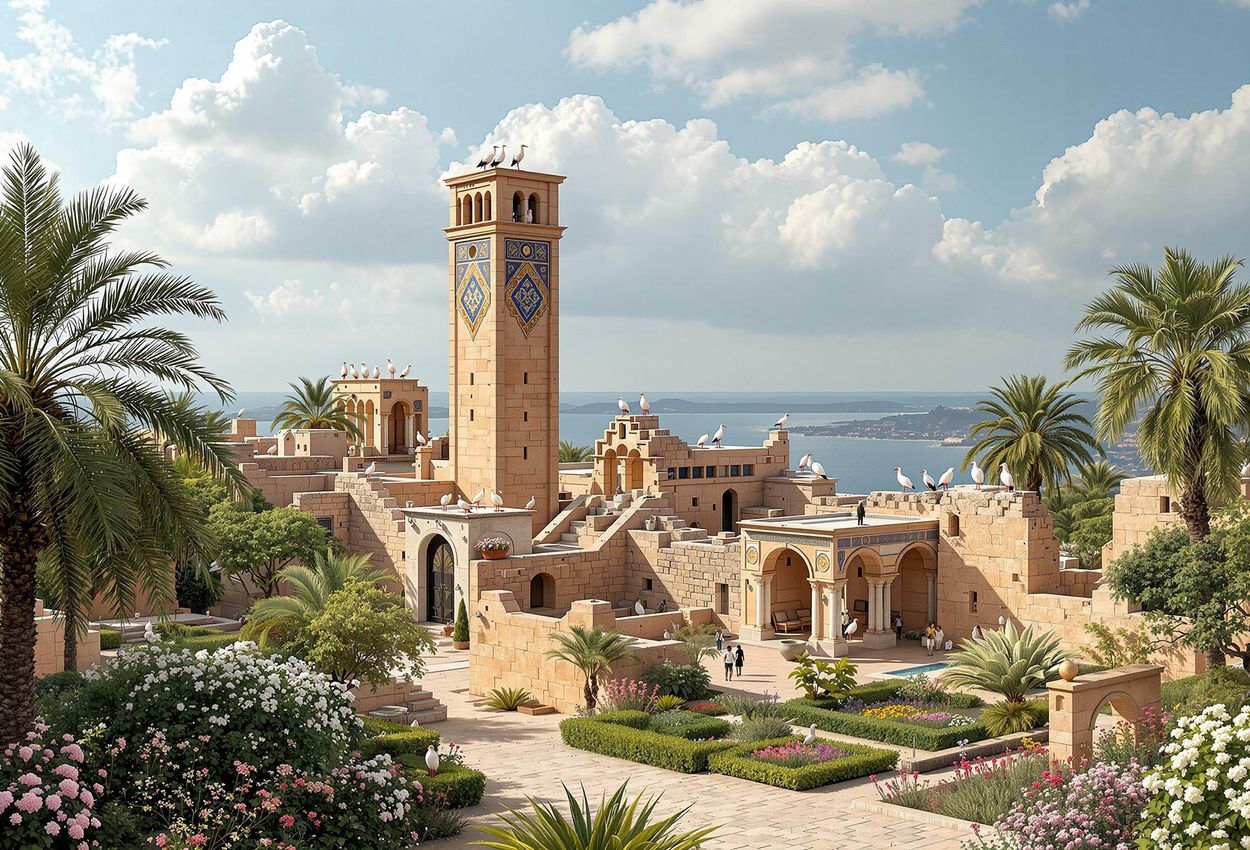
The Chellah necropolis, located on the outskirts of Rabat, is a captivating archaeological site that bears witness to centuries of history. Originally a Phoenician trading post and later a Roman colony known as Sala Colonia, the site was transformed into a Marinid necropolis in the 14th century.
Wander through the ruins of the Roman city, imagining life in this ancient outpost. Explore the remains of the Marinid mosque, tombs, and religious complex, admiring the intricate architecture and the echoes of a bygone era.
One of the most striking features of Chellah is the presence of numerous storks, which nest atop the ruins and add a touch of life to the ancient stones. The storks have become a symbol of Chellah, and their presence enhances the site's unique atmosphere.
Each September, the Chellah hosts the Jazz au Chellah festival, bringing together musicians from Europe and Morocco for a series of concerts within the necropolis walls. The festival is a celebration of music and culture, and it adds a vibrant dimension to this historic site.
Hidden Gem: Seek out the tomb of a Sufi saint within the necropolis. This tomb holds significance for local traditions, and it offers a glimpse into the spiritual beliefs of the region. Many locals believe the eels that live there to be sacred, and that they protect those buried in the necropolis.
The Rabat Medina, a UNESCO World Heritage Site, offers a journey through time, showcasing the city's rich history, architecture, and vibrant culture. Dating back to the 12th century, the Medina has been shaped by various dynasties and cultural influences, including the Almohads, Andalusians, and the French.
Explore the Medina's narrow, winding streets, admiring the traditional Moroccan architecture and the blend of Moroccan and French cultures. Discover the vibrant souks, where you can find traditional crafts, spices, textiles, and other local products.
The Medina is also home to essential services, including mosques, schools, and traditional bathhouses. As you wander through the Medina, you'll encounter a mix of locals and tourists, creating a lively and authentic atmosphere.
Hidden Gem: Find a traditional bakery within the Medina and sample local pastries. These pastries, often made with almonds, honey, and other local ingredients, are a delicious way to experience the flavors of Rabat.

Rabat offers a diverse culinary scene, with a range of restaurants serving traditional Moroccan cuisine and international dishes. For an authentic Moroccan dining experience, consider visiting one of the following restaurants:
When dining in Rabat, be sure to try traditional Moroccan dishes such as tagine, couscous, and pastilla. Tagine, a slow-cooked stew with meat, vegetables, and spices, is a staple of Moroccan cuisine. Couscous, a dish made from semolina, is often served with meat and vegetables. Pastilla, a savory-sweet pie filled with pigeon or chicken, almonds, and spices, is a delicacy often served at special occasions.
Hidden Gem: Seek out a hole-in-the-wall serving authentic harira soup. This hearty soup, made with tomatoes, lentils, chickpeas, and meat, is a popular dish during Ramadan, but it can be found year-round in some local eateries.

Rabat offers a range of luxury hotels and riads, providing travelers with a comfortable and stylish base for exploring the city. Consider the following options for a luxurious stay:
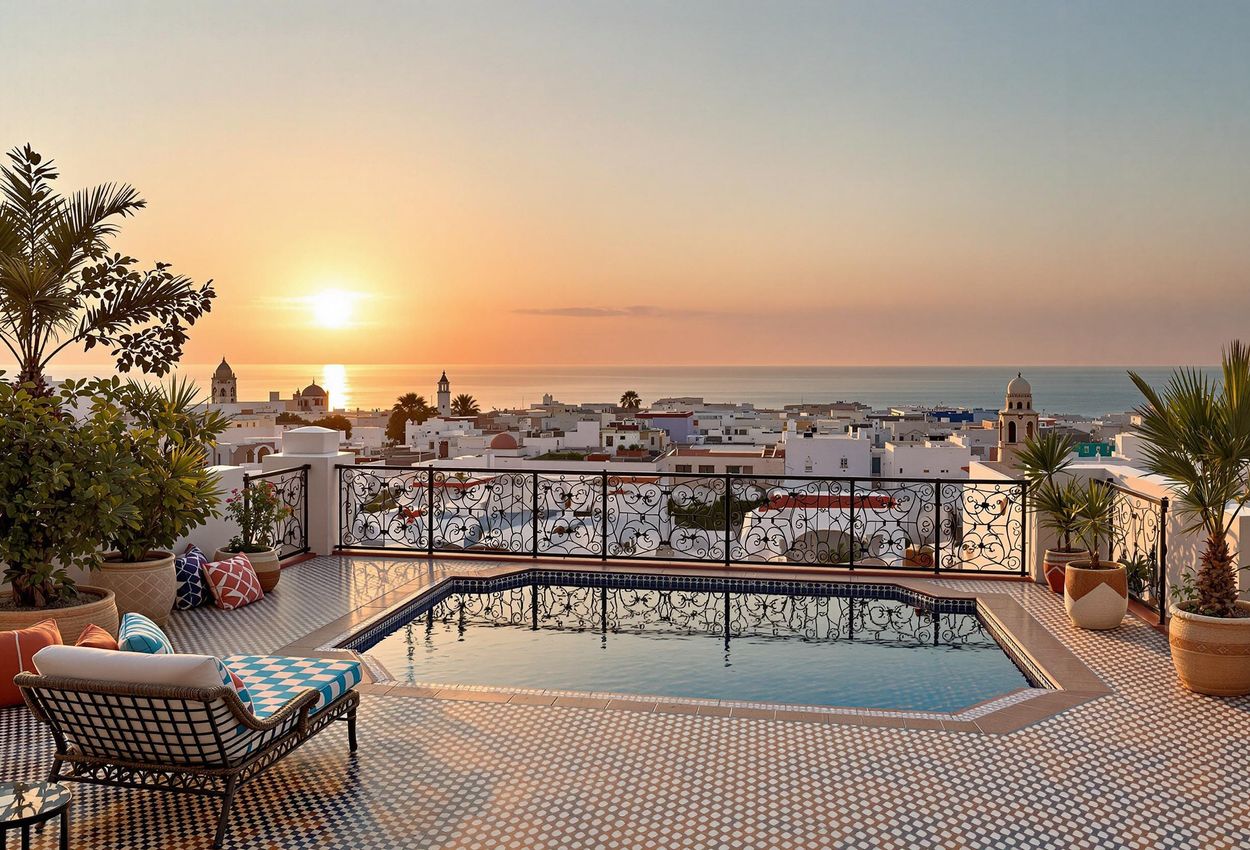
Hidden Gem: Seek out a riad with a rooftop terrace offering panoramic city views. From this vantage point, you can admire the city's skyline, the Atlantic Ocean, and the surrounding landscape, all while enjoying the peace and quiet of your private retreat.
In October, Rabat extends a particularly warm invitation, characterized by its moderate climate and a quieter ambiance compared to the peak tourist months. Whether you're immersed in the historical allure of the Hassan Tower, meandering through the tranquil Oudayas Kasbah, or indulging in the rich tastes of Moroccan cuisine, Rabat guarantees a travel experience brimming with cultural immersion and serene moments.
Our editors` picks of the latest and greatest in travel - delivered to your inbox daily
Relax on the beaches and explore the reefs of Xai-Xai.
View More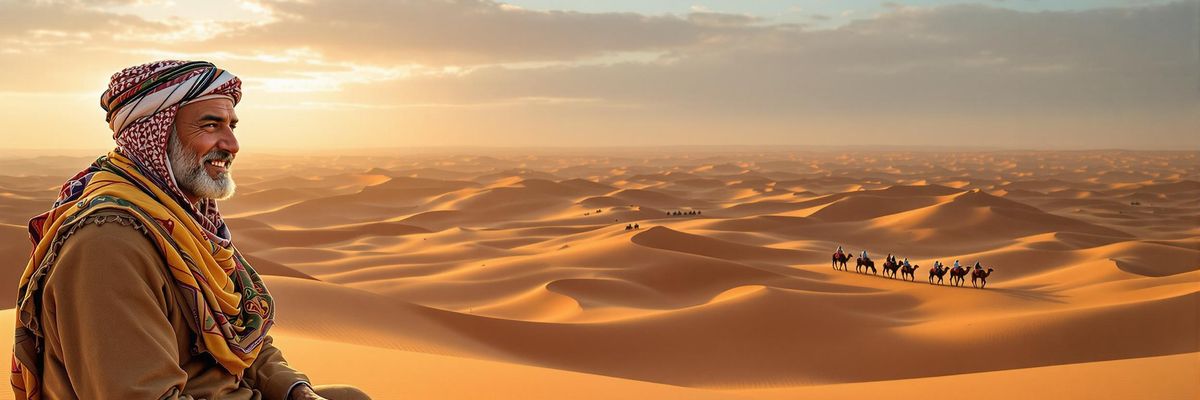
Embrace the cooler temperatures and experience the International Festival of the Sahara in Douz this December.
View More
Celebrate the year-end festivities in Accra, culminating in the vibrant Afrofuture festival.
View More Albania EDITION
 Algeria EDITION
 Argentina EDITION
 Armenia EDITION
 Australia EDITION
 Austria EDITION
 Bangladesh EDITION
 Belgium EDITION
 Belize EDITION
 Benin EDITION
 Bhutan EDITION
 Bolivia EDITION
 Bosnia and Herzegovina EDITION
 Botswana EDITION
 Brazil EDITION
 Bulgaria EDITION
 Burkina Faso EDITION
 Cambodia EDITION
 Cameroon EDITION
 Canada EDITION
 Central African Republic EDITION
 Chad EDITION
 Chile EDITION
 China EDITION
 Colombia EDITION
 Costa Rica EDITION
 Croatia EDITION
 Cyprus EDITION
 Denmark EDITION
 Djibouti EDITION
 Ecuador EDITION
 Egypt EDITION
 El Salvador EDITION
 Eritrea EDITION
 Estonia EDITION
 Ethiopia EDITION
 Finland EDITION
 France EDITION
 Gabon EDITION
 Georgia EDITION
 Germany EDITION
 Ghana EDITION
 Greece EDITION
 Guatemala EDITION
 Guinea EDITION
 Guinea-Bissau EDITION
 Honduras EDITION
 Hungary EDITION
 Iceland EDITION
 India EDITION
 Indonesia EDITION
 Ireland EDITION
 Israel EDITION
 Italy EDITION
 Jamaica EDITION
 Japan EDITION
 Jordan EDITION
 Kenya EDITION
 Kuwait EDITION
 Laos EDITION
 Latvia EDITION
 Lebanon EDITION
 Lesotho EDITION
 Liberia EDITION
 Lithuania EDITION
 Luxembourg EDITION
 Madagascar EDITION
 Malawi EDITION
 Malaysia EDITION
 Maldives EDITION
 Mali EDITION
 Malta EDITION
 Mauritania EDITION
 Mauritius EDITION
 Mexico EDITION
 Mongolia EDITION
 Montenegro EDITION
 Morocco EDITION
 Mozambique EDITION
 Namibia EDITION
 Nepal EDITION
 Netherlands EDITION
 New Zealand EDITION
 Nicaragua EDITION
 Niger EDITION
 Nigeria EDITION
 Norway EDITION
 Oman EDITION
 Pakistan EDITION
 Panama EDITION
 Papua New Guinea EDITION
 Paraguay EDITION
 Peru EDITION
 Philippines EDITION
 Poland EDITION
 Portugal EDITION
 Qatar EDITION
 Romania EDITION
 Rwanda EDITION
 Saudi Arabia EDITION
 Senegal EDITION
 Serbia EDITION
 Singapore EDITION
 Slovakia EDITION
 Slovenia EDITION
 Somalia EDITION
 South Africa EDITION
 South Korea EDITION
 Spain EDITION
 Sri Lanka EDITION
 Suriname EDITION
 Sweden EDITION
 Switzerland EDITION
 Tanzania EDITION
 Thailand EDITION
 Tunisia EDITION
 Uganda EDITION
 United Arab Emirates EDITION
 United Kingdom EDITION
 Uruguay EDITION
 Venezuela EDITION
 Vietnam EDITION
 Zambia EDITION
 Zimbabwe EDITION
Subscribe to our newsletter and get the most captivating travel stories, hidden gems, and expert insights delivered straight to your inbox. As a subscriber, you’ll be first in line for exclusive content, premium offers, and unforgettable travel experiences