


Destination Guide
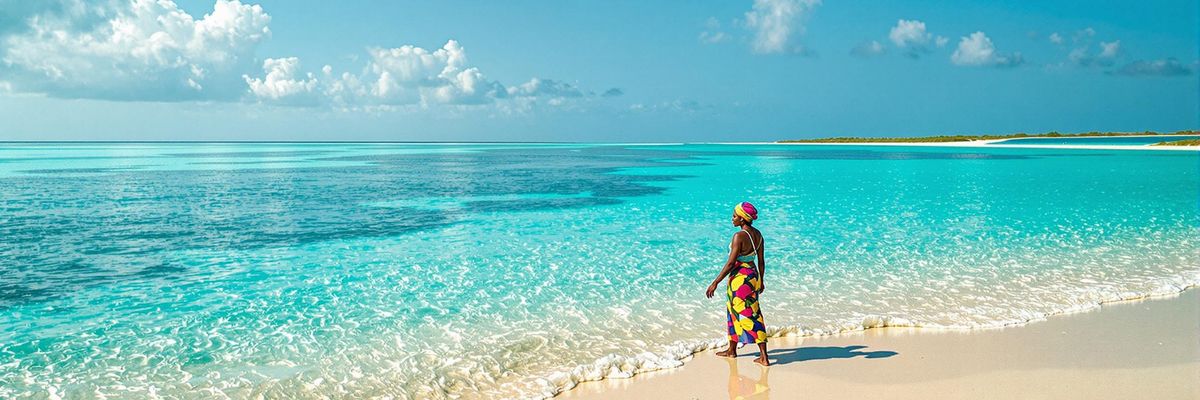
Xai-Xai: A Coastal Retreat
Relax on the beaches and explore the reefs of Xai-Xai.
View More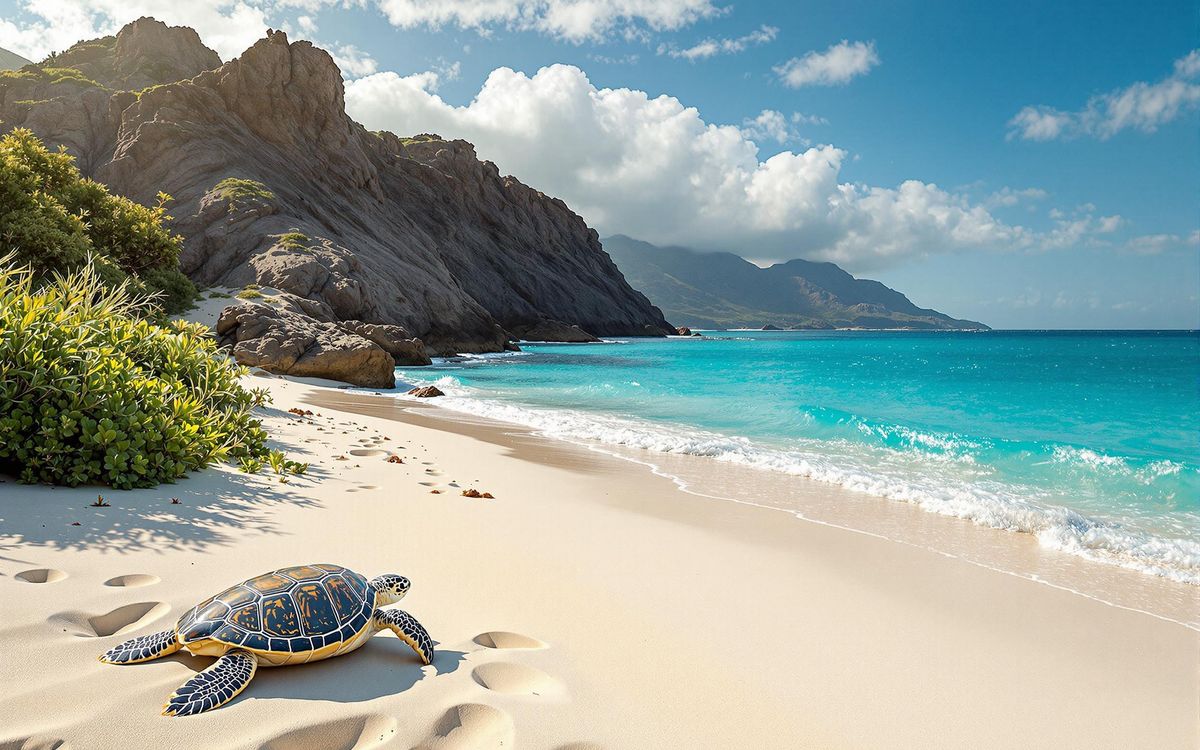

Embark on an unforgettable journey to Santa Luzia, the only uninhabited island in the Cape Verde archipelago, where untouched landscapes and unique ecosystems await the intrepid eco-traveler.
Imagine stepping onto an island where silence reigns, broken only by the whispers of the wind and the lapping of waves against pristine shores. This is Santa Luzia, a hidden gem in the Cape Verde archipelago, the sole uninhabited island among its siblings. Part of the Barlavento Islands, Santa Luzia offers a unique allure to those seeking solace in untouched natural beauty. Its isolation is its treasure, a sanctuary far removed from the bustling resorts and crowded beaches of more developed destinations.
Measuring approximately 34 square kilometers, or about 13 square miles, Santa Luzia presents a landscape of stark contrasts. Rugged coastlines give way to rocky cliffs, while barren plains meet white sandy beaches caressed by crystal-clear waters. The island's highest point, Topona, rises to 395 meters, offering panoramic views of this unique ecosystem. The absence of freshwater sources has kept permanent settlement at bay, preserving its pristine condition.
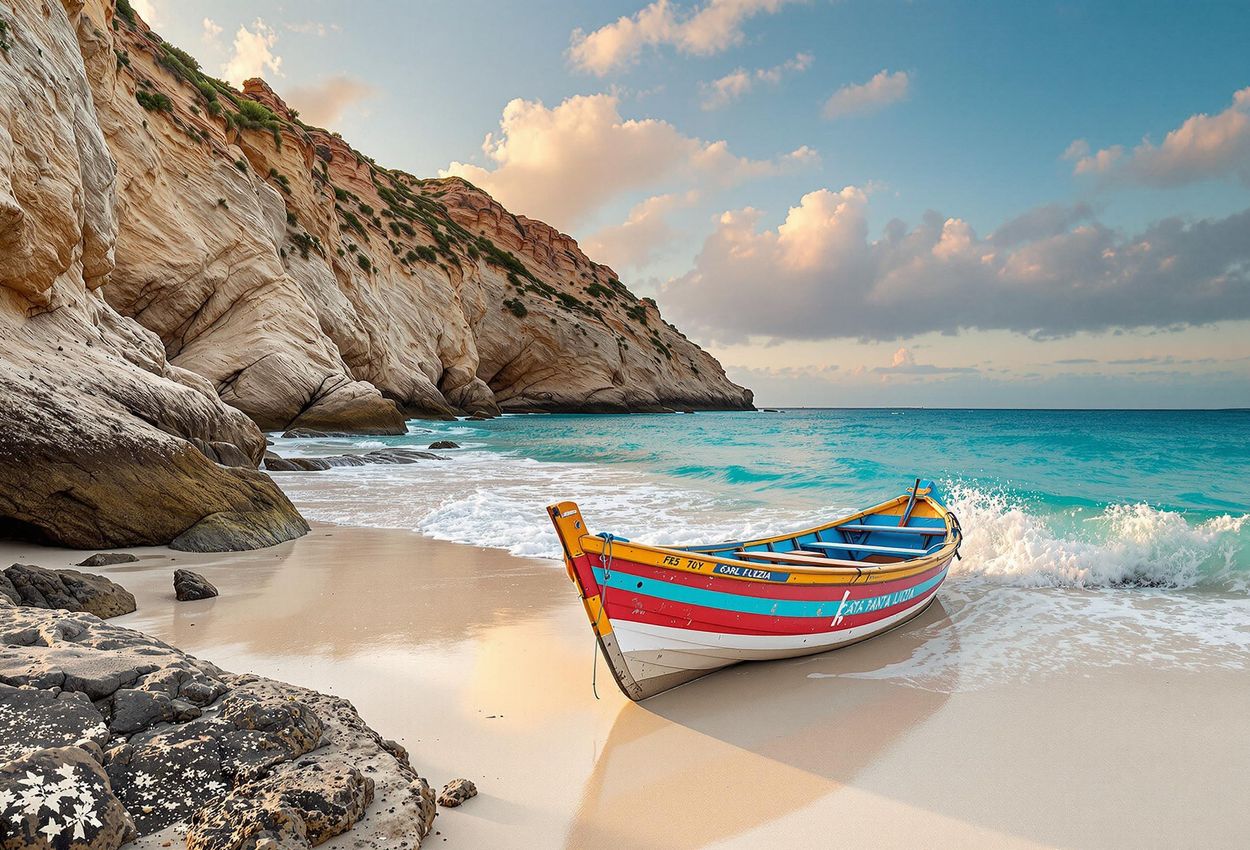
Located just five miles from São Vicente, arranging a boat trip to Santa Luzia is relatively straightforward. Chartering a fishing boat from Calhau, on São Vicente's east coast, is a popular option, with the crossing taking about two hours. However, access to the island requires authorization from Cape Verde's General Directorate for Environment, emphasizing the importance of conservation efforts. Several tour operators offer guided excursions, ensuring visitors can experience the island's wonders responsibly.
The island's history is etched in the remnants of a small chapel, a testament to past human presence, though nature has long reclaimed its domain. Declared a Public Heritage site in 1990, Santa Luzia is now a protected natural reserve, a haven for unique species and a vital component of the planet's delicate ecological balance.
For the eco-traveler, Santa Luzia is more than just a destination; it's an experience. It's a chance to witness nature in its rawest form, to disconnect from the modern world and reconnect with the primal beauty of an untouched paradise. The island's sparse vegetation and arid climate only amplify its contrasting features: the dramatic cliffs to the north and the inviting beaches to the south.
Local Tip: While exploring Santa Luzia, keep an eye out for the unique geological formations and volcanic rock patterns that tell the story of the island's fiery origins. The contrasting black volcanic rock against the white sand creates stunning photo opportunities.
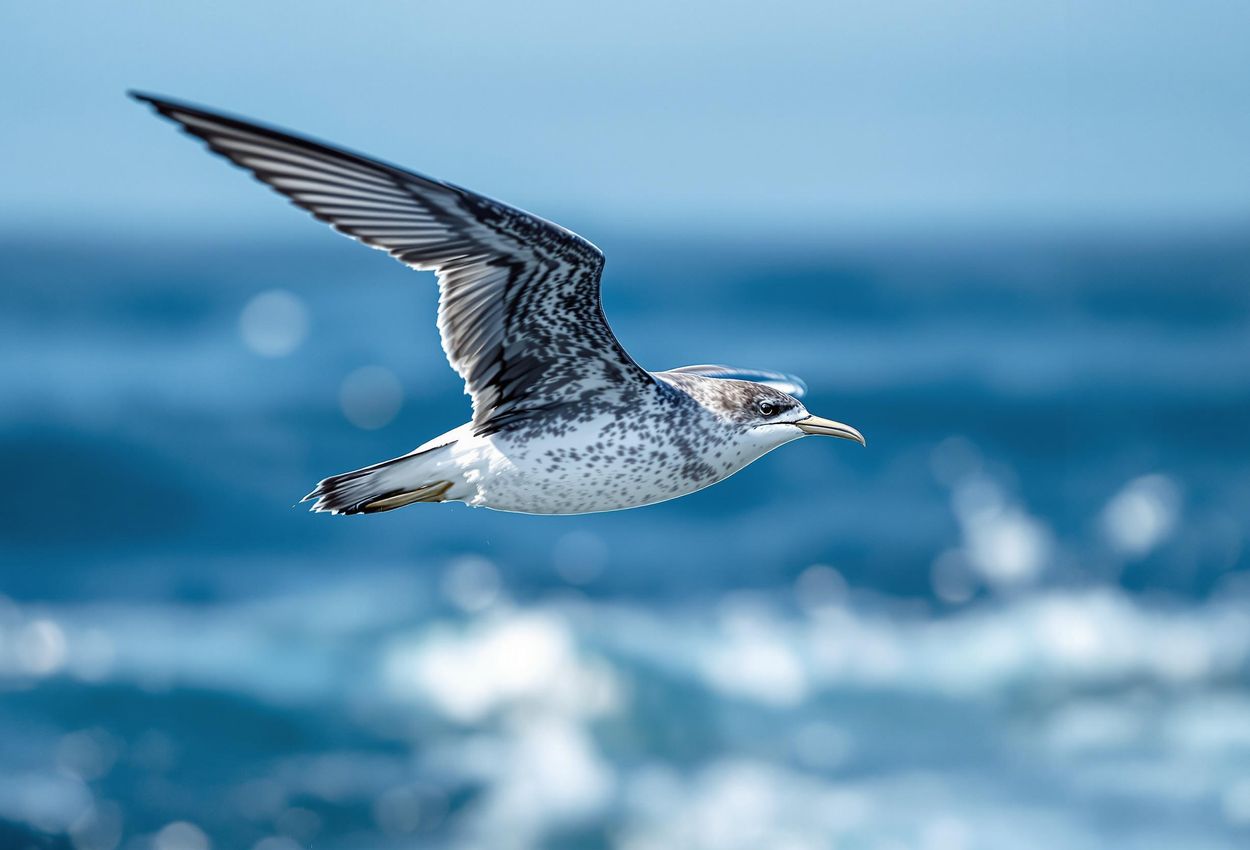
Santa Luzia is a haven for birdwatchers, a sanctuary where the skies come alive with the calls and flights of numerous avian species. The island's cliffs and diverse terrain provide ideal nesting sites and habitats for both resident and migratory birds, making it a crucial stopover point in the Atlantic flyway.
Among the notable residents are the Cory's Shearwater and the Cape Verde Warbler. The Cory's Shearwater, with its distinctive call, can be seen soaring over the ocean waves, while the Cape Verde Warbler flits through the sparse vegetation, its melodic song adding to the island's natural symphony. Other species, such as the Quail, Stonechat, Black-headed Weaver, Blue Rock Thrush, Canary Island Stonechat, Cape Verde Swift, Northern Gannet, Red-footed Booby, Lesser Short-toed Lark, and Bar-tailed Desert Lark, also grace the island with their presence, offering a diverse tapestry of avian life.
The island's importance as a bird sanctuary is further underscored by the Raso Lark reintroduction project. The Raso Lark, endemic to Cape Verde, once faced the threat of extinction. Efforts to reintroduce the species to Santa Luzia have shown promising results, highlighting the island's potential as a safe haven for endangered birds.
Birdwatching on Santa Luzia is an immersive experience. The air is filled with the sounds of chirping, tweeting, and soaring wings. The sight of seabirds nesting on the cliffs, their white feathers contrasting against the dark rock, is a spectacle to behold. Migratory birds, stopping to rest and refuel, add to the ever-changing diversity of the island's avian population.
Hidden Gem: For a truly unique birdwatching experience, visit Santa Luzia during the early morning hours. As the sun rises, the birds become most active, offering unparalleled opportunities to observe their behaviors and capture stunning photographs. Be sure to bring binoculars and a telephoto lens to make the most of this experience.
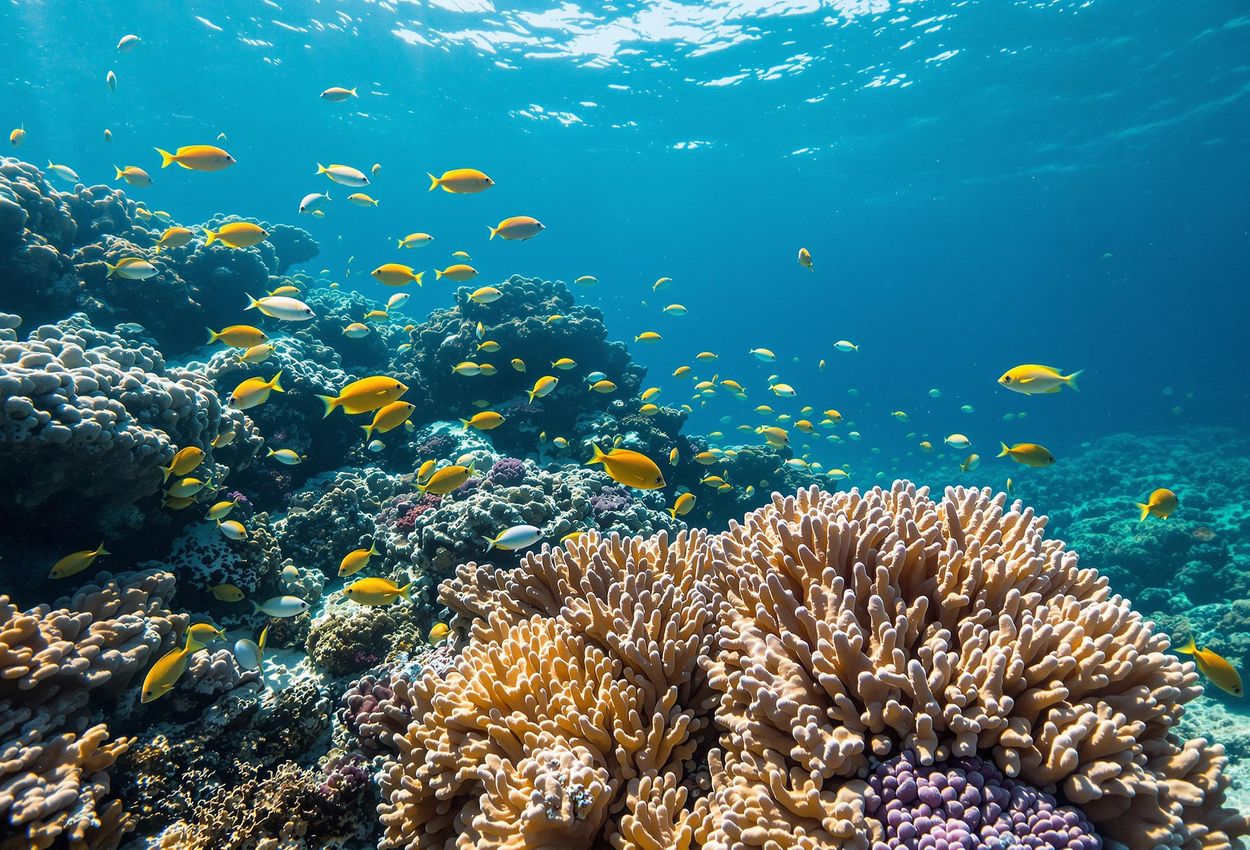
The waters surrounding Santa Luzia teem with a vibrant and diverse marine life, making it a paradise for snorkelers, divers, and anyone fascinated by the wonders of the ocean. The island is part of the Santa Luzia Marine Reserve, the largest protected marine area in Cape Verde, ensuring the preservation of its underwater treasures.
Colorful tropical fish dart among coral reefs, creating a kaleidoscope of colors. Dolphins frolic in the waves, their playful antics delighting onlookers. Whales, especially during their migration season, grace the waters with their majestic presence. The reserve is also a sanctuary for sharks and rays, with ongoing efforts to protect these magnificent creatures from overfishing and habitat destruction.
Snorkeling and diving in Santa Luzia's waters offer unparalleled opportunities to witness this underwater spectacle. The pristine conditions of the water, with its exceptional clarity, allow for excellent visibility. Divers can explore the intricate coral formations, swim alongside schools of fish, and perhaps even encounter a sea turtle or a graceful manta ray.
The Santa Luzia Marine Reserve plays a crucial role in safeguarding this marine biodiversity. By regulating fishing activities and promoting sustainable tourism, the reserve ensures that these underwater ecosystems remain healthy and thriving for generations to come.
Local Tip: For the best diving experience, consider visiting Santa Luzia during the months of September and October, when the water is warmest and visibility is at its peak. Several dive operators in São Vicente offer excursions to the island, catering to both beginners and experienced divers.
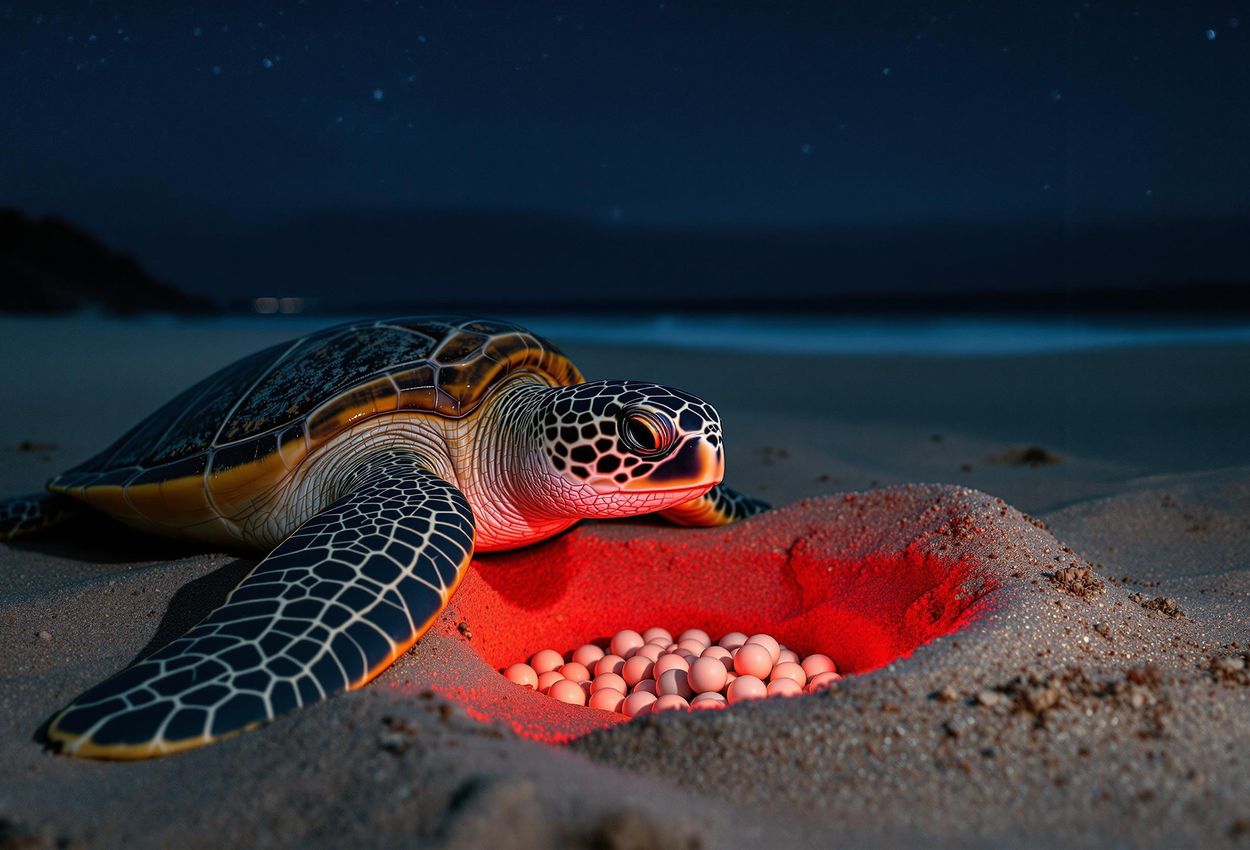
Santa Luzia's untouched beaches serve as a vital nesting site for loggerhead turtles, an endangered species that returns to these shores each year to lay their eggs. Witnessing this natural phenomenon is an unforgettable experience, a testament to the resilience of life and the importance of conservation efforts.
The nesting season typically runs from June to October, with peak activity occurring in July and August. During this time, female loggerheads emerge from the ocean under the cover of darkness, making their way up the sandy beaches to dig nests and lay their precious eggs. Each nest can contain over 100 eggs, which incubate for approximately 60 days before hatching.
Organizations like the Tartaruga Foundation work tirelessly to protect these nesting beaches and ensure the safety of the turtles. Their efforts include monitoring nesting activity, relocating vulnerable nests, and raising awareness about the importance of turtle conservation.
Visitors to Santa Luzia during the nesting season must adhere to strict regulations to minimize disturbance to the turtles. Approaching nesting turtles, using flash photography, or making loud noises can disrupt their nesting process and endanger their offspring. Guided tours, led by knowledgeable conservationists, offer a responsible way to witness this natural spectacle while ensuring the turtles' well-being.
The sensory experience of witnessing loggerhead turtles nesting on Santa Luzia's beaches is profound. The sight of these ancient creatures emerging from the ocean, the sound of their labored breathing as they dig their nests, and the feeling of awe as they lay their eggs create a lasting impression. It's a reminder of the interconnectedness of life and the importance of protecting our planet's biodiversity.
Hidden Gem: Consider volunteering with the Tartaruga Foundation during your visit to Cape Verde. This immersive experience allows you to actively participate in turtle conservation efforts, learn about their biology and behavior, and contribute to the protection of these magnificent creatures. You can find more information about volunteering opportunities on their website.
As the sun rises over Santa Luzia's silent shores, casting a golden glow on the untouched sands, one can't help but feel a sense of reverence for this pristine paradise. It's a place where nature reigns supreme, where unique ecosystems thrive, and where the whispers of isolation speak volumes about the importance of conservation. Santa Luzia is not just an island; it's a sanctuary, a reminder of the beauty and fragility of our planet, and a call to protect its wonders for generations to come.
Our editors` picks of the latest and greatest in travel - delivered to your inbox daily
Relax on the beaches and explore the reefs of Xai-Xai.
View More
Embrace the cooler temperatures and experience the International Festival of the Sahara in Douz this December.
View More
Celebrate the year-end festivities in Accra, culminating in the vibrant Afrofuture festival.
View More Albania EDITION
 Algeria EDITION
 Argentina EDITION
 Armenia EDITION
 Australia EDITION
 Austria EDITION
 Bangladesh EDITION
 Belgium EDITION
 Belize EDITION
 Benin EDITION
 Bhutan EDITION
 Bolivia EDITION
 Bosnia and Herzegovina EDITION
 Botswana EDITION
 Brazil EDITION
 Bulgaria EDITION
 Burkina Faso EDITION
 Cambodia EDITION
 Cameroon EDITION
 Canada EDITION
 Central African Republic EDITION
 Chad EDITION
 Chile EDITION
 China EDITION
 Colombia EDITION
 Costa Rica EDITION
 Croatia EDITION
 Cyprus EDITION
 Denmark EDITION
 Djibouti EDITION
 Ecuador EDITION
 Egypt EDITION
 El Salvador EDITION
 Eritrea EDITION
 Estonia EDITION
 Ethiopia EDITION
 Finland EDITION
 France EDITION
 Gabon EDITION
 Georgia EDITION
 Germany EDITION
 Ghana EDITION
 Greece EDITION
 Guatemala EDITION
 Guinea EDITION
 Guinea-Bissau EDITION
 Honduras EDITION
 Hungary EDITION
 Iceland EDITION
 India EDITION
 Indonesia EDITION
 Ireland EDITION
 Israel EDITION
 Italy EDITION
 Jamaica EDITION
 Japan EDITION
 Jordan EDITION
 Kenya EDITION
 Kuwait EDITION
 Laos EDITION
 Latvia EDITION
 Lebanon EDITION
 Lesotho EDITION
 Liberia EDITION
 Lithuania EDITION
 Luxembourg EDITION
 Madagascar EDITION
 Malawi EDITION
 Malaysia EDITION
 Maldives EDITION
 Mali EDITION
 Malta EDITION
 Mauritania EDITION
 Mauritius EDITION
 Mexico EDITION
 Mongolia EDITION
 Montenegro EDITION
 Morocco EDITION
 Mozambique EDITION
 Namibia EDITION
 Nepal EDITION
 Netherlands EDITION
 New Zealand EDITION
 Nicaragua EDITION
 Niger EDITION
 Nigeria EDITION
 Norway EDITION
 Oman EDITION
 Pakistan EDITION
 Panama EDITION
 Papua New Guinea EDITION
 Paraguay EDITION
 Peru EDITION
 Philippines EDITION
 Poland EDITION
 Portugal EDITION
 Qatar EDITION
 Romania EDITION
 Rwanda EDITION
 Saudi Arabia EDITION
 Senegal EDITION
 Serbia EDITION
 Singapore EDITION
 Slovakia EDITION
 Slovenia EDITION
 Somalia EDITION
 South Africa EDITION
 South Korea EDITION
 Spain EDITION
 Sri Lanka EDITION
 Suriname EDITION
 Sweden EDITION
 Switzerland EDITION
 Tanzania EDITION
 Thailand EDITION
 Tunisia EDITION
 Uganda EDITION
 United Arab Emirates EDITION
 United Kingdom EDITION
 Uruguay EDITION
 Venezuela EDITION
 Vietnam EDITION
 Zambia EDITION
 Zimbabwe EDITION
Subscribe to our newsletter and get the most captivating travel stories, hidden gems, and expert insights delivered straight to your inbox. As a subscriber, you’ll be first in line for exclusive content, premium offers, and unforgettable travel experiences