


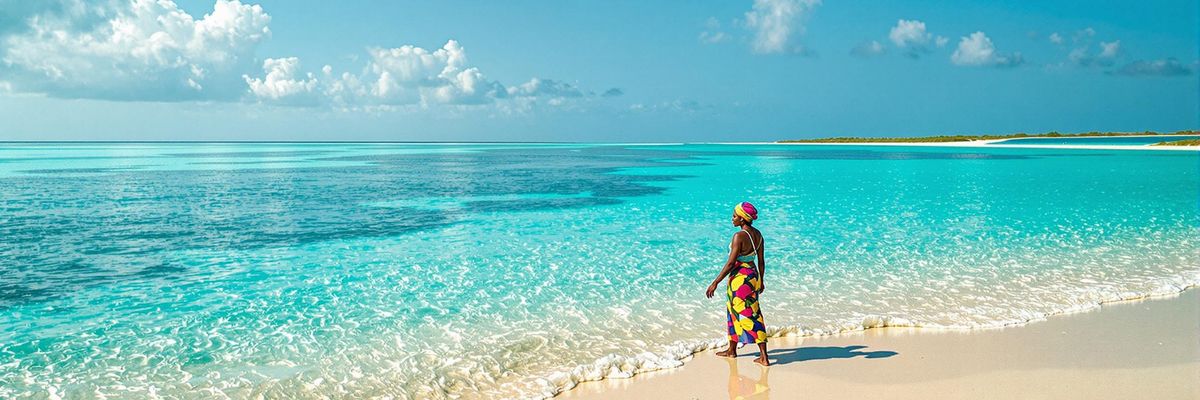
Destination Guide
Xai-Xai: A Coastal Retreat
Relax on the beaches and explore the reefs of Xai-Xai.
View More

Santo Antão, the northwesternmost island of Cape Verde, is a haven for hiking enthusiasts seeking dramatic landscapes and unparalleled natural beauty.
As the ferry approaches Porto Novo, the island's main port, a sensory symphony begins. The salty air, infused with the scent of volcanic rock, hints at the adventures to come. The vibrant colors of the buildings clinging to the hillsides provide a striking contrast to the stark volcanic terrain. Santo Antão, roughly 779 square kilometers in size, rises majestically from the Atlantic, its volcanic origins sculpted by time and the elements into a breathtaking tapestry of peaks, valleys, and coastal paths. This is an island where the spirit of adventure thrives, and the soul finds solace in the embrace of nature.
The island is a land of contrasts, where arid landscapes meet lush, verdant valleys nourished by hidden springs and mountain streams. Its unique biodiversity is a testament to its varied microclimates, offering a haven for endemic plant and animal species. The dramatic volcanic peaks, often shrouded in mist, provide a stunning backdrop to the terraced fields and charming villages that dot the landscape.
The ferry docks at Porto Novo, a bustling town that serves as the gateway to this hiking paradise. From here, the journey into the heart of Santo Antão begins, whether you choose to explore the rugged coastline, venture into the depths of its verdant valleys, or scale its towering peaks, the island promises an unforgettable experience. The poorly signposted trails emphasize the need for a local guide.
As you step off the ferry, the warmth of the Cape Verdean sun embraces you, and the friendly smiles of the locals welcome you to their island. The air is filled with the sounds of Kriolu, the local language, and the scent of freshly brewed coffee wafts from nearby cafes. This is Santo Antão, a place where time slows down, and the simple pleasures of life are celebrated. It's an island that captivates the senses, stirs the soul, and leaves an indelible mark on all who visit.

The coastal hike from Cruzinha to Ponta do Sol is an iconic trail that showcases the raw beauty of Santo Antão's coastline.
This nine-mile (15 km) hike offers breathtaking views of the Atlantic Ocean, as the path winds along rugged cliffs and past charming villages clinging to the mountainside. The trail begins in either Cruzinha or Cha da Igreja. The dramatic contrast between the arid, volcanic landscape and the deep blue sea creates a visual spectacle that is both awe-inspiring and humbling.
The cobblestone paths, a testament to the islanders' ingenuity and resilience, lead you through a blend of arid and green landscapes. As you traverse the trail, the scent of wild herbs and the sound of crashing waves fill the air, creating a multi-sensory experience that is both invigorating and serene. The villages of Formiguinhas and Corvo, perched precariously on the mountainside, offer a glimpse into a traditional way of life that has remained largely unchanged for centuries. These isolated communities, accessible only by foot, exude a sense of timelessness and tranquility.
One of the hidden gems along this route is the local tradition of walking the path 14 times during Lent, a testament to the islanders' deep-rooted faith and cultural heritage. This act of devotion, passed down through generations, adds a layer of spiritual significance to the already breathtaking landscape.
The hike from Cruzinha to Ponta do Sol is not without its challenges. Sturdy footwear is essential, as the cobblestone paths can be uneven and slippery. Sun protection is also crucial, as the sun can be intense, especially during the summer months. Despite these challenges, the rewards are immeasurable. The stunning views, the sense of accomplishment, and the opportunity to connect with nature and local culture make this hike an unforgettable experience.
As you reach Ponta do Sol, a charming fishing village known for its colorful buildings and relaxed atmosphere, you'll feel a sense of satisfaction and gratitude. The cool ocean breeze, the taste of fresh seafood, and the warmth of the local hospitality will rejuvenate your body and soul. The coastal hike from Cruzinha to Ponta do Sol is more than just a walk; it's a journey of discovery, a celebration of nature, and an immersion into the heart of Santo Antão.

The Paúl Valley trek is a journey into a verdant oasis, a symphony of green that contrasts sharply with the arid landscapes found elsewhere on Santo Antão.
This lush valley, nourished by a unique microclimate, is a haven for tropical vegetation and terraced fields that cascade down the mountainsides. The abundance of tropical crops, from sugarcane to bananas to coffee, creates a landscape that is both visually stunning and incredibly fertile.
The hike often begins at the Cova Crater, an extinct volcano that offers panoramic views of the valley below. From here, the trail descends into the valley, winding through a tapestry of terraced fields, lush vegetation, and charming villages. The air is filled with the sweet scent of sugarcane, the earthy aroma of coffee beans, and the sound of birdsong.
As you descend into the valley, you'll encounter a variety of crops, each carefully cultivated on the terraced fields. Sugarcane, used to produce the local liquor known as Grogue, thrives in the valley's fertile soil. Bananas, mangoes, and coffee beans add to the valley's rich agricultural tapestry. The local farmers, with their weathered faces and warm smiles, are always happy to share their knowledge and passion for their land.
Aldeia Manga Eco Lodge, nestled in the heart of the valley, offers a serene resting place for weary hikers. This eco-friendly lodge, built with local materials and powered by renewable energy, is a testament to the islanders' commitment to sustainability. The lodge's lush gardens, filled with tropical flowers and fruit trees, provide a tranquil oasis for relaxation and rejuvenation.
The Paúl Valley trek is more than just a hike; it's an immersion into a world of natural beauty, cultural richness, and sustainable living. The verdant landscapes, the friendly locals, and the opportunity to connect with nature make this trek an unforgettable experience. As you ascend up the ridges of the Paúl Valley, the views are constantly changing, with new surprises around each bend and ridge.

No visit to Santo Antão is complete without discovering Grogue, the local sugarcane liquor that is deeply ingrained in the island's culture and heritage.
This potent spirit, produced using traditional methods passed down through generations, is more than just a drink; it's a symbol of the island's resilience, ingenuity, and cultural identity. The production of Grogue begins with the harvesting of sugarcane, a labor-intensive process that involves cutting the cane by hand and transporting it to local distilleries. The cane is then crushed using a trapiche, a traditional mill powered by oxen or, in some cases, by hand. The resulting juice is fermented and distilled, producing a clear, fiery liquid that is known as Grogue.
In Ribeira do Paul and other regions of Santo Antão, the production of Grogue remains a largely artisanal process, with many families producing their own variations of the spirit. These small-scale distilleries, often located in remote corners of the island, offer a glimpse into a traditional way of life that has remained largely unchanged for centuries.
CONGROGUE, the brotherhood of Grogue producers, plays a vital role in ensuring the quality and authenticity of the spirit. This organization, committed to preserving the traditional methods of production and promoting sustainable practices, works to protect the cultural heritage of Grogue and ensure that it remains a symbol of Santo Antão's identity.
The aroma of Grogue is a complex blend of sweet sugarcane, earthy undertones, and a hint of spice. The taste is equally complex, with a fiery kick that is tempered by a subtle sweetness and a lingering warmth. Some varieties of Grogue are infused with local herbs, adding unique flavors and aromas to the spirit.
Visiting a local distillery for a tasting experience is a must for any visitor to Santo Antão. Here, you can sample different varieties of Grogue, learn about the production process, and meet the families who have been producing this iconic spirit for generations. The warmth of the local hospitality, the beauty of the surrounding landscapes, and the unique flavors of Grogue create an unforgettable experience that will leave you with a lasting appreciation for the culture and heritage of Santo Antão.

Our editors` picks of the latest and greatest in travel - delivered to your inbox daily
Relax on the beaches and explore the reefs of Xai-Xai.
View More
Embrace the cooler temperatures and experience the International Festival of the Sahara in Douz this December.
View More
Celebrate the year-end festivities in Accra, culminating in the vibrant Afrofuture festival.
View More Albania EDITION
 Algeria EDITION
 Argentina EDITION
 Armenia EDITION
 Australia EDITION
 Austria EDITION
 Bangladesh EDITION
 Belgium EDITION
 Belize EDITION
 Benin EDITION
 Bhutan EDITION
 Bolivia EDITION
 Bosnia and Herzegovina EDITION
 Botswana EDITION
 Brazil EDITION
 Bulgaria EDITION
 Burkina Faso EDITION
 Cambodia EDITION
 Cameroon EDITION
 Canada EDITION
 Central African Republic EDITION
 Chad EDITION
 Chile EDITION
 China EDITION
 Colombia EDITION
 Costa Rica EDITION
 Croatia EDITION
 Cyprus EDITION
 Denmark EDITION
 Djibouti EDITION
 Ecuador EDITION
 Egypt EDITION
 El Salvador EDITION
 Eritrea EDITION
 Estonia EDITION
 Ethiopia EDITION
 Finland EDITION
 France EDITION
 Gabon EDITION
 Georgia EDITION
 Germany EDITION
 Ghana EDITION
 Greece EDITION
 Guatemala EDITION
 Guinea EDITION
 Guinea-Bissau EDITION
 Honduras EDITION
 Hungary EDITION
 Iceland EDITION
 India EDITION
 Indonesia EDITION
 Ireland EDITION
 Israel EDITION
 Italy EDITION
 Jamaica EDITION
 Japan EDITION
 Jordan EDITION
 Kenya EDITION
 Kuwait EDITION
 Laos EDITION
 Latvia EDITION
 Lebanon EDITION
 Lesotho EDITION
 Liberia EDITION
 Lithuania EDITION
 Luxembourg EDITION
 Madagascar EDITION
 Malawi EDITION
 Malaysia EDITION
 Maldives EDITION
 Mali EDITION
 Malta EDITION
 Mauritania EDITION
 Mauritius EDITION
 Mexico EDITION
 Mongolia EDITION
 Montenegro EDITION
 Morocco EDITION
 Mozambique EDITION
 Namibia EDITION
 Nepal EDITION
 Netherlands EDITION
 New Zealand EDITION
 Nicaragua EDITION
 Niger EDITION
 Nigeria EDITION
 Norway EDITION
 Oman EDITION
 Pakistan EDITION
 Panama EDITION
 Papua New Guinea EDITION
 Paraguay EDITION
 Peru EDITION
 Philippines EDITION
 Poland EDITION
 Portugal EDITION
 Qatar EDITION
 Romania EDITION
 Rwanda EDITION
 Saudi Arabia EDITION
 Senegal EDITION
 Serbia EDITION
 Singapore EDITION
 Slovakia EDITION
 Slovenia EDITION
 Somalia EDITION
 South Africa EDITION
 South Korea EDITION
 Spain EDITION
 Sri Lanka EDITION
 Suriname EDITION
 Sweden EDITION
 Switzerland EDITION
 Tanzania EDITION
 Thailand EDITION
 Tunisia EDITION
 Uganda EDITION
 United Arab Emirates EDITION
 United Kingdom EDITION
 Uruguay EDITION
 Venezuela EDITION
 Vietnam EDITION
 Zambia EDITION
 Zimbabwe EDITION
Subscribe to our newsletter and get the most captivating travel stories, hidden gems, and expert insights delivered straight to your inbox. As a subscriber, you’ll be first in line for exclusive content, premium offers, and unforgettable travel experiences