


Destination Guide
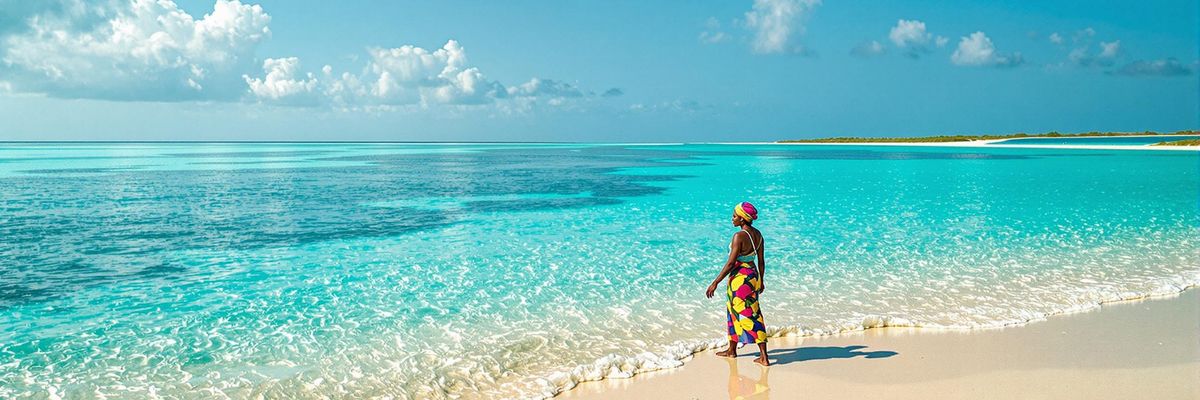
Xai-Xai: A Coastal Retreat
Relax on the beaches and explore the reefs of Xai-Xai.
View More

Journey to the heart of Lesotho, where the spirit of a nation was forged atop a sandstone plateau. Thaba-Bosiu, the 'Mountain at Night,' stands as a testament to the resilience and ingenuity of the Basotho people, offering a captivating glimpse into their rich history and vibrant culture.
Venture beyond the well-trodden tourist paths and discover a land where time seems to slow, and the echoes of the past resonate in every stone and every smile. Thaba-Bosiu isn't just a mountain; it's a living monument, a sacred place where the story of Lesotho unfolds with every step you take.

Prepare to be transported to a realm where history, culture, and natural beauty converge in a symphony of sensory experiences. From the panoramic vistas atop the plateau to the immersive encounters within the cultural village, Thaba-Bosiu promises an unforgettable journey for the discerning traveler.
Thaba-Bosiu, meaning 'Mountain at Night,' is more than just a geographical landmark; it is the very heart of Lesotho, the mountain fortress where King Moshoeshoe I, the visionary founder of the Basotho nation, established his kingdom in 1824. This imposing sandstone plateau, rising dramatically from the surrounding plains, served as a strategic refuge during the tumultuous wars of the 19th century, a beacon of hope and resilience for a people forging their identity in the face of adversity.
Imagine the scene: it's the early 1800s, and Southern Africa is in turmoil. The rise of the Zulu kingdom under Shaka is sending shockwaves across the land, displacing tribes and igniting conflicts. In this chaotic environment, Moshoeshoe, a shrewd and charismatic leader, recognized the need for a safe haven, a place where his people could unite and defend themselves. He found it in Thaba-Bosiu, a natural fortress with formidable defenses.
The mountain's steep cliffs, rising almost vertically from the surrounding terrain, presented a daunting obstacle to any would-be invaders. Natural springs provided a vital source of water, ensuring the survival of the inhabitants during prolonged sieges. And the panoramic views from the summit offered an unparalleled vantage point, allowing the Basotho to monitor the movements of their enemies and prepare for any potential attacks.
As you approach Thaba-Bosiu, you can't help but be awestruck by its imposing presence. The mountain dominates the landscape, a silent sentinel guarding the secrets of the past. The wind whispers tales of battles fought and won, of a nation forged in the crucible of conflict. It is easy to understand why Moshoeshoe chose this place as his stronghold, a place where his people could find safety, unity, and a sense of belonging.
The name itself, 'Mountain at Night,' adds to the mystique of Thaba-Bosiu. Legend has it that Moshoeshoe spread rumors that the mountain grew taller at night, further deterring his enemies. Whether true or not, the story speaks to the ingenuity and psychological warfare employed by Moshoeshoe to protect his people. The mountain became a symbol of Basotho strength and resilience, a place where their spirit could not be broken.
Today, Thaba-Bosiu stands as Lesotho's great national monument, a place of pilgrimage for those seeking to connect with the soul of the nation. As you stand on its summit, gazing out at the vast expanse of the kingdom, you can almost hear the echoes of Moshoeshoe's voice, urging his people to stand strong and defend their heritage. It's a powerful and moving experience, one that will stay with you long after you've left the Mountain at Night.

The ascent to Thaba-Bosiu is a journey through time, a physical and spiritual passage that connects you to the generations of Basotho who sought refuge and built their nation on this sacred mountain. Khubelu Pass, the main access point to the plateau, is more than just a path; it's a historical artery, a route etched with the footsteps of warriors, kings, and ordinary people seeking a better future.
While Khubelu Pass is the primary route, other passes such as Ramaseli, Maebeng, Mokachane, Makara, and Rahebe also provided access to the fortress, each with its own unique story to tell. Among these, Rafutho's Pass holds particular significance, as it was the site of a fierce battle where the Free State Boer commander Louw Wepener met his demise in 1865 during an attack on Moshoeshoe I.
As you make your way up Khubelu Pass, imagine the challenges faced by those who came before you. The path is steep and rocky, requiring sure footing and determination. But with each step, you gain a greater appreciation for the strategic brilliance of Moshoeshoe, who recognized the defensive advantage this natural barrier provided.
Reaching the summit, you'll find yourself in a place of profound reverence: the royal graveyard. Here, King Moshoeshoe I, the father of the Basotho nation, rests alongside other members of the royal family. The Basotho people hold this ground sacred, a testament to their deep respect for their ancestors and their enduring connection to the past.
Standing before Moshoeshoe's grave, you can feel the weight of history, the legacy of a leader who united a disparate group of tribes into a cohesive nation. His vision, his courage, and his unwavering commitment to his people are palpable, inspiring a sense of awe and gratitude. Take a moment to reflect on his achievements, his struggles, and his enduring impact on Lesotho.
Adding to the historical significance of this sacred ground, King Moshoeshoe II was also buried on the mountain in 1996, further solidifying Thaba-Bosiu as the final resting place for Lesotho's most revered leaders. His presence reinforces the mountain's role as a symbol of national identity and continuity, a place where the past, present, and future of Lesotho converge.
As you wander through the royal graveyard, pay your respects to those who shaped the destiny of Lesotho. Observe the traditional Basotho customs and rituals, a testament to the enduring cultural heritage of this proud nation. The experience is both humbling and inspiring, a reminder of the importance of honoring the past while embracing the future.

Beyond its strategic importance and royal connections, Thaba-Bosiu also holds a wealth of archaeological treasures, remnants of Moshoeshoe I's village that offer a fascinating glimpse into the daily life of the early Basotho people. Exploring these ruins is like stepping back in time, piecing together the fragments of a bygone era to understand the challenges and triumphs of those who came before.
Among the most notable remnants are the walls of the two-roomed European house, a testament to Moshoeshoe's interactions with European missionaries and traders. This structure, though modest by modern standards, represents a significant step towards modernization and cultural exchange, highlighting Moshoeshoe's willingness to embrace new ideas while preserving his own traditions.
As you wander through the village ruins, you'll also discover the foundations of other dwellings, the outlines of former homes where families lived, laughed, and struggled to build a new nation. Imagine the bustling activity that once filled this space, the sounds of children playing, the aroma of cooking fires, and the murmur of conversations as the Basotho people went about their daily lives.
Adding to the historical tapestry of Thaba-Bosiu are the rock paintings and inscriptions that adorn the rocks, silent testimonies to the interactions between Moshoeshoe and other nations. These artistic expressions offer valuable insights into the political alliances, trade agreements, and cultural exchanges that shaped the early years of the Basotho kingdom. Deciphering these ancient messages is like unlocking a secret code, revealing the complex relationships that defined Moshoeshoe's reign.
Archaeological materials found on the plateau further enrich our understanding of Thaba-Bosiu's past, providing tangible evidence of the tools, weapons, and everyday objects used by the early Basotho people. These artifacts, carefully preserved and studied by archaeologists, offer a unique window into their material culture, their technological innovations, and their adaptation to the challenging environment of the mountain fortress.
In addition to the rock art on Thaba-Bosiu itself, the nearby San rock art sites offer a broader perspective on the region's artistic heritage. These ancient paintings, created by the San people who inhabited the area long before the arrival of the Basotho, depict scenes of hunting, gathering, and spiritual rituals, providing a glimpse into the lives and beliefs of the region's earliest inhabitants.
Exploring the ruins and rock art of Thaba-Bosiu is a journey of discovery, a chance to connect with the past and appreciate the rich cultural heritage of Lesotho. As you stand among these ancient stones, let your imagination soar and envision the lives of those who shaped this nation, their struggles, their triumphs, and their enduring legacy.

To truly understand the spirit of Thaba-Bosiu, you must immerse yourself in the living culture of the Basotho people. At the base of the mountain lies the Thaba-Bosiu Cultural Village, a vibrant and authentic recreation of a traditional Sesotho village, offering visitors a unique opportunity to experience the sights, sounds, smells, and tastes of traditional Basotho life.
As you enter the village, you'll be greeted by the warm hospitality of the Basotho people, their faces beaming with pride as they share their heritage with you. The village is meticulously designed to showcase the various aspects of Sesotho life, from the Khotla (traditional court) to the Moreneng (chief's hut), Ha Mofumahali (chieftainess's hut), Thakaneng (children's playground), and Lekhotla (village court).
Each structure within the village serves a specific purpose, reflecting the social hierarchy and community values of the Basotho people. The Khotla, for example, is the center of village life, where important decisions are made and disputes are resolved. The Moreneng, the chief's hut, is a symbol of leadership and authority, while the Ha Mofumahali, the chieftainess's hut, represents the vital role of women in Basotho society.
One of the most fascinating experiences within the cultural village is the opportunity to consult a traditional doctor, known as a *sangoma*. These healers possess a deep understanding of medicinal plants and traditional remedies, offering insights into the holistic approach to health and well-being that is central to Basotho culture. Whether you seek healing or simply wish to learn more about traditional medicine, a visit to the sangoma is an unforgettable experience.
No visit to the Thaba-Bosiu Cultural Village is complete without sampling Sesotho beer, a traditional brew made from sorghum or maize. This potent beverage plays an important role in Basotho social gatherings and ceremonies, symbolizing community and celebration. Sip slowly and savor the unique flavor, while engaging in conversation with the locals and learning about their customs and traditions.
Local Tip: For an even more authentic culinary experience, venture beyond the cultural village and try 'papa' (maize porridge) and 'moroho' (vegetable stew) at nearby eateries. These simple yet flavorful dishes are staples of the Basotho diet, offering a true taste of the local cuisine.
The Thaba-Bosiu Cultural Village is more than just a tourist attraction; it's a living, breathing community where the traditions of the Basotho people are kept alive. By immersing yourself in this vibrant culture, you'll gain a deeper understanding of the values, beliefs, and customs that have shaped this nation, creating memories that will last a lifetime.

Standing atop Thaba-Bosiu, you'll be rewarded with panoramic views that stretch as far as the eye can see, a breathtaking vista that encompasses the rolling plains, rugged mountains, and fertile valleys of Lesotho. From this vantage point, you can truly appreciate the strategic advantage this natural fortress provided to King Moshoeshoe I and his people.
As you gaze out at the landscape, imagine the scene centuries ago, when Moshoeshoe and his followers first arrived at this mountain. The surrounding plains were a patchwork of warring tribes, each vying for control of the land. Thaba-Bosiu offered a sanctuary, a place where the Basotho could defend themselves and build a new nation.
The mountain's name, 'Mountain at Night,' adds another layer of intrigue to the experience. Legend has it that Moshoeshoe spread rumors that the mountain grew taller at night, deterring his enemies from attempting to scale its cliffs under the cover of darkness. Whether true or not, the story speaks to the ingenuity and psychological warfare employed by Moshoeshoe to protect his people.
From the summit, you can see why Thaba-Bosiu was considered an impregnable fortress. The steep cliffs, natural springs, and commanding views provided a formidable defense against any would-be invaders. It's easy to understand why Moshoeshoe chose this place as his stronghold, a place where his people could find safety, unity, and a sense of belonging.
As the sun sets over the horizon, painting the sky in hues of orange, purple, and gold, the views from Thaba-Bosiu become even more magical. The mountain casts a long shadow across the plains, a reminder of its enduring presence and its significance in the history of Lesotho. It's a moment to reflect on the past, appreciate the present, and contemplate the future of this remarkable nation.
Standing on Thaba-Bosiu, you're not just admiring a beautiful landscape; you're standing on a place of immense historical and cultural significance, a place where the spirit of Lesotho was forged. It's an experience that will stay with you long after you've left the Mountain at Night, a reminder of the resilience, ingenuity, and enduring spirit of the Basotho people.

While Thaba-Bosiu is undoubtedly the centerpiece of any visit to this region of Lesotho, there are several other nearby attractions that offer a fuller and more enriching experience. From unique geological formations to impressive engineering feats and ancient cave dwellings, these surrounding treasures provide a diverse range of activities and sights for the discerning traveler.
Just a short distance from Thaba-Bosiu lies Qiloane koppie, a distinctive conical mountain that served as the inspiration for the Basotho hat, a national symbol of Lesotho. This iconic hat, known as a *mokorotlo*, is worn by Basotho men and women alike, representing their cultural identity and national pride. A visit to Qiloane koppie offers a chance to appreciate the natural beauty that inspired this important symbol.
For those interested in engineering and infrastructure, the Metolong Dam is a must-see attraction. This impressive dam, part of the Metolong Dam and Water Supply Programme, provides water to Maseru and surrounding towns, playing a vital role in the region's economic development. A tour of the dam offers insights into the challenges of water management in this mountainous kingdom.
Venture further afield and you'll discover the Kome Caves, a series of cave dwellings built into the side of a cliff. These unique homes were originally built in the 19th century as a refuge from tribal wars and cannibalism, offering a glimpse into a darker chapter of Lesotho's history. Today, the caves are still inhabited by descendants of the original builders, providing a fascinating example of traditional Basotho life.
For nature enthusiasts, a trip to the Maletsunyane Falls is an absolute must. Plunging 192 meters (630 feet) into a spectacular gorge, these falls are among the highest single-drop waterfalls in Southern Africa, creating a cloud of mist that can be seen from miles away. The surrounding area offers opportunities for hiking, pony trekking, and exploring the rugged beauty of the Lesotho highlands.
Pony Trekking: Lesotho is famous for Basotho ponies. Several lodges and tour operators offer pony trekking expeditions, ranging from hour-long outrides to multi-day adventures into the mountains. This is a unique and unforgettable way to experience the beauty of Lesotho, following ancient shepherd trails and immersing yourself in the local culture.
Exploring the treasures beyond Thaba-Bosiu will enrich your understanding of Lesotho, its history, its culture, and its natural beauty. From iconic landmarks to hidden gems, this region offers a wealth of experiences for the adventurous traveler.

To truly experience the heart and soul of Lesotho, plan your visit around Moshoeshoe Day, celebrated annually on March 11th. This national holiday is a tribute to King Moshoeshoe I, the founder of the Basotho nation, and a celebration of Basotho unity, heritage, and cultural identity.
On Moshoeshoe Day, the entire nation comes alive with festivities, from traditional music and dance performances to storytelling and cultural displays. In Maseru, the capital city, major celebrations take place, with speeches from government officials, parades, and a vibrant atmosphere of national pride.
One of the most popular events on Moshoeshoe Day is the Moshoeshoe Walk, a trek from Menkhoaneng, the birthplace of Moshoeshoe I, to Thaba-Bosiu. This symbolic journey retraces the footsteps of the founder of the nation, connecting the past with the present and reinforcing the importance of heritage and tradition.
Throughout the country, schools and communities organize their own Moshoeshoe Day celebrations, featuring traditional dances like *mokhibo* (a dance performed by girls) and the gumboot dance (performed by boys). These energetic and colorful performances showcase the rich cultural heritage of Lesotho, passed down through generations.
Moshoeshoe Day is also an opportunity for Basotho people to reflect on the values and principles that guided their founder, including unity, resilience, and a commitment to education and self-reliance. It's a time to celebrate the achievements of the nation and to reaffirm their commitment to building a better future for all Basotho people.
If you're planning a visit to Lesotho, consider timing your trip to coincide with Moshoeshoe Day. This is an unparalleled opportunity to experience the vibrant culture of the Basotho people, to connect with their history, and to celebrate their national identity. From the colorful parades to the traditional dances and the heartfelt tributes to King Moshoeshoe I, this is an experience that will stay with you long after you've left the Mountain Kingdom.
Whether you're a history buff, a culture enthusiast, or simply an adventurous traveler seeking new horizons, Thaba-Bosiu offers an unforgettable journey into the heart and soul of Lesotho. Come, explore the Mountain at Night, and discover the magic of this remarkable nation.
Our editors` picks of the latest and greatest in travel - delivered to your inbox daily
Relax on the beaches and explore the reefs of Xai-Xai.
View More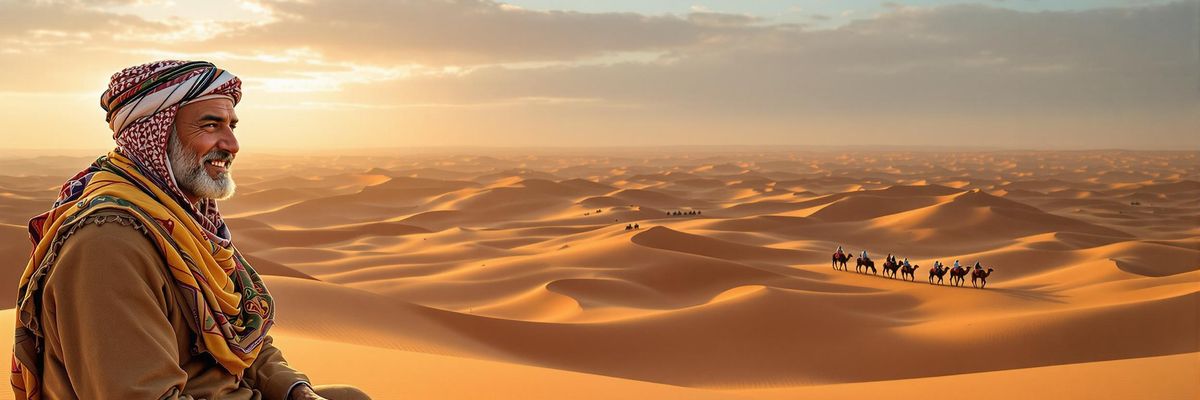
Embrace the cooler temperatures and experience the International Festival of the Sahara in Douz this December.
View More
Celebrate the year-end festivities in Accra, culminating in the vibrant Afrofuture festival.
View More Albania EDITION
 Algeria EDITION
 Argentina EDITION
 Armenia EDITION
 Australia EDITION
 Austria EDITION
 Bangladesh EDITION
 Belgium EDITION
 Belize EDITION
 Benin EDITION
 Bhutan EDITION
 Bolivia EDITION
 Bosnia and Herzegovina EDITION
 Botswana EDITION
 Brazil EDITION
 Bulgaria EDITION
 Burkina Faso EDITION
 Cambodia EDITION
 Cameroon EDITION
 Canada EDITION
 Central African Republic EDITION
 Chad EDITION
 Chile EDITION
 China EDITION
 Colombia EDITION
 Costa Rica EDITION
 Croatia EDITION
 Cyprus EDITION
 Denmark EDITION
 Djibouti EDITION
 Ecuador EDITION
 Egypt EDITION
 El Salvador EDITION
 Eritrea EDITION
 Estonia EDITION
 Ethiopia EDITION
 Finland EDITION
 France EDITION
 Gabon EDITION
 Georgia EDITION
 Germany EDITION
 Ghana EDITION
 Greece EDITION
 Guatemala EDITION
 Guinea EDITION
 Guinea-Bissau EDITION
 Honduras EDITION
 Hungary EDITION
 Iceland EDITION
 India EDITION
 Indonesia EDITION
 Ireland EDITION
 Israel EDITION
 Italy EDITION
 Jamaica EDITION
 Japan EDITION
 Jordan EDITION
 Kenya EDITION
 Kuwait EDITION
 Laos EDITION
 Latvia EDITION
 Lebanon EDITION
 Lesotho EDITION
 Liberia EDITION
 Lithuania EDITION
 Luxembourg EDITION
 Madagascar EDITION
 Malawi EDITION
 Malaysia EDITION
 Maldives EDITION
 Mali EDITION
 Malta EDITION
 Mauritania EDITION
 Mauritius EDITION
 Mexico EDITION
 Mongolia EDITION
 Montenegro EDITION
 Morocco EDITION
 Mozambique EDITION
 Namibia EDITION
 Nepal EDITION
 Netherlands EDITION
 New Zealand EDITION
 Nicaragua EDITION
 Niger EDITION
 Nigeria EDITION
 Norway EDITION
 Oman EDITION
 Pakistan EDITION
 Panama EDITION
 Papua New Guinea EDITION
 Paraguay EDITION
 Peru EDITION
 Philippines EDITION
 Poland EDITION
 Portugal EDITION
 Qatar EDITION
 Romania EDITION
 Rwanda EDITION
 Saudi Arabia EDITION
 Senegal EDITION
 Serbia EDITION
 Singapore EDITION
 Slovakia EDITION
 Slovenia EDITION
 Somalia EDITION
 South Africa EDITION
 South Korea EDITION
 Spain EDITION
 Sri Lanka EDITION
 Suriname EDITION
 Sweden EDITION
 Switzerland EDITION
 Tanzania EDITION
 Thailand EDITION
 Tunisia EDITION
 Uganda EDITION
 United Arab Emirates EDITION
 United Kingdom EDITION
 Uruguay EDITION
 Venezuela EDITION
 Vietnam EDITION
 Zambia EDITION
 Zimbabwe EDITION
Subscribe to our newsletter and get the most captivating travel stories, hidden gems, and expert insights delivered straight to your inbox. As a subscriber, you’ll be first in line for exclusive content, premium offers, and unforgettable travel experiences