



Destination Guide
Xai-Xai: A Coastal Retreat
Relax on the beaches and explore the reefs of Xai-Xai.
View More

Venture into the heart of Mali, where the legendary city of Timbuktu whispers tales of ancient scholarship, bustling trade, and resilient faith. Once a beacon of Islamic learning, Timbuktu invites intrepid travelers to explore its historic mosques, libraries, and the enduring spirit of its people.
Timbuktu, a name synonymous with remoteness and mystique, holds a prominent place in history as a center of knowledge and commerce. This fabled city, located on the southern edge of the Sahara Desert and near the Niger River, beckons travelers with its rich cultural heritage and architectural wonders. In its prime, Timbuktu served as a crucial link connecting West Africa with North Africa and the Mediterranean world, facilitating the exchange of goods, ideas, and religious beliefs.
Founded around 1100 CE by Tuareg nomads, Timbuktu's strategic location made it a hub for trans-Saharan trade. Caravans laden with gold, salt, and other precious commodities traversed the desert, bringing wealth and prosperity to the city. Alongside trade, Islamic scholarship flourished, attracting scholars and students from far and wide, transforming Timbuktu into a renowned center of learning. Imagine the scene: the sun blazing over the endless dunes, the air thick with the scent of spices and the murmur of bartering, the rhythmic beat of camel hooves on sand, and the call to prayer echoing from the minarets. This is Timbuktu, a city where the past resonates in every grain of sand.

The Sankore Mosque, a beacon of knowledge in Timbuktu, stands as a testament to the city's golden age of intellectual and cultural prominence. Its origins trace back to the 14th-15th centuries, blossoming into a renowned center for Islamic studies, law, grammar, history, and medicine.
The Sankore Mosque, also known as Sankore Madrasah or University of Sankore, is one of Timbuktu's three esteemed centers of learning. Established in the 14th and 15th centuries, the mosque played a pivotal role in fostering Islamic scholarship. Its curriculum encompassed a wide range of subjects, including Islamic studies, law, grammar, history, geography, astronomy, and medicine. The mosque's influence extended throughout the Mali Empire and the Songhai Empire, attracting scholars and students from across the region.
Mansa Musa I, the ruler of the Mali Empire, significantly contributed to the mosque's development. Following his pilgrimage to Mecca in 1324, he invested in the mosque's infrastructure and brought renowned scholars to teach there. The Sankore Mosque comprised several independent schools or colleges, each managed by a single master or imam. Students associated themselves with a specific teacher, attending courses in open courtyards or private residences. Instruction primarily focused on the Quran, but also included logic, astronomy and history. Between 1578 and 1582, Imam Al-Aqib ibn Mahmud ibn Umar restored the Sankore Mosque, rebuilding it to mirror the dimensions of the Kaaba in Mecca. Imagine scholars engrossed in ancient texts, their voices resonating within the mosque's walls, the scent of ink and parchment filling the air, and the unwavering pursuit of knowledge shaping the future of Timbuktu.

The Djinguereber Mosque, a marvel of earthen architecture, stands as a symbol of faith and ingenuity in Timbuktu. Constructed in 1327 AD during the reign of Mansa Musa, its unique design and enduring presence continue to inspire awe and reverence.
The Djinguereber Mosque, a UNESCO World Heritage Site, is another iconic landmark in Timbuktu. Built in 1327 AD during the reign of Mansa Musa, the mosque showcases the region's distinctive architectural style. Abu Ishaq al-Sahili, an architect and poet from Andalusia, designed the mosque using earth, fiber, straw, and wood. This ingenious construction method has allowed the mosque to withstand the test of time, blending seamlessly with the surrounding desert landscape.
The Djinguereber Mosque can accommodate up to 2,000 worshipers within its walls. It features three inner courts, two minarets, and twenty-five rows of pillars. The mosque's earthen structure exudes a sense of serenity and spirituality, inviting visitors to reflect on the power of faith. The Aga Khan Trust for Culture has undertaken preservation efforts to ensure the mosque's continued survival. Picture the sun casting long shadows across the mosque's earthen walls, the air filled with the melodic call to prayer, the soft rustling of straw in the wind, and the collective devotion of worshippers gathered in its sacred space.

The Ahmed Baba Institute, a guardian of Timbuktu's written legacy, serves as a vital library and research center. Founded in 1973, the institute preserves and digitizes ancient manuscripts, ensuring that Timbuktu's intellectual heritage remains accessible to future generations.
The Ahmed Baba Institute, established in 1973, plays a crucial role in preserving Timbuktu's rich literary heritage. Named after Ahmed Baba al Massufi, a renowned 17th-century scholar from Timbuktu, the institute houses a vast collection of ancient manuscripts covering diverse subjects such as medicine, astronomy, poetry, literature, and Islamic law. These manuscripts, written in Arabic, Fula, Songhay, and Tamasheq, offer invaluable insights into the intellectual and cultural life of West Africa.
In 2013, the institute faced a grave threat when arsonists targeted its collections. However, heroic efforts by locals and international organizations saved over 300,000 manuscripts from destruction. The institute's current building, designed by a South African architect, blends ancient and modern styles, providing a secure and climate-controlled environment for the manuscripts. An ongoing digitization project aims to make these invaluable resources accessible to scholars and researchers worldwide. Imagine the hushed atmosphere of the library, the scent of aged parchment filling the air, the gentle turning of fragile pages, and the dedication of archivists working to safeguard Timbuktu's written treasures.

Despite facing numerous challenges, including sand encroachment, decay, and armed conflict, Timbuktu has demonstrated remarkable resilience. Ongoing efforts to preserve its heritage and restore its cultural landmarks reflect the city's enduring spirit.
Timbuktu has faced numerous challenges throughout its history, including sand encroachment, decay, and the threat of armed conflict. The city's location on the edge of the Sahara Desert makes it vulnerable to desertification, with sandstorms gradually burying its historic buildings. The lack of resources and infrastructure has also contributed to the decay of its cultural heritage. In 2012, Tuareg rebels and Islamic militants occupied Timbuktu, destroying mausoleums and other cultural sites.
Despite these challenges, Timbuktu has shown remarkable resilience. Restoration projects, supported by international organizations and local communities, are underway to preserve its architectural heritage. These projects involve repairing damaged structures, reinforcing foundations, and implementing measures to combat sand encroachment. The city's inhabitants are actively involved in these efforts, demonstrating their commitment to safeguarding their cultural identity. While safety concerns and travel restrictions remain a factor, the city's spirit continues to endure. Envision the determination on the faces of local residents as they rebuild their city, the sounds of hammers and chisels echoing through the streets, the vibrant colors of newly restored buildings, and the unwavering hope for a brighter future.

A modern pilgrimage to Timbuktu offers a unique opportunity to explore its historical landmarks, libraries, and cultural treasures. Responsible tourism plays a vital role in supporting preservation efforts and empowering local communities.
Visiting Timbuktu in 2025 requires careful planning and awareness of the current situation. Travel options include flying to Mopti and then taking a boat or a flight to Timbuktu. Due to the ongoing conflict, it is essential to hire local guides and adhere to travel restrictions. Exploring the city's landmarks, such as the Sankore Mosque, the Djinguereber Mosque, and the Ahmed Baba Institute, provides a glimpse into Timbuktu's rich history and cultural significance.
Responsible tourism can contribute significantly to the preservation of Timbuktu's heritage. By supporting local businesses, hiring local guides, and respecting local customs, visitors can help empower communities and ensure the sustainable development of the city. Seek out hidden gems, such as local artisans or lesser-known historical sites, to discover the authentic charm of Timbuktu. Imagine yourself wandering through the labyrinthine streets of Timbuktu, the warmth of the sun on your skin, the friendly greetings of local residents, the vibrant colors of traditional crafts, and the satisfaction of knowing that your visit is helping to preserve this unique cultural treasure.

The Timbuktu Manuscripts, a treasure trove of knowledge, represent a remarkable collection of historical documents covering a wide range of subjects. Preserving, restoring, and digitizing these manuscripts is crucial for reevaluating Islamic, West African, and world history.
The Timbuktu Manuscripts are a testament to the city's intellectual prowess. These ancient documents, dating back centuries, cover a wide array of subjects, including art, medicine, philosophy, science, and copies of the Quran. Written in Arabic, Fula, Songhay, and Tamasheq, the manuscripts offer invaluable insights into the history, culture, and intellectual achievements of West Africa.
Efforts are underway to preserve, restore, and digitize these manuscripts, ensuring their accessibility to scholars and researchers worldwide. These efforts involve carefully cleaning and repairing damaged manuscripts, transcribing their contents, and creating digital copies for online access. The Timbuktu Manuscripts challenge conventional narratives of Islamic and West African history, offering a more nuanced and comprehensive understanding of the region's past. Picture scholars poring over ancient texts, deciphering forgotten languages, unlocking the secrets of the past, and rewriting history based on the wisdom contained within these precious manuscripts.

Timbuktu's future holds the promise of a beacon of learning reborn. Ongoing initiatives to revive its cultural and intellectual traditions, including the reestablishment of the Festival au Désert and the creation of a modern cultural center, signal a new chapter in the city's history.
Timbuktu is undergoing a revival, with efforts to reestablish itself as a center of learning and culture. The reestablishment of the Festival au Désert, a celebration of Tuareg music and culture, aims to attract visitors and promote tourism. The creation of a modern cultural and innovation center will provide a space for artistic expression, cultural exchange, and intellectual discourse. These initiatives seek to preserve Timbuktu's legacy for future generations, ensuring its continued role as a symbol of resilience and knowledge.
Timbuktu's story serves as an inspiration, demonstrating the enduring power of knowledge, culture, and community. By embracing its past and investing in its future, Timbuktu can reclaim its position as a beacon of learning and a testament to the human spirit. Imagine the vibrant sounds of music and laughter filling the air, the colorful displays of art and craftsmanship, the lively debates and intellectual exchanges, and the renewed sense of pride and hope among the people of Timbuktu.

Our editors` picks of the latest and greatest in travel - delivered to your inbox daily
Relax on the beaches and explore the reefs of Xai-Xai.
View More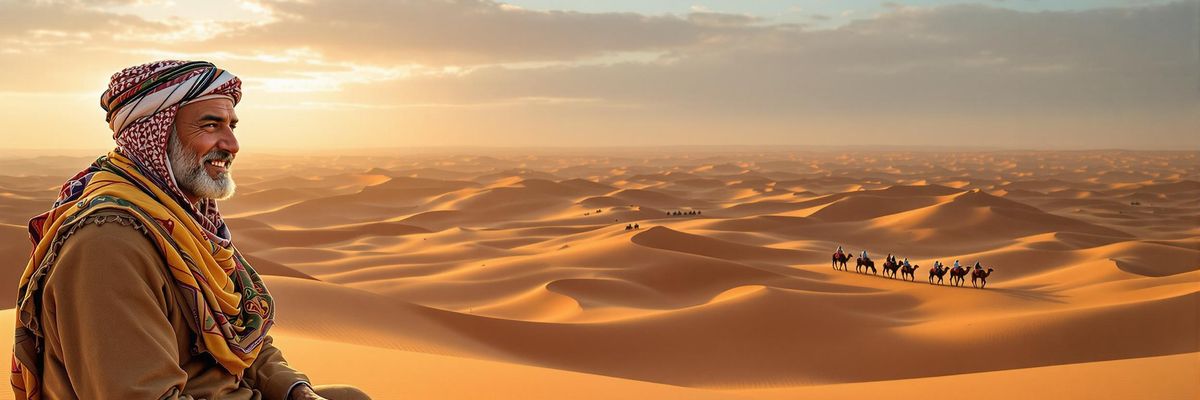
Embrace the cooler temperatures and experience the International Festival of the Sahara in Douz this December.
View More
Celebrate the year-end festivities in Accra, culminating in the vibrant Afrofuture festival.
View More Albania EDITION
 Algeria EDITION
 Argentina EDITION
 Armenia EDITION
 Australia EDITION
 Austria EDITION
 Bangladesh EDITION
 Belgium EDITION
 Belize EDITION
 Benin EDITION
 Bhutan EDITION
 Bolivia EDITION
 Bosnia and Herzegovina EDITION
 Botswana EDITION
 Brazil EDITION
 Bulgaria EDITION
 Burkina Faso EDITION
 Cambodia EDITION
 Cameroon EDITION
 Canada EDITION
 Central African Republic EDITION
 Chad EDITION
 Chile EDITION
 China EDITION
 Colombia EDITION
 Costa Rica EDITION
 Croatia EDITION
 Cyprus EDITION
 Denmark EDITION
 Djibouti EDITION
 Ecuador EDITION
 Egypt EDITION
 El Salvador EDITION
 Eritrea EDITION
 Estonia EDITION
 Ethiopia EDITION
 Finland EDITION
 France EDITION
 Gabon EDITION
 Georgia EDITION
 Germany EDITION
 Ghana EDITION
 Greece EDITION
 Guatemala EDITION
 Guinea EDITION
 Guinea-Bissau EDITION
 Honduras EDITION
 Hungary EDITION
 Iceland EDITION
 India EDITION
 Indonesia EDITION
 Ireland EDITION
 Israel EDITION
 Italy EDITION
 Jamaica EDITION
 Japan EDITION
 Jordan EDITION
 Kenya EDITION
 Kuwait EDITION
 Laos EDITION
 Latvia EDITION
 Lebanon EDITION
 Lesotho EDITION
 Liberia EDITION
 Lithuania EDITION
 Luxembourg EDITION
 Madagascar EDITION
 Malawi EDITION
 Malaysia EDITION
 Maldives EDITION
 Mali EDITION
 Malta EDITION
 Mauritania EDITION
 Mauritius EDITION
 Mexico EDITION
 Mongolia EDITION
 Montenegro EDITION
 Morocco EDITION
 Mozambique EDITION
 Namibia EDITION
 Nepal EDITION
 Netherlands EDITION
 New Zealand EDITION
 Nicaragua EDITION
 Niger EDITION
 Nigeria EDITION
 Norway EDITION
 Oman EDITION
 Pakistan EDITION
 Panama EDITION
 Papua New Guinea EDITION
 Paraguay EDITION
 Peru EDITION
 Philippines EDITION
 Poland EDITION
 Portugal EDITION
 Qatar EDITION
 Romania EDITION
 Rwanda EDITION
 Saudi Arabia EDITION
 Senegal EDITION
 Serbia EDITION
 Singapore EDITION
 Slovakia EDITION
 Slovenia EDITION
 Somalia EDITION
 South Africa EDITION
 South Korea EDITION
 Spain EDITION
 Sri Lanka EDITION
 Suriname EDITION
 Sweden EDITION
 Switzerland EDITION
 Tanzania EDITION
 Thailand EDITION
 Tunisia EDITION
 Uganda EDITION
 United Arab Emirates EDITION
 United Kingdom EDITION
 Uruguay EDITION
 Venezuela EDITION
 Vietnam EDITION
 Zambia EDITION
 Zimbabwe EDITION
Subscribe to our newsletter and get the most captivating travel stories, hidden gems, and expert insights delivered straight to your inbox. As a subscriber, you’ll be first in line for exclusive content, premium offers, and unforgettable travel experiences