


Destination Guide
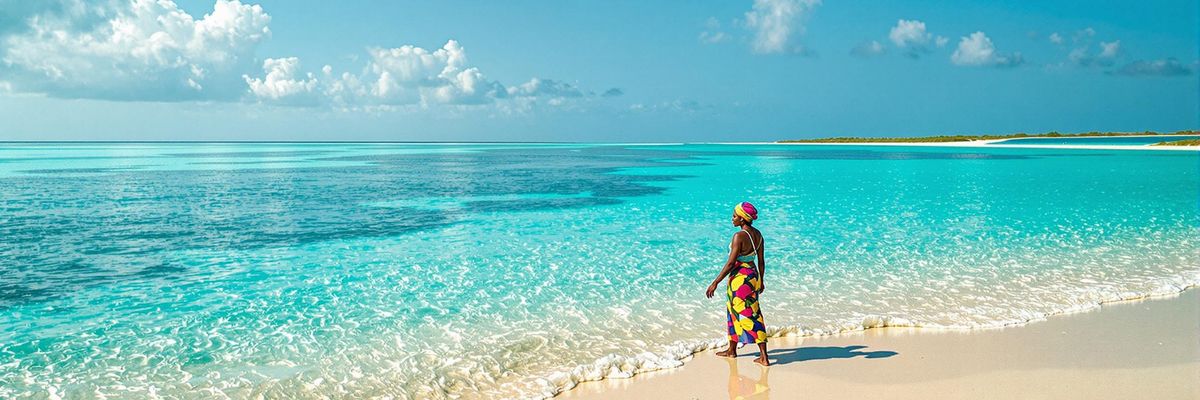
Xai-Xai: A Coastal Retreat
Relax on the beaches and explore the reefs of Xai-Xai.
View More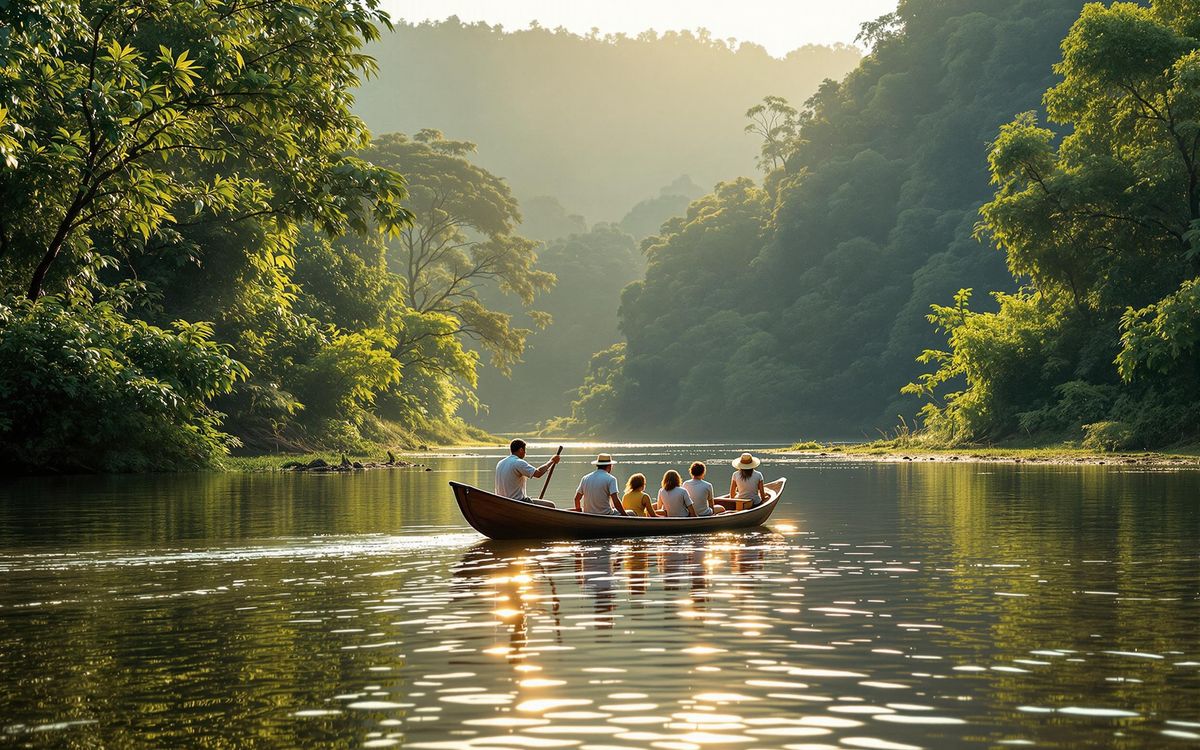

Tiwai Island, a hidden gem in Sierra Leone, beckons with its untouched rainforest and remarkable primate diversity. Prepare for an immersive journey into a world where nature reigns supreme.
Imagine a place where the symphony of the rainforest replaces the city's cacophony, where vibrant primates swing through the canopy, and the air is thick with the scent of exotic blossoms. This is Tiwai Island, a wildlife sanctuary in Sierra Leone, offering an unforgettable escape for nature enthusiasts and adventure seekers alike.
The adventure begins with a journey that heightens the anticipation. From Freetown, the bustling capital of Sierra Leone, the route to Tiwai Island involves a combination of road and river travel. A 4x4 vehicle is recommended for the journey from Freetown to Potoru, approximately 300 km southwest. The roads in the southern part of the country can be unpaved and challenging to navigate with a regular vehicle. From Freetown, you'll drive to Bo along the Freetown-Bo highway. As Bo is Sierra Leone's third-largest city, the highway connecting it to the capital has recently been upgraded and resurfaced, and it's now in good condition.
From Bo, a minibus or taxi can take you to Potoru, a 3-hour drive through Gondama-Koribundo-Bandajuma. The road from Bo is paved all the way. From Potoru, the journey continues to Kambama, a small village where the road ends. The only transport available on this narrow stretch through secondary forest is via motorbike (okada), a 30-minute ride. Finally, from Kambama, a boat trip on the Moa River leads to Tiwai Island itself.
As you approach the island, the sounds of the rainforest intensify, a chorus of exotic birds and chattering monkeys welcoming you to their realm. The air is filled with the fragrance of unfamiliar blossoms, a sweet and intoxicating aroma that signals your arrival in this pristine paradise. The vibrant colors of the rainforest, from the emerald canopy to the jewel-toned insects, create a sensory feast that awakens the soul.
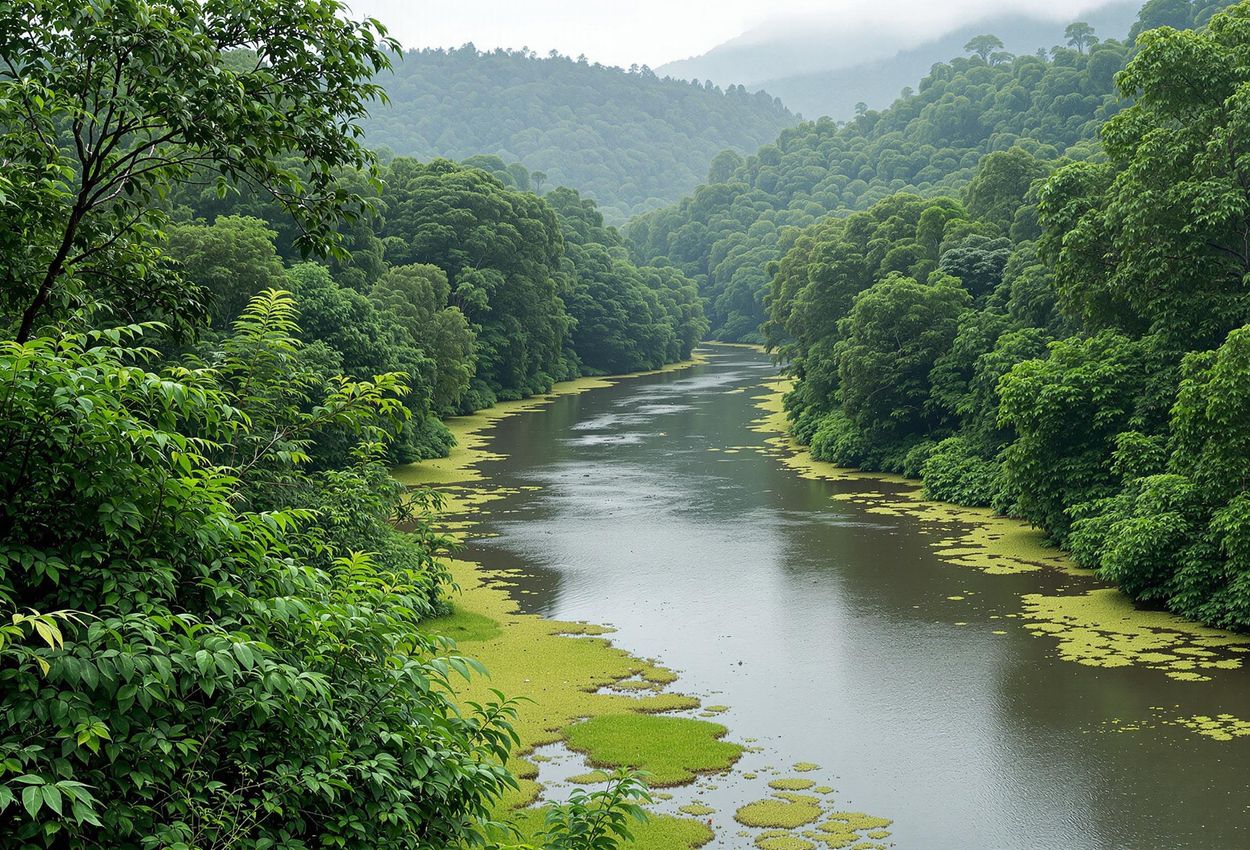
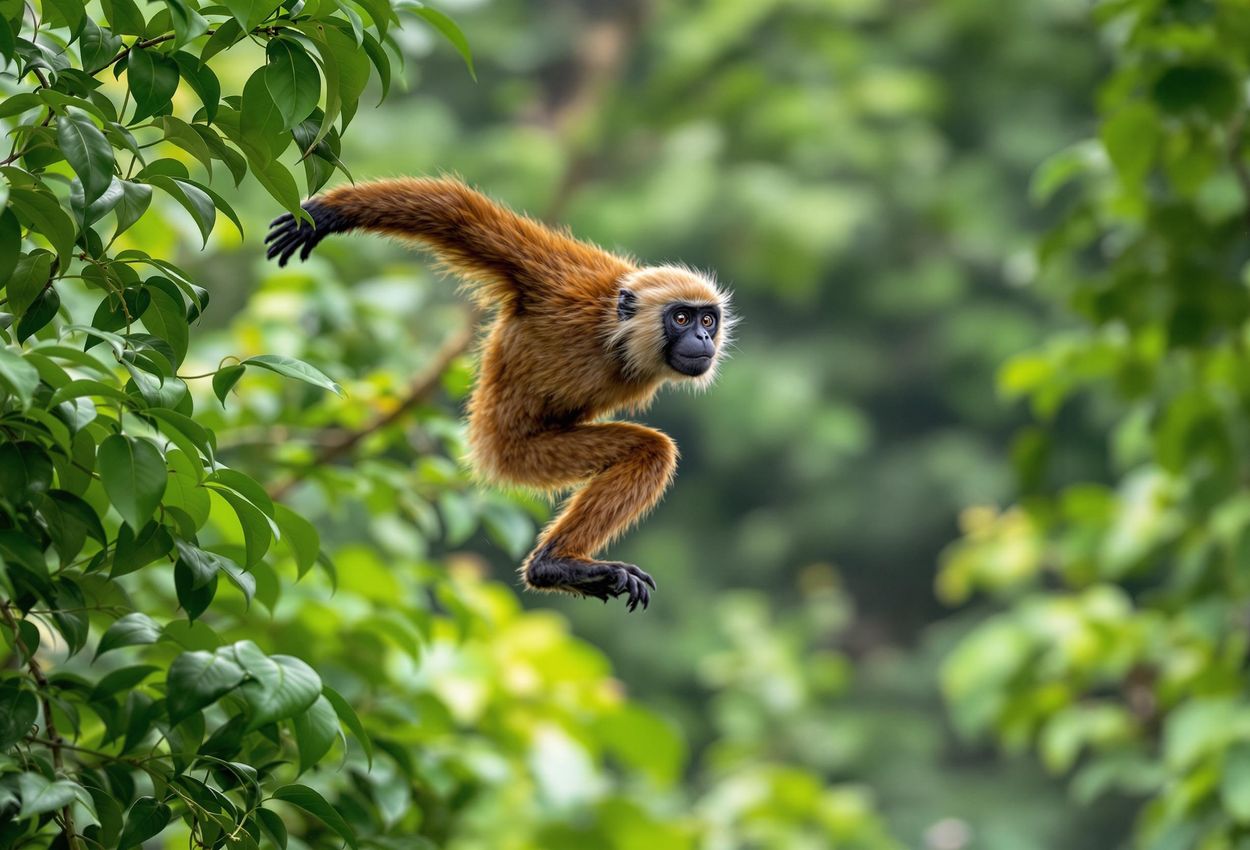
Tiwai Island is renowned for its exceptional primate diversity, boasting one of the highest concentrations of primate species in the world. Eleven different species call this island home, including chimpanzees, red colobus monkeys, Diana monkeys, and sooty mangabeys.
Observing these primates in their natural habitat is an experience unlike any other. Imagine witnessing a troop of chimpanzees foraging for food, their playful interactions a testament to their complex social structure. Picture the red colobus monkeys, with their striking crimson fur, leaping effortlessly through the trees. The Diana monkeys, with their distinctive white brow, are a sight to behold, while the rare sooty mangabeys offer a glimpse into a lesser-known primate world.
The island's high concentration and diversity of primates make it a key location for research and conservation. Scientists from around the world come to Tiwai Island to study these fascinating creatures, gaining insights into their behavior, ecology, and evolution. The data collected here is crucial for developing effective conservation strategies to protect these primates and their habitat.
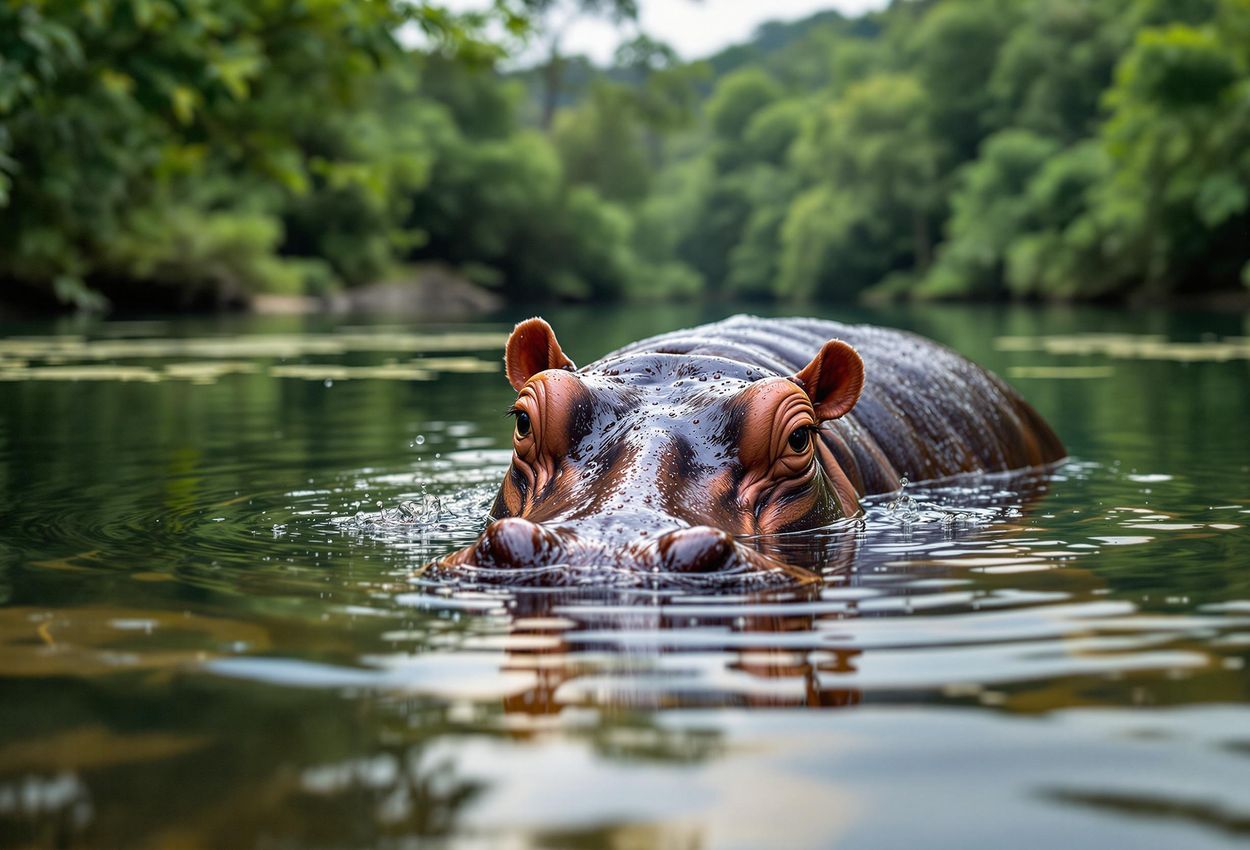
While primates may be the main draw, Tiwai Island's biodiversity extends far beyond apes and monkeys. The island is also home to the elusive pygmy hippopotamus, a rare and endangered species found only in a few West African countries. Spotting one of these gentle giants is a truly special experience, a testament to the island's pristine environment.
Birdwatchers will be in paradise, with over 135 different species of birds gracing the island's skies. From colorful hornbills to elusive African grey parrots, the avian diversity is astounding. The island's lush rainforest ecosystem provides a haven for a wide array of flora and fauna. Maxwell's duikers, diminutive antelope species, roam the undergrowth, while reptiles and amphibians lurk in the shadows. The rivers teem with diverse fish species, and the air is alive with the fluttering wings of countless butterflies.
Tiwai Island serves as a refuge for endangered species, a vital sanctuary in a world where biodiversity is increasingly threatened. Its importance in preserving the natural heritage of Sierra Leone and West Africa cannot be overstated.
Tiwai Island has embraced eco-tourism as a means of supporting its conservation efforts. The island's eco-tourism initiatives are designed to minimize environmental impact while maximizing benefits for local communities. Revenue generated from tourism is reinvested into conservation projects and community development initiatives.
Local communities are actively involved in these initiatives, serving as guides, cooks, and caretakers. This provides them with economic opportunities and a sense of ownership over the island's preservation. By supporting local communities, eco-tourism helps to ensure the long-term sustainability of Tiwai Island's conservation efforts.
Visitors can choose from a range of activities, including guided forest walks and boat tours. Accommodation options include camping and a simple research lodge, both managed by the Environmental Foundation for Africa (EFASL). By choosing to visit Tiwai Island, tourists directly contribute to the island's conservation and the well-being of its surrounding communities.
A guided forest walk on Tiwai Island is an immersive experience, offering the chance to encounter the island's diverse wildlife up close. Knowledgeable guides lead you through the rainforest, pointing out the unique flora and fauna that call this place home. Keep an eye out for Diana and Colobus monkeys, their playful antics a delight to witness.
Canoe or boat tours on the Moa River provide a different perspective, allowing you to explore the island's waterways and observe its abundant birdlife. With luck, you might even spot the elusive pygmy hippopotamus, a rare treat for any wildlife enthusiast. During the dry season, Tiwai's sandy beaches offer the opportunity for a refreshing swim, a welcome respite from the tropical heat.
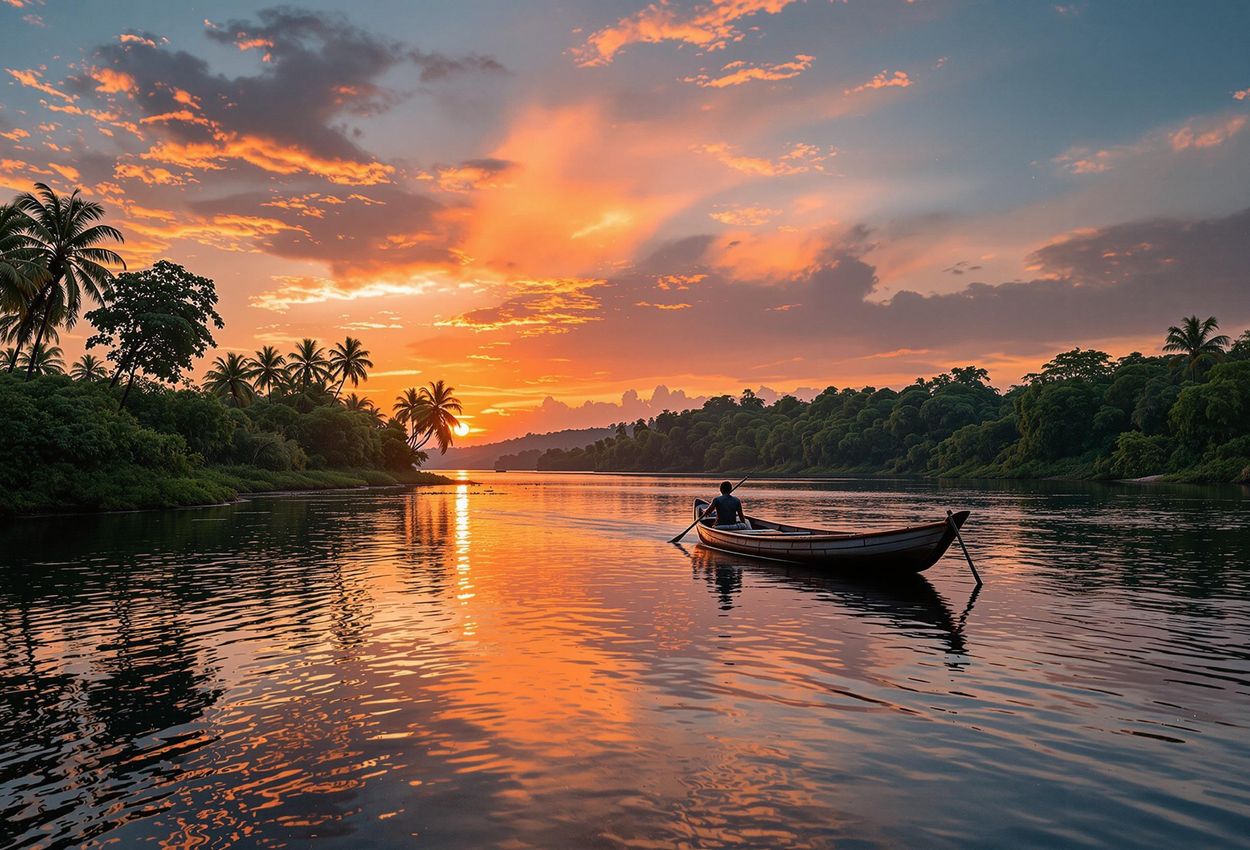
As the sun begins to set, consider a sunset cruise on the Moa River, a magical experience as the sky transforms into a canvas of vibrant colors. The sounds of the rainforest intensify as nocturnal creatures awaken, creating a symphony of nature that will stay with you long after you leave.
Accommodation on Tiwai Island is simple but comfortable, allowing you to immerse yourself in the natural surroundings. Camping in prepared tents offers a back-to-basics experience, allowing you to fall asleep to the sounds of the rainforest. The research lodge provides a more sheltered option, with basic amenities such as solar lighting, access to water, and cooking facilities.
Whether you choose to camp or stay in the lodge, the experience of sleeping amidst the rainforest is unforgettable. The sounds of nocturnal animals, the rustling of leaves, and the gentle breeze create a lullaby that soothes the soul. Waking up to the sounds of birdsong and the sight of sunlight filtering through the canopy is a truly magical way to start the day.
Food on Tiwai Island is a delicious introduction to Sierra Leonean cuisine, prepared by community members using locally sourced ingredients. Rice is a staple, often served with flavorful stews and sauces. The island is surrounded by fruit trees, offering a variety of seasonal delights such as banana, mango, and grapefruit.
The community takes pride in providing fresh, wholesome meals for visitors, showcasing the flavors of the region. A water purification system ensures the availability of safe drinking water, minimizing the use of plastic bottles. Dining on Tiwai Island is not just a culinary experience, but a chance to connect with the local culture and support sustainable practices.
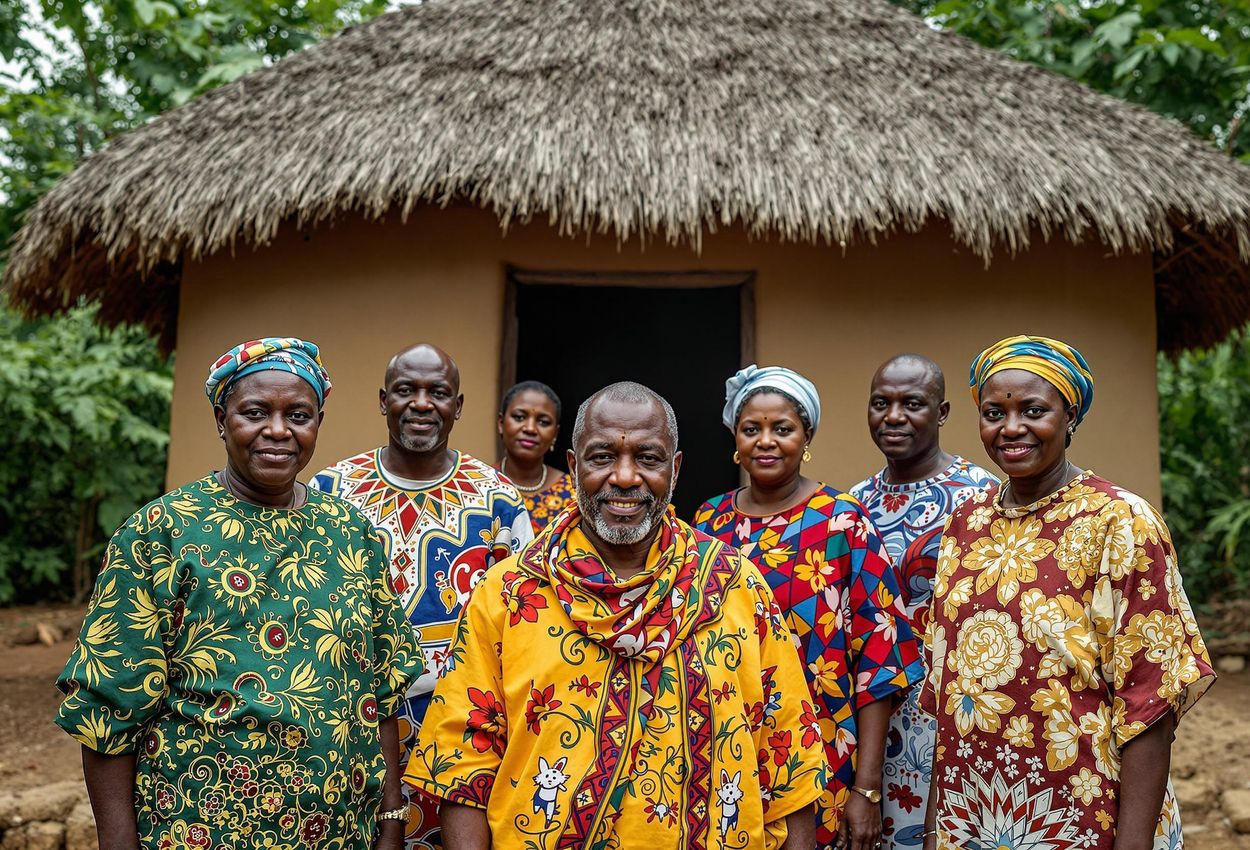
The eight host communities surrounding Tiwai Island play a vital role in its conservation. These communities are actively involved in protecting the island from poaching, illegal logging, and other threats. Tourism revenue is reinvested into these communities through a Community Development Fund, supporting education, healthcare, and infrastructure projects.
Community members also provide security for the island and support the Research Centre, contributing to its day-to-day operations. By empowering local communities and providing them with economic opportunities, Tiwai Island has created a model for sustainable conservation that benefits both people and nature.
Tiwai Island's history is a testament to its resilience and the dedication of those who have worked to protect it. Recognized as a special biosphere for wildlife conservation in the late 1970s, the island faced significant challenges during the civil war in Sierra Leone. Conservation efforts were disrupted, and the island suffered from deforestation and poaching.
After the war, the Environmental Foundation for Africa (EFA) spearheaded the rebuilding of tourism and research facilities. Through community engagement and sustainable practices, Tiwai Island has been restored to its former glory, becoming a beacon of hope for conservation in the region. In 2025, Tiwai Island was designated as a World Heritage Site as part of the Gola-Tiwai Complex, a recognition of its outstanding universal value.
Planning a trip to Tiwai Island requires some preparation, but the experience is well worth the effort. Transportation to the island involves a combination of road and river travel, as described earlier. Booking accommodation in advance is essential, either camping or at the research lodge.
Essential items to bring include towels, insect repellent, a torch, and appropriate clothing for the tropical climate. The best time to visit is during the dry season (November to April) for optimal wildlife viewing and activities. Respecting the island's environment and following responsible tourism guidelines is crucial to ensure its long-term sustainability.
Tiwai Island is more than just a destination; it's an experience that will stay with you forever. From its remarkable primate diversity to its lush rainforest and vibrant culture, this hidden gem of Sierra Leone offers a unique opportunity to connect with nature and support conservation efforts. Embark on a journey to Tiwai Island and discover a world where primates reign supreme and the spirit of the rainforest thrives.
Our editors` picks of the latest and greatest in travel - delivered to your inbox daily
Relax on the beaches and explore the reefs of Xai-Xai.
View More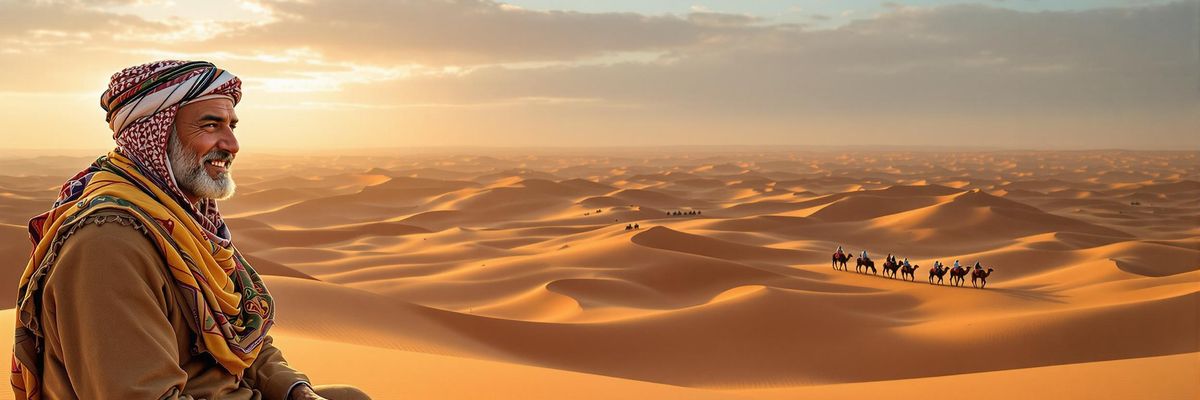
Embrace the cooler temperatures and experience the International Festival of the Sahara in Douz this December.
View More
Celebrate the year-end festivities in Accra, culminating in the vibrant Afrofuture festival.
View More Albania EDITION
 Algeria EDITION
 Argentina EDITION
 Armenia EDITION
 Australia EDITION
 Austria EDITION
 Bangladesh EDITION
 Belgium EDITION
 Belize EDITION
 Benin EDITION
 Bhutan EDITION
 Bolivia EDITION
 Bosnia and Herzegovina EDITION
 Botswana EDITION
 Brazil EDITION
 Bulgaria EDITION
 Burkina Faso EDITION
 Cambodia EDITION
 Cameroon EDITION
 Canada EDITION
 Central African Republic EDITION
 Chad EDITION
 Chile EDITION
 China EDITION
 Colombia EDITION
 Costa Rica EDITION
 Croatia EDITION
 Cyprus EDITION
 Denmark EDITION
 Djibouti EDITION
 Ecuador EDITION
 Egypt EDITION
 El Salvador EDITION
 Eritrea EDITION
 Estonia EDITION
 Ethiopia EDITION
 Finland EDITION
 France EDITION
 Gabon EDITION
 Georgia EDITION
 Germany EDITION
 Ghana EDITION
 Greece EDITION
 Guatemala EDITION
 Guinea EDITION
 Guinea-Bissau EDITION
 Honduras EDITION
 Hungary EDITION
 Iceland EDITION
 India EDITION
 Indonesia EDITION
 Ireland EDITION
 Israel EDITION
 Italy EDITION
 Jamaica EDITION
 Japan EDITION
 Jordan EDITION
 Kenya EDITION
 Kuwait EDITION
 Laos EDITION
 Latvia EDITION
 Lebanon EDITION
 Lesotho EDITION
 Liberia EDITION
 Lithuania EDITION
 Luxembourg EDITION
 Madagascar EDITION
 Malawi EDITION
 Malaysia EDITION
 Maldives EDITION
 Mali EDITION
 Malta EDITION
 Mauritania EDITION
 Mauritius EDITION
 Mexico EDITION
 Mongolia EDITION
 Montenegro EDITION
 Morocco EDITION
 Mozambique EDITION
 Namibia EDITION
 Nepal EDITION
 Netherlands EDITION
 New Zealand EDITION
 Nicaragua EDITION
 Niger EDITION
 Nigeria EDITION
 Norway EDITION
 Oman EDITION
 Pakistan EDITION
 Panama EDITION
 Papua New Guinea EDITION
 Paraguay EDITION
 Peru EDITION
 Philippines EDITION
 Poland EDITION
 Portugal EDITION
 Qatar EDITION
 Romania EDITION
 Rwanda EDITION
 Saudi Arabia EDITION
 Senegal EDITION
 Serbia EDITION
 Singapore EDITION
 Slovakia EDITION
 Slovenia EDITION
 Somalia EDITION
 South Africa EDITION
 South Korea EDITION
 Spain EDITION
 Sri Lanka EDITION
 Suriname EDITION
 Sweden EDITION
 Switzerland EDITION
 Tanzania EDITION
 Thailand EDITION
 Tunisia EDITION
 Uganda EDITION
 United Arab Emirates EDITION
 United Kingdom EDITION
 Uruguay EDITION
 Venezuela EDITION
 Vietnam EDITION
 Zambia EDITION
 Zimbabwe EDITION
Subscribe to our newsletter and get the most captivating travel stories, hidden gems, and expert insights delivered straight to your inbox. As a subscriber, you’ll be first in line for exclusive content, premium offers, and unforgettable travel experiences