


Destination Guide
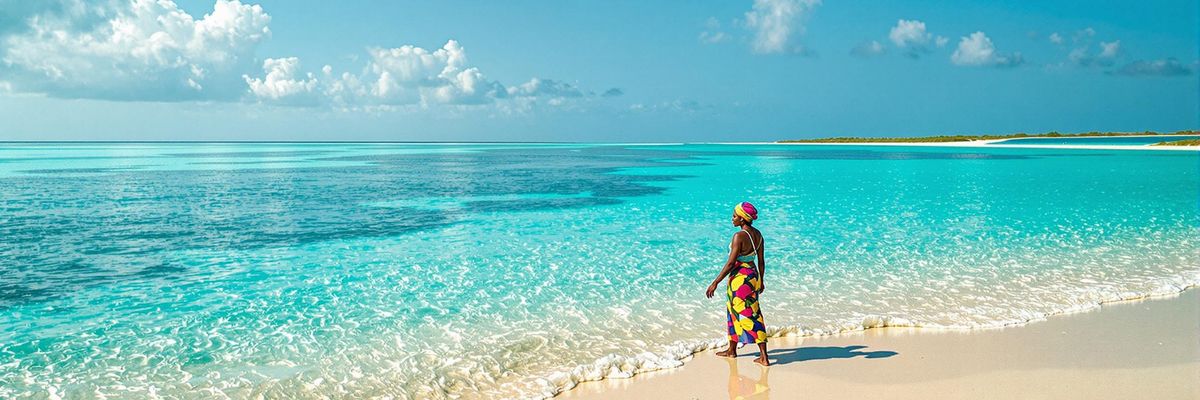
Xai-Xai: A Coastal Retreat
Relax on the beaches and explore the reefs of Xai-Xai.
View More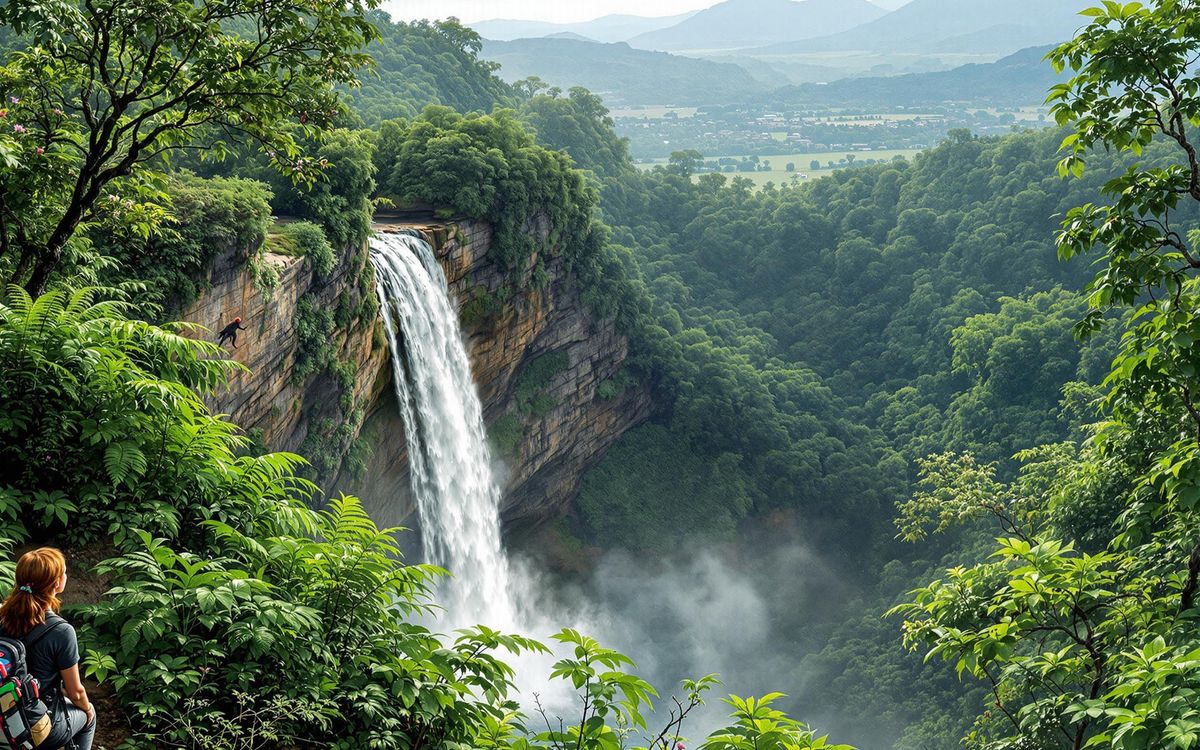

Embark on an unforgettable journey to the Udzungwa Mountains National Park in Tanzania this November, where nature's symphony plays out in a vibrant tapestry of life.
Imagine yourself trekking through emerald rainforests, the air thick with the scent of damp earth and exotic blooms. Waterfalls cascade down rocky cliffs, their roar a constant reminder of the raw power of nature. This is the Udzungwa Mountains National Park, a hidden gem in Tanzania, beckoning adventurers and nature enthusiasts alike. In November, as the short rains begin to kiss the landscape, the park awakens with renewed vigor, offering a unique and immersive experience.
Located in the Iringa region of south-central Tanzania, Udzungwa is a haven of biodiversity, part of the Eastern Arc Mountains, sheltering a remarkable array of plant and animal life, many of which are found nowhere else on Earth. This makes it a paradise for hikers, birdwatchers, and anyone seeking an escape into pristine wilderness. The gateway to this natural wonderland is the charming town of Iringa, where you can prepare for your adventure and soak in the local culture.
The park's unique flora includes ancient trees draped in moss, vibrant orchids clinging to branches, and giant ferns unfurling their fronds. Keep an eye out for the park's signature species, the Udzungwa red colobus monkey, and the Sanje crested mangabey, found nowhere else in the world. The park's network of hiking trails caters to all levels, from gentle strolls to challenging ascents, each promising breathtaking views and unforgettable encounters with nature.
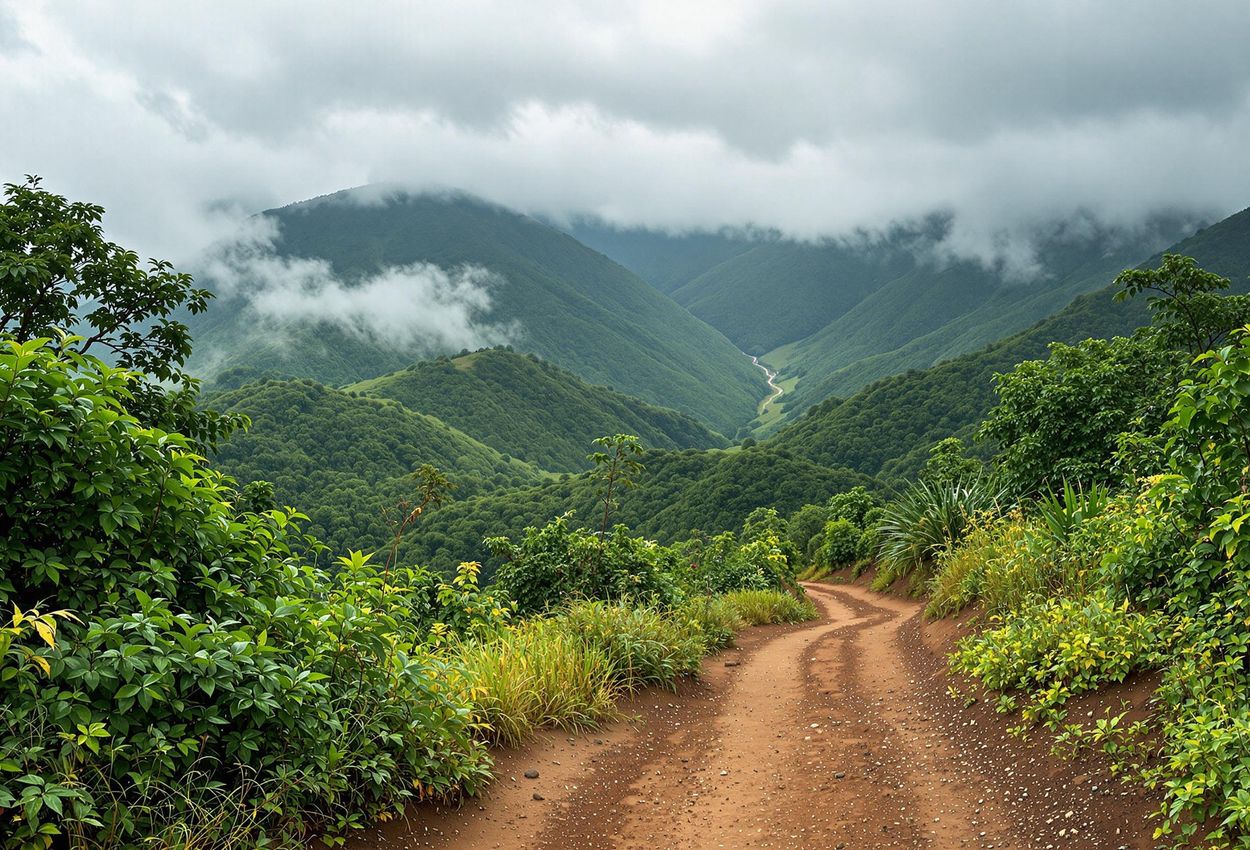
The Sanje Waterfalls Trail is arguably the most popular and iconic hike in Udzungwa, and for good reason. This moderate trek leads you through a lush rainforest, alive with the sounds of birdsong and rustling leaves, to the magnificent Sanje Waterfalls. The trail meanders through a vibrant ecosystem, offering glimpses of playful monkeys, colorful birds, and an array of butterflies.
As you approach the falls, the sound of rushing water grows louder, building anticipation for the spectacle that awaits. The Sanje Waterfalls cascade down in three distinct tiers, the main falls plunging an impressive 170 meters into a misty spray. The sight is simply breathtaking, a testament to the power and beauty of nature.
The hike itself is an immersive experience, with opportunities to spot wildlife along the way. Keep your eyes peeled for monkeys swinging through the trees, colorful birds flitting among the branches, and an array of butterflies dancing in the sunlight. The lush forest provides a haven for these creatures, and you're likely to encounter a variety of species during your trek.
At the base of the falls, you'll find refreshing plunge pools, perfect for a revitalizing swim after your hike. The cool water is a welcome respite from the humidity of the rainforest, and the opportunity to swim in the shadow of the cascading waterfalls is an unforgettable experience. There are also viewpoints along the trail offering panoramic views of the surrounding landscapes, allowing you to appreciate the scale and beauty of the Kilombero Valley.

Udzungwa is a true primate paradise, home to eleven different species, including two that are found nowhere else in the world. Among these, the Udzungwa red colobus monkey stands out as a symbol of the park's unique biodiversity. These striking primates are endemic to the Udzungwa Mountains, making a sighting a truly special experience.
The Udzungwa red colobus monkeys are easily recognizable by their vibrant red fur, which contrasts beautifully with the green foliage of their forest home. They are primarily arboreal, spending most of their time in the trees, where they forage for leaves, fruits, and flowers. These monkeys live in social groups, and watching them interact is a fascinating glimpse into their complex social lives.
To increase your chances of spotting these elusive creatures, focus your search in the riverine and montane forests, where they are most commonly found. The Sanje Waterfalls Trail is a particularly good spot for red colobus sightings. Keep an eye out for their distinctive red fur amongst the trees, and listen for their calls, which echo through the forest.
Besides the red colobus, Udzungwa is also home to other primate species, such as the Sanje crested mangabey, another endemic species. The park plays a crucial role in primate conservation, providing a sanctuary for these endangered animals and contributing to research efforts aimed at protecting them.

For experienced hikers seeking a challenge, the Mwanihana Peak Trail offers an unforgettable adventure. This full-day hike takes you to the summit of Mwanihana Peak, the second-highest point in the Udzungwa Mountains, rewarding you with panoramic views of the surrounding wilderness. The trek is strenuous, but the diverse vegetation and stunning vistas make it well worth the effort.
As you ascend, you'll traverse through a variety of ecosystems, from lush lowland rainforest to montane woodlands and grasslands. The vegetation changes dramatically with altitude, with giant ferns, ancient trees, and colorful wildflowers dotting the landscape. The trail offers a unique opportunity to witness the ecological diversity of Udzungwa.
Keep an eye out for wildlife as you climb. While sightings are less frequent at higher altitudes, you may spot elusive birds, small mammals, or even primates venturing into the montane forests. The possibility of encountering wildlife adds an element of excitement to the hike.
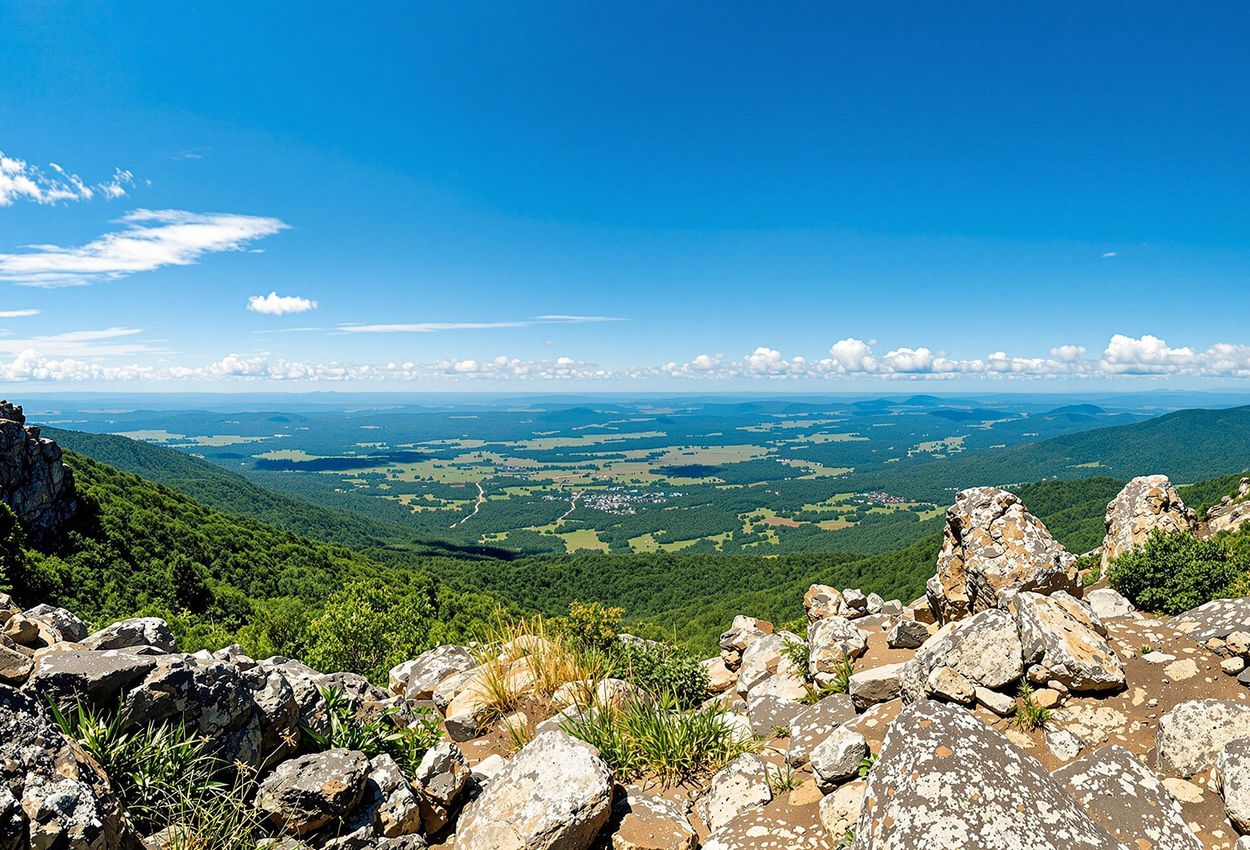
Reaching the summit of Mwanihana Peak is a rewarding accomplishment. From the top, you'll be treated to breathtaking 360-degree views of the Kilombero Valley, the Selous Game Reserve, and the surrounding mountains. The panoramic vista is a testament to the scale and beauty of the Udzungwa wilderness, a moment you'll never forget.
Planning a November trip to Udzungwa requires some preparation. Here's what you need to know to make the most of your adventure:
Permits and Guides: Permits are required to enter the park, and it's highly recommended to hire a local guide. Guides not only enhance your safety but also enrich your experience with their knowledge of the park's flora, fauna, and trails.
Packing Essentials: Pack lightweight, breathable clothing that dries quickly. Include rain gear, as November can bring occasional showers. Sturdy hiking shoes are essential for navigating the trails, and insect repellent is a must to ward off mosquitoes and other biting insects.
November Weather: November falls within the short rainy season, so be prepared for the possibility of rain. While the rain can make the trails muddy, it also brings the landscape to life, with vibrant wildflowers and lush greenery.
Physical Fitness: Udzungwa's trails range from moderate to challenging, so assess your fitness level and choose hikes accordingly. Even the easier trails involve some uphill walking, so it's best to be in reasonably good shape.
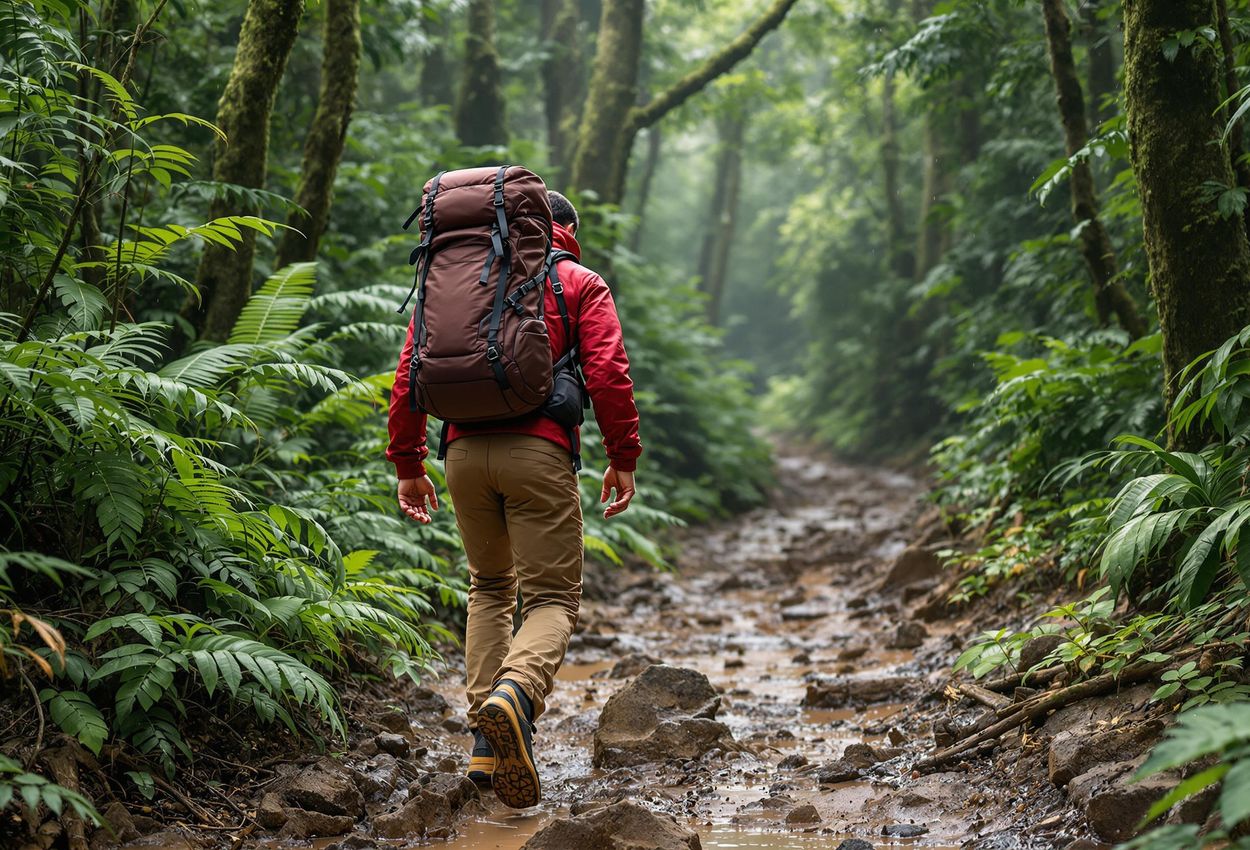
For a more leisurely experience, consider exploring the Prince Bernhard's Nature Trail. This accessible trail offers a gentle introduction to the park's beauty, making it suitable for all skill levels. The trail meanders through the forest, showcasing a variety of plant life and offering opportunities to spot birds and butterflies.
The trail is named after Prince Bernhard of the Netherlands, the former president of the World Wildlife Fund, who played a key role in establishing Udzungwa as a national park. The prince, at the age of 84, was unable to hike to the top of the Sanje Waterfalls, hence the naming of this easily accessible trail. It's a fitting tribute to his conservation efforts and a reminder of the park's rich history.
The Prince Bernhard's Nature Trail provides a tranquil escape into the heart of Udzungwa, allowing you to connect with nature at your own pace. It's a perfect option for those seeking a less strenuous hike or for families with young children.

To fully immerse yourself in the Udzungwa experience, consider staying at one of the park's unique lodging options. Hondo Hondo Udzungwa Forest Tented Camp offers an authentic wilderness stay, with comfortable 'glamping' tents nestled amidst the forest. The camp provides a gateway to guided hikes and unparalleled access to the park's natural wonders.
For a more budget-friendly option, Udzungwa Forest Camp provides a rustic and immersive experience. This camp offers basic accommodations and a chance to connect with nature on a deeper level.
Other options outside the park include Udzungwa Falls Lodge and Tan-Swiss Lodge. These lodges offer comfortable amenities and a convenient base for exploring the park.
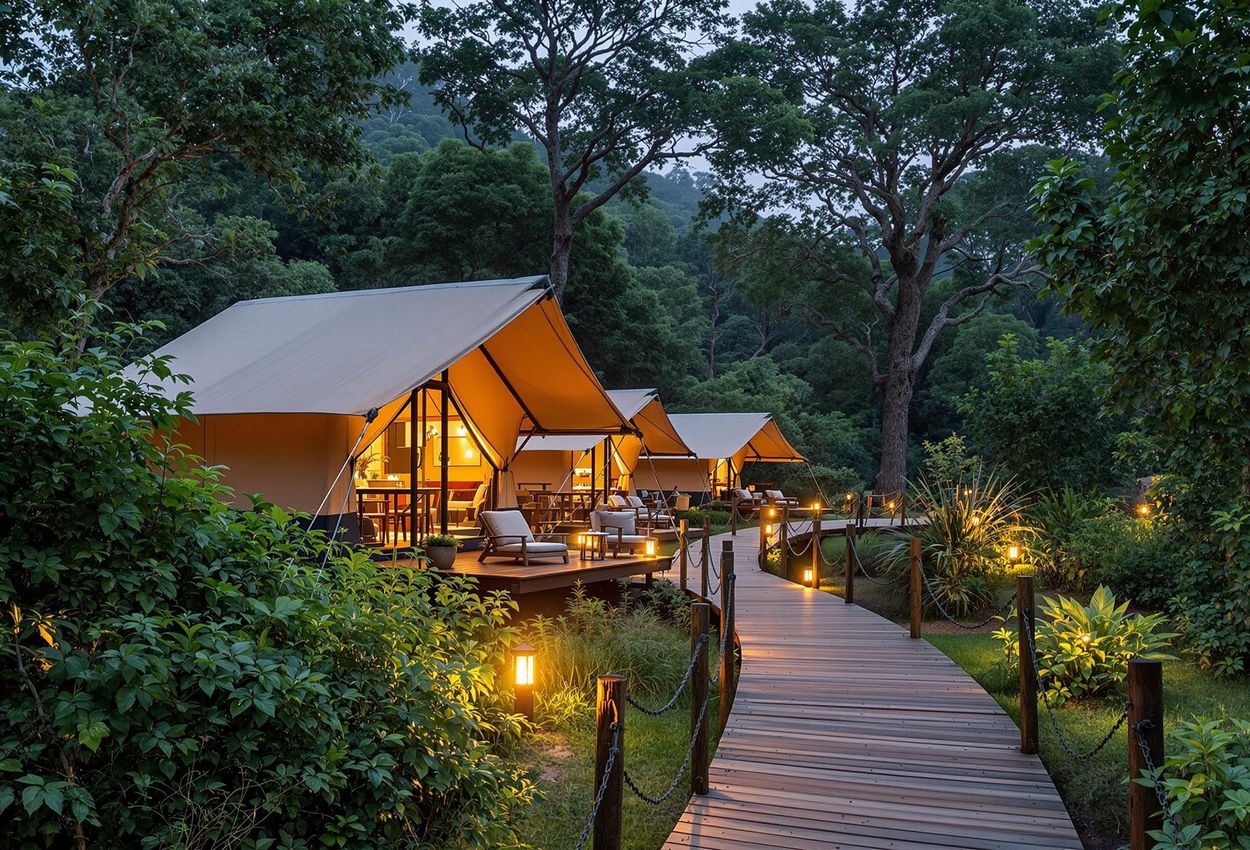
While lodging within the park offers immersive experiences, dining options are generally focused on providing sustenance for your adventures. Packed lunches are a convenient option for day hikes, allowing you to enjoy a meal amidst the stunning scenery.
Don't miss the opportunity to sample local cuisine and ingredients. Tanzanian cuisine is a delightful blend of flavors and influences, with dishes often featuring fresh produce, spices, and grilled meats. Ask your guide or lodge staff for recommendations on local specialties.
In Iringa town, you'll find a wider array of restaurants offering both local and international fare. This is a great opportunity to explore the culinary landscape of Tanzania and discover new flavors.

Your journey to Udzungwa begins with a flight into Julius Nyerere International Airport (DAR) in Dar es Salaam, the main gateway to Tanzania. From there, you have several options for reaching the park.
Domestic Flight: You can take a domestic flight to Kilombero Airstrip or Mikumi Airstrip, followed by a scenic drive to the park.
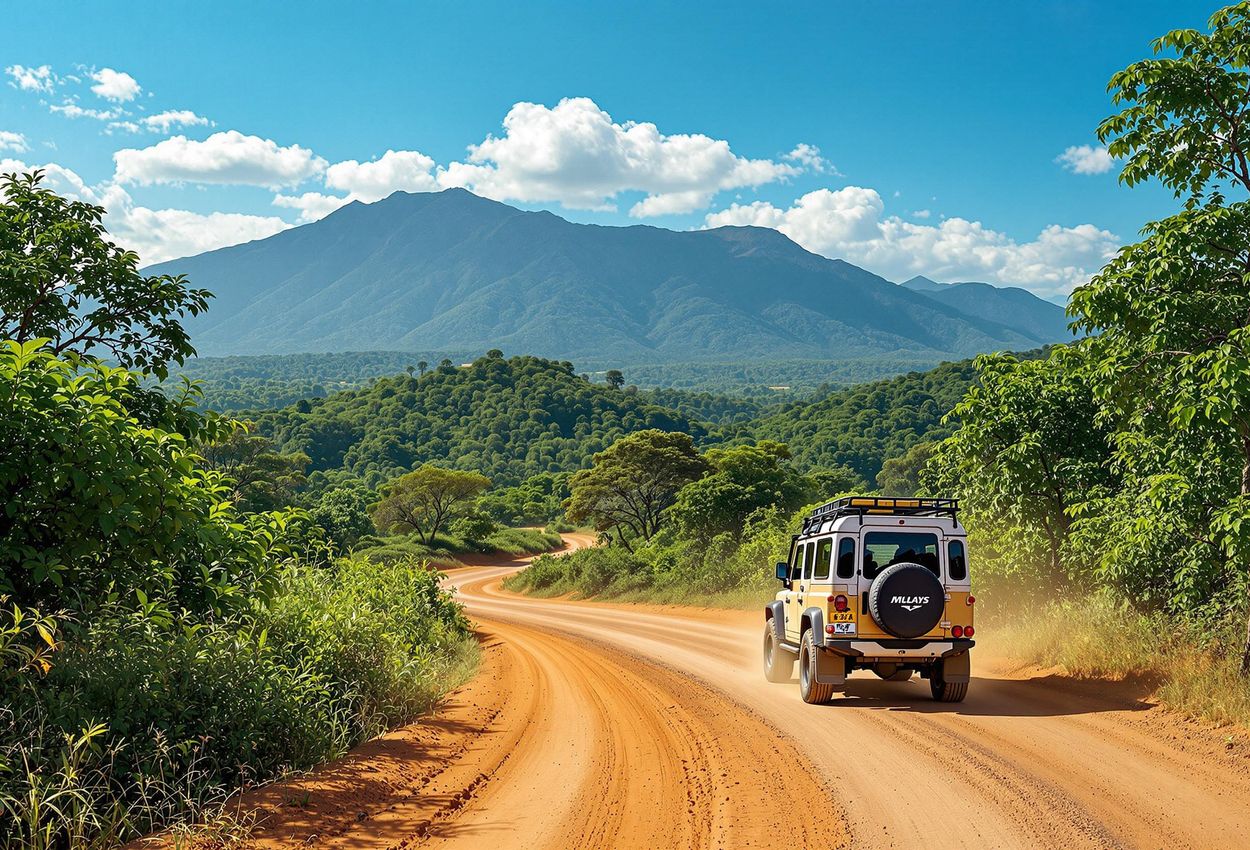
Hiring a Car: Renting a car in Dar es Salaam offers flexibility and allows you to explore the Tanzanian countryside at your own pace. The drive to Udzungwa takes approximately 5-7 hours.
Road Travel: You can take a bus from Dar es Salaam to Mikumi or Iringa, and then hire a local taxi or dalla-dalla (local minibus) to reach the park.
As you explore the wonders of Udzungwa, remember the importance of responsible tourism and conservation. The park plays a vital role in protecting endangered species and fragile ecosystems, and your visit can contribute to these efforts.
Respect the environment by following park guidelines, avoiding littering, and staying on marked trails. Support local communities by purchasing souvenirs from local artisans and using local guides and services.
By practicing responsible tourism, you can help ensure that Udzungwa remains a paradise for generations to come. Your visit can make a positive impact on the park's conservation efforts and the livelihoods of local communities.
Udzungwa Mountains National Park in November offers a unique and unforgettable adventure for nature lovers and hikers. With its stunning scenery, diverse wildlife, and commitment to conservation, Udzungwa is a destination that will leave a lasting impression. So, pack your bags, lace up your hiking boots, and prepare to be amazed by the wonders of this Tanzanian paradise.
Our editors` picks of the latest and greatest in travel - delivered to your inbox daily
Relax on the beaches and explore the reefs of Xai-Xai.
View More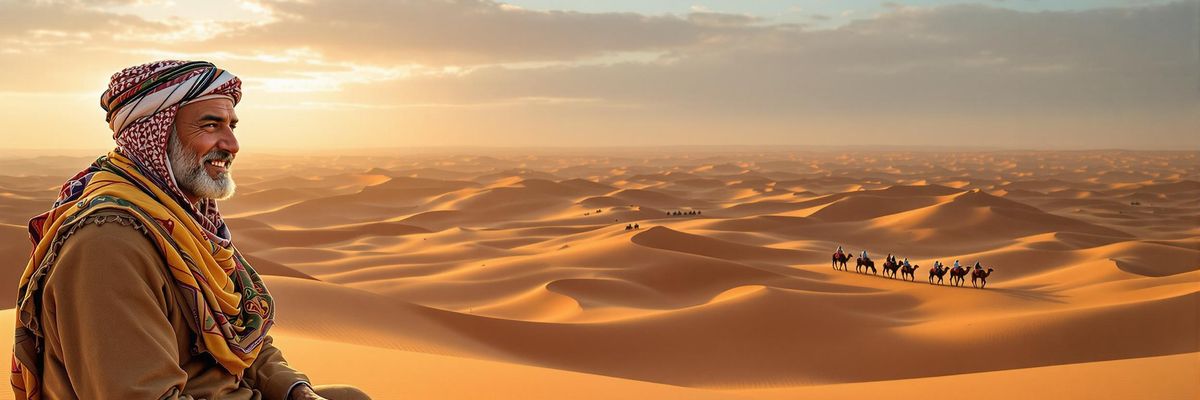
Embrace the cooler temperatures and experience the International Festival of the Sahara in Douz this December.
View More
Celebrate the year-end festivities in Accra, culminating in the vibrant Afrofuture festival.
View More Albania EDITION
 Algeria EDITION
 Argentina EDITION
 Armenia EDITION
 Australia EDITION
 Austria EDITION
 Bangladesh EDITION
 Belgium EDITION
 Belize EDITION
 Benin EDITION
 Bhutan EDITION
 Bolivia EDITION
 Bosnia and Herzegovina EDITION
 Botswana EDITION
 Brazil EDITION
 Bulgaria EDITION
 Burkina Faso EDITION
 Cambodia EDITION
 Cameroon EDITION
 Canada EDITION
 Central African Republic EDITION
 Chad EDITION
 Chile EDITION
 China EDITION
 Colombia EDITION
 Costa Rica EDITION
 Croatia EDITION
 Cyprus EDITION
 Denmark EDITION
 Djibouti EDITION
 Ecuador EDITION
 Egypt EDITION
 El Salvador EDITION
 Eritrea EDITION
 Estonia EDITION
 Ethiopia EDITION
 Finland EDITION
 France EDITION
 Gabon EDITION
 Georgia EDITION
 Germany EDITION
 Ghana EDITION
 Greece EDITION
 Guatemala EDITION
 Guinea EDITION
 Guinea-Bissau EDITION
 Honduras EDITION
 Hungary EDITION
 Iceland EDITION
 India EDITION
 Indonesia EDITION
 Ireland EDITION
 Israel EDITION
 Italy EDITION
 Jamaica EDITION
 Japan EDITION
 Jordan EDITION
 Kenya EDITION
 Kuwait EDITION
 Laos EDITION
 Latvia EDITION
 Lebanon EDITION
 Lesotho EDITION
 Liberia EDITION
 Lithuania EDITION
 Luxembourg EDITION
 Madagascar EDITION
 Malawi EDITION
 Malaysia EDITION
 Maldives EDITION
 Mali EDITION
 Malta EDITION
 Mauritania EDITION
 Mauritius EDITION
 Mexico EDITION
 Mongolia EDITION
 Montenegro EDITION
 Morocco EDITION
 Mozambique EDITION
 Namibia EDITION
 Nepal EDITION
 Netherlands EDITION
 New Zealand EDITION
 Nicaragua EDITION
 Niger EDITION
 Nigeria EDITION
 Norway EDITION
 Oman EDITION
 Pakistan EDITION
 Panama EDITION
 Papua New Guinea EDITION
 Paraguay EDITION
 Peru EDITION
 Philippines EDITION
 Poland EDITION
 Portugal EDITION
 Qatar EDITION
 Romania EDITION
 Rwanda EDITION
 Saudi Arabia EDITION
 Senegal EDITION
 Serbia EDITION
 Singapore EDITION
 Slovakia EDITION
 Slovenia EDITION
 Somalia EDITION
 South Africa EDITION
 South Korea EDITION
 Spain EDITION
 Sri Lanka EDITION
 Suriname EDITION
 Sweden EDITION
 Switzerland EDITION
 Tanzania EDITION
 Thailand EDITION
 Tunisia EDITION
 Uganda EDITION
 United Arab Emirates EDITION
 United Kingdom EDITION
 Uruguay EDITION
 Venezuela EDITION
 Vietnam EDITION
 Zambia EDITION
 Zimbabwe EDITION
Subscribe to our newsletter and get the most captivating travel stories, hidden gems, and expert insights delivered straight to your inbox. As a subscriber, you’ll be first in line for exclusive content, premium offers, and unforgettable travel experiences