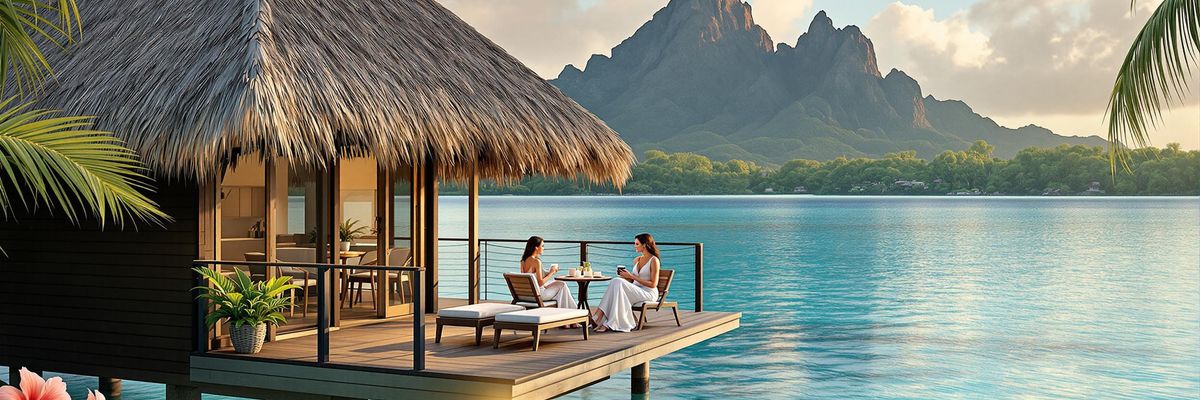
Forget the picture-perfect postcards of overwater bungalows; the real Maldives pulses with a vibrant cultural heart waiting to be discovered. This journey ventures beyond the luxurious facade, inviting you to immerse yourself in the daily rhythms, time-honored traditions, and genuine warmth of the Maldivian people. From bustling capital streets to serene island villages, prepare to be captivated by a side of the Maldives you never knew existed.
Malu00e9: A Capital Bursting with Color and Commerce
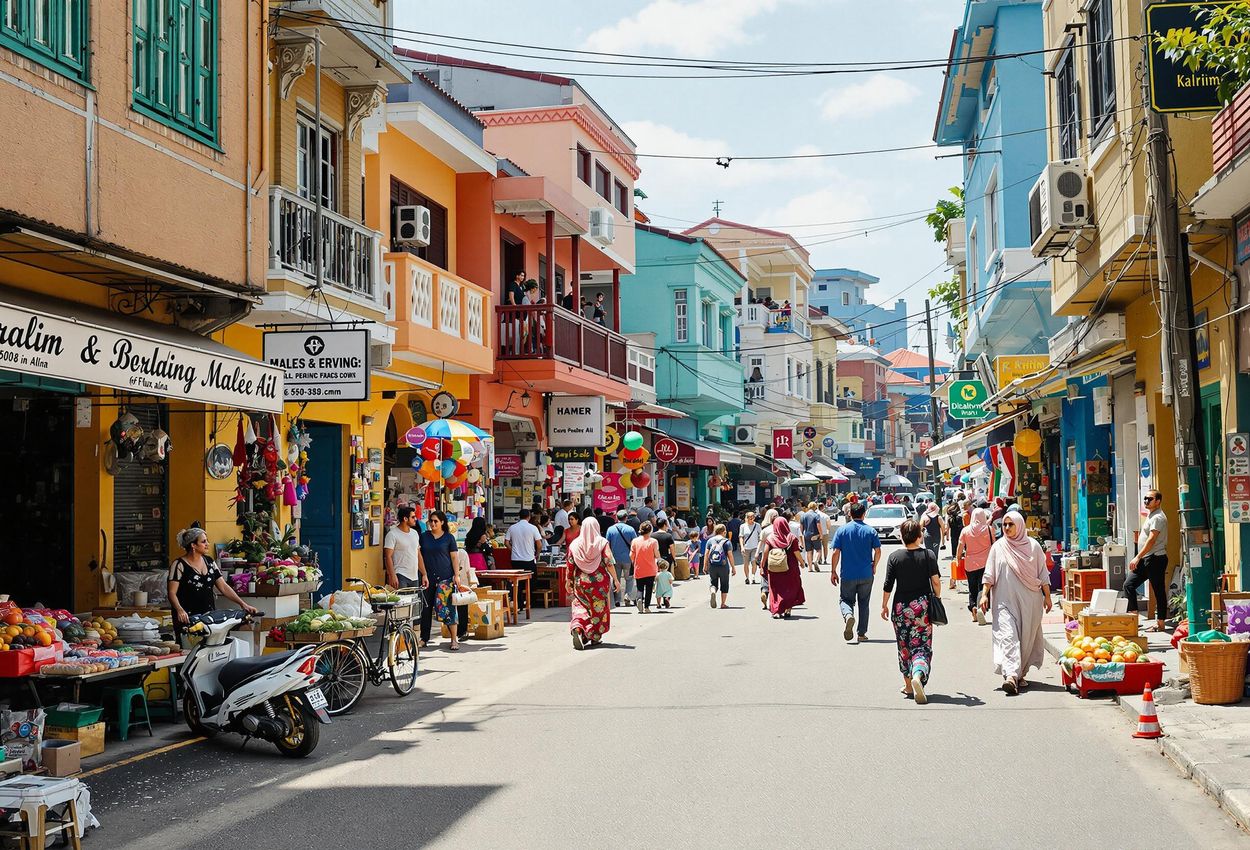
The moment you step onto the shores of Malu00e9, the capital of the Maldives, you're enveloped in a sensory explosion. Gone are the tranquil blues and greens of the resort brochures; here, a kaleidoscope of brightly painted buildings rises against the azure sky. The air hums with the energetic chatter of locals, the rumble of scooters, and the calls of vendors hawking their wares. This is a city brimming with life, a testament to the Maldivian spirit of enterprise and resilience.
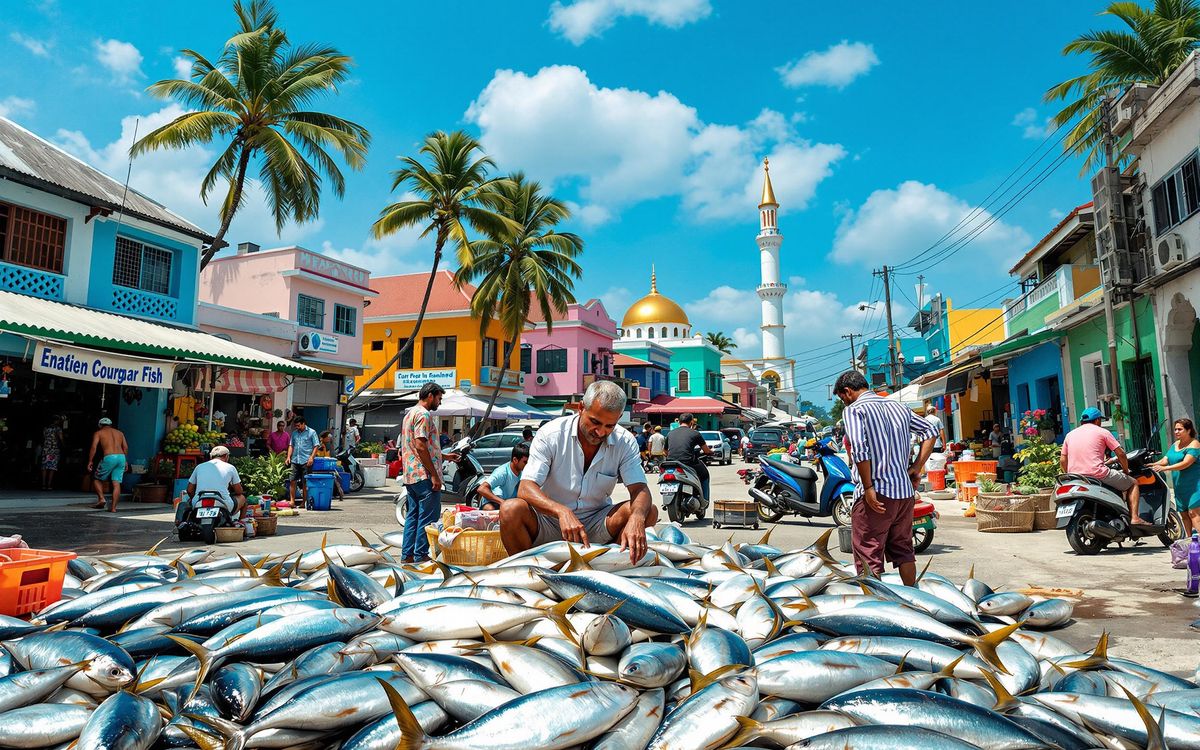
The heart of Malu00e9 beats within its bustling markets. The fish market is a spectacle in itself, a daily drama of fishermen unloading their fresh catch u2013 tuna, reef fish, and barracuda glinting silver in the tropical sun. The air is thick with the salty tang of the sea and the boisterous negotiations between buyers and sellers. Just a short walk away, the local market offers a different feast for the senses. Heaps of colorful fruits and vegetables, fragrant spices, and handcrafted souvenirs create a vibrant tapestry of Maldivian produce and artistry. Don't be shy; sample the local delicacies and haggle for unique treasures to take home.
Amidst the commercial buzz, architectural gems offer glimpses into the Maldives' rich Islamic heritage. The Grand Friday Mosque, with its imposing golden dome, is a striking landmark and a testament to the country's deep-rooted faith. Step inside (respectfully dressed, of course) to admire the intricate carvings and serene atmosphere. For a moment of quiet contemplation, seek out one of the city's many smaller mosques, each with its own unique charm and history.
Hidden Gem: Escape the tourist trail and discover a traditional 'hotaa' (tea shop) tucked away on a side street. These humble establishments are the social hubs of Malu00e9, where locals gather to sip sweet tea and savor 'hedhikaa' u2013 an array of savory and sweet snacks. Try the 'gulha' (deep-fried fish dumplings), 'bajiya' (samosa-like pastries), or 'masroshi' (tuna-filled crepes). The atmosphere is warm and welcoming, offering a genuine taste of Maldivian hospitality. Don't be afraid to strike up a conversation with the locals; they're usually happy to share stories and insights about their city and culture.
Maafushi: Island Life on a Budget
Trade the speedboat for a local ferry and embark on a scenic journey from Malu00e9 to Maafushi. This isn't just a mode of transportation; it's an immersion into the everyday lives of Maldivians. As the ferry chugs across the turquoise waters, you'll be treated to breathtaking views of scattered islands, each a jewel in the Indian Ocean. Share the deck with locals transporting goods, families heading home, and fishermen returning from their morning catch. The rhythmic sway of the boat and the salty breeze create a sense of tranquility that washes away the stresses of modern life.
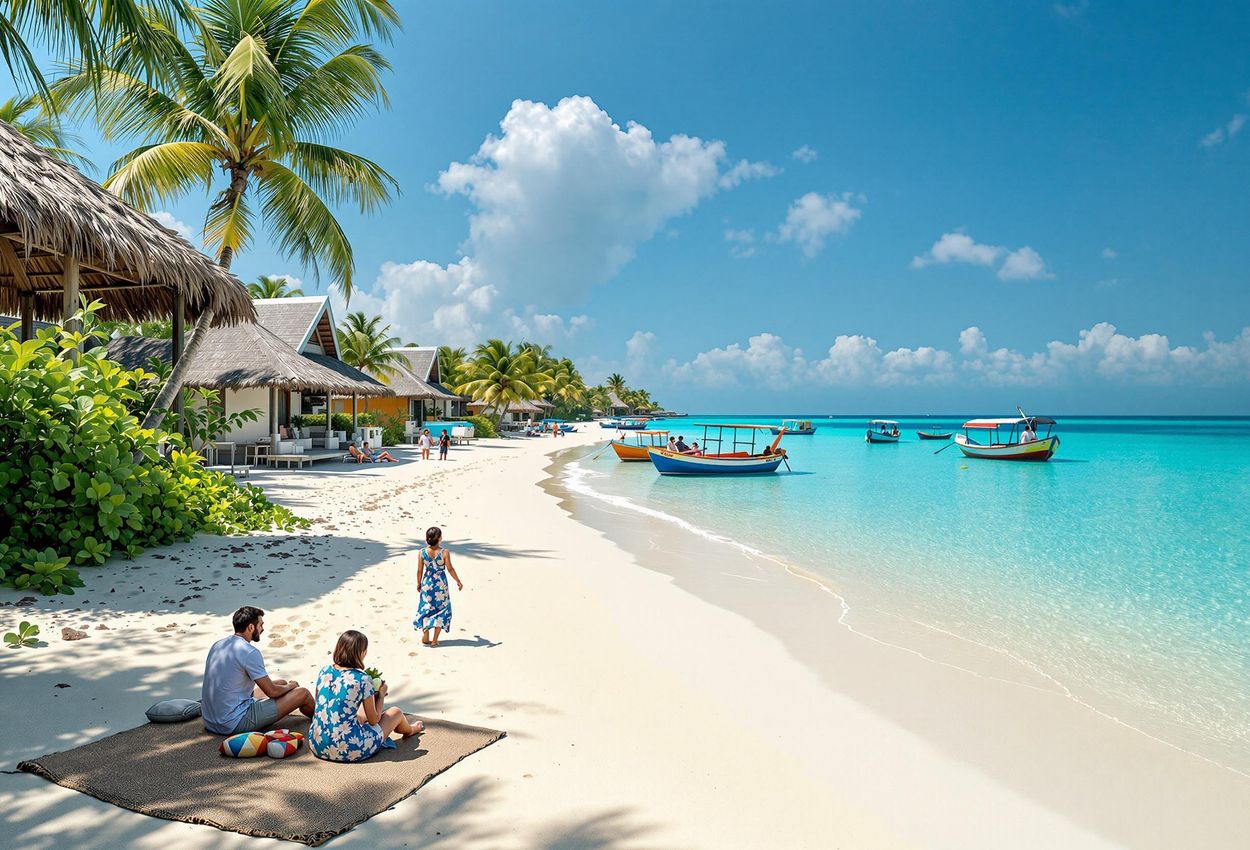
Maafushi offers a welcome contrast to the luxury resorts, providing a budget-friendly gateway to authentic Maldivian island life. Guesthouses and family-run restaurants line the sandy streets, offering comfortable accommodation and delicious home-cooked meals at affordable prices. This is where you can truly connect with the local community, experiencing their warmth, hospitality, and way of life.
Respect is paramount when interacting with the local community. The Maldives is a Muslim nation, so it's important to dress modestly (especially when visiting local islands), avoid public displays of affection, and refrain from drinking alcohol outside designated tourist areas. Learning a few basic Dhivehi phrases (such as 'Assalamu alaikum' for hello and 'Shukuriyaa' for thank you) will go a long way in showing your respect and appreciation for the local culture.
Unique Experience: Immerse yourself in the local culture by learning the art of coconut leaf weaving. This traditional craft is used to create roofing for homes and other structures. Join a local artisan and learn the intricate techniques of weaving the leaves together, creating a durable and eco-friendly material. Alternatively, join a local fishing trip and experience the thrill of catching your own dinner. Learn about traditional Maldivian fishing methods and enjoy the camaraderie of the local fishermen.
The Art of Laajehun: Thulhaadhoo's Lacquer Legacy
A journey to Thulhaadhoo is a step back in time, to a place where ancient traditions are still cherished and practiced. This island is the heart of Maldivian lacquer work, a unique art form known as 'Liyelaa Jehun.' The process is intricate and time-consuming, requiring skill, patience, and a deep understanding of the materials.
The journey begins with shaping the wood, typically from the local 'ruh' tree. The artisan then meticulously applies layers of colorful lacquer, each layer requiring days to dry and harden. Traditional colors include red, black, and yellow, each with its own symbolic significance. The designs are often geometric or floral, reflecting the natural beauty of the Maldives. The final product is a stunning piece of art, a testament to the skill and dedication of the artisan.
Visiting a local workshop in Thulhaadhoo is a truly immersive experience. You'll witness the artisans at work, using traditional tools and techniques passed down through generations. The air is filled with the scent of lacquer and the rhythmic sounds of carving and polishing. Don't hesitate to ask questions; the artisans are usually happy to share their knowledge and passion for their craft.
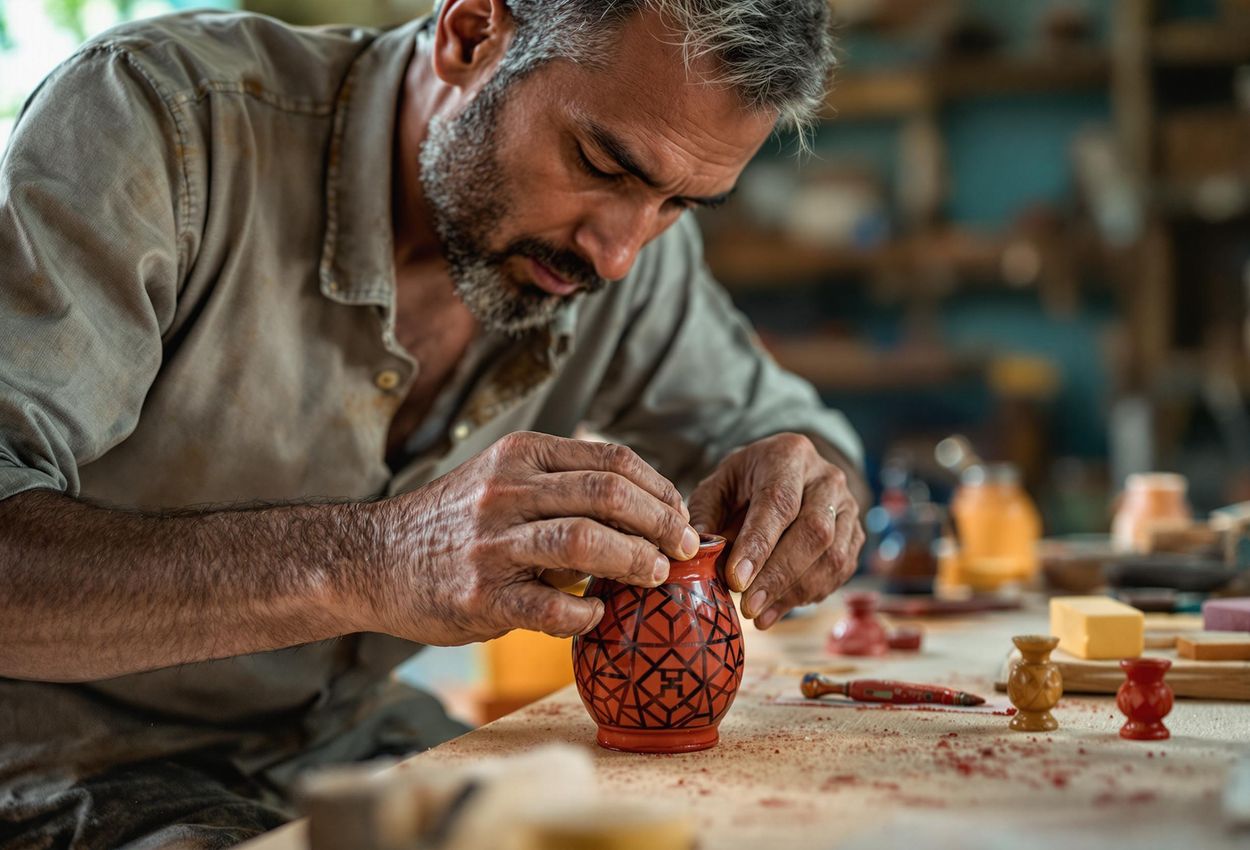
Sadly, this beautiful tradition is under threat. Fewer young people are taking up the craft, and the demand for lacquerware is declining. By supporting local artisans and purchasing their products, you can help preserve this unique art form for future generations. Your purchase is not just a souvenir; it's an investment in the cultural heritage of the Maldives.
Bodu Beru: Feel the Rhythm of the Islands
Prepare to be swept away by the infectious energy of a Bodu Beru performance. This traditional Maldivian music and dance is a celebration of life, community, and the vibrant spirit of the islands. The performance begins with a slow, rhythmic beat, gradually building in intensity as the dancers and musicians become more animated. The air is filled with the hypnotic sounds of the drums, the soulful vocals of the lead singer, and the energetic movements of the dancers.
The origins of Bodu Beru are shrouded in mystery, but it is believed to have arrived in the Maldives with sailors from East Africa centuries ago. The music and dance have evolved over time, incorporating elements of Maldivian culture and traditions. Today, Bodu Beru is an integral part of Maldivian celebrations, from weddings and festivals to national holidays.
The instruments used in a Bodu Beru performance are primarily drums, known as 'Bodu Beru' (literally 'big drum'). These drums are made from coconut wood and covered with goatskin. The lead singer, known as the 'Raivaru,' sets the tone and rhythm of the performance. The dancers, often dressed in colorful traditional attire, move to the beat of the drums, their movements becoming increasingly frenetic as the performance reaches its climax.
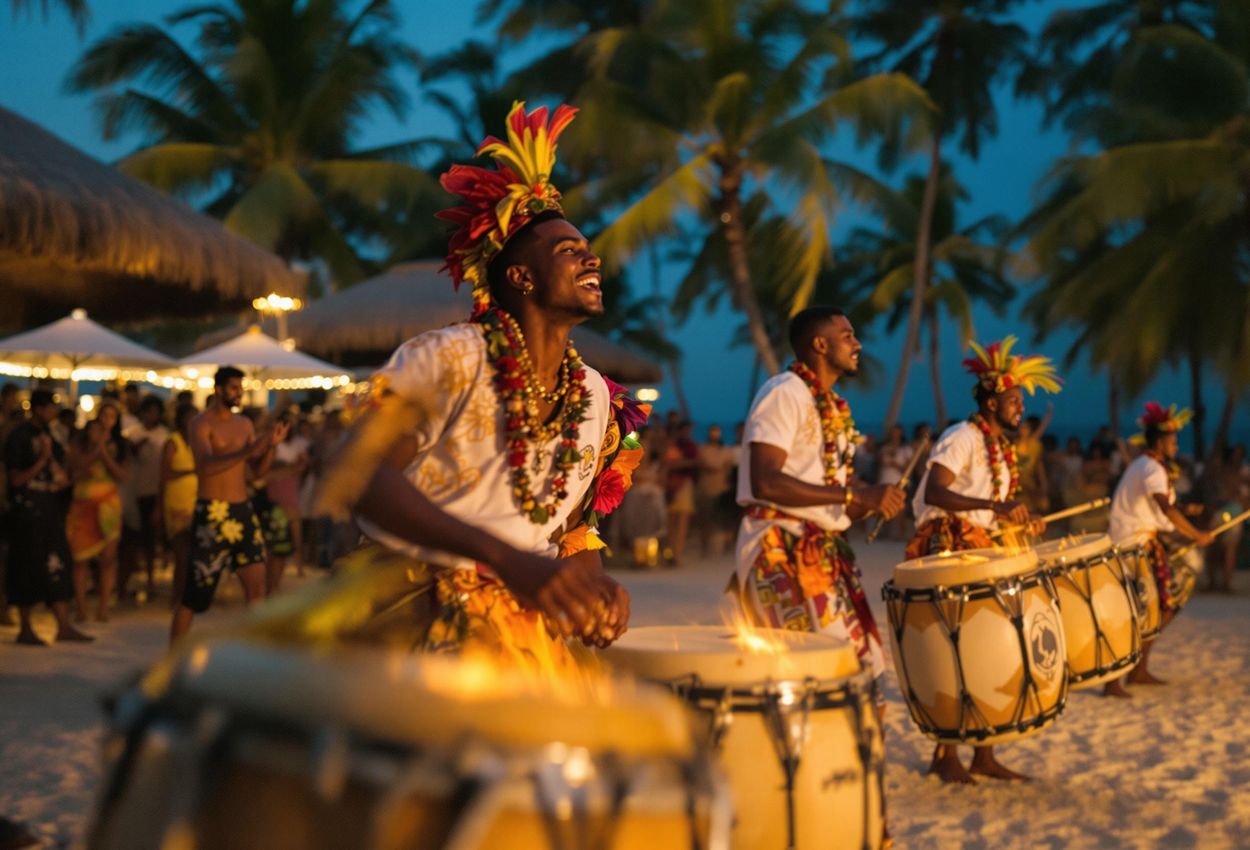
You can often witness an authentic Bodu Beru show at cultural events in Malu00e9 or on local islands. Many resorts also host Bodu Beru performances for their guests. Remember to participate respectfully, clapping along to the music and cheering on the performers. If invited to join the dance, don't be shy; embrace the opportunity to experience the energy and joy of Bodu Beru firsthand.
Utheemu Ganduvaru: A Sultan's Storied Home
Embark on a journey to Utheemu Island and step back in time at Utheemu Ganduvaru, the birthplace of Sultan Mohamed Thakurufaanu, a national hero who liberated the Maldives from Portuguese rule in the 16th century. This historic palace offers a fascinating glimpse into the life and times of one of the Maldives' most revered figures.
Sultan Mohamed Thakurufaanu is celebrated for his courage, leadership, and unwavering dedication to his country. He led a successful rebellion against the Portuguese, ending their 15-year occupation of the Maldives. His story is a source of national pride and inspiration for Maldivians.
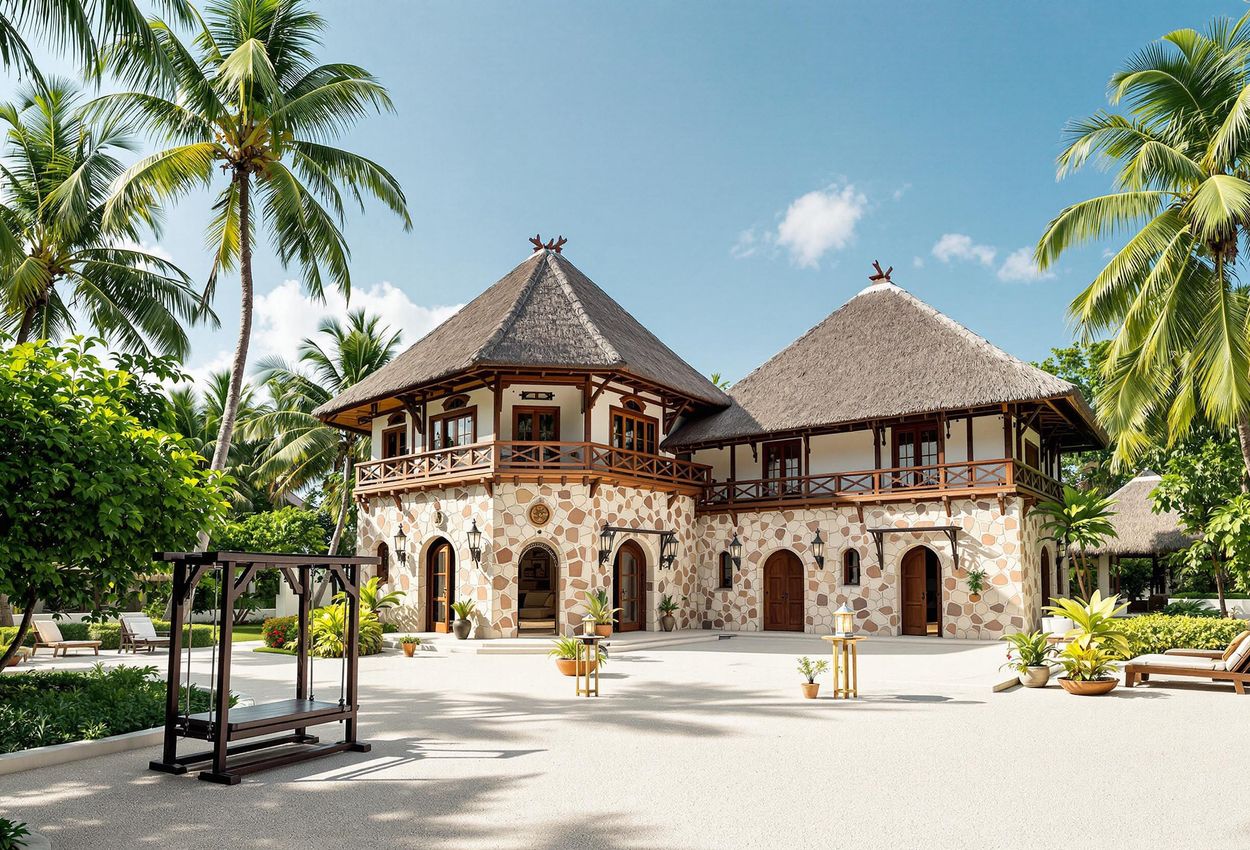
The architecture of Utheemu Ganduvaru is a testament to the ingenuity and craftsmanship of Maldivian artisans. The palace is built from coral stone and features intricate wooden carvings, traditional lamps, and swing beds. As you wander through the rooms, you'll gain a sense of the Sultan's life and the challenges he faced. The artifacts within the palace, including weapons, furniture, and personal belongings, offer further insights into his reign.
Getting to Utheemu requires a bit of planning. First, take a domestic flight from Malu00e9 to Hanimaadhoo, an island in the north of the Maldives. From Hanimaadhoo, take a boat to Utheemu. The journey is well worth the effort, as it allows you to experience the beauty and tranquility of the northern Maldives.
Sustainable Steps: Respecting the Reefs and the Residents
As you explore the cultural heart of the Maldives, remember that you are a guest in this beautiful and fragile ecosystem. By practicing responsible and sustainable travel, you can help protect the environment, support local communities, and preserve the unique cultural identity of the Maldives for future generations.
One of the most important things you can do is to support local businesses. Choose guesthouses and restaurants run by Maldivians, purchase souvenirs from local artisans, and use local transportation whenever possible. This will ensure that your money stays within the community and contributes to the local economy.
Respect for Islamic customs is also essential. Dress modestly when visiting local islands, avoid public displays of affection, and refrain from drinking alcohol outside designated tourist areas. Learning a few basic Dhivehi phrases will also go a long way in showing your respect and appreciation for the local culture.
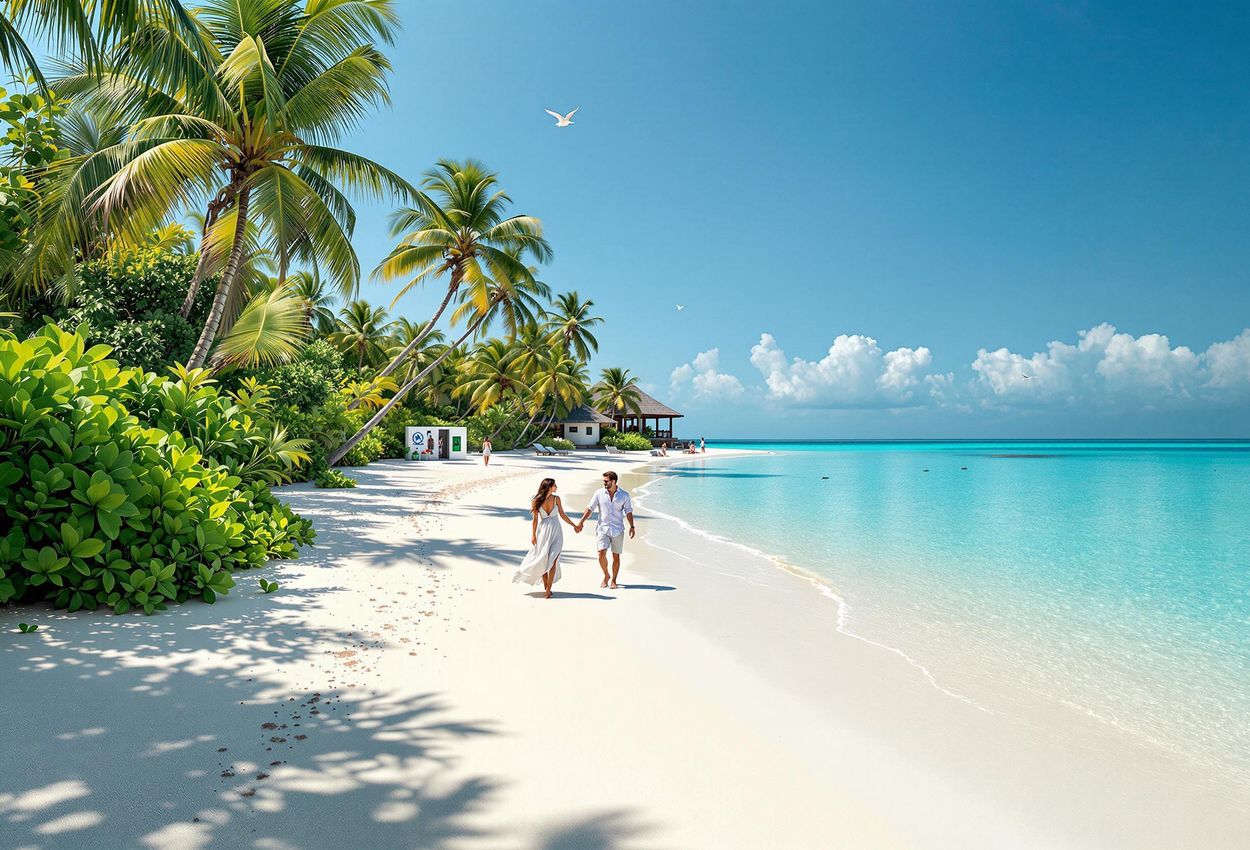
Minimizing your environmental impact is crucial. Reduce your plastic use by bringing your own reusable water bottle and shopping bag. Dispose of your trash responsibly and avoid touching or disturbing coral reefs when snorkeling or diving. Consider supporting organizations that promote responsible tourism in the Maldives, such as the Marine Research Centre or the Olive Ridley Project. By taking these simple steps, you can help protect the natural beauty of the Maldives and ensure that it remains a paradise for generations to come.