



Destination Guide
Xai-Xai: A Coastal Retreat
Relax on the beaches and explore the reefs of Xai-Xai.
View More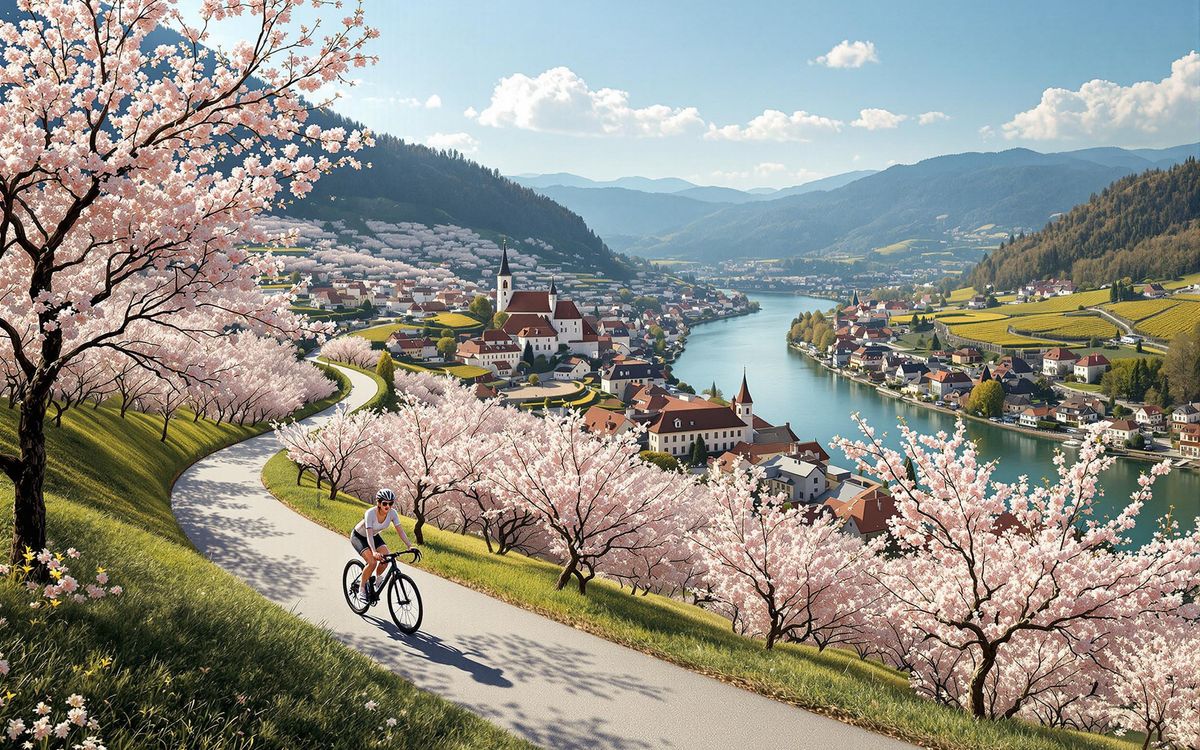

As winter's chill fades, the Wachau Valley awakens in April, transforming into a picturesque paradise where the promise of spring hangs sweetly in the air. It’s a time when the first tendrils of life unfurl in the vineyards, and the famed apricot orchards explode in a riot of color.
The Wachau Valley, a UNESCO World Heritage site, is more than just a scenic destination; it's an experience that engages all the senses, offering a unique blend of natural beauty, cultural richness, and culinary delights. April in the Wachau is a symphony of awakening, a gentle crescendo of life as the valley shrugs off its winter slumber and embraces the warmth of spring.
Imagine strolling through vineyards, the air filled with the delicate scent of apricot blossoms, as the mighty Danube River flows serenely alongside. The mild weather invites exploration, with clear skies and an abundance of sunshine painting the landscape in vibrant hues. This is the Wachau Valley in April, a destination that promises an unforgettable escape.
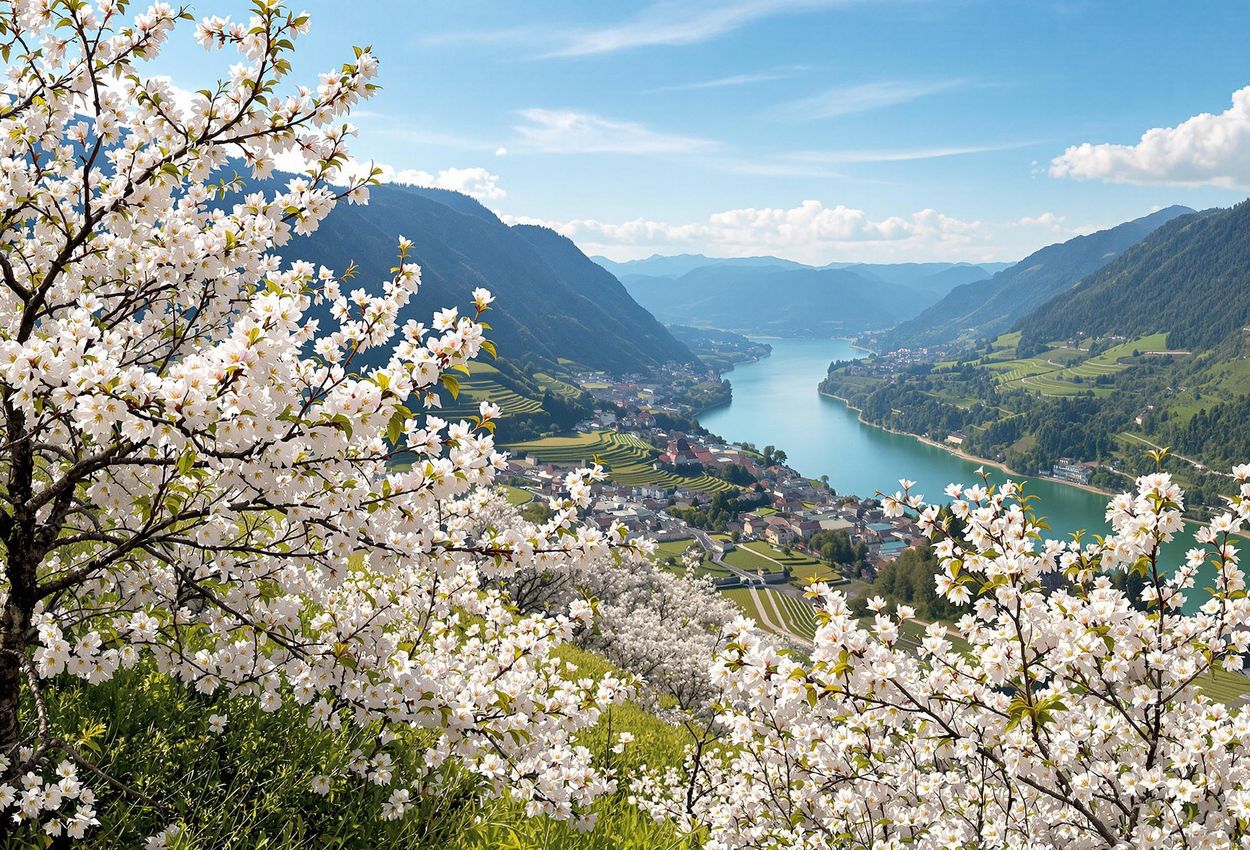
April breathes new life into the Wachau Valley. The vineyards, dormant through the winter months, begin to stir, their vines reaching towards the sun, eager to produce the grapes that will become the region's renowned wines. But it is the apricot orchards that truly steal the show. Thousands of trees burst into bloom, transforming the valley into a sea of pink and white blossoms. The air is thick with their sweet fragrance, a heady perfume that mingles with the earthy scent of the awakening soil.
The weather in April is generally mild, with temperatures hovering comfortably in the teens (Celsius). The increasing sunshine warms the days, making it ideal for outdoor activities. A gentle breeze whispers through the valley, carrying the scent of blossoms and the murmur of the Danube River. It’s a sensory feast, a time to savor the simple pleasures of nature.
But beyond the visual spectacle and fragrant air, there's a deeper tradition at play. Look closely, and you might witness a local custom that speaks to the heart of this agricultural region: the blessing of the apricot trees. Farmers, deeply connected to the land, often seek divine favor for a bountiful harvest. This ritual, passed down through generations, is a testament to the Wachau's rich cultural heritage and the enduring bond between its people and the land.
This tradition often involves a local priest visiting the orchards to offer blessings, accompanied by prayers and rituals intended to ensure a successful growing season. It’s a poignant reminder of the valley's deep-rooted connection to nature and the hopes of its inhabitants for prosperity and abundance. The blessing of the apricot trees is a hidden gem, a subtle yet significant aspect of the Wachau's cultural landscape that adds depth and meaning to the valley's springtime awakening.
The apricot blossom typically lasts for about ten to fifteen days, usually from the end of March to mid-April, depending on weather conditions. The trees tend to blossom earliest in Krems, and then the bloom “wanders” through the Wachau to Aggsbach Markt and the Spitzer Graben, where the trees are the last to put on their spring outfit.
As the sun climbs higher, casting long shadows across the terraced vineyards, the Wachau Valley comes alive with activity. Cyclists pedal along the Danube path, their laughter echoing through the valley. Winegrowers tend to their vines, their hands calloused but gentle. And in the charming villages that dot the landscape, locals prepare for the season ahead, their faces etched with the wisdom of generations past.
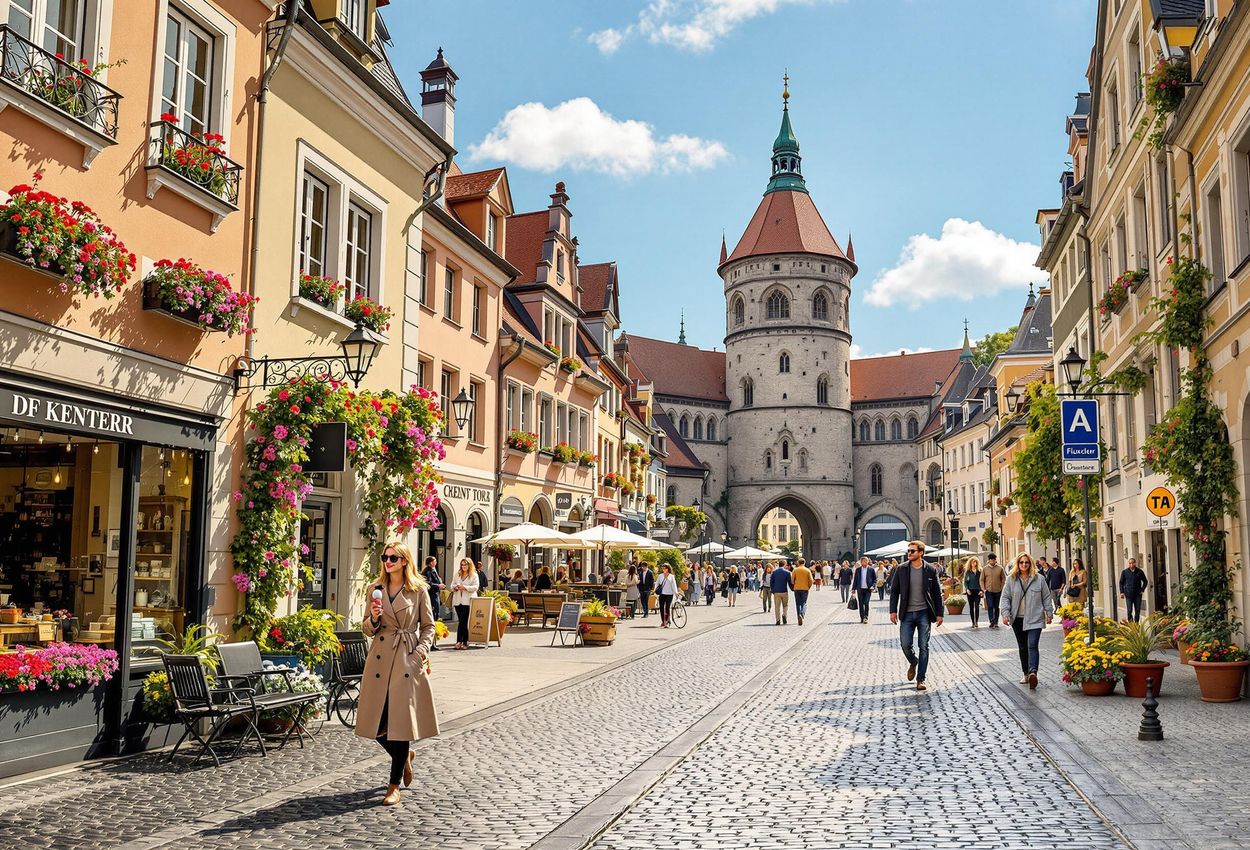
Begin your Wachau journey in Krems an der Donau, a city that seamlessly blends history and modernity. Its historic old town, a UNESCO World Heritage Site, is a maze of cobblestone streets, medieval buildings, and baroque facades. The Steiner Tor, a magnificent gate dating back to the 15th century, stands as a proud symbol of the city's rich past.
The Danube River, the lifeblood of the Wachau Valley, flows gracefully through Krems. The Krems yacht marina, a modern addition to the cityscape, offers a glimpse into the region's contemporary side. Watch as boats bob gently on the water, their sails billowing in the breeze, or perhaps consider taking a river cruise to explore the Wachau from a different perspective.
For a dose of culture, visit the Caricature Museum, a unique institution dedicated to the art of caricature and cartoon. Here, you can explore the works of renowned Austrian and international artists, offering a humorous and insightful commentary on society and culture. It's a place to laugh, to reflect, and to appreciate the power of visual storytelling.
No visit to Krems is complete without indulging in the local culinary scene. The region is known for its hearty, traditional fare, with a focus on fresh, seasonal ingredients. Be sure to try Wachauer Laberln, a type of crispy flatbread that is a regional specialty. These savory treats are the perfect accompaniment to a glass of local wine.
Venture off the beaten path and seek out a small, family-run cafe tucked away in a quiet corner of Krems. Here, you'll discover a hidden gem: apricot-infused pastries that are a true testament to the region's culinary creativity. The delicate sweetness of the apricots, combined with the flaky pastry, is a delightful treat that will tantalize your taste buds. These cozy cafes offer a truly authentic taste of the Wachau, a delicious secret waiting to be uncovered.
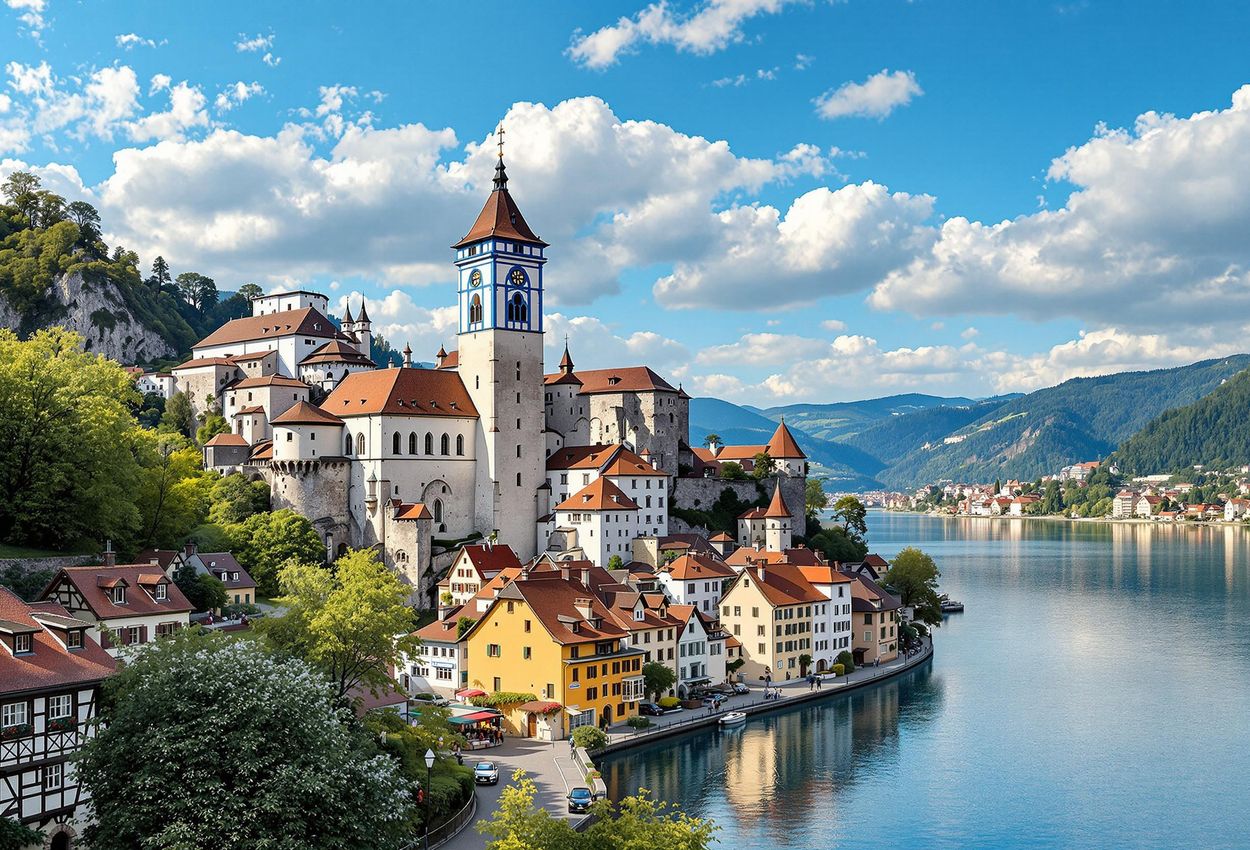
A short distance from Krems lies Dürnstein, a village that exudes fairytale charm. Famous for its distinctive blue church tower and the imposing castle ruins that loom above, Dürnstein is a place where history and legend intertwine.
The story of Richard the Lionheart's imprisonment in Dürnstein Castle adds a touch of drama to the village's allure. In 1192, the English king was captured and held captive in the castle, a tale that has captured the imagination for centuries. Imagine standing within the castle walls, gazing out over the Danube, and picturing the events that unfolded so long ago.
The baroque jewel of Stift Dürnstein, a magnificent monastery with its iconic blue facade, is another must-see attraction. Step inside and marvel at the ornate interiors, the intricate frescoes, and the soaring ceilings. It's a testament to the region's artistic heritage and its deep-rooted connection to the church.
Take a leisurely stroll through the vineyards that surround Dürnstein, and you'll be rewarded with breathtaking views of the Danube River. The terraced slopes, meticulously cultivated for centuries, create a stunning visual tapestry. Find a quiet spot, breathe in the fresh air, and soak up the beauty of the landscape.
While the main attractions are well worth a visit, don't miss the opportunity to uncover a hidden gem: the legend of Blondel. According to the tale, Richard the Lionheart's faithful minstrel, Blondel, wandered through the land, singing a song that only Richard would recognize. Eventually, he reached Dürnstein Castle, where he heard Richard respond to his song, thus revealing the king's location. While the truth of this legend may be debated, it adds a touch of romance and intrigue to Dürnstein's already captivating atmosphere. Consider climbing the hill towards the castle ruins, and let your imagination run wild as you contemplate the possibility of Blondel's daring rescue.
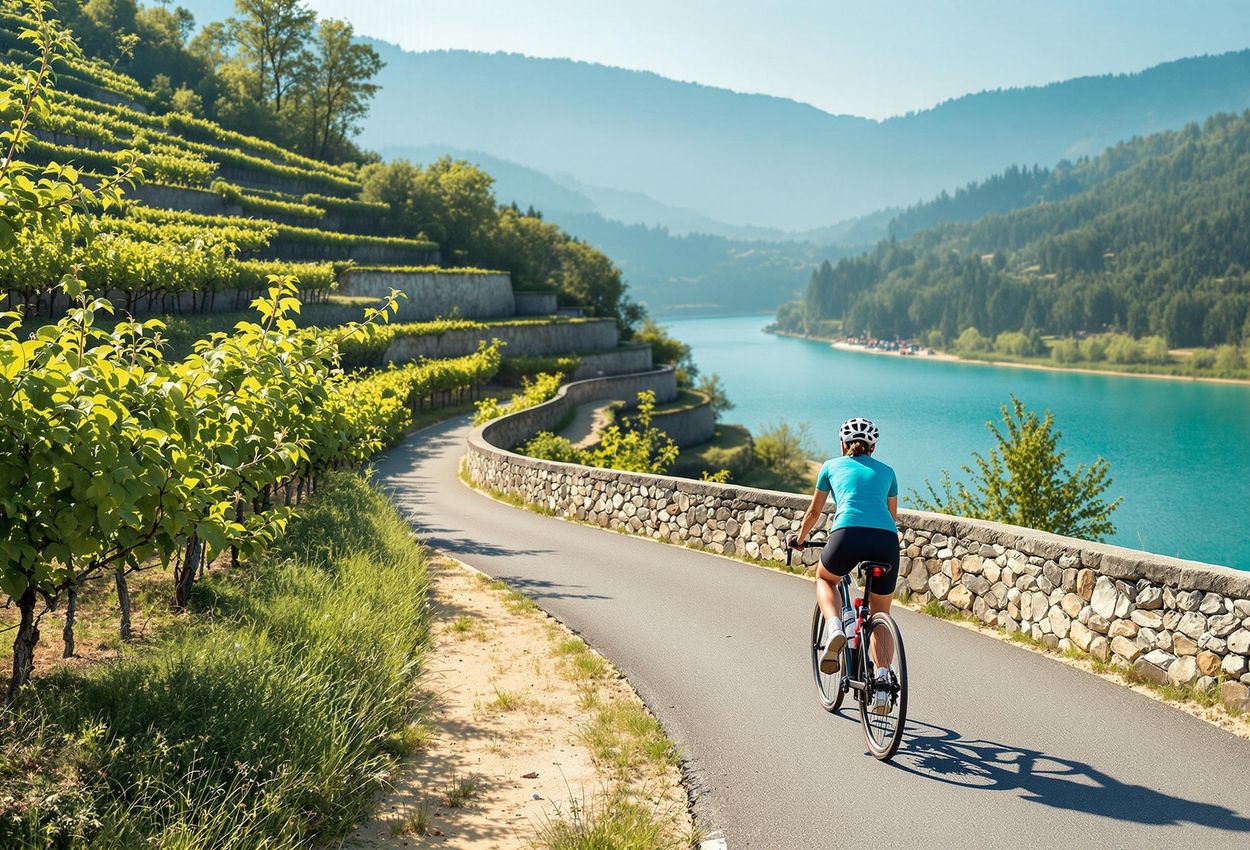
One of the best ways to experience the Wachau Valley's beauty is by cycling along the Danube. Dedicated bike paths wind their way through the vineyards and villages, offering stunning views at every turn. The relatively flat terrain makes it an accessible activity for all fitness levels.
You have the option of cycling on either the north or south side of the river, each offering a unique perspective on the Wachau. The north side is home to many of the region's most famous wineries, while the south side offers a more tranquil experience, with quiet villages and picturesque landscapes.
Ferries regularly cross the Danube, allowing you to easily switch between the north and south sides of the river. This gives you the flexibility to explore the Wachau at your own pace, stopping wherever your heart desires.
Renting bikes is easy, with numerous rental shops located in Krems and other towns throughout the Wachau. Many shops offer a variety of bikes, including electric bikes, which can make tackling the hills a breeze.
For a truly unforgettable experience, venture off the main bike path and explore a less-traveled route on the south side of the Danube. This hidden gem offers a more intimate connection with the landscape, allowing you to discover secluded vineyards, charming villages, and breathtaking viewpoints that are often missed by the crowds. Pack a picnic lunch, find a quiet spot overlooking the river, and savor the tranquility of the Wachau Valley.
The Wachau Valley is renowned for its exceptional wines, particularly Grüner Veltliner and Riesling. The steep, terraced slopes where the grapes are grown create a unique microclimate that contributes to the wines' distinctive character. A visit to the Wachau is not complete without indulging in a wine tasting experience.
Numerous wineries throughout the Wachau offer tastings, ranging from small, family-run estates to larger, more established producers. Many wineries offer tours of their vineyards and cellars, providing insights into the winemaking process.
Domäne Wachau, one of the region's most prestigious wineries, is a must-visit for wine enthusiasts. Located in Dürnstein, this historic estate offers a range of tasting options, from guided tours to private tastings. Learn about the winery's history, its commitment to sustainable practices, and its passion for producing exceptional wines.
Wine tasting in the Wachau is more than just sampling different varietals; it's an opportunity to learn about Austrian wine history, the region's unique terroir, and the art of winemaking. Engage with the local winemakers, ask questions, and discover the stories behind the wines.
For a truly unforgettable experience, seek out a wine tavern with a view of the Danube. These traditional establishments offer a relaxed atmosphere, local cuisine, and, of course, exceptional wines. Find a spot on the terrace, order a glass of Grüner Veltliner, and watch as the sun sets over the river, painting the sky in a blaze of colors. This is the essence of the Wachau, a moment to be savored and cherished.
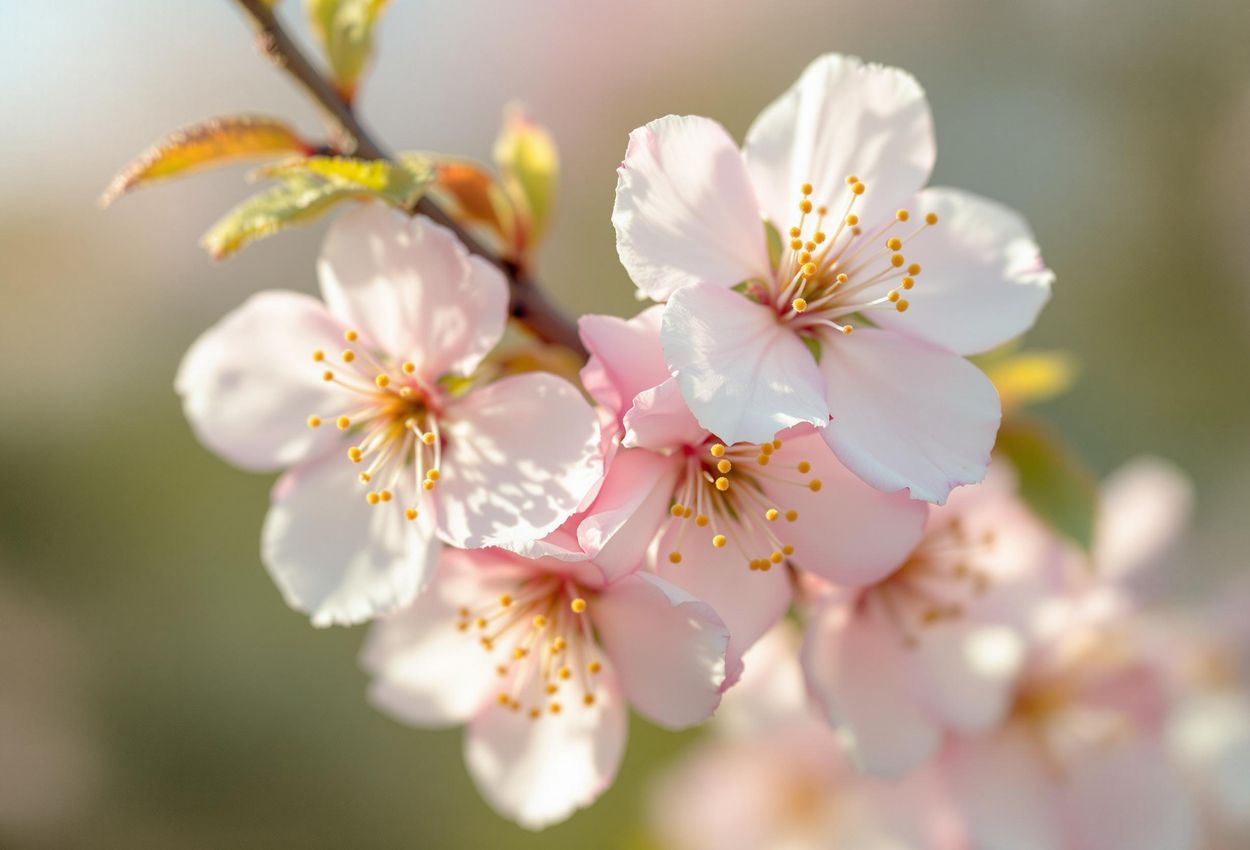
The apricot blossom in the Wachau Valley is a spectacle that must be seen to be believed. Typically occurring from late March to mid-April, this natural phenomenon transforms the valley into a breathtaking canvas of pink and white.
Imagine standing amidst a sea of apricot trees, their branches laden with delicate blossoms. The visual impact is stunning, a symphony of color that stretches as far as the eye can see. Close your eyes, and you'll be enveloped by the delicate scent of blossoms, a sweet and intoxicating fragrance that fills the air.
The Wachau Valley Apricot Trail offers a unique opportunity to explore the orchards up close. This scenic trail winds its way through the apricot groves, allowing you to immerse yourself in the beauty of the landscape. Stop at local farms along the way to sample apricot jams, schnapps, and other regional specialties.
While the apricot blossom is a feast for the senses, it's also a time for culinary delights. Seek out the local tradition of making apricot dumplings, known as Marillenknödel. These sweet treats, made with fresh apricots and a light, fluffy dough, are a true Wachau specialty. Find a local restaurant or cafe that serves them fresh, and savor the taste of spring in every bite.
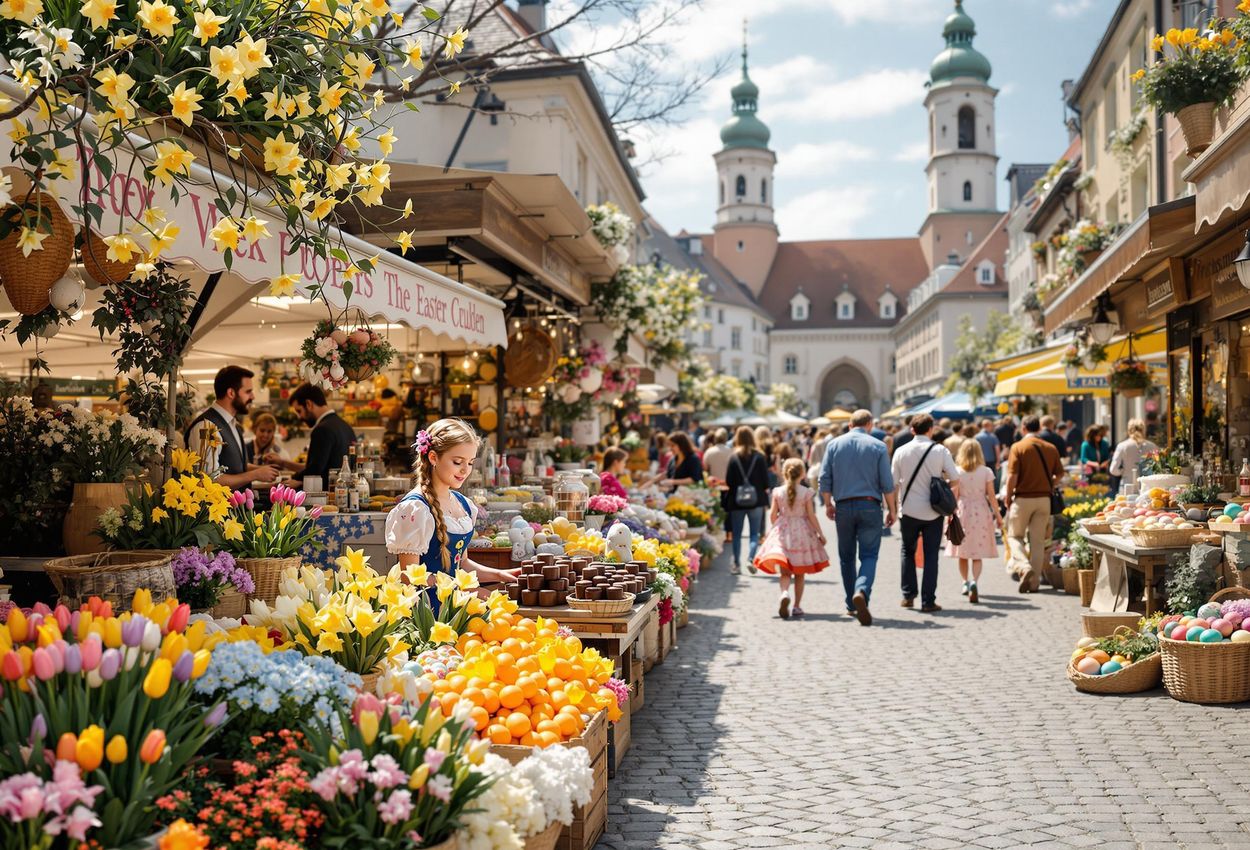
If your visit to the Wachau Valley coincides with the Easter season, you're in for a special treat. Easter markets pop up in Krems and nearby towns, offering a festive atmosphere and a chance to experience local traditions.
These markets are a treasure trove of traditional Easter decorations, from artfully decorated eggs to colorful flower arrangements. Browse the stalls and admire the craftsmanship, the attention to detail, and the creativity on display.
Culinary delicacies are another highlight of the Easter markets. Sample regional specialties, such as Easter pinze (a sweet bread) and baked Easter lamb. Indulge in local cheeses, sausages, and other savory treats. And, of course, don't forget to try the apricot-infused pastries that are a Wachau staple.
For a unique and unforgettable experience, seek out the Easter Bunny Workshop, where children can create their own marzipan bunnies and tie Easter bunnies. This hands-on activity is a delight for kids of all ages, and it's a wonderful way to connect with local traditions.
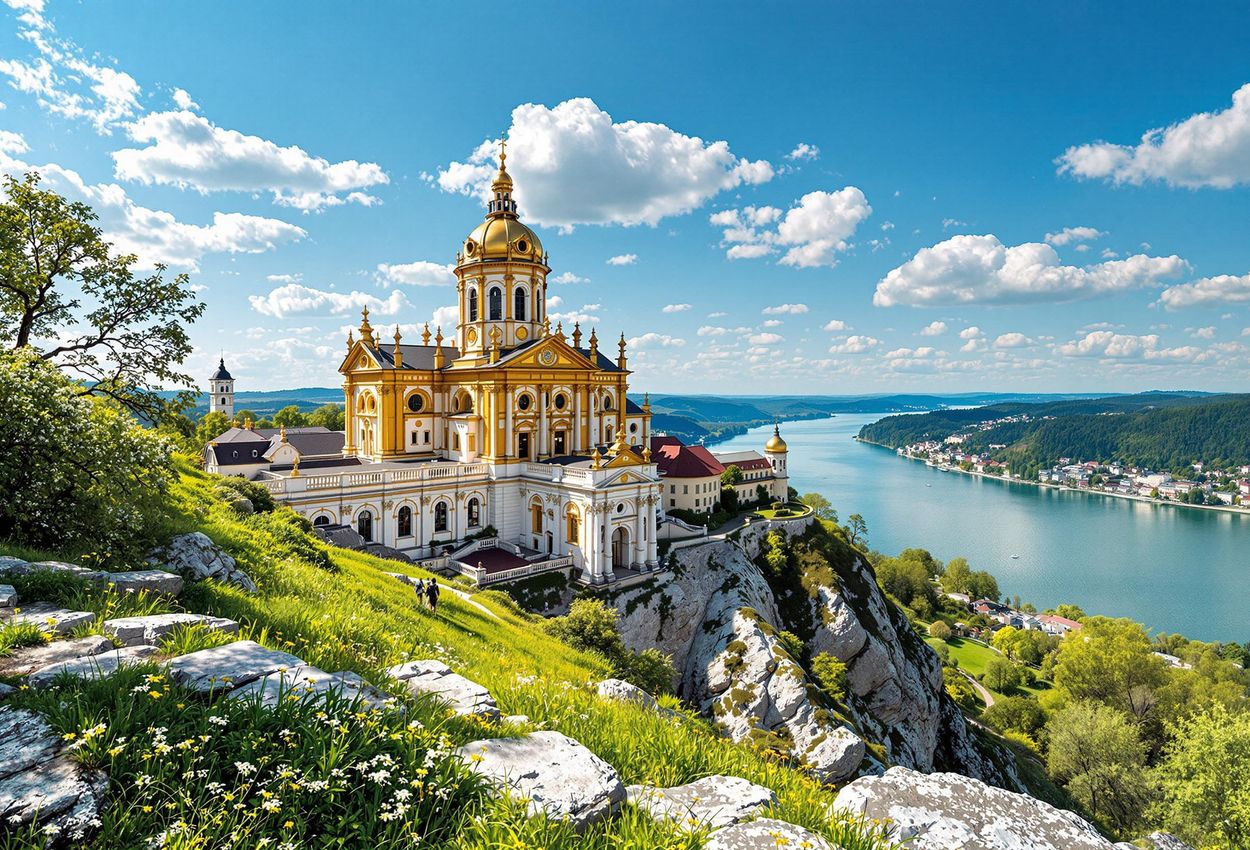
No visit to the Wachau Valley is complete without a visit to Melk Abbey, a magnificent baroque monastery that overlooks the Danube. Perched high on a rocky outcrop, this architectural gem is a testament to the region's rich history and its deep-rooted connection to the church.
The abbey church is the centerpiece of the complex, a breathtaking masterpiece of baroque design. Step inside and marvel at the soaring ceilings, the intricate frescoes, and the ornate decorations. The sheer grandeur of the space is awe-inspiring.
The abbey's library is another highlight, a treasure trove of ancient manuscripts and books. Wander through the halls, admiring the elaborate bookshelves, the beautifully painted ceilings, and the sense of history that permeates the air.
The baroque gardens, a tranquil oasis of green, offer stunning views of the surrounding landscape. Stroll through the manicured lawns, admire the fountains and sculptures, and soak up the beauty of the natural surroundings. Visit the Marble Hall and the Imperial Corridor, each offering a glimpse into the abbey's rich past.
While Melk Abbey is a well-known landmark, it holds a hidden gem that connects it to a far-away land: the story of the Gutenberg Bible and its connection to Yale University. One of the few remaining copies of this iconic book is housed in Yale's Beinecke Rare Book & Manuscript Library, a testament to the enduring legacy of Gutenberg's invention. The connection between Melk Abbey and Yale is a reminder of the interconnectedness of history and the enduring power of knowledge.
The Wachau Valley is a culinary paradise, with a focus on fresh, local ingredients and traditional recipes. The region's fertile soil and mild climate produce a bounty of fruits, vegetables, and herbs, which are used to create a range of delicious dishes.
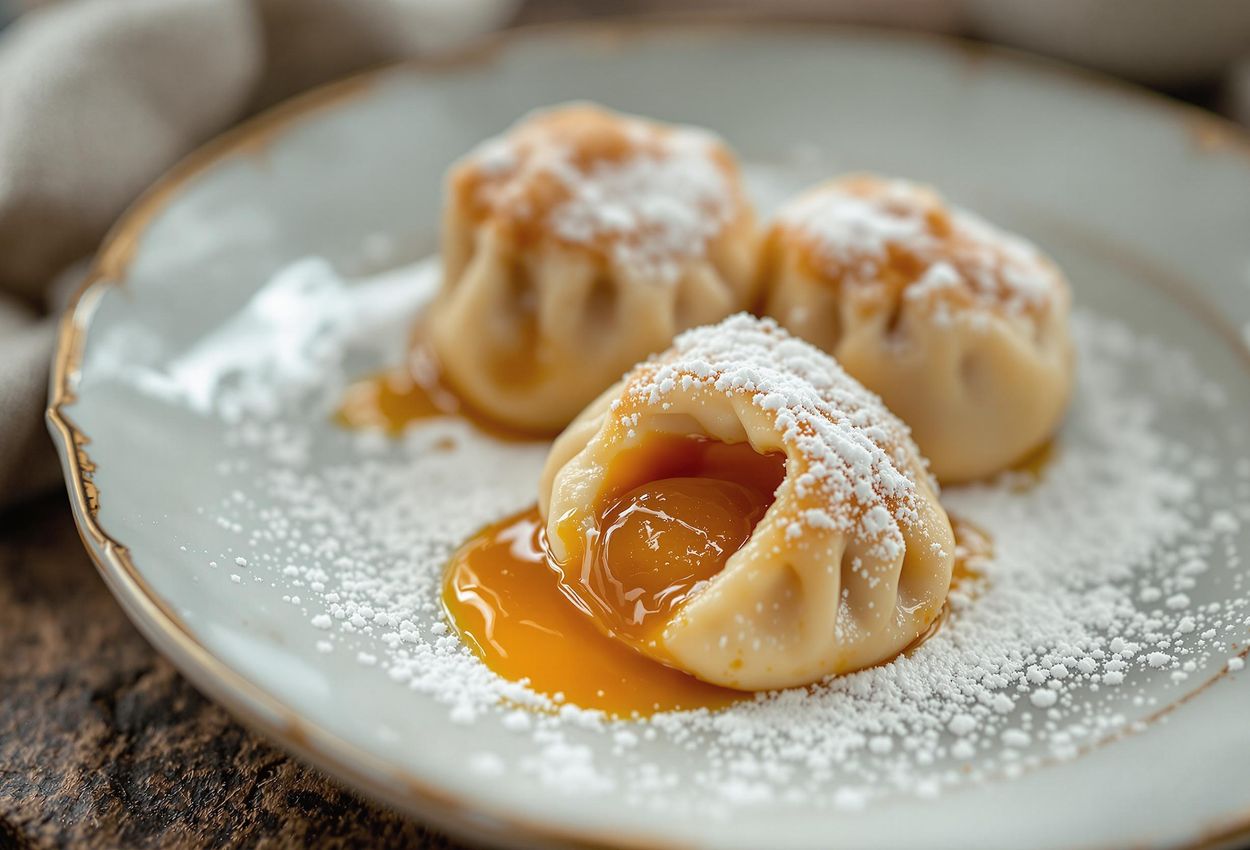
Apricots are, of course, a star ingredient in Wachau cuisine. Wachauer Marillenknödel, apricot dumplings, are a must-try. These sweet treats are made with fresh apricots and a light, fluffy dough, and they're often served with a dusting of powdered sugar.
The Wachau is also known for its artisanal cheeses, which are made with milk from local cows and goats. Sample these cheeses at local markets and restaurants, and pair them with a glass of Wachau wine for a truly unforgettable experience.
Don't miss the opportunity to sample other regional products, such as smoked meats, sausages, and homemade bread. The Wachau is a place where food is celebrated, where meals are savored, and where the flavors of the land are truly appreciated.
For a truly authentic culinary experience, seek out a local bakery known for its apricot-filled pastries. These hidden gems offer a taste of the Wachau that you won't find anywhere else. The aroma of freshly baked pastry, combined with the sweet and tangy flavor of apricots, is a sensory delight that will leave you wanting more.

To truly experience the Wachau Valley, venture beyond the main tourist attractions and discover its hidden gems. These lesser-known spots offer a glimpse into the region's authentic character and provide unique experiences that you won't find in any guidebook.
Visit the Venusium in Willendorf, a small museum dedicated to the famous Venus of Willendorf, a Paleolithic figurine that was discovered in the area. Learn about the history of this ancient artifact and its significance to the region's cultural heritage.
If your visit falls in May, don't miss the Wachau Wine Spring, a celebration of the region's wines. Wineries throughout the Wachau open their doors to visitors, offering tastings, tours, and special events.
For a final hidden gem, find a secluded spot for viewing the sunset over the Danube. The colors of the sky, reflected in the water, create a magical scene that will stay with you long after you've left the Wachau Valley. Whether you choose a quiet vineyard, a hilltop overlooking the river, or a charming village along the banks, the sunset in the Wachau is an experience that will nourish your soul.
The Wachau Valley in April is a destination that offers something for everyone. Whether you're a nature lover, a history buff, a wine enthusiast, or simply someone seeking a tranquil escape, the Wachau will captivate your senses and leave you with memories that will last a lifetime. So pack your bags, embrace the spirit of adventure, and prepare to discover the magic of the Wachau Valley in springtime.
Our editors` picks of the latest and greatest in travel - delivered to your inbox daily
Relax on the beaches and explore the reefs of Xai-Xai.
View More
Embrace the cooler temperatures and experience the International Festival of the Sahara in Douz this December.
View More
Celebrate the year-end festivities in Accra, culminating in the vibrant Afrofuture festival.
View More Albania EDITION
 Algeria EDITION
 Argentina EDITION
 Armenia EDITION
 Australia EDITION
 Austria EDITION
 Bangladesh EDITION
 Belgium EDITION
 Belize EDITION
 Benin EDITION
 Bhutan EDITION
 Bolivia EDITION
 Bosnia and Herzegovina EDITION
 Botswana EDITION
 Brazil EDITION
 Bulgaria EDITION
 Burkina Faso EDITION
 Cambodia EDITION
 Cameroon EDITION
 Canada EDITION
 Central African Republic EDITION
 Chad EDITION
 Chile EDITION
 China EDITION
 Colombia EDITION
 Costa Rica EDITION
 Croatia EDITION
 Cyprus EDITION
 Denmark EDITION
 Djibouti EDITION
 Ecuador EDITION
 Egypt EDITION
 El Salvador EDITION
 Eritrea EDITION
 Estonia EDITION
 Ethiopia EDITION
 Finland EDITION
 France EDITION
 Gabon EDITION
 Georgia EDITION
 Germany EDITION
 Ghana EDITION
 Greece EDITION
 Guatemala EDITION
 Guinea EDITION
 Guinea-Bissau EDITION
 Honduras EDITION
 Hungary EDITION
 Iceland EDITION
 India EDITION
 Indonesia EDITION
 Ireland EDITION
 Israel EDITION
 Italy EDITION
 Jamaica EDITION
 Japan EDITION
 Jordan EDITION
 Kenya EDITION
 Kuwait EDITION
 Laos EDITION
 Latvia EDITION
 Lebanon EDITION
 Lesotho EDITION
 Liberia EDITION
 Lithuania EDITION
 Luxembourg EDITION
 Madagascar EDITION
 Malawi EDITION
 Malaysia EDITION
 Maldives EDITION
 Mali EDITION
 Malta EDITION
 Mauritania EDITION
 Mauritius EDITION
 Mexico EDITION
 Mongolia EDITION
 Montenegro EDITION
 Morocco EDITION
 Mozambique EDITION
 Namibia EDITION
 Nepal EDITION
 Netherlands EDITION
 New Zealand EDITION
 Nicaragua EDITION
 Niger EDITION
 Nigeria EDITION
 Norway EDITION
 Oman EDITION
 Pakistan EDITION
 Panama EDITION
 Papua New Guinea EDITION
 Paraguay EDITION
 Peru EDITION
 Philippines EDITION
 Poland EDITION
 Portugal EDITION
 Qatar EDITION
 Romania EDITION
 Rwanda EDITION
 Saudi Arabia EDITION
 Senegal EDITION
 Serbia EDITION
 Singapore EDITION
 Slovakia EDITION
 Slovenia EDITION
 Somalia EDITION
 South Africa EDITION
 South Korea EDITION
 Spain EDITION
 Sri Lanka EDITION
 Suriname EDITION
 Sweden EDITION
 Switzerland EDITION
 Tanzania EDITION
 Thailand EDITION
 Tunisia EDITION
 Uganda EDITION
 United Arab Emirates EDITION
 United Kingdom EDITION
 Uruguay EDITION
 Venezuela EDITION
 Vietnam EDITION
 Zambia EDITION
 Zimbabwe EDITION
Subscribe to our newsletter and get the most captivating travel stories, hidden gems, and expert insights delivered straight to your inbox. As a subscriber, you’ll be first in line for exclusive content, premium offers, and unforgettable travel experiences