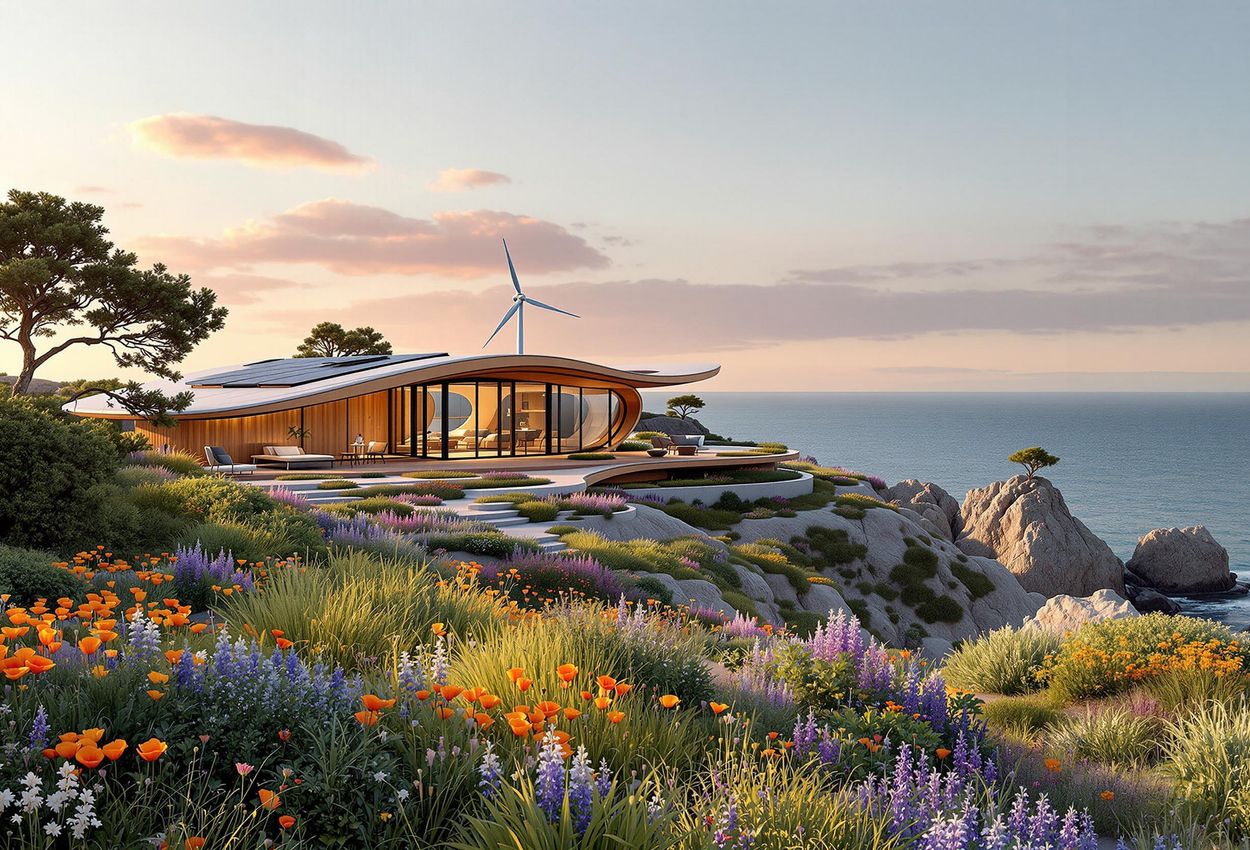
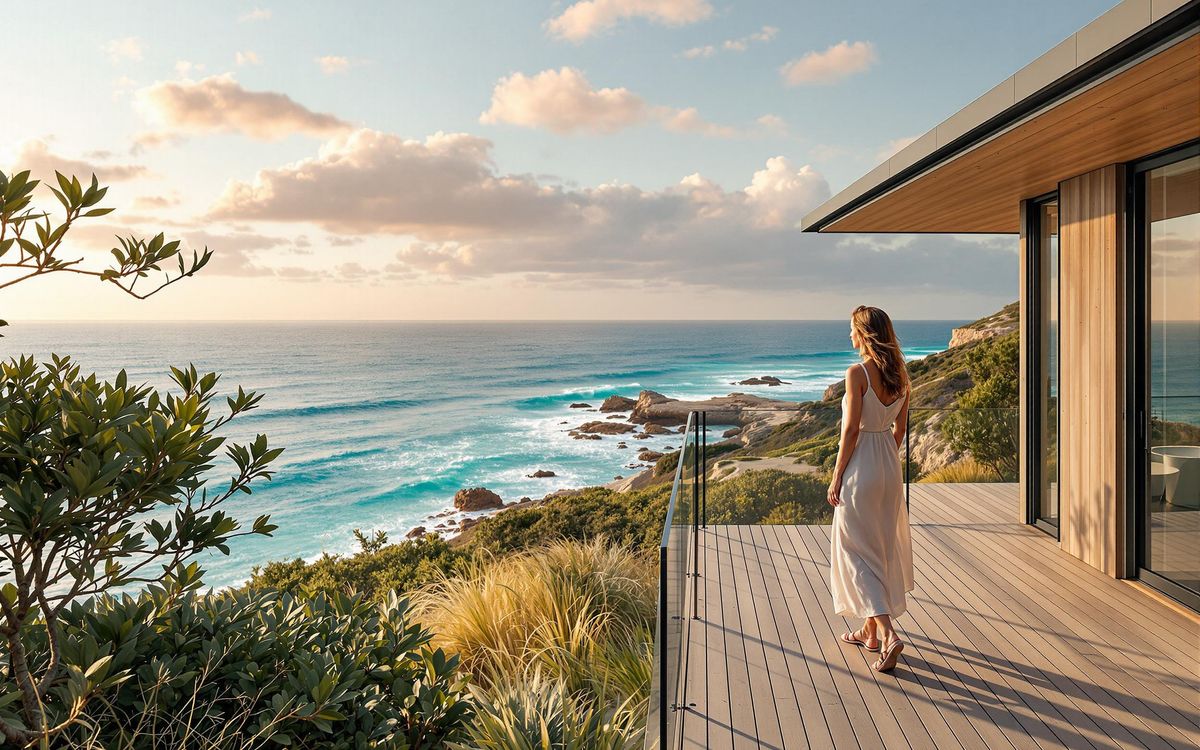
Coastal living, once synonymous with sprawling mansions and environmental disregard, is undergoing a profound transformation. Today, a new wave of architects, designers, and homeowners are emacing sustainability, crafting homes that not only harmonize with the stunning seaside landscape but also minimize their environmental impact. From the selection of natural materials to the integration of cutting-edge technologies, the art of coastal living is being redefined by a commitment to eco-consciousness and innovative design.
This article explores the inspiring designs and sustainable practices that are shaping the future of coastal homes, showcasing the potential for a harmonious coexistence between human habitation and the delicate coastal ecosystem. We delve into the innovative use of natural materials, the integration of energy-efficient technologies, and the architectural designs that withstand the unique challenges of the coastal environment. Join us on a journey to discover how these homes are not only aesthetically pleasing but also environmentally responsible, paving the way for a more sustainable future.
Emacing Nature's Palette: The Allure of Natural Materials
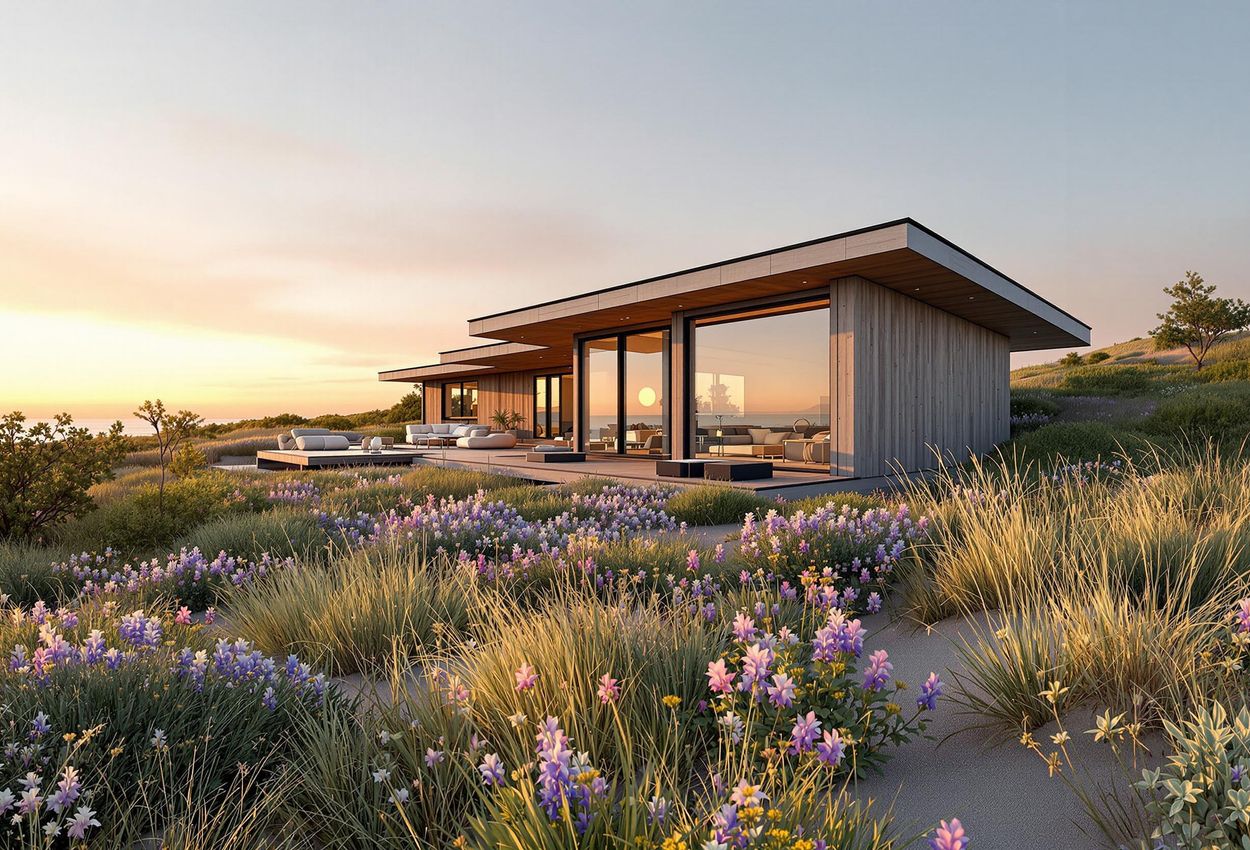
The foundation of sustainable coastal home design lies in the selection of materials. Natural materials, such as reclaimed wood, bamboo, and sustainably sourced timber, play a pivotal role in creating homes that blend seamlessly with the surrounding environment. These materials not only reduce the carbon footprint of construction but also evoke a sense of warmth and authenticity, connecting the inhabitants to the natural world.
Consider, for example, a stunning beachfront villa in the **Northern Beaches Council** area of **Australia**, where reclaimed timber forms the structural backbone of the home. The weathered wood, sourced from demolished buildings, tells a story of resilience and resourcefulness, while its natural grain and texture add character to the interior spaces. Large windows frame panoramic views of the ocean, blurring the lines between indoors and out. Another great example is the use of natural stone like basalt, limestone, and coral stone in tropical regions, which not only adds to the aesthetic appeal but also helps regulate the temperature inside the homes.
Architects specializing in sustainable design emphasize the importance of considering the entire lifecycle of a material, from its extraction and processing to its eventual disposal. They prioritize materials that are locally sourced, renewable, and biodegradable, minimizing transportation costs and reducing waste. However, the use of natural materials also presents unique challenges, such as ensuring their durability and resistance to the harsh coastal environment. Proper treatment and maintenance are essential to preserving the integrity of these materials over time.
u201cThe key to successful sustainable design is to think holistically, considering the interconnectedness of all elements within the built environment,u201d explains renowned architect [hypothetical name] Anya Sharma, a leading voice in sustainable coastal design. u201cBy emacing natural materials and integrating them thoughtfully into the design, we can create homes that are not only beautiful but also environmentally responsible.u201d
Energy Efficiency Redefined: Solar Power and Smart Home Innovations
Beyond the selection of materials, energy efficiency is a critical component of sustainable coastal living. Solar panels and smart home technologies are revolutionizing the way coastal homes consume energy, reducing their reliance on fossil fuels and minimizing their carbon footprint. These technologies not only benefit the environment but also offer significant cost savings for homeowners.
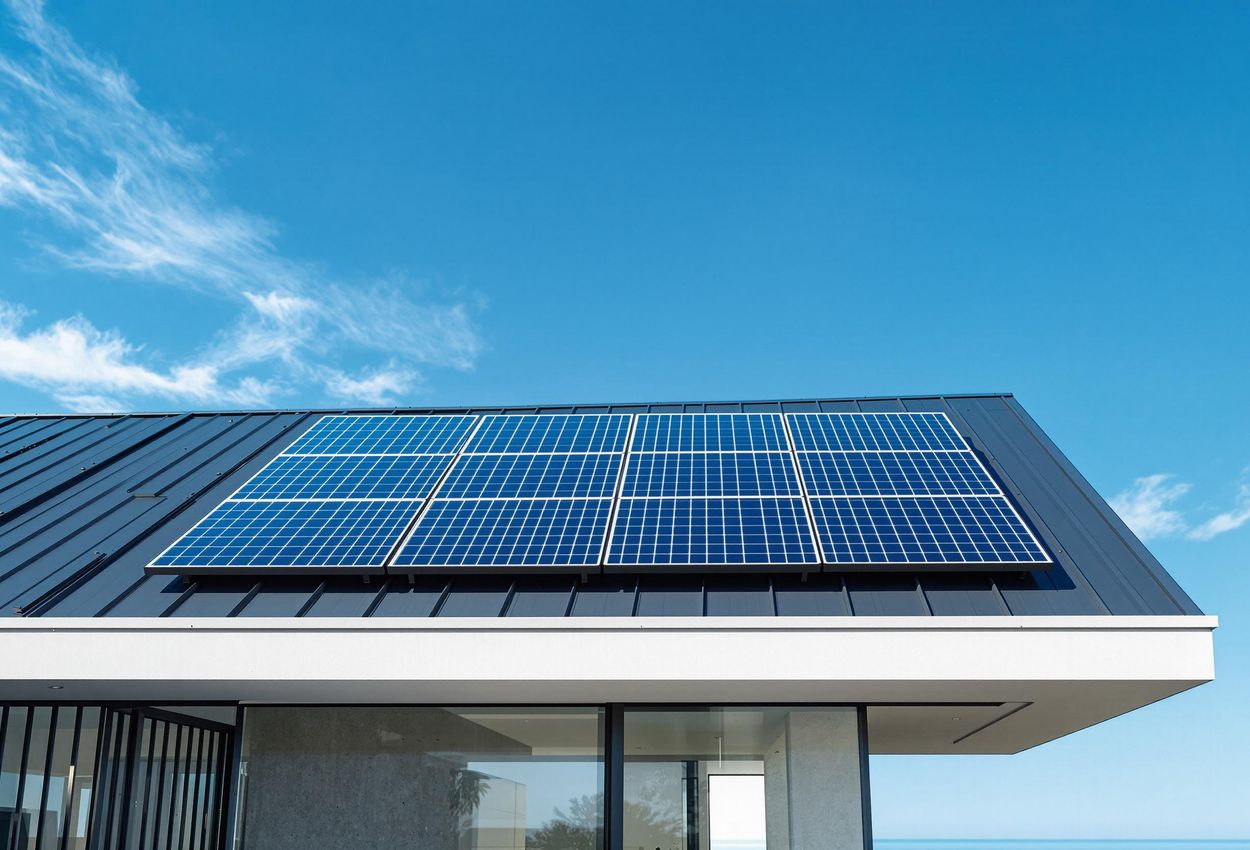
Imagine a sleek, modern beach house on the **California** coast, its roof adorned with state-of-the-art solar panels. These panels silently convert sunlight into electricity, powering the home's lighting, appliances, and heating and cooling systems. A smart home system monitors energy consumption in real-time, optimizing performance and identifying areas for improvement. Smart thermostats automatically adjust temperatures based on occupancy and weather conditions, while smart lighting systems dim or turn off lights when rooms are unoccupied. Automated window treatments respond to sunlight, reducing the need for artificial lighting and cooling.
The latest advancements in solar panel technology have made solar power more accessible and affordable than ever before. High-efficiency panels capture more sunlight in less space, while battery storage systems allow homeowners to store excess energy for use during cloudy days or at night. Smart home systems provide homeowners with unprecedented control over their energy consumption, allowing them to make informed decisions and reduce waste. Moreover, the ability to monitor and report on energy consumption provides insights into usage patterns, allowing for further optimization and conservation efforts. The integration of these technologies into coastal homes not only reduces their environmental impact but also enhances their comfort and convenience.
Water Wisdom: Harvesting Rainwater and Conserving Resources
In coastal areas, where water scarcity is a growing concern, water conservation is paramount. Rainwater harvesting systems offer a sustainable solution, allowing homeowners to collect and reuse rainwater for various purposes, reducing their reliance on municipal water sources. These systems not only conserve water but also reduce stormwater runoff, mitigating the risk of flooding and erosion.
Envision a charming cottage nestled on the **Oregon** coast, its roof equipped with a sophisticated rainwater harvesting system. Rainwater is collected from the roof and channeled into a storage tank, where it is filtered and treated to remove impurities. The purified rainwater is then used for irrigation, toilet flushing, and even laundry, significantly reducing the home's water consumption. Low-flow fixtures in bathrooms and kitchens further minimize water usage, conserving this precious resource.
The effectiveness of rainwater harvesting depends on several factors, including rainfall patterns, roof size, and storage capacity. In areas with high rainfall, rainwater harvesting can provide a significant portion of a home's water needs. However, even in drier climates, rainwater harvesting can still be a valuable tool for water conservation. Proper filtration and treatment are essential to ensure the safety of harvested rainwater, especially if it is used for potable purposes. These processes typically involve a combination of physical filters, UV disinfection, and chemical treatments.
Architectural Harmony: Designs that Withstand Coastal Challenges
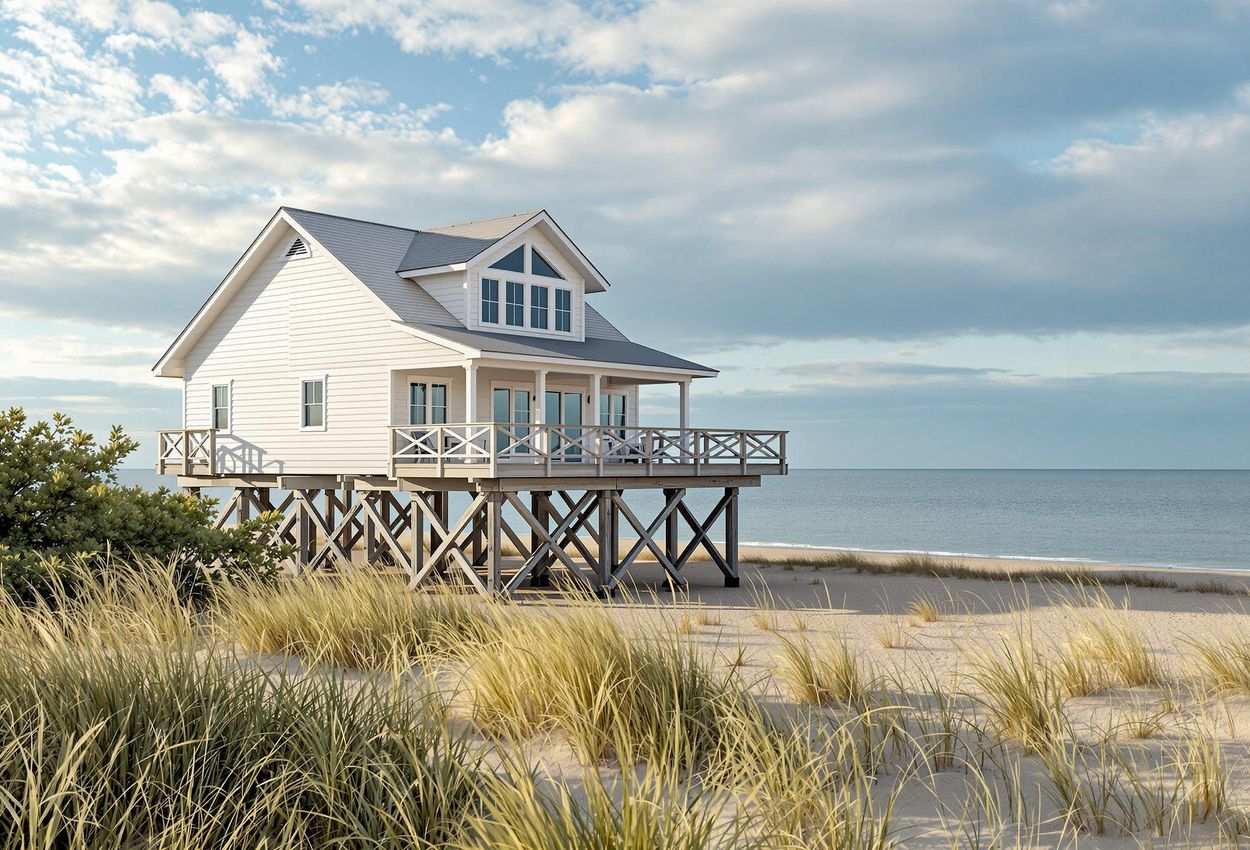
Coastal environments present unique architectural challenges, including strong winds, salt air, and the potential for flooding. Sustainable coastal homes must be designed not only to be aesthetically pleasing but also to withstand these harsh conditions. Resilient architectural designs incorporate features such as elevated foundations, reinforced roofs, and impact-resistant windows, ensuring the safety and longevity of the home.
Consider a stilt house in **Sandidge**, **Virginia Beach**, an area known for its vulnerability to coastal storms. The home is elevated on sturdy pilings, protecting it from flooding and allowing storm surges to pass underneath. The roof is reinforced with hurricane straps, preventing it from being torn off by strong winds. Impact-resistant windows and doors protect the interior from flying deis. The exterior is clad in durable, weather-resistant materials that can withstand the corrosive effects of salt air.
Architects specializing in coastal construction emphasize the importance of understanding the local climate and environmental conditions. They use computer modeling and wind tunnel testing to simulate the effects of storms and identify potential vulnerabilities. They also consider the long-term impacts of climate change, such as rising sea levels and increased storm intensity. By incorporating these factors into the design process, they can create homes that are not only beautiful but also resilient to the challenges of the coastal environment.
Indoor-Outdoor Connection: Seamless Living with Nature
One of the defining characteristics of coastal living is the seamless connection between indoors and out. Sustainable coastal homes emace this concept, incorporating large, open spaces, panoramic windows, and outdoor living areas that blur the lines between the built environment and the natural world. This design approach maximizes natural light and ventilation, reducing the need for artificial lighting and air conditioning.
Imagine a coastal retreat on the **Mediterranean** coast, where retractable walls open onto a spacious covered patio. The patio is furnished with comfortable seating, a dining table, and an outdoor kitchen, creating an inviting space for relaxation and entertainment. A seamless transition leads to a lush garden, filled with native plants and flowers. Large windows frame eathtaking views of the sea, inging the beauty of the natural world into the interior spaces.
The key to successful indoor-outdoor living is to create a harmonious flow between the interior and exterior spaces. This can be achieved through the use of consistent materials, colors, and design elements. Outdoor kitchens, dining areas, and relaxation spaces extend the living area into the natural environment, creating a seamless transition. Natural light and ventilation are maximized through the use of large windows, skylights, and strategically placed openings.
The Art of Repurposing: Giving New Life to Recycled Materials
Recycled materials offer a sustainable and creative alternative to virgin materials in coastal home design. Recycled plastic, reclaimed wood, and other repurposed materials can add character and charm to a home while reducing its environmental impact. These materials not only divert waste from landfills but also conserve natural resources.
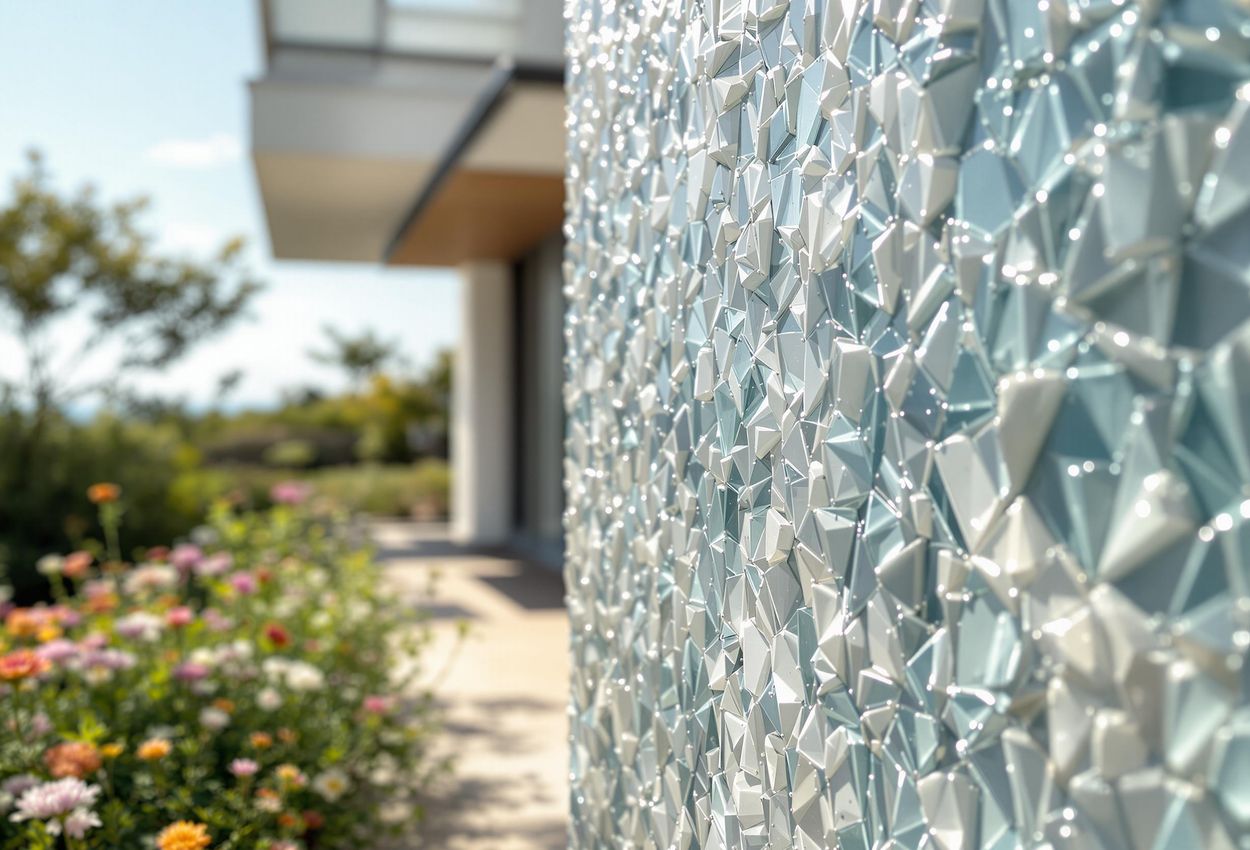
Consider a rustic beach shack on the **Pacific** coast, its walls adorned with recycled plastic panels. The panels, made from discarded plastic bottles and containers, provide insulation and weather protection while adding a splash of color to the exterior. Reclaimed wood flooring adds warmth and character to the interior spaces. Recycled glass countertops sparkle in the kitchen, reflecting the natural light. Recoma AB's PackWall panels exemplifies the beauty and functionality of circular design.
The use of recycled materials in home design requires creativity and innovation. Designers must find ways to transform waste materials into functional and aesthetically pleasing elements. Recycled plastic can be used for decking, siding, and roofing. Reclaimed wood can be used for flooring, paneling, and furniture. Recycled glass can be used for countertops, tiles, and decorative accents. By emacing the art of repurposing, homeowners can create unique and sustainable homes that reflect their commitment to the environment.
Green Roofs and Living Walls: Integrating Nature into the Structure
Green roofs and living walls offer a unique way to integrate nature into the structure of a coastal home. These features provide insulation, manage stormwater, and support local ecosystems, enhancing the environmental performance of the building. They also create a visually stunning and aesthetically pleasing design.
Imagine a modern coastal villa on the **English** coast, its roof covered in a lush green carpet of vegetation. The green roof provides insulation, reducing the need for heating and cooling. It also absorbs rainwater, reducing stormwater runoff and mitigating the risk of flooding. The Creek Cabin on the Suffolk oads is a stunning example of the harmony that green roofs can ing.
Green roofs and living walls require careful planning and maintenance. The plant species must be carefully selected to suit the local climate and environmental conditions. The structure must be designed to support the weight of the vegetation and soil. Regular maintenance is required to ensure the health and vitality of the plants. However, the benefits of green roofs and living walls far outweigh the challenges, making them a valuable addition to any sustainable coastal home.
Coastal Color Palettes: Harmonizing with the Seaside Landscape
Color plays a crucial role in coastal home design, creating a sense of harmony with the seaside landscape. Traditional coastal color palettes of blues, whites, and beiges evoke a sense of calm and serenity, reflecting the colors of the sea and sky. However, emerging trends are emacing bolder, more personalized colors, adding a touch of viancy and individuality to coastal homes.
Consider a charming beach cottage on the **Caribbean** coast, painted in a palette of soft blues and whites. The colors evoke a sense of tranquility, reflecting the turquoise waters and white sand beaches. Natural textures and materials, such as wood and stone, complement the color palette, adding warmth and character to the interior spaces. However, for 2025, jewel tones like emerald green and sapphire blue are making their way into coastal design, adding pops of color and elegance.
The selection of colors for a coastal home should be carefully considered, taking into account the local environment and the homeowner's personal preferences. Colors can be used to create a sense of spaciousness, warmth, or tranquility. Natural textures and materials can be used to complement the color palette, adding depth and dimension to the design.

Community and Collaboration: Building a Sustainable Future Together
Creating sustainable coastal homes requires community involvement and collaboration. Architects, designers, builders, and homeowners must work together to minimize the environmental impact of coastal development. Community-based initiatives can promote sustainable building practices and protect coastal environments. Considering Alan Aaham's vision for Mumbai's Coastal Road, it's clear that community involvement is crucial for sustainable development.
Imagine a coastal community where residents actively participate in sustainable building projects. They volunteer their time to help build affordable, energy-efficient homes for low-income families. They organize workshops and seminars to educate their neighbors about sustainable living practices. They advocate for policies that protect coastal environments.
Community involvement is essential for creating a sustainable future for coastal areas. By working together, residents can minimize the environmental impact of development, protect natural resources, and create viant, resilient communities.
Looking Ahead: The Future of Sustainable Coastal Living
The future of sustainable coastal living is ight, with innovative technologies, materials, and design approaches paving the way for a more sustainable future. Emerging trends include the use of advanced materials, such as bio-based plastics and self-healing concrete, as well as the integration of smart home technologies that optimize energy and water consumption. Furthermore, events like the Building for a Living Planet event in Hamilton, Ontario, showcase the growing focus on sustainable architecture.
Consider a futuristic coastal home powered by renewable energy sources, built with sustainable materials, and designed to withstand the challenges of climate change. The home is equipped with smart home technologies that optimize energy and water consumption. It is surrounded by a lush garden that provides food and habitat for wildlife. This home represents the future of sustainable coastal living.
Continued innovation and collaboration are essential for creating a truly sustainable coastal lifestyle. By emacing new technologies, materials, and design approaches, and by working together as a community, we can create coastal homes that are not only beautiful and comfortable but also environmentally responsible.