Baja California, a land of stark desert landscapes meeting the turquoise emace of the Pacific Ocean and the Sea of Cortez, beckons the conscious traveler. More than just sun-drenched beaches and viant nightlife, Baja offers a wealth of sustainable adventures, inviting you to explore its diverse ecosystems while minimizing your environmental footprint. From gentle encounters with gray whales to hiking through time in ancient national parks, Baja California promises an unforgettable journey that respects both its natural beauty and its viant local communities.
Dive into the 'Aquarium of the World': Sustainable Marine Encounters
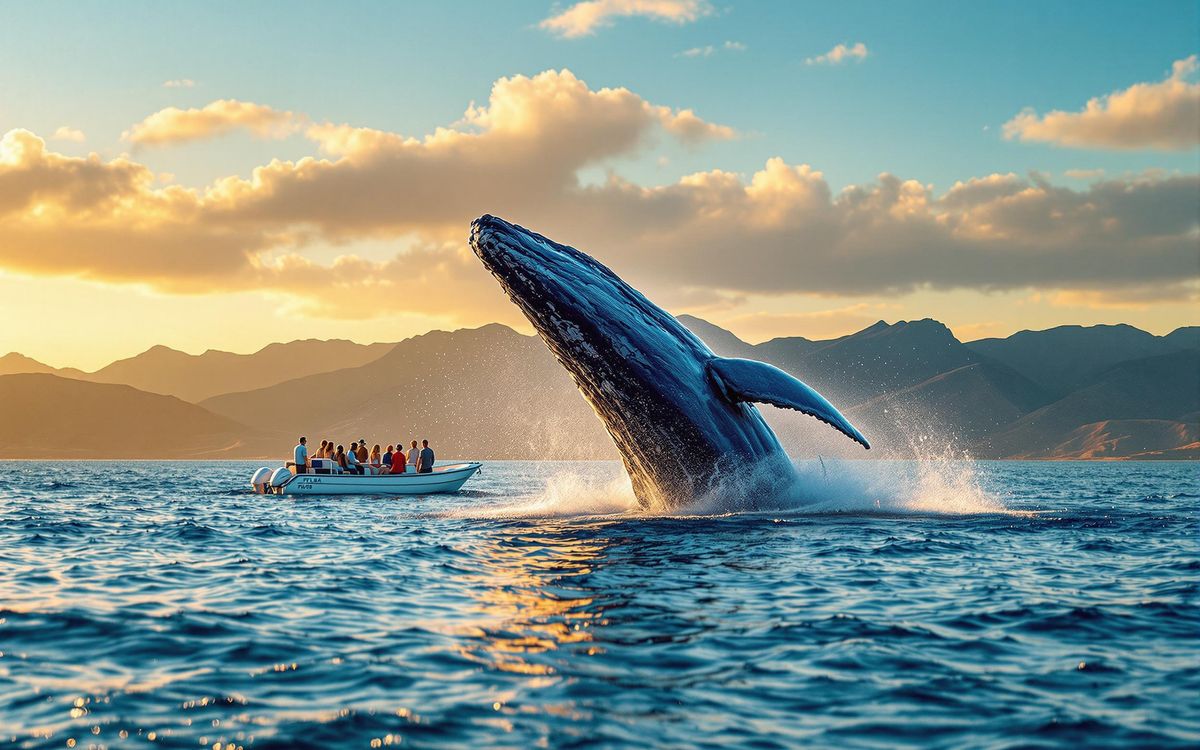
Jacques Cousteau famously dubbed the Sea of Cortez the 'Aquarium of the World,' and for good reason. Its nutrient-rich waters teem with a dazzling array of marine life, offering unparalleled opportunities for sustainable interactions. Imagine yourself aboard a small, eco-friendly vessel near Loreto, the historic capital of Baja California Sur, watching in awe as humpback whales each the surface, their massive forms silhouetted against the setting sun. These gentle giants migrate to the warm waters of the Sea of Cortez each winter to eed and calve, providing a spectacle that is both eathtaking and humbling. Access to Loreto is easily facilitated via Loreto International Airport, making it a convenient starting point for your Baja adventure.
Further south, near La Paz, lies Isla Espiritu Santo, a UNESCO World Heritage Site and a haven for sea lions. Snorkeling alongside these playful creatures is an experience unlike any other. Watch as they dart and twirl around you, their sleek bodies glistening in the sunlight. It's crucial to choose reputable ecotourism operators like Baja Adventures or Todos Santos Eco Adventures (TOSEA) who prioritize the animals' well-being and adhere to strict guidelines for responsible wildlife viewing. These guidelines include maintaining a safe distance, avoiding feeding the animals, and respecting their natural rhythms. The experience is exhilarating, and best enjoyed with a certified guide who understands the local environment and the animals behaviors.
For a truly unforgettable experience, consider swimming with whale sharks, the largest fish in the world. These gentle giants filter feed on plankton, posing no threat to humans. Several operators offer guided tours that allow you to swim alongside these magnificent creatures in a responsible and sustainable manner. Remember, ethical tourism is key to preserving these incredible experiences for future generations. Organizations like Nakawe Project are deeply involved in regenerative tourism, focusing on community involvement in wildlife conservation, ensuring that local populations benefit directly from tourism while actively protecting the marine environment.

Laguna San Ignacio: Whispers of the Gray Whales
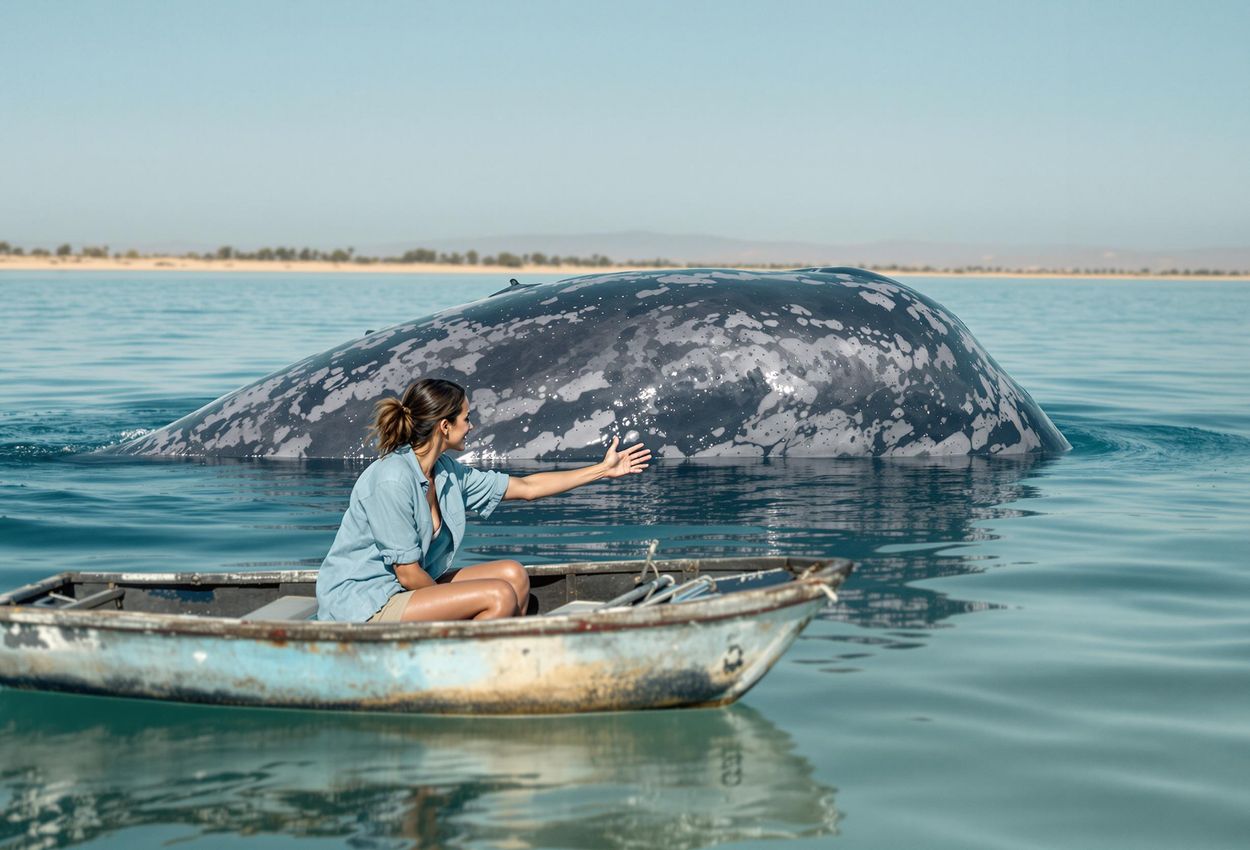
Located within the El Vizcaíno Biosphere Reserve, a UNESCO World Heritage Site, Laguna San Ignacio offers a truly unique and heartwarming experience: encountering 'friendly' gray whales. Unlike whales in other parts of the world, the gray whales of Laguna San Ignacio actively seek human interaction, approaching boats and allowing themselves to be touched. This remarkable behavior, unique to this region, has captivated scientists and travelers alike for decades.
The reasons behind this unusual behavior are still being investigated, but theories range from the whales associating humans with positive experiences (such as the removal of parasites) to simply being curious and playful. Regardless of the reason, the experience of making eye contact with a gray whale, of feeling its rough skin beneath your fingertips, is profoundly moving. It's a powerful reminder of the intelligence and sentience of these magnificent creatures.
To ensure the sustainability of these encounters, it's crucial to choose responsible tour operators like Oceanic Society and Baja Ecotours. These companies are committed to conservation and community support, working closely with local communities to protect the lagoon's fragile ecosystem. They adhere to strict guidelines for whale watching, minimizing disturbance to the whales and their habitat. RED Travel Mexico's camp in Magdalena Bay exemplifies this commitment. The story of Huber Omar Murillo Nuñez highlights how sustainable tourism can provide economic opportunities for local communities while simultaneously protecting the whales. By choosing these operators, you are directly contributing to the long-term conservation of these incredible animals and their home.
The lagoon itself is a vital eeding ground for gray whales, providing a safe and sheltered environment for mothers to nurse their calves. Its shallow waters and abundant food sources make it an ideal nursery. Responsible tourism plays a crucial role in protecting this critical habitat, ensuring that future generations of gray whales can thrive in this unique corner of the world. The stillness of the water, oken only by the whales surfacing to eathe, is a stark contrast to the crashing waves of the open ocean, a reminder of the serenity and safety the lagoon provides.
Hiking Through Time: Exploring Baja's National Parks
Beyond its stunning coastline, Baja California boasts a diverse interior landscape, home to several national parks that offer incredible hiking opportunities. These parks protect a wide range of ecosystems, from pine-covered mountains to arid deserts, providing a glimpse into the region's rich natural history.
Sierra de San Pedro Mártir National Park is a true gem, offering a dramatic contrast to the coastal scenery. Here, you'll find towering pine trees, granite peaks, and eathtaking views. The park is home to Picacho del Diablo, the highest peak in Baja California, offering a challenging but rewarding climb for experienced hikers. From the summit, you can see both the Pacific Ocean and the Sea of Cortez on a clear day, a truly unforgettable sight.
The National Astronomical Observatory, located within the park, is another must-see attraction. Its high altitude and clear skies make it an ideal location for stargazing. The observatory offers guided tours and public viewing nights, allowing you to explore the wonders of the universe. Imagine standing beneath a canopy of stars, far from the city lights, and gazing at distant galaxies through a powerful telescope. The experience is both awe-inspiring and humbling.
In recent years, Baja California has made significant strides in expanding its protected areas. The newly established Nopoló Park and Loreto II Park near Loreto are prime examples of this commitment. These parks are designed to support ecotourism and biodiversity protection, offering visitors opportunities to explore the region's unique flora and fauna. Keep an eye out for unique species such as the peninsular speckled rattlesnake and Carter's lavender, unique to the Baja California peninsula. These natural areas allow you to explore the unique beauty of the Baja California landscape.

Cabo Pulmo's Coral Comeback: A Conservation Success Story
Cabo Pulmo National Park stands as a shining example of the power of community-led conservation. Once overfished and degraded, this marine park has experienced a remarkable recovery, transforming into a thriving coral reef ecosystem. Today, Cabo Pulmo is considered the northernmost coral reef in the Eastern Pacific, boasting an abundance and diversity of marine life that rivals some of the world's most famous reefs.
Snorkeling and diving in Cabo Pulmo are truly unforgettable experiences. You'll be surrounded by schools of colorful fish, graceful sea turtles, playful sea lions, and even the occasional whale shark. The coral reefs themselves are teeming with life, providing a habitat for a vast array of marine organisms. It's crucial to snorkel and dive responsibly, avoiding touching the coral and respecting the marine environment. The local community plays a vital role in protecting the reef, working as guides and advocating for sustainable tourism practices. Their dedication and passion are evident in the park's pristine condition.
The success of Cabo Pulmo is a testament to the power of collaboration and the importance of empowering local communities to protect their natural resources. By choosing to visit Cabo Pulmo and support its sustainable tourism initiatives, you are directly contributing to the ongoing conservation of this remarkable marine ecosystem. The viant colors of the coral and the sheer abundance of life serve as a powerful reminder of what can be achieved when humans and nature work together.

Island Escapes: Discovering Espíritu Santo's Turquoise Treasures
Espíritu Santo Marine Archipelago National Park, another UNESCO World Heritage Site, is a true paradise for nature lovers. Its turquoise waters, pristine white beaches, and productive mangroves create a stunning landscape that is both beautiful and ecologically important. The island is home to a diverse array of marine life, including sea lions, dolphins, sea turtles, and a variety of colorful fish.
Kayaking through the park's crystal-clear waters is a fantastic way to explore its hidden coves and secluded beaches. Snorkeling and diving are also popular activities, allowing you to get up close and personal with the island's viant marine life. Be sure to keep an eye out for the island's endemic black jackrabbit, a unique species found nowhere else on earth. The sunsets on Isla Espiritu Santo are legendary, painting the sky in a riot of colors that reflect off the calm waters.
For a truly luxurious and sustainable experience, consider glamping on Isla Espiritu Santo with Todos Santos Eco Adventures (TOSEA). Their eco-friendly tents provide comfortable accommodations while minimizing your impact on the island's fragile ecosystem. Waking up to the sound of waves lapping against the shore and the sight of the sun rising over the Sea of Cortez is an experience you won't soon forget. The island's isolation and natural beauty offer a sense of tranquility and escape that is hard to find elsewhere.

Flavors of Baja: A Sustainable Culinary Journey
Baja California's culinary scene is as diverse and viant as its landscapes. With a focus on fresh, locally sourced ingredients and innovative culinary techniques, Baja's chefs are creating a unique and sustainable dining experience. Baja Med cuisine, a fusion of Mexican, Mediterranean, and Asian influences, is a prime example of this culinary innovation.
Some signature dishes include pan-fried lobster from Puerto Nuevo and Caesar salad from Tijuana, the latter having originated in this border city. The seafood offerings are particularly noteworthy, with unique delicacies such as chocolata clams from Loreto and La Paz-style fish tacos. Be sure to try the local specialties, prepared with fresh, sustainable ingredients and bursting with flavor. Many restaurants are committed to sourcing their ingredients from local farmers and fishermen, supporting the local economy and reducing their environmental impact.
No culinary journey through Baja California would be complete without a visit to the Valle de Guadalupe, Baja's wine region. This picturesque valley is home to a growing number of wineries that are committed to sustainable wine production. Many wineries offer tours and tastings, allowing you to sample their wines and learn about their sustainable practices. The combination of stunning scenery, delicious food, and exceptional wine makes the Valle de Guadalupe a must-visit destination for any food and wine lover. The region's dry climate and unique terroir contribute to the distinct flavor profiles of its wines.

Beyond the Beach: Desert Bloom and Mountain Majesty
While Baja California is renowned for its stunning coastline, its interior landscapes offer a completely different, yet equally captivating, experience. Venture beyond the beaches and discover the unique desert ecosystems and majestic mountain ranges that define the region's character.
The Valle de los Cirios Flora and Fauna Protection Area is a surreal landscape dominated by the iconic cirio tree, also known as the boojum tree. These strange and wonderful plants, with their thick, spiny trunks and sparse anches, create a truly otherworldly atmosphere. The area is also home to a variety of other unique plant and animal species, adapted to the harsh desert environment. Hiking through the Valle de los Cirios is like stepping onto another planet.
In contrast to the arid desert, the Sierra de la Laguna Biosphere Reserve offers a lush and verdant landscape. This mountain range is home to a diverse array of ecosystems, from pine forests to tropical dry forests. Waterfalls cascade down the mountainsides, creating refreshing oases in the arid landscape. The Sierra de la Laguna is also home to a number of endemic species, found nowhere else on earth. Hiking through this biosphere reserve is a journey through a hidden paradise.

Supporting Local Communities: Responsible Travel Tips
To ensure that your visit to Baja California has a positive impact, it's important to travel responsibly and support local communities. Here are a few actionable tips to help you minimize your environmental footprint and contribute to the region's sustainable development:
Choose eco-friendly tour operators: Select tour operators that are committed to sustainable practices, such as minimizing their environmental impact, supporting local communities, and educating their clients about responsible tourism. Look for certifications and affiliations with reputable organizations.
Respect wildlife: Maintain a safe distance from wildlife, avoid feeding animals, and refrain from disturbing their natural habitats. Follow the guidelines provided by your tour operator and respect the local regulations.
Support local conservation efforts: Donate to local conservation organizations or participate in volunteer programs that help protect the region's natural resources. Your contribution can make a significant difference.
Shop local: Visit local markets and artisan shops to purchase souvenirs and support the local economy. Choose products that are made from sustainable materials and avoid buying items that exploit endangered species.
Conserve water and energy: Be mindful of your water and energy consumption, especially in desert environments. Take shorter showers, turn off lights when you leave your room, and avoid using single-use plastics.
It's also important to be aware of local initiatives aimed at promoting sustainability. For example, Los Cabos has implemented an Environmental Sanitation Collection fee, which is used to fund environmental infrastructure and community-enhancing projects. By paying this fee, you are directly contributing to the region's sustainable development.

Magdalena Bay's Mangroves and Dunes: A Natural Symphony
Magdalena Bay, a vast and protected bay on the Pacific coast of Baja California Sur, is a haven for wildlife and a testament to the beauty of undisturbed nature. Its diverse ecosystem, comprised of mangrove forests, towering sand dunes, and calm bay waters, creates a natural symphony that captivates all who visit.
During the winter months (January to March), Magdalena Bay becomes a eeding ground for gray whales, offering incredible whale watching opportunities. Local fishermen, who have traditionally relied on the bay for their livelihoods, now participate in sustainable tourism, guiding visitors to witness the whales' annual migration. These encounters are conducted with respect and care, ensuring the whales' well-being.
Beyond the whales, Magdalena Bay is home to a rich array of wildlife, including sea lions, dolphins, sea turtles, and a variety of bird species. The mangrove forests provide crucial habitat for many of these animals, serving as nurseries for fish and shelter for birds. The sand dunes offer nesting sites for sea turtles and resting places for migratory birds. It's essential to protect this diverse ecosystem, ensuring that future generations can enjoy its natural wonders. The tranquility of the bay, oken only by the calls of seabirds and the splashing of dolphins, offers a respite from the hustle and bustle of modern life.

Loreto Bay National Marine Park: A Diver's Paradise
Loreto Bay National Marine Park, a UNESCO World Heritage Site, is a true diver's paradise. Encompassing five major islands and the surrounding waters, this park is home to an incredible diversity of marine life, from colorful coral reefs to playful sea lions. The park's clear waters offer excellent visibility, making it ideal for diving, snorkeling, and kayaking.
Divers can explore underwater canyons, swim through schools of fish, and encounter fascinating creatures such as sea turtles, dolphins, and even whales. Snorkelers can enjoy the viant coral reefs and observe the diverse marine life from the surface. Kayakers can paddle along the coastline, exploring hidden coves and secluded beaches. The park offers something for everyone, regardless of their experience level.
Marine biologists regularly observe natural phenomena within the park, such as fish and whale migrations. Guided tours are available to explore the park's nature and activities, providing valuable insights into the region's ecology and conservation efforts. The dedication of the local community and the park's management team ensures that this natural treasure will be protected for future generations. The feeling of being surrounded by the vastness of the ocean and the abundance of marine life is both exhilarating and humbling.

Baja California offers a unique blend of adventure, sustainability, and natural beauty. By choosing to travel responsibly and support local communities, you can experience the magic of Baja while contributing to its long-term conservation. From the gentle giants of the sea to the rugged landscapes of the desert, Baja California promises an unforgettable journey that will leave you with a deep appreciation for the planet and its wonders.