Dreaming of turquoise waters and sun-kissed shores? Coastal travel doesn't have to cost a fortune or harm the planet. With a few mindful choices, you can experience eathtaking coastlines while supporting local communities and minimizing your environmental impact.
Choose Eco-Friendly Coastal Destinations
The first step towards sustainable coastal travel is selecting a destination that prioritizes environmental conservation. Look for places with established eco-tourism initiatives, protected natural areas, and a genuine commitment to sustainability. These destinations often offer unique experiences that connect you with nature while supporting local economies. Consider traveling during the shoulder season (spring or fall) to avoid crowds and reduce your impact on fragile ecosystems.
Goa, India, offers a blend of stunning beaches and a growing eco-conscious scene. Venture beyond the crowded tourist hubs and discover quieter beaches like Palolem, known for its serene atmosphere and commitment to preserving its natural beauty. Explore solar-powered beach huts that minimize energy consumption. Savor organic, farm-to-table meals at local cafes that support sustainable agriculture. The best time to visit Goa for sustainability is during the off-peak monsoon season (June-September), when there are fewer tourists and the environment can recover.
Costa Rica is a world leader in eco-tourism, boasting lush rainforests, majestic volcanoes, and pristine beaches. Explore national parks like Tortuguero, a vital nesting site for sea turtles, and support conservation efforts by participating in guided tours that prioritize responsible wildlife observation. Look for eco-lodges that adhere to strict environmental standards and offer immersive experiences in nature. Costa Rica's commitment to renewable energy and conservation makes it an ideal destination for eco-conscious travelers. The dry season (December to April) is popular, but consider the green season (May to November) for fewer crowds and lower prices.
In the United States, Orange Beach, Alabama, offers a surprising commitment to sustainability along the Gulf Coast. Gulf State Park is a shining example of conservation, with miles of hiking and biking trails, a nature center, and initiatives to protect the local ecosystem. The park's commitment to sustainable practices, such as minimizing light pollution to protect sea turtles, makes it a standout destination. Consider visiting in the spring or fall for pleasant weather and fewer crowds.

Sustainable Transportation on a Shoestring
Getting around sustainably doesn't have to be expensive. In fact, it can often be more affordable than renting a car or taking taxis. Emace public transportation, cycling, and walking as your primary modes of transport. These options not only reduce your carbon footprint but also allow you to immerse yourself in the local culture and discover hidden gems along the way.
Many coastal cities have well-developed public transportation systems that make it easy to get around without a car. Barcelona, Spain, for example, boasts an extensive metro system, bus network, and tram lines that connect you to all the major attractions and neighborhoods. Consider purchasing a multi-day travel pass for unlimited access to public transportation. Walking and cycling are also great ways to explore Barcelona's charming streets and beaches.
Emace the concept of slow travel by opting for train journeys along the coast instead of flying. Train travel is generally more environmentally friendly than air travel, and it allows you to enjoy scenic views and discover smaller towns and villages along the way. Look for affordable train tickets by booking in advance and considering regional train options. Websites like Rail Europe often offer discounts for sustainable travelers.
Packing light is another way to reduce your environmental impact and save money on transportation costs. A lighter suitcase means less fuel consumption for planes, trains, and buses. Focus on packing versatile clothing items that can be mixed and matched to create different outfits. Consider using packing cubes to compress your clothes and maximize space.

Eco-Friendly Accommodation Without eaking the Bank
Sustainable accommodation doesn't have to mean luxury eco-resorts. There are plenty of budget-friendly options that prioritize environmental responsibility. Consider guesthouses, hostels, eco-lodges, farm stays, and camping as alternatives to traditional hotels.
Guesthouses and hostels are often locally-owned and operated, providing a more authentic travel experience while supporting the local economy. Many hostels are now incorporating sustainable practices, such as using renewable energy, conserving water, and reducing waste. Platforms like Hostelworld offer filters to search for hostels with sustainability certifications.
Eco-lodges and farm stays offer immersive experiences in nature while minimizing environmental impact. These accommodations often use sustainable building materials, conserve water and energy, and support local conservation efforts. Booking.com has introduced a Travel Sustainable badge to highlight accommodations that have implemented sustainable practices.
Camping is one of the most affordable and environmentally friendly ways to experience the coast. Many coastal areas offer campgrounds with stunning views and access to hiking trails and beaches. Remember to follow Leave No Trace principles by packing out all your trash, minimizing campfire impacts, and respecting wildlife.
When searching for affordable eco-friendly accommodations, look for accommodations with eco-certifications such as LEED, Green Key, or EarthCheck. These certifications indicate that the accommodation has met certain environmental standards. Support locally-owned businesses to ensure that your money stays within the community. Opt for accommodations with water and energy conservation practices, such as low-flow showerheads and solar panels.

Savor Local Flavors Sustainably (and Affordably)
Food is an integral part of any travel experience, and it's possible to enjoy local cuisine while minimizing your environmental impact and saving money. The key is to prioritize local and seasonal ingredients, support local businesses, and reduce waste.
Eat at locally-owned restaurants, street food vendors, and farmers' markets to experience authentic flavors and support the local economy. These establishments often use fresh, local ingredients and have a smaller carbon footprint than large chain restaurants. Farmers' markets are a great place to find seasonal produce and support local farmers.
Choosing local and seasonal ingredients reduces the need for transportation and refrigeration, which minimizes environmental impact. Ask about the origin of the ingredients when ordering at restaurants. Look for restaurants that source their ingredients from local farms and fisheries. For example, in coastal Maine, many restaurants pride themselves on serving fresh, locally-caught lobster and other seafood.
When it comes to seafood, choose sustainable options by looking for certifications such as the Marine Stewardship Council (MSC) label. Ask about the origin of the fish and avoid eating endangered species. Consider trying less popular but equally delicious and sustainable seafood options.
Reduce waste by inging your own reusable containers and utensils when eating out or buying food to go. Many restaurants are now offering discounts to customers who ing their own containers. Say no to single-use plastic utensils and straws. Pack a reusable water bottle and refill it throughout the day.

Free and Low-Cost Coastal Activities that Give Back
You don't have to spend a lot of money to enjoy the coast. There are plenty of free or low-cost activities that allow you to connect with nature, support local communities, and give back to the environment.
Hiking is a great way to explore coastal landscapes and enjoy stunning views. Many coastal areas offer free hiking trails through forests, along cliffs, and on beaches. Laguna Coast Wilderness Park in California offers miles of trails with eathtaking views of the Pacific Ocean. Gulf State Park in Alabama has numerous trails winding through diverse coastal ecosystems.
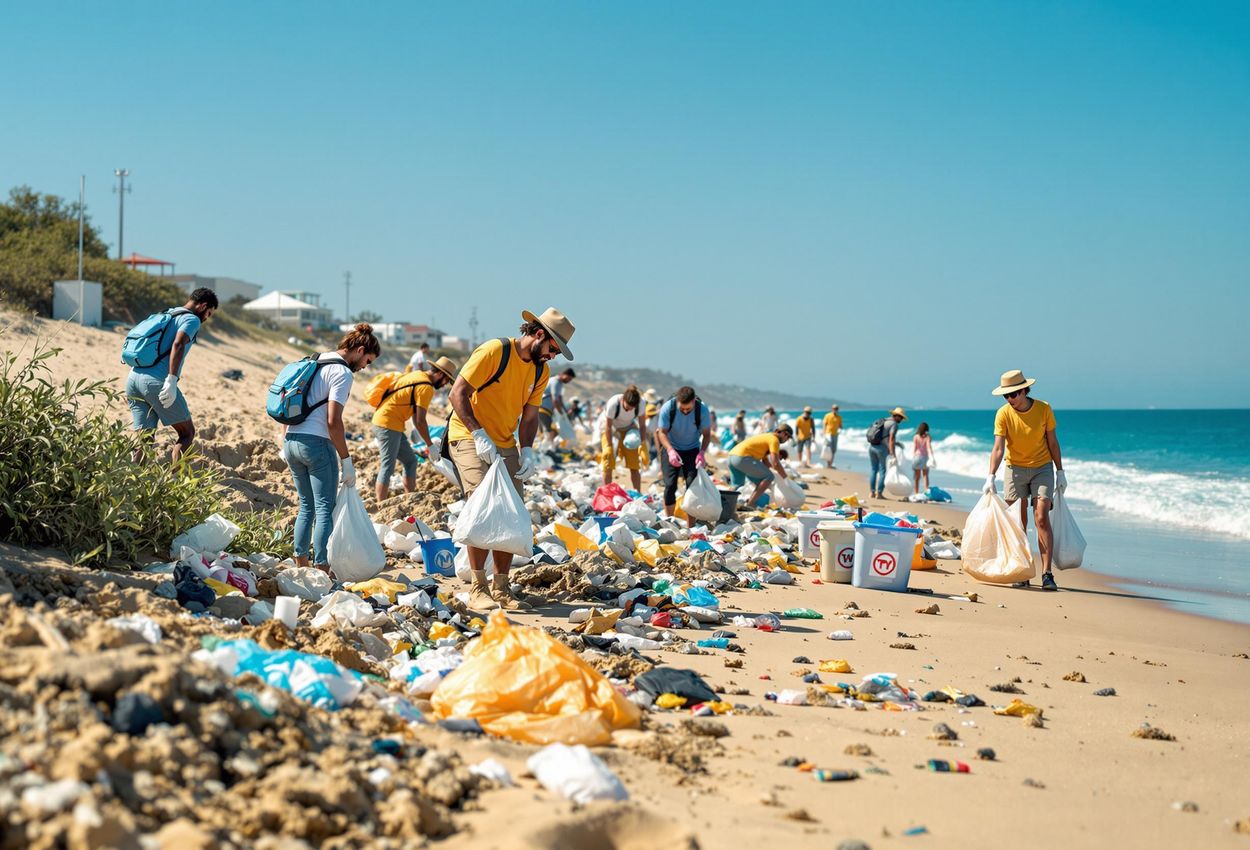
Participate in beach cleanups to help remove trash and plastic pollution from coastal areas. Many organizations and communities organize regular beach cleanups. This is a great way to give back to the environment and connect with other like-minded people. You can also simply pick up trash you see while walking on the beach.
Visit local parks and nature reserves to learn about the local ecosystem and observe wildlife. Many parks offer free or low-cost admission. Tide pooling is a fun and educational activity for all ages. Snorkeling in protected coral reefs allows you to observe marine life while minimizing your impact on fragile ecosystems. Birdwatching is another rewarding activity that can be enjoyed in many coastal areas.
Consider participating in eco-tours that prioritize responsible wildlife observation and support local conservation efforts. Some organizations offer volunteering opportunities, such as helping with coral transplantation or turtle rescue programs.
Pack Smart, Travel Light, and Reduce Waste
Packing for a sustainable coastal trip requires careful planning and a commitment to reducing waste. The key is to pack light, choose reusable items, and opt for eco-friendly alternatives to traditional travel products.
Packing light reduces the carbon footprint of your transportation. Choose versatile clothing items that can be mixed and matched to create different outfits. Use packing cubes to compress your clothes and maximize space. Consider using a lightweight backpack instead of a heavy suitcase.
ing your own reusable water bottle, shopping bags, and travel utensils to avoid single-use plastics. Refill your water bottle throughout the day instead of buying bottled water. Use reusable shopping bags when buying groceries or souvenirs. Pack a set of reusable utensils for eating on the go.
Choose reef-safe sunscreen to protect marine life. Traditional sunscreens contain chemicals that can harm coral reefs and other marine organisms. Reef-safe sunscreens use mineral-based ingredients that are less harmful to the environment.
Opt for digital over paper whenever possible. Download e-tickets, maps, and guides to your phone or tablet instead of printing them out. Use a digital notebook for taking notes and journaling. A checklist of essential eco-friendly items to pack includes: reusable water bottle, reusable shopping bags, reusable utensils, reef-safe sunscreen, bamboo toothush, solid shampoo and conditioner bars, and a reusable coffee cup.

Minimize Your Footprint in the Water
The ocean is a precious resource that needs our protection. When swimming, snorkeling, or diving, it's important to minimize your impact on the marine environment.
Choose eco-friendly swimwear made from recycled materials. Many ands now offer swimwear made from recycled plastic bottles or fishing nets. These swimsuits are not only stylish but also help to reduce plastic waste in the ocean.
Use reef-safe sunscreen to protect coral reefs. Traditional sunscreens contain chemicals that can damage coral reefs and other marine organisms. Reef-safe sunscreens use mineral-based ingredients that are less harmful to the environment.
Collect any trash you see while swimming or diving. Plastic pollution is a major threat to marine life. By collecting trash you see in the water, you can help to protect marine animals from ingesting or becoming entangled in plastic deis.
Consider participating in beach and underwater cleanups. Many organizations and communities organize regular cleanups to remove trash from coastal areas. This is a great way to give back to the ocean and connect with other ocean lovers.
Explore eco-conscious ways to interact with the ocean such as freediving, which requires no equipment and allows you to move silently and respectfully through the water.

Support Local Communities and Economies
One of the best ways to travel sustainably is to support local businesses and communities. By spending your money locally, you can help to create jobs, preserve local culture, and protect the environment.
Shop at local artisan shops to find unique and handcrafted souvenirs. These shops often sell products made from sustainable materials and support local artisans. Avoid buying mass-produced souvenirs that are often made in factories overseas.
Eat at family-owned restaurants to experience authentic local cuisine. These restaurants often use fresh, local ingredients and have a smaller carbon footprint than large chain restaurants. Order local specialties and try new dishes.
Stay in guesthouses or homestays to support local families and experience local culture. These accommodations often offer a more personal and authentic travel experience than traditional hotels. You can learn about local customs and traditions from your hosts.
Buy locally-made souvenirs to support local artisans and craftspeople. Look for products made from sustainable materials, such as recycled paper, bamboo, or organic cotton. Avoid buying products made from endangered species or harvested from protected areas.
Support local conservation efforts by donating to local environmental organizations or volunteering your time. These organizations work to protect local ecosystems and wildlife.

Offset Your Carbon Footprint: Travel Responsibly
Even with the best intentions, travel inevitably contributes to carbon emissions. Carbon offsetting is a way to compensate for these emissions by supporting projects that reduce greenhouse gases. It's a crucial step in responsible travel, acknowledging the impact of our journeys and taking action to mitigate them.
Tourism, particularly air travel, is a significant contributor to carbon emissions. Flights release greenhouse gases into the atmosphere, contributing to climate change. While reducing your air travel is the most effective way to minimize your carbon footprint, offsetting can help neutralize the impact of unavoidable flights.
Support reforestation projects that plant trees to absorb carbon dioxide from the atmosphere. Donate to environmental causes that are dedicated to reducing emissions and promoting sustainable practices. Look for projects that are certified by reputable organizations, ensuring that your money is being used effectively.
Resources for finding reputable carbon offsetting programs include Sustainable Travel International, Gold Standard, and Cool Effect. These organizations offer a variety of projects to support, from renewable energy initiatives to forest conservation efforts. When choosing a program, consider the project's location, its impact on local communities, and its certification status.
Consider the ethical implications of your travel choices and strive to minimize your environmental impact. Every decision you make, from choosing your destination to packing your suitcase, has an impact on the planet. By making conscious choices, you can help to protect the environment and support local communities.

Emace the Unexpected: Flexibility and Sustainable Choices
Sustainable travel isn't just about following a set of rules; it's about emacing a mindset of flexibility, openness, and continuous learning. Be prepared to adapt to changing circumstances and emace unexpected opportunities for sustainable travel. Sometimes, the most rewarding experiences come from veering off the beaten path.
Emace slow travel and take the time to connect with local cultures and environments. Instead of rushing from one attraction to another, spend more time in each place and get to know the local people and customs. This will not only enrich your travel experience but also reduce your environmental impact.
Highlight the benefits of spontaneity and adapting to changing circumstances. Sometimes, the best travel experiences are the ones that are unplanned. Be open to changing your itinerary based on local recommendations or unexpected opportunities. This will allow you to discover hidden gems and have a more authentic travel experience.
Continuously learn and improve your sustainable travel practices. Stay informed about eco-tourism initiatives and environmental issues. Read books, articles, and blogs about sustainable travel. Attend workshops and seminars to learn new skills and connect with other sustainable travelers.
Resources for staying informed about eco-tourism initiatives and environmental issues include the Sustainable Tourism Council, the World Wildlife Fund, and the Environmental Defense Fund. These organizations offer a wealth of information and resources for sustainable travelers.

By emacing these tips, you can embark on unforgettable coastal adventures that are both budget-friendly and environmentally responsible. Sustainable travel is not about sacrificing enjoyment; it's about enriching your experiences while protecting the planet for future generations. So pack your bags, choose your destination wisely, and get ready to explore the world's stunning coastlines with a clear conscience.