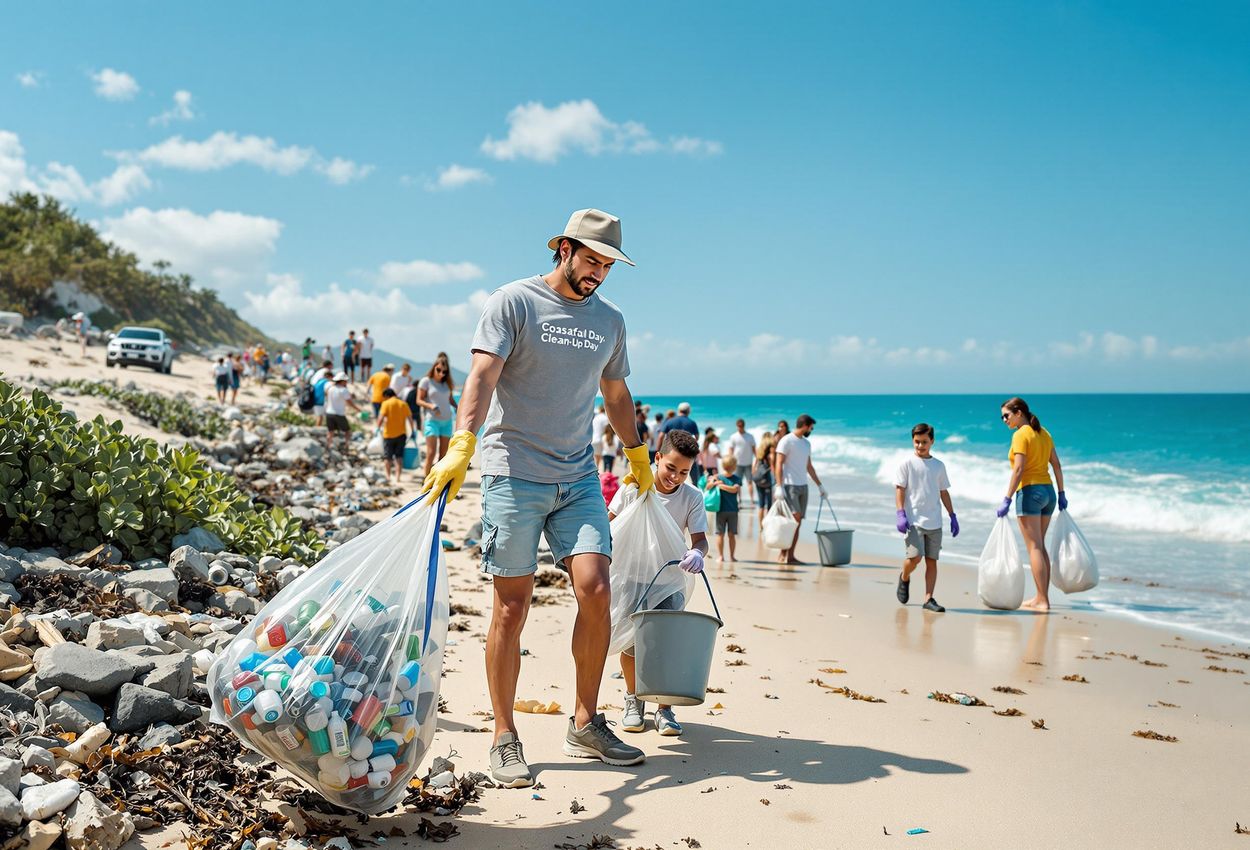
Every year, millions of volunteers across the globe unite for a single cause: to rid our coastlines of the ever-growing threat of plastic pollution. Coastal Clean-Up Day, an event spearheaded by the Ocean Conservancy, has become a powerful symbol of collective action, demonstrating that even the most daunting environmental challenges can be tackled when communities come together. This year, on Saturday, September 20, 2025, the world will once again turn its attention to our shores, armed with trash bags and a shared determination to make a difference.
The Tide is Turning: Understanding Coastal Clean-Up Day's Global Significance
The story of Coastal Clean-Up Day began in 1986, when the Ocean Conservancy recognized the urgent need to address the escalating problem of marine deis. What started as a local initiative has since blossomed into a global phenomenon, with over 100 countries participating annually. The statistics are staggering: over the years, more than 18 million volunteers have collected nearly 385 million pounds of trash from beaches and waterways around the world. This massive undertaking underscores the critical importance of protecting our oceans, which are vital to the health of our planet and the well-being of humanity.
Our oceans face a multitude of threats, from climate change and overfishing to habitat destruction and pollution. Among these, plastic pollution stands out as one of the most pervasive and visible. The accumulation of trash along our coastlines not only mars the natural beauty of these areas but also poses a grave danger to wildlife, human health, and livelihoods. Marine animals, from seabirds and sea turtles to whales and dolphins, are particularly vulnerable to the harmful effects of plastic, often mistaking it for food or becoming entangled in discarded fishing gear.
Coastal Clean-Up Day serves as a powerful reminder of our shared responsibility to protect these vital ecosystems. By mobilizing communities around the world, the event raises awareness about the sources and impacts of marine deis, while also providing a tangible opportunity for individuals to make a positive contribution. In addition to the Ocean Conservancy, key partners like the California Coastal Commission and local organizations like I Love A Clean San Diego play a crucial role in organizing and promoting these events, ensuring that they reach as many people as possible.

A World Drowning in Plastic: The Crisis on Our Coastlines
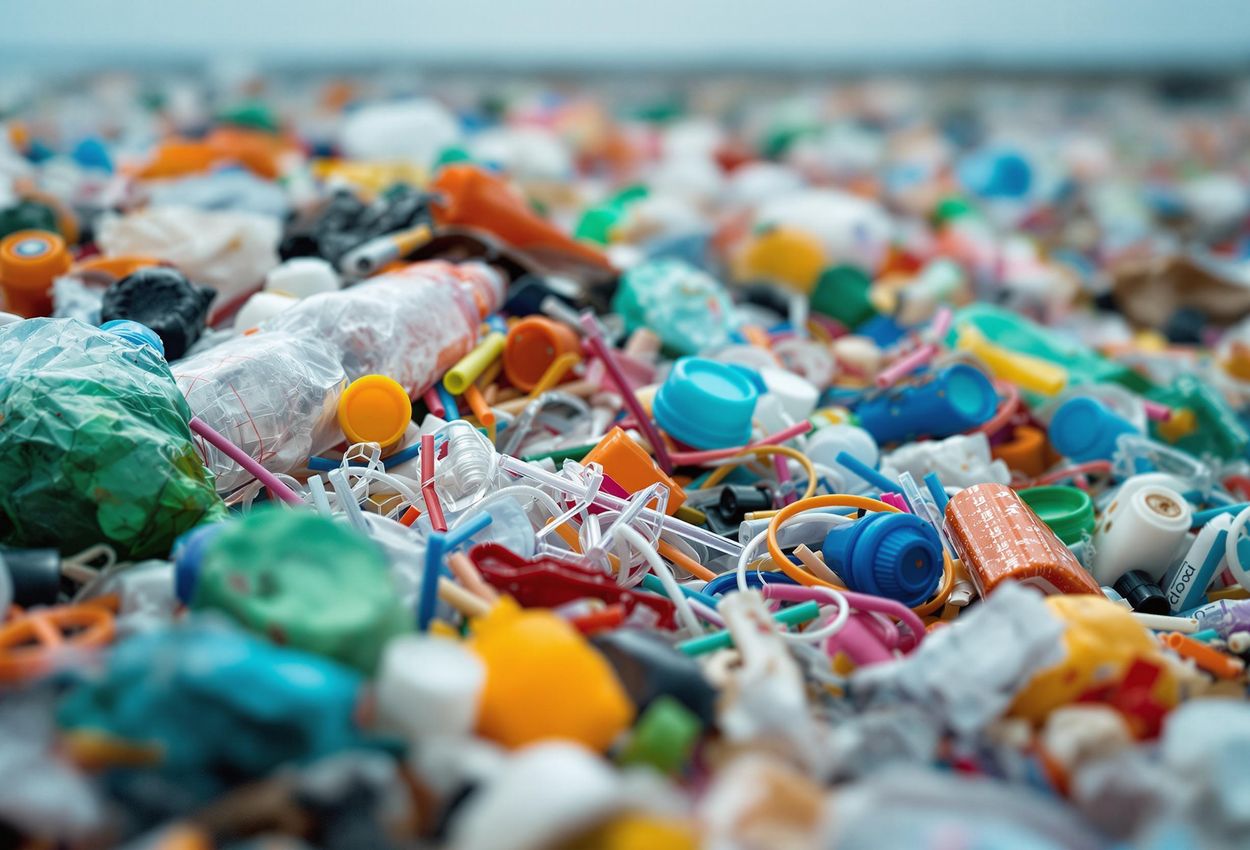
The scale of plastic pollution in our oceans is truly alarming. Every day, an estimated 8 million pieces of plastic enter our oceans, adding to the already massive accumulation of deis. If current trends continue, some scientists predict that plastic production could triple by 2025, and that by 2050, there could be more plastic in the ocean than fish. This grim outlook underscores the urgent need for action to curb plastic consumption and improve waste management practices.
The types of plastic found in our oceans range from large, easily visible items like bottles and bags (macroplastics) to tiny, often microscopic particles (microplastics). Macroplastics pose an immediate threat to marine life through entanglement and ingestion, while microplastics can accumulate in the food chain, potentially impacting human health. The sources of plastic pollution are diverse, ranging from packaging and consumer products to industrial waste and agricultural runoff. A significant portion of this deis originates from land-based sources, highlighting the importance of addressing waste management issues in coastal communities and inland areas.
The impact of plastic pollution on marine life is devastating. Seabirds, for example, often mistake plastic pellets for fish eggs, leading to starvation and malnutrition. Sea turtles can become entangled in discarded fishing nets, preventing them from swimming and eathing. Marine mammals, such as whales and dolphins, can ingest large pieces of plastic, causing internal injuries and blockages. The accumulation of plastic in the ocean has also led to the formation of massive garbage patches, such as the Great Pacific Garbage Patch, a swirling vortex of deis that spans an area twice the size of Texas.
Addressing this crisis requires a multi-pronged approach, including reducing plastic consumption, improving waste management practices, promoting recycling and reuse, and developing innovative solutions for removing existing plastic deis from the ocean. Coastal Clean-Up Day plays a vital role in this effort by raising awareness, mobilizing volunteers, and collecting valuable data on the types and sources of plastic pollution.
From California to Kenya: Documenting Clean-Up Efforts Around the Globe
Coastal Clean-Up Day is a truly global event, with clean-up efforts taking place in diverse locations around the world. From the sunny beaches of California to the viant coastlines of Kenya and azil, communities are coming together to remove trash and protect their marine environments. Each event offers a unique glimpse into the challenges and triumphs of local clean-up efforts.
In California, volunteers gather annually at iconic locations like Huntington State Beach in Orange County to remove tons of trash from the shoreline. The California Coastal Commission, a key partner in organizing these events, works with local organizations and community groups to ensure that clean-ups are well-coordinated and effective. In 2024, over 50,000 volunteers participated in Coastal Clean-Up Day in California, collecting more than 1 million pounds of trash.
Across the Atlantic, in Kenya, communities are also working tirelessly to combat plastic pollution along their coastlines. Clean-up events are organized in counties like Mombasa, Lamu, Kwale, and Kilifi, often in partnership with local environmental organizations and community leaders. These efforts not only remove trash from beaches but also provide valuable education and awareness about the importance of marine conservation. In a recent clean-up event in Mombasa, over 500 volunteers collected more than 5 tons of plastic waste.
In azil, Coastal Clean-Up Day events are organized in numerous coastal cities and towns, inging together volunteers from diverse backgrounds to tackle plastic pollution. These events often focus on removing trash from beaches, mangroves, and other sensitive coastal habitats. Local organizers work with community groups and businesses to promote the events and provide support for volunteers. During a recent clean-up in Rio de Janeiro, volunteers collected over 3 tons of trash from Copacabana Beach.
These examples highlight the global reach and impact of Coastal Clean-Up Day. By showcasing specific clean-up events around the world, we can inspire others to get involved and make a difference in their own communities.

Local Heroes: Highlighting Individual Actions and Community Impact
Behind every successful Coastal Clean-Up Day event, there are countless stories of individual volunteers making a difference. These local heroes, driven by a passion for protecting our oceans, dedicate their time and energy to removing trash and raising awareness about plastic pollution. Their actions, both big and small, have a profound impact on their communities and the environment.
One such hero is Maria Rodriguez, a retired teacher from San Diego, California, who has been volunteering at Coastal Clean-Up Day events for over 20 years. Maria's dedication to the cause is unwavering, and she has inspired countless others to join her in her efforts. I started volunteering because I was concerned about the amount of trash I saw on our beaches, Maria explains. Over the years, I've seen the positive impact that clean-ups can have, not only in terms of removing trash but also in raising awareness about the issue.
In Kenya, David Omondi, a local fisherman from Lamu, has become a vocal advocate for marine conservation. David has witnessed firsthand the devastating impact of plastic pollution on fish populations and the livelihoods of local fishermen. He now organizes regular clean-up events in his community, encouraging others to join him in protecting their marine resources. Our ocean is our lifeblood, David says. We must do everything we can to protect it from pollution.
The emotional impact of participating in clean-ups is often profound. Volunteers often express a sense of satisfaction and accomplishment after removing trash from beaches and waterways. They also gain a deeper appreciation for the beauty and fragility of our marine environment. The items found during clean-ups can also be surprising and sometimes even humorous. Volunteers have reported finding everything from mattresses and guitars to autographed baseballs and even a fully-functioning toilet.
By highlighting the stories of these local heroes, we can inspire others to take action and become involved in Coastal Clean-Up Day events. Every individual effort, no matter how small, can make a significant difference in the fight against plastic pollution.
Beyond the Beach: Expanding Clean-Up Efforts to Rivers and Inland Waterways
While Coastal Clean-Up Day primarily focuses on beaches, it's crucial to recognize that a significant portion of marine deis originates from rivers and inland waterways. These waterways act as conduits, carrying trash from urban and agricultural areas to the ocean. Addressing pollution in these areas is essential to preventing marine deis and protecting our coastal ecosystems.
Organizations like SOLVE Oregon's Beach and Riverside Cleanup focus on cleaning up rivers and inland waterways, recognizing their vital connection to the ocean. These organizations organize regular clean-up events in rivers, streams, and lakes, removing trash and deis that would otherwise end up in the ocean. In New York City, clean-up events are often organized in Riverside Park and other waterfront areas along the Hudson River, removing trash and improving water quality.
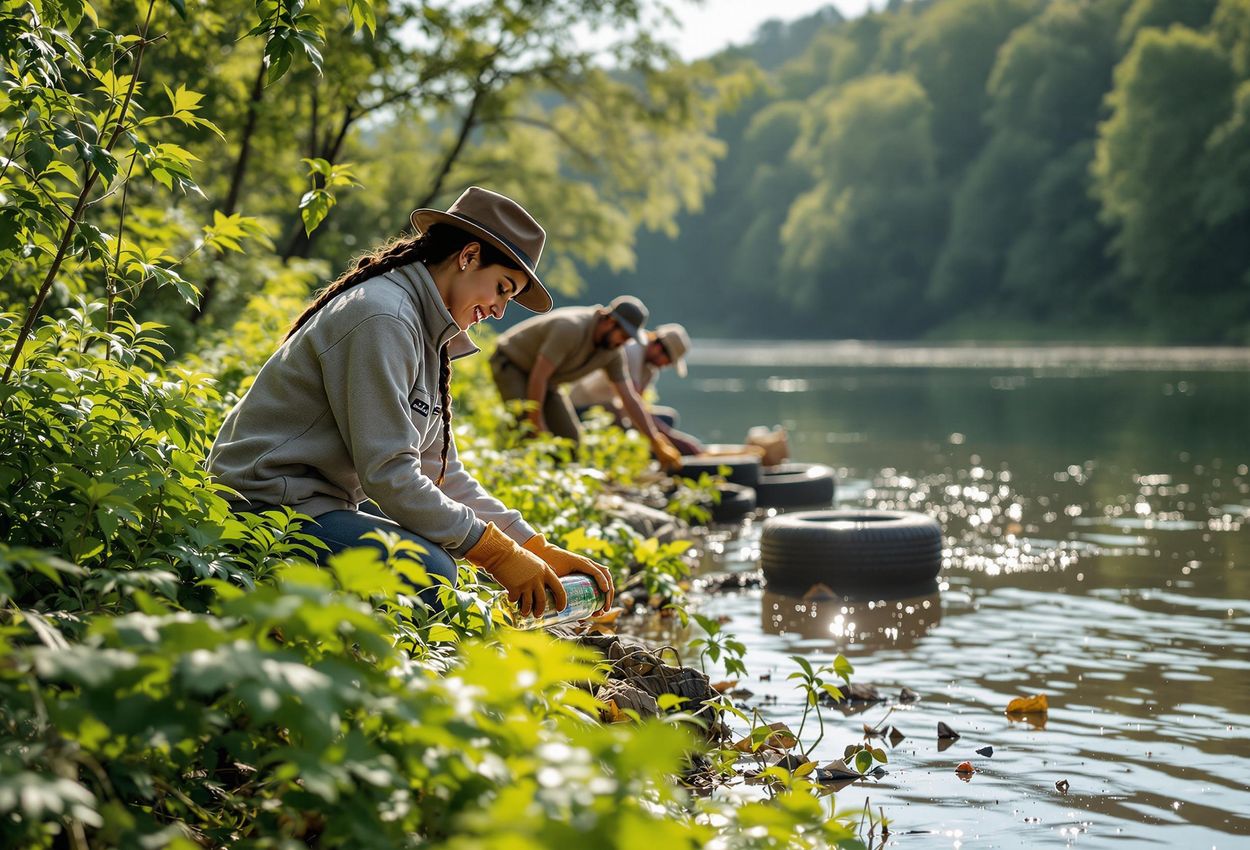
The types of trash found in rivers and inland waterways often differ from those found on beaches. In addition to plastic bottles and bags, volunteers often find items like tires, appliances, and construction deis. These items can pose a significant threat to freshwater ecosystems, harming aquatic life and degrading water quality. The accumulation of trash in rivers can also impede navigation and increase the risk of flooding.
Expanding clean-up efforts to rivers and inland waterways is essential to addressing the root causes of marine deis. By removing trash from these areas, we can prevent it from reaching the ocean and harming marine life. These efforts also raise awareness about the importance of responsible waste management and the need to protect our freshwater resources.
Dive In: Underwater Clean-Up Initiatives and the Fight Against Ghost Gear
While beach clean-ups are highly visible and effective, a significant amount of marine deis lies hidden beneath the surface of the ocean. Underwater clean-up initiatives, often organized by diving groups and environmental organizations, target this submerged trash, including abandoned fishing gear, known as ghost gear. These efforts are crucial to protecting marine life and preserving the health of our underwater ecosystems.
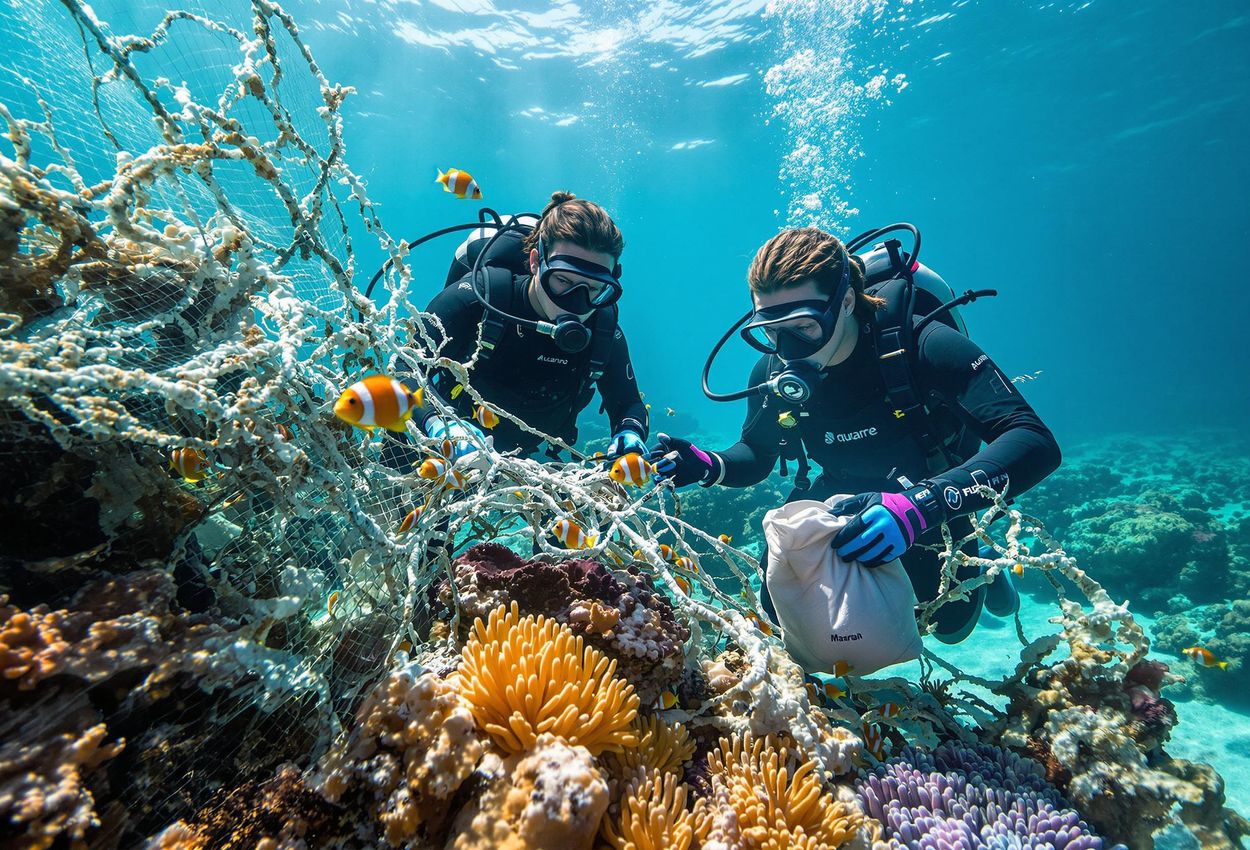
Groups like Malibu Divers organize underwater clean-up events, inging together experienced divers to remove trash from reefs, kelp forests, and other underwater habitats. Ghost gear, which includes abandoned fishing nets, lines, and traps, poses a significant threat to marine life. These items can entangle marine animals, leading to injury, starvation, and death. Ghost gear can also damage sensitive habitats, such as coral reefs, and disrupt the balance of marine ecosystems.
Underwater clean-ups require specialized skills and equipment. Divers must be trained in underwater navigation, deis removal techniques, and safety procedures. They also need to be equipped with SCUBA gear, mesh bags for collecting trash, and knives for cutting entangled fishing gear. The conditions during underwater clean-ups can be challenging, with limited visibility, strong currents, and potential hazards from marine life.
Despite the challenges, volunteers who participate in underwater clean-ups often describe the experience as rewarding and impactful. They witness firsthand the extent of underwater pollution and the positive difference they can make by removing trash and ghost gear. These efforts not only protect marine life but also raise awareness about the importance of responsible fishing practices and the need to prevent ghost gear from entering the ocean.
Data-Driven Impact: How Tracking Trash Informs Policy and Prevention
Coastal Clean-Up Day is not just about removing trash; it's also about collecting valuable data on the types and sources of marine deis. This data is used to identify trends, inform policy decisions, and develop strategies for preventing pollution. By tracking trash, we can gain a better understanding of the problem and work towards more effective solutions.
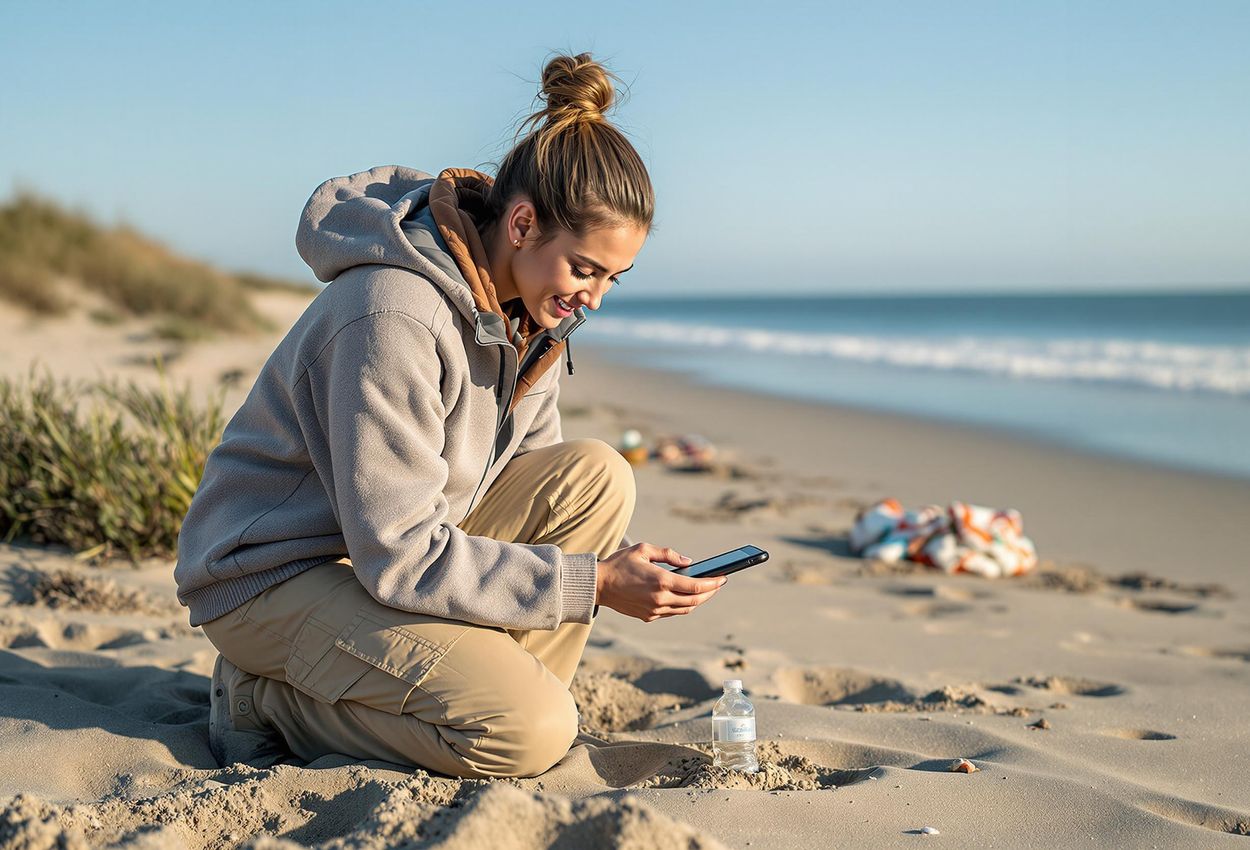
Tools like the NOAA Marine Deis Tracker App and Ocean Conservancy's Clean Swell App allow volunteers to record the types and quantities of trash they collect during clean-up events. This data is then compiled and analyzed to identify the most common types of deis, the sources of pollution, and the areas most affected by marine deis. The Ocean Conservancy's Ocean Trash Index is a comprehensive report that summarizes this data and provides insights into the global state of marine deis.
The data collected during Coastal Clean-Up Day has been used to inform a variety of policy initiatives aimed at reducing plastic pollution. For example, the data has been used to support bans on single-use plastic bags, restrictions on polystyrene foam containers, and the development of extended producer responsibility programs. By providing evidence-based information, Coastal Clean-Up Day helps policymakers make informed decisions about how to address plastic pollution.
In addition to informing policy decisions, the data collected during Coastal Clean-Up Day is also used to develop educational programs and outreach campaigns. By understanding the types of trash that are most commonly found on beaches and waterways, organizations can target their educational efforts to address the specific sources of pollution. This data-driven approach helps to ensure that educational programs are effective and impactful.
Corporate Waves: The Role of Businesses in Supporting Coastal Clean-Ups
Coastal Clean-Up Day is a collaborative effort that involves individuals, communities, and businesses. Corporate sponsors play a vital role in supporting these events, providing funding, supplies, and volunteers. Their involvement demonstrates a commitment to environmental stewardship and helps to raise awareness about the importance of protecting our oceans.
Companies like Porsche, Pacific Premier Bank, Kaiser Permanente, Amgen, and Covanta have been long-time supporters of Coastal Clean-Up Day, providing significant financial and in-kind support. These companies recognize the importance of protecting our oceans and are committed to making a positive impact on the environment. Corporate sponsorships offer a variety of benefits, including employee engagement, and loyalty, and a positive public image. By participating in Coastal Clean-Up Day, companies can demonstrate their commitment to sustainability and environmental responsibility.
Corporate sponsorships come in various levels, ranging from small donations to large-scale partnerships. Some companies provide funding for clean-up supplies, such as trash bags, gloves, and litter pickers. Others donate employee time, organizing volunteer events where employees participate in clean-ups. Some companies also provide marketing support, helping to promote Coastal Clean-Up Day and raise awareness about the event.
Corporate volunteer events are a popular way for companies to engage their employees in environmental stewardship. These events provide employees with an opportunity to give back to their communities and make a positive impact on the environment. They also help to build team spirit and foster a sense of shared purpose. By supporting Coastal Clean-Up Day, businesses can demonstrate their commitment to sustainability and inspire others to take action.

Clean-Up Toolkits: Essential Equipment and Safety Guidelines for Volunteers
Participating in Coastal Clean-Up Day is a rewarding experience, but it's important to be prepared with the right equipment and to follow safety guidelines. A well-equipped volunteer can make a bigger impact and stay safe while removing trash from beaches and waterways.
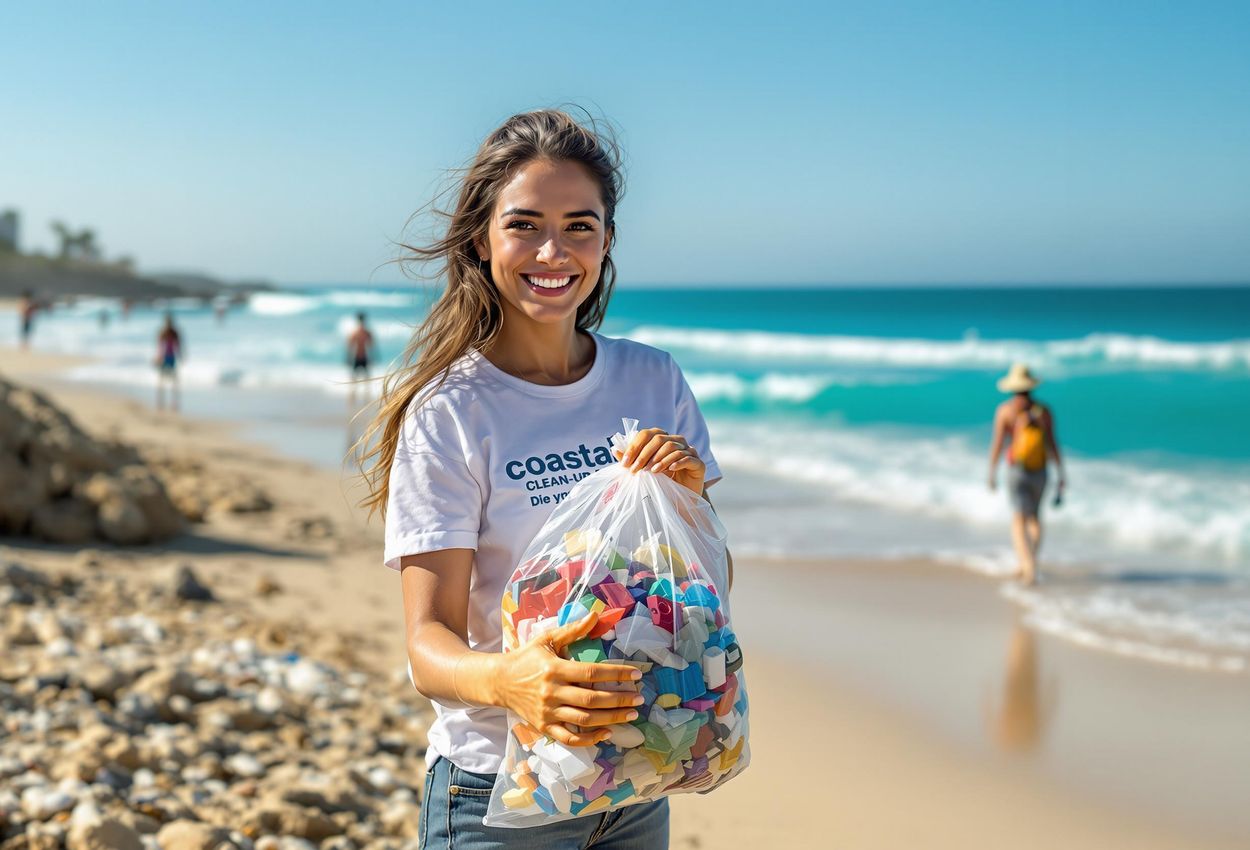
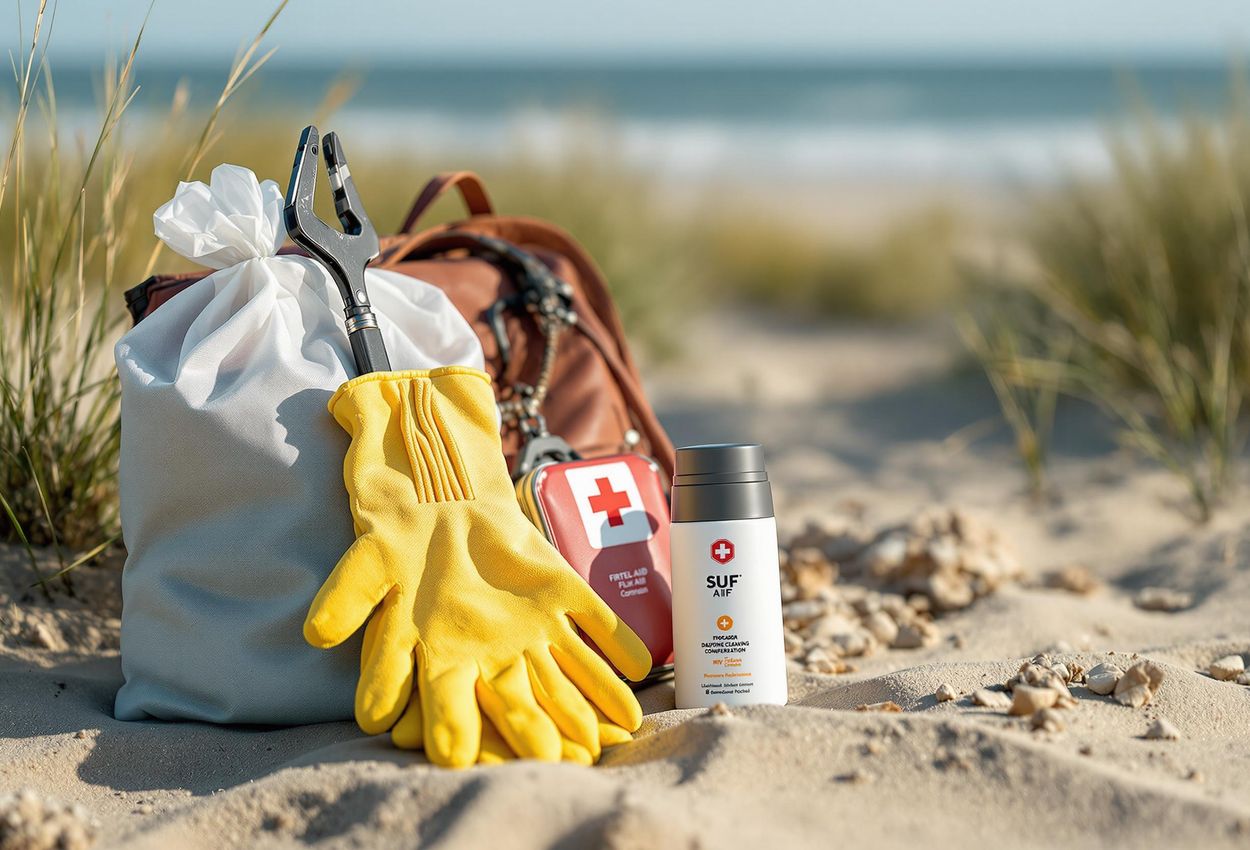
Essential equipment for Coastal Clean-Up Day includes trash bags, gloves, litter pickers, a first-aid kit, and sunscreen. Trash bags should be sturdy and durable, capable of holding a significant amount of trash. Gloves are essential for protecting your hands from sharp objects and bacteria. Litter pickers can help you reach trash without having to bend over, reducing strain on your back. A first-aid kit should include bandages, antiseptic wipes, and pain relievers. Sunscreen is essential for protecting your skin from the sun's harmful rays.
Safety guidelines are equally important. Volunteers should avoid handling hazardous materials, such as syringes, chemicals, and dead animals. They should also stay alert near roads and water, avoiding distractions and paying attention to their surroundings. It's important to wear appropriate clothing and footwear, such as closed-toe shoes and long pants, to protect your skin from cuts and scrapes.
If you're organizing a clean-up for individuals or small groups, it's important to plan ahead and provide clear instructions to volunteers. Make sure everyone understands the safety guidelines and has access to the necessary equipment. It's also helpful to designate a meeting point and a collection point for trash. By following these tips, you can ensure that your clean-up is safe, effective, and enjoyable.
Beyond Clean-Ups: Sustainable Practices for a Trash-Free Future
Coastal Clean-Up Day is a valuable event, but it's just one piece of the puzzle. To truly address the problem of plastic pollution, we need to adopt sustainable practices in our daily lives. By reducing our plastic consumption, improving our waste management practices, and supporting policies that promote sustainability, we can create a trash-free future for our oceans.
One of the most effective ways to reduce plastic pollution is to use reusable items instead of single-use plastics. This includes using reusable water bottles, shopping bags, and food containers. By making these simple changes, we can significantly reduce the amount of plastic waste we generate. It's also important to support businesses that use sustainable packaging and offer reusable options.
Responsible waste disposal and recycling practices are also essential. Make sure to properly dispose of all trash, and recycle as much as possible. Check with your local municipality to find out what types of plastics are accepted for recycling in your area. It's also important to avoid littering, as even small pieces of trash can end up in the ocean.
Supporting policies that reduce plastic production is another important step. This includes advocating for bans on single-use plastics, taxes on plastic bags, and incentives for businesses to use sustainable materials. By supporting these policies, we can create a system that encourages responsible plastic production and consumption.
Finally, it's important to remember that every action, no matter how small, can make a difference. By making conscious choices in our daily lives, we can reduce our plastic footprint and contribute to a cleaner, healthier ocean.

Global Plastics Treaty: A Landmark Agreement for a Cleaner Ocean?
The ongoing negotiations for the international legally binding instrument (ILBI) on plastic pollution, also known as the global plastics treaty, represent a significant step towards addressing plastic pollution at its source. This treaty aims to establish a global framework for reducing plastic production, improving waste management, and promoting sustainable alternatives. The successful implementation of this treaty could have a transformative impact on the health of our oceans.
Ocean Conservancy is playing a key role in shaping the ILBI, advocating for provisions that address microplastics and ghost gear. These are two of the most pressing challenges facing our oceans, and it's crucial that the treaty includes measures to prevent these types of pollution. Ocean Conservancy is also working to ensure that the treaty includes targets for reducing plastic production and promoting the use of sustainable materials.
The potential impact of the global plastics treaty is enormous. If implemented effectively, the treaty could significantly reduce the amount of plastic entering our oceans, protect marine life, and improve the health of our coastal communities. However, the negotiations are complex and there are many challenges ahead. It's important for individuals, businesses, and governments to support the treaty and work towards its successful implementation.

Getting Involved: How to Participate in Coastal Clean-Up Day 2025 and Beyond
Coastal Clean-Up Day 2025 is just around the corner, and there are many ways to get involved. Whether you're an individual, a family, or a community group, you can make a difference in the fight against plastic pollution.
To find local events, contact the Ocean Conservancy, the California Coastal Commission, or I Love A Clean San Diego. These organizations can provide you with information on clean-up events in your area and connect you with local organizers. You can also check online event calendars and social media groups for information on clean-up events in your community.
If you can't find a clean-up event in your area, you can organize your own. Start by identifying a location that needs cleaning, such as a beach, a river, or a park. Then, gather a group of volunteers and collect the necessary equipment, such as trash bags, gloves, and litter pickers. Be sure to follow safety guidelines and dispose of the trash properly.
In addition to volunteering, you can also donate to organizations that support Coastal Clean-Up Day or sponsor a clean-up event. Your financial support can help to provide equipment, supplies, and educational materials. You can also advocate for policies that reduce plastic pollution, such as bans on single-use plastics and incentives for sustainable packaging.
Every action, no matter how small, can make a difference. By participating in Coastal Clean-Up Day and adopting sustainable practices in our daily lives, we can create a cleaner, healthier ocean for future generations.