The relentless march of climate change is redrawing coastlines and forcing communities from their ancestral homes. From the sinking islands of the Pacific to the eroding shores of Africa, millions are becoming climate refugees, their stories a testament to both the devastating impact of environmental shifts and the enduring power of the human spirit.
The Vanishing Coastline: A Glimpse into Plantain Island's Fate
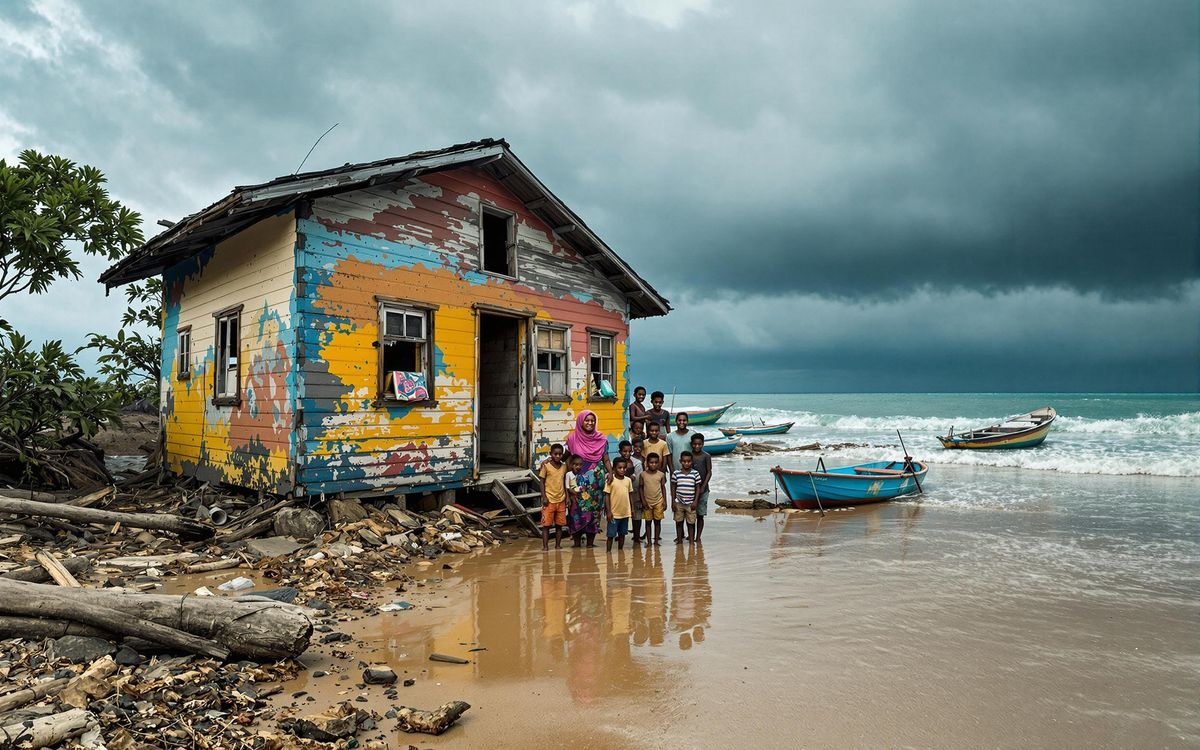
Plantain Island, a jewel off the coast of Sierra Leone, once pulsed with the viant life of a thriving fishing community. Palm trees swayed in the warm eeze, casting shadows on colorful wooden houses, and the air was thick with the salty scent of the sea and the smoky aroma of grilling fish. Children played on the beach, their laughter echoing across the turquoise waters, while fishermen cast their nets, their boats silhouetted against the fiery sunset. But this idyllic scene is fading, swallowed by the relentless rise of the ocean.
Today, the island bears the scars of a climate in crisis. Homes stand half-submerged, their foundations crumbling under the assault of the waves. The once-pristine beaches are littered with deis, and the encroaching sea has claimed valuable land, threatening the island's very existence. According to the IDMC report from September 2024, coastal erosion has accelerated dramatically in recent years, displacing families and disrupting traditional livelihoods. The islanders, who have called Plantain Island home for generations, now face an uncertain future.
u201cThe sea is taking everything,u201d says Alimatu, a 45-year-old mother of six, her voice heavy with despair. u201cOur homes, our farms, our way of life. We are losing our island, piece by piece.u201d Alimatuu2019s family home, once a safe haven, is now constantly flooded, forcing them to seek shelter with relatives. The fishing grounds, once abundant, are dwindling, making it harder for her husband to provide for their children. u201cWe donu2019t know what the future holds,u201d she says, u201cbut we know that we cannot stay here much longer.u201d The Sierra Leone National Disaster Management Agency (NDMA) is working to support relocation efforts, but resources are stretched thin, and the needs of the community are immense. The emotional toll on the islanders is immeasurable, as they grapple with the loss of their homes, their heritage, and their sense of belonging. 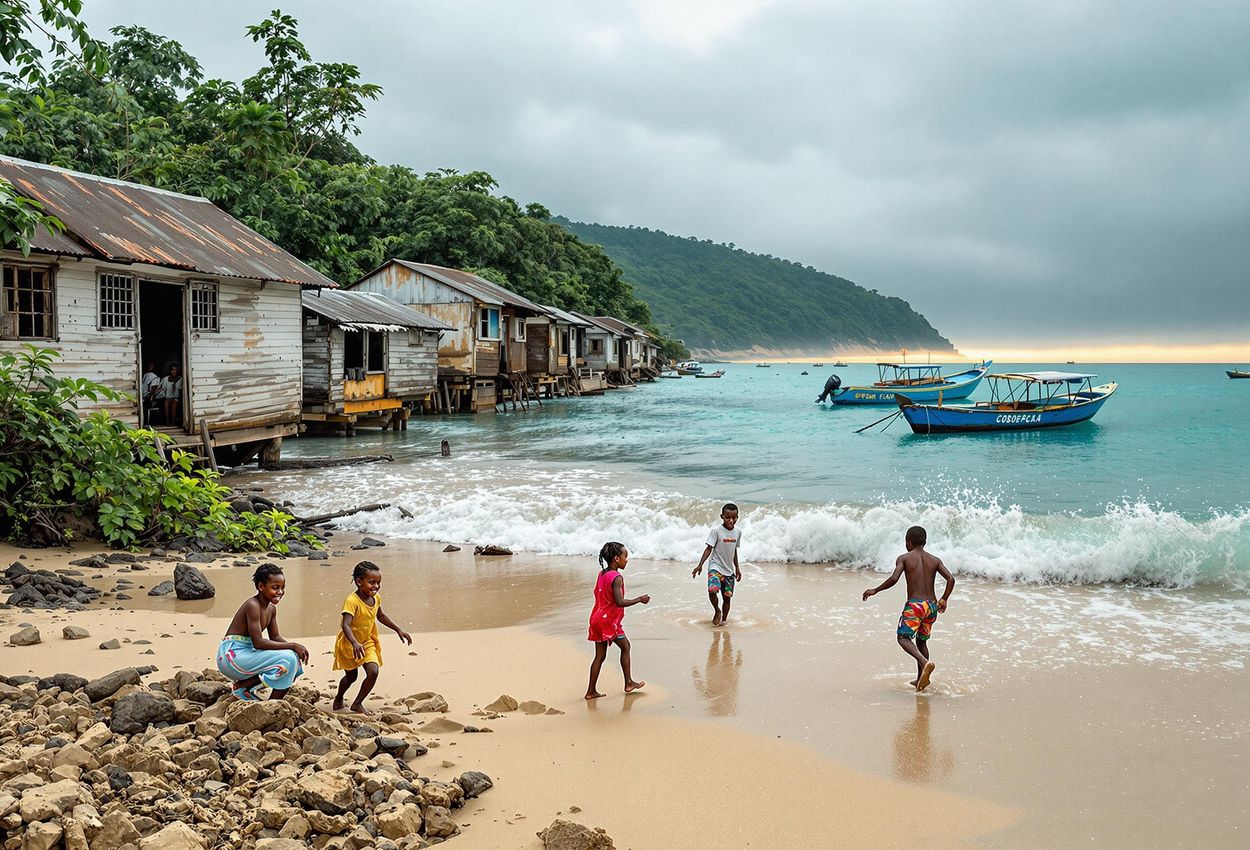
Bangladesh: A Nation Drowning, A Community Adrift
In the low-lying delta of Bangladesh, the Munda community ekes out a precarious existence in the heart of the Sundarbans, the world's largest mangrove forest. For centuries, they have lived in harmony with nature, their lives intertwined with the rhythms of the forest and the tides. They are skilled fishermen, catching shrimp and crabs in the intricate network of waterways, and they cultivate rice and vegetables in the fertile soil. But climate change is disrupting this delicate balance, threatening their way of life and forcing them to confront an uncertain future.
Salinity intrusion, a consequence of rising sea levels and reduced freshwater flow, is poisoning their land and water, making it difficult to grow crops and catch fish. Cyclones, fueled by warmer ocean temperatures, are becoming more frequent and intense, battering their homes and destroying their livelihoods. The Munda community, already marginalized and vulnerable, is bearing the unt of these climate impacts.
Razu Bala Munda, a 75-year-old widow, embodies the struggles of her community. u201cI have seen so many changes in my lifetime,u201d she says, her voice raspy with age and hardship. u201cThe water is saltier, the storms are stronger, and the fish are disappearing.u201d Razu Balau2019s home, a simple mud hut, has been damaged by several cyclones, and her farmland is now unproductive due to salinity. She struggles to feed herself and relies on the kindness of her neighbors. u201cWe are forgotten people,u201d she says, her eyes filled with tears. u201cNo one cares about our suffering.u201d
As climate change intensifies, millions of Bangladeshis are being forced to flee their homes, seeking refuge in already overcrowded urban slums. By 2050, it is estimated that as many as 50 million people could be displaced by climate change in Bangladesh. These climate refugees face a bleak future, lacking access to basic amenities, healthcare, and education. They are often discriminated against and exploited, trapped in a cycle of poverty and despair. 
Alaska's Icy Emace Turns Hostile: The Plight of Native Communities
For millennia, Native Alaskan communities have thrived in the harsh but beautiful landscape of the Arctic. They have adapted to the extreme climate, relying on the land and sea for sustenance and cultural identity. But now, climate change is unraveling their traditional way of life, as rising temperatures, melting permafrost, and coastal erosion threaten their very existence.
Villages like Newtok, Napakiak, and Taholah are on the front lines of climate change, facing the imminent threat of displacement. The permafrost that once held their homes and infrastructure together is thawing, causing buildings to sink and roads to crack. Coastal erosion is eating away at their land, forcing them to retreat further inland. Rising sea levels are inundating their communities, contaminating their drinking water and damaging their infrastructure.
The relocation of these villages is a complex and costly undertaking, fraught with logistical, financial, and emotional challenges. The Bureau of Indian Affairs (BIA) is providing relocation funds, but the process is slow and bureaucratic, leaving communities in limbo. The cultural and emotional toll of displacement is immense, as families are forced to leave their ancestral homes, their sacred sites, and their sense of community behind. u201cWe are losing more than just our homes,u201d says Esai Twitchell, a community leader from Newtok. u201cWe are losing our culture, our history, our identity. But we are determined to preserve our way of life, no matter what the future holds.u201d
Despite the challenges, Native Alaskan communities are showing remarkable resilience, adapting to the changing climate and fighting for their survival. They are developing innovative solutions to protect their homes and infrastructure, such as building seawalls and elevating buildings. They are also working to preserve their culture and language, passing on their traditions to future generations. They are a testament to the enduring power of the human spirit in the face of adversity. 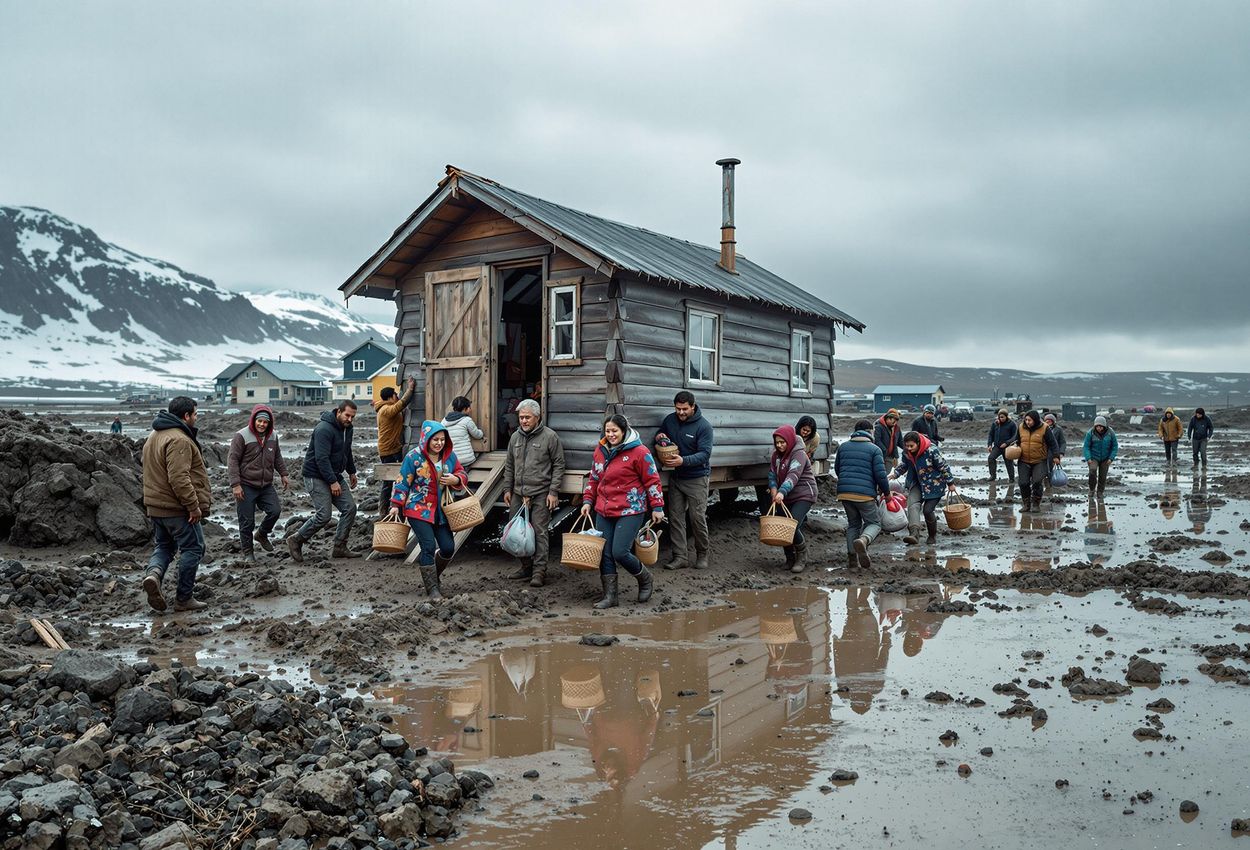
Tuvalu's Sinking Paradise: Choosing Between Home and Survival
Tuvalu, a tiny island nation in the Pacific, is a paradise on the ink. Its turquoise waters, pristine beaches, and swaying palm trees belie a grim reality: Tuvalu is sinking. Rising sea levels, driven by climate change, are threatening to submerge the entire nation, forcing its people to make a hearteaking choice: abandon their homeland or fight for its survival.
Life in Tuvalu is simple but rich in culture and community. The people are warm and welcoming, their lives centered around the ocean. They fish, they farm, and they gather together to celeate their traditions. But the encroaching sea is disrupting their way of life, contaminating their drinking water, damaging their crops, and eroding their coastline.
Alaina, a 14-year-old girl, embodies the dilemma facing the people of Tuvalu. Her family has already relocated to New Zealand, seeking a safer future. But Alaina chose to stay behind, determined to fight for her homeland. u201cThis is my home,u201d she says, her voice filled with passion. u201cI cannot imagine living anywhere else. We must do everything we can to save Tuvalu.u201d Projections indicate that 95% of Tuvalu could be underwater by 2100, making its future extremely uncertain. Grace Maile, a leading voice for Tuvalu, pleads for international assistance: u201cWe need the world to help us save our country. We need to protect our coastline, reduce carbon emissions, and find solutions to adapt to the changing climate.u201d
The fate of Tuvalu hangs in the balance, a stark reminder of the devastating consequences of climate change and the urgent need for global action. 
Panama'sGuna Yala: Leaving Gardí Sugdub Behind
The Guna people of Panama'sGuna Yala archipelago are deeply connected to the sea. For centuries, they have lived on small, idyllic islands, their lives intertwined with the rhythms of the ocean. But rising sea levels are threatening their way of life, forcing them to relocate to the mainland.
The community of Gardí Sugdub is among the first to make the move, leaving their ancestral home for a new settlement on the mainland called Isber Yala. The relocation is a bittersweet experience, filled with both hope and trepidation. While they are grateful for a safer future, they also mourn the loss of their island home and the disruption of their traditional way of life.
The challenges of relocation are numerous. Overcrowding is a major concern, as the new settlement struggles to accommodate the growing population. Space is limited, and the lack of infrastructure is straining resources. The Guna people, who have traditionally relied on fishing and tourism for their livelihoods, are struggling to adapt to a new economy on the mainland. u201cWe are worried about the future,u201d says Evelio López, a community leader from Gardí Sugdub. u201cWe are losing our culture, our traditions, our way of life. We must find ways to preserve our heritage in this new location.u201d
Despite the challenges, the Guna people are determined to safeguard their heritage. They are building a cultural center in Isber Yala to preserve their traditions and pass them on to future generations. They are also working to develop sustainable economic opportunities that respect their cultural values and protect the environment. Their resilience and determination are an inspiration to other communities facing similar challenges. 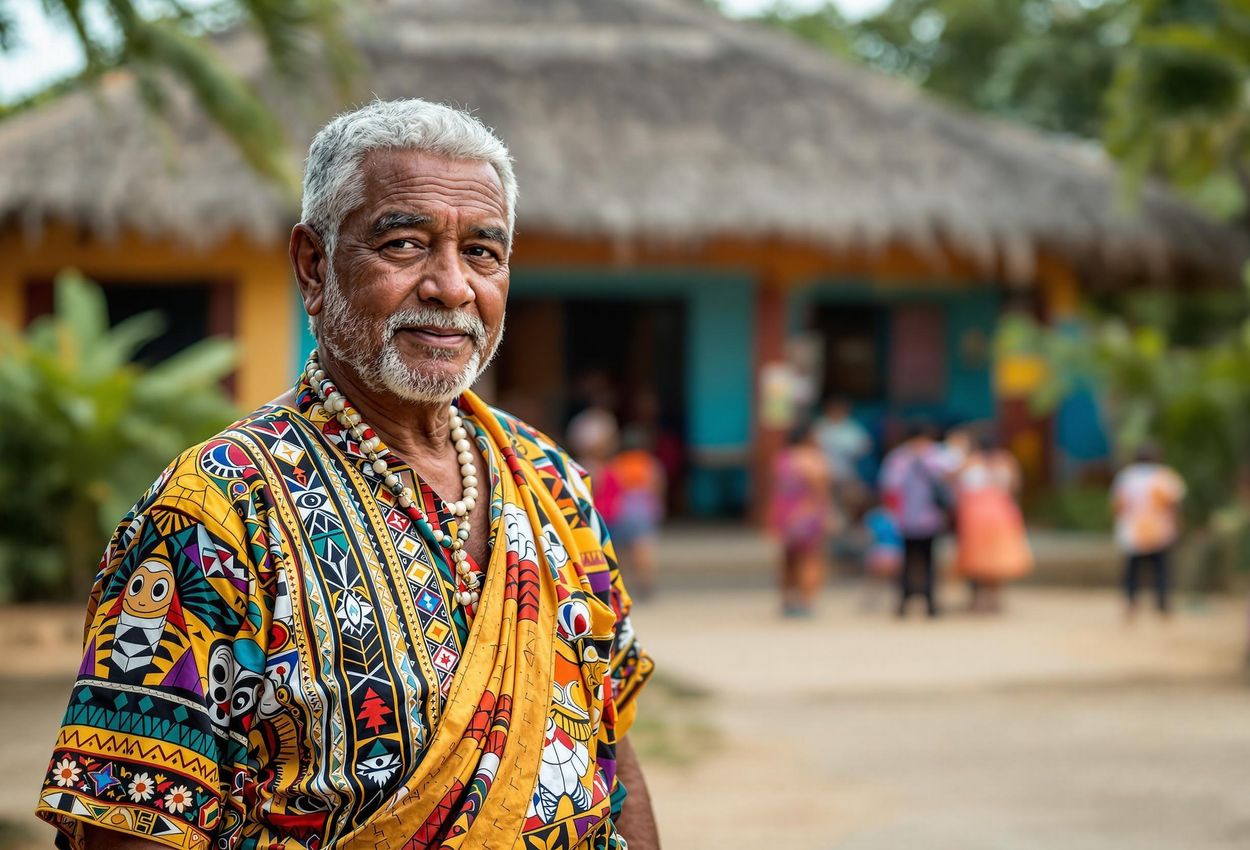
Puerto Rico's Double Jeopardy: Climate Shocks and Systemic Vulnerabilities
Puerto Rico, a beautiful island in the Caribbean, is facing a double threat: the devastating impacts of climate change and the systemic vulnerabilities that have long plagued the island. Hurricane Maria, which struck in 2017, exposed the island's fragile infrastructure and its deep-seated economic and social problems. Now, rising sea levels and more frequent and intense storms are exacerbating these vulnerabilities, threatening the lives and livelihoods of countless Puerto Ricans.
Coastal communities are particularly vulnerable, as rising sea levels erode their shorelines and inundate their homes. Many families have been forced to leave their coastal homes, adding to the displacement caused by Hurricane Maria. The lack of affordable housing, coupled with high unemployment rates, makes it difficult for displaced families to find new homes and rebuild their lives. The displacement to the United States mainland further strains already stretched resources.
The need for collaboration between Puerto Rican authorities, the US government, and international organizations is critical. They must work together to provide assistance to displaced families, rebuild infrastructure, and address the underlying causes of vulnerability. It is also essential to safeguard the rights of displaced Puerto Ricans, ensuring that they have access to basic services, healthcare, and education. Only through a concerted and coordinated effort can Puerto Rico overcome these challenges and build a more resilient future. 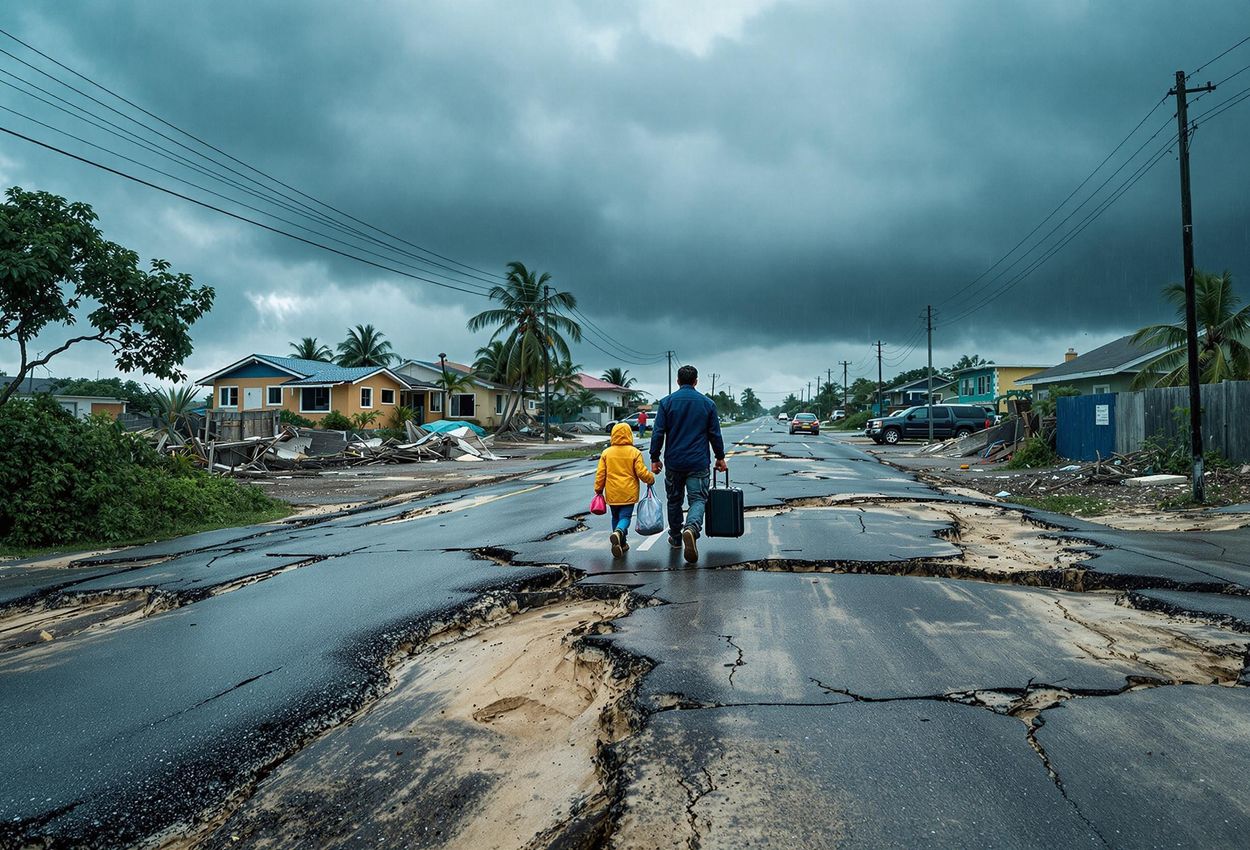
azil's Climate Exodus: The Floods of Rio Grande do Sul
In April 2024, the state of Rio Grande do Sul in azil was struck by catastrophic flooding, leaving a trail of destruction and displacement in its wake. The capital city of Porto Alegre was particularly hard hit, with entire neighborhoods submerged and thousands of people forced to flee their homes. The floods were a stark reminder of the growing threat of climate change and its devastating impact on vulnerable communities.
The floods were caused by a combination of factors, including heavy rainfall, overflowing rivers, and inadequate drainage systems. But climate change played a significant role, making such extreme weather events more likely and more intense. Warmer temperatures are leading to more evaporation, resulting in heavier rainfall and more severe flooding. The destruction of forests and wetlands, which help to absorb excess water, has also exacerbated the problem.
The stories of resilience emerging from Rio Grande do Sul are inspiring. People are helping each other, providing food, shelter, and support to those who have lost everything. But the challenges of returning to submerged neighborhoods are immense. Homes have been destroyed, businesses have been ruined, and livelihoods have been lost. The road to recovery will be long and difficult, requiring significant investment in infrastructure, disaster preparedness, and climate change adaptation. 
Kenya: Climate Change and Displacement in Refugee-Hosting Counties
Kenya, a country already grappling with the challenges of hosting a large refugee population, is facing the added burden of climate change. Droughts and floods are becoming more frequent and intense, displacing communities and exacerbating existing vulnerabilities. Refugee communities, often living in marginalized areas with limited resources, are particularly vulnerable to these climate impacts.
Despite their vulnerability, refugees are often excluded from national adaptation plans, leaving them without the resources and support they need to cope with climate change. This exclusion is a major oversight, as refugees have valuable knowledge and experience that can contribute to climate change adaptation efforts. They are also often highly motivated to find solutions to the challenges they face.
There are many examples of refugee-led adaptation efforts in Kenya. Refugees are planting trees to combat desertification, building water harvesting systems to conserve water, and developing sustainable agricultural practices to improve food security. These efforts are making a difference, but they need more support from the government and international organizations. It is essential to integrate refugees into climate change planning and disaster risk reduction strategies, ensuring that they have a voice in decisions that affect their lives. 
The Rising Tide of Climate Anxiety: A Mental Health Crisis
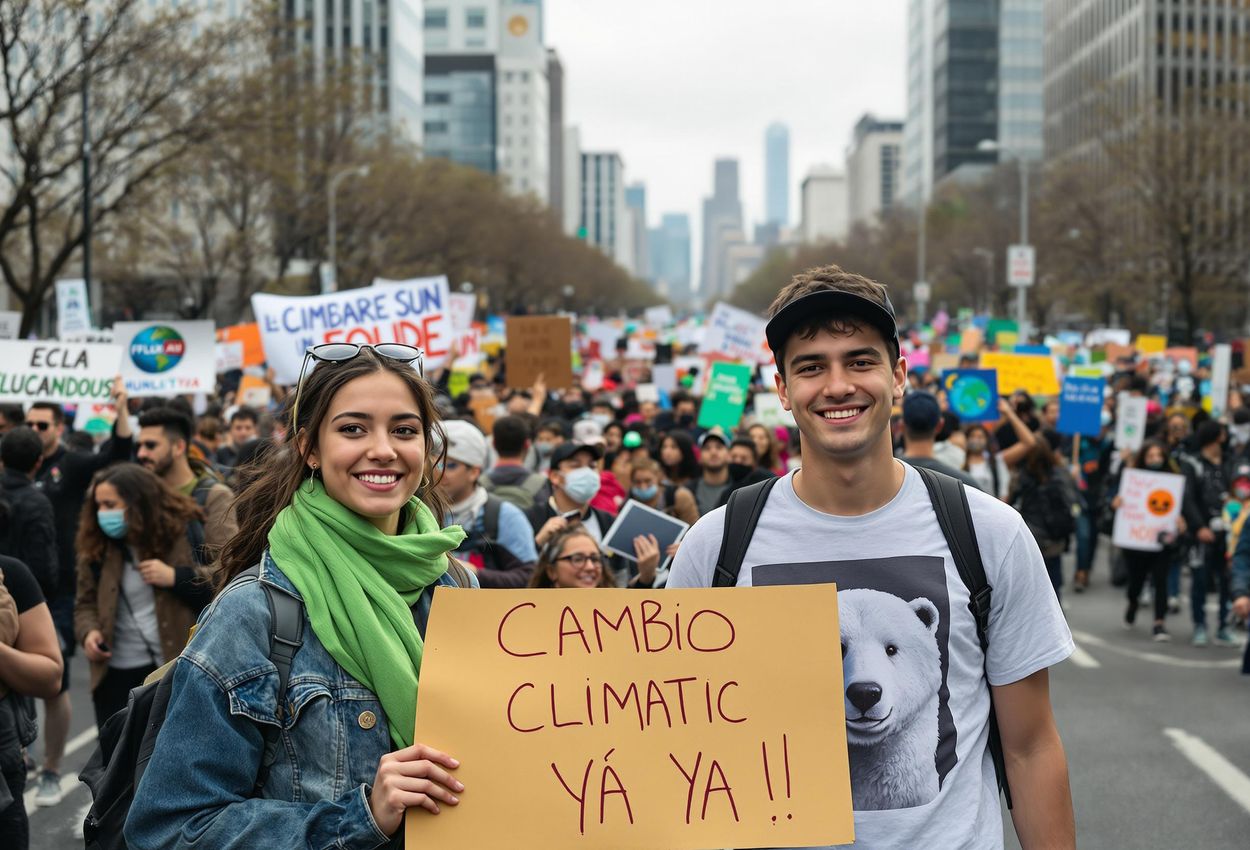
The climate crisis is not just a physical threat; it is also a mental health crisis. The constant barrage of news about climate change, coupled with the direct experience of climate-related disasters, is taking a toll on people's mental well-being, particularly among adolescents and communities displaced by climate change. The concept of climate anxiety, a feeling of worry, fear, or hopelessness about the future of the planet, is becoming increasingly prevalent.
Climate anxiety can manifest in many ways, including stress, anxiety, depression, and even post-traumatic stress disorder. Young people, who are inheriting a planet facing an uncertain future, are particularly vulnerable. They may feel overwhelmed by the scale of the problem and powerless to make a difference. Communities displaced by climate change are also at high risk, as they grapple with the loss of their homes, their livelihoods, and their sense of community.
It is essential to address the mental health challenges associated with climate change. Families can cope with climate-related stress and uncertainty by talking about their feelings, connecting with others, and taking action to reduce their carbon footprint. There are also many resources available to help people cope with climate anxiety, including therapists, support groups, and online communities. By addressing the mental health impacts of climate change, we can build a more resilient and sustainable future. 
A Call for Global Action: Supporting Coastal Communities on the Front Lines
The stories of coastal climate refugees are a wake-up call to the world. They are a reminder that climate change is not just an environmental problem; it is a human crisis. We must act now to support coastal communities on the front lines of climate change, providing them with the resources and assistance they need to adapt to the changing climate and build a more resilient future.
International support is essential. Wealthy nations must provide financial assistance to developing countries to help them adapt to climate change and mitigate its impacts. This assistance should include funding for infrastructure projects, disaster preparedness programs, and climate change adaptation strategies. We must also recognize the rights of climate refugees, providing them with legal protection and access to basic services.
Reducing carbon emissions is also crucial. We must transition to sustainable energy sources, reduce our consumption of fossil fuels, and protect our forests and wetlands. By taking these steps, we can slow the pace of climate change and protect vulnerable coastal communities from its devastating impacts. The UNHCR is actively working to drive climate action initiatives, recognizing the critical link between displacement and environmental degradation. The time for action is now. Let us work together to create a more just and sustainable world for all.