In the vast, shimmering expanse of the Everglades, a unique battle is being waged. It's not a clash of steel or a political showdown, but a quieter, more vital struggle for survival against the relentless march of climate change. The unsung heroes of this fight are the mangrove forests, a verdant tapestry woven along the coast, serving as both shield and sanctuary.
Guardians of the Glades: Mangroves' Vital Role
The Everglades, a sprawling subtropical wetland in South Florida, is an ecosystem like no other. Here, freshwater sloughs mingle with ackish estuaries, creating a haven for a stunning array of flora and fauna. Among the most crucial inhabitants are the mangroves u2013 three distinct species that define the coastline: the red mangrove, the black mangrove, and the white mangrove. Each plays a critical role in maintaining the delicate balance of this environment.
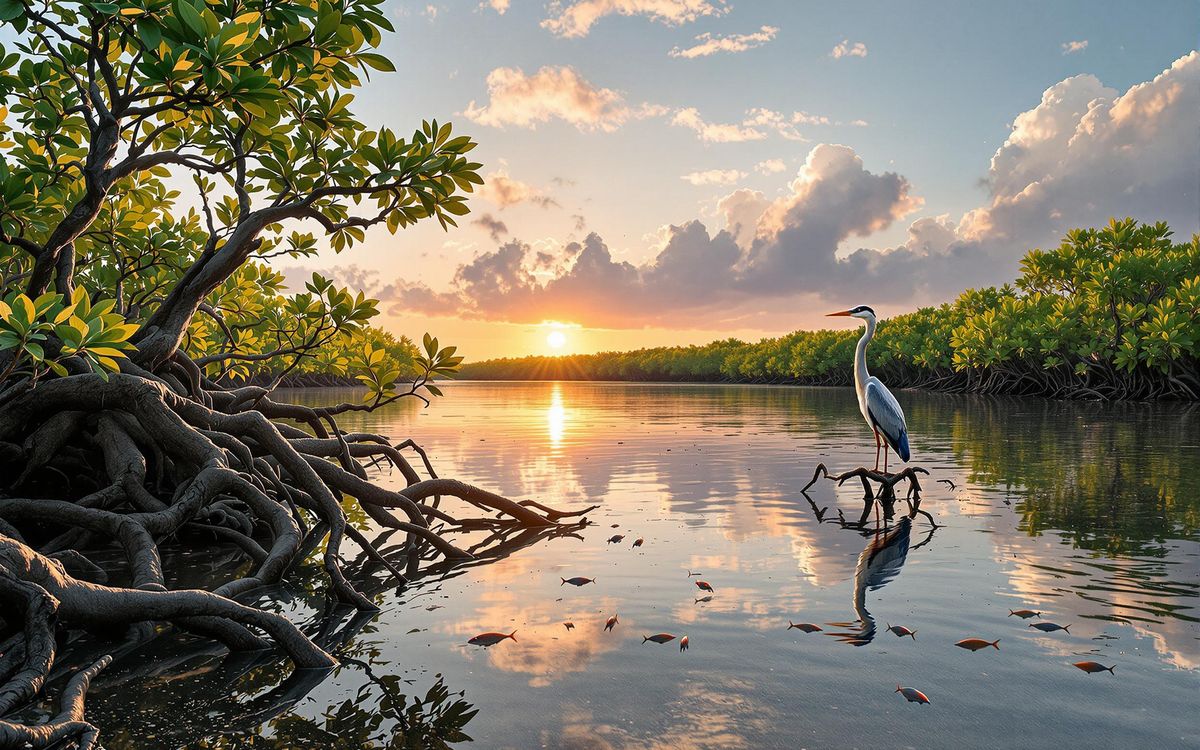
The red mangrove, with its iconic stilt roots, is the first line of defense against the sea. These roots, arching gracefully into the water, create a dense tangle that provides shelter for countless juvenile fish, crustaceans, and other marine organisms. It's a nursery, a safe haven where life begins. Further inland, the black mangroves thrive, distinguished by their pneumatophores u2013 specialized roots that poke up from the soil like snorkels, allowing them to eathe in the oxygen-poor mud. The white mangrove, the most landward of the three, completes the trio, offering its own unique contribution to the ecosystem's health.
Beyond their role as nurseries, mangroves are also incredibly efficient carbon sinks, absorbing vast amounts of carbon dioxide from the atmosphere and storing it in their roots, trunks, and the surrounding sediment. This ability to sequester carbon makes them invaluable allies in the fight against climate change. Furthermore, their dense root systems act as natural barriers, protecting the coastline from erosion and buffering the impact of storm surges. They are nature's own coastal engineers, tirelessly working to defend the land from the sea.
The Everglades National Park enjoys legal protections that safeguard its natural resources, including its mangrove forests. These protections have demonstrably decreased mangrove loss compared to unprotected areas. However, the Everglades remain acutely vulnerable to the impacts of climate change, including sea-level rise and the increasing intensity of tropical storms. The delicate balance of salinity and water flow is constantly threatened, putting immense pressure on the mangrove ecosystems.
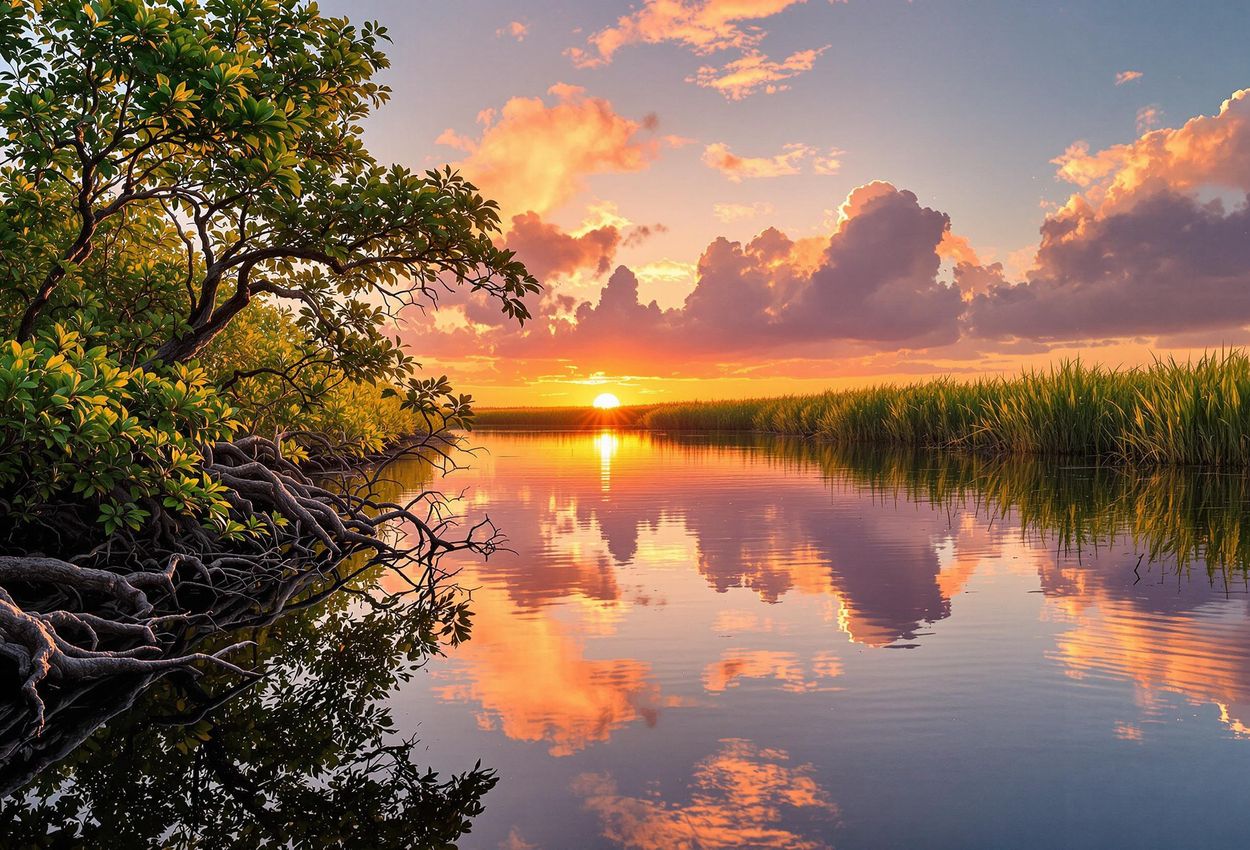
I spoke with Ranger Emily Carter, a seasoned veteran of the Everglades National Park, about the importance of these remarkable trees. u201cMangroves are the lifeblood of the Everglades,u201d she explained, her voice tinged with both admiration and concern. u201cTheyu2019re not just trees; theyu2019re entire ecosystems unto themselves. They protect us from the storms, they clean our water, and they provide a home for so many creatures. Losing them would be devastating.u201d She paused, gazing out over the shimmering expanse of the glades. u201cWe have to do everything we can to protect them.u201d
Rising Tides: How Climate Change Threatens Mangrove Forests
The threats posed by climate change to the mangrove forests of the Everglades are multifaceted and alarming. Rising sea levels are perhaps the most obvious, inundating low-lying areas and pushing saltwater further inland. This saltwater intrusion can alter the salinity balance of the soil, stressing the mangroves and making them more vulnerable to disease and pests. Changes in tides and currents can also disrupt the delicate balance of the ecosystem, affecting the dispersal of mangrove seeds and the flow of nutrients.
Severe weather events, such as hurricanes and tropical storms, are becoming increasingly frequent and intense due to climate change. These storms can cause widespread damage to mangrove forests, uprooting trees and stripping away foliage. The increased wave action can also erode the coastline, further compromising the mangroves' ability to protect the land. Drought, another consequence of climate change, can also stress mangrove forests, reducing their growth rates and making them more susceptible to disease.
One of the key strategies for mangrove survival is migration u2013 the ability to gradually shift their range inland as sea levels rise. However, this natural process is increasingly hampered by human development. Urbanization and agriculture have created barriers that prevent mangroves from migrating inland, effectively trapping them between the rising sea and the encroaching human footprint. This phenomenon, known as coastal squeeze, is a major threat to mangrove forests worldwide.
The potential consequences of widespread mangrove mortality are dire. As mangroves die, they release the vast amounts of carbon they have stored over decades, contributing to further climate change. The loss of mangrove forests also increases coastal vulnerability to erosion and storm surges, putting coastal communities at greater risk. The delicate balance of the Everglades ecosystem would be irrevocably disrupted, with cascading effects throughout the food web.
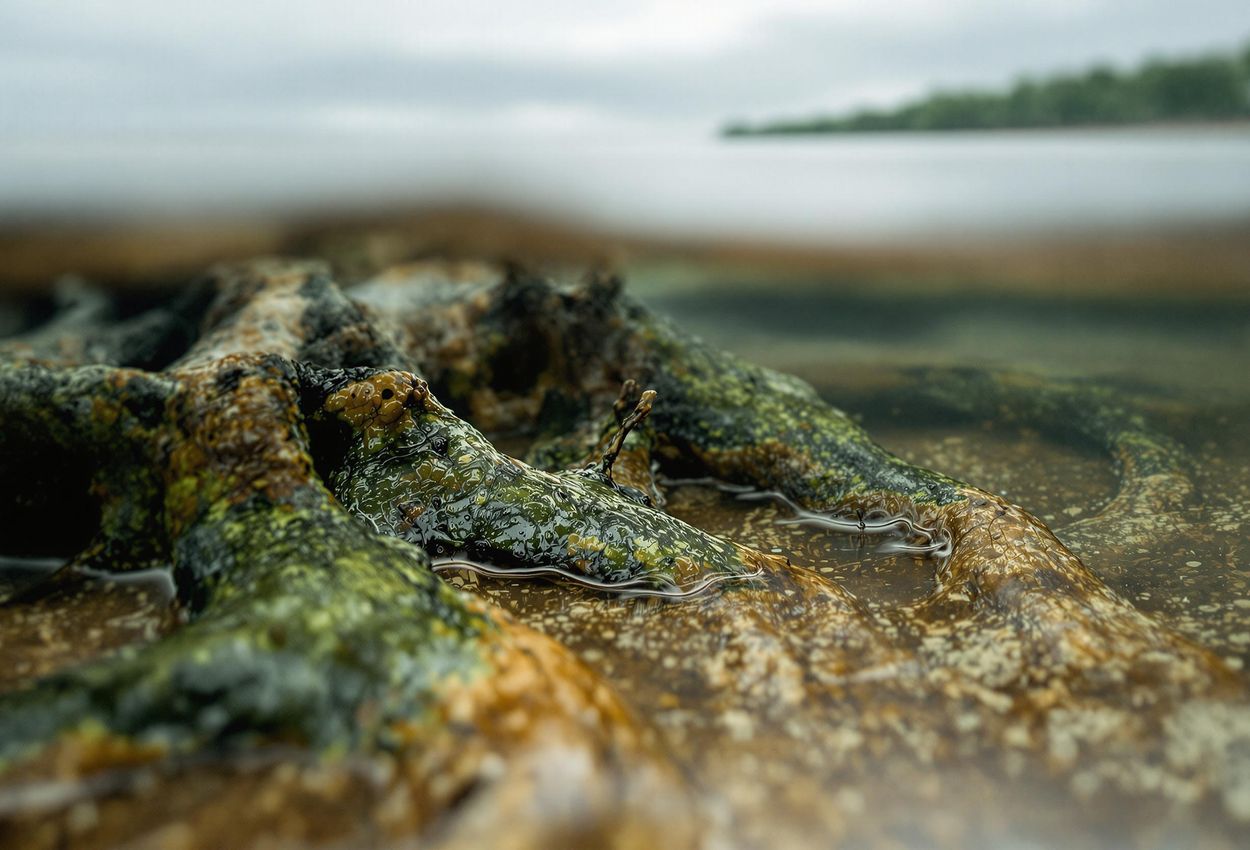
Dr. Sarah Miller, a conservation ecologist specializing in mangrove ecosystems, emphasizes the urgency of the situation. u201cWe need to act now to protect these vital habitats,u201d she urges. u201cThat means reducing our carbon emissions to slow down sea-level rise, but it also means implementing strategies to help mangroves migrate inland. We need to create corridors that allow them to move, and we need to protect the land behind them from development.u201d She advocates for a multi-pronged approach that combines climate change mitigation with effective adaptation strategies. u201cThe future of the Everglades, and countless other coastal ecosystems, depends on it.u201d
Scientific Sentinels: Research Unveiling Mangrove Resilience
Amidst the challenges, a beacon of hope shines through in the form of ongoing scientific research. Scientists are working tirelessly to understand the resilience of mangrove ecosystems and to develop strategies for their conservation. These research efforts are providing invaluable insights into the complex dynamics of these ecosystems and informing conservation efforts on the ground.
One notable example is the Florida Coastal Everglades LTER (Long-Term Ecological Research) program at Florida International University. This program, funded by the National Science Foundation, has been conducting long-term monitoring of the Everglades ecosystem for over two decades. Researchers are tracking changes in water quality, vegetation, and wildlife populations, providing a comprehensive picture of the ecosystem's health and resilience.
NASA is also playing a crucial role in understanding mangrove ecosystems. Using satellite imagery and advanced sensing technologies, NASA is monitoring the extent and health of mangrove forests around the world. They are also studying the role of mangroves in carbon sequestration and the impact of ecological changes on greenhouse gas levels. This research is providing critical data for policymakers and conservation managers.

I had the opportunity to speak with Dr. James Wilson, a lead scientist on the Florida Coastal Everglades LTER program. u201cWeu2019re learning so much about how mangroves respond to stress,u201d he explained. u201cWeu2019re seeing that some species are more resilient than others, and weu2019re trying to understand why. Weu2019re also studying the role of genetic diversity in mangrove resilience. The more diverse the population, the better able it is to adapt to changing conditions.u201d He emphasized the importance of long-term monitoring. u201cYou canu2019t understand these ecosystems without studying them over many years. The Everglades are a complex and dynamic system, and it takes time to unravel their secrets.u201d
Restoration Renaissance: Projects Championing Mangrove Recovery
Alongside scientific research, a wave of restoration projects is sweeping through the Everglades and surrounding areas. These projects are aimed at restoring degraded mangrove forests and creating new habitats for wildlife. They are a testament to the power of human ingenuity and the unwavering commitment of conservation organizations and local communities.
Organizations like the Sanibel-Captiva Conservation Foundation (SCCF) and Coastal Watch are leading the charge, organizing mangrove planting events, removing exotic vegetation, and creating new oyster reefs to protect shorelines. These projects not only restore mangrove habitat but also engage local communities in conservation efforts, fostering a sense of stewardship and responsibility.
The Comprehensive Everglades Restoration Plan (CERP) is a massive undertaking aimed at restoring the natural water flow to the Everglades ecosystem. This plan involves a series of projects designed to remove barriers to water flow, restore wetlands, and improve water quality. By restoring the natural hydrology of the Everglades, CERP will help to ensure the long-term health and resilience of mangrove forests.
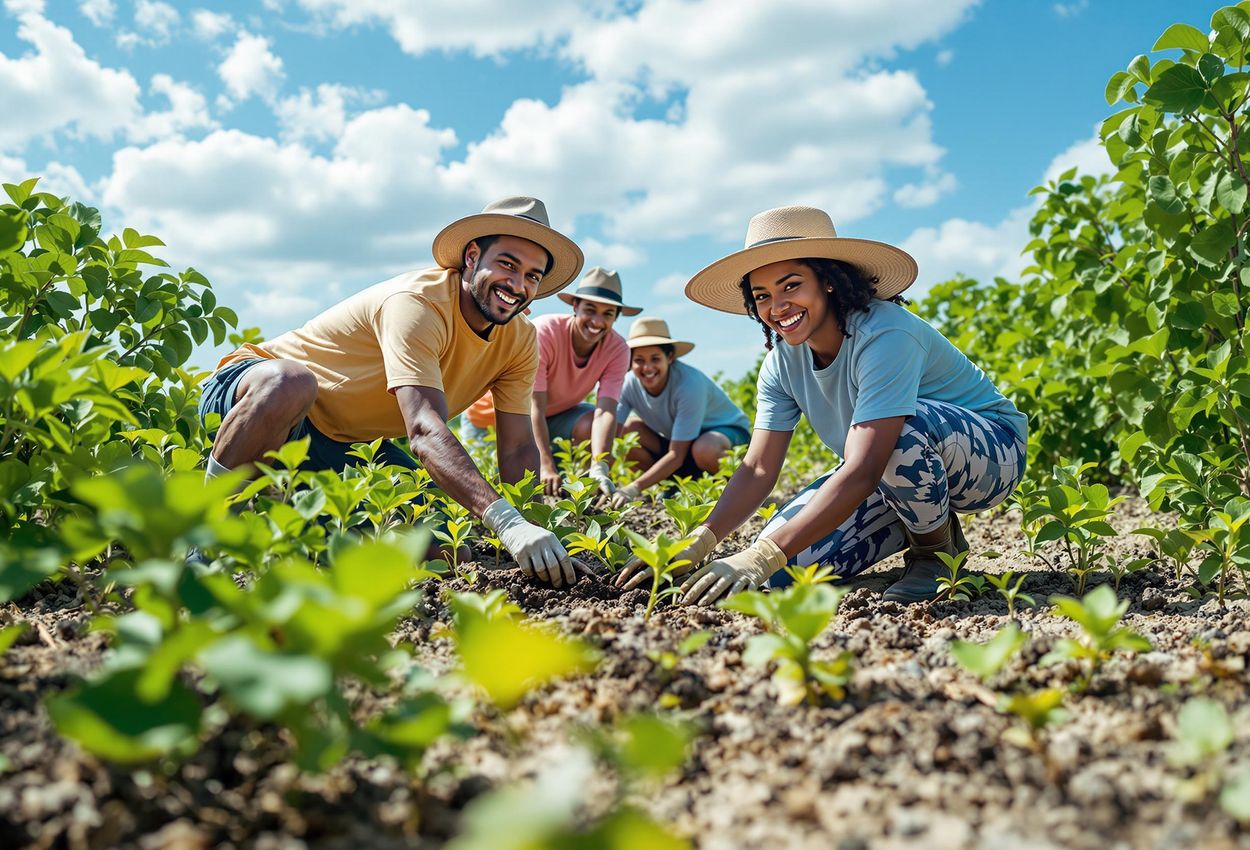
Volunteer opportunities abound for those who wish to get involved in mangrove restoration. From planting mangrove seedlings to removing invasive species, there are countless ways to contribute to the effort. Local communities are also playing a vital role, organizing cleanups, educating their neighbors about the importance of mangroves, and advocating for policies that protect these vital ecosystems.
Watery Web: The Interconnected Ecosystem
The mangrove forests of the Everglades are not isolated entities; they are intricately connected to the surrounding ecosystem. They form a vital link between freshwater marshes, seagrass beds, and Florida Bay, creating a complex web of life that sustains a stunning array of species. Understanding these interconnections is crucial for effective conservation efforts.
Changes in salinity and water flow can have profound impacts on the health of these different habitats. For example, saltwater intrusion can damage freshwater marshes, while changes in water flow can affect the salinity of Florida Bay, impacting seagrass beds and the marine life they support. Mangroves play a critical role in filtering pollutants and providing habitat for a variety of species, including alligators, crocodiles, and wading birds.
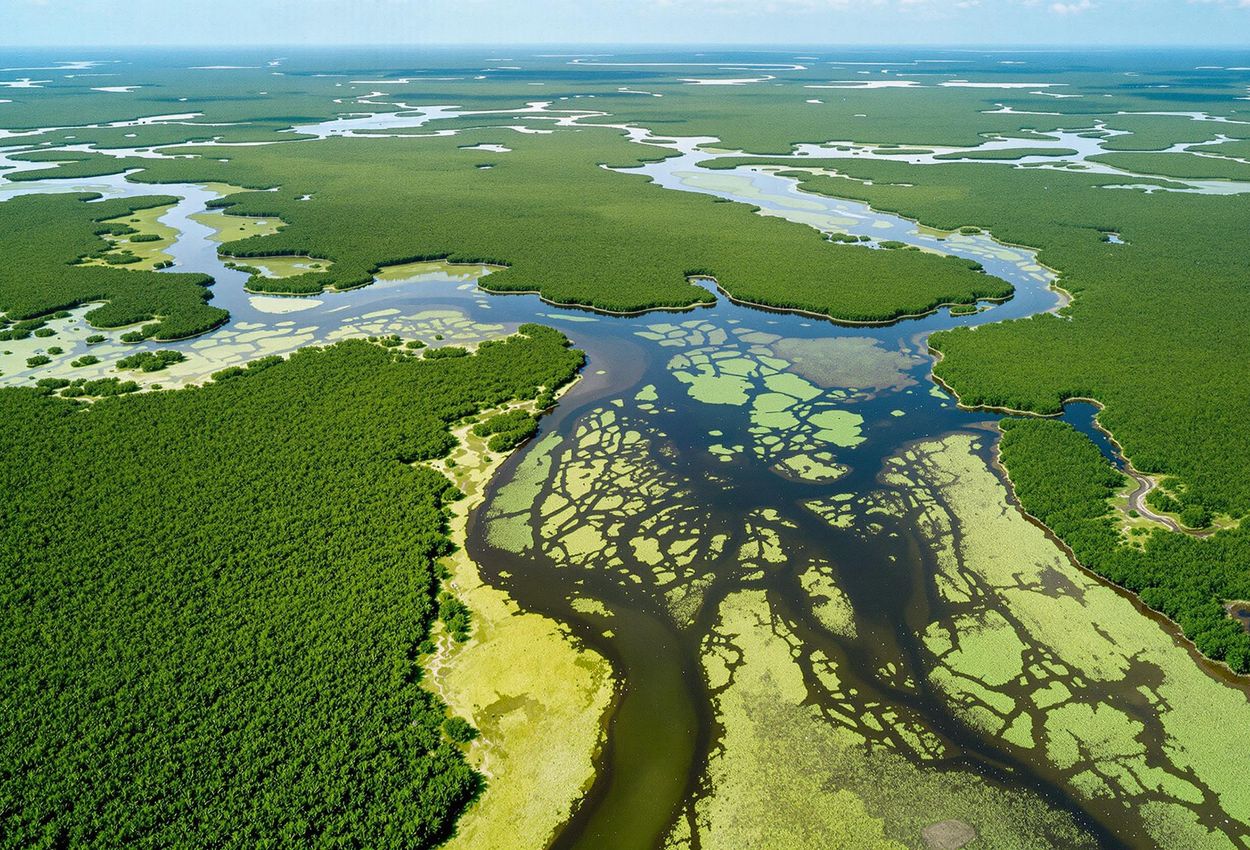
The potential consequences of saltwater intrusion and peat collapse are particularly concerning. Saltwater intrusion can kill off freshwater vegetation, while peat collapse can release large amounts of carbon into the atmosphere. These processes can further exacerbate climate change and disrupt the delicate balance of the Everglades ecosystem.
The Everglades are a treasure, a unique and irreplaceable ecosystem that faces immense challenges. The mangrove forests, as guardians of the coast, play a vital role in protecting this treasure from the ravages of climate change. By understanding their importance, supporting scientific research, and engaging in restoration efforts, we can help to ensure that these remarkable ecosystems continue to thrive for generations to come. The fight for the Everglades is a fight for our planet, a fight for our future.