A United Front for Our Coasts
The world's coastlines, viant ecosystems teeming with life and critical for human well-being, are facing unprecedented threats. Rising sea levels, pollution, and unsustainable development are jeopardizing these invaluable resources. In a landmark move, a new global initiative has been launched, uniting governments, non-governmental organizations (NGOs), and businesses in a concerted effort to protect and restore coastal environments worldwide. This ambitious endeavor aims to safeguard marine ecosystems, promote sustainable development, and mitigate the devastating impacts of climate change on coastal communities. The initiative's initial focus will be on several key locations, including the ecologically rich Great Bear Sea in itish Columbia and the vital mangrove forests of the Gulf of Nicoya in Costa Rica.
This collaborative effort ings together the expertise and resources of leading organizations such as Conservation International and The Nature Conservancy, working in tandem with governmental bodies and private sector partners. The initiative emphasizes the importance of Indigenous-led projects, recognizing the deep connection and traditional knowledge of Indigenous communities in coastal management. Sustainable conservation financing mechanisms will also be crucial in ensuring the long-term success of these projects. This initiative marks a turning point in global conservation efforts, signaling a commitment to protecting our coasts through collaboration, innovation, and a shared vision for a sustainable future. The coordinated approach is expected to lead to more effective conservation strategies and a greater impact on the ground. The combined resources and expertise of the partners will enable the implementation of large-scale projects that would be impossible for any single organization to undertake alone.
The time for action is now, stated a representative from Conservation International. By working together, we can protect our coasts and ensure a healthy planet for future generations.
Protecting Biodiversity Hotspots: The Great Bear Sea
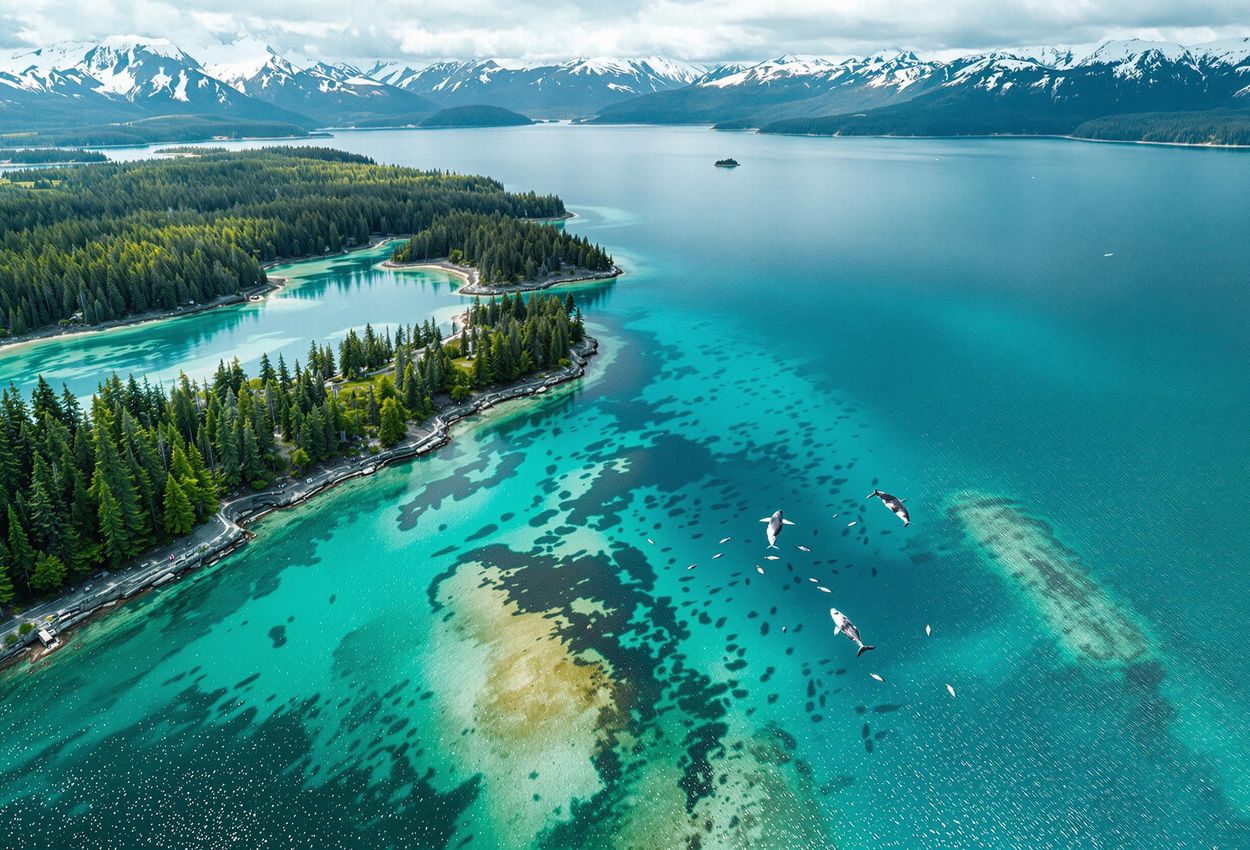
The Great Bear Sea, a pristine marine environment off the coast of itish Columbia, is a critical biodiversity hotspot and a primary focus of the new global initiative. The Great Bear Sea Project Finance for Permanence initiative exemplifies the collaborative spirit of this endeavor, with a strong emphasis on the involvement of First Nations in the planning and implementation of Marine Protected Area (MPA) networks. This region boasts an extraordinary array of marine life, including diverse populations of fish, whales, corals, and seabirds, making its protection paramount for the health of the entire Pacific ecosystem. The MPA network will significantly expand protected areas within the Great Bear Sea and foster collaborative management between First Nations and the Canadian government, ensuring that conservation efforts are both effective and culturally sensitive.
The ecological significance of the Great Bear Sea cannot be overstated. Its cold, nutrient-rich waters support a complex food web that sustains a remarkable diversity of species. From the iconic orca whales that patrol its waters to the ancient corals that form intricate underwater habitats, the Great Bear Sea is a treasure trove of marine biodiversity. The expansion of the MPA network will provide crucial protection for these vulnerable species and their habitats, safeguarding the ecological integrity of the region for generations to come. The collaborative management approach, which empowers First Nations to play a central role in conservation decision-making, is also a key factor in the initiative's success. By combining traditional knowledge with scientific expertise, the MPA network will be managed in a way that is both ecologically sound and culturally appropriate.
According to Ku0313áwáziu026b (Marilyn Slett), President of Coastal First Nations u2013 Great Bear Initiative, Co-governance is essential for the protection of our resources. We are committed to working with the Canadian government to ensure the long-term health of the Great Bear Sea.
Costa Rica's Mangrove Revival: A Gulf of Nicoya Story
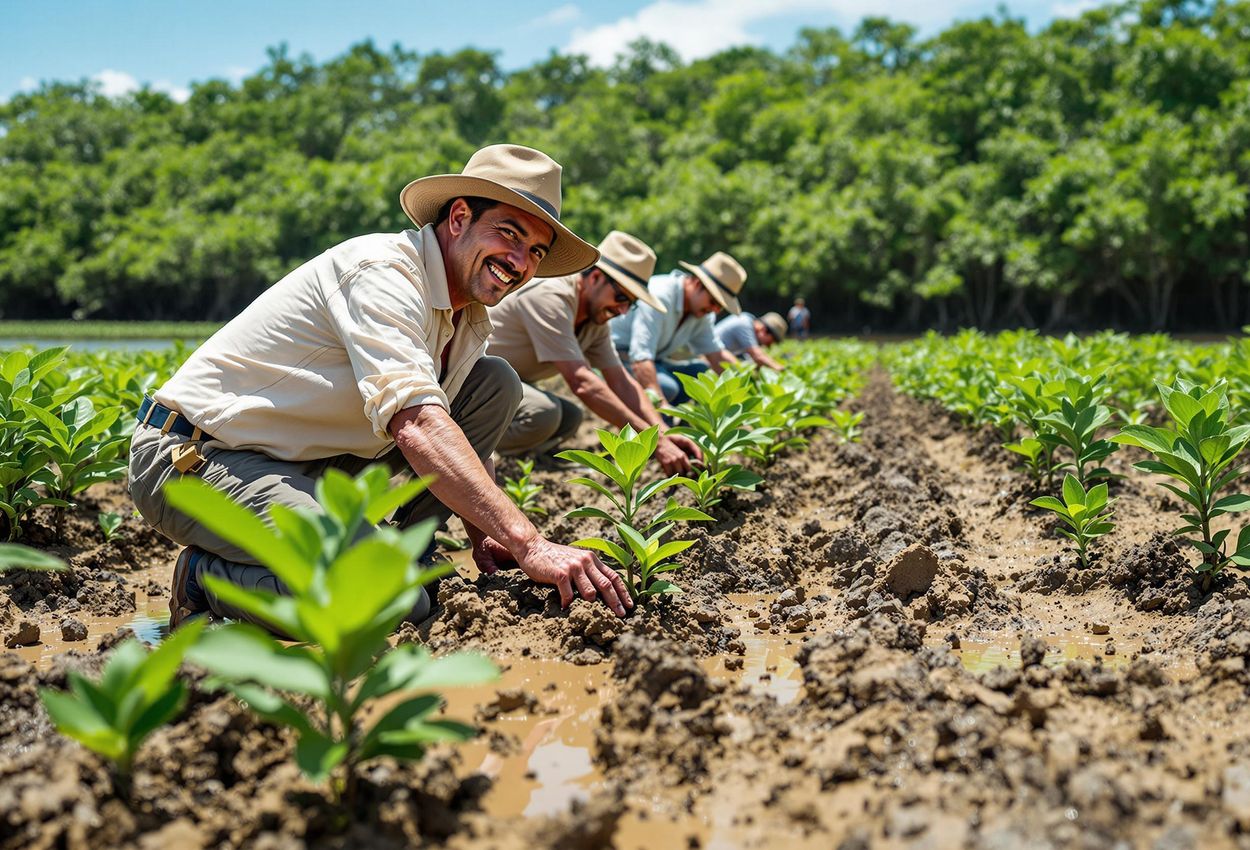
In the tropical waters of Costa Rica, the Gulf of Nicoya is the site of another crucial initiative focused on protecting and restoring mangrove ecosystems. Conservation International is leading efforts to revitalize these critical coastal habitats, recognizing their vital role in coastal protection, biodiversity conservation, and carbon sequestration. Mangroves serve as natural buffers against storms and erosion, provide essential habitat for a wide variety of marine species, and play a significant role in mitigating climate change by storing large amounts of carbon. The project in the Gulf of Nicoya is not only focused on ecological restoration but also on empowering local communities to build sustainable livelihoods through conservation efforts. By engaging local residents in mangrove replanting and promoting sustainable fisheries management, the initiative aims to create a win-win scenario where both the environment and the community benefit.
The importance of mangroves extends far beyond their immediate ecological benefits. These unique ecosystems provide critical nursery grounds for many commercially important fish species, supporting local fisheries and contributing to food security. Mangroves also act as natural water filters, removing pollutants and improving water quality. By protecting and restoring mangrove forests, the initiative in the Gulf of Nicoya is not only enhancing biodiversity but also improving the overall health and resilience of the coastal environment. The involvement of local communities is essential for the success of this project. By providing training and resources, Conservation International is empowering local residents to become stewards of their environment, ensuring the long-term sustainability of the initiative.
The Blue Nature Alliance: Doubling Ocean Protection by 2025
The Blue Nature Alliance, a powerful collaboration between Conservation International, the Pew Charitable Trust, and other key partners, is driving a global effort to effectively double ocean protections by 2025. This ambitious goal reflects the urgent need to safeguard our oceans from the growing threats of overfishing, pollution, and climate change. The Blue Nature Alliance is working to establish and expand marine protected areas around the world, ensuring that critical habitats and biodiversity hotspots are effectively managed and protected. One notable initiative involves combining community-run marine protected areas into a large network on Atauro Island, Timor-Leste. This approach not only enhances the effectiveness of conservation efforts but also supports communities in building sustainable livelihoods through responsible resource management.
The initiative on Atauro Island serves as a model for how community-based conservation can be scaled up to achieve significant impacts. By working closely with local communities, the Blue Nature Alliance is helping to create a network of marine protected areas that are both ecologically sound and socially equitable. This approach ensures that conservation efforts are aligned with the needs and aspirations of the people who depend on the ocean for their livelihoods. The Blue Nature Alliance is also working to promote sustainable fishing practices, reduce pollution, and mitigate the impacts of climate change on marine ecosystems. By addressing these multiple threats in a comprehensive and integrated manner, the alliance is helping to build a more resilient and sustainable future for our oceans.

Empowering Local Communities: The OCEAN Community Grants Program
Recognizing the critical role of local communities in coastal conservation, the OCEAN Community Grants Program provides vital support to grassroots organizations working to deliver lasting change to the marine environment and coastal communities. This program focuses on empowering local-level organizations to implement projects that address the specific needs and challenges of their communities. The types of projects supported by OCEAN are diverse, ranging from marine environment protection and habitat restoration to sustainable fisheries management and poverty reduction. By investing in local initiatives, the OCEAN Community Grants Program is helping to build a strong and resilient network of coastal conservation advocates.
The eligibility criteria for organizations seeking funding from the OCEAN Community Grants Program are designed to ensure that the program's resources are directed to those who need them most. Local NGOs and community groups with an annual income of less than £1 million are eligible to apply for funding. The program offers funding amounts of up to £250,000, providing significant support for local-level conservation projects. With an overall investment of £60 million from 2024 to 2029, the OCEAN Community Grants Program represents a substantial commitment to empowering local communities to protect their coastal environments.

Business Innovation for Coastal Conservation: Blue Carbon Plus (BC+)
The Blue Carbon Plus (BC+) initiative, a collaborative effort by The Nature Conservancy and Conservation International, is pioneering a new approach to coastal conservation by harnessing the power of business innovation. BC+ aims to save coastal blue carbon ecosystems, such as mangroves, tidal marshes, and seagrass beds, while simultaneously improving local economies through regenerative business models. These ecosystems are not only vital for biodiversity and coastal protection but also play a crucial role in mitigating climate change by sequestering large amounts of carbon. The BC+ Challenge, a competition designed to support early-stage projects and community-led businesses focused on blue carbon coastal ecosystems, is a key component of this initiative. By providing funding and technical assistance to innovative businesses, BC+ is helping to create a new generation of entrepreneurs who are committed to both environmental sustainability and economic development.
The goals of BC+ by 2050 are ambitious but achievable: to conserve and restore up to 16.9 million hectares of mangrove, tidal marsh, and seagrass ecosystems worldwide. This would not only protect these valuable ecosystems but also generate significant economic benefits for local communities. By promoting regenerative business models, BC+ is helping to create a more sustainable and equitable future for coastal communities around the world. The initiative recognizes that conservation and economic development are not mutually exclusive but rather can be mutually reinforcing. By harnessing the power of business innovation, BC+ is paving the way for a new era of coastal conservation.
How You Can Get Involved: Practical Steps for Coastal Conservation
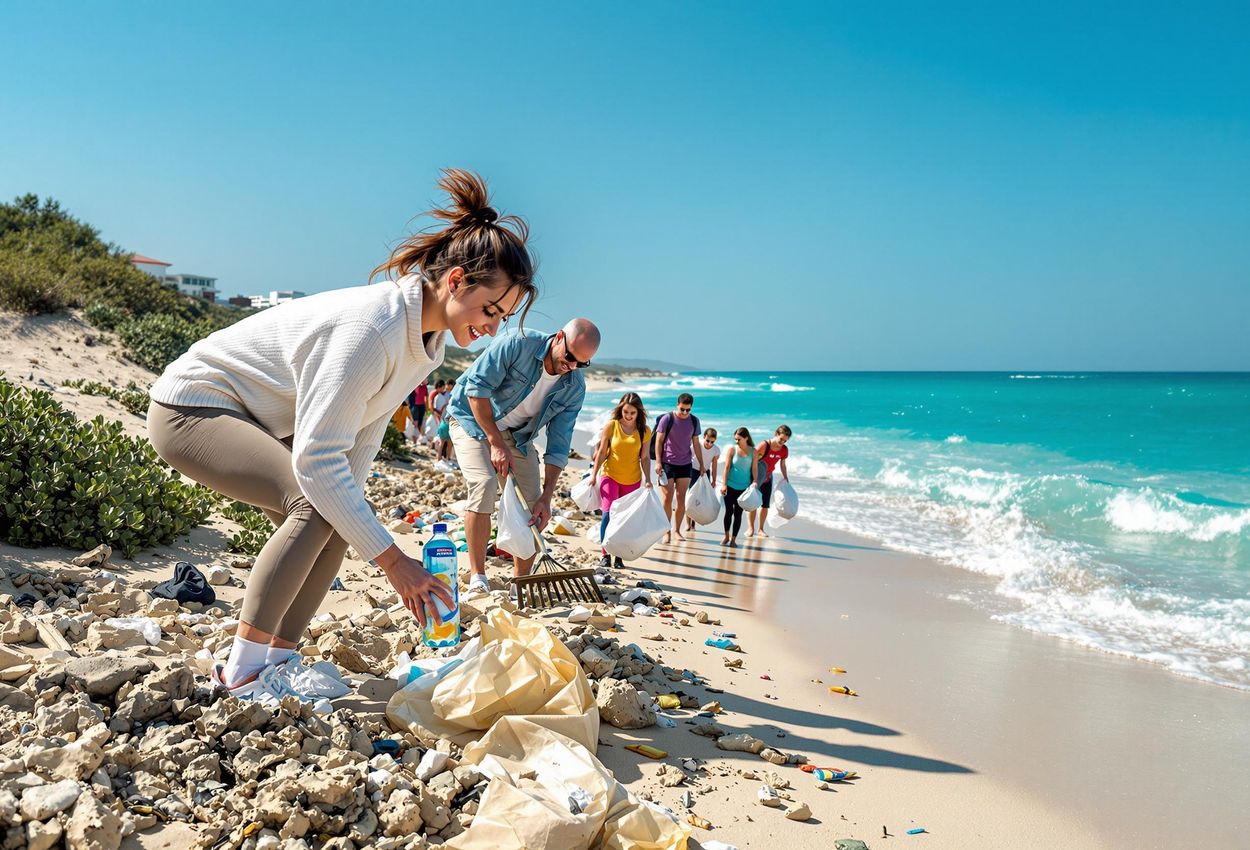
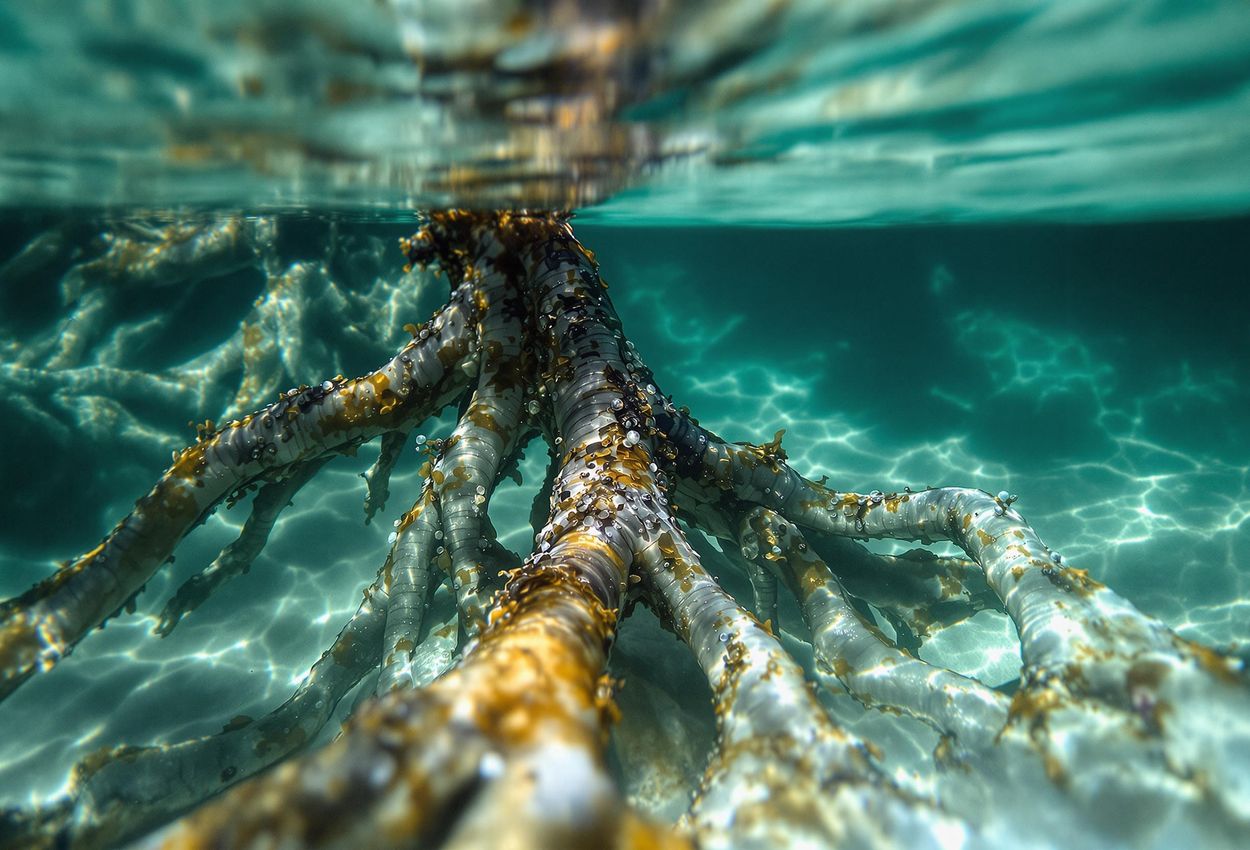
Coastal conservation is not just the responsibility of governments and organizations; individuals can also play a vital role in protecting our coasts. There are many practical steps that individuals and organizations can take to get involved in coastal conservation efforts. Volunteering with local coastal conservation groups is a great way to contribute to beach cleanups, data collection, and habitat restoration projects. Donating to support coastal preservation research and habitat restoration is another effective way to make a difference. Attending community events related to coastal and marine conservation can help raise awareness and build support for these important issues.
Adopting sustainable practices in our daily lives is also crucial for coastal conservation. Reducing plastic usage, supporting sustainable seafood, and conserving water are all simple but effective ways to minimize our impact on coastal ecosystems. The Oceans Research Institute and its Oceans Field Research Program offer opportunities for hands-on involvement in marine research and conservation. By taking these practical steps, we can all contribute to protecting our coasts and ensuring a healthy ocean for future generations.

The Role of Marine Protected Areas: Safeguarding Ocean Ecosystems
Marine Protected Areas (MPAs) are essential tools for conserving ocean species and ecosystems. These designated areas provide refuge for marine life, protect critical habitats, and help to maintain the ecological integrity of our oceans. The Pew Fellows Program in Marine Conservation supports leading scientists and conservationists who are working to improve the management and protection of marine life around the world. These fellows are conducting cutting-edge research, developing innovative conservation strategies, and working with local communities to ensure the long-term sustainability of our oceans.
Dr. Aileen Maypa's work in the Philippines to accelerate the recovery of degraded coral reefs through science-based and community-friendly protocols exemplifies the impact of the Pew Fellows Program. By combining scientific expertise with local knowledge, Dr. Maypa is helping to restore these vital ecosystems and improve the livelihoods of coastal communities. The MPA in MSP Conference in Bodø, Norway, is a key event for marine and coastal conservationists, providing a platform for sharing knowledge, best practices, and innovative solutions for protecting our oceans.
World Coastal Forum 2025: A Global Stage for Coastal Conservation
The World Coastal Forum (WCF) is a biennial international conference dedicated to promoting coastal ecosystem conservation, management, and restoration. The WCF 2025 will be held in Yancheng, China, inging together scientists, policymakers, and practitioners from around the world to discuss the latest advances in coastal conservation. The forum provides a unique opportunity to share knowledge, build partnerships, and develop innovative solutions for addressing the challenges facing our coasts. The organizers of the WCF 2025 are currently soliciting suggestions for the theme and topics of the conference, ensuring that it reflects the most pressing issues in coastal conservation.
The key topics from the 2023 WCF Conference, such as coastal ecosystem protection and sustainable development of coastal ecosystems, will likely be revisited at the 2025 WCF, with a focus on new developments and emerging challenges. The World Coastal Forum plays a crucial role in advancing coastal conservation efforts by providing a global platform for collaboration, innovation, and knowledge sharing.

Youth Engagement: Shaping the Future of Coastal Conservation
Engaging young people in coastal conservation efforts is essential for ensuring the long-term sustainability of our oceans. Young people are the future leaders of our planet, and their passion, creativity, and dedication are crucial for addressing the challenges facing our coasts. The Global Youth Climate Summit provides a platform for young leaders to discuss climate change and sustainable solutions, including coastal conservation. The CEC is committed to youth engagement and supports youth-led initiatives that promote environmental protection and sustainability.
Young people can get involved in coastal conservation through a variety of avenues, including volunteer programs, educational campaigns, and advocacy efforts. By participating in these activities, young people can gain valuable skills, build their networks, and make a real difference in protecting coastal ecosystems. Encouraging youth engagement in coastal conservation is an investment in the future of our oceans and our planet.

International Collaboration: Strengthening Coastal Resilience
Addressing coastal conservation challenges requires international collaboration and cooperation. The United Nations Ocean Conference (UNOC3) in Nice, France, is a critical moment for progress on Sustainable Development Goal 14, which focuses on conserving and sustainably using the oceans, seas, and marine resources. The Ocean Rise & Coastal Resilience Coalition was launched during the UNOC3 to promote collaborative action on coastal resilience. The Climate & Biodiversity Initiative funds research projects focused on ocean and coastal ecosystems, providing valuable insights into the impacts of climate change and biodiversity loss on these vulnerable environments.
International collaboration is essential for addressing the transboundary nature of coastal conservation challenges. By working together, countries can share knowledge, coordinate conservation efforts, and develop effective solutions for protecting our coasts. The United Nations Ocean Conference and other international forums provide valuable opportunities for countries to come together and commit to concrete actions for coastal conservation.

Nature-Based Solutions: Enhancing Coastal Protection
Nature-based solutions offer a cost-effective and sustainable approach to enhancing coastal protection. Coastal marshes, forests, and dune systems can provide enhanced protection from storms and floods, reducing the vulnerability of coastal communities to the impacts of climate change. The National Coastal Resilience Fund (NCRF) invests in nature-based solutions, supporting restoration implementation projects that advance both community and conservation goals. Community engagement is a key component of NCRF projects, ensuring that local residents are involved in the planning and implementation of these initiatives.
By investing in nature-based solutions, we can enhance coastal protection, restore coastal ecosystems, and improve the resilience of coastal communities to the impacts of climate change. The National Coastal Resilience Fund provides a valuable model for how to integrate community and conservation goals in coastal management.