From the clam gardens of the Pacific Northwest to the ice wisdom of the Arctic Inuit, indigenous communities hold a treasure trove of knowledge crucial for coastal conservation. Their deep connection to the land and sea, passed down through generations, offers sustainable solutions that are increasingly vital in our rapidly changing world.
Guardians of the Shoreline: How Indigenous Wisdom Shapes Conservation
For millennia, indigenous communities have lived in harmony with their coastal environments, developing an intricate understanding of local ecosystems. This knowledge, often referred to as Traditional Ecological Knowledge (TEK), is not merely a collection of facts but a holistic worldview that recognizes the interconnectedness of all living things. Itu2019s a sustainability blueprint woven into the faic of their cultures, guiding their practices in ways that ensure the health and resilience of the environment for generations to come.
This wisdom is transmitted orally, through stories, songs, ceremonies, and hands-on learning, embedding a deep respect for nature within the community's ethos. Unlike Western scientific approaches that often dissect and analyze individual components of an ecosystem, TEK considers the whole, understanding that the well-being of one element is intrinsically linked to the well-being of all others. This holistic approach is particularly crucial in coastal conservation, where the delicate balance between land and sea demands a comprehensive understanding.
Consider the Mu0101ori of Aotearoa New Zealand, whose concept of u2018kaitiakitangau2019 embodies this guardianship. Kaitiakitanga is more than just environmental stewardship; itu2019s a profound responsibility to protect and respect every element of the natural world, from the mountains to the sea. This philosophy dictates their interactions with the environment, ensuring that resources are used sustainably and that the mauri (life force) of the ecosystem is maintained. Through practices like ru0101hui (temporary closures) and customary fishing regulations, the Mu0101ori have effectively managed their coastal resources for centuries, demonstrating the power of indigenous knowledge in conservation.

Clam Gardens and Cryospheric Science: Ancient Solutions for Modern Challenges
The ingenuity of indigenous conservation practices is evident in the u2018clam gardensu2019 of the Pacific Northwest. These ancient mariculture systems, meticulously constructed by coastal First Nations communities, are a testament to their deep understanding of marine ecology. By creating terraces in the intertidal zone, these gardens enhance shellfish productivity, providing a sustainable food source while also protecting marine biodiversity.
The construction of clam gardens involves carefully clearing rocks and building a rock wall along the lower intertidal zone, creating a level platform that increases the habitat suitable for clams. This process not only boosts clam populations but also improves water quality, reduces erosion, and provides habitat for other marine organisms. Archaeological evidence suggests that these gardens have been in use for thousands of years, demonstrating their long-term sustainability and effectiveness.
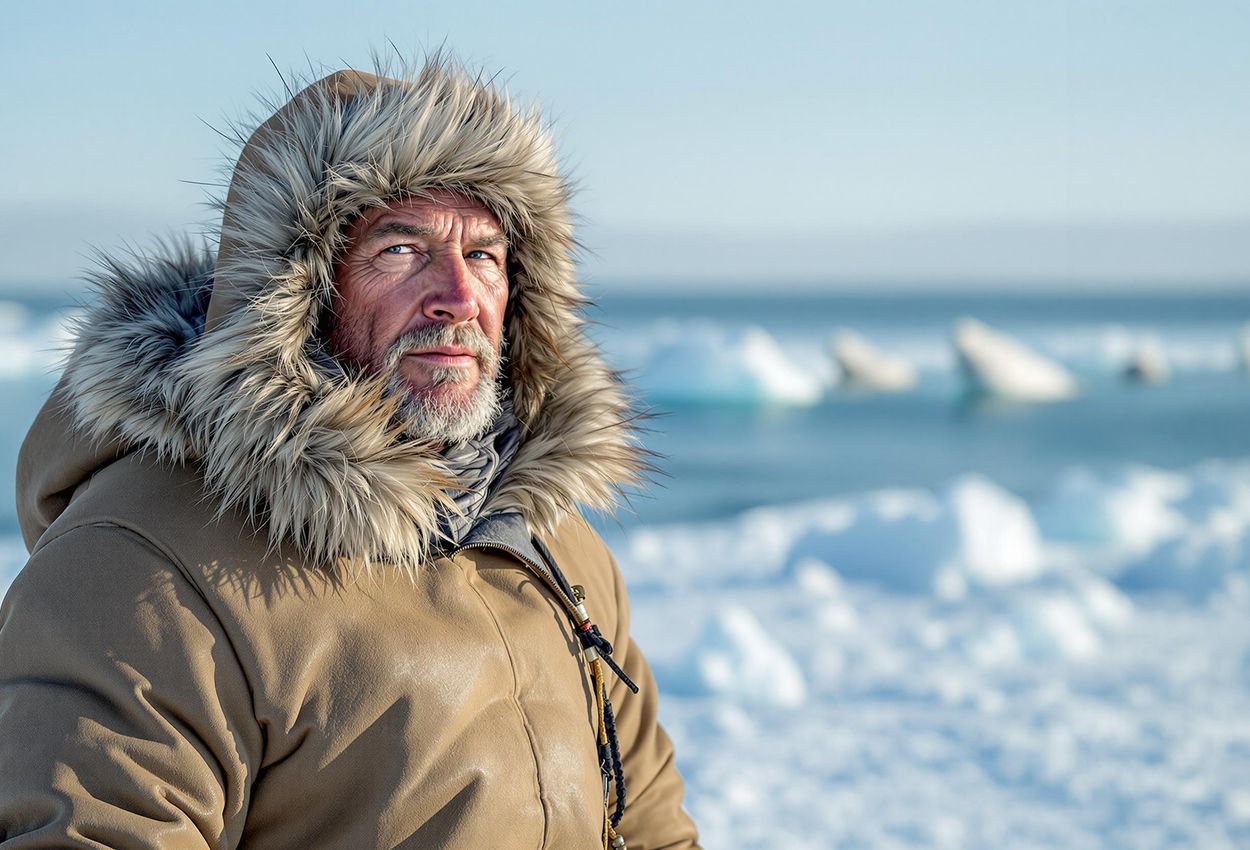
In stark contrast to the temperate clam gardens, the Arctic Inuit possess invaluable knowledge of sea ice dynamics. Their observations and understanding of changing ice conditions are essential for climatology research. For generations, Inuit hunters have relied on their ability to predict ice formation, thickness, and movement for their survival. This knowledge, passed down through oral tradition, provides a detailed record of environmental changes that Western science is only beginning to understand.
As climate change rapidly transforms the Arctic, the Inuit's expertise is becoming increasingly critical. Their ability to interpret subtle changes in ice behavior, such as the appearance of melt ponds or the formation of pressure ridges, can provide early warnings of hazardous conditions and inform adaptation strategies. By integrating Inuit knowledge with scientific data, researchers can gain a more comprehensive understanding of the complex processes driving Arctic climate change and develop more effective conservation strategies.
Great Bear Initiative: A Canadian Model of Co-Management
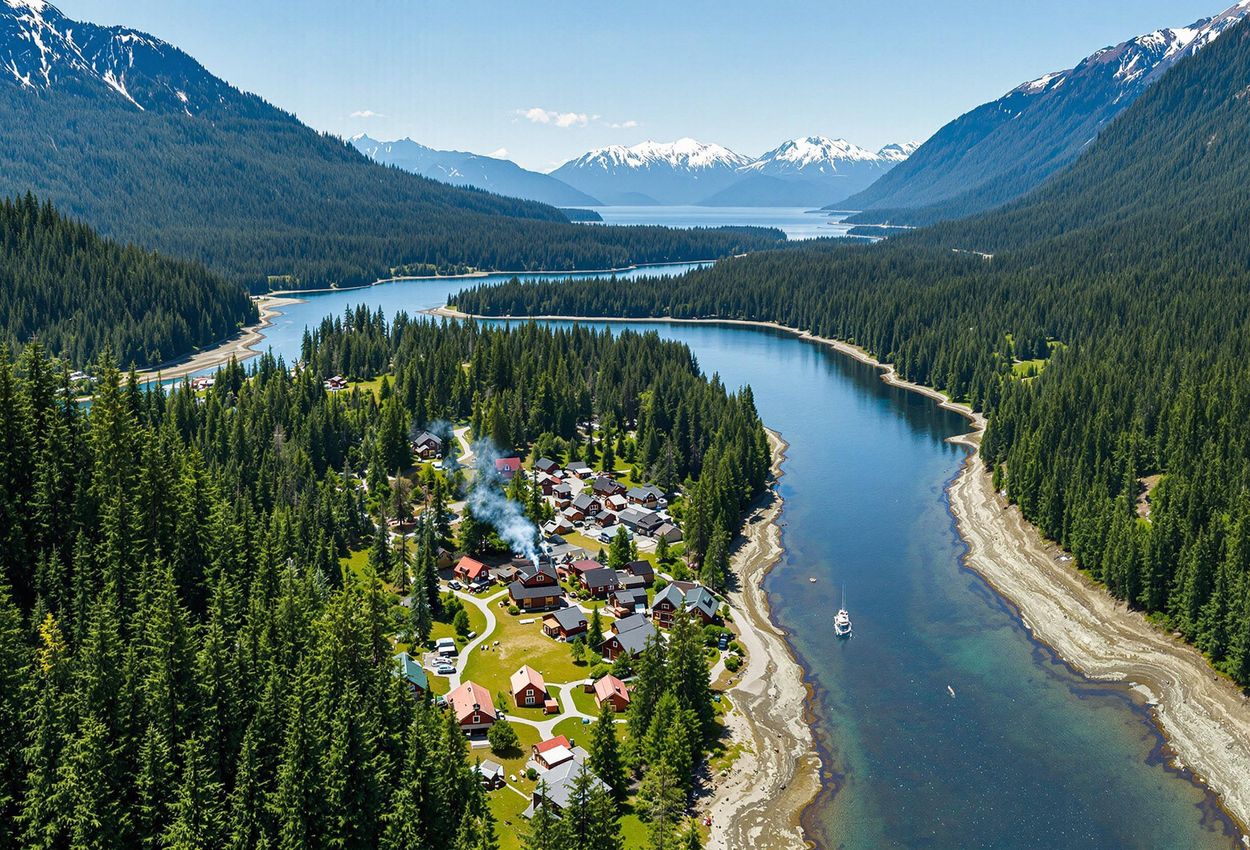
The Coastal First Nations Great Bear Initiative in Canada stands as a shining example of successful collaboration between indigenous communities and conservation organizations. This groundeaking initiative ings together First Nations and the Canadian government in a co-management framework, ensuring that indigenous values and perspectives are central to conservation efforts in the Great Bear Rainforest, one of the largest intact temperate rainforests in the world.
The initiative prioritizes the protection of food security, coastal areas, species, jobs, and resilient ecosystems, recognizing that the health and well-being of the environment are inextricably linked to the well-being of the communities that depend on it. By incorporating Traditional Ecological Knowledge (TEK) into decision-making processes, the initiative ensures that conservation strategies are culturally appropriate, ecologically sound, and socially just.
Respect for indigenous cultures and learning from their TEK are fundamental principles of the Great Bear Initiative. This involves actively engaging with First Nations communities in research, monitoring, and management activities, recognizing their expertise and empowering them to lead conservation efforts on their traditional territories. The initiative has not only resulted in significant conservation gains but has also fostered stronger relationships between indigenous communities and the Canadian government, paving the way for a more collaborative and equitable future.
Echoes of Aha Honua: Recognizing Indigenous Rights in Ocean Observing
The Aha Honua declaration represents a powerful call for the formal recognition of indigenous peoples' traditional knowledge in ocean observing systems. This declaration, born from the collective wisdom of indigenous leaders and experts from around the world, emphasizes the importance of respecting indigenous rights and empowering indigenous communities to participate in ocean governance.
Integrating TEK with Western scientific systems presents a number of challenges, particularly concerning data sharing and intellectual property rights. Indigenous knowledge is often considered a collective heritage, passed down through generations and deeply embedded in cultural practices. Sharing this knowledge with external researchers requires careful consideration of ethical protocols and safeguards to ensure that it is not misappropriated or misused.
Building relationships based on mutual respect and trust is essential for overcoming these challenges. This involves recognizing indigenous peoples' special role in ocean stewardship and empowering them to lead research and monitoring efforts on their traditional territories. By creating partnerships that prioritize indigenous values and perspectives, we can unlock the full potential of TEK for ocean conservation.
From Conflict to Consensus: Building idges Through Ethical Partnerships
Historically, conservation efforts have often been marred by conflict with indigenous communities, who have been displaced from their ancestral lands or denied access to their traditional resources. These conflicts stem from a fundamental disconnect between Western conservation models, which often prioritize the protection of nature over the rights of people, and indigenous worldviews, which recognize the inextricable link between human well-being and environmental health.
Moving forward, it is essential to build ethical and equitable partnerships that prioritize the needs and aspirations of indigenous communities. This involves recognizing their rights to self-determination, land ownership, and resource management, and ensuring that they are the primary beneficiaries of conservation efforts on their homelands. These partnerships can lead to solutions that differ significantly from conventional conservation approaches, incorporating indigenous values, perspectives, and knowledge to create more sustainable and just outcomes.
The Tallurutiup Imanga National Marine Conservation Area in Canada serves as a powerful precedent for indigenous-led protected areas. This vast marine protected area, co-managed by the Inuit community of Arctic Bay and the Canadian government, protects a rich array of marine life, including whales, seals, and seabirds. The Inuit community plays a central role in the management of the area, drawing on their traditional knowledge to inform conservation strategies and monitor the health of the ecosystem.
Kapu, Tabu, Bul, Ra'ui: Ancient Marine Laws Across the Pacific
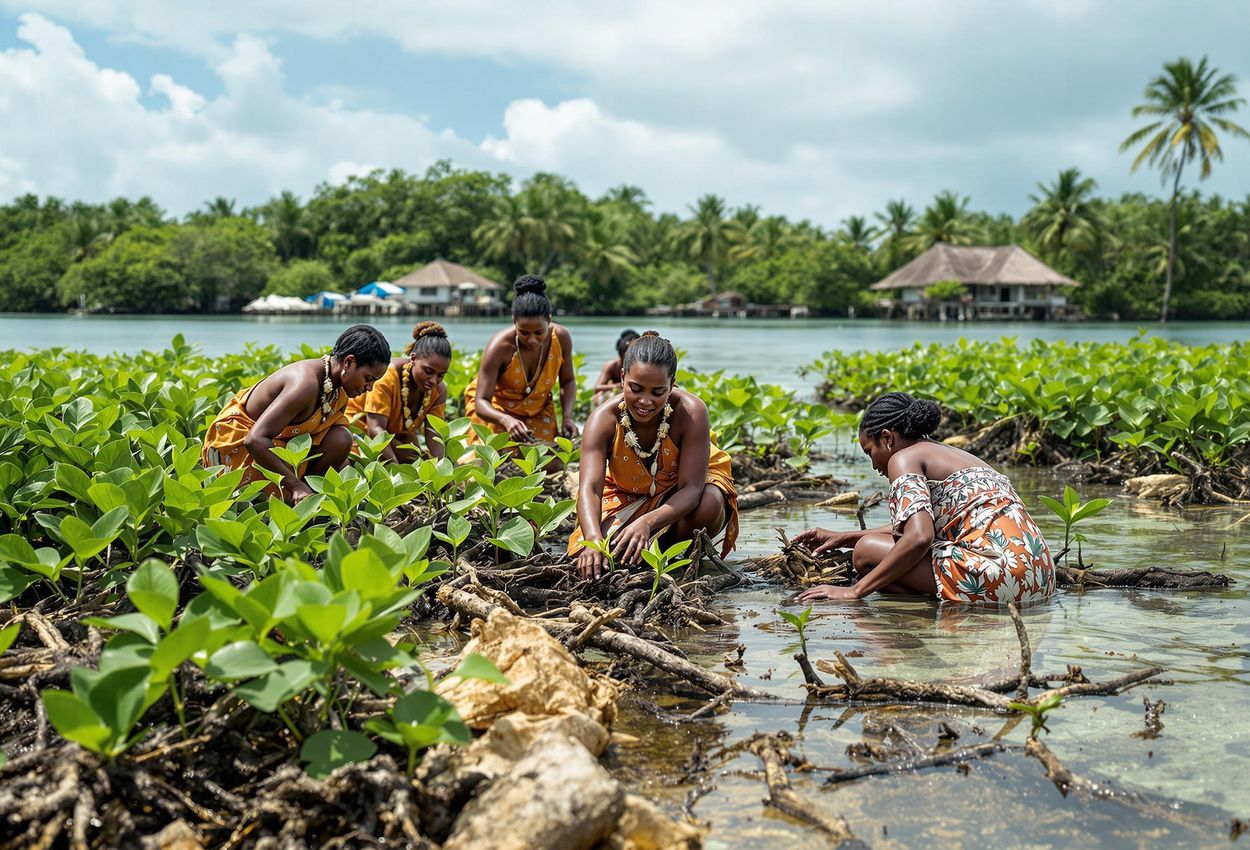
Across the Pacific Islands, traditional marine management practices, rooted in ancient systems of sacred laws, offer valuable lessons for modern conservation efforts. These systems, known by different names in different cultures u2013 u2018kapuu2019 in Polynesia, u2018tabuu2019 in Fiji, u2018bulu2019 in Micronesia, and u2018ra'uiu2019 in the Cook Islands u2013 share a common purpose: to restrict access to certain areas or species in order to ensure the recovery of marine ecosystems.
These traditional laws are not arbitrary restrictions but are based on a deep understanding of ecological principles. They recognize that certain areas or species are particularly vulnerable and require protection in order to maintain the overall health of the ecosystem. By temporarily or permanently closing these areas to fishing or other activities, communities can allow fish stocks to replenish, coral reefs to recover, and marine biodiversity to flourish.
For example, in Palau, the Koror House of Traditional Leaders imposed a u2018bulu2019 (traditional prohibition) on Jellyfish Lake after a dramatic decline in jellyfish populations. This closure, based on traditional ecological knowledge, allowed the jellyfish populations to recover, demonstrating the effectiveness of these ancient management practices. Similarly, in the Cook Islands, the u2018ra'uiu2019 system has been integrated into national conservation strategies, empowering local communities to manage their marine resources sustainably.
Whakatu014dhea Moana Plan: An Indigenous-Led Approach to Marine Management in New Zealand
The Whakatu014dhea Moana Plan in New Zealand exemplifies an indigenous-led approach to coastal and marine area management. This comprehensive plan, developed by the Whakatu014dhea Mu0101ori Trust Board in partnership with the Moana Project, integrates indigenous knowledge and scientific data to enhance fisheries, protect ecosystems, and expand the benefits that the Whakatu014dhea people derive from the marine economy.
The plan is grounded in the principles of kaitiakitanga (guardianship) and recognizes the deep cultural and spiritual connection that the Whakatu014dhea people have with the sea. It incorporates traditional management practices, such as ru0101hui (temporary closures) and customary fishing regulations, to ensure the sustainable use of marine resources. At the same time, it integrates scientific data on fish stocks, ocean currents, and climate change to inform decision-making and adapt to changing environmental conditions.
By combining indigenous knowledge and scientific data, the Whakatu014dhea Moana Plan offers a holistic and adaptive approach to marine management that is both culturally appropriate and ecologically sound. It serves as a model for other indigenous communities seeking to exercise their rights and responsibilities in the management of their marine resources.

Sasi and Kapu: Integrating Ancient Traditions into Modern MPAs
The revival of ancient fishing taboo traditions in modern Marine Protected Areas (MPAs) is a testament to the enduring relevance of indigenous knowledge in conservation. These traditions, which involve temporarily or permanently closing certain areas to fishing or other activities, are based on a deep understanding of ecological principles and a commitment to sustainable resource management.
The Misool Marine Reserve in Indonesia upholds the tradition of u2018Sasi,u2019 practiced by indigenous locals for generations. Sasi involves a period of closure, during which fishing is prohibited, followed by a period of harvest, during which resources can be sustainably harvested. This system allows fish stocks to replenish and coral reefs to recover, ensuring the long-term health of the ecosystem. The Kahou02bbolawe Island Reserve in Hawai'i holds wildlife under a modernized 'kapu,' which protects the island's cultural and natural resources.
By incorporating these traditions into the management of MPAs, conservationists can not only conserve ocean ecosystems but also preserve the legacy of indigenous cultures. These traditions offer a powerful reminder of the importance of respecting local knowledge and empowering communities to manage their own resources.
Community-Based Resource Management: A Human Rights Imperative in the Solomon Islands
In the Solomon Islands, community-based resource management (CM) is increasingly recognized as a human rights imperative. This approach emphasizes the need for collaboration, meaningful partnership, and the recognition of indigenous peoples as human rights-holders in the management of natural resources.
For too long, conservation efforts in the Solomon Islands have been implemented without the full and informed consent of indigenous communities, leading to displacement, loss of livelihoods, and cultural disruption. To address these injustices, legal framework mechanisms must be amended to include provisions for the creation, recognition, and management of resources by indigenous peoples. This involves recognizing their rights to land ownership, resource management, and self-determination, and ensuring that they are the primary beneficiaries of conservation efforts on their territories.
Integrating indigenous practices and traditional knowledge with the ecosystem approach is also essential for effective CM. This involves recognizing the value of local knowledge in understanding ecological processes, monitoring environmental change, and developing sustainable management strategies. By empowering indigenous communities to lead conservation efforts on their own terms, we can create more just and sustainable outcomes for both people and nature.
Pamunkey Indian Reservation: Integrating TEK for Coastal Adaptation
The Pamunkey Indian Tribe in Virginia is at the forefront of integrating traditional ecological knowledge (TEK) into coastal management decision-making. This tribe, which has inhabited the Chesapeake Bay region for over 10,000 years, possesses a wealth of knowledge about the local environment, including its vulnerability to flooding and sea level rise.
To assess the role of TEK in addressing these challenges, the Pamunkey Tribe conducted a participatory mapping exercise, inging together elders, knowledge holders, and community members to document their observations of environmental change. This exercise revealed a detailed understanding of local flooding patterns, shoreline erosion, and the impacts of climate change on traditional resources.
The tribe is now using these maps, along with scientific data on sea level rise, to prioritize the protection of housing and heritage sites along the shoreline. By combining TEK with Western scientific approaches, the Pamunkey Tribe is developing a comprehensive and culturally appropriate adaptation strategy that will ensure the long-term resilience of their community.
Mushkegowuk Council: Conserving Territories Through Traditional Stewardship
The Mushkegowuk Council, representing eight First Nations in the Hudson and James Bay Lowlands of Northern Ontario, Canada, is actively engaged in conserving their traditional territories through traditional stewardship. This vast region, characterized by its extensive peatlands and boreal forests, is a critical carbon sink and a vital habitat for a wide range of wildlife.
The Mushkegowuk Council is working to map peatland carbon stocks, train community members in carbon monitoring, and support a feasibility study for a National Marine Conservation Area in the region. They are also assisting with regional environmental assessments and advocating for the protection of caribou calving grounds, recognizing the importance of these areas for the cultural and economic well-being of their communities.
By combining traditional knowledge with scientific expertise, the Mushkegowuk Council is developing a comprehensive conservation strategy that protects the ecological integrity of their traditional territories while also promoting sustainable economic development opportunities for their communities.

Gwaii Haanas: Co-Managing Heritage for Biodiversity
Gwaii Haanas National Park Reserve and Haida Heritage Site, located in the remote archipelago of Haida Gwaii off the coast of itish Columbia, Canada, is a model of co-management between the Haida Nation and the Canadian government. This unique partnership recognizes the Haida Nation's inherent rights and responsibilities to protect their ancestral lands and waters, while also ensuring that the area is managed in accordance with national park standards.
The Haida Nation's management of Gwaii Haanas incorporates Traditional Ecological Knowledge (TEK) and cultural practices, resulting in improved biodiversity conservation outcomes. Haida guardians, trained in both traditional knowledge and Western scientific methods, monitor the health of the ecosystem, conduct research, and enforce regulations. Their presence on the land and sea ensures that cultural values are respected and that conservation efforts are aligned with the needs of the Haida community.
Gwaii Haanas has not only revived cultural traditions but also contributes to both nature and indigenous futures. The area serves as a living classroom where young Haida people can learn about their culture, language, and history, while also developing the skills and knowledge necessary to become future leaders and stewards of their land.
Traditional Foods and Fish Weirs: Sustaining Coastal Communities
Projects focused on acquiring traditional cultural practices and traditional ecological knowledge are essential for sustaining coastal communities and promoting sustainable resource management. These projects emphasize partnerships and active engagement with coastal communities, recognizing their unique knowledge and expertise.
Traditional foods, such as fish, play a vital role in the cultural and economic well-being of coastal communities. Understanding traditional fishing practices, such as the use of stone tidal weirs, can assist in the sustainability and conservation of marine ecology. These weirs, which have been used for centuries by indigenous communities around the world, are designed to trap fish as the tide recedes, allowing for sustainable harvesting without depleting fish stocks.
By supporting projects that document and revitalize traditional fishing practices, we can help coastal communities maintain their cultural heritage, enhance their food security, and promote sustainable resource management.
Salmon Comeback: The Interwoven History of Fishing Rights and River Management in the Pacific Northwest
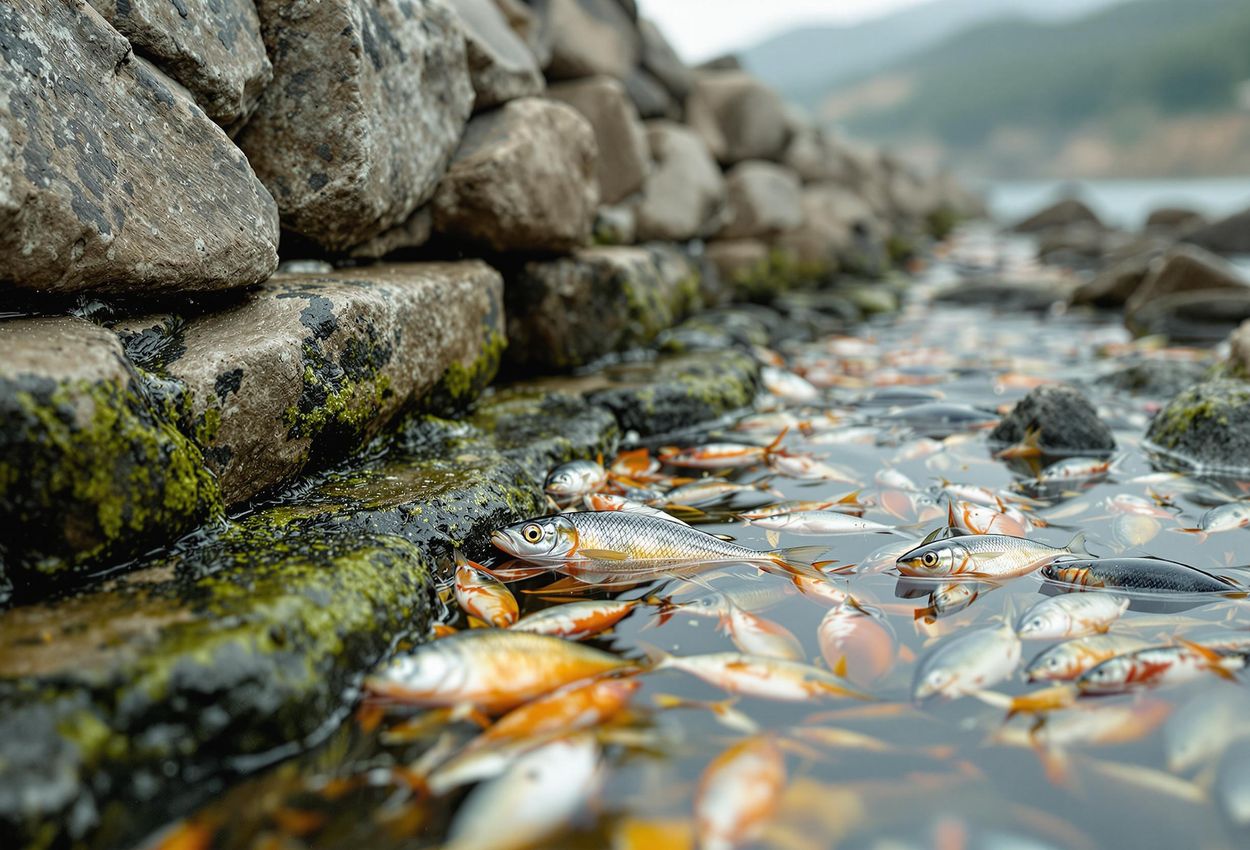
In the Pacific Northwest, indigenous communities are playing an integral role in sustainably managing waterways and restoring salmon populations. After decades of struggle, local communities have won back many of their fishing rights, and salmon populations have started to increase in some areas.
This success is due in large part to the integration of indigenous knowledge and scientific data in river management plans. Indigenous communities possess a deep understanding of salmon ecology, including their migration patterns, spawning habitats, and the impacts of human activities on their populations. By incorporating this knowledge into river management plans, we can create more effective strategies for restoring salmon populations and ensuring the long-term health of our waterways.
The story of the salmon comeback in the Pacific Northwest is a testament to the power of indigenous knowledge and the importance of respecting indigenous rights in resource management. It offers a hopeful vision for the future, where indigenous communities and conservation organizations work together to restore and protect our planet's precious resources.
The path forward requires a deep commitment to collaboration, respect, and equity. By emacing indigenous knowledge and empowering indigenous communities to lead conservation efforts on their own terms, we can create a more sustainable and just future for all.