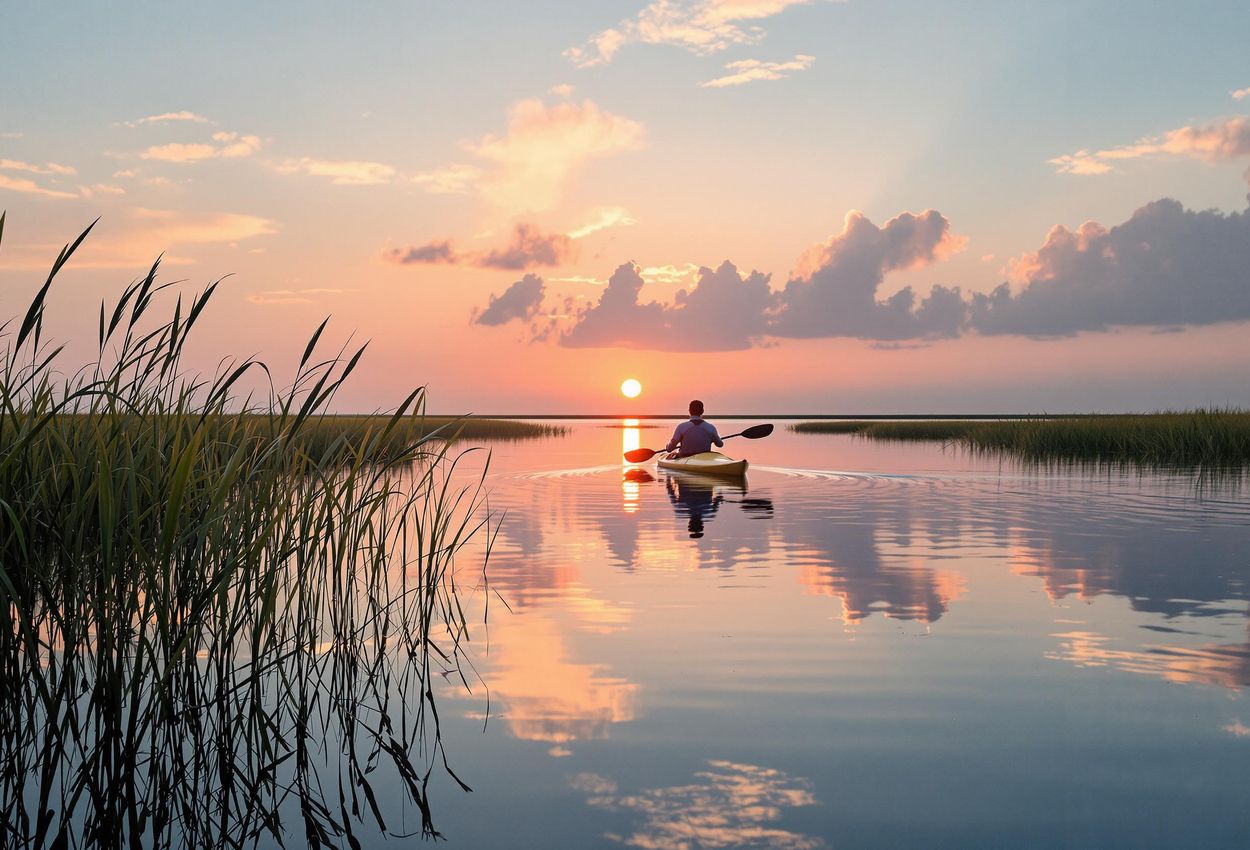
Imagine gliding across crystalline waters, the sun kissing your skin, as you explore hidden coves and encounter marine life in its natural habitat. Kayaking offers a unique lens through which to experience the world's coastlines, inviting you to emace the art of slow travel and forge a deeper connection with nature.
Conventional tourism often rushes us from one sight to the next, leaving little time for genuine immersion. Slow travel, on the other hand, encourages us to savor each moment, to engage with the local culture, and to appreciate the subtle nuances of our surroundings. Kayaking perfectly embodies these principles, offering a tranquil and intimate way to explore coastal environments. Unlike motorized boats that churn through the water, kayaks allow us to move at a human pace, minimizing our impact and maximizing our opportunities for observation.
Consider the Outer Banks of North Carolina, a string of barrier islands renowned for their pristine beaches, tranquil waters, and abundant wildlife. Here, you can launch your kayak and paddle through calm sounds, observing the graceful flight of herons, the playful antics of dolphins, and the intricate patterns of the marsh grasses. The sensory experience is profound: the gentle rocking of the kayak, the salty tang of the air, the warmth of the sun on your face, and the cries of seabirds overhead. It's a world away from the hustle and bustle of everyday life, a sanctuary where you can reconnect with yourself and with nature.
Kayaks themselves have a rich history, dating back thousands of years. Originally crafted by indigenous peoples from animal skins and driftwood, these vessels were essential for hunting, fishing, and transportation. Today, kayaks continue to hold cultural significance, serving as a tangible link to our maritime past. As you paddle, consider the generations of seafarers who relied on these simple yet ingenious craft to navigate the world's waterways.
Kayaking isn't just a sport; it's an invitation to slow down, to observe, and to connect. It's a chance to escape the crowds, to discover hidden gems, and to create lasting memories. So, grab a paddle, launch your kayak, and prepare to embark on a journey of discovery, one stroke at a time.
Discovering Hidden Gems: Kayaking the 100 Wild Islands, Nova Scotia
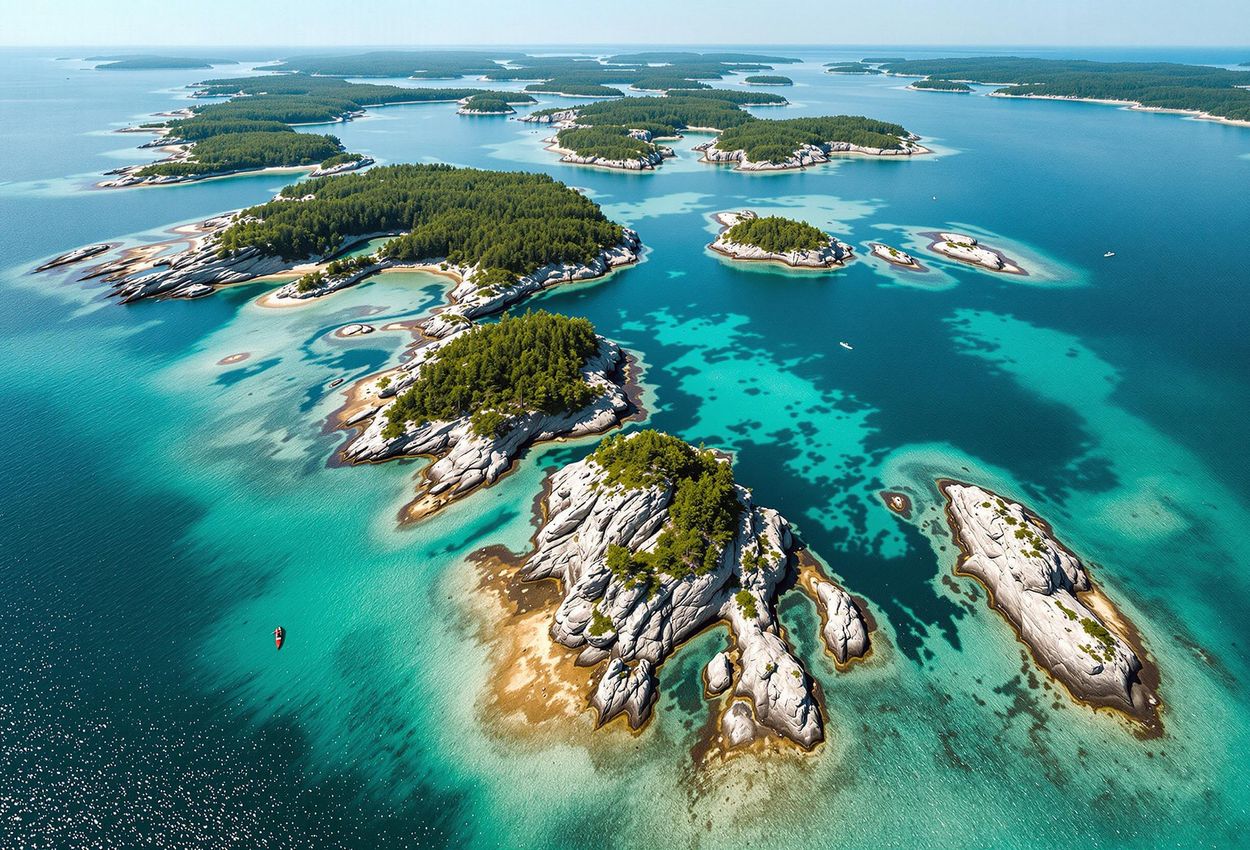
The 100 Wild Islands of Nova Scotia, Canada, offer a kayaking experience unlike any other. This archipelago, a sprawling tapestry of islands, inlets, and coves, is a haven for biodiversity, a testament to geological forces, and a repository of human history. It's a place where solitude reigns, where the rhythm of the tides dictates the pace, and where the connection with nature is palpable.
The landscape is stark yet stunning, a mosaic of granite bedrock, glacial boulders, and turquoise lagoons. The islands are cloaked in a tapestry of boreal forest, home to a diverse array of plant and animal life. Keep an eye out for seals basking on the rocks, bald eagles soaring overhead, and seabirds nesting in the cliffs. The waters teem with marine life, from colorful starfish to elusive lobster.
Coastal Adventures in Tangier provides guided tours and rentals, offering a safe and informative way to explore the archipelago. Their experienced guides can share insights into the area's natural history, point out hidden gems, and ensure that you have a memorable and sustainable experience.
Imagine paddling through the archipelago, the only sound the gentle splash of your paddle and the cries of distant gulls. You round a bend and discover a secluded cove, a hidden oasis of tranquility. The water is crystal clear, inviting you to take a refreshing dip. You beach your kayak on a sandy shore and explore the island on foot, discovering rare wildflowers and ancient trees. This is the magic of the 100 Wild Islands, a place where you can truly escape the ordinary and connect with the wild.
Local Tip: Seek out Murphy Island, known for its exceptional birdlife. The island's diverse habitats attract a wide variety of species, making it a paradise for birdwatchers. ing your binoculars and keep an eye out for migratory birds passing through the area.
Wildlife Encounters: Ethical Kayaking in the Johnstone Strait, itish Columbia
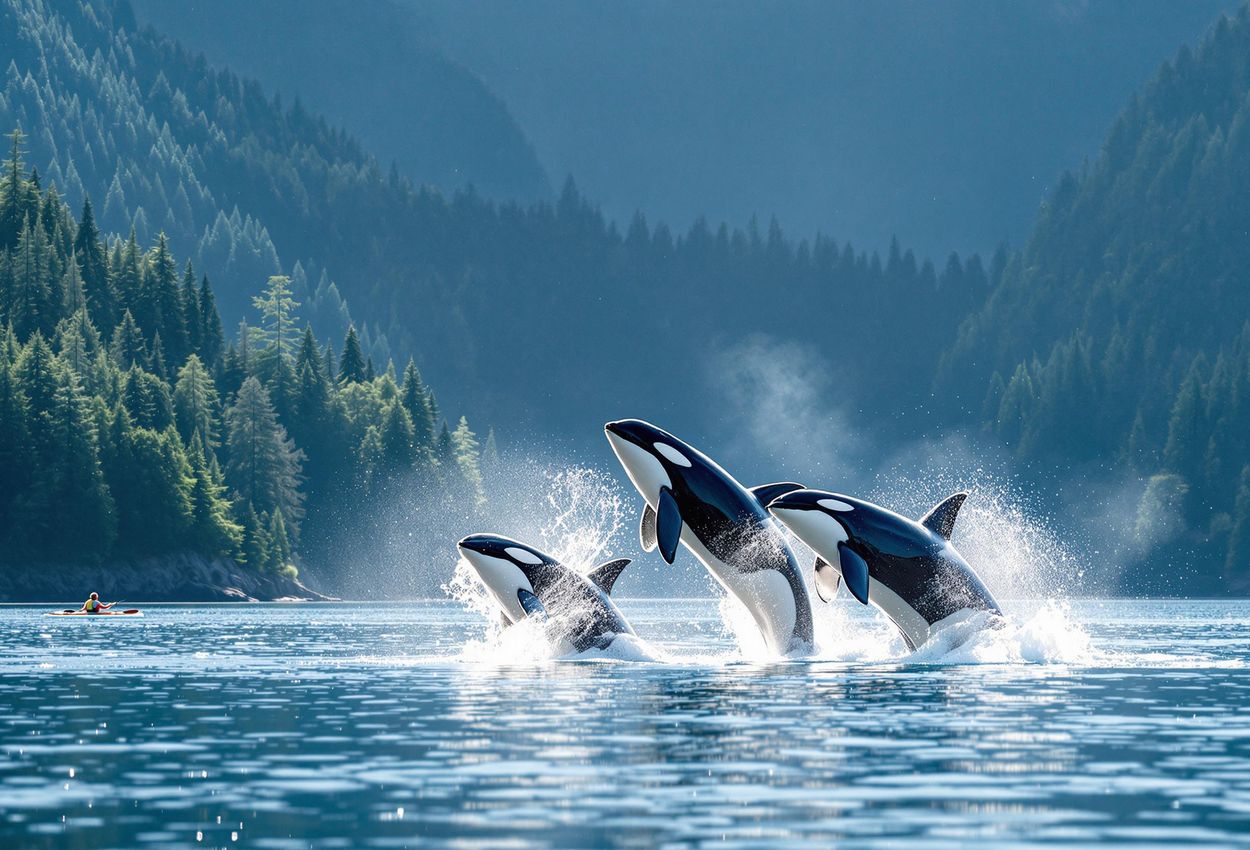
The Johnstone Strait in itish Columbia, Canada, is renowned as one of the best places in the world to observe orcas in their natural habitat. Kayaking in this area offers an unparalleled opportunity to witness these magnificent creatures up close, but it also comes with a responsibility to do so ethically and sustainably.
Responsible wildlife viewing is paramount. Maintain a safe distance from the orcas, avoiding any behavior that could disturb their natural activities. Never approach or follow them too closely, and be mindful of noise levels. Remember, you are a guest in their home, and it's essential to respect their space.
Spirit of the West Adventures is a reputable tour operator that prioritizes ethical wildlife viewing practices. Their experienced guides are knowledgeable about orca behavior and can provide valuable insights into their ecology and conservation. They also adhere to strict guidelines to minimize their impact on the environment.
Imagine the thrill of observing a pod of orcas from your kayak, their sleek bodies gliding through the water, their powerful tails propelling them forward. You hear their distinctive calls echoing across the strait, a symphony of the sea. It's a moment that will stay with you forever, a reminder of the beauty and fragility of the natural world.
The rubbing rocks along the Johnstone Strait hold cultural significance for the Tlingit people. Orcas often visit these rocks to rub their bodies against them, a behavior that is believed to have social and cleansing purposes. These rocks are considered sacred sites, and it's important to respect their cultural significance when kayaking in the area.
Mangrove Tunnels and Bioluminescence: Kayaking the Indian River Lagoon, Florida
The Indian River Lagoon in Florida offers a unique and enchanting kayaking experience: paddling through mangrove tunnels and witnessing the magical glow of bioluminescence. It's a sensory feast, a journey into a world of darkness and light, sound and silence.
Mangrove tunnels are narrow waterways carved out by the intricate root systems of mangrove trees. As you paddle through these tunnels, you'll be surrounded by a cathedral of roots, filtering the sunlight and creating an otherworldly atmosphere. The sounds of nature are amplified in the darkness: the rustling of leaves, the chirping of insects, and the occasional splash of a fish.
Bioluminescence is the production and emission of light by living organisms. In the Indian River Lagoon, this phenomenon is caused by tiny dinoflagellates that emit a blue-green glow when disturbed. As you paddle through the water, these organisms light up, creating a mesmerizing display of twinkling lights. It's like paddling through a sea of stars.
Several local tour operators offer guided bioluminescence kayak tours, providing the necessary equipment and expertise to navigate the tunnels safely and witness the phenomenon at its best. The best time to witness bioluminescence is during the warmer months, particularly in the summer, when the dinoflagellate populations are at their peak.
Hidden Gem: A lesser-known launch point is located near Merritt Island National Wildlife Refuge. This area tends to have less boat traffic and offers particularly viant bioluminescence due to the pristine water quality.
Mangrove ecosystems are vital to the health of the Indian River Lagoon. They provide habitat for a wide variety of marine life, filter pollutants from the water, and protect the shoreline from erosion. By kayaking through these tunnels, you'll gain a deeper appreciation for the ecological importance of mangroves.

Coastal Cuisine: A Paddler's Culinary Journey in the Dalmatian Coast, Croatia
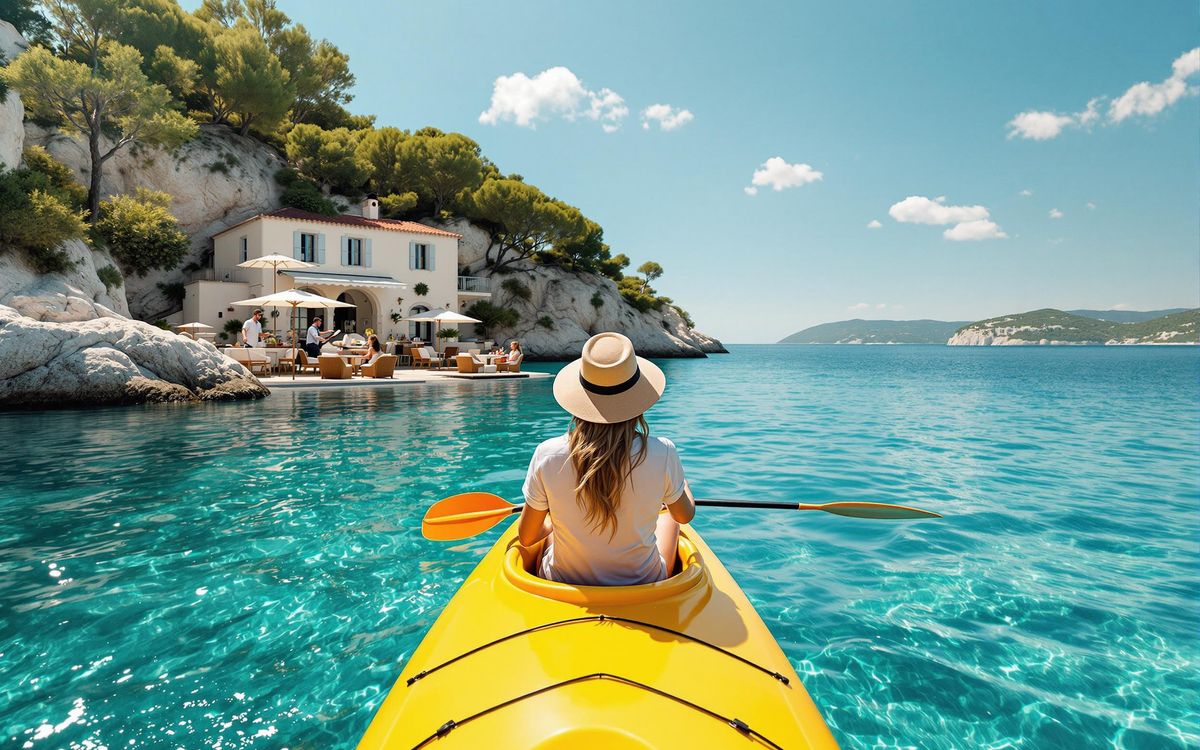
The Dalmatian Coast of Croatia is a kayaker's paradise, a stunning blend of natural beauty and culinary delights. Imagine paddling along crystal-clear waters, discovering hidden coves, and stopping at charming fishing villages to savor the flavors of the region. It's a feast for the senses, a journey that nourishes both body and soul.
The Dalmatian Coast is renowned for its fresh seafood, olive oil, and local wines. The cuisine is simple yet flavorful, reflecting the region's rich culinary heritage. Freshly grilled fish, succulent octopus salad, and hearty seafood stews are just a few of the specialties you'll encounter.
Sea Quest Kayak Tours offers guided kayaking tours that incorporate culinary experiences. Their itineraries often include stops at local konobas (traditional restaurants) accessible by kayak, offering a unique dining experience. Imagine paddling to a secluded cove, where a table is set up on the beach, and you're served a delicious meal of local specialties, accompanied by a glass of chilled wine. It's the perfect way to end a day of paddling.
Recommendation: Seek out Konoba Matejuu0161ka in Split, a charming restaurant located in the old fishing harbor. The restaurant is known for its fresh seafood and traditional Dalmatian dishes. You can paddle right up to the restaurant and enjoy a delicious meal while watching the fishing boats come and go.
The sensory experience of tasting local flavors while surrounded by stunning coastal scenery is unforgettable. The salty tang of the sea air, the warmth of the sun on your skin, and the taste of fresh seafood create a symphony of sensations that will linger long after you've left the Dalmatian Coast.

Island Hopping: Exploring the Archipelago of the Bahamas by Kayak
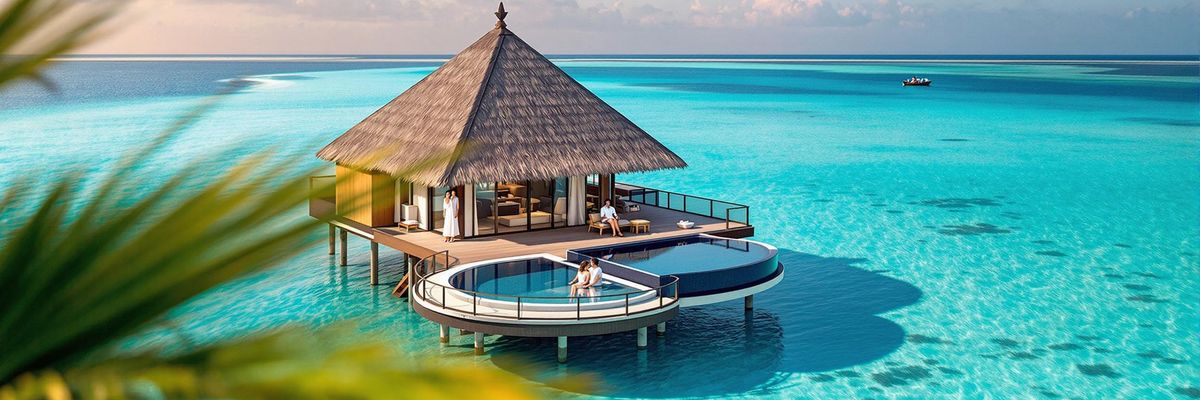
The Bahamas is an archipelago of over 700 islands and cays, a tropical paradise that is ideally suited for a multi-day kayaking trip. Imagine island hopping through turquoise waters, exploring secluded beaches, and encountering exotic wildlife. It's an adventure that will take you off the beaten path and immerse you in the natural beauty of the Bahamas.
The waters surrounding the Bahamas are renowned for their clarity and warmth, making them perfect for kayaking and snorkeling. The sandy cays are fringed with mangrove forests, providing habitat for a variety of marine life. Keep an eye out for iguanas basking in the sun, seabirds soaring overhead, and colorful fish darting through the coral reefs.
Several tour operators offer guided kayaking and camping tours in the Bahamas, providing the necessary equipment and expertise to navigate the islands safely and responsibly. These tours often include overnight stays on remote islands, allowing you to experience the tranquility of the Bahamas under the stars.
Responsible practices are essential when camping on remote islands. Pack out all your trash, minimize your impact on the environment, and respect wildlife. Avoid disturbing nesting birds or other sensitive habitats. Leave No Trace principles should be followed at all times.
Hidden Gem:Exuma Cays Land and Sea Park is a protected area that offers some of the best snorkeling and kayaking in the Bahamas. The park is home to a diverse array of coral reefs, marine life, and secluded beaches. It's a paradise for nature lovers.
The warm waters of the Bahamas are perfect for snorkeling. Grab your mask and snorkel and explore the viant coral reefs, teeming with colorful fish, sea turtles, and other marine creatures. It's an underwater world waiting to be discovered.
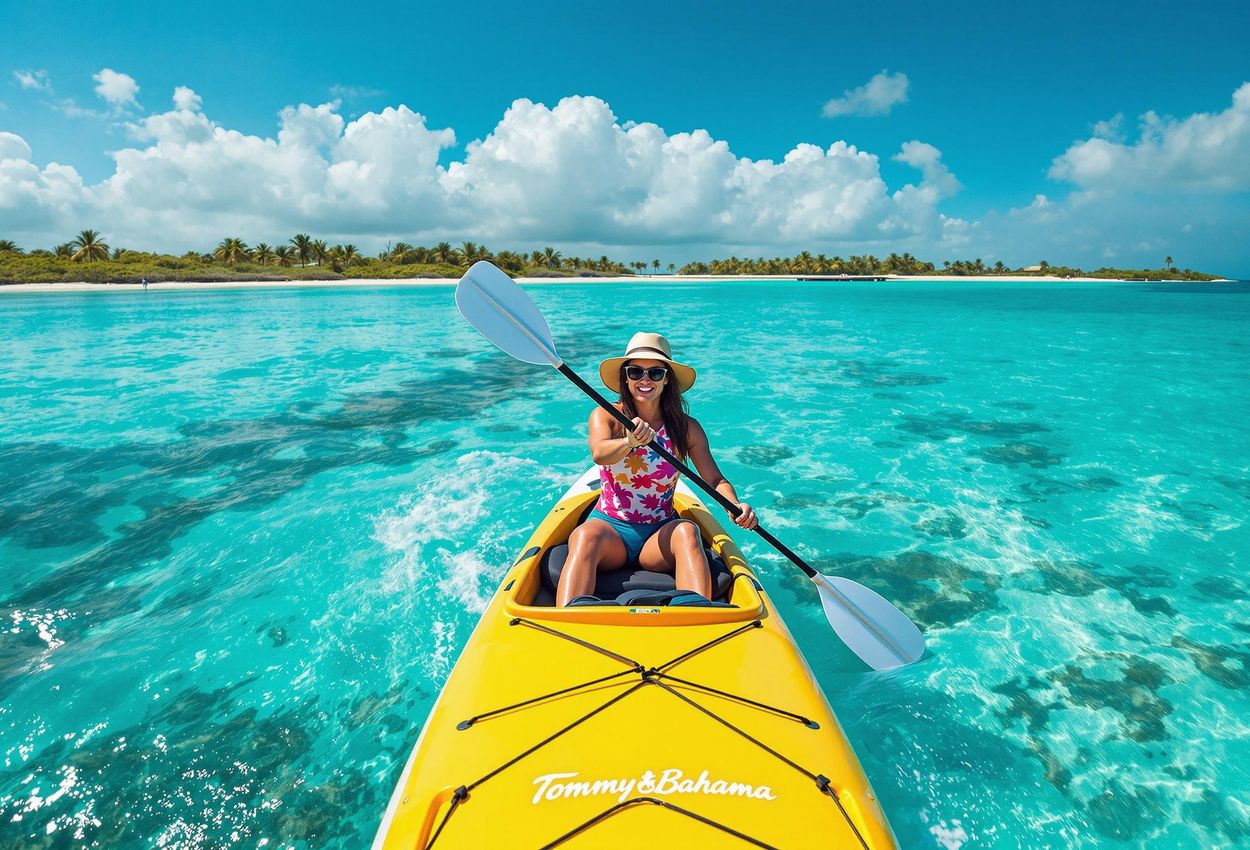
Navigating History: Kayaking the Chesapeake Bay Water Trail, Maryland/Virginia
The Chesapeake Bay Water Trail offers a unique blend of historical significance and natural beauty. Paddling through these calm waters allows you to explore the rich maritime history of the region while immersing yourself in its diverse ecosystems. It's a journey through time and nature, a chance to connect with the past and appreciate the present.
The Chesapeake Bay is the largest estuary in the United States, a vast expanse of water that has played a vital role in the region's history and economy. The bay is home to a diverse array of wildlife, including waterfowl, fish, and shellfish. It's also a major shipping channel, connecting the ports of Baltimore and Norfolk with the Atlantic Ocean.
The Chesapeake Bay Water Trail offers numerous access points and paddling routes, allowing you to explore the bay at your own pace. You can paddle to historic lighthouses, explore quaint waterfront towns, or visit wildlife refuges. The possibilities are endless.
Landmarks:Sandy Point State Park, Annapolis City Dock, Thomas Point Shoal Lighthouse, Blackwater National Wildlife Refuge.
The Chesapeake Bay has a rich maritime history, dating back to the colonial era. The bay was a major transportation route for goods and people, and it played a key role in the American RevolutionCivil War. The bay is also known for its seafood industry, particularly its oysters and crabs.
Local Tip: Check out local kayaking forums on Reddit for suggestions on less well known spots.
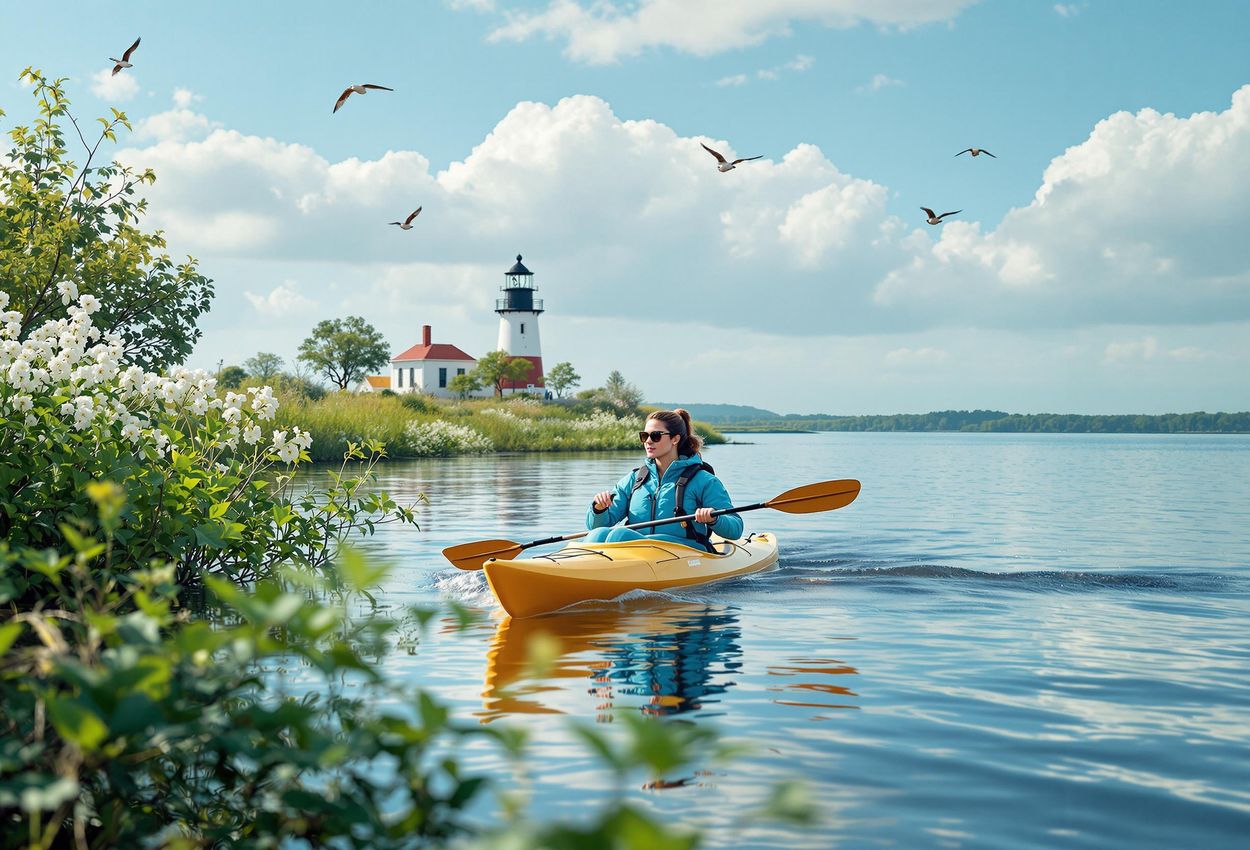
Paddling Through Paradise: Kayaking in Eden, Australia's Sapphire Coast
Eden, Australia, nestled on the Sapphire Coast, is a pristine kayaking destination that exudes tranquility and natural beauty. Imagine gliding through calm coastal waterways, surrounded by native vegetation and serenaded by birdsong. It's a sanctuary for the soul, a place where you can reconnect with nature and escape the stresses of modern life.
The coastal waterways around Eden are sheltered and calm, making them ideal for kayaking, even for beginners. The native vegetation along the shoreline is lush and green, providing habitat for a variety of bird species. The air is filled with the sounds of birdsong, creating a peaceful and relaxing atmosphere.
The pace of exploration in Eden is leisurely and unhurried. You can spend hours paddling through the waterways, observing the wildlife and soaking up the scenery. Keep an eye out for dolphins playing in the waves, seals basking on the rocks, and eagles soaring overhead.
Recommendation: Contact Kiah Wilderness Tours. They offer guided kayaking tours and rentals in the area, providing the necessary equipment and expertise to explore the waterways safely and responsibly. Their tours often include a stop for morning tea served on a sandy riverbank, a delightful way to start your day.
The sensory experience of paddling through this tranquil environment is profound. The gentle rocking of the kayak, the warmth of the sun on your skin, the smell of the eucalyptus trees, and the sounds of birdsong create a symphony of sensations that will leave you feeling refreshed and rejuvenated.
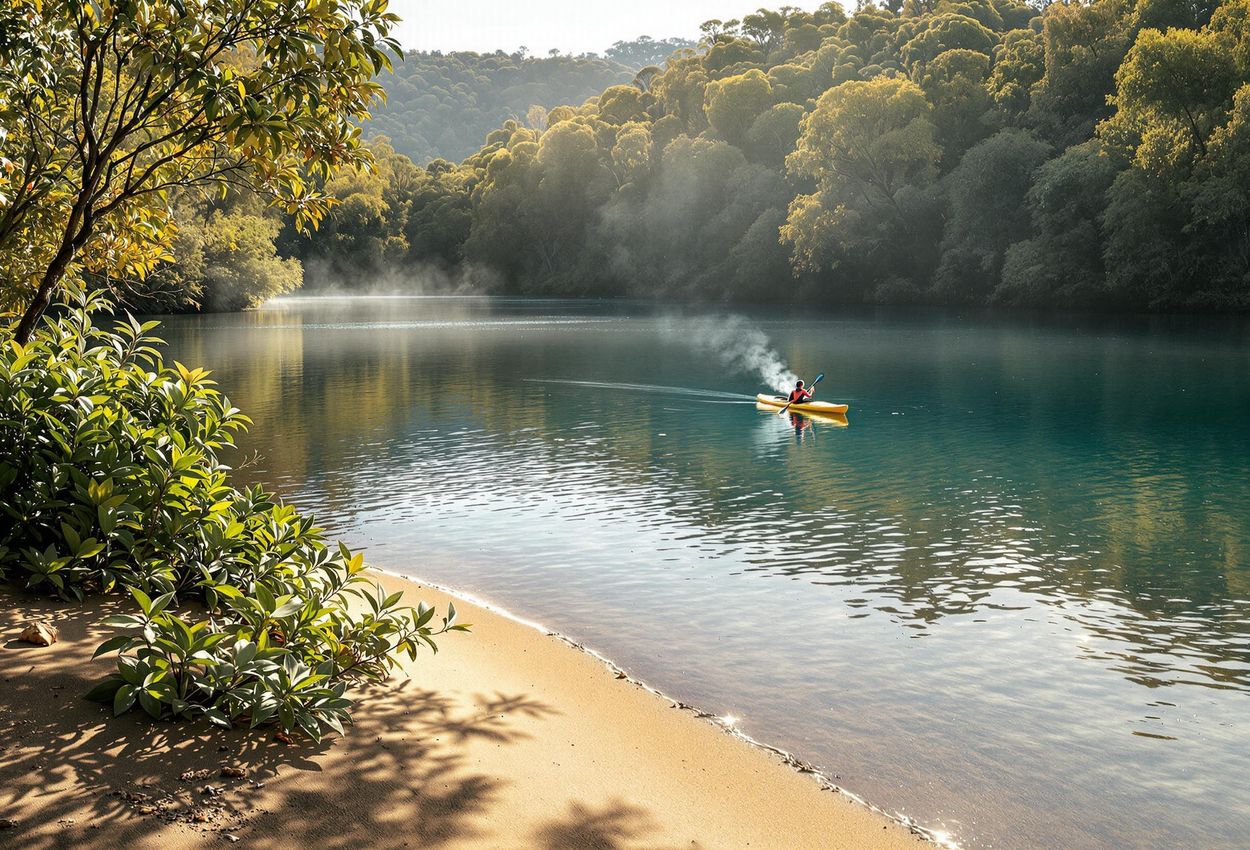
Safety and Sustainability: Responsible Kayaking Practices
Kayaking is a wonderful way to explore coastal waterways, but it's essential to do so responsibly and safely. By following a few simple guidelines, you can minimize your impact on the environment and ensure a safe and enjoyable experience.
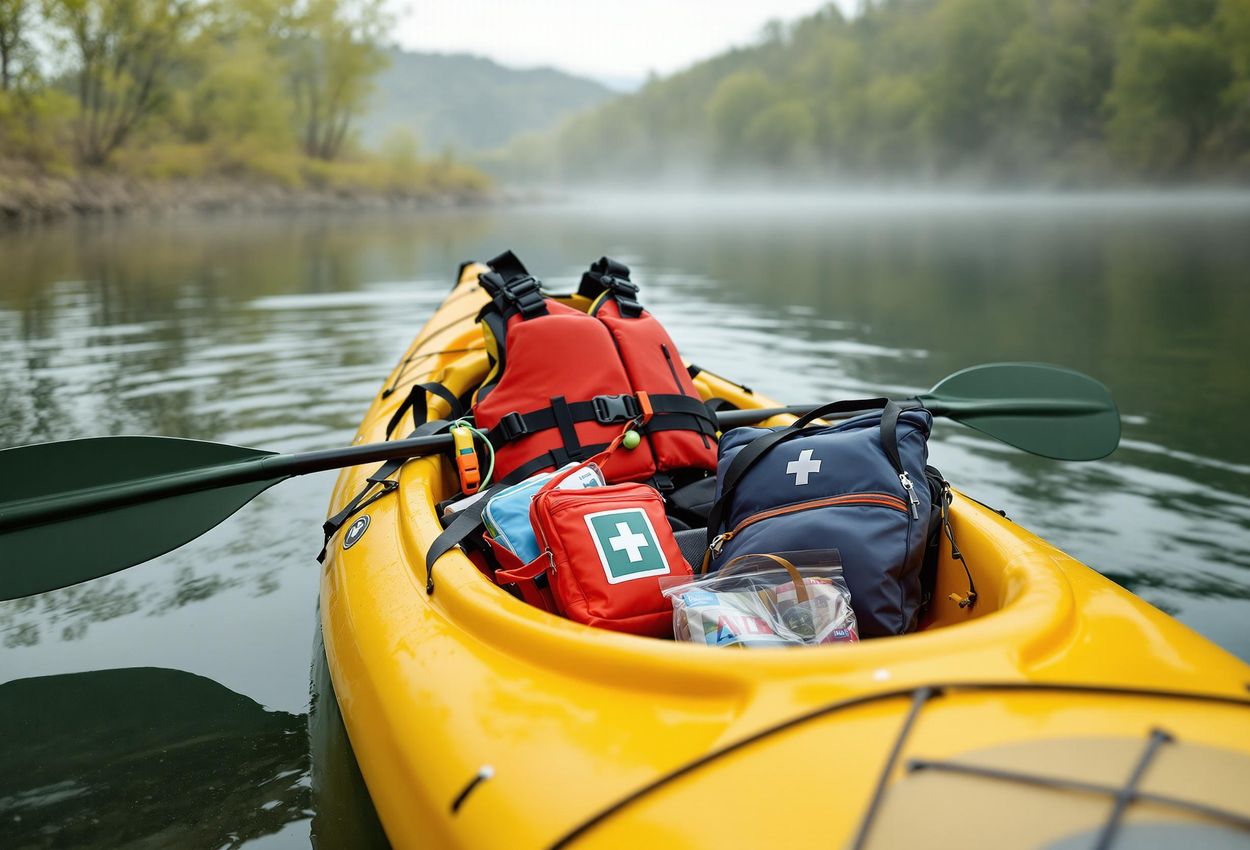
Pre-trip planning is crucial. Check the weather forecast, research your route, and inform someone of your plans. Pack essential gear, including a personal flotation device (PFD), a whistle, a first-aid kit, and a map and compass. Learn basic navigation skills and be aware of potential hazards, such as tides, currents, and boat traffic.
Essential gear includes a properly fitted PFD, a paddle that is the right length for your height, appropriate clothing for the weather conditions, and a waterproof bag to protect your valuables. A whistle is essential for signaling for help in an emergency.
Respect wildlife by maintaining a safe distance and avoiding any behavior that could disturb their natural activities. Never feed wildlife, and be mindful of nesting birds or other sensitive habitats. Minimize your environmental impact by packing out all your trash, avoiding the use of disposable plastics, and staying on designated trails.
Follow Leave No Trace principles by minimizing campfire impacts, respecting wildlife, and leaving the area as you found it. Be aware of local regulations and restrictions, and obtain any necessary permits or licenses.
Resources such as the American Canoe Association and REI Expert Advice provide valuable information on kayaking safety and responsible practices.
Gear Guide: Essential Equipment for Coastal Kayaking
Choosing the right gear is essential for a safe and enjoyable coastal kayaking experience. The type of kayak, paddle, PFD, clothing, and safety gear you select will depend on the type of paddling you plan to do, the conditions you expect to encounter, and your personal preferences.
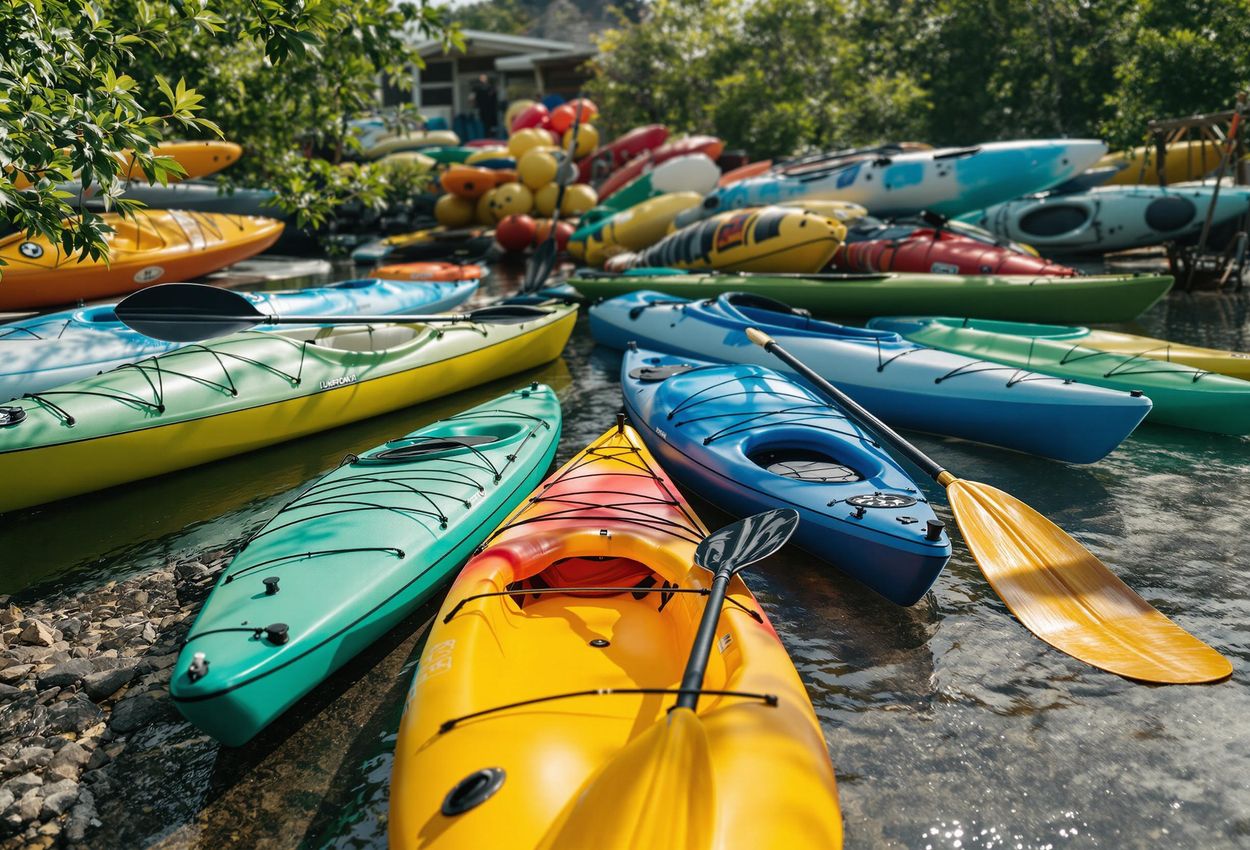
Kayak types vary widely, from recreational kayaks designed for calm waters to sea kayaks designed for open ocean conditions. Consider the length, width, and weight of the kayak, as well as its stability and maneuverability. For coastal kayaking, a sea kayak is generally recommended, as it is more stable and seaworthy than a recreational kayak.
Paddles also come in a variety of shapes and sizes. Choose a paddle that is the right length for your height and paddling style. A longer paddle is generally better for touring, while a shorter paddle is better for maneuverability. Consider the weight and material of the paddle, as well as its blade design.
A personal flotation device (PFD) is the most important piece of safety gear. Choose a PFD that is properly fitted and comfortable to wear. Make sure it is approved by the U.S. Coast Guard or a similar agency.
Clothing should be appropriate for the weather conditions. Dress in layers, and choose faics that wick away moisture and dry quickly. Avoid cotton, as it can become cold and clammy when wet. A waterproof jacket and pants are essential for coastal kayaking, as are a hat and sunglasses.
Safety gear should include a whistle, a first-aid kit, a map and compass, a knife, and a signaling device, such as a flare or a signal mirror. A waterproof flashlight or headlamp is also a good idea.
Navigation tools are essential for coastal kayaking. A map and compass are the most basic tools, but a GPS device can also be helpful. Learn how to use these tools before you head out on the water.