The turquoise waters beckon, the white sand whispers promises of paradise, but behind the postcard-perfect facade lies a growing crisis: overtourism is suffocating our coastal communities and devastating fragile ecosystems. From the shores of the Mediterranean to the islands of Southeast Asia, the relentless influx of visitors is pushing these delicate environments to the ink.
Paradise Lost: The Crushing Weight on Coastal Communities
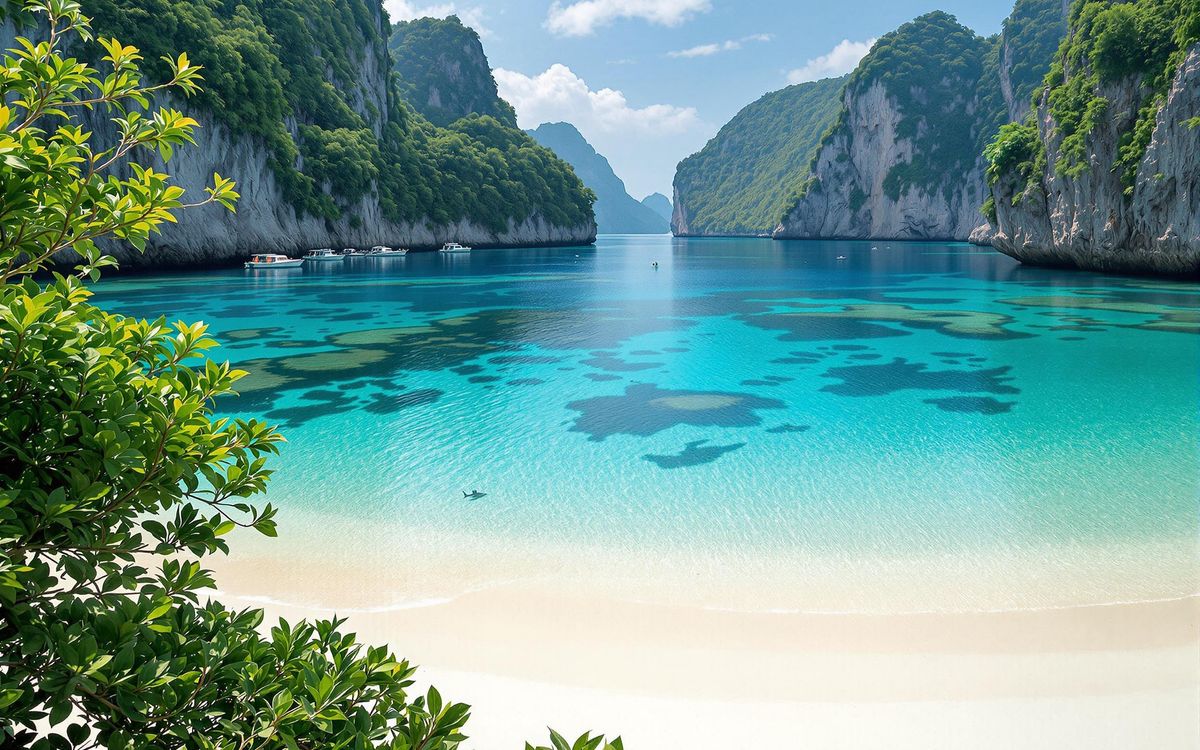
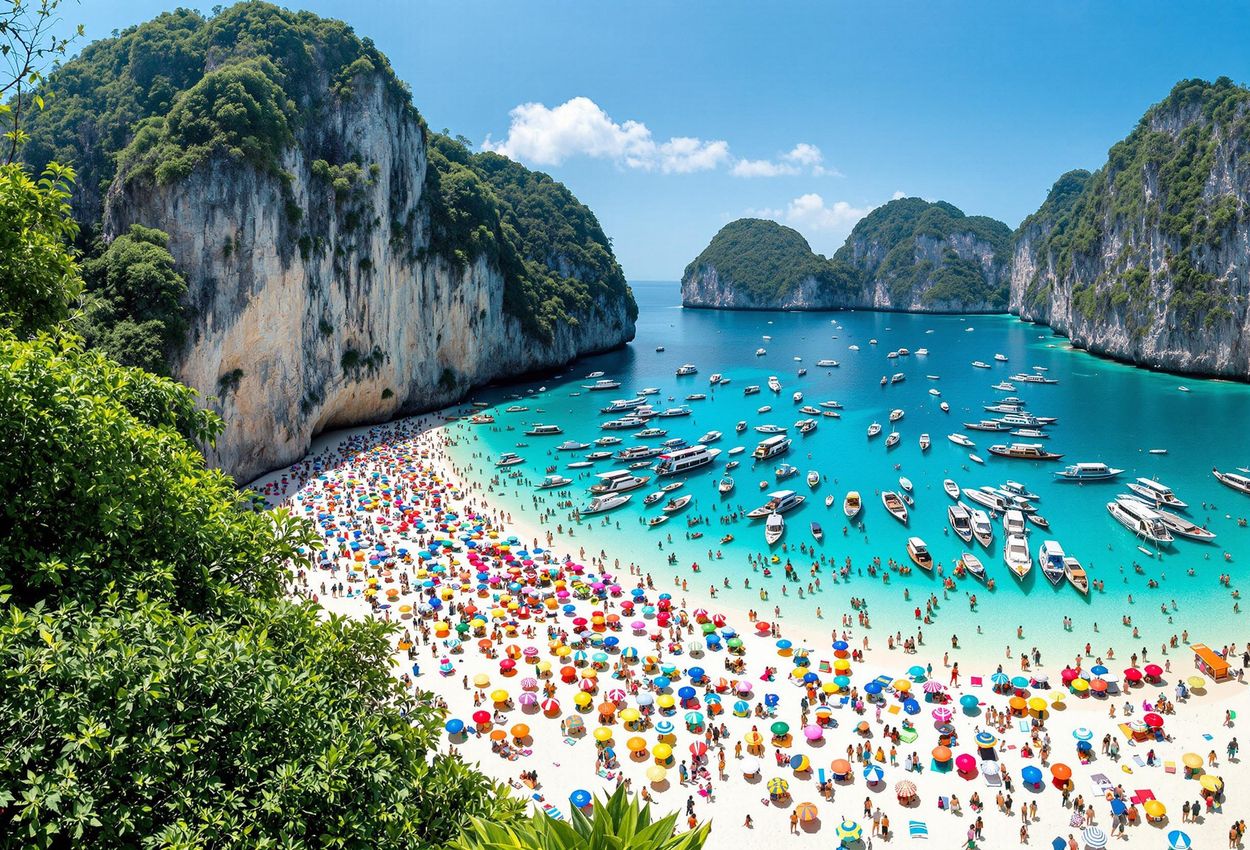
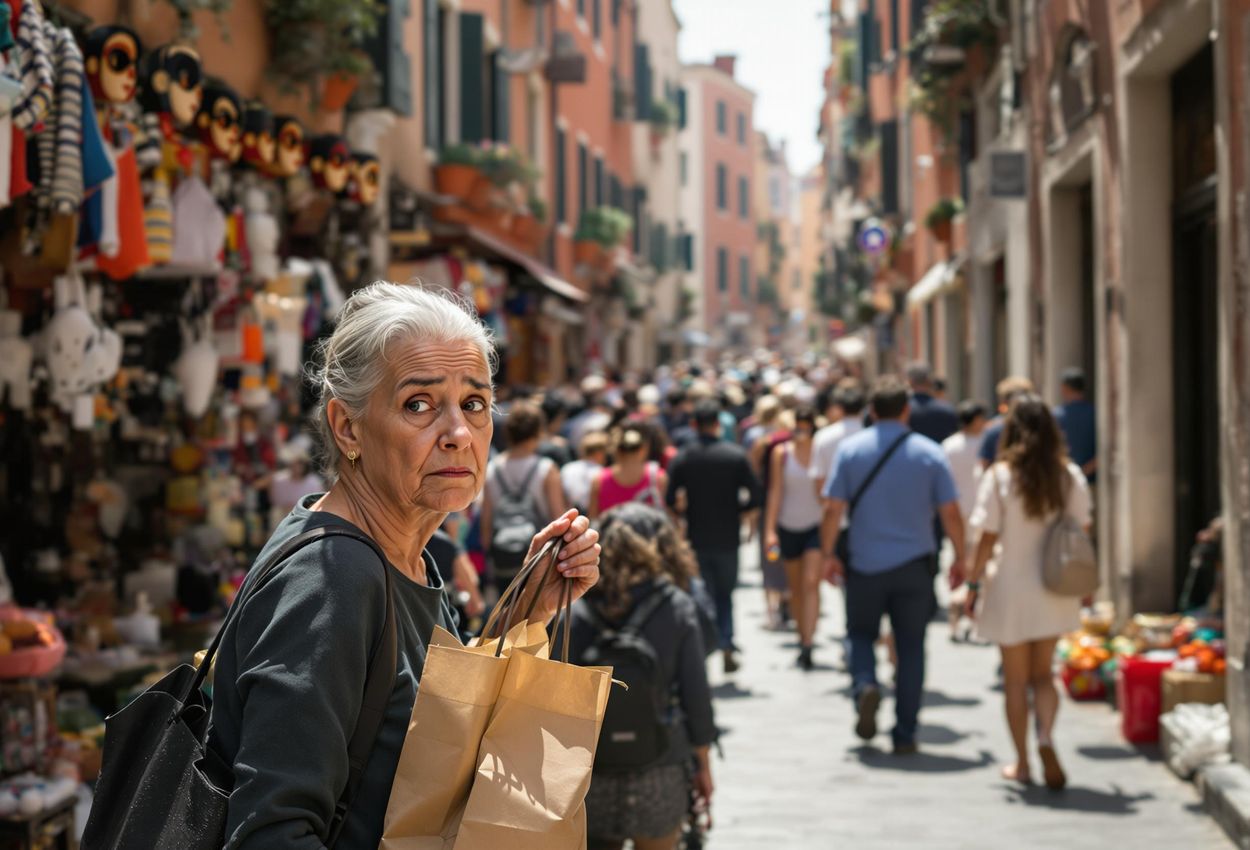
Imagine Maya Bay, once a pristine haven immortalized in film, now choked with hundreds of boats and thousands of daily visitors. The cacophony of engines and shouting drowns out the gentle lapping of waves, and the once-clear waters are clouded with sunscreen and pollution. Or picture Venice, a city of canals and history, struggling under the weight of tour groups that clog its narrow streets, pushing local residents further and further to the periphery. The charm fades as the city becomes a theme park, its soul slowly eroding under the relentless march of tourism.
The statistics paint a grim picture. Increased waste generation overwhelms already strained infrastructure. In many coastal communities, waste production has increased by over 40% during peak tourist seasons. Water resources are stretched thin, with some areas experiencing water shortages as hotels and resorts consume disproportionate amounts. According to a recent WWF report, several Mediterranean islands are facing severe water stress due to tourism. Sewage systems, often antiquated and inadequate, struggle to cope with the increased load, leading to pollution of coastal waters and posing health risks to both tourists and residents. The situation is not sustainable, and the consequences are becoming increasingly dire.
It's like living in a zoo, says Maria, a hypothetical long-term resident of a small Greek island, her voice tinged with weariness. We used to know everyone, there was a sense of community. Now, it's just a constant stream of strangers. The prices have gone up, it's hard to find affordable housing, and the noise never stops. We feel like we're being pushed out of our own home. This sentiment is echoed in coastal communities around the world, where the relentless influx of tourists is eroding the local culture and creating a sense of displacement among long-term residents. Traditional businesses are replaced by souvenir shops, local restaurants give way to international chains, and the unique character of these communities is slowly fading away. The very essence of what made these places special is being sacrificed at the altar of mass tourism.
Environmental Price Tag: Ecosystems on the ink
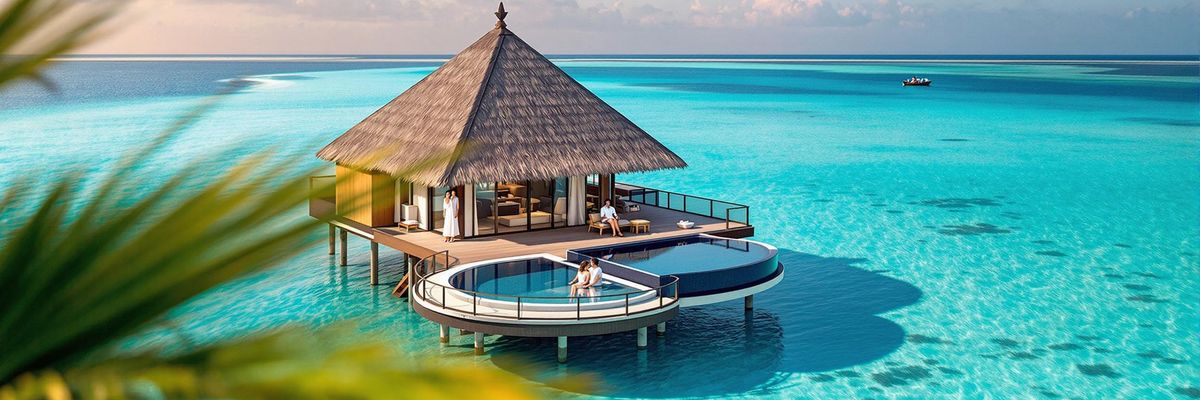
The environmental consequences of overtourism are equally devastating. Natural habitats, such as mangroves and coral reefs, are destroyed to make way for resorts, marinas, and other tourism-related infrastructure. Mangroves, vital nurseries for marine life and natural coastal defenses, are often cleared to create beaches or build hotels with ocean views. Coral reefs, among the most biodiverse ecosystems on the planet, are damaged by boat anchors, pollution, and the sheer presence of too many divers and snorkelers. The delicate balance of these ecosystems is disrupted, leading to a decline in biodiversity and a loss of essential ecosystem services.
Pollution levels in overtouristed coastal areas are alarmingly high. Cruise ships, in particular, are major contributors to air and water pollution, releasing vast quantities of pollutants into the atmosphere and dumping sewage and waste into the ocean. Studies have shown that cruise ship pollution in cities like Barcelona contributes significantly to air quality problems. Increased tourism also leads to overconsumption of resources and waste production. Plastic waste litters beaches and pollutes the ocean, harming marine life and degrading the aesthetic appeal of these destinations. In the Mediterranean region, the amount of waste generated during peak tourist season can double or even triple, overwhelming waste management systems and leading to environmental degradation.
Local wildlife suffers as well. Sea turtles, for example, are particularly vulnerable to the impacts of overtourism. Their nesting sites are often disrupted by tourists, and hatchlings can become disoriented by artificial lights, leading them away from the ocean and to their death. Fish populations decline due to pollution, habitat destruction, and overfishing to meet the demands of the tourism industry. Even seemingly innocuous activities, such as tourists trampling on the sand, can have significant environmental impacts. The constant pressure compacts the sand, making it almost cement-like, which can harm burrowing organisms and disrupt the natural processes of the beach ecosystem.
Stricter environmental regulations and sustainable tourism practices are urgently needed to protect these fragile ecosystems. This includes limiting the number of tourists allowed in sensitive areas, implementing stricter regulations on cruise ship emissions and waste disposal, investing in sustainable waste management infrastructure, and promoting responsible tourism practices among visitors. Without decisive action, we risk losing these invaluable natural treasures forever.

The Economic Illusion: Who Really Benefits?
The economic impacts of overtourism are often presented as a net positive, but a closer examination reveals a more complex and troubling reality. While tourism can generate revenue and create jobs, it often exacerbates existing inequalities and fails to deliver lasting benefits to local communities. The influx of tourists can drive up the cost of living, making it difficult for residents to afford housing, food, and other essential goods. Landlords often convert long-term rentals into short-term vacation rentals, further reducing the availability of affordable housing and displacing local residents.
In many cases, the profits from tourism flow to external investors and large corporations, while locals are relegated to low-wage jobs in the service sector. These jobs are often seasonal, insecure, and offer little opportunity for advancement. The economic leakage, where money spent by tourists doesn't stay within the local economy, is a significant problem in many overtouristed destinations. Tourists may stay in foreign-owned hotels, eat at international chain restaurants, and purchase souvenirs from multinational corporations, meaning that very little of their money actually benefits local businesses and communities. The promise of economic prosperity often turns out to be an illusion, benefiting a select few at the expense of the many.
The rise of short-term rentals, such as Airbnb, has further exacerbated the negative economic impacts of overtourism. While these platforms can provide homeowners with an additional source of income, they also contribute to the housing crisis by reducing the supply of long-term rentals and driving up rents. In cities like Barcelona and Lisbon, the proliferation of Airbnb has led to gentrification, forcing long-term residents out of their neighborhoods and transforming viant communities into tourist enclaves. The sense of community is lost as local residents are replaced by transient visitors, and the unique character of these neighborhoods is eroded.
A more equitable distribution of tourism revenue and support for local businesses is essential to ensure that tourism benefits everyone, not just a privileged few. This includes policies that promote local ownership of businesses, encourage tourists to spend their money at local establishments, and ensure that tourism revenue is reinvested in community development projects. By prioritizing the needs of local communities, we can create a more sustainable and equitable tourism model that benefits everyone.
Sustainable Solutions: A Path Forward
Managing tourism sustainably requires a comprehensive and multifaceted approach that balances economic benefits with environmental sustainability, visitor experience, and community well-being. Comprehensive tourism management plans are essential to ensure that tourism development is aligned with the long-term interests of local communities and the environment. These plans should include clear goals and objectives, measurable targets, and mechanisms for monitoring and evaluating progress. They should also involve meaningful consultation with local stakeholders, including residents, businesses, and environmental organizations.
Strategies such as limiting tourist numbers, implementing tourism taxes, and promoting off-season travel can help to reduce the negative impacts of overtourism. Limiting the number of tourists allowed in sensitive areas can help to protect fragile ecosystems and prevent overcrowding. Tourism taxes can generate revenue that can be used to fund conservation efforts, improve infrastructure, and support local communities. Promoting off-season travel can help to distribute tourism demand more evenly throughout the year, reducing pressure on peak season resources and providing economic opportunities for local businesses during the quieter months.
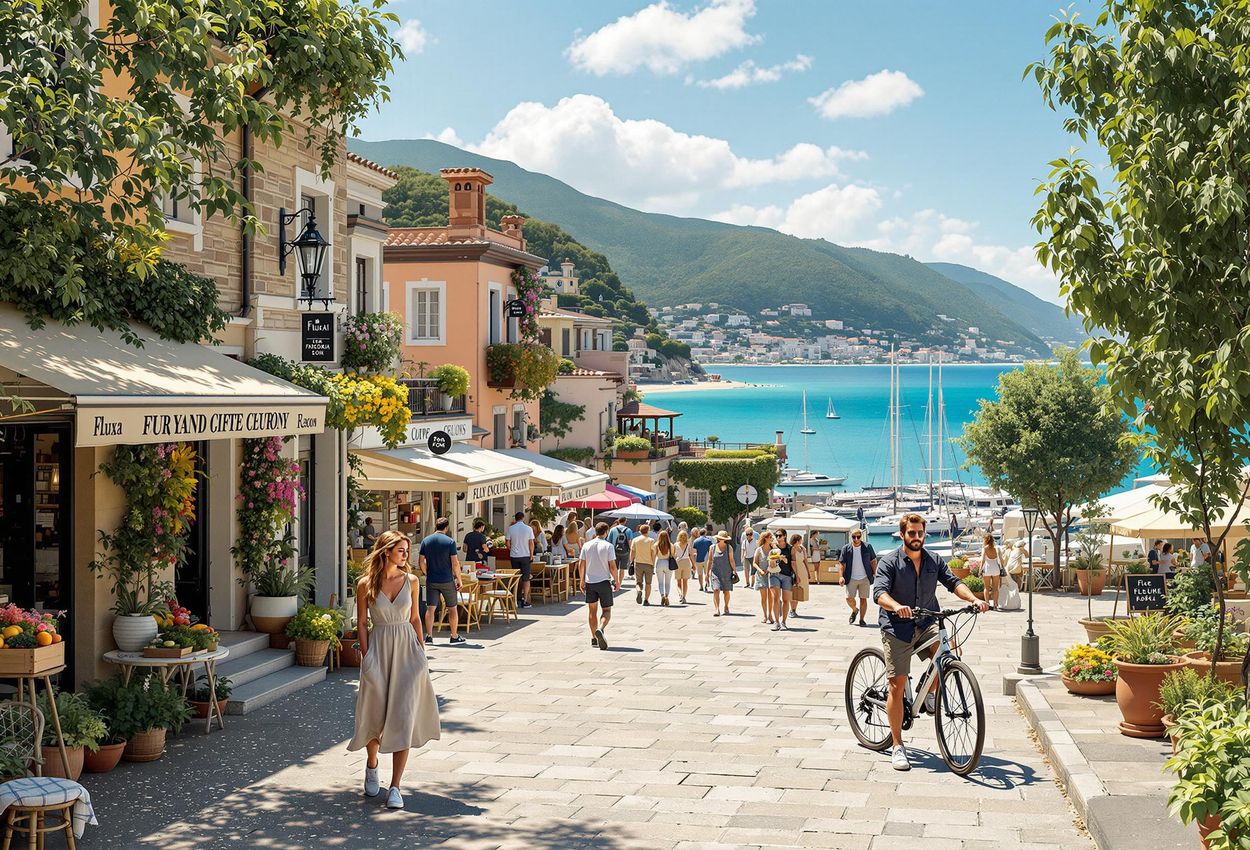
Several destinations have successfully implemented sustainable tourism practices. Park-and-ride programs, for example, can reduce traffic congestion and air pollution in popular tourist areas. Pedestrianization of city centers can create more pleasant and pedestrian-friendly environments, encouraging visitors to explore local shops and restaurants. Investment in local communities through responsible hotel management, promoting rural tourism and connection with nature, and sustainability in hotel construction and operation can also help to ensure that tourism benefits everyone.
Technology and data play a crucial role in monitoring tourism's impacts and informing policy decisions. By collecting and analyzing data on tourist numbers, spending patterns, and environmental impacts, we can gain a better understanding of the challenges and opportunities associated with tourism development. This information can then be used to inform policy decisions, target investments, and monitor the effectiveness of sustainable tourism initiatives. The future of our coasts depends on our ability to emace sustainable tourism practices and prioritize the well-being of local communities and the environment. It's time to find the balance before paradise is lost forever.