As travelers become increasingly aware of their environmental footprint, the quest for sustainable travel solutions has never been more critical. Coastal trips, with their delicate ecosystems and eathtaking beauty, demand a conscious approach to minimize our impact. Packing light and green is not just a trend; it's a responsibility. By choosing eco-friendly alternatives to everyday travel items, you can significantly reduce waste, conserve resources, and protect the precious coastal environments you explore.
Carry-On Champion: Choosing the Right Eco-Friendly Luggage
Selecting the right luggage is the first step towards sustainable travel. Opting for carry-on luggage not only reduces your carbon footprint by minimizing the weight of checked baggage on flights but also encourages you to pack more thoughtfully. When choosing a suitcase or travel bag, prioritize sustainability by selecting products made from recycled materials. Several ands now offer stylish and durable options crafted from recycled polycarbonate, polypropylene, or organic cotton.
Consider the IMPACKT IP1 Suitcase as a prime example of environmentally conscious design. This suitcase is made from recycled materials and designed for durability and longevity, reducing the need for frequent replacements. Look for features such as lightweight construction, sturdy wheels, and a well-organized interior to maximize packing efficiency.
For smaller trips or day excursions, explore alternatives like the Fanny Pack u201cTommau201d by Nordlicht, crafted from sustainable materials, or the Paravel Alta Via backpack, made from recycled plastic bottles. These options provide ample storage space while minimizing your environmental impact.
When evaluating luggage, consider its reparability. Opt for ands that offer repair services or replacement parts, extending the lifespan of your luggage and further reducing waste. A well-chosen, eco-friendly suitcase is an investment in both your travel experience and the planet's future.

Hydration Hero: Reusable Water Bottles and Filtration
One of the easiest and most impactful ways to reduce plastic waste while traveling is by inging a reusable water bottle. Single-use plastic bottles contribute significantly to pollution, especially in coastal areas. By carrying your own refillable bottle, you can stay hydrated while minimizing your environmental footprint.
Several ands offer high-quality, sustainable water bottles. Ocean Bottle is a standout choice, crafted from recycled stainless steel and designed to be durable and stylish. For every Ocean Bottle purchased, the company funds the collection of 1,000 plastic bottles from the ocean, making it a truly impactful choice. Klean Kanteen offers a wide range of stainless steel bottles in various sizes and colors, while YETI bottles are known for their exceptional insulation, keeping your drinks cold for hours.
24Bottles provides a sleek and lightweight option, perfect for travel. Consider the 24Bottles Kids Insulated Bottle for families, ensuring even the little ones stay hydrated sustainably. Insulated bottles are particularly beneficial for coastal trips, as they keep your water cool even in hot weather. For saving space, collapsible water bottles are an excellent choice.
To ensure access to clean drinking water, consider inging a portable water filtration system. These systems allow you to refill your bottle at the beach or in remote locations, providing safe and purified water without relying on single-use plastics. With a reusable water bottle and a filtration system, you can stay hydrated responsibly throughout your coastal adventure.

Sun's Out, Shields Up: Reef-Safe Sunscreen Selection
Protecting your skin from the sun is essential, but traditional sunscreens can pose a significant threat to coral reefs. Chemicals like oxybenzone and octinoxate, commonly found in conventional sunscreens, can damage coral DNA, disrupt their reproductive cycles, and contribute to coral bleaching. Choosing reef-safe sunscreen is crucial for protecting these delicate ecosystems.
Many ands now offer reef-safe sunscreen formulations that are free of harmful chemicals. Look for sunscreens containing zinc oxide or titanium dioxide as active ingredients. Badger, Mama Kuleana, Raw Elements, and Thinksport are reputable ands that prioritize reef safety. Kokua Sun Care Hawaiian SPF 50 is another excellent option, specifically formulated to protect coral reefs.
Always check the label for a list of ingredients and look for certifications that verify the sunscreen's reef-safe status. Be aware that the term 'reef-friendly' is not regulated, so it's essential to do your research and choose products from trusted ands. Note that Hawaii and other locations have banned sunscreens containing oxybenzone and octinoxate, so it's crucial to comply with local regulations.
As an alternative to sunscreen, consider wearing UPF clothing. These garments are designed to block harmful UV rays, providing sun protection without the need for chemicals. By choosing reef-safe sunscreen and UPF clothing, you can enjoy the sun responsibly and protect the health of coral reefs.

Toothush Triumph: Bamboo and Biodegradable Oral Care
Plastic toothushes are a significant source of plastic waste, ending up in landfills and oceans for hundreds of years. Switching to a bamboo toothush is a simple yet effective way to reduce your environmental impact. Bamboo is a sustainable material that is biodegradable and fast-growing, making it an excellent alternative to plastic.
Several ands offer high-quality bamboo toothushes. ush with Bamboo and Ecopify are popular choices, offering toothushes with soft, charcoal-infused istles for effective cleaning. When traveling, it's essential to keep your toothush clean and protected. Bamboo toothush travel cases are a great solution, providing a hygienic way to store your toothush.
ush with Bamboo and The Humble Co. offer bamboo toothush travel cases that are both stylish and functional. To prevent swelling, wipe the toothush dry before storing it in the case. At the end of its useful life, the bamboo toothush case can be backyard composted, returning it to the earth naturally.
By choosing a bamboo toothush and travel case, you can maintain your oral hygiene while minimizing your environmental footprint. It's a small change that can make a big difference in reducing plastic waste.

Cutlery Karma: Reusable Utensils and Food Storage
Single-use plastic utensils are another major source of waste, especially when traveling. Carrying a reusable cutlery set is a simple way to avoid using plastic forks, knives, and spoons. Look for bamboo cutlery sets, which are lightweight, durable, and biodegradable.
Many sets also include stainless steel straws, providing a sustainable alternative to plastic straws. Keepsie Kits and Final are ands that offer stylish and functional reusable cutlery sets. In addition to cutlery, consider using reusable snack bags made from silicone. These bags are perfect for packing snacks and sandwiches, eliminating the need for plastic baggies.
Reusable snack bags are easy to clean and can be used repeatedly, reducing waste and saving money. Bamboo cutlery can be composted at the end of its life, while stainless steel straws can be recycled. For packing snacks, consider eco-friendly food wraps and containers. These options provide a sustainable way to store and transport food, minimizing your environmental impact.
By carrying reusable cutlery and food storage containers, you can enjoy your meals and snacks on the go without contributing to plastic waste. It's a simple and effective way to practice sustainable travel.

Towel Tales: Lightweight and Recycled Faics
Traditional cotton towels can be bulky and slow to dry, making them less than ideal for travel. Lightweight, quick-drying travel towels made from recycled materials are a sustainable and practical alternative. Some towels are made from recycled plastic bottles, giving new life to waste materials.
These towels are not only eco-friendly but also incredibly absorbent and quick-drying, making them perfect for beach trips and other coastal activities. Look for ands that offer sustainable travel towels in various sizes and colors. The Day at the Beach Sustainable Travel Kit is an excellent example, providing a complete set of eco-friendly essentials for your coastal adventures.
By using reusable travel towels, you can reduce waste and save space in your luggage. When your travel towel reaches the end of its life, consider donating it to a local shelter or recycling it with a textile recycling program. These options help to keep textiles out of landfills and promote a circular economy.
Choosing lightweight and recycled travel towels is a sustainable and practical way to enhance your coastal travel experience.

Wardrobe Wonders: Versatile and Minimalist Clothing Choices
Packing light is essential for sustainable travel, as it reduces the weight of your luggage and minimizes your carbon footprint. Choosing versatile clothing items that can be mixed and matched is key to packing light effectively. Opt for lightweight, quick-drying faics like merino wool and synthetic materials.
These faics are not only comfortable but also easy to care for, making them ideal for travel. Instead of packing bulky items, focus on layering clothes. This allows you to adapt to changing weather conditions without overpacking. Choose neutral colors for your clothing items, as they can be easily mixed and matched to create a variety of outfits.
Consider packing a capsule wardrobe consisting of a few essential items that can be worn in multiple ways. Several ands offer sustainable and ethically made travel clothing, prioritizing eco-friendly materials and fair labor practices. A helpful guideline is the '3-day rule' for clothing: one pair of trousers/pants per 3 days of travel, two outer tops per 3 days of travel.
By packing light with versatile clothing items, you can reduce your luggage weight, minimize your environmental impact, and simplify your travel experience.

Toiletries Triumph: Solid and Refillable Options
Traditional liquid toiletries often come in plastic bottles, contributing to plastic waste. Switching to solid toiletries like shampoo bars and conditioner bars is a sustainable alternative. These bars are not only eco-friendly but also lighter and less likely to leak than liquid toiletries, making them ideal for travel.
For liquid toiletries, consider using refillable toiletry bottles. These bottles allow you to ing your favorite products without purchasing travel-sized versions in plastic containers. Seed & Sprout is a and that offers a range of sustainable travel toiletries, including solid bars and refillable bottles.
Solid toiletries are incredibly convenient for travel, as they are lighter, take up less space, and eliminate the risk of leaks. Some ands offer travel tins for storing solid toiletries, keeping them clean and protected. For removing makeup, consider using reusable makeup remover cloths. These cloths are gentle on the skin and can be washed and reused repeatedly, reducing waste.
By choosing solid and refillable toiletries, you can reduce plastic waste and simplify your travel routine. It's a sustainable and practical way to enhance your travel experience.

Bag It Right: Reusable Shopping and Beach Bags
Single-use plastic bags are a major source of pollution, especially in coastal areas. Carrying reusable shopping and beach bags is essential for avoiding plastic bags and minimizing your environmental impact. Look for lightweight, foldable bags that can be easily packed in your luggage.
Choose bags made from durable materials like organic cotton or recycled materials. Several ands offer stylish and durable reusable bags in various sizes and designs. These bags are not only practical but also a great way to show your commitment to sustainability. By carrying reusable bags, you can avoid using plastic bags at the grocery store, the beach, and other locations.
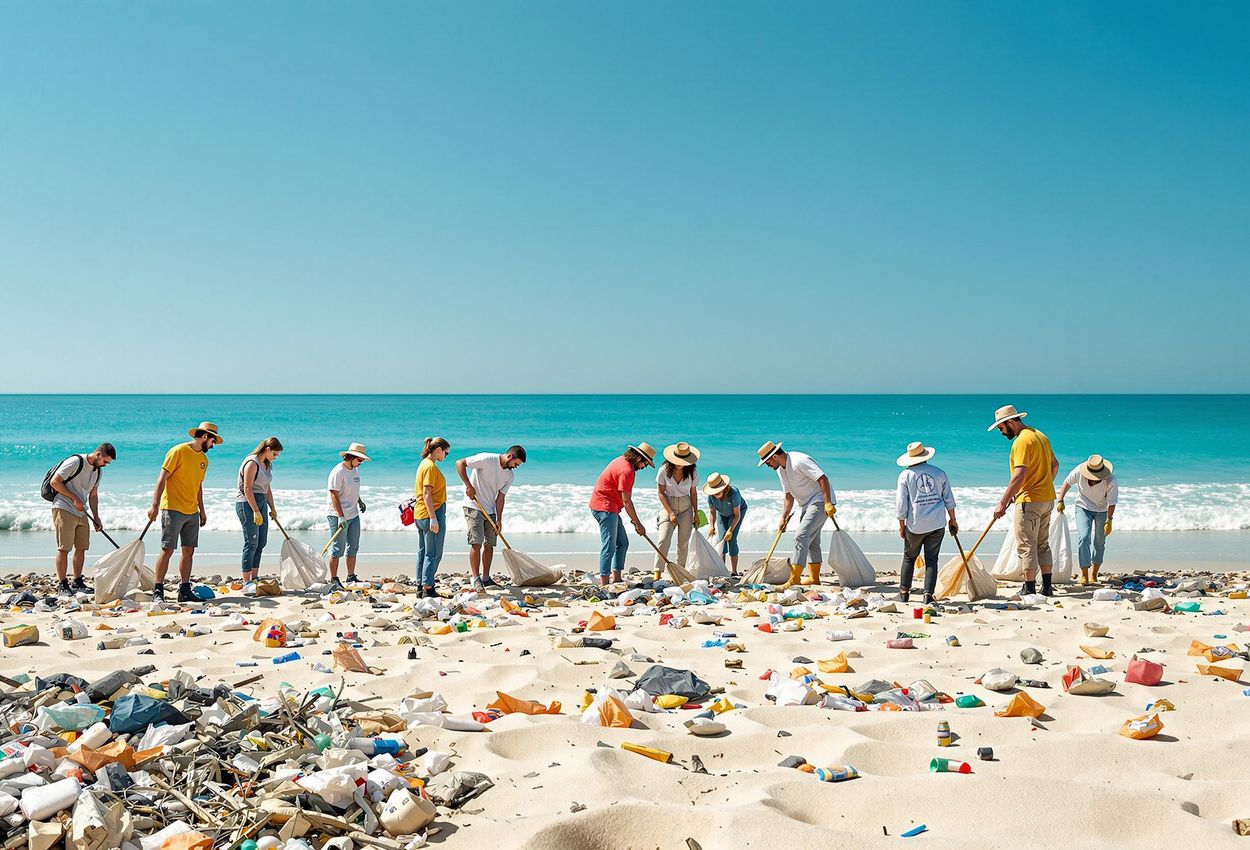
In addition to carrying reusable bags, consider participating in local cleanup efforts. Many communities and eco-tourism groups organize beach cleanups where travelers can volunteer to help maintain the area's natural beauty and reduce pollution. It's a great way to give back to the community and make a positive impact on the environment.
By carrying reusable bags and participating in cleanup efforts, you can help to protect coastal ecosystems and promote sustainable tourism.

Leave No Trace: Eco-Friendly Practices on the Coast
Minimizing your waste and environmental impact is crucial when traveling on the coast. Practice the principles of Leave No Trace by recycling properly, composting organic waste, and choosing digital over paper whenever possible. Support local economies by buying from local markets and eating at independent restaurants.
When exploring coastal areas, be mindful of the delicate ecosystems and avoid disturbing wildlife. Choose eco-friendly marine activities, such as kayaking and eco-certified diving tours. These activities allow you to enjoy the beauty of the coast without harming the environment. Choose responsible tour operators committed to sustainability.
Always clean up after yourself and leave natural objects where you found them. Avoid collecting shells or other souvenirs from the beach, as this can disrupt the ecosystem. Encourage fellow travelers to adopt eco-friendly practices and spread awareness about sustainable tourism.
By following these tips, you can minimize your environmental impact and help to protect the beauty of coastal areas for future generations. Emacing sustainable travel is not just a trend; it's a commitment to preserving the planet for future generations.