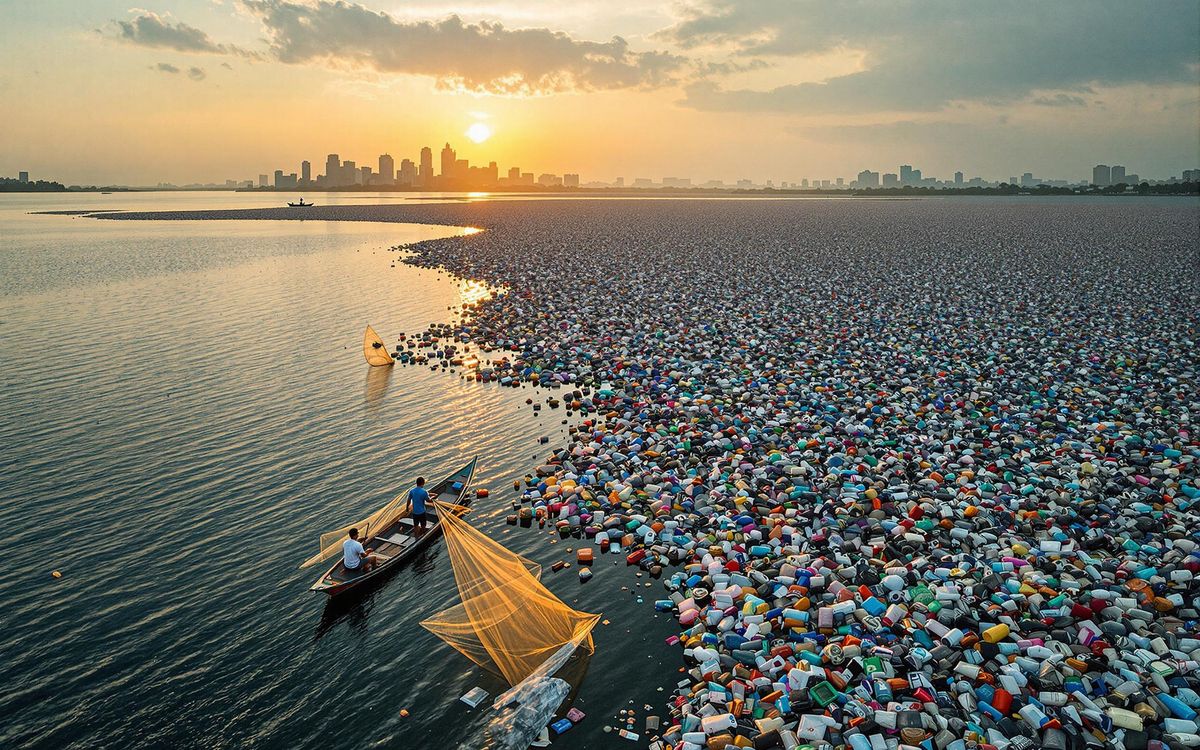
The relentless tide of plastic waste is transforming our shorelines, posing an existential threat to marine ecosystems and demanding immediate, comprehensive action. From the deepest ocean trenches to the most remote beaches, plastic pollution is an undeniable blight, a stark reminder of our unsustainable consumption habits. This article delves into the multifaceted challenge of marine plastic pollution, exploring its sources, impacts, and the innovative solutions being deployed to combat this global crisis.
Understanding the Sources: Where Does Marine Plastic Come From?
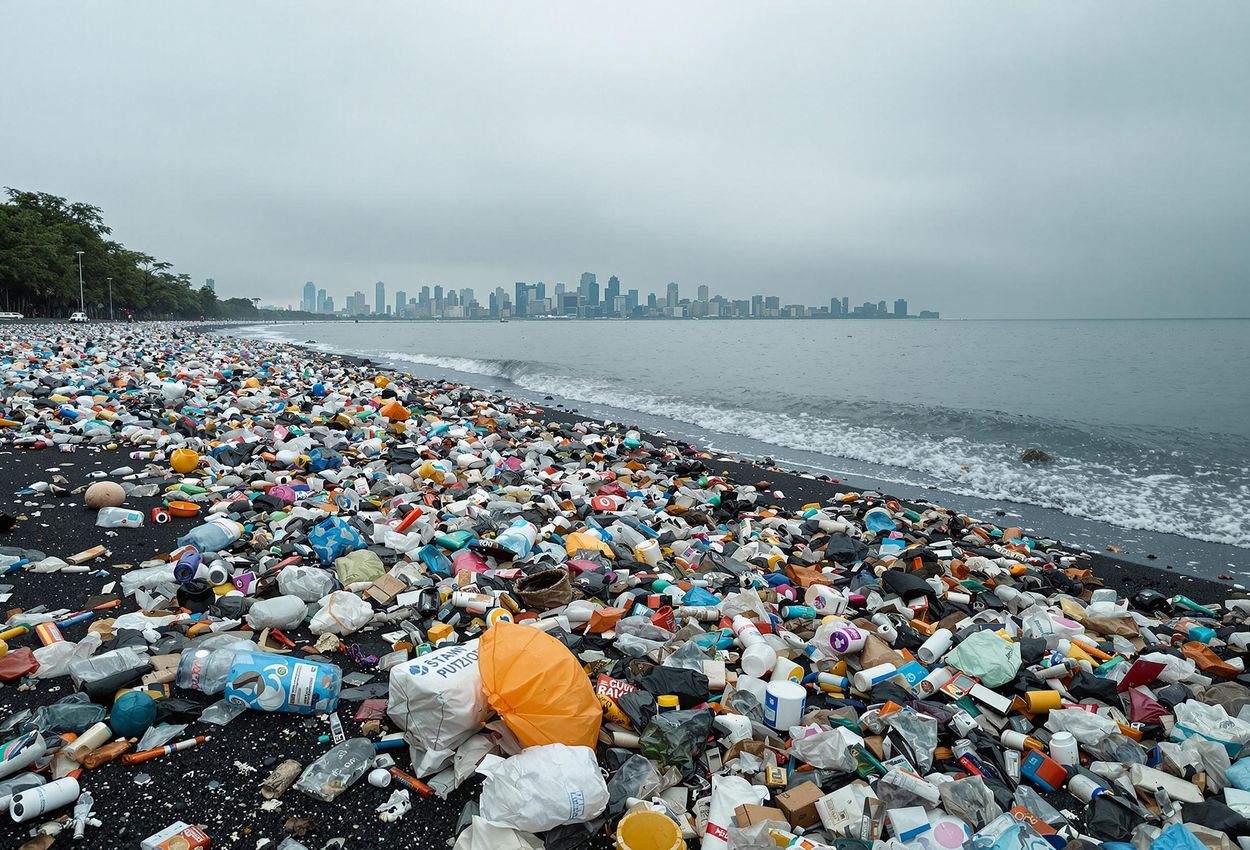
The origins of marine plastic pollution are diverse, yet overwhelmingly land-based. A staggering 80% of plastic entering the ocean originates from terrestrial sources, highlighting the critical link between our daily habits and the health of our seas. Urban runoff stands as a major culprit, carrying discarded plastic deis u2013 from carelessly tossed wrappers to abandoned shopping bags u2013 through storm drains and directly into coastal waters. Littering, a pervasive problem in many communities, adds significantly to this influx, with plastic items easily swept away by wind and rain.
Industrial activities also contribute substantially to the plastic tide. Manufacturing plants, particularly those located near waterways, can release plastic pellets, fragments, and improperly disposed of waste materials into the environment. Inadequate waste management systems, especially in rapidly developing nations, exacerbate the problem. Overburdened landfills and open dumpsites often fail to contain plastic waste effectively, allowing it to leach into nearby rivers and ultimately reach the ocean. Consider the dire situation in Manila Bay, Philippines, where mismanaged waste chokes the waterways, creating a visible testament to the consequences of inadequate infrastructure and unsustainable practices. The Pasig River, which empties into Manila Bay, is one of the world's most polluted rivers, carrying vast quantities of plastic waste into the sea daily.
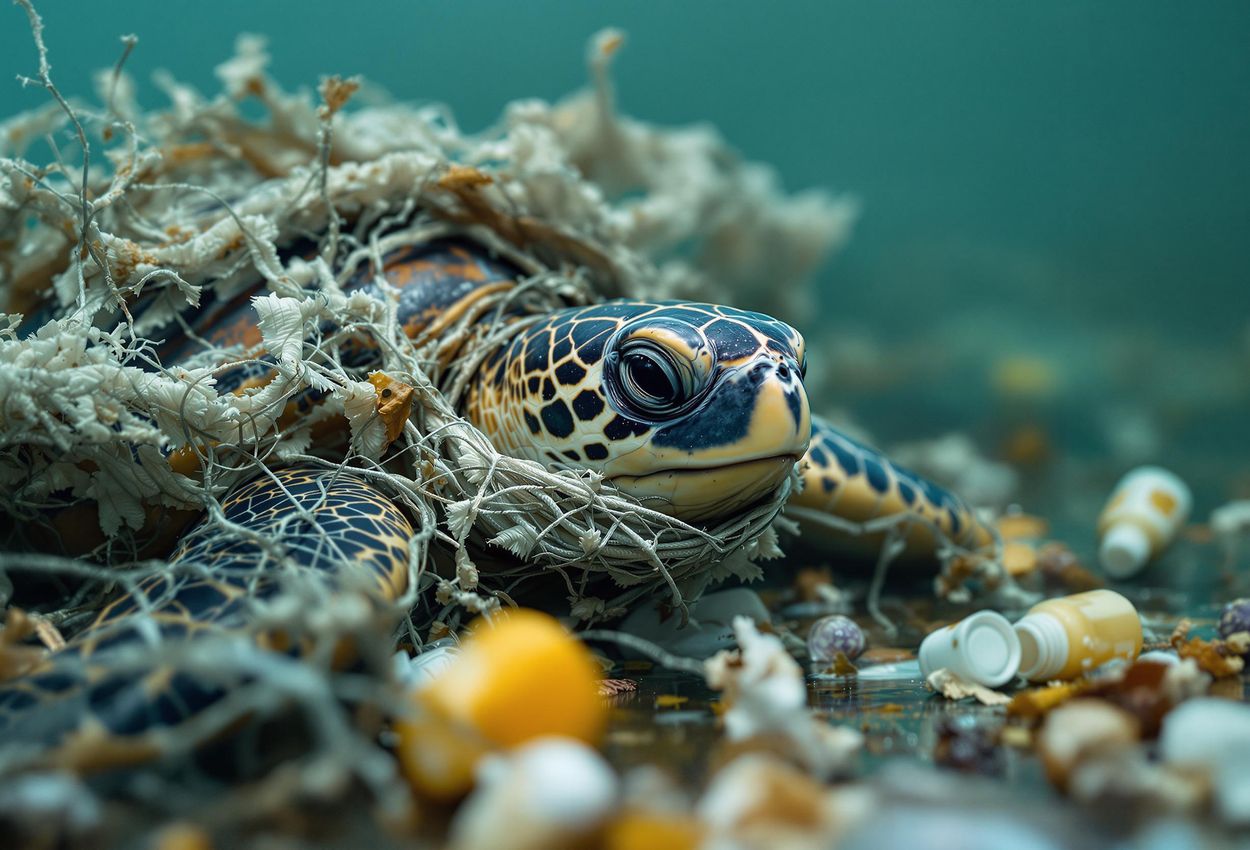
Water-based sources, while accounting for a smaller percentage of the total, are nonetheless significant. Discarded fishing gear, including nets, lines, and traps, poses a grave threat to marine life. These so-called u201cghost netsu201d can drift for years, entangling and killing marine animals indiscriminately. Shipping waste, from cargo packaging to discarded supplies, also contributes to the problem. The North Sea, a vital fishing ground and busy shipping lane, is particularly vulnerable to this type of pollution. Studies indicate that approximately 10% of the plastic found in the North Sea originates from fishing-related activities.
The type of plastic also plays a role in its environmental impact. Macroplastics, such as bottles and bags, are visually disturbing and pose entanglement risks to marine animals. Microplastics, tiny plastic particles less than 5mm in size, are even more insidious. These particles can originate from the eakdown of larger plastic items or from sources like microbeads in personal care products and synthetic fibers from clothing. Riverine plastic emissions are a major pathway for microplastics to enter the ocean, with studies showing that major rivers around the world, particularly in Asia, are significant contributors. Research published in Nature Communications estimates that rivers discharge between 0.8 million and 2.7 million metric tons of plastic into the ocean annually.
A Sea of Troubles: The Impact of Plastic on Marine Life
The consequences of plastic pollution on marine life are nothing short of catastrophic. Ingestion, entanglement, and habitat destruction are the primary pathways through which plastic wreaks havoc on marine ecosystems. Marine animals, often unable to distinguish between plastic and food, ingest plastic deis, leading to malnutrition, starvation, and internal injuries. Sea turtles, for example, frequently mistake plastic bags for jellyfish, a staple of their diet. In the Mediterranean Sea, loggerhead turtles are particularly vulnerable, with studies showing that a significant percentage of stranded turtles have ingested plastic. The ingestion of plastic can block their digestive tracts, preventing them from absorbing essential nutrients and ultimately leading to death.
Seabirds, another highly affected group, often consume microplastics, either directly or indirectly through contaminated prey. These microplastics can accumulate in their digestive systems, causing chronic health problems and reducing their reproductive success. In the North Pacific Ocean, albatrosses are particularly susceptible, as they forage over vast distances and often encounter high concentrations of plastic deis. Studies have found that chicks raised on islands in the North Pacific frequently have plastic fragments in their stomachs, passed on by their parents who unknowingly feed them contaminated food.
Coral reefs, vital ecosystems that support a vast array of marine life, are also severely threatened by plastic pollution. Plastic waste can smother coral reefs, blocking sunlight and hindering their ability to photosynthesize. In Southeast Asia, where coral reefs are already under pressure from climate change and overfishing, plastic pollution adds another layer of stress, further degrading these fragile ecosystems. Research published in Science found that corals in contact with plastic have an 89% chance of contracting disease, compared to a 4% chance for corals not in contact with plastic.
The numbers are staggering. It is estimated that over 100,000 marine animals are killed annually by plastic pollution. However, this figure likely underestimates the true extent of the problem, as many deaths go unrecorded. The impact of microplastics on the food chain is also a growing concern. Microplastics can be ingested by small organisms, such as plankton, and then passed up the food chain to larger animals, including fish, seabirds, and marine mammals. This raises concerns about the potential for bioaccumulation, where microplastics and associated toxins accumulate in the tissues of animals at higher trophic levels. Research has shown that microplastics are now ubiquitous in seafood, raising concerns about potential consequences for human health. While the long-term effects of microplastic ingestion on human health are still being studied, some research suggests that they may contribute to inflammation, oxidative stress, and other adverse health outcomes.
Consumer Choices: How Individuals Contribute to the Problem and What They Can Do
Individual consumer choices play a significant role in the generation of plastic waste. Our reliance on single-use plastics, excessive packaging, and unsustainable consumption habits contributes directly to the plastic tide that engulfs our oceans. Every plastic bottle, every disposable coffee cup, every plastic bag that we use adds to the problem. The sheer volume of plastic waste generated by individual consumers is staggering. It is estimated that the average person in the developed world generates over 100 kilograms of plastic waste per year.
However, individuals also have the power to be part of the solution. By making conscious choices and adopting more sustainable habits, we can significantly reduce our plastic footprint. One of the most effective steps we can take is to reduce our consumption of single-use plastics. This means using reusable bags, bottles, and containers whenever possible. Carrying a reusable water bottle and coffee cup can eliminate the need for disposable alternatives. Using reusable shopping bags and produce bags can significantly reduce the number of plastic bags that end up in landfills and the ocean. Avoiding single-use plastics, such as straws, cutlery, and food containers, can also make a big difference.
Supporting businesses with sustainable practices is another way to make a positive impact. Look for companies that use eco-friendly packaging, reduce plastic in their supply chains, and invest in recycling programs. Choose products that are made from recycled materials or that come in minimal packaging. Be aware of greenwashing, where companies make misleading claims about the environmental benefits of their products. Look for credible certifications and labels that indicate a genuine commitment to sustainability.
Participating in initiatives like the Plastic Free July campaign can also help raise awareness and encourage behavior change. Plastic Free July is a global movement that challenges people to reduce their use of single-use plastics during the month of July. The campaign provides resources and support to help individuals make small changes that can have a big impact. Communities around the world have demonstrated that individual action can make a noticeable difference. In coastal towns with successful reusable bag programs, for example, the amount of plastic litter on beaches has been significantly reduced. In San Francisco, California, the city's ban on single-use plastic bags has resulted in a dramatic decrease in plastic bag waste.
Business Responsibility: Sustainable Practices and Innovative Solutions
Businesses bear a significant responsibility in reducing plastic waste. Their decisions regarding packaging, supply chains, and product design have a profound impact on the amount of plastic that ends up in the environment. Companies that prioritize sustainability and implement innovative solutions are leading the way in the fight against plastic pollution. One crucial step businesses can take is to adopt eco-friendly packaging. This means using materials that are biodegradable, compostable, or easily recyclable. Companies like Unilever are investing heavily in sustainable packaging initiatives, such as developing recyclable pouches and reducing the amount of plastic in their bottles. Another important strategy is to reduce plastic in supply chains. This can involve working with suppliers to minimize packaging, using reusable containers for transport, and optimizing logistics to reduce waste.
Investing in recycling programs is another way businesses can contribute to the solution. This can involve setting up in-house recycling programs, supporting community recycling initiatives, and investing in technologies that improve the efficiency of recycling processes. Patagonia, for example, has long been committed to using recycled materials in its products, including recycled plastic bottles. This not only reduces the demand for virgin plastic but also helps to divert plastic waste from landfills and the ocean.
Innovative solutions are also emerging that offer promising alternatives to traditional plastics. Biodegradable plastics, made from renewable resources like cornstarch or sugarcane, can eak down naturally in the environment. However, it is important to note that not all biodegradable plastics are created equal. Some require specific conditions to decompose, such as high temperatures and humidity, which may not be readily available in all environments. Plastic alternatives, such as seaweed packaging, offer another promising avenue. Seaweed is a renewable resource that can be used to create packaging that is both biodegradable and compostable. Companies like Notpla are pioneering the use of seaweed to create innovative packaging solutions.
Closed-loop systems, where products are designed to be reused or recycled at the end of their life, are also gaining traction. This approach aims to minimize waste and keep materials in circulation. Companies that adopt closed-loop systems take responsibility for the entire lifecycle of their products, from design to disposal. By implementing sustainable practices and emacing innovative solutions, businesses can play a crucial role in reducing plastic waste and protecting our oceans.

Government Action: Policies, Regulations, and International Agreements
Governments play a vital role in addressing plastic pollution through the implementation of policies, regulations, and participation in international agreements. These measures can create a framework for reducing plastic waste, promoting sustainable practices, and holding businesses and individuals accountable for their environmental impact. Plastic bag bans are one of the most common and effective policy tools. By prohibiting or restricting the use of single-use plastic bags, governments can significantly reduce the amount of plastic waste that ends up in landfills and the ocean. Many countries and regions around the world have implemented plastic bag bans, including the European Union, which has banned single-use plastics such as straws, cutlery, and plates.
Extended producer responsibility (EPR) schemes are another important policy approach. EPR schemes hold producers responsible for the end-of-life management of their products, including packaging. This incentivizes producers to design products that are easier to recycle, use less plastic, and incorporate recycled materials. EPR schemes can also generate funding for recycling programs and waste management infrastructure. International treaties and agreements are essential for addressing plastic pollution on a global scale. The UN Environment Programme is actively working to combat marine plastic litter through various initiatives, including the development of a global agreement on plastic pollution. Such agreements can set targets for reducing plastic waste, promote international cooperation, and establish standards for sustainable practices.
Effective policy approaches require careful consideration of the specific context and challenges of each region or country. Factors such as waste management infrastructure, economic conditions, and cultural norms can influence the success of different policy measures. Enforcement is also crucial. Even the best policies will be ineffective if they are not properly enforced. This requires adequate resources for monitoring, inspections, and penalties for non-compliance. Some governments have implemented particularly successful initiatives. Rwanda, for example, has implemented strict plastic bag regulations, resulting in a significant reduction in plastic waste and a cleaner environment.

Cleanup Initiatives: Removing Plastic from Coastal Environments
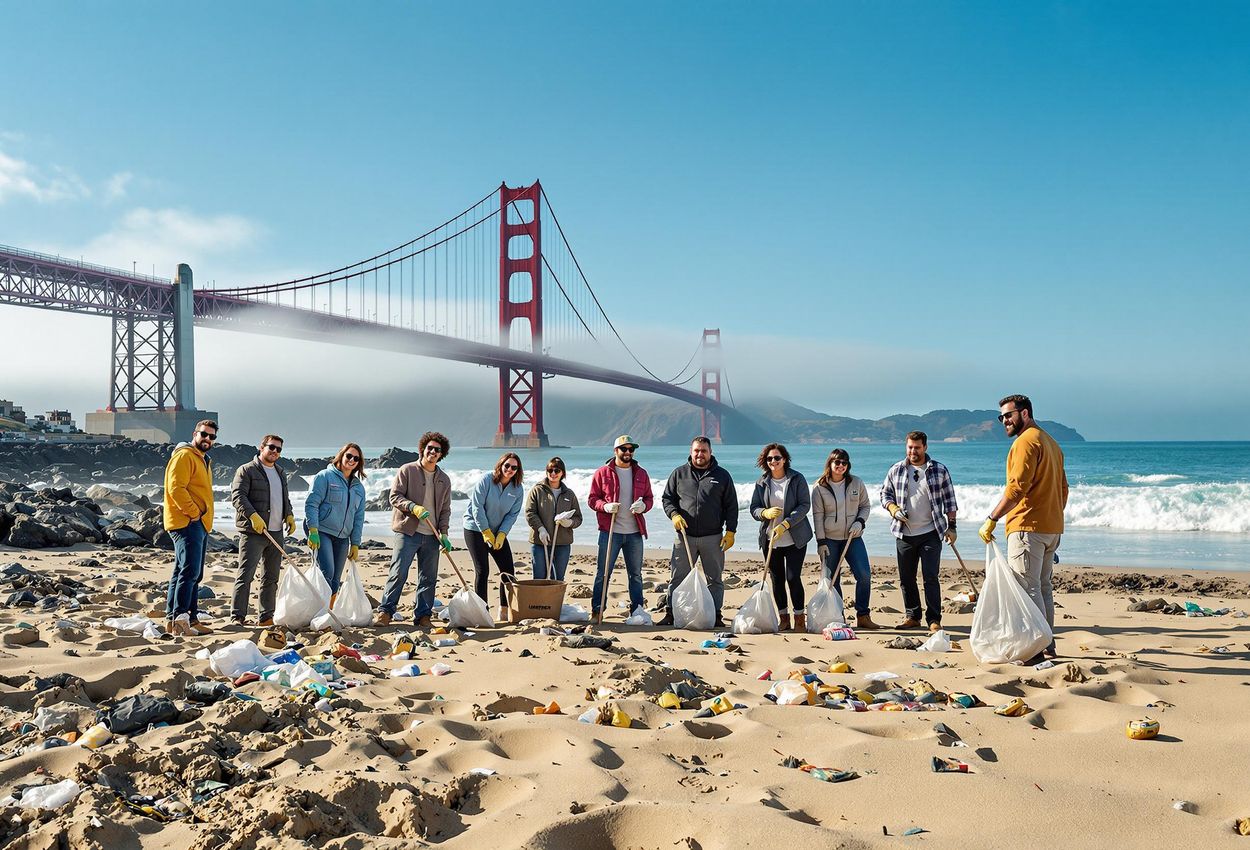
While preventing plastic pollution at its source is the most effective long-term solution, cleanup initiatives play a crucial role in removing existing plastic waste from coastal environments. These efforts range from small-scale beach cleanups to large-scale ocean cleanup projects, all aimed at mitigating the harmful effects of plastic pollution on marine ecosystems. Beach cleanups are a common and effective way to remove plastic waste from coastal areas. These events typically involve volunteers who collect plastic deis from beaches and shorelines. Beach cleanups not only remove plastic waste but also raise awareness about the issue and promote a sense of community stewardship.
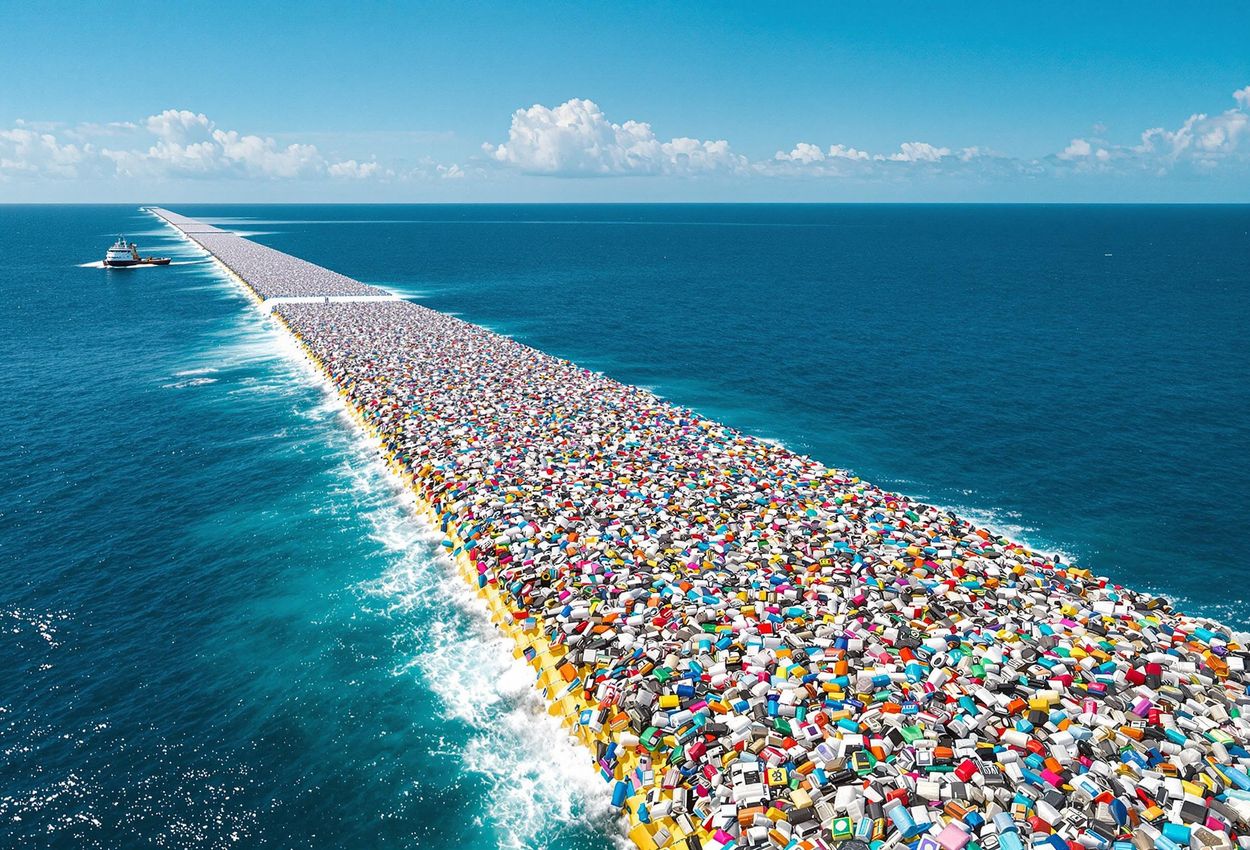
Ocean cleanup projects aim to remove plastic waste from the open ocean. The Ocean Cleanup, for example, is developing technologies to remove plastic from the Great Pacific Garbage Patch, a vast accumulation of plastic deis in the North Pacific Ocean. Their system uses a floating barrier to collect plastic waste, which is then extracted and recycled. River interception systems are another approach to preventing plastic waste from reaching the ocean. These systems are designed to capture plastic deis in rivers before it flows into the sea. The Interceptor, developed by The Ocean Cleanup, is an example of a river interception system that has been deployed in several rivers around the world.
These initiatives have demonstrated their effectiveness in removing significant amounts of plastic waste. Local community-led beach cleanups in Bali, for example, have removed tons of plastic deis from beaches, improving the health of coastal ecosystems and enhancing the tourism appeal of the island. However, cleanup efforts also face challenges and limitations. One of the biggest challenges is the difficulty of removing microplastics. These tiny particles are often too small to be effectively collected by cleanup systems. Another limitation is the scale of the problem. The amount of plastic waste in the ocean is so vast that cleanup efforts can only address a small fraction of it. Preventative measures, such as reducing plastic consumption and improving waste management, are therefore essential for long-term success.
Technological Innovations: Cutting-Edge Solutions for Plastic Waste Management
Technological innovations are playing an increasingly important role in addressing plastic waste management. These cutting-edge solutions offer new ways to recycle, degrade, and convert plastic waste into valuable resources. Advanced recycling methods are designed to recycle plastics that are difficult or impossible to recycle using traditional methods. Chemical recycling, for example, can eak down complex plastics into their original building blocks, which can then be used to create new plastics. This technology has the potential to significantly increase the amount of plastic that can be recycled, reducing the need for virgin plastic. Waste-to-energy conversion technologies convert plastic waste into energy, such as electricity or heat. This approach can help to reduce the amount of plastic waste that ends up in landfills and generate a valuable source of energy.
Plastic degradation technologies are designed to eak down plastics into harmless substances. Microbial solutions, for example, use microorganisms to degrade plastics in landfills. These microorganisms can eak down complex plastic molecules into simpler compounds, such as carbon dioxide and water. These technologies hold great potential for reducing plastic pollution, but they also face challenges. One of the biggest challenges is the cost of implementation. Many of these technologies are still in the early stages of development and are relatively expensive to deploy. Another challenge is the environmental impact of the technologies themselves. It is important to ensure that these technologies do not create new environmental problems, such as air or water pollution.
Research and development efforts in this field are ongoing, with scientists and engineers constantly working to improve the efficiency and effectiveness of these technologies. Chemical recycling plants are being developed around the world that can eak down complex plastics, such as mixed plastic waste and contaminated plastics. Microbial solutions are being tested in landfills and other environments to assess their ability to degrade plastics. These efforts hold promise for creating a more sustainable and circular economy for plastics.

Community Engagement: Empowering Local Action for a Cleaner Coastline
Community involvement is essential for addressing plastic pollution effectively. Local communities are often the most directly affected by plastic pollution and are therefore the most motivated to take action. Community-led initiatives can raise awareness, promote behavior change, and mobilize resources to clean up coastal environments. Educational programs are a crucial component of community engagement. These programs can educate community members about the sources and impacts of plastic pollution and provide them with the knowledge and skills they need to reduce their plastic footprint. Citizen science projects engage community members in collecting data on plastic pollution. This data can be used to track the sources and distribution of plastic waste, assess the effectiveness of cleanup efforts, and inform policy decisions.
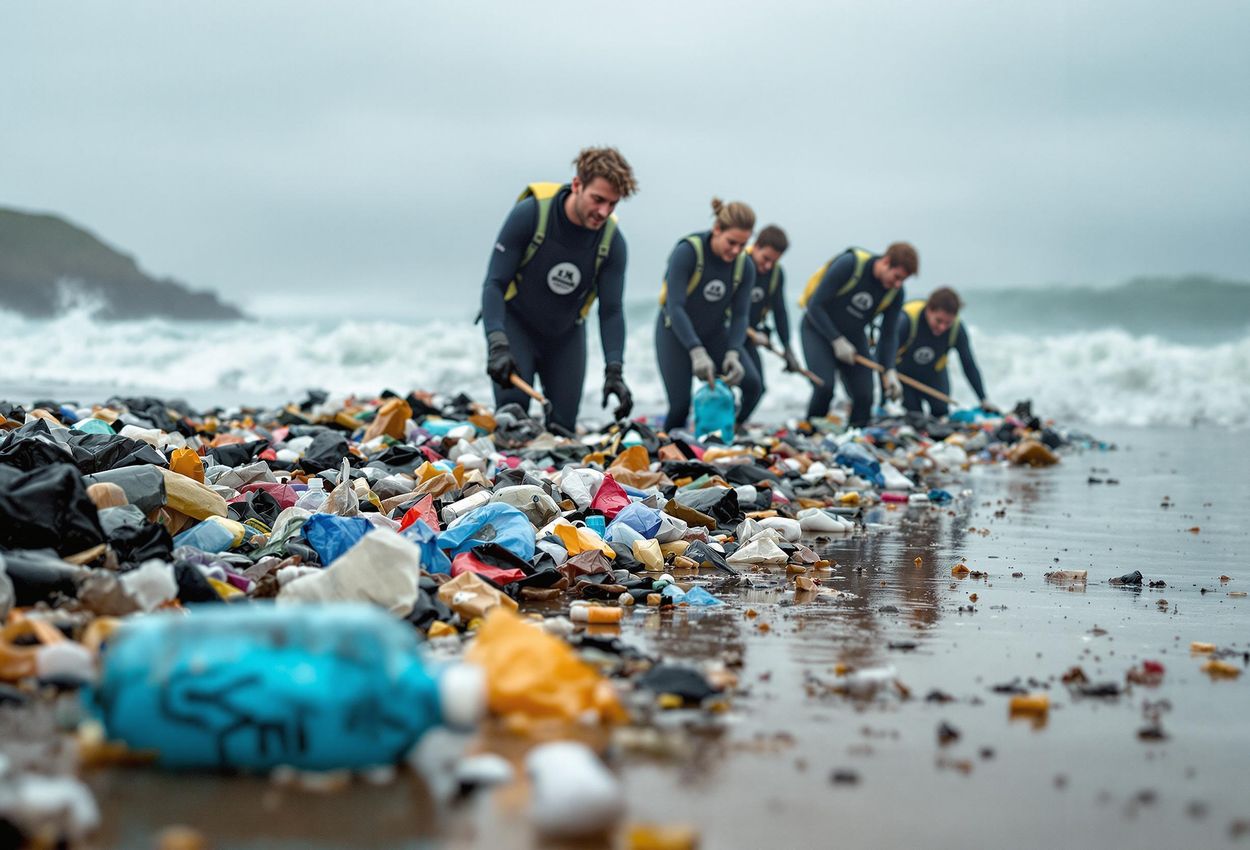
Local cleanups are a powerful way to remove plastic waste from coastal areas and promote a sense of community ownership. These events can ing together community members of all ages and backgrounds to work together to clean up their local environment. Surfers Against Sewage in the UK is a prime example of a successful community-led initiative. This organization mobilizes surfers and other water sports enthusiasts to clean up beaches and campaign for policies to reduce plastic pollution. In coastal communities around the world, local environmental groups are organizing cleanups, educational programs, and advocacy campaigns to address plastic pollution. These initiatives empower individuals to take action and promote a sense of stewardship for their local environment.
The Role of Education: Raising Awareness and Changing Behaviors
Education is a powerful tool for raising awareness about plastic pollution and changing behaviors. By incorporating environmental education into school curricula, public awareness campaigns, and community outreach programs, we can empower individuals to make informed decisions and adopt more sustainable practices. Environmental education in schools can teach students about the sources and impacts of plastic pollution, as well as the steps they can take to reduce their plastic footprint. This can include lessons on recycling, composting, and reducing consumption. Public awareness campaigns can reach a wider audience and promote behavior change on a larger scale. These campaigns can use various media channels, such as television, radio, and social media, to raise awareness about plastic pollution and encourage people to adopt more sustainable habits.
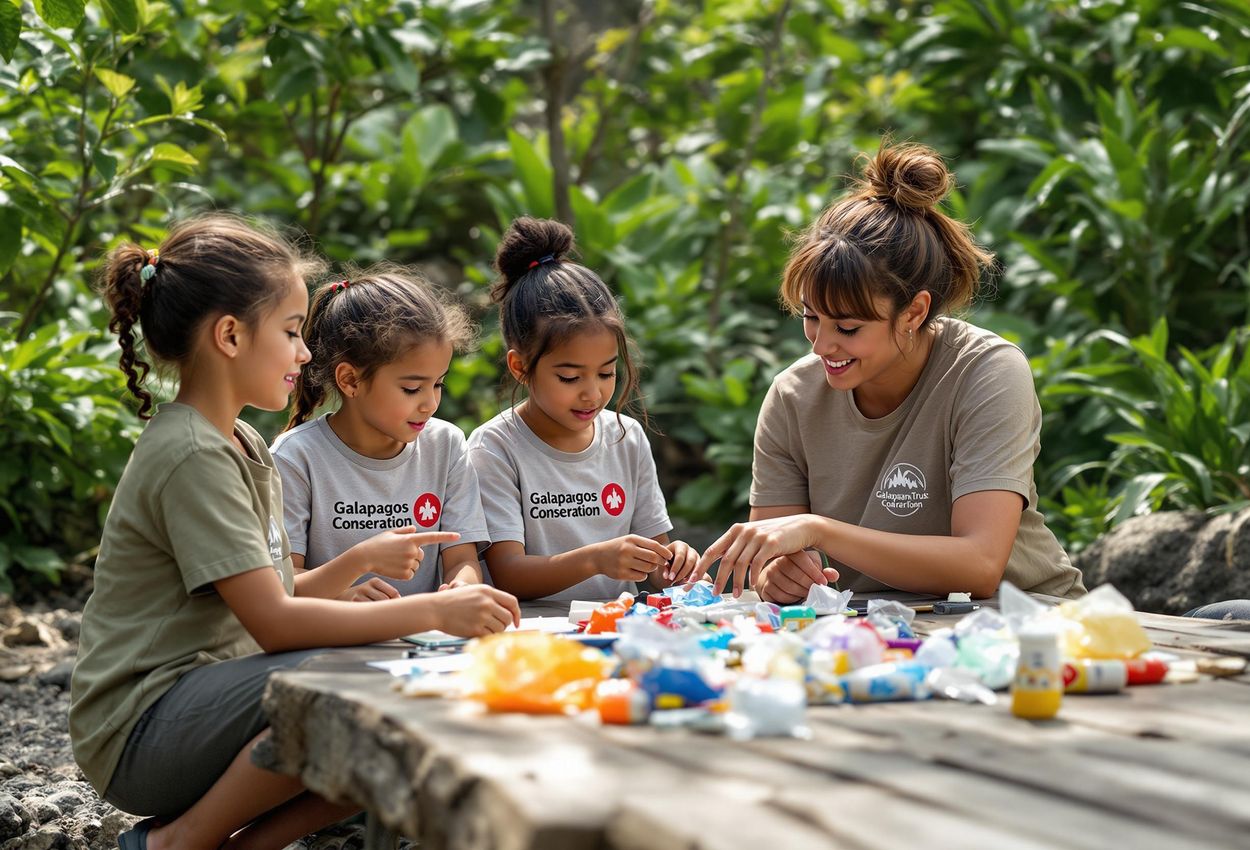
Community outreach programs can target specific groups, such as businesses, community organizations, and faith-based groups, and provide them with tailored information and resources. These programs can also engage community members in hands-on activities, such as cleanups and workshops. Educational programs in the Galapagos Islands are teaching children about the importance of protecting the marine environment and reducing plastic pollution. Awareness campaigns in Southeast Asia are using social media and other channels to reach a wide audience and promote sustainable practices. Different educational approaches have varying degrees of effectiveness, depending on the target audience and the specific context. However, research has shown that education can be a powerful tool for reducing plastic waste. Studies have found that individuals who are more knowledgeable about plastic pollution are more likely to adopt sustainable practices, such as recycling and reducing their consumption of single-use plastics.
Looking Ahead: The Future of Our Shores and the Fight Against Plastic
The fight against plastic pollution is far from over. While significant progress has been made in recent years, much more needs to be done to protect our coastal environments and ensure a sustainable future. The long-term goal is to significantly reduce the amount of plastic waste that enters the ocean and to create a circular economy for plastics, where materials are reused and recycled rather than discarded. This will require continued innovation, collaboration, and commitment from individuals, businesses, and governments. Continued innovation is needed to develop new technologies for recycling, degrading, and converting plastic waste into valuable resources. Collaboration is essential to ing together stakeholders from different sectors to work together to address plastic pollution. Commitment is needed from individuals, businesses, and governments to adopt sustainable practices and support policies that reduce plastic waste.
The challenges that lie ahead are significant. The amount of plastic waste in the ocean is vast, and it continues to grow every year. Microplastics are becoming increasingly prevalent and pose a growing threat to marine life and human health. Climate change is exacerbating the problem, as rising sea levels and more frequent storms can spread plastic waste further afield. However, there is also reason for optimism. Awareness of the issue is growing, and more and more people are taking action to reduce their plastic footprint. New technologies are being developed that offer promising solutions for managing plastic waste. Governments are implementing policies that are reducing plastic pollution. Together, we can make a difference and create a cleaner, healthier future for our oceans and our planet.
We all have a role to play in the fight against plastic pollution. By making conscious choices, supporting sustainable businesses, and advocating for policies that reduce plastic waste, we can help to turn the tide on plastic and protect our coastal environments for future generations. Get involved in your community. Participate in local cleanups, support educational programs, and advocate for policies that reduce plastic waste. Every action, no matter how small, can make a difference.