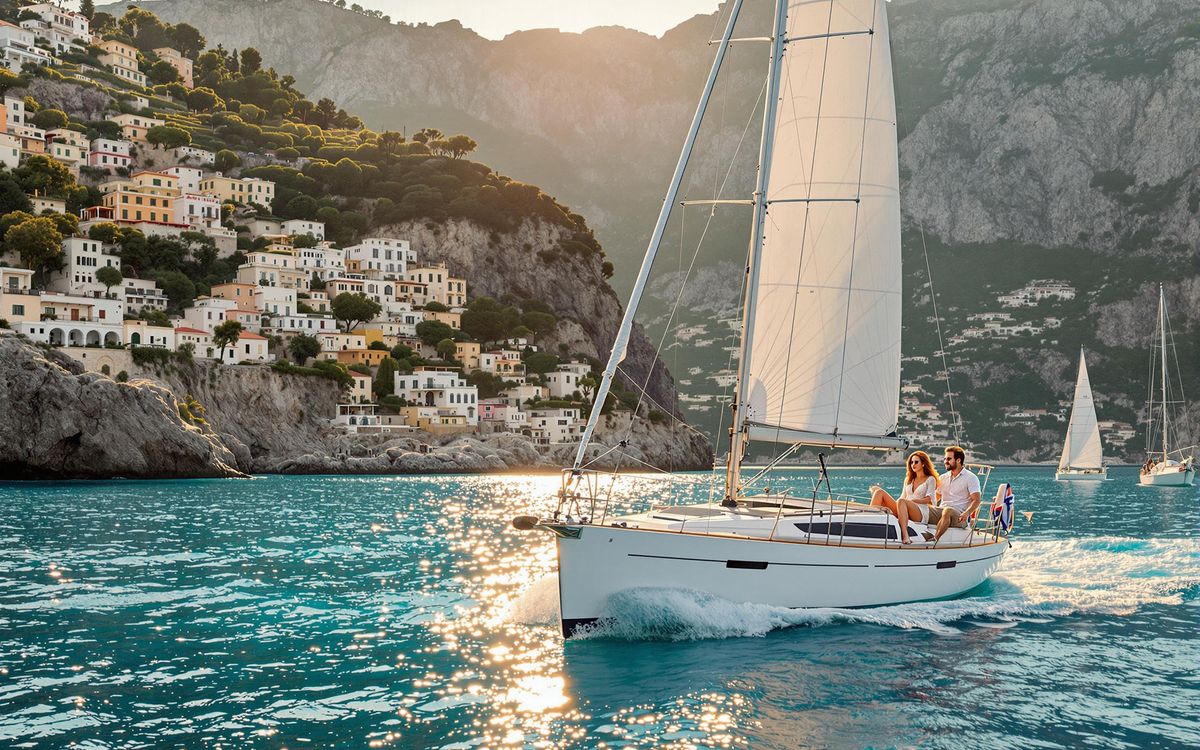
Imagine gliding silently along the coastline, powered only by the wind, the sun warming your face, and the gentle lapping of waves against the hull. This isn't just a romantic dream; it's the reality of sustainable sailing, a travel option that allows you to explore the world's most stunning coastal regions while minimizing your impact on the environment. As awareness of our planet's fragility grows, so too does the appeal of eco-conscious travel, and sailing offers a uniquely immersive and responsible way to experience the beauty of our oceans.
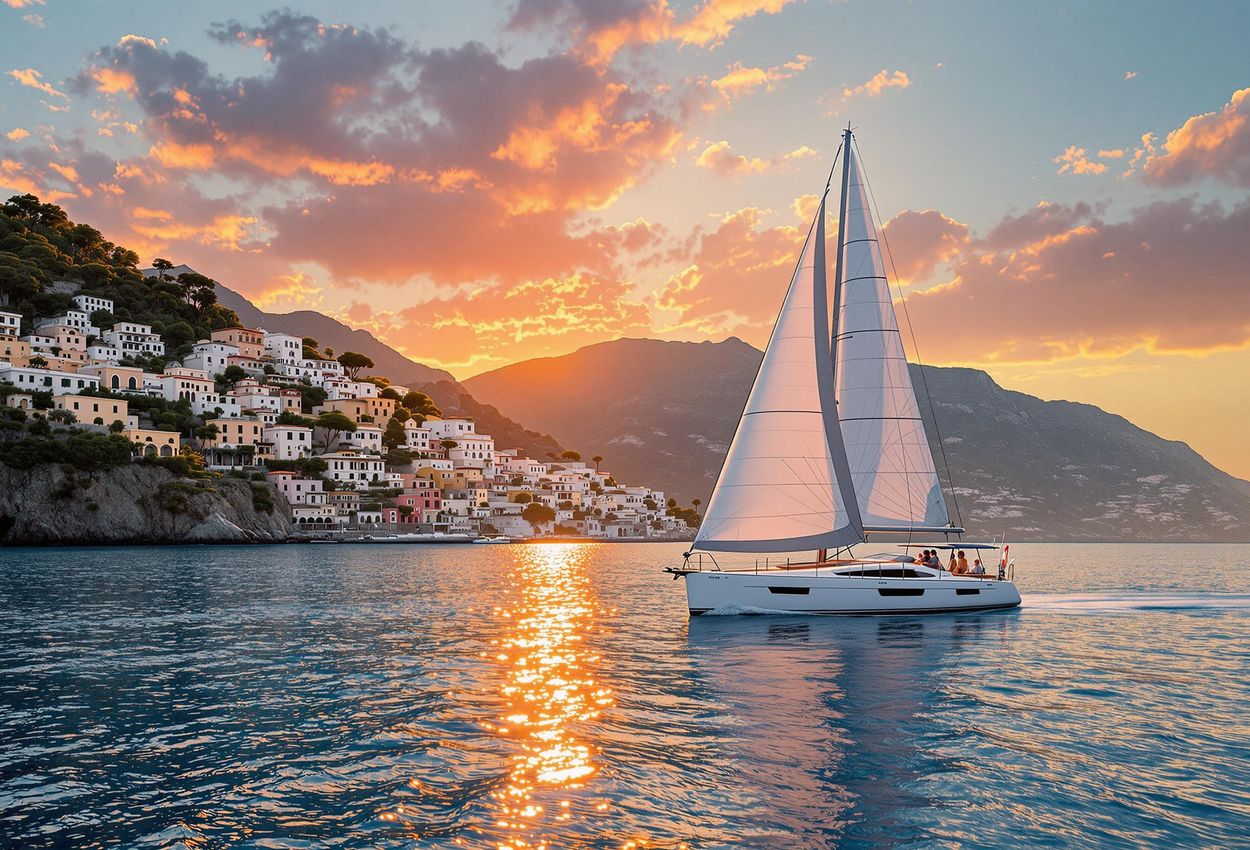
From the sun-drenched shores of the Amalfi Coast in Italy to the pristine waters of the Emerald Coast in Florida, sustainable sailing is gaining traction as a preferred mode of exploration. It's a chance to reconnect with nature, witness eathtaking sunsets, and discover hidden coves, all while leaving a minimal carbon footprint. More than just a vacation, it's a commitment to preserving the marine environment for generations to come. The shift towards eco-friendly practices among sailors is palpable, with a growing emphasis on ocean conservation and responsible tourism. Sailors are increasingly aware of the impact their choices have on marine ecosystems and are actively seeking ways to minimize their footprint, from using eco-friendly cleaning products to supporting local conservation efforts.
Setting Sail Towards a Greener Horizon
The allure of sustainable sailing lies in its ability to blend adventure with environmental responsibility. Traditional travel often involves significant carbon emissions from flights, cruises, and land transportation. Sailing, on the other hand, harnesses the power of the wind, a renewable resource, to propel you across the water. While auxiliary engines are sometimes necessary, especially in calm conditions or for maneuvering in harbors, the primary mode of propulsion is the wind, significantly reducing reliance on fossil fuels. This makes sailing a far more environmentally friendly option compared to motorized boats or cruise ships. Beyond the reduced carbon footprint, sustainable sailing offers a deeper connection with the marine environment. You're not just passively observing the ocean; you're actively engaging with it, feeling the wind in your sails, listening to the waves, and becoming intimately aware of the rhythms of the sea. This immersive experience fosters a sense of stewardship and encourages a greater appreciation for the need to protect our oceans.
The growing awareness of ocean conservation among sailors is also driving innovation in the sailing industry. Boat manufacturers are developing more energy-efficient designs, incorporating solar panels and wind generators, and exploring alternative propulsion systems like electric and hyid engines. Sailors are also adopting eco-friendly practices onboard, such as reducing waste, using biodegradable products, and supporting local communities. The collective effort of sailors, boat builders, and conservation organizations is creating a more sustainable and responsible sailing culture.
Consider the Amalfi Coast, a UNESCO World Heritage site renowned for its dramatic cliffs, picturesque villages, and crystal-clear waters. Exploring this iconic coastline by sailboat allows you to appreciate its beauty from a unique perspective, away from the crowded tourist hotspots. You can drop anchor in secluded bays, swim in pristine waters, and enjoy the tranquility of the Mediterranean Sea. Similarly, the Emerald Coast of Florida, with its stunning white-sand beaches and viant marine life, offers a perfect setting for sustainable sailing adventures. Whether you're a seasoned sailor or a novice, there are opportunities to learn the ropes, rent a boat, and embark on an unforgettable journey that respects the environment and celeates the beauty of the coast.
Choosing the Right Vessel: Eco-Friendly Sailboat Options
Selecting the right sailboat is crucial for ensuring a sustainable and enjoyable coastal exploration. While any sailboat is inherently more eco-friendly than a motorboat, certain types and features can further minimize your environmental impact. Sailboats with hyid or electric propulsion systems are becoming increasingly popular, offering a cleaner alternative to traditional diesel engines. These systems allow you to navigate silently and emission-free in sensitive areas, such as marine reserves or near wildlife habitats. They also reduce noise pollution, enhancing the tranquility of your sailing experience.
The Schooner Opal in Iceland stands as a shining example of sustainable innovation in sailing. With its uniquely designed electrical system, the Opal showcases how modern technology can be integrated into traditional sailing vessels to minimize environmental impact. The integration of electric engines and the ability to use shore power when available, drastically reduces the reliance on traditional combustion engines.
When choosing a sailboat, consider its energy efficiency. Look for features like solar panels, wind generators, and efficient hull designs. Solar panels can provide a renewable source of electricity to power onboard systems, such as lights, navigation equipment, and refrigeration. Wind generators can supplement solar power, especially in windy conditions. Efficient hull designs reduce drag, allowing you to sail faster and more efficiently, reducing the need for engine assistance. Regular engine maintenance is also essential for improving fuel efficiency and reducing emissions. Ensure that your engine is properly tuned and that you use high-quality fuel and luicants. Consider using biodiesel, a renewable fuel made from vegetable oils or animal fats, as an alternative to traditional diesel fuel.

Beyond the technical aspects, consider the overall size and design of the sailboat. Smaller sailboats generally consume less energy and resources than larger ones. Choose a sailboat that is appropriately sized for your needs and that is designed for coastal cruising. Look for sailboats with comfortable accommodations, ample storage space, and a well-equipped galley. Consider the materials used in the construction of the sailboat. Some manufacturers are using sustainable materials, such as bamboo, recycled plastics, and sustainably harvested wood. These materials reduce the environmental impact of boat building and contribute to a more sustainable sailing experience.
Sustainable Sailing Practices: Aboard and Ashore
Sustainable sailing is not just about the type of boat you choose; it's also about the way you sail. Adopting sustainable sailing practices is essential for minimizing your impact on the marine environment and ensuring that future generations can enjoy the beauty of our oceans. One of the most important practices is to minimize motor usage. Whenever possible, rely on the wind to propel your sailboat. This reduces fuel consumption, emissions, and noise pollution. Plan your routes carefully, taking into account wind conditions and currents. Learn how to sail efficiently, using proper sail trim and techniques to maximize your speed and minimize your reliance on the engine.
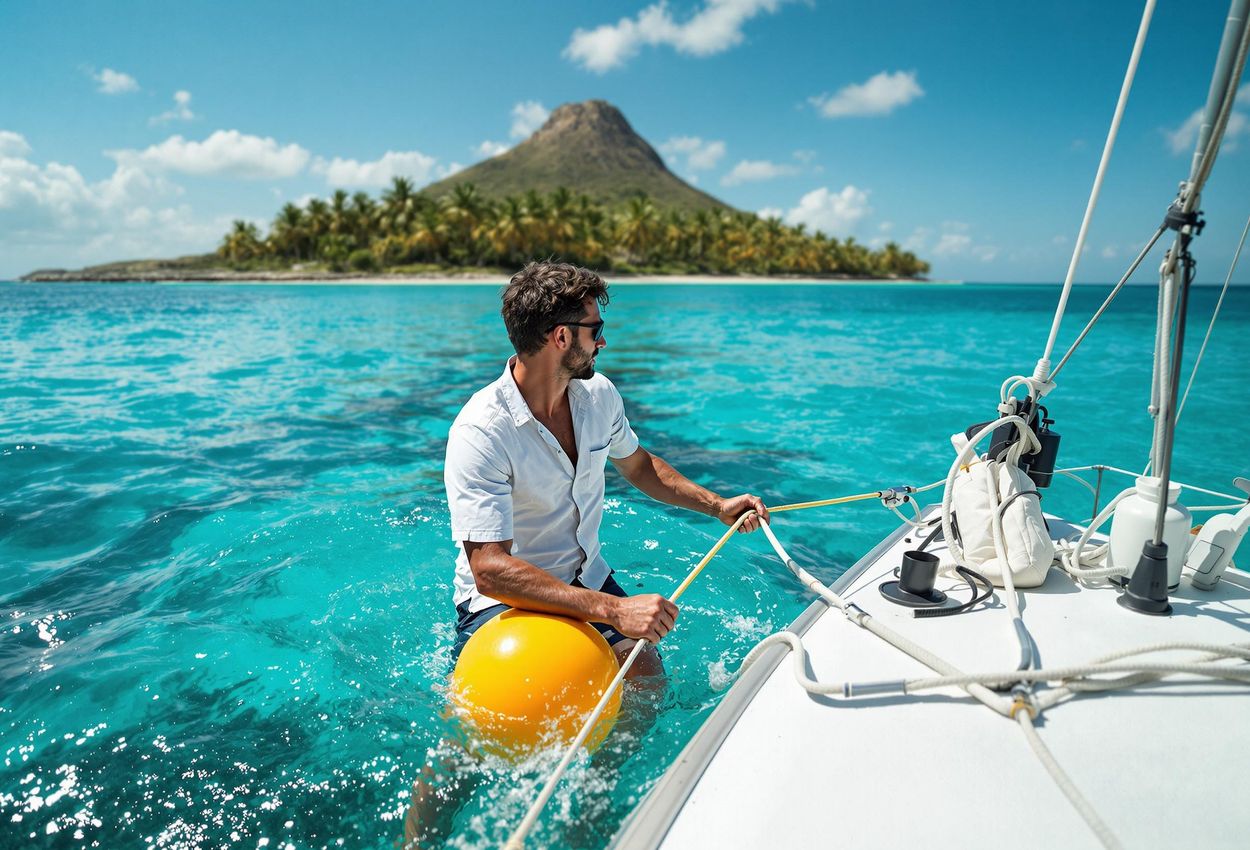
When anchoring, use mooring balls instead of anchoring in sensitive areas, such as coral reefs or seagrass beds. Anchoring can damage these fragile ecosystems, disrupting marine life and degrading water quality. Mooring balls provide a safe and environmentally friendly alternative. Respect marine life by maintaining a safe distance from animals, avoiding disturbance of nesting sites, and never feeding wildlife. Be aware of local regulations and guidelines for wildlife interaction. Dispose of waste properly and recycle whenever possible. Avoid using single-use plastics and opt for reusable containers and biodegradable products. Pack out all trash and dispose of it responsibly ashore. Use eco-friendly cleaning products and toiletries to minimize pollution. Choose products that are biodegradable, phosphate-free, and non-toxic.
Organizations like Sailors for the Sea offer 'Green Boating' certification programs that provide guidance and resources for sustainable sailing practices. These programs help sailors assess their environmental impact and implement strategies to reduce their footprint. They also promote awareness and education about ocean conservation. Consider participating in a Green Boating program to learn more about sustainable sailing and to demonstrate your commitment to protecting the marine environment. By adopting these sustainable sailing practices, you can enjoy the beauty of the coast while minimizing your impact on the environment and contributing to the long-term health of our oceans.
Respecting Marine Life: A Sailor's Guide
The ocean is home to a vast array of marine life, from playful dolphins to majestic whales, from colorful coral reefs to delicate seagrass beds. As sailors, we have a responsibility to protect these creatures and their habitats. Respecting marine life is not only ethical; it's also essential for maintaining the health and biodiversity of our oceans. Responsible wildlife viewing is key to minimizing disturbance of animals. Maintain a safe distance from marine life, avoiding any actions that could startle or harass them. Use binoculars or telephoto lenses to get a closer look without getting too close. Never approach or chase marine animals. Observe them from a distance and allow them to behave naturally. Avoid making loud noises or sudden movements that could frighten them.
Adhere to local guidelines for wildlife interaction. Many coastal regions have specific regulations regarding wildlife viewing, swimming with marine animals, and fishing. Be aware of these regulations and follow them carefully. Avoid touching or feeding marine animals. Touching can remove their protective slime coating and expose them to diseases. Feeding can alter their natural feeding behaviors and make them dependent on humans. Be especially careful during eeding seasons. Many marine animals are particularly vulnerable during eeding seasons, when they are nesting, mating, or caring for their young. Avoid disturbing nesting sites and maintain a safe distance from eeding colonies. Be aware of no-go zones and marine protected areas (MPAs) where boat traffic is restricted. These areas are designated to protect sensitive habitats and marine life. Respect these restrictions and avoid entering these areas. Slow down in areas known for marine wildlife to avoid collisions. Many marine animals, such as whales and sea turtles, are vulnerable to collisions with boats. Reduce your speed in areas where these animals are known to frequent and keep a sharp lookout.
If you encounter injured or distressed marine animals, report them to the appropriate authorities. Contact local wildlife rescue organizations or marine conservation agencies. Provide them with detailed information about the animal, its location, and its condition. By following these guidelines, you can help protect marine life and ensure that future generations can enjoy the wonders of the ocean.
Coastal Treasures: Discovering Hidden Gems by Sailboat
One of the greatest rewards of sailing is the opportunity to discover hidden gems that are inaccessible by land. From secluded beaches to untouched islands, from viant coral reefs to pristine waters, the coast offers a wealth of natural beauty waiting to be explored. Exploring these coastal treasures by sailboat allows you to experience them in a unique and intimate way, away from the crowds and the noise of civilization. The San Blas Islands in Panama are a true paradise for sailors. This archipelago of over 365 islands offers a stunning array of pristine beaches, crystal-clear waters, and viant coral reefs. The islands are inhabited by the Guna people, an indigenous community with a rich culture and traditions. Sailing through the San Blas Islands is like stepping back in time, to a world where life moves at a slower pace and nature reigns supreme.
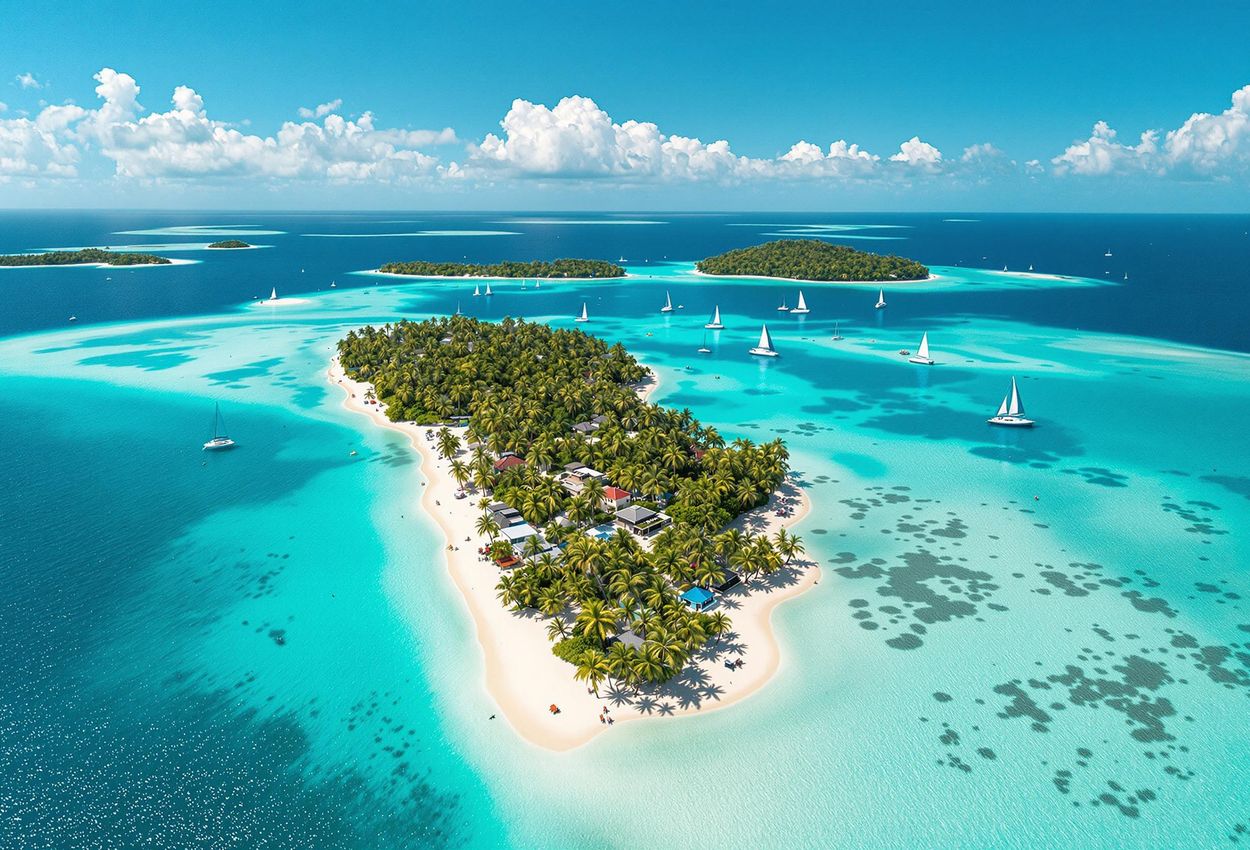
The Raja Ampat archipelago in Indonesia is another must-see destination for sustainable sailors. This region is known for its incredible biodiversity, with some of the most diverse coral reefs in the world. Exploring Raja Ampat by sailboat allows you to discover hidden lagoons, snorkel in pristine waters, and witness an abundance of marine life, from colorful fish to graceful manta rays. When exploring these coastal treasures, be mindful of your impact on the environment. Avoid touching coral reefs, dispose of waste properly, and support local communities. Choose sustainable tourism operators that prioritize environmental protection and cultural preservation. Seek out lesser-known anchorages and avoid overcrowding popular spots. Respect the local culture and traditions, and be mindful of the customs and beliefs of the local communities. Learn a few basic phrases in the local language and engage with the locals in a respectful and friendly manner.
Consider supporting sustainable tourism operators in these regions. These operators are committed to protecting the environment and supporting local communities. They often offer eco-friendly tours, employ local guides, and contribute to conservation efforts. By choosing these operators, you can ensure that your visit has a positive impact on the region. By discovering these hidden gems by sailboat, you can experience the beauty of the coast in a unique and sustainable way, while contributing to the preservation of these precious ecosystems.
Sailing Tours and Rentals: Ethical Exploration Options
For those who are new to sailing or who prefer to leave the navigation to the experts, sustainable sailing tours and rentals offer a great way to experience the coast by sailboat. Many tour operators are committed to sustainability and responsible tourism, offering eco-friendly tours that minimize environmental impact and support local communities. Elaleph Cruising in Indonesia is a prime example of a sustainable tour operator. They are known for their commitment to sustainability and responsible tourism, offering eco-friendly tours that minimize environmental impact and support local communities. They work closely with local communities, employing local guides, sourcing provisions locally, and contributing to conservation efforts.
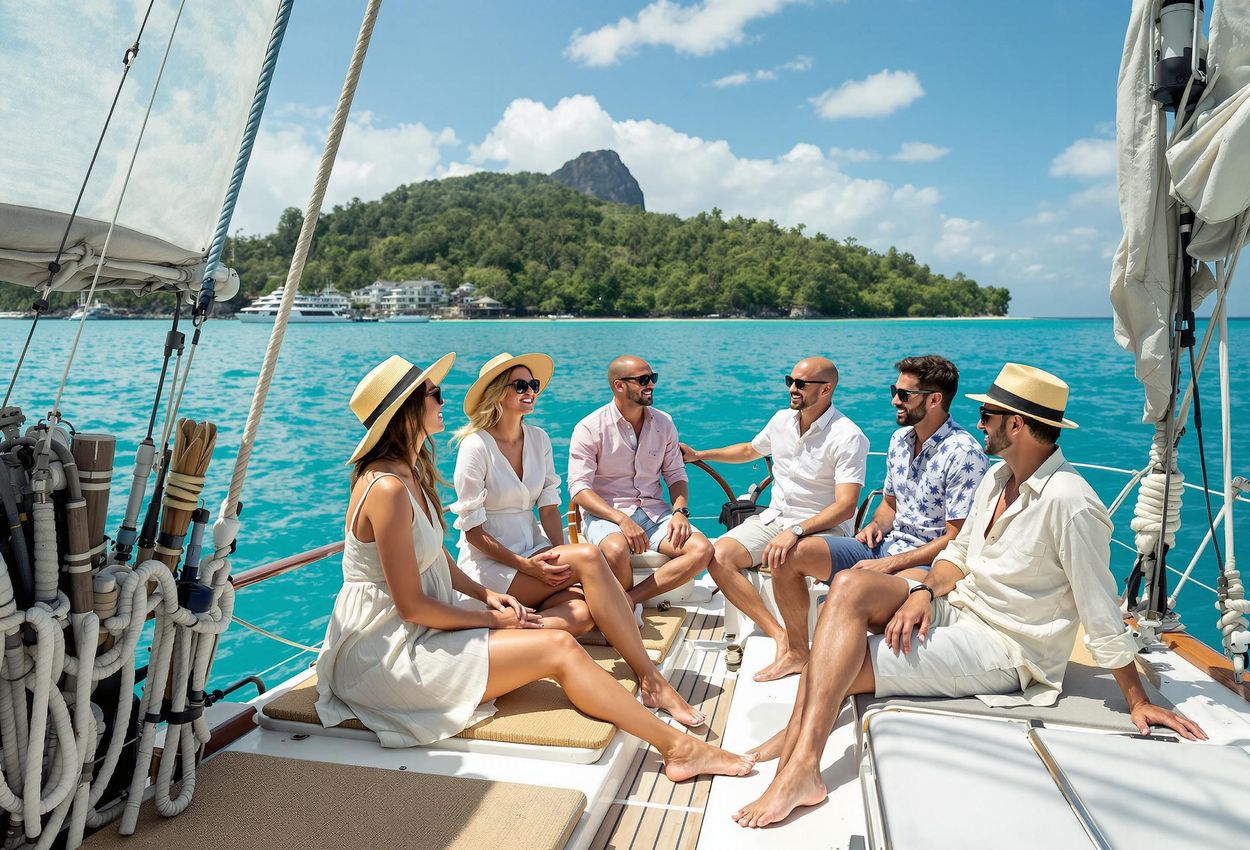
For qualified skippers, bareboat charters offer the freedom and flexibility to explore the coast at your own pace. Bareboat charters are available in many coastal locations, including Niceville, Florida. When choosing a bareboat charter, be sure to select a reputable company that maintains its boats properly and provides thorough iefings on safety and navigation. Check that the company has implemented sustainable practices, such as using eco-friendly cleaning products and promoting responsible waste disposal. Before booking a sailing tour or rental, research the operator's sustainability practices. Look for certifications, such as Green Globe or Blue Flag, which indicate that the operator meets certain environmental standards. Read reviews from other travelers to see what they say about the operator's commitment to sustainability. Ask the operator about their environmental policies and practices. Do they use eco-friendly cleaning products? Do they recycle? Do they support local communities?
Consider the size of the tour group. Smaller groups generally have a lower impact on the environment and allow for a more intimate experience. Choose tours that focus on education and conservation. These tours provide opportunities to learn about the local environment and contribute to conservation efforts. Be a responsible traveler. Follow the operator's guidelines for sustainable tourism and minimize your impact on the environment. By choosing eco-friendly tour operators and following sustainable practices, you can enjoy the beauty of the coast while contributing to its preservation.
Citizen Science: Contributing to Marine Research
Sailing provides a unique opportunity to contribute to marine research and conservation. As you explore the coast by sailboat, you can gather valuable data and report on ocean conditions, wildlife sightings, and pollution levels. Citizen science programs allow you to become an active participant in ongoing research efforts, helping scientists monitor the health of our oceans and track the impacts of climate change. North Sailing's collaboration with Ocean Missions in Iceland is a great example of how sailors can contribute to marine research. Guests can participate in microplastic surveys and zooplankton communities, collecting data that helps scientists understand the impact of pollution on marine ecosystems.

There are many citizen science programs that sailors can participate in. These programs often involve simple tasks, such as recording water temperature, salinity, and clarity, or identifying and counting marine species. You can also report sightings of marine mammals, sea turtles, and seabirds, providing valuable data on their distribution and abundance. Some programs focus on monitoring pollution levels, such as plastic deis and oil spills. You can collect samples of seawater or sediment and send them to a lab for analysis. Before participating in a citizen science program, be sure to familiarize yourself with the protocols and guidelines. Use proper equipment and techniques to ensure accurate data collection. Report your findings promptly and accurately. Share your experiences with other sailors and encourage them to participate in citizen science programs. By becoming active participants in marine research, sailors can make a valuable contribution to the understanding and conservation of our oceans.
Minimizing Waste: Aboard and Beyond
Waste is a major threat to marine ecosystems, polluting our oceans, harming wildlife, and degrading water quality. As sailors, we have a responsibility to minimize waste on our sailboats and beyond. Reducing single-use plastics is one of the most important steps we can take. Single-use plastics, such as plastic bottles, bags, and straws, are a major source of pollution in our oceans. Avoid using these items whenever possible and opt for reusable alternatives. ing your own reusable water bottle, shopping bags, and food containers. Say no to plastic straws and use reusable utensils. Choose products that are packaged in recyclable or compostable materials. Promote reusable alternatives by encouraging your crew and fellow sailors to adopt similar practices. Provide reusable water bottles and shopping bags for your guests. Offer incentives for reducing waste, such as discounts or prizes.

Proper waste disposal and recycling practices are essential for minimizing pollution. Separate your waste into recyclable and non-recyclable materials. Dispose of recyclable materials in designated recycling bins. Dispose of non-recyclable waste in appropriate trash receptacles. Avoid dumping waste overboard. Even biodegradable waste can harm marine life and pollute the water. Use pump-out facilities to dispose of sewage properly. Never discharge sewage in sensitive areas, such as near coral reefs or shellfish beds. Participate in beach clean-up projects to remove plastic deis and other trash from the shoreline. Organize your own beach clean-up events and encourage others to participate. Support organizations that offer resources for reducing plastic onboard. These organizations provide information, tools, and resources to help sailors reduce their plastic consumption and minimize their waste. Choose biodegradable cleaning products and toiletries to minimize pollution. These products eak down more easily in the environment and are less harmful to marine life.
Energy Efficiency: Powering Your Voyage Responsibly
Reducing energy consumption on a sailboat is essential for minimizing your environmental impact and saving money. By adopting energy-efficient practices, you can reduce your reliance on fossil fuels, conserve resources, and protect the marine environment. Switching to LED lighting is one of the easiest and most effective ways to reduce energy consumption. LED lights use significantly less energy than traditional incandescent or fluorescent lights. They also last much longer, reducing the need for replacements. Install solar panels or wind generators to generate renewable energy. Solar panels can provide a reliable source of electricity to power onboard systems, such as lights, navigation equipment, and refrigeration. Wind generators can supplement solar power, especially in windy conditions. Monitor your energy use to identify areas where you can reduce consumption. Use a battery monitor to track your energy usage and identify appliances that are consuming excessive power. Turn off equipment when not in use to conserve energy. Switch off lights, appliances, and electronic devices when they are not needed. Unplug chargers when they are not charging devices. Choose energy-efficient appliances to minimize power consumption. Look for appliances with high energy efficiency ratings. Regularly tune your engine for improved fuel efficiency. A properly tuned engine will consume less fuel and produce fewer emissions. Check the engine's air filter, spark plugs, and fuel injectors regularly. Use high-quality fuel and luicants to optimize engine performance.
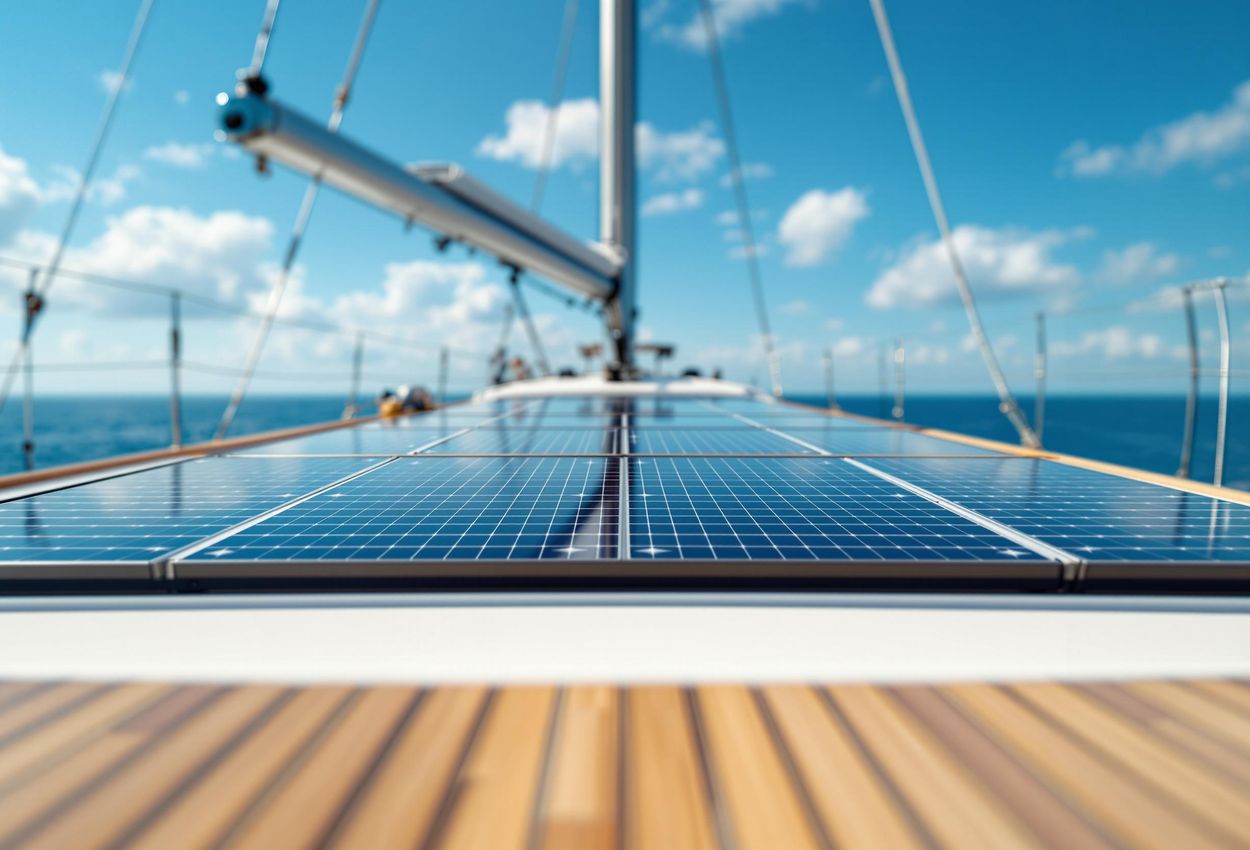
Consider using alternative energy sources, such as propane or butane, for cooking and heating. These fuels are cleaner-burning than gasoline or diesel. Insulate your boat to reduce heat loss and conserve energy. Proper insulation can help keep your boat warmer in the winter and cooler in the summer, reducing the need for heating and cooling systems. By implementing these energy-efficient practices, you can significantly reduce your environmental impact and enjoy a more sustainable sailing experience.
Supporting Local Communities: A Sustainable Sailor's Pledge
Sustainable sailing is not just about protecting the environment; it's also about supporting local communities. When you visit coastal regions, it's important to support the local economy and promote cultural exchange. Sourcing provisions from local vendors is a great way to support local businesses and reduce your carbon footprint. Buy fresh produce, seafood, and other goods from local farmers markets and fishermen. Choose 'unbagged' produce to reduce plastic waste. Support local restaurants and cafes by dining at establishments that use locally sourced ingredients. Avoid chain restaurants and opt for family-owned businesses. Promoting cultural exchange and mutual respect is essential for fostering positive relationships with local communities. Learn about the local culture and traditions. Attend local festivals and events. Engage with the locals in a respectful and friendly manner. Learn a few basic phrases in the local language. Be mindful of local customs and beliefs. Dress modestly and avoid behaviors that may be considered offensive. Ask permission before taking photos of people or places. Respect the privacy of local residents. Avoid trespassing on private property. Consider participating in tours designed to have a positive and enriching impact on local communities. These tours often support local businesses, employ local guides, and contribute to community development projects. Choose tours that are culturally sensitive and environmentally responsible. Support local artisans and craftspeople by purchasing their products. Avoid buying souvenirs that are mass-produced or imported. Look for unique, handcrafted items that reflect the local culture. By supporting local communities, you can help ensure that your visit has a positive impact on the region and contributes to its long-term sustainability.

Sailing for sustainability is more than just a trend; it's a movement towards responsible travel and ocean conservation. By emacing eco-friendly practices, respecting marine life, and supporting local communities, sailors can play a vital role in protecting our planet's precious coastal ecosystems. As you chart your course, remember that every small action contributes to a larger cause. Let your sails be a symbol of your commitment to a greener horizon, and may your voyages be filled with unforgettable experiences that enrich both your life and the world around you.