The azure waters of the Mediterranean shimmered under the April sun as global leaders, policymakers, and innovators converged for the Sustainable Coastal Tourism Summit. This wasn't just another conference; it was a crucible where cutting-edge ideas for preserving our vulnerable coastlines were forged. From groundeaking financing models to community-led conservation efforts, the summit offered a beacon of hope for a tourism industry grappling with its environmental impact. The air buzzed with anticipation, a shared understanding that the future of coastal tourism hinges on the actions taken today.
Summit Overview: Setting the Stage for Coastal Preservation
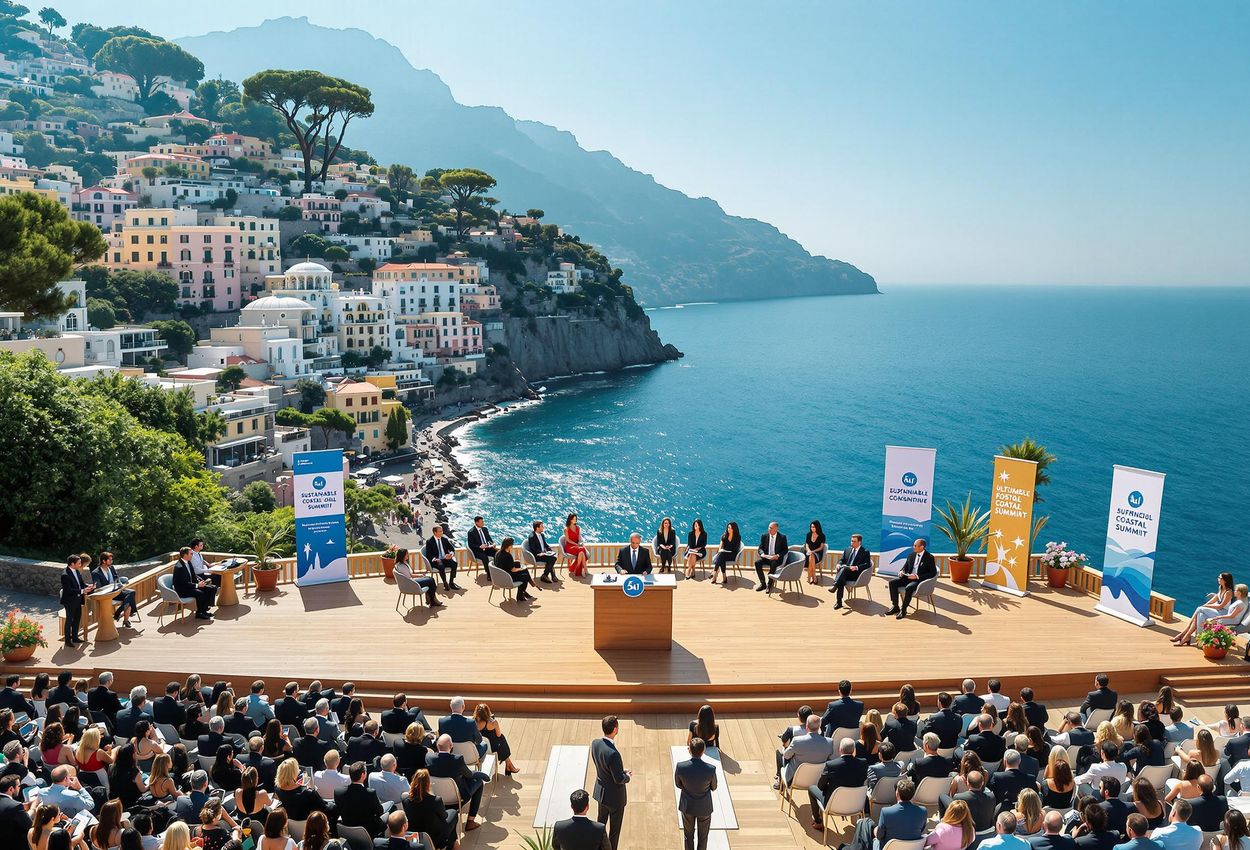
The Sustainable Coastal Tourism Summit, held this year overlooking the eathtaking Amalfi Coast, served as a pivotal gathering for stakeholders invested in the longevity of coastal ecosystems and the tourism they support. The primary goal was clear: to catalyze a global shift towards sustainable practices that balance economic benefits with environmental stewardship. The summit underscored the urgent need for innovative solutions to mitigate the adverse impacts of tourism on fragile coastal environments, from coral reefs to mangrove forests. The event drew participants from diverse backgrounds, including government officials, tourism operators, conservationists, and academics, fostering a dynamic exchange of ideas and experiences. The United Nations Environment Programme (UNEP) and the Global Sustainable Tourism Council (GSTC) played prominent roles, lending their expertise and credibility to the discussions. Key speakers included Dr. Emily Carter, a leading marine biologist affiliated with UNEP, who delivered a compelling keynote address on the ecological importance of coastal biodiversity. Her passionate plea for immediate action resonated deeply with the audience. Also present was Mr. Javier Ramirez, CEO of a renowned eco-tourism company in Costa Rica, shared practical insights on implementing sustainable business models that prioritize conservation and community engagement. The opening session emphasized the interconnectedness of environmental, social, and economic factors in coastal tourism, setting a collaborative tone for the days ahead. The scent of sea salt mingled with the aroma of freshly ewed coffee as delegates networked during eaks, forging new partnerships and reinforcing existing collaborations. The summit's location itself served as a constant reminder of the beauty and fragility of the coastal environment, inspiring a sense of urgency and commitment among participants. The gentle lapping of waves against the shore provided a soothing soundtrack to the intense discussions, grounding the theoretical debates in the tangible reality of the coastal landscape.
Innovative Financing for Coastal Conservation Projects
One of the most compelling themes emerging from the summit was the exploration of innovative financing mechanisms to fuel sustainable coastal tourism initiatives. Traditional funding sources often fall short of meeting the substantial financial needs of conservation and restoration projects. Discussions centered around novel approaches such as 'Blue Bonds,' debt instruments specifically earmarked for marine and coastal conservation. The Seychelles pioneered this approach, issuing the world's first sovereign blue bond to finance marine protected areas and sustainable fisheries. Inspired by this success, other nations are now exploring similar models. Speakers highlighted the crucial role of public-private partnerships in unlocking new funding streams. By combining government resources with private sector investment, conservation projects can achieve greater scale and impact. For example, a panel discussion featured representatives from a multinational corporation that partnered with a local community in Indonesia to restore degraded mangrove forests. The corporation provided financial support and technical expertise, while the community contributed local knowledge and labor. This collaborative approach not only generated environmental benefits but also created economic opportunities for the local population. Dr. Carter emphasized that sustainable coastal tourism requires a fundamental shift in how we value and finance conservation. Blue bonds and public-private partnerships offer promising avenues for mobilizing the necessary resources. The summit also showcased the potential of impact investing, where investors seek to generate both financial returns and positive social and environmental outcomes. Several investment funds specializing in sustainable tourism were present, actively seeking projects that align with their values. The discussions underscored the importance of transparency and accountability in financing coastal conservation. Clear metrics and rigorous monitoring are essential to ensure that funds are used effectively and that projects deliver tangible benefits. The gentle sea eeze carried the scent of pine and citrus as participants debated the merits of different financing models, each seeking the optimal balance between economic viability and environmental impact.
Community-Based Tourism: Empowering Local Voices
A recurring theme throughout the summit was the critical importance of community-based tourism (CBT) in fostering sustainability. CBT models prioritize the involvement of local communities in all aspects of tourism planning and management, ensuring that they benefit directly from tourism revenues and have a voice in shaping the future of their destinations. This approach not only promotes economic empowerment but also strengthens cultural preservation and environmental stewardship. The summit featured numerous examples of successful CBT initiatives from around the world. Kribi, Cameroon, was highlighted for its ecotourism ventures, where local communities manage eco-lodges and offer guided tours of the surrounding rainforest, showcasing their traditional knowledge and cultural heritage. In Peru, indigenous communities have developed thriving tourism businesses that offer authentic cultural experiences and support the conservation of the Amazon rainforest. Attendees from local communities shared their experiences, emphasizing the transformative impact of CBT on their livelihoods and their sense of ownership over their natural resources. Before tourism, we had limited economic opportunities and our traditional culture was slowly disappearing, said Maria Rodriguez, a community leader from Ecuador. But now, we are proud to share our heritage with visitors and we are using tourism revenues to invest in education and healthcare. The summit underscored the importance of capacity building and technical assistance to support the development of CBT ventures. Local communities often lack the skills and resources needed to effectively manage tourism businesses and market their products and services. Governments and NGOs can play a crucial role in providing training, access to finance, and marketing support. The discussions also highlighted the need for equitable benefit sharing, ensuring that tourism revenues are distributed fairly among community members. Transparent governance structures and participatory decision-making processes are essential to prevent conflicts and ensure that CBT benefits all stakeholders. The rhythmic drumming of local musicians echoed through the conference hall as attendees celeated the success of CBT initiatives, a testament to the power of community empowerment in driving sustainable tourism.

Tech for Good: Digital Solutions for Coastal Management
Technology emerged as a powerful enabler of sustainable coastal tourism, offering innovative solutions for monitoring tourism flows, managing resources, and educating visitors. Digital platforms, apps, and data portals are transforming the way we interact with coastal environments, minimizing the impact of tourism on sensitive ecosystems. Ol'au Palau, a groundeaking app developed by the island nation of Palau, was showcased as a prime example of 'tech for good'. The app rewards visitors for engaging in responsible tourism practices, such as visiting cultural sites, eating local food, and avoiding single-use plastics. By incentivizing sustainable behavior, Ol'au Palau is helping to protect Palau's pristine environment and promote cultural preservation. The European Marine Observation and Data Network (EMODNet) was also highlighted as a valuable resource for coastal management. EMODNet provides free access to a wealth of data on marine environments, including information on water quality, biodiversity, and coastal erosion. This data can be used by policymakers, researchers, and tourism operators to make informed decisions about coastal management. The summit also explored the use of artificial intelligence (AI) and machine learning to optimize tourism flows and reduce congestion in popular destinations. AI-powered platforms can analyze real-time data on visitor movements, weather conditions, and traffic patterns to provide personalized recommendations to tourists, guiding them to less crowded areas and promoting a more balanced distribution of tourism impacts. Technology is not a silver bullet, but it can be a powerful tool for promoting sustainable coastal tourism, said Dr. Ramirez. By harnessing the power of digital innovation, we can minimize the environmental impact of tourism and enhance the visitor experience. The discussions underscored the importance of data privacy and security in the use of technology for coastal management. Transparent data governance frameworks and robust cybersecurity measures are essential to protect the privacy of visitors and ensure the integrity of data. The gentle hum of laptops and the soft glow of screens filled the conference hall as attendees explored the potential of technology to transform coastal tourism, a symphony of innovation echoing the promise of a more sustainable future.
Policy Coherence: Integrating Sustainability into Coastal Planning
The summit emphasized the critical need for policy coherence in integrating sustainability into coastal planning. Fragmented policies and conflicting regulations can undermine efforts to promote sustainable tourism practices. Governments must create comprehensive regulatory frameworks that support sustainable tourism and ensure that all stakeholders are aligned in their goals. Integrated Coastal Zone Management (ICZM) was highlighted as a key approach for achieving policy coherence. ICZM involves coordinating the activities of different sectors, such as tourism, fisheries, and agriculture, to minimize their cumulative impact on coastal ecosystems. The Japan Sustainable Tourism Standard for Destinations (JSTS-D) was presented as a successful example of a policy framework that promotes sustainable tourism. The JSTS-D provides a set of criteria for assessing the sustainability of tourism destinations, covering environmental, social, and economic aspects. Destinations that meet the criteria can be certified as sustainable, attracting environmentally conscious tourists and promoting responsible tourism practices. Policymakers discussed the challenges and opportunities of implementing sustainable tourism policies. One of the main challenges is overcoming resistance from vested interests who may benefit from unsustainable practices. Building consensus among stakeholders and demonstrating the economic benefits of sustainable tourism are essential for gaining support for policy changes. Policy coherence is not just about creating new regulations, it's about changing the way we think about coastal management, said a representative from the European Commission. We need to move away from a siloed approach and adopt a more holistic perspective that considers the interconnectedness of environmental, social, and economic factors. The discussions underscored the importance of international cooperation in promoting policy coherence. Coastal ecosystems often transcend national boundaries, requiring collaboration among countries to address shared challenges such as marine pollution and climate change. The rustling of policy documents and the murmur of diplomatic negotiations filled the room as attendees debated the nuances of sustainable tourism policies, a testament to the complex and collaborative nature of coastal governance.

Climate Resilience: Adapting to a Changing Coastline
Climate change loomed large at the summit, with discussions focusing on its profound impact on coastal tourism and the urgent need for adaptation strategies. Rising sea levels, extreme weather events, and ocean acidification are threatening coastal infrastructure, ecosystems, and communities, jeopardizing the future of tourism in many coastal regions. Investing in infrastructure that can withstand extreme weather events was identified as a key adaptation strategy. This includes building seawalls, strengthening coastal defenses, and elevating buildings above flood levels. The Netherlands, with its long history of managing coastal flooding, was presented as a leader in climate-resilient infrastructure. Promoting nature-based solutions, such as mangrove restoration and coral reef conservation, was also highlighted as an effective way to build climate resilience. Mangrove forests and coral reefs act as natural buffers, protecting coastlines from erosion and storm surges. They also provide habitat for a wide range of marine species, supporting biodiversity and fisheries. Specific examples of coastal communities adapting to climate change were showcased. In Bangladesh, communities are building floating gardens to grow crops in areas that are prone to flooding. In the Maldives, resorts are investing in coral reef restoration projects to protect their beaches and attract divers. Climate change is not just an environmental issue, it's an economic issue, said a representative from the World Bank. Coastal tourism is a major source of revenue for many countries, and climate change is threatening that revenue stream. We need to invest in adaptation measures to protect our coastal economies. The discussions underscored the importance of integrating climate change considerations into all aspects of coastal tourism planning. This includes conducting climate risk assessments, developing adaptation plans, and promoting climate-smart tourism practices. The rhythmic crashing of waves against the shore served as a constant reminder of the power of the ocean and the urgency of addressing climate change, a somber note underscoring the need for immediate action.
Reducing Tourism's Footprint: Waste Management and Pollution Control
Minimizing the environmental impact of tourism was a central theme, with a strong focus on waste management, pollution control, and the reduction of single-use plastics. Tourism can generate significant amounts of waste, polluting beaches, oceans, and landfills. Effective waste management practices are essential to protect coastal ecosystems and maintain the aesthetic appeal of tourist destinations. Hotels and destinations that have implemented successful waste reduction programs were showcased. In Bali, several hotels have banned single-use plastics and implemented composting programs to reduce their waste footprint. In Slovenia, the entire country has adopted a zero-waste strategy, promoting waste prevention, reuse, and recycling. The importance of sustainable seafood practices was also highlighted. Overfishing and destructive fishing practices can decimate marine populations and damage coastal ecosystems. Tourists can support sustainable fisheries by choosing seafood that is certified as sustainable and avoiding restaurants that serve endangered species. The summit also emphasized the use of eco-friendly cleaning products. Conventional cleaning products often contain harmful chemicals that can pollute waterways and harm marine life. Eco-friendly cleaning products are made from natural ingredients and are biodegradable, minimizing their environmental impact. Reducing tourism's footprint is not just about doing less harm, it's about creating a positive impact, said a representative from a sustainable tourism NGO. By adopting responsible waste management practices, supporting sustainable fisheries, and using eco-friendly products, we can transform tourism into a force for good. The discussions underscored the importance of educating tourists about sustainable practices. Tourists need to be aware of the environmental impact of their choices and be empowered to make responsible decisions. Signage, ochures, and online resources can be used to inform tourists about sustainable practices and encourage them to adopt these practices during their travels. The scent of freshly ewed coffee mingled with the aroma of eco-friendly cleaning products as attendees discussed innovative ways to reduce tourism's footprint, a fragrant blend of sustainability and innovation.

Ecotourism and Wildlife Protection: A Symbiotic Relationship
Ecotourism emerged as a powerful tool for protecting coastal and marine wildlife, generating revenue for conservation efforts and promoting responsible tourism practices. Responsible wildlife viewing can provide economic incentives for local communities to protect endangered species and their habitats. Examples of ecotourism ventures that support local communities and protect endangered species were showcased. In Costa Rica, ecotourism lodges are generating revenue for the conservation of sea turtles, providing employment opportunities for local communities and funding patrols to protect nesting beaches. In Kenya, ecotourism safaris are supporting the conservation of marine mammals, providing economic benefits for local communities and raising awareness about the importance of marine conservation. The summit highlighted the importance of responsible diving and snorkeling practices. Divers and snorkelers can damage coral reefs and disturb marine life if they are not careful. Responsible diving and snorkeling practices include avoiding contact with coral, maintaining a safe distance from marine animals, and using reef-safe sunscreen. Ecotourism is not just about viewing wildlife, it's about protecting wildlife, said a marine conservationist. By supporting responsible ecotourism ventures, we can create a symbiotic relationship between tourism and wildlife protection. The discussions underscored the importance of educating tourists about responsible wildlife viewing practices. Tourists need to be aware of the potential impact of their actions on wildlife and be empowered to make responsible choices. Guidelines for responsible wildlife viewing should be provided to tourists before they embark on ecotourism activities. The gentle chirping of exotic birds and the soft rustling of leaves filled the conference hall as attendees discussed the delicate balance between ecotourism and wildlife protection, a harmonious symphony of conservation and tourism.
The Future of Coastal Tourism: Regeneration and Restoration
The summit explored the concept of regenerative tourism, a paradigm shift that goes beyond sustainability to actively restore ecosystems and communities. Regenerative tourism seeks to create a positive impact on the environment and local communities, leaving destinations better than they were before. Examples of destinations that are emacing regenerative tourism practices were showcased. In Hawaii, communities are restoring traditional agricultural systems to enhance food security and promote cultural preservation. In New Zealand, tourism operators are investing in native forest restoration projects to sequester carbon and enhance biodiversity. Regenerative tourism is about creating a virtuous cycle of positive impact, said a tourism expert. By investing in restoration and regeneration, we can create more resilient ecosystems, stronger communities, and more authentic tourism experiences. The discussions underscored the importance of long-term thinking in regenerative tourism. Regenerative tourism projects often require significant upfront investment and may not generate immediate financial returns. However, the long-term benefits of regenerative tourism, such as enhanced ecosystem services, increased biodiversity, and stronger communities, far outweigh the initial costs. The summit concluded with a call to action for the tourism industry to emace regenerative tourism practices. By adopting a regenerative approach, the tourism industry can transform itself from a driver of environmental degradation into a force for environmental restoration and community empowerment. The gentle lapping of waves against the shore served as a soothing reminder of the restorative power of nature, a hopeful melody echoing the promise of a regenerative future.

Actionable Steps: Implementing Summit Insights
The summit concluded with a clear set of actionable steps that attendees and stakeholders can take to implement the insights from the discussions. These steps provide a roadmap for transforming coastal tourism into a sustainable and regenerative force. Investing in sustainable infrastructure was identified as a top priority. This includes building climate-resilient infrastructure, implementing effective waste management systems, and promoting the use of renewable energy. Supporting community-based tourism was also emphasized as a key action. This involves providing training, access to finance, and marketing support to local communities who are developing tourism businesses. Adopting responsible waste management practices was highlighted as an essential step for minimizing the environmental impact of tourism. This includes reducing single-use plastics, promoting recycling, and composting organic waste. Advocating for policy changes was also identified as a crucial action. This involves lobbying governments to implement sustainable tourism policies and regulations. The time for talk is over, the time for action is now, said a closing speaker. We have the knowledge, the tools, and the resources to transform coastal tourism into a sustainable and regenerative force. Let's work together to create a future where tourism benefits both people and the planet. The summit concluded with a resounding call to action for the tourism industry to emace sustainable coastal tourism. By working together, stakeholders can create a future where coastal tourism thrives while protecting the environment and empowering local communities. The scent of sea salt and the sound of crashing waves filled the air as attendees departed, carrying with them a renewed sense of purpose and a commitment to action, a powerful symphony of hope echoing the promise of a sustainable future.