Imagine biting into a succulent piece of grilled fish, knowing that your choice is helping to protect the very oceans from which it came. Sustainable seafood isn't just a trend; it's a necessity for the health of our planet and the livelihoods of countless communities. This guide will navigate the complexities of sustainable seafood, empowering you to make informed decisions that support responsible fishing practices and protect our precious coastal ecosystems.
Decoding Sustainable Seafood What Does It Really Mean?
Sustainable seafood refers to fish and shellfish that are harvested in a way that minimizes environmental impact, supports the long-term health of marine ecosystems, and benefits the communities that depend on them. It's a holistic approach that considers environmental, social, and economic factors. Unsustainable fishing practices, such as bottom trawling, can devastate marine habitats. Bottom trawling involves dragging heavy nets across the ocean floor, destroying coral reefs, seagrass beds, and other vital ecosystems. This practice not only harms marine life but also releases significant amounts of carbon dioxide into the atmosphere, contributing to climate change.

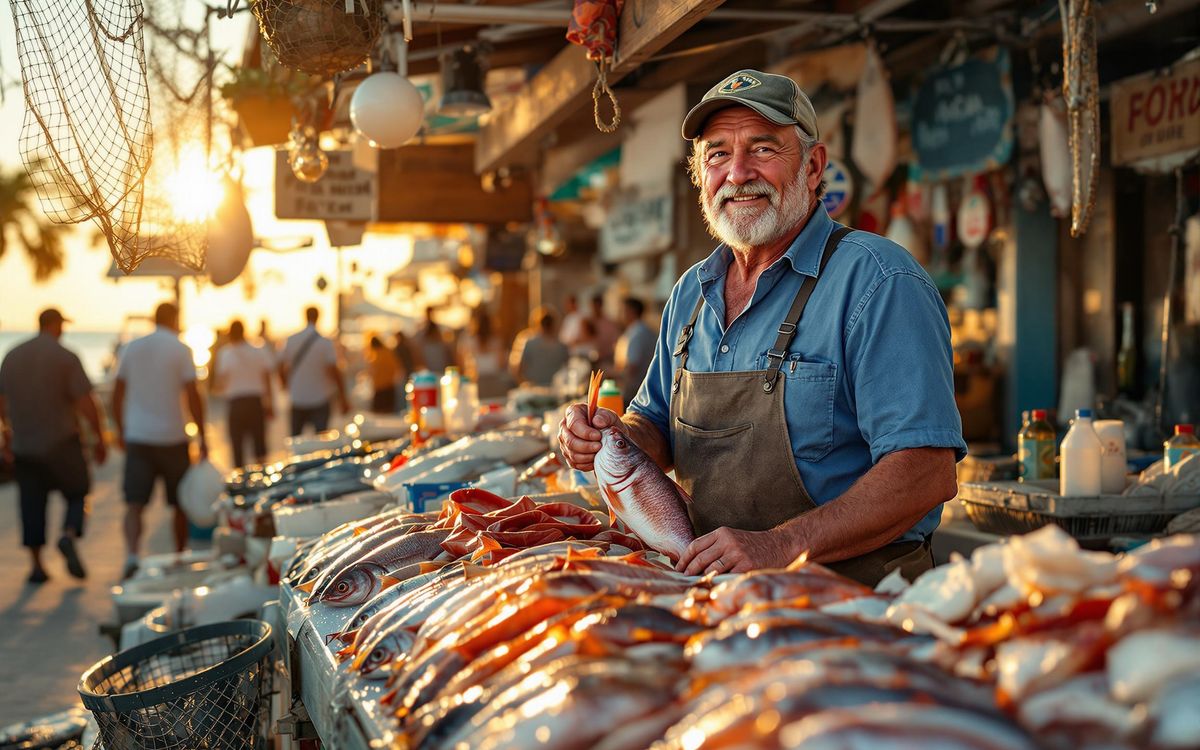
The concept of 'fishing down the food web' is another critical aspect of understanding sustainable seafood. This occurs when fisheries target the largest, most valuable fish species first, and then, as those populations decline, move on to smaller, less valuable species lower in the food chain. This can disrupt the delicate balance of marine ecosystems and lead to the collapse of entire fisheries. I recently spoke with **Captain Joe**, a local fisherman in **Key West, Florida**, who has witnessed firsthand the changes in fish populations over the past three decades. He recounted, When I started fishing, the reefs were teeming with grouper and snapper. Now, we have to go further and further out to find them, and even then, the sizes are smaller. It's hearteaking to see what's happened to our waters. His observations underscore the urgent need for sustainable fishing practices to preserve marine biodiversity and ensure the long-term viability of fishing communities.
Certifications Unveiled Navigating the MSC, ASC, and More
Navigating the world of seafood certifications can feel like deciphering a complex code, but understanding these labels is crucial for making informed choices. Several leading certification programs aim to promote sustainable fishing and aquaculture practices. The Marine Stewardship Council (MSC) is one of the most widely recognized certifications for wild-caught seafood. To achieve MSC certification, fisheries must demonstrate that they are managing fish stocks sustainably, minimizing their impact on the marine environment, and adhering to effective management practices. The MSC uses a rigorous, science-based assessment process to evaluate fisheries, ensuring that only those that meet its high standards are awarded certification.
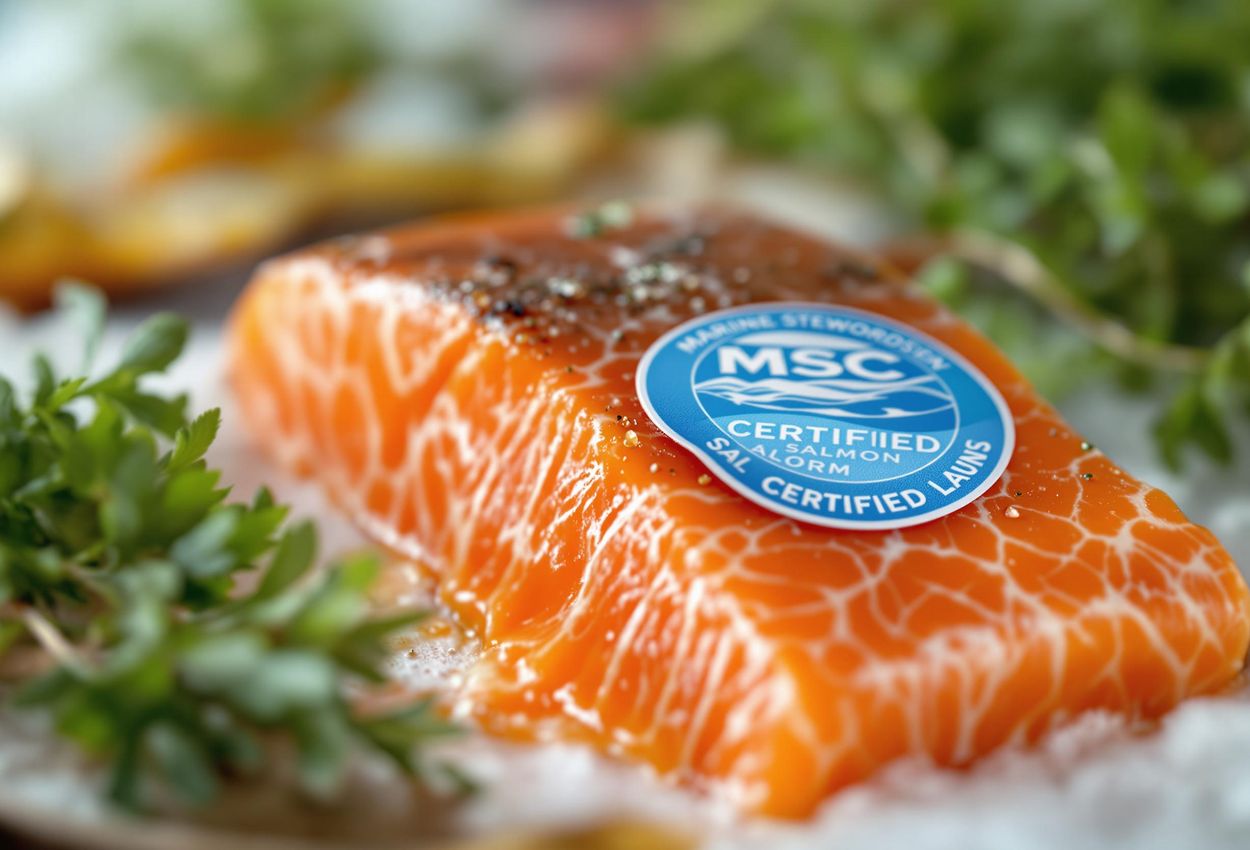
The Aquaculture Stewardship Council (ASC), on the other hand, focuses on certifying responsibly farmed seafood. Aquaculture, or fish farming, can be a sustainable way to produce seafood, but it also has the potential to cause environmental damage if not managed properly. The ASC sets standards for aquaculture operations that address issues such as water quality, disease management, and the use of chemicals and antibiotics. Both MSC and ASC certifications emphasize traceability, meaning that certified seafood can be traced back to its source. This helps to ensure that consumers are buying seafood that has been harvested or farmed in a responsible manner.
Accreditation Services International (ASI) plays a vital role in overseeing the certifiers themselves, ensuring that they are conducting credible and consistent assessments. In the **Pacific Northwest**, several fisheries and aquaculture operations have achieved MSC and ASC certification. For example, certain salmon fisheries in **Alaska** have been MSC-certified, demonstrating their commitment to sustainable fishing practices. Similarly, some oyster farms in **Washington State** have achieved ASC certification, highlighting their efforts to minimize their environmental impact.
Consumer Guides Your Pocket Guide to Ocean-Friendly Choices
Consumer guides are invaluable tools for navigating the complexities of sustainable seafood. These guides provide easy-to-understand recommendations on which seafood choices are the most environmentally responsible. The Monterey Bay Aquarium's Seafood Watch is one of the most popular and respected consumer guides. Seafood Watch uses a 'traffic light' system to categorize seafood based on its environmental impact. 'Best Choice' options are those that are sustainably harvested or farmed and have minimal impact on the environment. 'Good Alternative' options are those that have some concerns but are generally a better choice than 'Avoid' options. 'Avoid' options are those that are overfished or harvested in ways that harm the environment.

When using consumer guides, it's essential to pay attention to the species, origin, and fishing method. For example, wild-caught salmon from **Alaska** is generally a 'Best Choice' due to the state's strong fisheries management practices. However, farmed salmon from some regions may be an 'Avoid' due to concerns about pollution and disease. In **Los Angeles, California**, sushi lovers can make sustainable choices by opting for sushi made with 'Best Choice' seafood, such as farmed scallops or sustainably caught tuna. Many sushi restaurants in **Los Angeles** now offer sustainable sushi options and are transparent about the sourcing of their seafood.
The Dark Side Unveiling Overfishing and Illegal Practices
Overfishing and illegal fishing practices pose a significant threat to marine ecosystems and the long-term sustainability of fisheries. Overfishing occurs when fish are harvested faster than they can reproduce, leading to declining fish stocks and the collapse of fisheries. This can have devastating consequences for marine ecosystems, as it disrupts the food web and can lead to the loss of biodiversity. The issue of Illegal, Unreported, and Unregulated (IUU) fishing further exacerbates the problem. IUU fishing refers to fishing activities that violate national and international laws and regulations.

These practices can include fishing without a license, fishing in closed areas, using prohibited fishing gear, and misreporting catch data. IUU fishing undermines efforts to manage fisheries sustainably and can have significant economic and social impacts. In the **Gulf of Mexico**, several fisheries have been severely affected by overfishing and IUU fishing. For example, the red snapper fishery has been overfished for many years, leading to strict regulations and closures. Shrimp trawling in the **Gulf of Mexico** can also have a significant impact on marine ecosystems, as it can damage seafloor habitats and catch non-target species, such as sea turtles and juvenile fish. Scientific research has consistently shown that overfishing and IUU fishing are major drivers of declining fish stocks worldwide.
Aquaculture A Sustainable Solution or Environmental Threat?
Aquaculture, or fish farming, has the potential to play a significant role in meeting the growing global demand for seafood while reducing pressure on wild fish stocks. However, aquaculture can also have negative environmental impacts if not managed properly. Some of the potential drawbacks of aquaculture include habitat destruction, pollution, and the spread of disease. For example, shrimp farming in mangrove ecosystems can lead to the destruction of these vital habitats, which provide important eeding grounds for many marine species and protect coastlines from erosion.
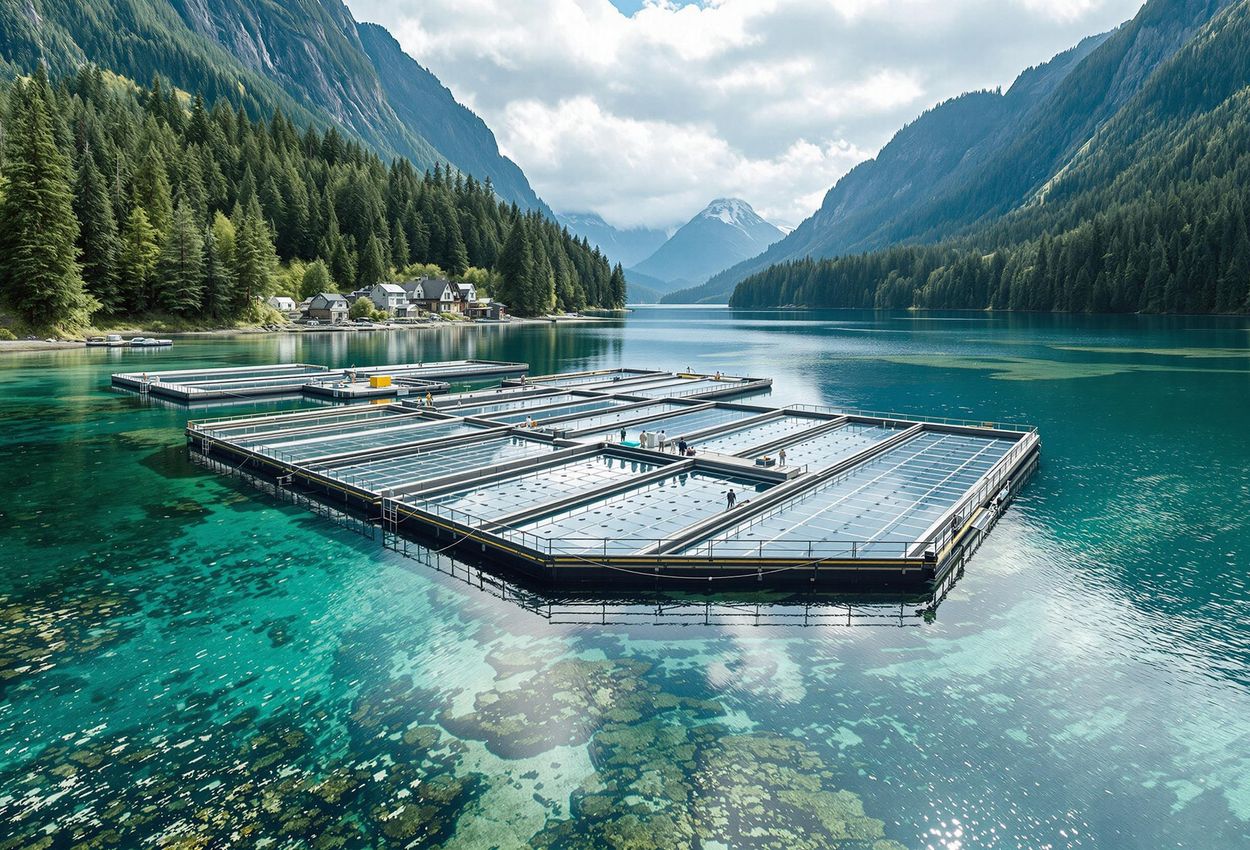
Similarly, some aquaculture operations can release pollutants into the water, such as excess nutrients and antibiotics, which can harm marine ecosystems. However, there are also many innovative and sustainable aquaculture practices that can minimize these negative impacts. Closed-containment systems, for example, are a type of aquaculture that isolates fish from the surrounding environment, reducing the risk of pollution and disease. In **itish Columbia, Canada**, some salmon farms are using closed-containment systems to raise salmon in a more sustainable manner. These systems recycle water, capture waste, and prevent the escape of farmed fish into the wild.
Fishing Communities Voices from the Front Lines
The transition to sustainable fishing practices can be challenging for fishing communities, but it is essential for ensuring the long-term viability of their livelihoods. Fishermen who adopt sustainable methods often face higher costs and stricter regulations, but they also reap the rewards of healthier fish stocks and more stable incomes. I spoke with **Maria Rodriguez**, a fourth-generation fisherman from a small coastal town in **New England**. She shared, It wasn't easy at first. We had to invest in new gear and learn new techniques. But now, we're seeing the benefits. The cod stocks are recovering, and we're able to make a decent living without depleting the ocean. Her story exemplifies the resilience and adaptability of fishing communities in the face of change.

One success story of a fishing community that has transitioned to sustainable practices is the **Port Clyde** community in **Maine**. Faced with declining fish stocks and increasing regulations, the fishermen of **Port Clyde** decided to take matters into their own hands. They formed a cooperative and began working with scientists and conservation organizations to develop sustainable fishing practices. Today, **Port Clyde** is a model of sustainable fishing, with thriving fish stocks and a viant fishing community. The fishermen of **Port Clyde** have demonstrated that sustainable fishing is not just good for the environment, but also good for the economy.
Making Waves How Your Choices Impact Coastal Ecosystems
Consumer choices have a direct and significant impact on coastal ecosystems. By choosing sustainable seafood, consumers can support responsible fishing practices and protect marine habitats. Conversely, by choosing unsustainable seafood, consumers can contribute to overfishing, habitat destruction, and the decline of marine biodiversity. The impact of consumerism extends beyond the direct consumption of seafood. For example, the demand for shrimp has led to the destruction of vast areas of mangrove forests in many parts of the world. Mangrove forests are vital ecosystems that provide important eeding grounds for many marine species, protect coastlines from erosion, and help to mitigate climate change.

In the **Florida Keys**, sustainable seafood choices can help to protect coral reefs and support responsible fishing communities. Coral reefs are among the most diverse and productive ecosystems on Earth, but they are also highly vulnerable to human impacts. Overfishing, pollution, and climate change are all major threats to coral reefs in the **Florida Keys**. By choosing sustainable seafood, consumers can reduce the pressure on these fragile ecosystems and help to ensure their long-term survival. Supporting local fishing communities that are committed to sustainable practices is another way to make a positive impact. These communities often rely on healthy marine ecosystems for their livelihoods, and they are invested in protecting them.
Restaurants Leading the Charge Sustainable Seafood on Your Plate
Many restaurants are now taking the lead in promoting sustainable seafood by sourcing responsibly harvested or farmed seafood and educating their staff and customers about sustainable choices. These restaurants are not only serving delicious seafood but also contributing to the health of our oceans. In **Monterey County, California**, several restaurants have made a commitment to serving only sustainable seafood. These restaurants have removed 'Avoid' seafood from their menus and distribute Seafood Watch guides to their customers. They also train their staff to answer questions about sustainable seafood and to help customers make informed choices.
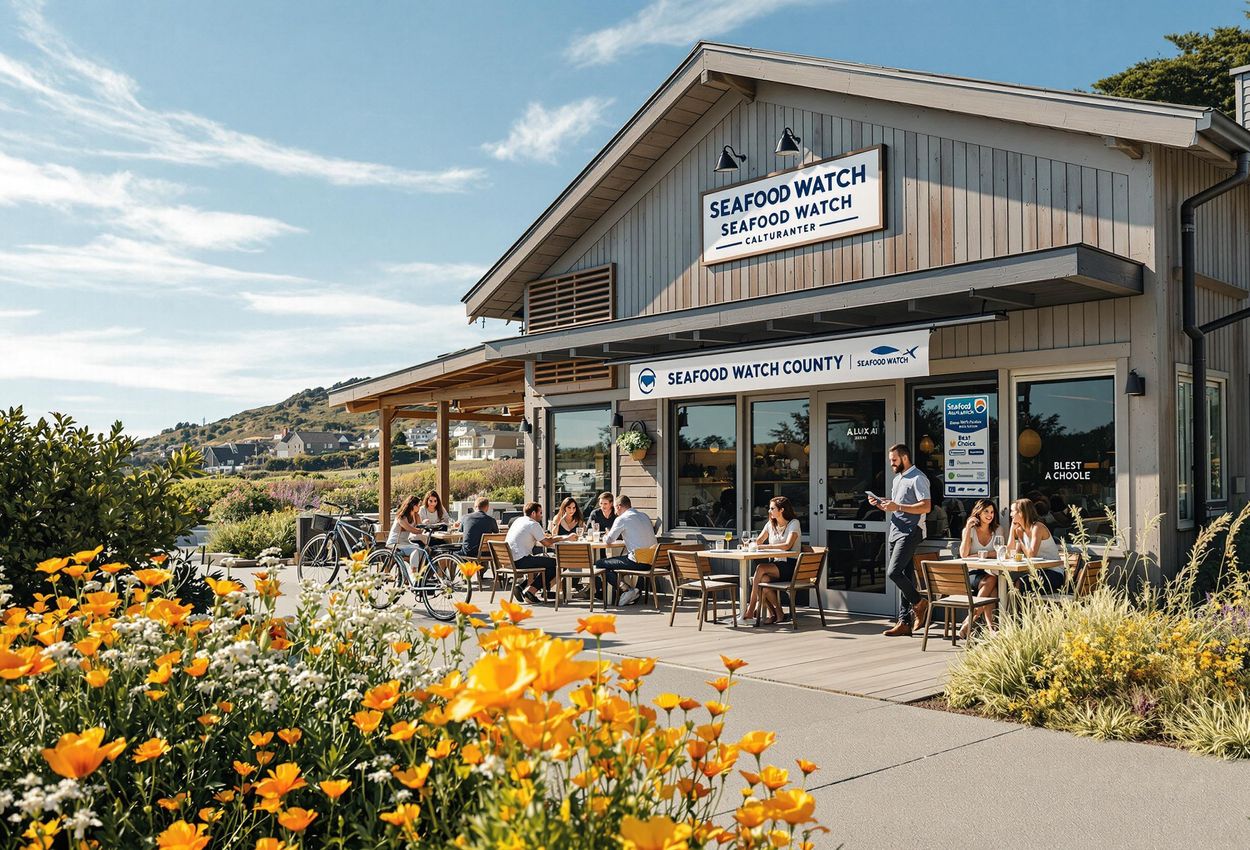
One example is **The Fish Hopper** in **Monterey**, which has partnered with the Monterey Bay Aquarium's Seafood Watch program to ensure that all of its seafood is sustainably sourced. The restaurant also features a 'Sustainable Seafood Spotlight' on its menu, highlighting dishes made with 'Best Choice' seafood. By supporting restaurants that are committed to sustainable seafood, consumers can help to create a demand for responsibly harvested or farmed seafood and encourage other restaurants to follow suit.
Beyond the Plate Reducing Your Seafood Footprint
Reducing your seafood footprint involves making conscious choices about the seafood you consume and taking steps to minimize your impact on marine ecosystems. One of the most effective ways to reduce your seafood footprint is to choose locally sourced options. Locally sourced seafood is often fresher and more sustainable than seafood that has been shipped long distances. It also supports local fishing communities and reduces the carbon emissions associated with transportation. Another way to reduce your seafood footprint is to reduce food waste. A significant amount of seafood is wasted each year due to spoilage, over-portioning, and improper handling.

By planning your meals carefully, storing seafood properly, and using leftovers creatively, you can minimize food waste and reduce your demand for seafood. Supporting sustainable ands is another way to make a positive impact. Look for ands that are committed to sustainable fishing or aquaculture practices and that are transparent about the sourcing of their seafood. Responsible disposal of fishing gear is also essential for protecting marine life. Abandoned or lost fishing gear can entangle marine animals, causing injury or death. In the **Great Barrier Reef**, plastic pollution poses a significant threat to marine life, including sea turtles, seabirds, and marine mammals. By reducing your use of plastic and properly disposing of fishing gear, you can help to protect this iconic ecosystem.
The Future of Fish Innovations and Emerging Solutions
The future of seafood sustainability lies in innovation and emerging solutions. Alternative seafoods, such as plant-based and cell-based seafood, have the potential to reduce pressure on wild fish stocks and provide a more sustainable source of protein. Advances in aquaculture technology are also paving the way for more sustainable fish farming practices. These technologies include closed-containment systems, recirculating aquaculture systems, and integrated multi-trophic aquaculture.

Improved traceability systems are also essential for ensuring the sustainability of seafood. Blockchain technology, for example, has the potential to enhance seafood traceability by creating a secure and transparent record of the seafood supply chain. This can help to combat IUU fishing and ensure that consumers are buying seafood that has been harvested or farmed in a responsible manner. Research initiatives focused on climate change adaptation for fisheries are also crucial. Climate change is already having a significant impact on marine ecosystems, and fisheries in the **Southern Hemisphere** are particularly vulnerable. By developing strategies to help fisheries adapt to climate change, we can ensure the long-term sustainability of these vital resources.
Sustainable Angling Responsible Fishing for Future Generations
Responsible recreational fishing, or angling, is essential for ensuring the sustainability of fish populations and protecting aquatic ecosystems. Anglers can minimize their impact by knowing and following fishing regulations, practicing catch and release, and avoiding sensitive areas. Before heading out on the water, anglers should familiarize themselves with local fishing regulations, including size limits, bag limits, and closed seasons. Catch and release is a valuable tool for conserving fish populations. When practicing catch and release, it's important to handle fish carefully and release them quickly to minimize stress.
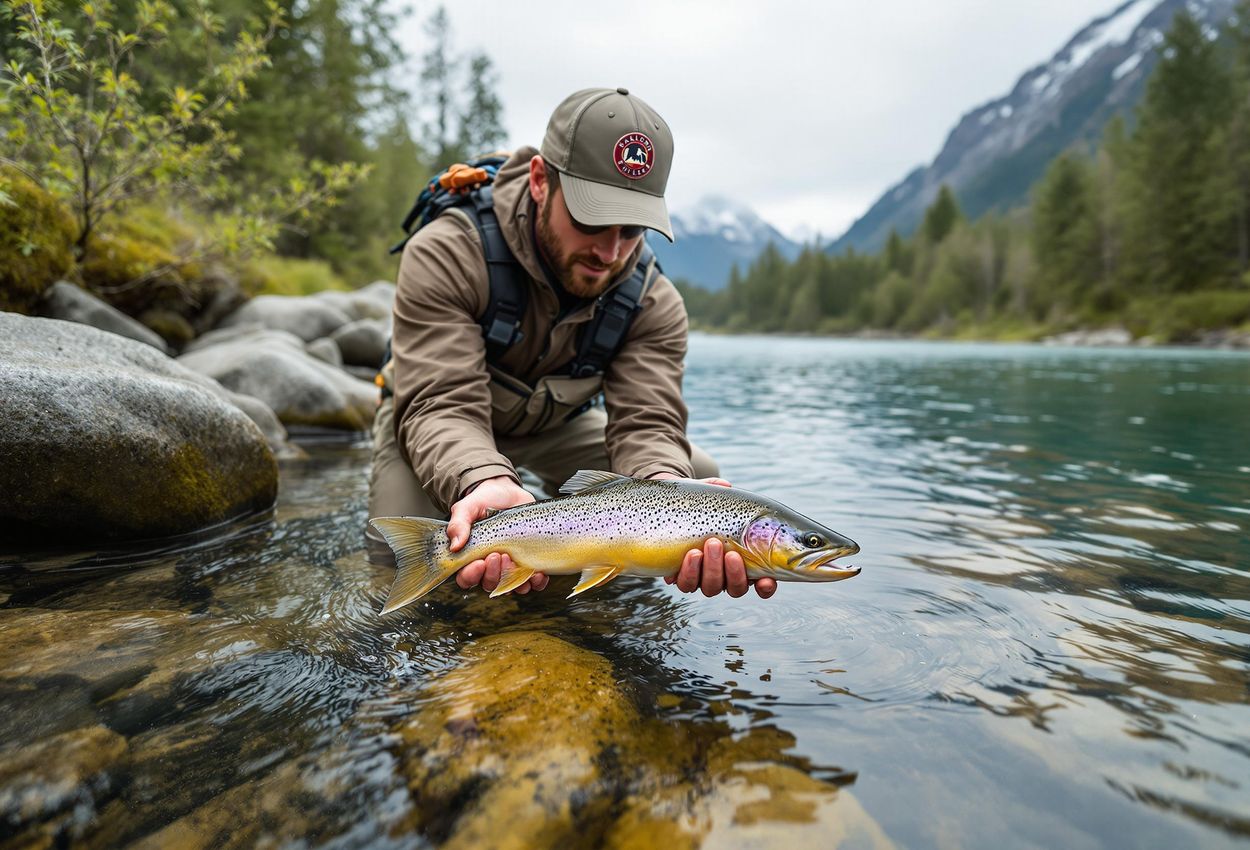
Avoiding sensitive areas, such as spawning grounds and nursery habitats, can also help to protect fish populations. Using lead-free fishing gear is another way to minimize your impact on the environment. Lead fishing tackle can be toxic to wildlife, including birds and fish. Efforts to promote responsible fishing are underway in many U.S. National Parks. These parks offer excellent opportunities for anglers to enjoy the outdoors while protecting aquatic resources. By following responsible fishing practices, anglers can help to ensure that future generations will have the opportunity to enjoy the sport of fishing.
Call to Action Empowering Consumers for a Sustainable Seafood Future
Making informed choices about seafood is one of the most powerful ways to support sustainable fishing practices and protect our oceans. By asking questions, supporting sustainable businesses, and advocating for policy changes, you can make a real difference. When shopping for seafood, don't hesitate to ask questions about the origin of the seafood, the fishing method used, and whether it is certified sustainable. Supporting businesses that are committed to sustainable seafood is another way to make a positive impact. Look for restaurants and retailers that source responsibly harvested or farmed seafood and that are transparent about their sourcing practices.
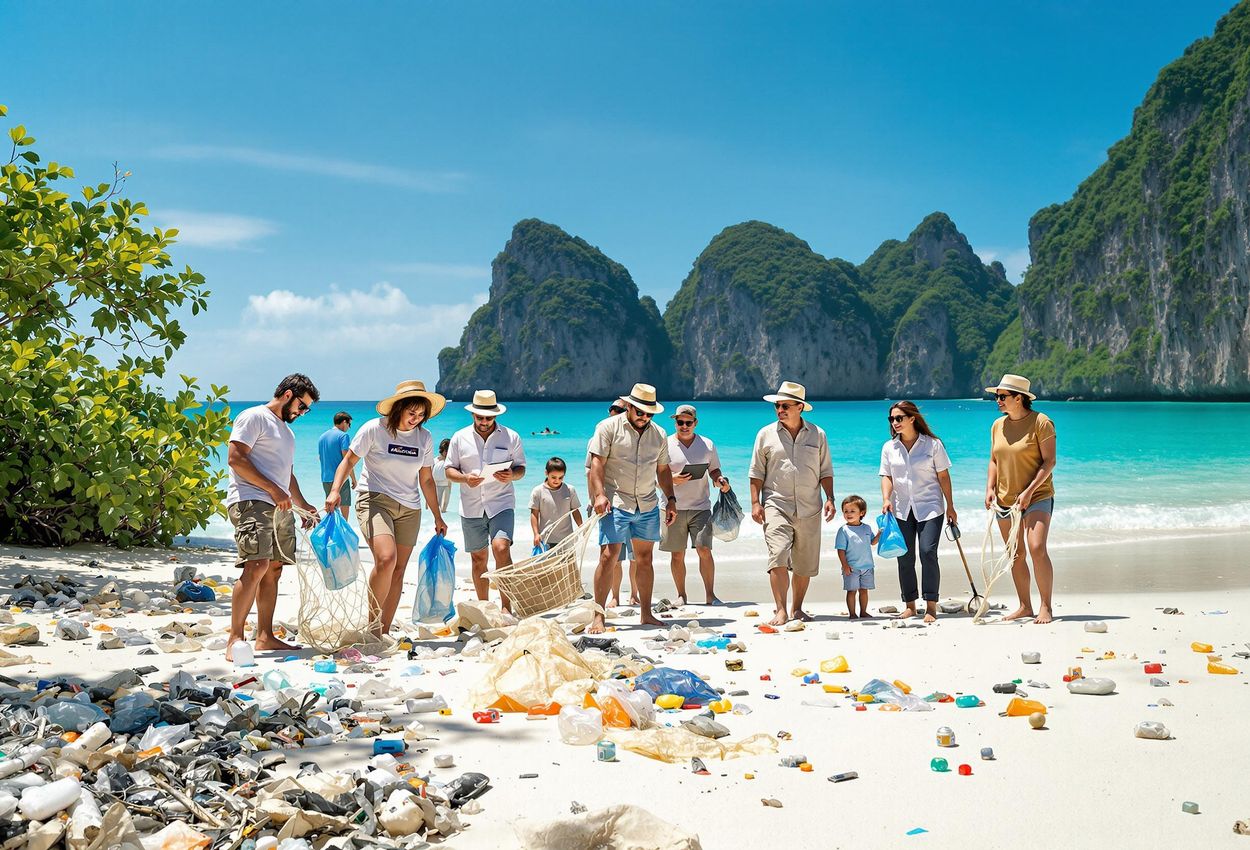
Advocating for policy changes is also essential. Contact your elected officials and urge them to support policies that promote sustainable fishing and protect marine ecosystems. Resources for further learning and engagement include the Seafood Watch app, which provides up-to-date recommendations on sustainable seafood choices, and local conservation organizations, which offer opportunities to volunteer and learn more about marine conservation. By taking action, you can empower yourself and others to create a sustainable seafood future.