The allure of coastal destinations, with their sun-kissed beaches and viant marine life, has long captivated travelers. However, the increasing pressures of climate change and overtourism pose significant threats to these fragile ecosystems. Enter sustainable tourism certification, a beacon of hope guiding businesses and travelers toward responsible practices that protect our precious coastlines.
Riding the Wave A Sustainable Surge on the Coast
The global tourism industry is undergoing a profound transformation, with sustainability taking center stage. Coastal destinations, particularly vulnerable to environmental degradation, are at the forefront of this shift. Sustainable tourism, defined as tourism that minimizes negative impacts on the environment and local communities while maximizing economic benefits, is no longer a niche concept but a growing imperative. In ecologically sensitive coastal regions, this approach is critical for preserving biodiversity, protecting natural resources, and ensuring the long-term viability of tourism itself.
Travelers are increasingly seeking eco-friendly options, driven by a desire to reduce their carbon footprint and support destinations committed to responsible practices. This demand is fueling the growth of sustainable tourism certifications, which act as trusted benchmarks for businesses striving to meet rigorous environmental and social standards. The impact of climate change, from rising sea levels to coral bleaching, serves as a stark reminder of the urgent need for sustainable practices. Overtourism, characterized by overcrowding and resource depletion, further exacerbates these challenges, threatening the very essence of coastal ecosystems. Statistics reveal a significant uptick in the adoption of sustainable tourism practices, with certifications playing a vital role in validating these efforts. For example, in the Philippines, coastal communities are witnessing a remarkable resurgence of their coral reefs, a direct result of implementing sustainable tourism practices that prioritize marine conservation and community involvement. This holistic approach not only revitalizes the natural environment but also empowers local residents, fostering a sense of stewardship and shared responsibility for the well-being of their coastal ecosystems.

Decoding the Labels What Certifications Really Mean
Sustainable tourism certifications serve as a vital compass for navigating the complex landscape of eco-friendly travel. These certifications are essentially benchmarks that businesses must meet to demonstrate their commitment to sustainable practices. They provide a framework for assessing and improving performance in key areas such as environmental conservation, social responsibility, economic sustainability, and cultural preservation. The certification process typically involves an initial assessment to identify areas for improvement, followed by a comprehensive audit to verify compliance with established standards. Ongoing monitoring ensures that businesses maintain their commitment to sustainability over time.
Third-party organizations play a crucial role in ensuring the credibility of these certifications, acting as independent auditors and verifiers. These organizations ing expertise and impartiality to the process, providing travelers with confidence that certified businesses are genuinely committed to sustainable practices. The Quality Coast certification, for instance, focuses specifically on waterfront sustainability, assessing aspects such as seaside cleanliness, beach quality, and the overall environmental management of coastal areas. To gain further insight into the certification process, we spoke with a representative from the Global Sustainable Tourism Council (GSTC), a leading accreditation body for sustainable tourism certifications. According to them, u201cCredible certifications are essential for ensuring that tourism businesses are truly committed to sustainability. The GSTC sets the global standards for sustainable travel and tourism, and accredits certification bodies that meet these standards, providing assurance to travelers and businesses alike.u201d
The Credibility Factor Sorting Reputable Programs from Greenwashing
In the burgeoning world of sustainable tourism, credibility is paramount. With an increasing number of certifications emerging, it's essential to distinguish reputable programs from those engaging in greenwashing u2013 the practice of making misleading claims about environmental benefits. Identifying credible certification programs requires careful scrutiny and a discerning eye. The Global Sustainable Tourism Council (GSTC) plays a pivotal role in setting the standards for sustainable tourism and accrediting certification bodies that meet those standards. Look for certifications that are GSTC-accredited, as this indicates a rigorous and transparent assessment process.
Other well-known and respected certifications include Blue Flag, Green Key, and EarthCheck. The Blue Flag certification, renowned for its stringent criteria, focuses on water quality, environmental management, safety, and educational efforts at beaches and marinas. Green Key, on the other hand, is a leading standard of excellence in the field of environmental responsibility and sustainable operation within the tourism industry. EarthCheck provides a framework for environmental and social performance, helping businesses to measure, benchmark, and improve their sustainability practices. To avoid greenwashing, travelers and businesses should carefully examine the criteria used by certification programs and verify that they are comprehensive, transparent, and independently verified. Look for certifications that address a wide range of sustainability issues, including environmental impact, social responsibility, and economic viability. Don't be swayed by superficial claims or vague promises; instead, seek out certifications that provide concrete evidence of a commitment to sustainability.

Business Benefits Going Green and Seeing Green
Obtaining sustainable tourism certification offers a multitude of advantages for coastal businesses, extending far beyond mere environmental responsibility. Enhanced reputation and credibility are among the most significant benefits, as certification signals to customers that a business is genuinely committed to sustainable practices. This can lead to increased customer loyalty and positive word-of-mouth referrals. Furthermore, certification opens doors to new markets of eco-conscious travelers who actively seek out businesses that align with their values. These travelers are often willing to pay a premium for sustainable products and services, providing a competitive edge for certified businesses.
In addition to attracting new customers, certification can also lead to cost savings through efficient resource use. By implementing sustainable practices, businesses can reduce their consumption of energy, water, and other resources, lowering operating costs and improving profitability. Certification also helps businesses align with global sustainability goals, demonstrating a commitment to addressing pressing environmental and social challenges. This can enhance their and image and attract investors who prioritize sustainability. Numerous businesses have successfully leveraged their certification for marketing and increased revenue. For example, Banyan Tree properties strive to have all properties registered and active within EarthCheck, showcasing their commitment to environmental and social responsibility. We spoke with the owner of a small eco-lodge in Costa Rica who shared their experience: u201cObtaining sustainable tourism certification has been transformative for our business. It has not only enhanced our reputation and attracted new customers but has also helped us to reduce our operating costs and improve our environmental performance.u201d
Traveler's Perks Guilt-Free Getaways and Authentic Experiences
For travelers, sustainable tourism certification offers a pathway to guilt-free getaways and authentic experiences. Certifications empower travelers to identify genuinely sustainable options, cutting through the noise of greenwashing and ensuring that their travel choices align with their values. By choosing certified businesses, travelers can support local communities, preserve cultural heritage, and minimize their environmental impact. This contributes to a more responsible and ethical tourism industry, benefiting both travelers and destinations.
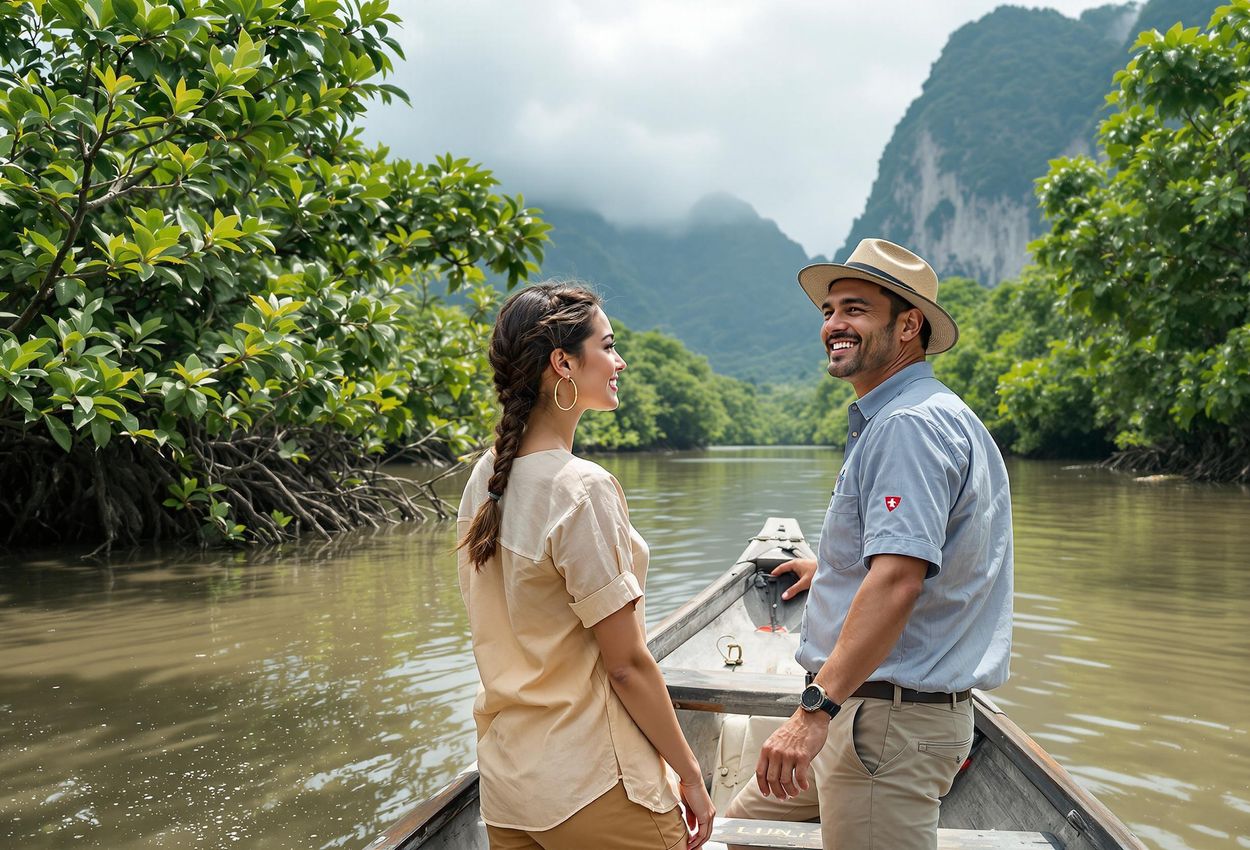
Certified businesses often offer unique and authentic experiences that go beyond the typical tourist fare. These experiences may include eco-tours, cultural immersion activities, and opportunities to engage with local communities. For example, travelers can enjoy eco-tours and mangrove tours at Pantai Cenang in Langkawi, Malaysia, a Blue Flag beach known for its commitment to environmental sustainability. When planning a trip, travelers can look for certified accommodations, tour operators, and restaurants by checking the websites of reputable certification programs. They can also ask businesses directly about their sustainability practices and request evidence of their certification. By making informed choices, travelers can ensure that their getaways are not only enjoyable but also contribute to a more sustainable future.
Coastal Champions Success Stories from Certified Destinations
Across the globe, coastal destinations are emacing sustainable tourism certification as a means of protecting their natural and cultural assets while fostering economic growth. These destinations serve as inspiring examples of how sustainable practices can transform the tourism industry and benefit local communities. The Azores, a Portuguese archipelago in the Atlantic Ocean, has emerged as a leader in sustainable tourism, with numerous businesses obtaining certification for their commitment to environmental stewardship. The islands have implemented a range of initiatives, including renewable energy projects, waste reduction programs, and marine conservation efforts. The Central Coast of Australia is another success story, with its stunning natural landscapes and viant communities emacing sustainable tourism practices.
Specific Blue Flag beaches in Europe and Asia also exemplify the positive impacts of certification. These beaches have met stringent criteria for water quality, environmental management, safety, and educational efforts, providing visitors with a safe and sustainable recreational experience. The Barrington Coast in Australia achieved ECO Destination Certification through Ecotourism Australia, demonstrating its commitment to sustainable tourism practices. According to a local official, u201cSustainable tourism certification has been instrumental in protecting our natural environment, supporting our local communities, and enhancing the overall tourism experience in the Barrington Coast.u201d
Certification Challenges Costs, Complexities, and Capacity Building
While sustainable tourism certification offers numerous benefits, it also presents certain challenges for businesses and destinations. The costs associated with certification can be a significant barrier, particularly for small businesses with limited resources. The application process can be complex and time-consuming, requiring businesses to gather extensive documentation and undergo rigorous audits. Capacity building and training are also essential to ensure that businesses have the knowledge and skills to implement sustainable practices effectively.
Small businesses and destinations can overcome these challenges by seeking out resources and support from government agencies, industry associations, and non-profit organizations. Government incentives and programs can help to offset the costs of certification, while training programs can provide businesses with the necessary skills to implement sustainable practices. For example, the Green Tourism Business Scheme in the West of England faces challenges such as the perceived expense of applying for membership. However, the scheme offers a range of benefits, including marketing support, networking opportunities, and access to expert advice. By working together, businesses, governments, and communities can overcome these challenges and make sustainable tourism certification more accessible to all.

The Future is Green Innovations and Emerging Trends in Certification
The landscape of sustainable tourism certification is constantly evolving, with new innovations and emerging trends shaping its future. Technology is playing an increasingly important role in monitoring and verifying sustainability practices, enabling greater transparency and accountability. Remote sensing, data analytics, and blockchain technology are being used to track environmental performance, monitor resource consumption, and verify the authenticity of sustainable products and services. New criteria are being integrated into certification programs, such as climate action and biodiversity conservation, reflecting the growing awareness of these critical issues.
Regenerative tourism, which goes beyond minimizing negative impacts to actively restoring and enhancing ecosystems, is also gaining momentum. This approach has the potential to transform certification programs, encouraging businesses to not only protect the environment but also to actively contribute to its restoration. According to industry experts, the future of sustainable tourism certification lies in its ability to adapt to changing environmental and social conditions, emace new technologies, and promote regenerative practices. For example, Preferred by Nature's Certification for Sustainable Travel Activities is compliant with the Travalyst criteria, demonstrating its commitment to aligning with industry best practices. These evolving trends promise a more robust and impactful approach to sustainable tourism certification, ensuring a ighter future for coastal destinations and the planet as a whole.
Making Waves How to Get Involved and Drive Change
Supporting sustainable tourism is a collective responsibility, requiring the active involvement of businesses, travelers, and communities. Businesses can begin the certification process by conducting thorough market research to identify a certification body that aligns with their organization's needs and values. They can then assess their current sustainability practices, identify areas for improvement, and develop a plan to meet the certification criteria. Travelers can make more sustainable choices by choosing certified accommodations, tour operators, and restaurants. They can also reduce their environmental impact by conserving resources, respecting local cultures, and supporting local businesses.
Advocating for policies that support sustainable tourism in coastal destinations is also crucial. This may involve supporting government initiatives, participating in community planning processes, and raising awareness about the importance of sustainable tourism. By working together, we can protect coastal ecosystems, promote responsible travel, and create a more sustainable future for all. As a call to action, begin the sustainability certification process by conducting thorough market research to identify a certification body that aligns with your organization's needs. This initial step lays the foundation for a journey towards responsible tourism practices and environmental stewardship.

Voices from the Shore Interviews with Businesses that Obtained Sustainable Tourism Certification
To gain a deeper understanding of the impact of sustainable tourism certification, we spoke with several businesses that have obtained certification. These businesses represent a diverse range of sectors, including hotels, tour operators, and restaurants, providing a comprehensive overview of the benefits and challenges associated with certification. We asked them about their motivations for seeking certification, the challenges they faced during the process, and the benefits they have experienced since becoming certified. They shared specific examples of how they have improved their sustainability practices and engaged with their local communities.
One hotel owner explained, u201cWe sought certification to demonstrate our commitment to environmental responsibility and to attract eco-conscious travelers. The process was challenging, but it helped us to identify areas where we could improve our sustainability practices. Since becoming certified, we have seen a significant increase in bookings and positive customer feedback.u201d A tour operator shared, u201cCertification has helped us to differentiate ourselves from our competitors and to attract customers who are looking for authentic and responsible travel experiences. We have also been able to build stronger relationships with our local communities by supporting their economic development and cultural preservation efforts.u201d These interviews provide valuable insights into the real-world impact of sustainable tourism certification, highlighting its potential to transform businesses, communities, and the tourism industry as a whole. For instance, local hospitality and tourism enterprises in the West of England have reported various benefits from the Green Tourism Business Scheme, including enhanced and reputation and increased customer loyalty.