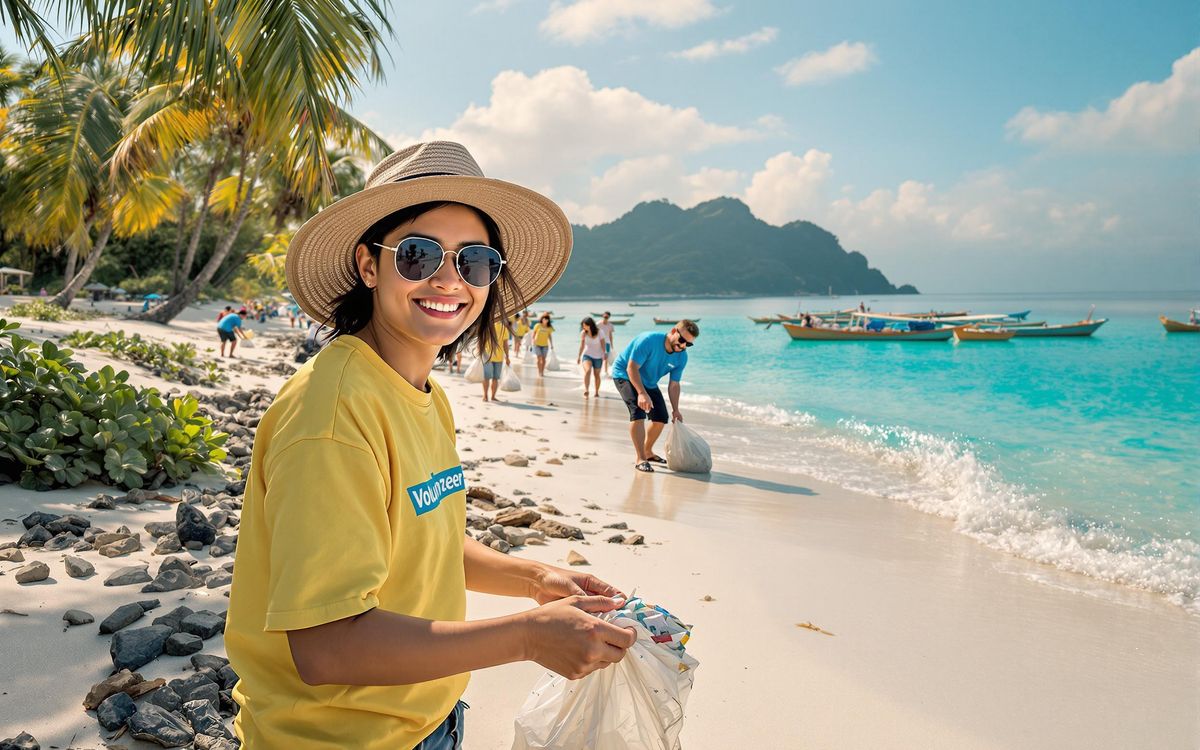
The salty air, the rhythmic crash of waves, the sun-kissed beaches u2013 these are the images that often spring to mind when we think of coastal getaways. But beyond the postcard-perfect scenery lies a reality for many coastal communities: a struggle against environmental degradation, economic hardship, and the impacts of climate change. Enter voluntourism, a powerful way to experience the beauty of the coast while actively contributing to its well-being.
Voluntourism, or volunteer tourism, is a growing trend that allows travelers to combine their love of exploration with a desire to make a positive impact. It's about more than just seeing the sights; it's about rolling up your sleeves and working alongside local communities to address pressing issues. From beach cleanups to wildlife conservation, voluntourism offers a unique opportunity to connect with a destination on a deeper level, leaving a lasting legacy of positive change.
Take, for example, the Outer Banks of North Carolina. This stunning stretch of coastline is not only a popular vacation spot but also a fragile ecosystem vulnerable to erosion and the effects of storms. Organizations rely heavily on volunteers to conduct beach cleanups, rehabilitate sand dunes, and protect nesting sea turtles. By participating in these activities, voluntourists not only help preserve the natural beauty of the Outer Banks but also contribute to the long-term sustainability of the local economy, which depends on tourism.
However, it's crucial to approach voluntourism with a sense of responsibility and ethical awareness. Not all programs are created equal, and it's essential to choose organizations that prioritize community needs and environmental sustainability. Responsible travel means doing your research, asking critical questions, and ensuring that your efforts are genuinely beneficial to the host community.
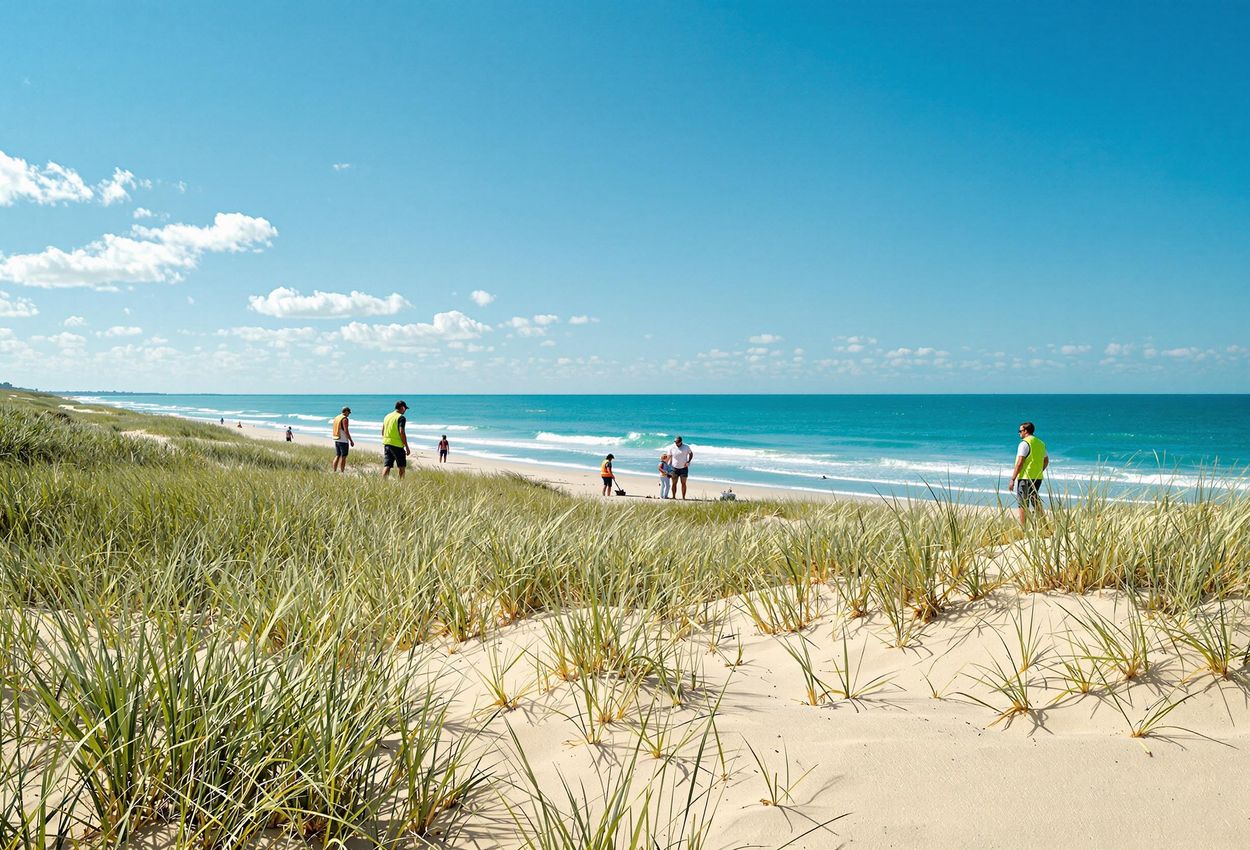
Guardians of the Sea: Protecting Marine Life in Costa Rica
Imagine yourself patrolling a pristine beach under a canopy of stars, the air thick with the scent of salt and the sound of crashing waves. You're not just a tourist; you're a guardian of the sea, participating in vital sea turtle conservation efforts in Costa Rica. This Central American nation is a haven for marine life, and its coastlines serve as crucial nesting grounds for several species of sea turtles, including the majestic Leatherback and the vulnerable Green Sea Turtle.
Voluntourism opportunities abound in Costa Rica, particularly in areas like Playa Tortuga, a protected beach renowned for its turtle nesting activity. Volunteers work alongside local conservationists, conducting beach patrols to identify and protect nests from poachers and predators. They also participate in nest monitoring, carefully recording data on the number of eggs laid and the hatching success rate. This information is vital for understanding turtle populations and developing effective conservation strategies.
Organizations like Maximo Nivel offer structured beach conservation programs that provide volunteers with comprehensive training and support. These programs often include opportunities to work with local communities, educating them about the importance of sea turtle conservation and promoting sustainable practices. But the true hidden gem of this experience lies in the opportunity to participate in night patrols. As darkness descends, you'll walk the beach alongside experienced guides, searching for nesting turtles emerging from the sea. Witnessing this ancient ritual under the starlit sky is an unforgettable experience that will leave you with a profound appreciation for the wonders of the natural world.
Island Revival: Community Building in the Philippines
The Philippines, an archipelago of over 7,000 islands, boasts stunning beaches, viant coral reefs, and a rich cultural heritage. However, many coastal communities in the Philippines face significant challenges, including poverty, lack of access to education, and the impacts of natural disasters. Voluntourism offers a chance to contribute to community development and help build a more sustainable future for these island communities.
Opportunities abound to assist with building essential infrastructure, such as schools, health clinics, and sanitation facilities. Volunteers can also contribute to educational initiatives, teaching English, providing vocational training, or assisting with literacy programs. Supporting local businesses is another crucial aspect of community development, and voluntourists can help by promoting eco-tourism ventures, assisting with marketing efforts, or providing small business training.
Islands like Palawan and Cebu are particularly popular destinations for voluntourism in the Philippines. Numerous organizations focus on sustainable community development, working in partnership with local leaders to identify and address the most pressing needs. A hidden gem of this experience is the opportunity to learn traditional weaving techniques from local artisans. While contributing to economic empowerment by purchasing their handcrafted goods, you'll gain a deeper understanding of the local culture and the skills that have been passed down through generations.

Beneath the Surface: Coral Reef Restoration in Thailand
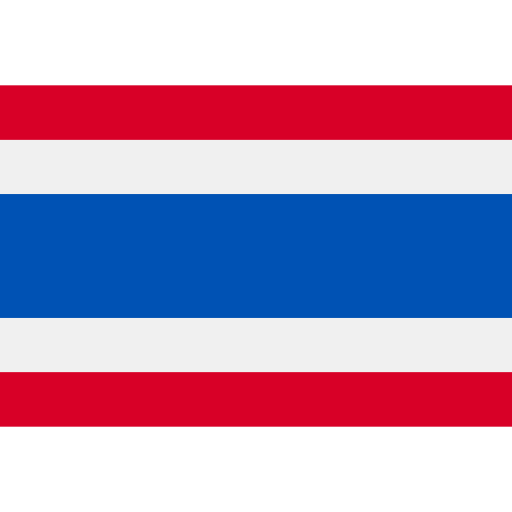
The viant coral reefs of Thailand are a treasure trove of marine biodiversity, attracting divers and snorkelers from around the world. However, these delicate ecosystems are under threat from coral bleaching, pollution, and destructive fishing practices. Voluntourism offers a chance to dive into action and help restore these underwater paradises.
Coral planting is a key activity in reef restoration projects. Volunteers work alongside marine biologists to propagate new coral colonies and transplant them onto degraded reefs. Reef cleaning is another important task, removing deis and algae that can smother coral and hinder its growth. Marine surveys are also conducted to assess the health of the reef and monitor the effectiveness of restoration efforts.
Koh Tao, an island renowned for its diving and marine conservation efforts, is a prime location for voluntourism in Thailand. Organizations like Projects Aoad offer PADI certifications alongside conservation work, allowing volunteers to gain valuable skills while contributing to the protection of marine life. A unique element of this experience is the opportunity to learn about traditional Thai fishing practices and their impact on coral reefs. By understanding the challenges faced by local fishermen, you can help promote sustainable fishing methods that protect both the livelihoods of the community and the health of the marine environment.
African Shores: Conserving Coastal Ecosystems in Madagascar
Madagascar, the world's fourth-largest island, is a biodiversity hotspot, home to a unique array of flora and fauna found nowhere else on Earth. Its coastal ecosystems, including coral reefs, mangrove forests, and seagrass beds, are vital habitats for marine life and play a crucial role in supporting local communities. However, these ecosystems face numerous threats, including deforestation, overfishing, and climate change. Voluntourism offers a chance to make a tangible difference in the conservation of Madagascar's coastal environment.
Volunteers can participate in reef surveys, monitoring the health of coral reefs and identifying areas that need protection. Turtle monitoring is another important activity, tracking nesting populations and protecting nests from poachers. Mangrove planting helps restore degraded mangrove forests, which provide crucial habitat for fish and other marine life. Organizations like IVHQ offer marine conservation programs in Madagascar, providing volunteers with the training and support they need to make a meaningful contribution.
The hidden gem of this experience lies in the chance to learn about traditional Malagasy fishing techniques and their sustainability. By interacting with local fishermen, you'll gain a deeper understanding of their connection to the sea and the challenges they face in maintaining their traditional way of life. This knowledge can help you advocate for sustainable fishing practices that protect both the environment and the livelihoods of coastal communities.
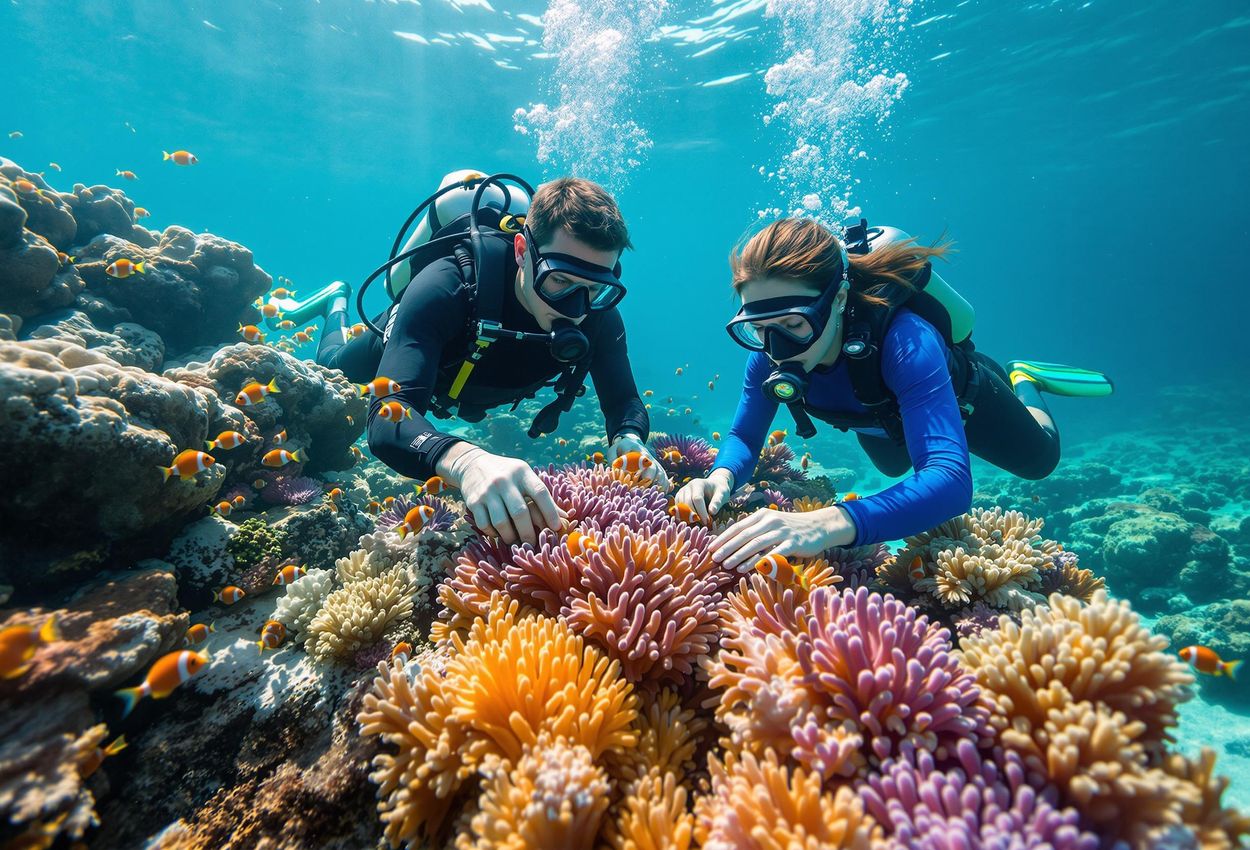
Galapagos Guardians: Protecting Unique Wildlife in Ecuador
The Galapagos Islands, a volcanic archipelago off the coast of Ecuador, are a living laboratory of evolution, home to a remarkable array of unique wildlife. From giant tortoises to marine iguanas, the Galapagos are a testament to the power of adaptation and the importance of conservation. Voluntourism offers a chance to become a Galapagos Guardian, helping to protect this extraordinary ecosystem.
Volunteers can monitor sea lion populations, tracking their numbers and behavior to assess their health and identify potential threats. Giant tortoise conservation is another crucial area of focus, protecting these iconic creatures from habitat loss and poaching. Marine iguana monitoring helps track the populations of these unique reptiles, which are the only lizards in the world that forage in the ocean. Petrel bird surveys help monitor the eeding success of these seabirds, which are an important part of the Galapagos ecosystem. Organizations with partnerships with the Galapagos National Park, like Projects Aoad, offer structured volunteer programs that provide training and support.
A hidden gem of this experience is the opportunity to learn about Charles Darwin's research and its impact on conservation efforts in the Galapagos. By visiting the sites where Darwin made his groundeaking observations, you'll gain a deeper understanding of the theory of evolution and the importance of protecting biodiversity.
Mediterranean Marvels: Dolphin Research in Greece
The azure waters of the Greek Islands are home to a diverse array of marine life, including dolphins and whales. These intelligent and charismatic creatures face numerous threats, including habitat loss, pollution, and entanglement in fishing gear. Voluntourism offers a chance to contribute to dolphin and whale research projects and promote ethical tourism in Greece.
Volunteers can monitor dolphin behavior, observing their social interactions, feeding habits, and movements. Data collection is another important task, recording information on dolphin sightings, group sizes, and environmental conditions. Promoting ethical tourism involves educating tourists about responsible dolphin watching practices and advocating for regulations that protect marine mammals from disturbance. Specific islands like Kefalonia are known for their dolphin populations and offer opportunities for volunteer research projects.
The hidden gem of this experience lies in learning about ancient Greek mythology related to dolphins and the sea. In ancient Greek culture, dolphins were revered as sacred animals, associated with gods like Apollo and Poseidon. By exploring these ancient stories, you'll gain a deeper appreciation for the cultural significance of dolphins and the importance of protecting them for future generations.

Patagonian Promise: Coastal Conservation in Argentina
Patagonia, a vast and windswept region at the southern tip of South America, is a land of dramatic landscapes, abundant wildlife, and pristine coastlines. Its coastal habitats are home to a diverse array of marine life, including penguins, seals, whales, and seabirds. Voluntourism offers a chance to contribute to coastal conservation efforts and protect the natural beauty of Patagonia.
Beach cleanups are an essential part of coastal conservation, removing plastic deis and other pollutants that threaten marine life. Wildlife monitoring helps track the populations of penguins, seals, and other coastal animals, providing valuable data for conservation management. Community education involves raising awareness about the importance of coastal conservation and promoting sustainable practices among local communities. Numerous organizations offer Patagonian coastal conservation projects, providing volunteers with opportunities to make a tangible difference.
A unique element of this experience is learning about the indigenous Tehuelche people and their connection to the Patagonian coast. The Tehuelche were nomadic hunter-gatherers who roamed the Patagonian plains for thousands of years, relying on the sea for sustenance. By learning about their traditional way of life, you'll gain a deeper understanding of the cultural significance of the Patagonian coast and the importance of protecting it for future generations.
Caribbean Calling: Reef Buddy Diving in Carriacou
Carriacou, a small island in the West Indies, is a hidden gem of the Caribbean, known for its pristine beaches, crystal-clear waters, and viant coral reefs. The Caribbean Reef Buddy Diving Project offers a unique opportunity to contribute to coral reef conservation while exploring the underwater wonders of Carriacou.
Marine surveys are conducted to assess the health of coral reefs and identify areas that need protection. Coral planting involves transplanting new coral colonies onto degraded reefs, helping to restore their biodiversity and resilience. Organizations involved in reef conservation in the area work closely with local communities to promote sustainable tourism and protect the marine environment.
A hidden gem of this experience is learning about the history of boat building in Carriacou and its connection to the sea. For centuries, the people of Carriacou have been renowned for their boat-building skills, constructing traditional wooden boats that have sailed the Caribbean for generations. By learning about this maritime heritage, you'll gain a deeper appreciation for the connection between the people of Carriacou and the sea.

Ethical Anchors: Choosing Responsible Voluntourism
As the popularity of voluntourism grows, it's increasingly important to choose experiences that are ethical, sustainable, and genuinely beneficial to local communities. Here are some key considerations to help you navigate the world of voluntourism responsibly:
Research Organizations Thoroughly: Look for organizations with a proven track record of ethical and sustainable practices. Check their website, read reviews, and ask for references from past volunteers.
Ensure Transparency: A reputable organization will be transparent about its mission, goals, and financial practices. They should be able to clearly explain how your volunteer fees are used and how they benefit the local community.
Respect Local Cultures: Be mindful of local customs, traditions, and values. Learn some basic phrases in the local language and dress modestly. Avoid imposing your own cultural beliefs on the community.
Be Aware of Potential Negative Impacts: Unethical voluntourism can disrupt local economies, exploit vulnerable communities, and undermine local efforts. Be wary of programs that seem too good to be true or that focus more on the needs of the volunteers than the needs of the community.
Ensure Volunteer Efforts are Genuinely Beneficial and Sustainable: Choose programs that address real needs identified by the local community and that contribute to long-term sustainable development. Avoid projects that are short-term, superficial, or that create dependency.
By following these guidelines, you can ensure that your voluntourism experience is not only enriching for you but also genuinely beneficial to the coastal communities you visit. Voluntourism has the power to transform lives, both for the volunteers and the communities they serve. By choosing responsible programs and engaging with respect and humility, you can help create a more sustainable and equitable future for coastal regions around the world.