Journey through time to explore seven remarkable lost cities that have been rediscovered, offering us a glimpse into forgotten civilizations and the enduring power of history.
From the cloud-shrouded peaks of Machu Picchu to the ash-preserved streets of Pompeii, these sites captivate our imaginations and remind us of the cyclical nature of human existence. Prepare to be transported to worlds both ancient and awe-inspiring, as we delve into the stories of these rediscovered treasures.
Machu Picchu Emerges From the Clouds
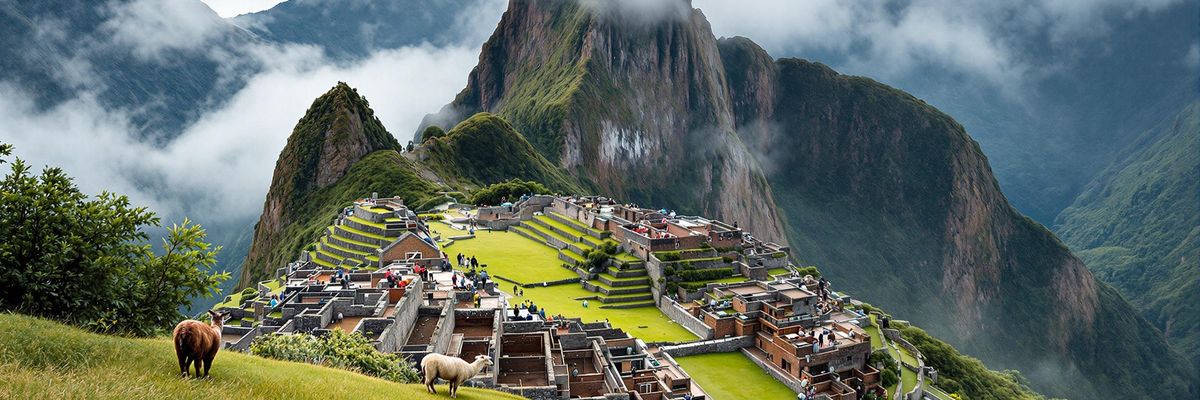
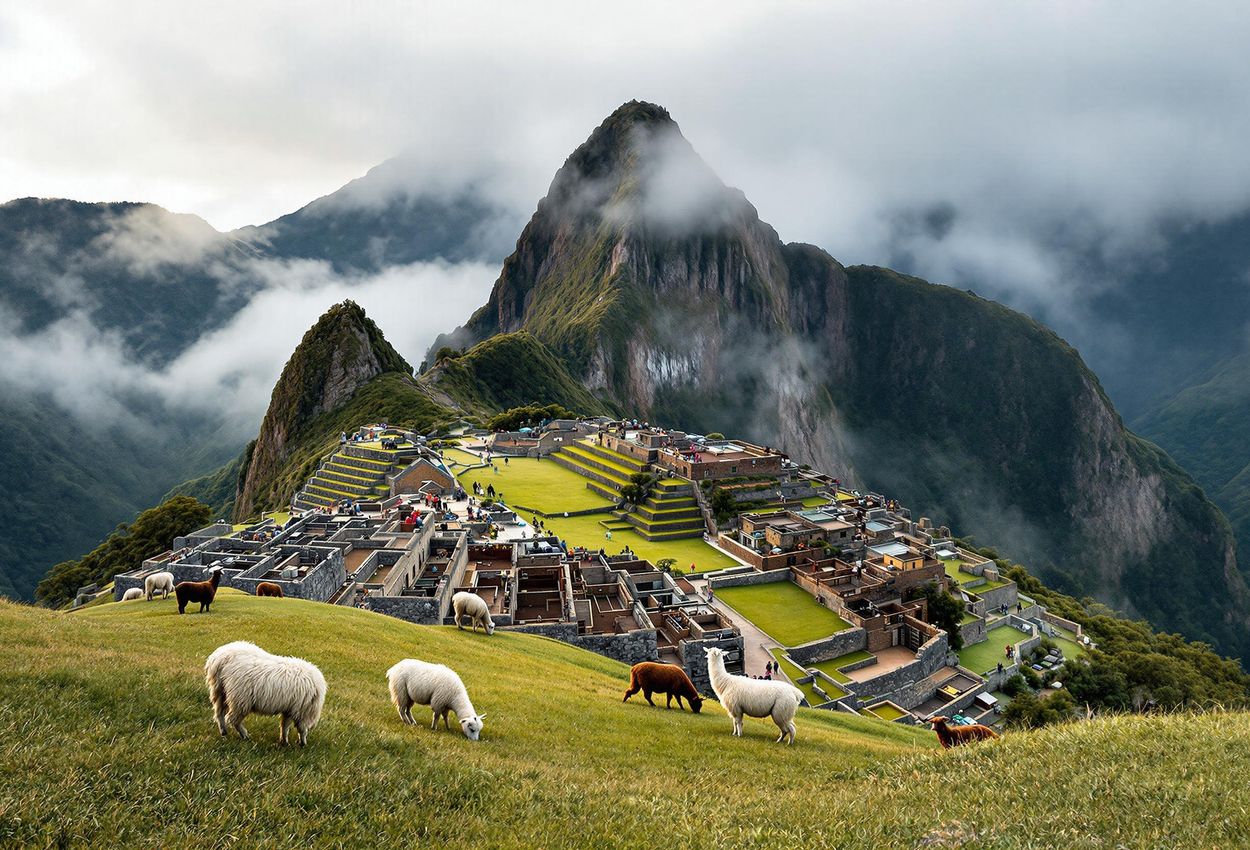
In 1911, the world was reintroduced to Machu Picchu by the American historian Hiram Bingham, though local communities were aware of its existence. Perched high in the Andes Mountains of Peru, this Incan citadel sits dramatically above the Urubamba River. Built around 1450, it's believed to have been an estate for the Inca emperor Pachacuti. However, its story took a turn when it was abandoned a century later, possibly due to the Spanish conquest.
The rediscovery of Machu Picchu unveiled an incredibly preserved example of Incan architecture and engineering, complete with intricate stonework and a sophisticated agricultural system. Its remote location helped shield it from the ravages of time, allowing visitors today to step back into the world of the Inca Empire.
Visiting Machu Picchu requires some forethought. Tickets must be booked well in advance, often months ahead, due to daily entry limits. Several circuits are available, each offering a unique perspective on the site. Some include climbing Huayna Picchu or Machu Picchu Mountain, providing stunning panoramic views for those who are physically prepared. It is important to book tickets in advance because there are time slots between 6 am and noon, or noon and 5.30pm.
Local Tip: Acclimatizing to the altitude is essential before exploring Machu Picchu. Spend a few days in Cusco or the Sacred Valley to allow your body to adjust to the thinner air. Dressing in layers is also crucial, as the weather can change rapidly. Bring rain gear, sturdy hiking shoes, and plenty of water.
Responsible tourism is paramount to preserving Machu Picchu for future generations. Stay on marked trails, avoid touching the stones, and refrain from leaving any trash behind. Support local communities by purchasing souvenirs from authorized vendors and consider hiring local guides to learn more about the site's history and significance.
Hidden Gem: For a less crowded experience, consider visiting during the shoulder seasons (April-May or September-October). The weather is still pleasant, and the crowds are thinner than during the peak summer months. Also, explore the Inca Trail with responsible trekking agencies that ensure porters are treated ethically and the environment is respected.
Angkor's Temples Reclaimed by the Jungle
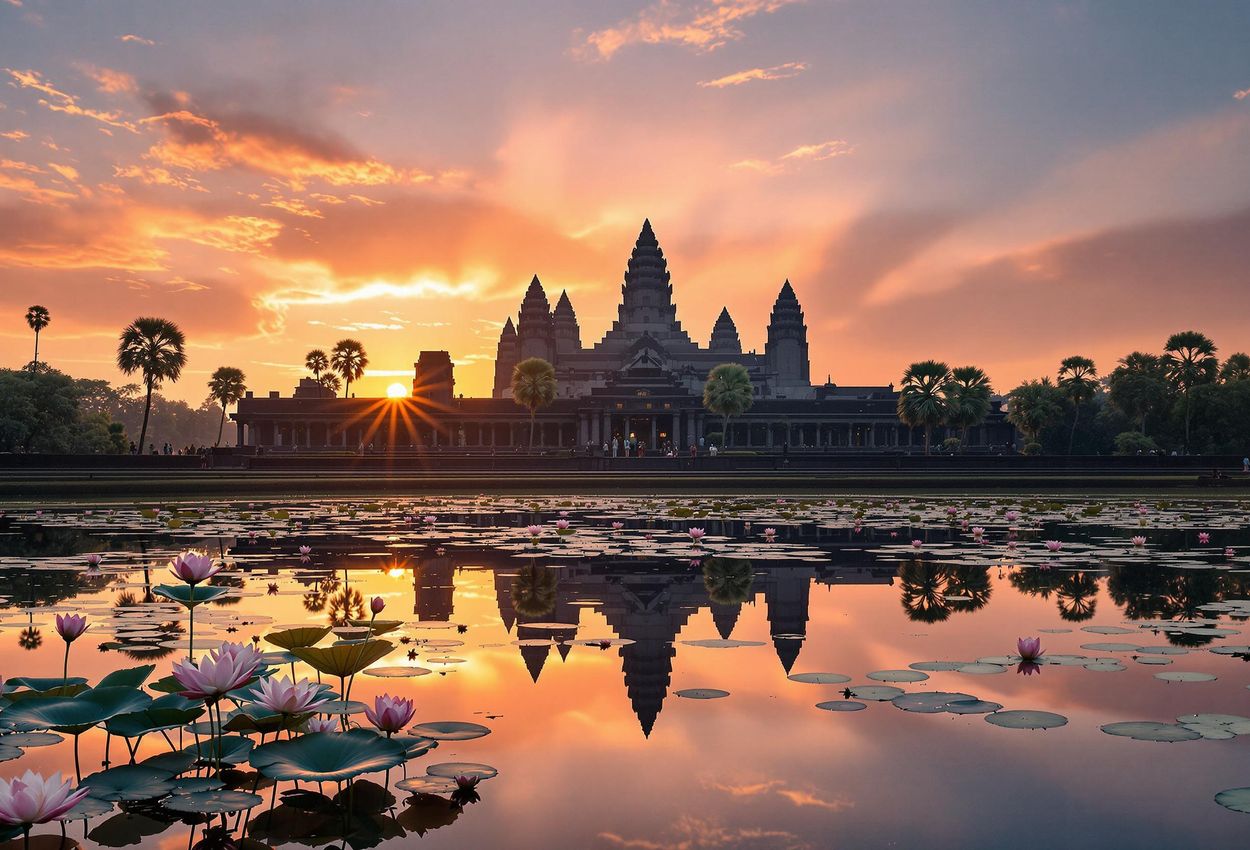
The sprawling temple complex of Angkor Wat in Cambodia was rediscovered by the French naturalist Henri Mouhot in the mid-19th century, though it was never truly lost to the local population. Built in the 12th century by King Suryavarman II, it was originally a Hindu temple dedicated to Vishnu before transitioning to a Buddhist temple. Its massive size and intricate carvings are a testament to the Khmer Empire's power and artistic prowess.
Angkor Wat is the most famous, but the Angkor Archaeological Park encompasses numerous other temples, including Angkor Thom, the Bayon with its smiling faces, and Ta Prohm, famously intertwined with jungle roots. Exploring these temples offers a captivating blend of history and natural beauty.
To visit Angkor, purchase an Angkor Pass, available for one, three, or seven days. Transportation options include tuk-tuks, taxis, and bicycles. A tuk-tuk is a popular and convenient way to get around, allowing you to easily hop between temples. Be sure to negotiate the price beforehand.
Local Tip: Respect the dress code when visiting the temples. Both men and women should cover their shoulders and knees. Lightweight, breathable clothing is recommended due to the tropical climate. Wear comfortable footwear as you'll be doing a lot of walking. The safest attire is ankle-length pants or skirt with a long-sleeve top.
Responsible tourism is crucial to protecting Angkor's cultural heritage. Avoid touching the carvings, as this can contribute to their degradation. Stay on marked paths and refrain from climbing on structures. Support local businesses and artisans by purchasing their goods and services. Be mindful of the local culture and customs.
Hidden Gem: For a unique experience, visit Banteay Srei, a smaller temple known for its intricate pink sandstone carvings. It's located a bit further from the main complex but is well worth the trip. Consider a sunrise visit to Angkor Wat for a truly magical experience, but be prepared for crowds.
Pompeii's Ash-Preserved Echoes
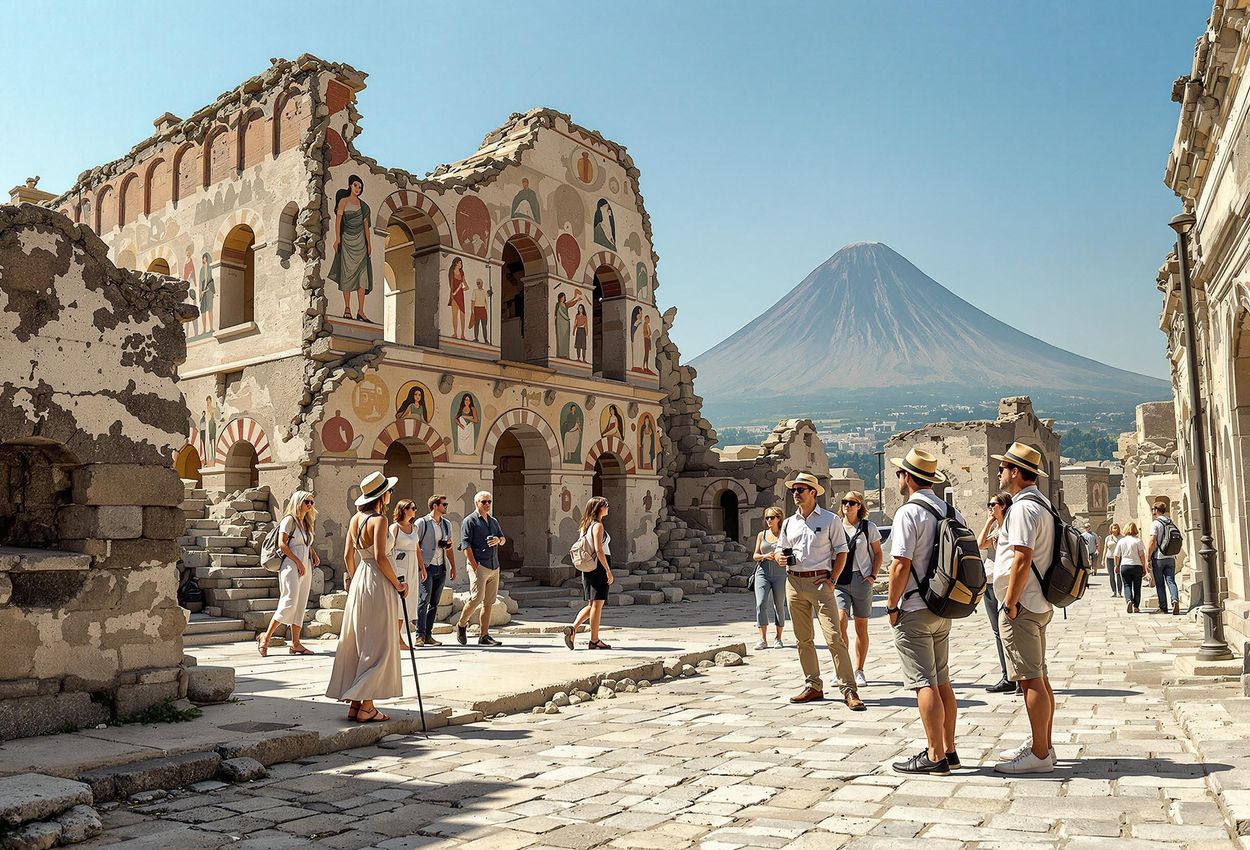
The ancient Roman city of Pompeii in Italy offers a chilling snapshot of life frozen in time. Buried by the eruption of Mount Vesuvius in 79 AD, it lay hidden for centuries until its rediscovery in the 18th century. The volcanic ash preserved the city, providing invaluable insights into Roman daily life.
Excavations revealed houses, shops, public spaces, and even the haunting casts of the volcano's victims. Walking through Pompeii is like stepping back into a moment in history, offering a visceral connection to the past.
Visiting Pompeii requires a ticket, which can be purchased online or at the entrance. Guided tours are highly recommended to fully appreciate the site's history and significance. Comfortable shoes are a must, as you'll be walking on uneven cobblestone streets. Be prepared for sun exposure, especially during the summer months.
Local Tip: To avoid crowds, visit Pompeii early in the morning or later in the afternoon. Consider visiting during the off-season (November-March) for a more peaceful experience. Bring water and snacks, as options inside the site are limited. A valid ID or passport is required for tour entry.
Respecting the site is of utmost importance. Avoid climbing on walls or touching fragile remains. Stay on marked paths and refrain from removing any artifacts. Be mindful of the delicate nature of the site and the importance of preserving it for future generations.
Hidden Gem: While in Pompeii, don't miss the Villa of the Mysteries, located just outside the main city walls. It features remarkable frescoes depicting a mysterious initiation rite. Also, consider visiting the nearby Herculaneum, another city destroyed by Vesuvius, but preserved in a different way.
Troy's Legendary Walls Unearthed
The legendary city of Troy in present-day Turkey was brought to the forefront by Heinrich Schliemann in the 1870s, though his methods were controversial. Immortalized in Homer's epics, particularly the Iliad, Troy was the site of a long siege by the Greeks. Archaeological findings revealed multiple ancient cities built on top of each other, spanning millennia of history.
The excavations at Troy uncovered layers of civilization, each representing a different period in the city's history. While the exact Troy of Homer's epics remains debated, the site offers a fascinating glimpse into the ancient world.
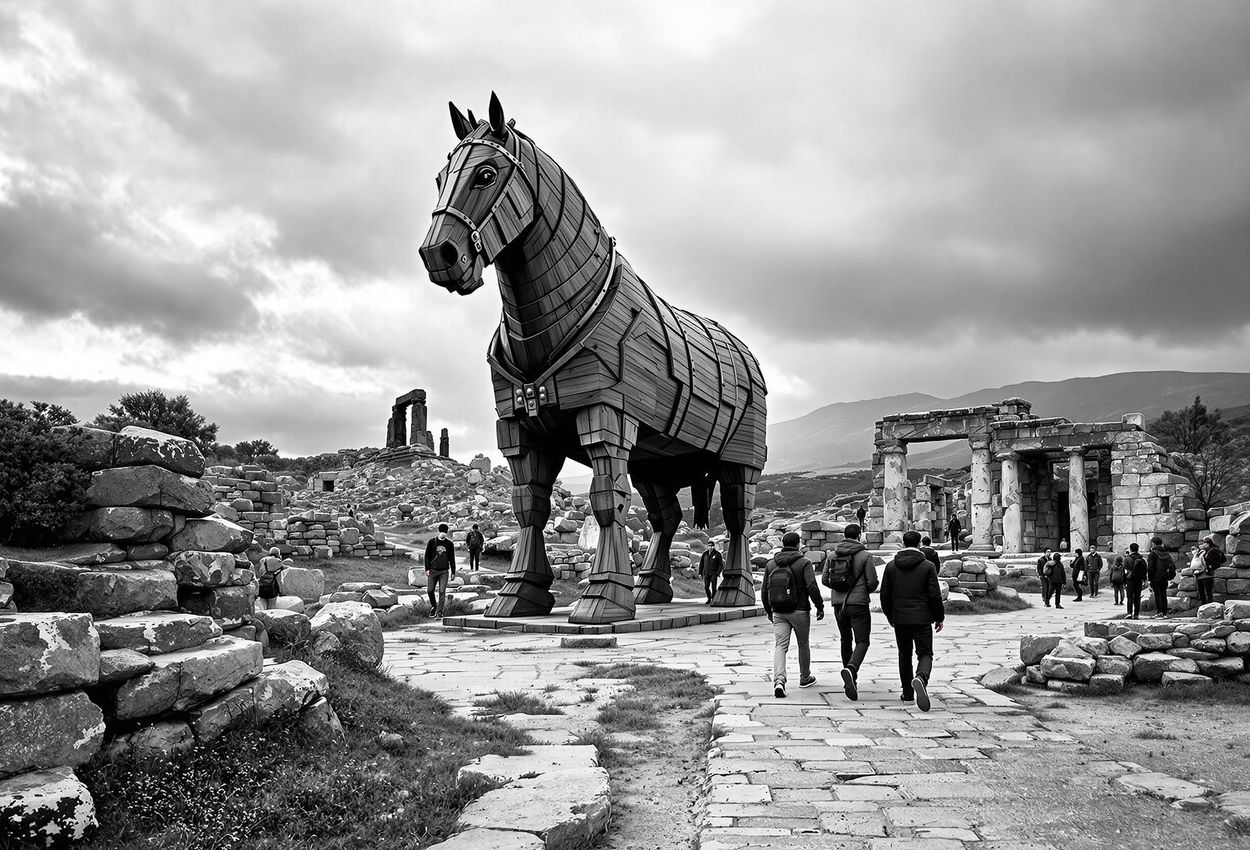
Visiting Troy requires an entrance fee, and the site is open to the public during specified hours. A large wooden Trojan horse stands near the entrance, offering a photo opportunity. Explore the different layers of the city, including the remains of walls, gates, and houses.
Local Tip: Hire a local guide to learn more about the history and significance of Troy. The site can be confusing without expert interpretation. Wear comfortable shoes, as you'll be walking on uneven terrain. Bring water and sunscreen, as shade is limited.
Preserving this historical site is crucial. Avoid climbing on the walls or removing any artifacts. Stay on marked paths and respect the ongoing archaeological work. Be mindful of the site's significance and its place in world literature and history.
Hidden Gem: Visit the nearby Troy Museum, which houses a collection of artifacts discovered at the site. The museum provides valuable context and enhances your understanding of Troy's history. Also, explore the surrounding Troad region, which is rich in ancient sites and natural beauty.
Petra's Rose-Red City Emerging from the Canyons
The ancient city of Petra in Jordan was rediscovered by the Swiss explorer Johann Ludwig Burckhardt in 1812, though its existence was known to the local Bedouin tribes. Carved into sandstone cliffs by the Nabataeans, Petra flourished as a major trading hub. Its stunning architecture and dramatic setting have captivated visitors for centuries.
The most iconic structure in Petra is the Treasury (Al-Khazneh), but the site encompasses numerous other tombs, temples, and dwellings. Exploring Petra requires a good amount of walking, but the rewards are well worth the effort.
To visit Petra, you'll need to purchase a ticket, which can be done at the visitor center. Transportation options include walking, riding a horse or donkey, or taking a golf cart for a portion of the way. The best times to visit are during the spring and fall when the weather is mild.
Local Tip: Wear comfortable shoes and bring plenty of water, especially during the hotter months. Be prepared for crowds, especially during peak season. Consider hiring a local guide to learn more about Petra's history and culture.
Responsible tourism is essential to protecting Petra's delicate rock formations. Avoid touching the walls or carvings, as this can contribute to their erosion. Stay on marked paths and refrain from removing any stones or artifacts. Support local businesses and artisans by purchasing their goods and services.
Hidden Gem: Hike to the Monastery (Ad Deir), a larger and less crowded structure than the Treasury. The hike is challenging, but the views are spectacular. Also, consider visiting Petra at Night, when the Treasury is illuminated by candlelight.

Heracleion Rises from the Deep
Heracleion, also known as Thonis, was an ancient Egyptian port city submerged underwater for over a thousand years. Rediscovered in 2000 by underwater archaeologist Franck Goddio, it has yielded a treasure trove of artifacts, providing invaluable insights into ancient Egyptian trade and culture.
The process of cataloging and analyzing the vast amounts of artifacts and structures found underwater is ongoing, utilizing modern technology like AI. The city was once a thriving port, serving as a gateway between Egypt and the Mediterranean world.
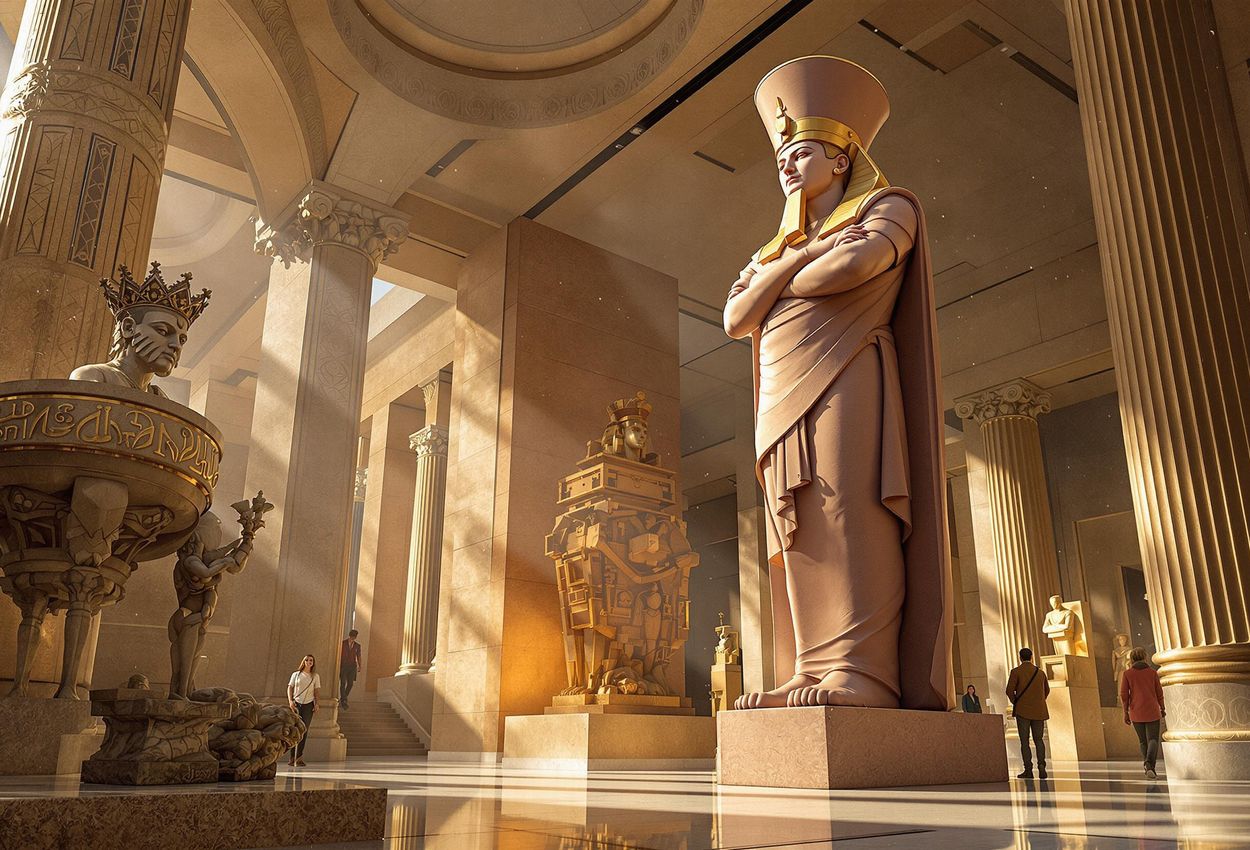
While Heracleion itself is not accessible for direct visits, artifacts from the city can be viewed in museums and exhibits. The Grand Egyptian Museum in Giza houses several colossal statues and other significant finds from Heracleion.
Local Tip: Check the websites of major museums in Egypt and around the world for exhibits featuring artifacts from Heracleion. Research the history of the city and its significance before visiting the exhibits to enhance your understanding.
Underwater archaeology plays a crucial role in preserving our understanding of submerged sites like Heracleion. Support organizations dedicated to underwater research and conservation. Learn about the challenges and techniques involved in excavating and preserving underwater artifacts.
Hidden Gem: Explore the publications and documentaries about Heracleion to delve deeper into the city's history and rediscovery. The story of its rediscovery and the ongoing research is a captivating tale of archaeological exploration. The British Museum in London and the Saint Louis Art Museum have hosted exhibits of artifacts from the city.
Vijayanagara's Ruins Whisper Tales of an Empire
The city of Vijayanagara in India, also known as Hampi, was rediscovered by Colin Mackenzie in 1799. It once served as the capital of a great empire dating back to the 14th century AD. The ruins reflect the empire's grandeur, showcasing impressive temples, palaces, and other structures.
The Vijayanagara Empire was a major power in southern India, known for its wealth, culture, and military strength. The city of Vijayanagara was a thriving metropolis, attracting merchants, artists, and scholars from around the world.
Visiting Hampi requires some planning. The nearest airport is in Hubli, and the nearest railway station is in Hosapete. From there, you can take a bus or hire a taxi to Hampi. Explore the various temples, including the Virupaksha Temple, the Vitthala Temple, and the Hazara Rama Temple. Visit the Elephant Stables and the Queen's Bath.
Local Tip: Hire a local guide to learn more about the history and architecture of Hampi. The site is vast and can be overwhelming without expert guidance. Rent a bicycle or scooter to explore the area at your own pace. Be prepared for hot weather, especially during the summer months.
Preserving this cultural heritage site is of utmost importance. Avoid climbing on the monuments or defacing the ruins. Stay on marked paths and refrain from removing any stones or artifacts. Support local efforts to preserve the ruins and promote sustainable tourism.
Hidden Gem: Seek out the local efforts to preserve the ruins and promote sustainable tourism, offering a unique perspective on the city's revival. Many local organizations are working to protect the site and promote responsible tourism practices. Engage with these initiatives and learn about their work. Also, visit the nearby village of Anegundi, which predates Vijayanagara and offers a glimpse into the region's earlier history.

These seven lost cities offer a powerful reminder of the rise and fall of civilizations, the enduring allure of the past, and the importance of preserving our shared heritage. As we explore these rediscovered treasures, let us be mindful of our impact and strive to protect them for generations to come.