As the days grow shorter and the nights longer, many cultures around the world embrace the winter season with unique and enchanting celebrations. From honoring ancient deities to reaffirming family bonds, these festivals offer a glimpse into the diverse tapestry of human traditions.
Here are seven unique winter holiday celebrations that promise an unforgettable experience for travelers seeking cultural immersion.
Yalda Night: An Iranian Celebration of Light Overcoming Darkness
Yalda Night, also known as Shab-e Chelleh, is a cherished Iranian festival celebrated on the winter solstice, marking the longest and darkest night of the year. Observed in Iran, Afghanistan, Tajikistan, Uzbekistan, and Turkmenistan, this ancient tradition brings families together to await the triumph of light over darkness.
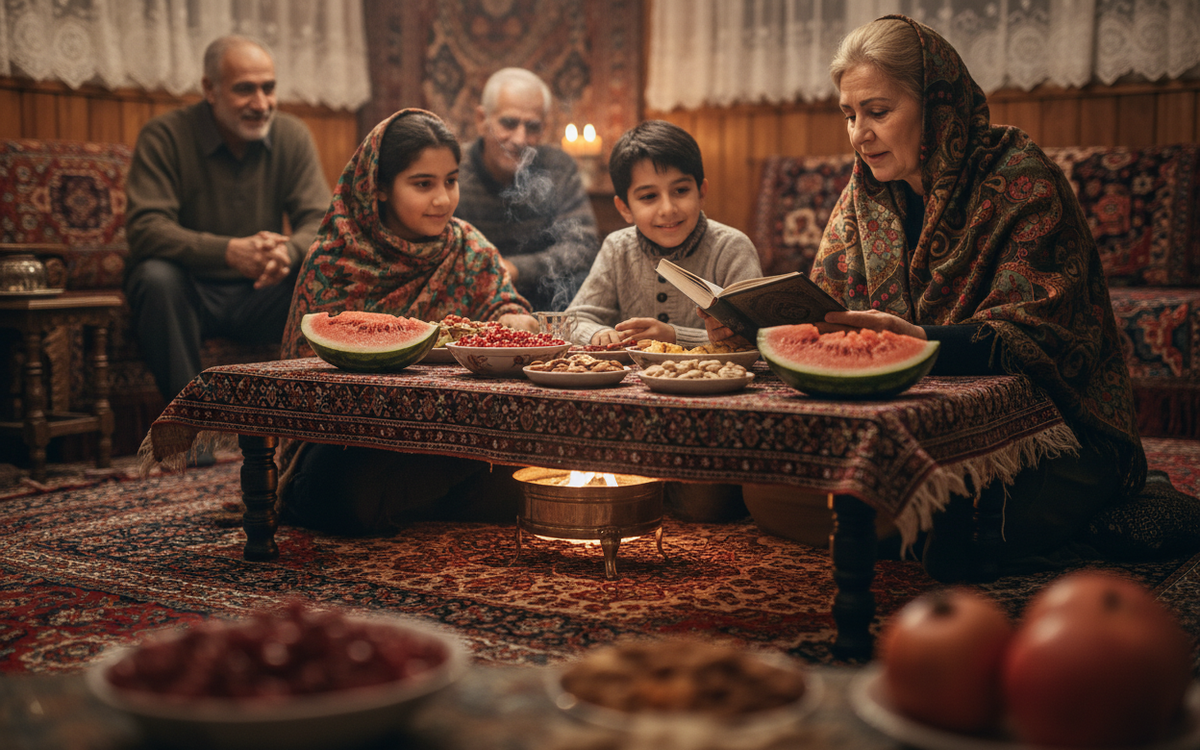
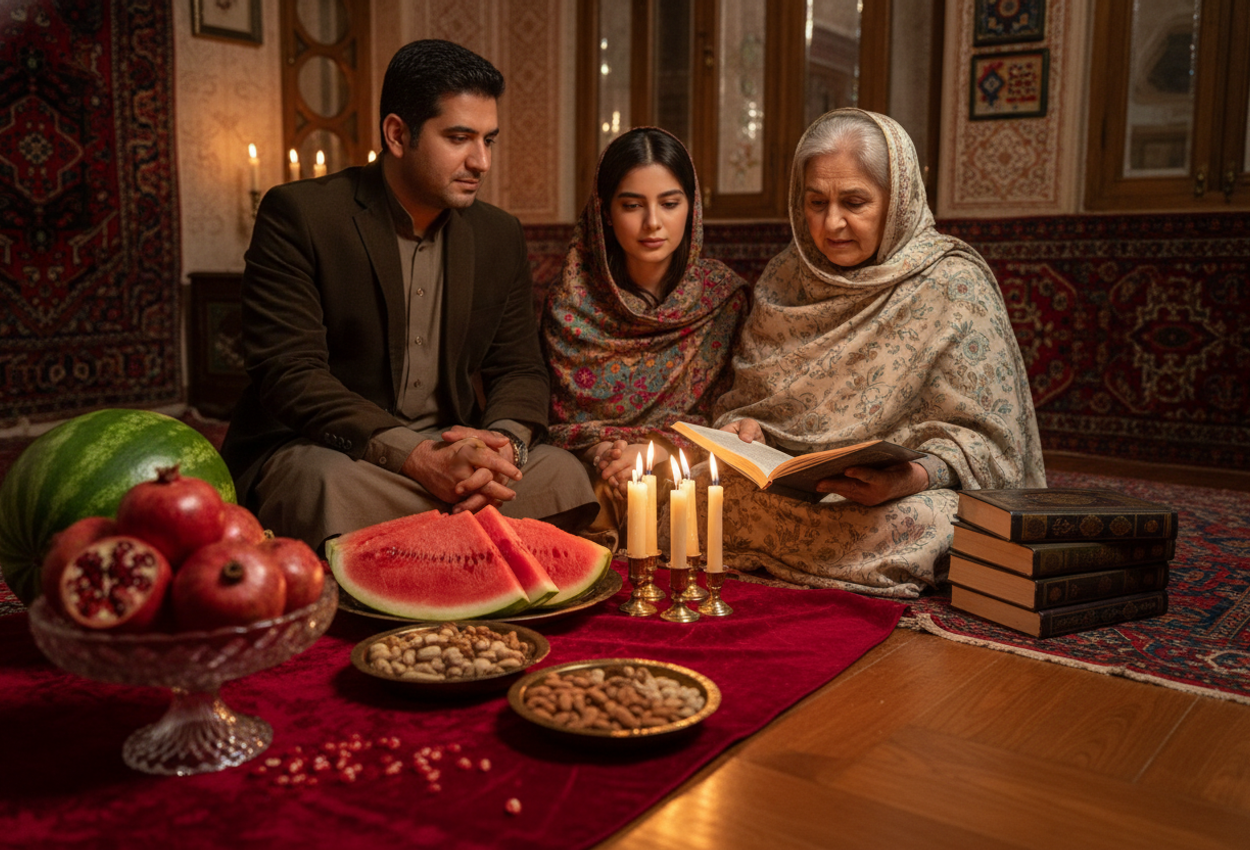
As twilight deepens, families gather in the warmth of their homes, often at the residence of the eldest family member. The atmosphere is filled with anticipation and joy as they prepare for a night of feasting, storytelling, and poetry reading. A special spread is laid out, featuring nuts, pomegranates, and watermelons, each symbolizing abundance, fertility, and the red hues of dawn.
The centerpiece of the evening is the reading of poetry from the Divan-e Hafez, a revered Persian poet. It is believed that Hafez's verses can offer guidance and insight into the future. Family members take turns opening the book at random, seeking answers to their questions and finding solace in the timeless wisdom of the poems.
To truly experience Yalda Night, travelers can visit local families or cultural centers in Tehran, Iran. The air is thick with the aroma of traditional foods, the vibrant colors of fruits, and the melodious recitation of poetry. The tastes of juicy pomegranates, sweet watermelons, and crunchy nuts create a symphony of flavors that embody the spirit of the celebration.
Imagine sitting around a table adorned with candles, their warm glow illuminating the faces of loved ones. The scent of rosewater and saffron fills the air, mingling with the laughter and chatter of family members. As the night deepens, the anticipation of the sun's return grows stronger, symbolizing hope and renewal for the coming year.
Saint Lucy's Day: A Scandinavian Festival of Light
Saint Lucy's Day, celebrated on December 13th in Scandinavia, particularly in Sweden and Italy, is a festival of light that commemorates Lucia of Syracuse, a young Christian martyr known as the 'Queen of Light'. This enchanting celebration brings warmth and hope during the darkest time of the year.
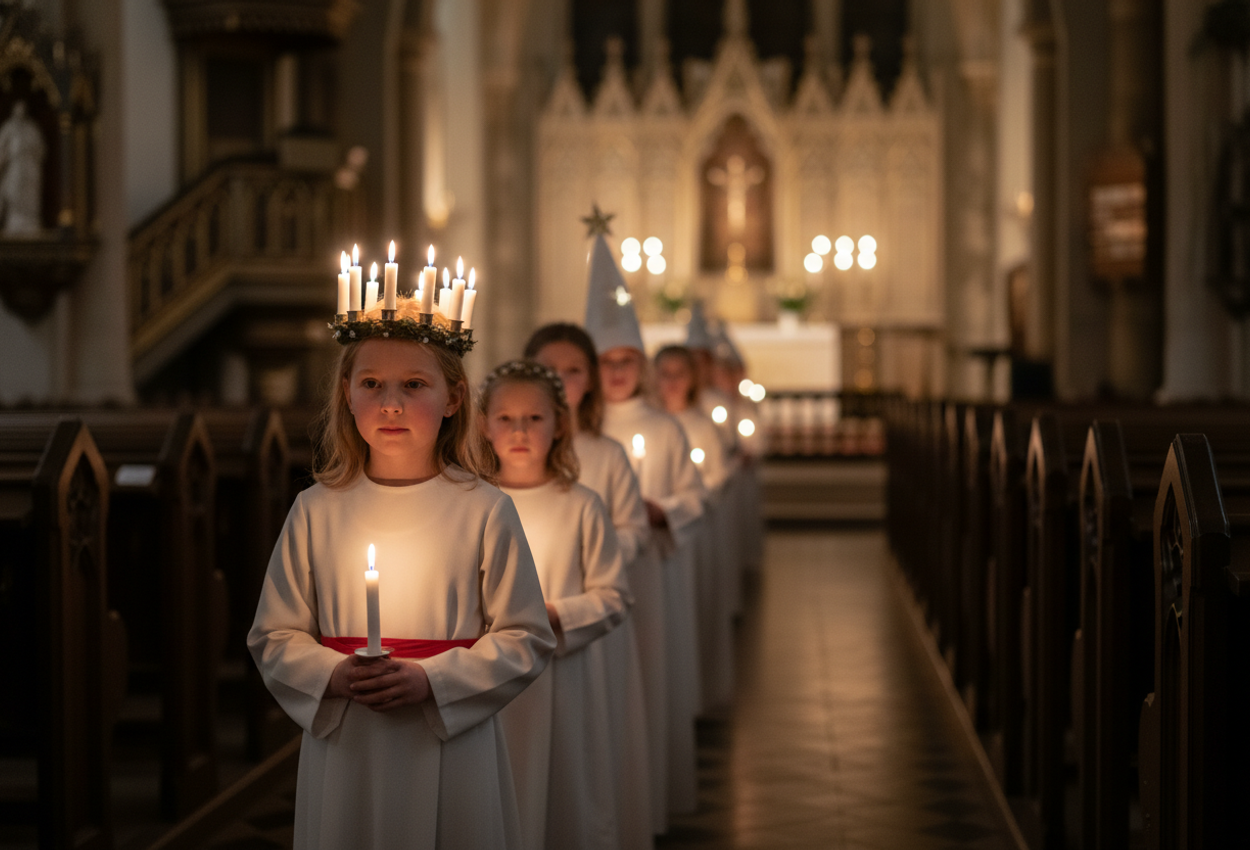
The heart of Saint Lucy's Day is the procession of children dressed in white gowns. Girls, often led by a chosen Lucia, wear a crown of lit candles, while boys carry stars or wear tall paper cones. The procession moves through homes, schools, churches, and workplaces, filling the air with the sounds of traditional hymns and carols.
The Lucia procession is not only a feast for the eyes but also a delight for the taste buds. Traditional saffron buns (lussekatter) and ginger biscuits are served, their sweet and spicy flavors adding to the festive atmosphere. These treats are often enjoyed with coffee or glögg, a traditional mulled wine.
To experience Saint Lucy's Day, travelers can attend a church service or local festival in Stockholm, Sweden. The sight of the candlelit procession, the sound of angelic voices, and the aroma of saffron buns create an unforgettable sensory experience.
Imagine standing in a darkened church, the only light emanating from the candles held by the children. The air is filled with the sweet scent of saffron and the harmonious voices of the choir. As the procession moves closer, the warmth of the candles radiates outwards, symbolizing the triumph of light over darkness.
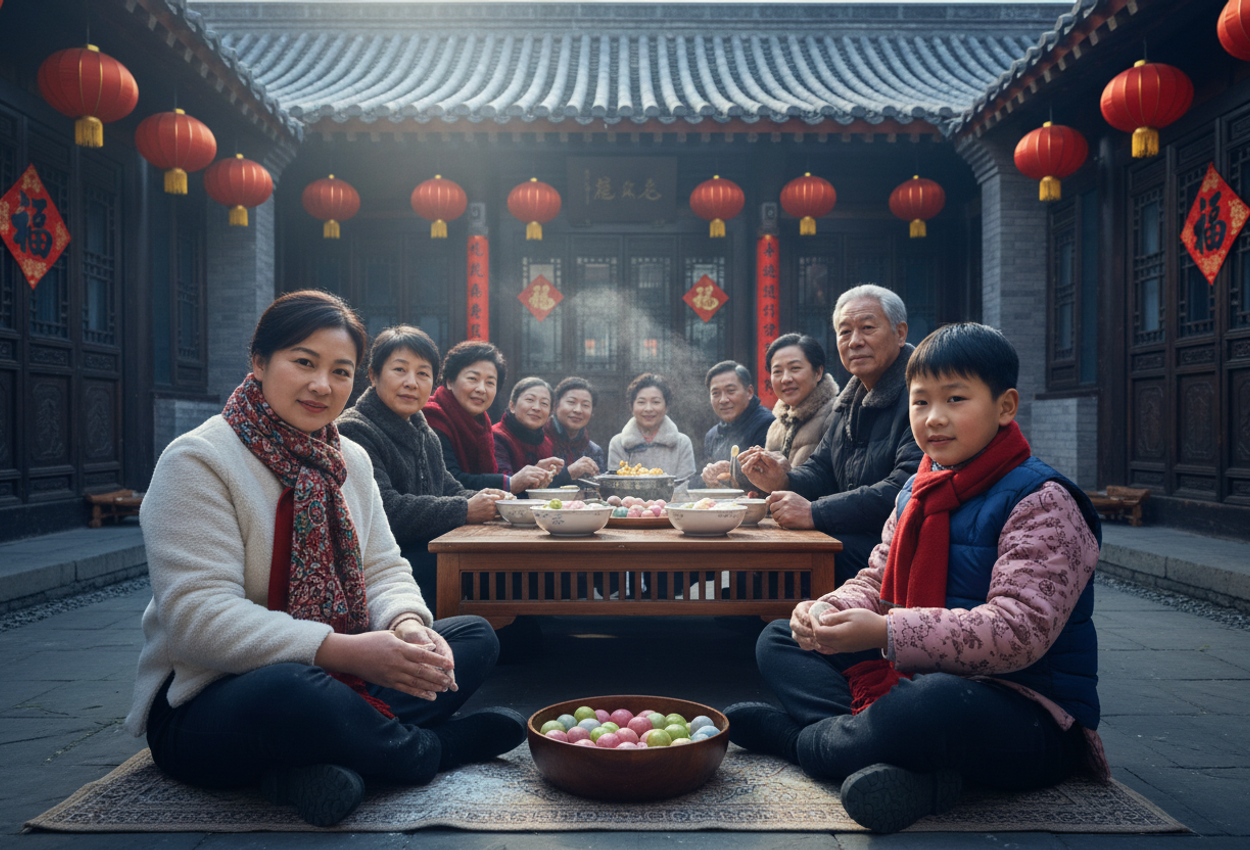
Dongzhi Festival: East Asian Winter Solstice Traditions
The Dongzhi Festival, celebrated in China, Japan, and Korea around the winter solstice, is a time-honored tradition that marks the transition towards longer days and the return of balance. This festival emphasizes family unity, feasting, and honoring ancestors.
One of the most important traditions of the Dongzhi Festival is the making and eating of tangyuan (glutinous rice balls). These sweet, chewy balls symbolize family unity and prosperity, and are often shared with loved ones. Families gather to prepare and cook the tangyuan together, strengthening their bonds and sharing stories.
In Northern China, it's a tradition to eat dumplings during the Dongzhi Festival. According to legend, eating dumplings on this day prevents frostbitten ears. These dumplings are typically stuffed with meat and vegetables, and served with soy sauce, chili sauce, or vinegar.
Travelers can experience the Dongzhi Festival by visiting local communities in Beijing, China, and participating in the communal cooking and feasting. The aroma of simmering tangyuan and the warmth of shared meals create a welcoming and festive atmosphere.
Picture yourself gathered around a table with a Chinese family, learning the art of making tangyuan. The soft, sticky dough feels warm in your hands as you shape it into perfect spheres. As you savor the sweet, chewy tangyuan, you feel a sense of connection to the ancient traditions and the warmth of family unity.

Soyal: Hopi Ritual for the Return of the Sun
Soyal, celebrated by the Hopi Indians in the Southwest United States on the shortest day of the year, is a sacred ceremony that welcomes the sun back from its winter slumber. This purifying ritual marks the beginning of a new cycle and honors the interconnectedness of humans, nature, and the spirit realm.
The Soyal ceremony unfolds over nine days, each day dedicated to a specific aspect of the Hopi worldview. The Hopi men gather in kivas, underground ceremonial chambers, to perform intricate rituals and pray for the well-being of their community.
During Soyal, the kachinas, the guardian spirits of the Hopi, return from their mountain homes and visit the people. These benevolent beings bring blessings and gifts, and play a key role in the ceremonies. The Hopi prepare for the kachinas' arrival by creating pahos, prayer sticks made from feathers and pinyon needles, which are used to bless homes, animals, and plants.
Travelers can respectfully observe Soyal by visiting the Hopi Reservation in Arizona, with permission and guidance from tribal authorities. Learning about the spiritual significance of the ceremonies and the Hopi way of life offers a profound cultural experience.
Imagine standing on the high desert mesa, the crisp winter air filling your lungs. The sound of chanting and drumming echoes from the kiva, drawing you into the heart of the ceremony. As you witness the ancient rituals, you feel a deep connection to the land and the enduring spirit of the Hopi people.
Inti Raymi: Honoring the Sun God in the Andes
Inti Raymi, celebrated in Cusco, Peru, around June 21-24, during the winter solstice in the Southern Hemisphere, is a spectacular festival that honors Inti, the sun god and the most important deity for the Incas. This vibrant celebration showcases the rich cultural heritage of the Andes and the enduring legacy of the Inca Empire.
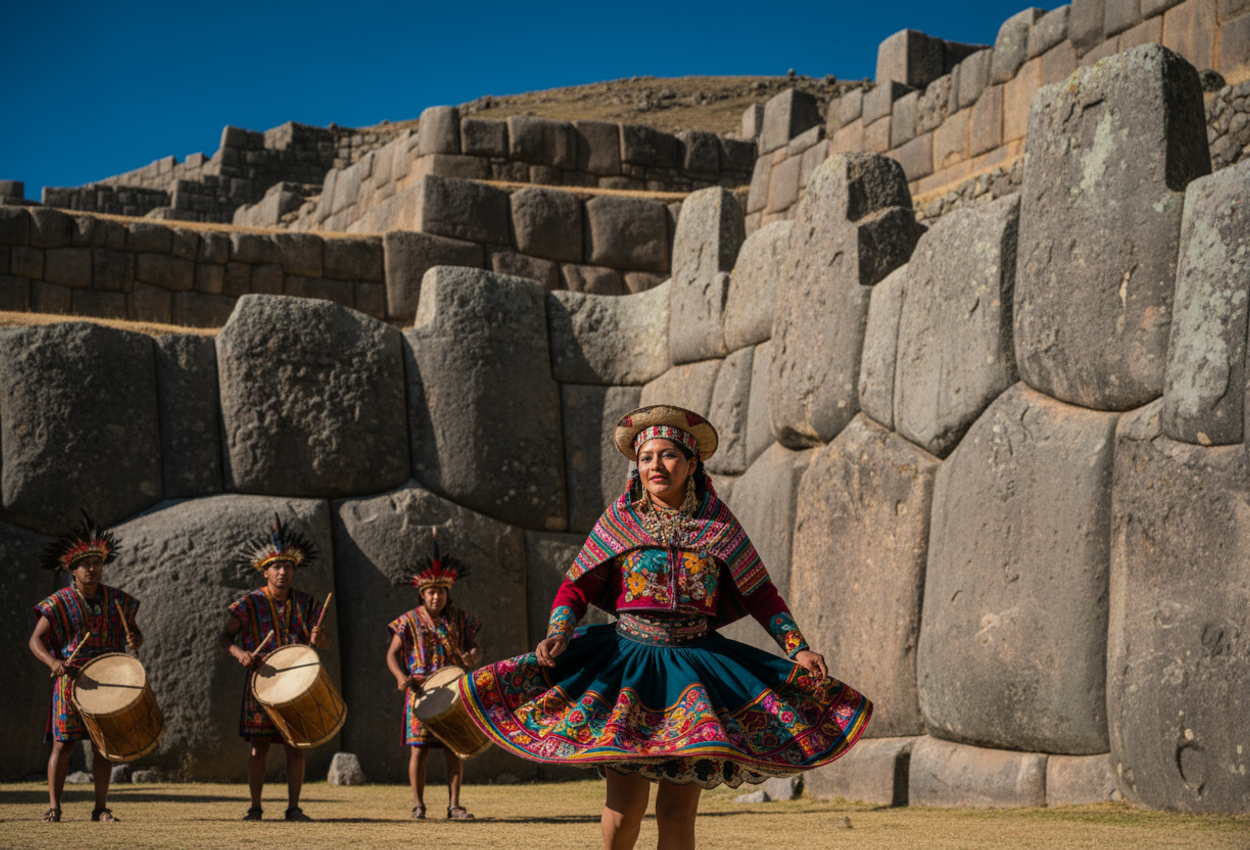
The Inti Raymi festival is a multi-day event filled with colorful processions, traditional music, and elaborate reenactments of ancient Incan ceremonies. The festivities begin at Qorikancha, the Temple of the Sun, and continue at the Plaza de Armas, the main square of Cusco. The climax of the celebration takes place at Sacsayhuamán, a historic Inca fortress overlooking the city.
During the festival, participants wear vibrant costumes adorned with intricate designs and symbols. Music fills the air as dancers perform traditional steps, accompanied by the sounds of panpipes, drums, and other indigenous instruments. The reenactments of ancient Incan ceremonies provide a glimpse into the spiritual beliefs and practices of this remarkable civilization.
To experience Inti Raymi, travelers can attend the festival in Cusco and witness the vibrant costumes, music, and reenactments of ancient Incan ceremonies. The energy of the crowd, the dazzling displays of color, and the echoes of ancient traditions create an unforgettable cultural immersion.
Imagine standing amidst the throngs of people at Sacsayhuamán, the towering Inca fortress rising before you. The sun beats down on your face as you watch the reenactment of the Incan rituals, the performers moving with grace and precision. The air is filled with the sounds of music and chanting, transporting you back in time to the heart of the Inca Empire.
Diwali: The Festival of Lights' Triumph Over Darkness
Diwali, a five-day festival celebrated by Hindus, Jains, and Sikhs, is a joyous occasion that celebrates the triumph of good over evil and light over darkness. This vibrant festival is marked by colorful lanterns, gift exchanges, delicious food, and dazzling fireworks.
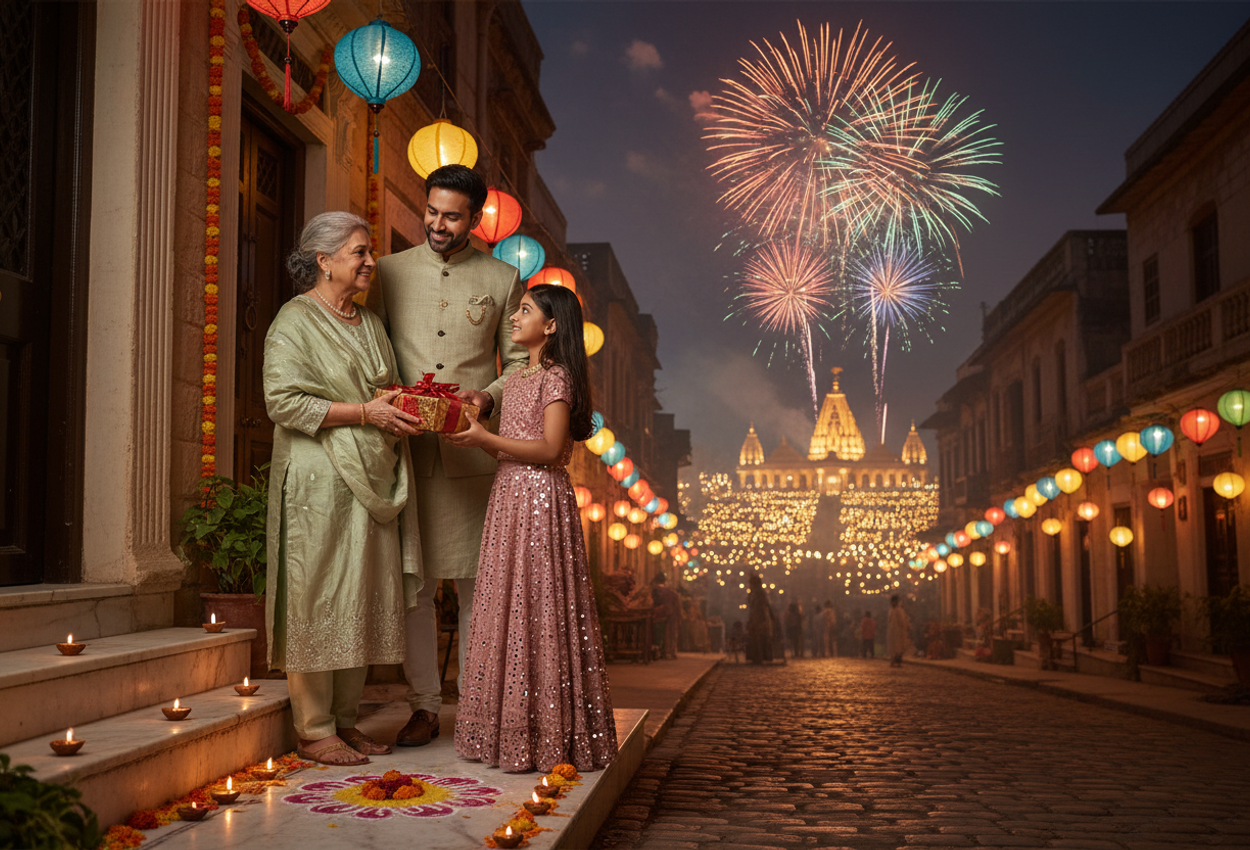
During Diwali, homes, temples, and public spaces are adorned with colorful lanterns, oil lamps (diyas), and intricate rangoli art. The warm glow of the lights symbolizes the victory of light over darkness and the dispelling of ignorance.
Gift-giving is an integral part of Diwali, with families and friends exchanging sweets, dried fruits, nuts, and other tokens of affection. Elaborate feasts are prepared, featuring a diverse array of sweets and savory dishes. In the evening, the skies come alive with dazzling fireworks displays, adding to the festive atmosphere. Diwali falls between October and November. In 2025, Diwali falls on October 20.
Travelers can experience Diwali by visiting India during the festival and participating in the vibrant celebrations. The sights, sounds, and aromas of Diwali create an unforgettable cultural experience.
Imagine walking through the streets of an Indian city during Diwali, the air thick with the scent of spices and the sound of firecrackers. Buildings are illuminated with countless lights, creating a magical and enchanting atmosphere. As you savor the diverse sweets and savory dishes, you feel a sense of joy and connection to the spirit of Diwali.
Three Kings Day: A Latin American Epiphany Celebration
Three Kings Day, also known as Epiphany, is celebrated on January 6th in Spain and Latin America. This festive holiday marks the end of the twelve days of Christmas and commemorates the visit of the Three Wise Men to the infant Jesus.
On the eve of Three Kings Day, children leave their shoes out to be filled with gifts from the Three Wise Men. In some regions, children write letters to the Magi, expressing their wishes and dreams. It is tradition to leave food and water for the Three Kings and their animals.
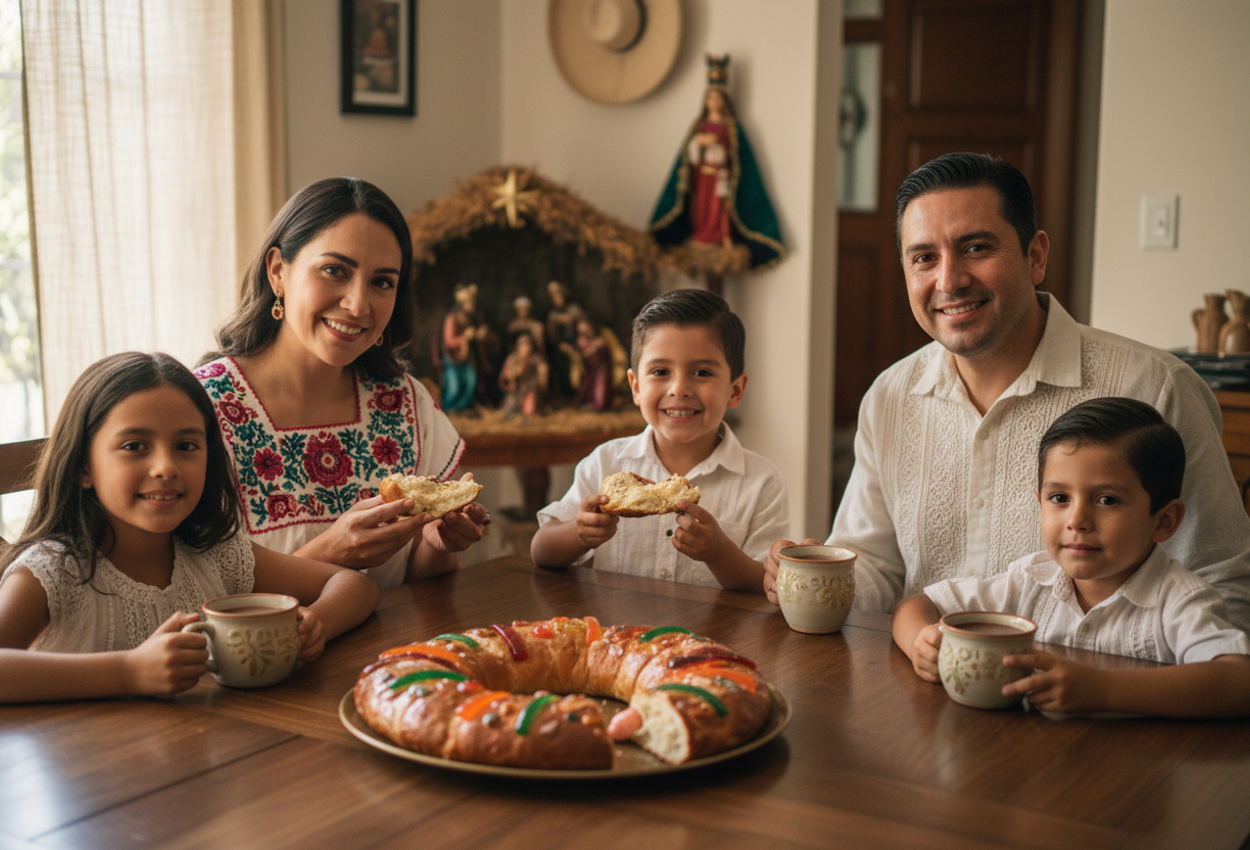
A highlight of Three Kings Day is the baking and sharing of Rosca de Reyes, a sweet bread shaped like a ring and adorned with dried fruits and a sugar glaze. Hidden inside the cake are small plastic or porcelain figurines representing the baby Jesus. Whoever finds a figurine in their slice is responsible for hosting a dinner or party on Día de la Candelaria (Candlemas Day) on February 2nd.
Travelers can experience Three Kings Day by visiting a local community in Mexico City, Mexico, and participating in the gift-giving, cake-sharing, and joyful processions. The warmth of the community and the festive atmosphere create a memorable cultural experience.
Imagine gathering with a group of friends and family, the aroma of Rosca de Reyes filling the air. The anticipation mounts as each person cuts a slice of the cake, hoping to find the hidden figurine. As you share stories and laughter, you feel a sense of connection to the traditions and the spirit of Three Kings Day.
These seven unique winter holiday celebrations offer a glimpse into the diverse and fascinating traditions of cultures around the world. Whether you're seeking ancient rituals, vibrant festivities, or heartwarming family gatherings, these celebrations promise an unforgettable travel experience.