Kyoto in winter unveils a different kind of magic, a serene and traditional atmosphere that captivates those seeking a peaceful escape.
As the vibrant autumn foliage fades, a hushed tranquility descends upon the ancient capital, offering a unique perspective on its timeless beauty. The bustling crowds of peak seasons dwindle, leaving behind a sense of quiet contemplation, inviting visitors to immerse themselves in the city's cultural treasures at a more relaxed pace.
A Winter's Tale: Kyoto's Silent Charm
Winter in Kyoto is a season of subtle beauty, where the city's iconic temples and gardens are often dusted with snow, creating breathtaking vistas.
The air is crisp and invigorating, carrying with it a sense of purity and renewal. While the city rarely experiences heavy snowfall, even a light dusting transforms the landscape into a scene of ethereal beauty. Imagine the Golden Pavilion shimmering under a blanket of white, or the Arashiyama Bamboo Grove adorned with delicate snowflakes. These are the moments that define Kyoto's winter charm.
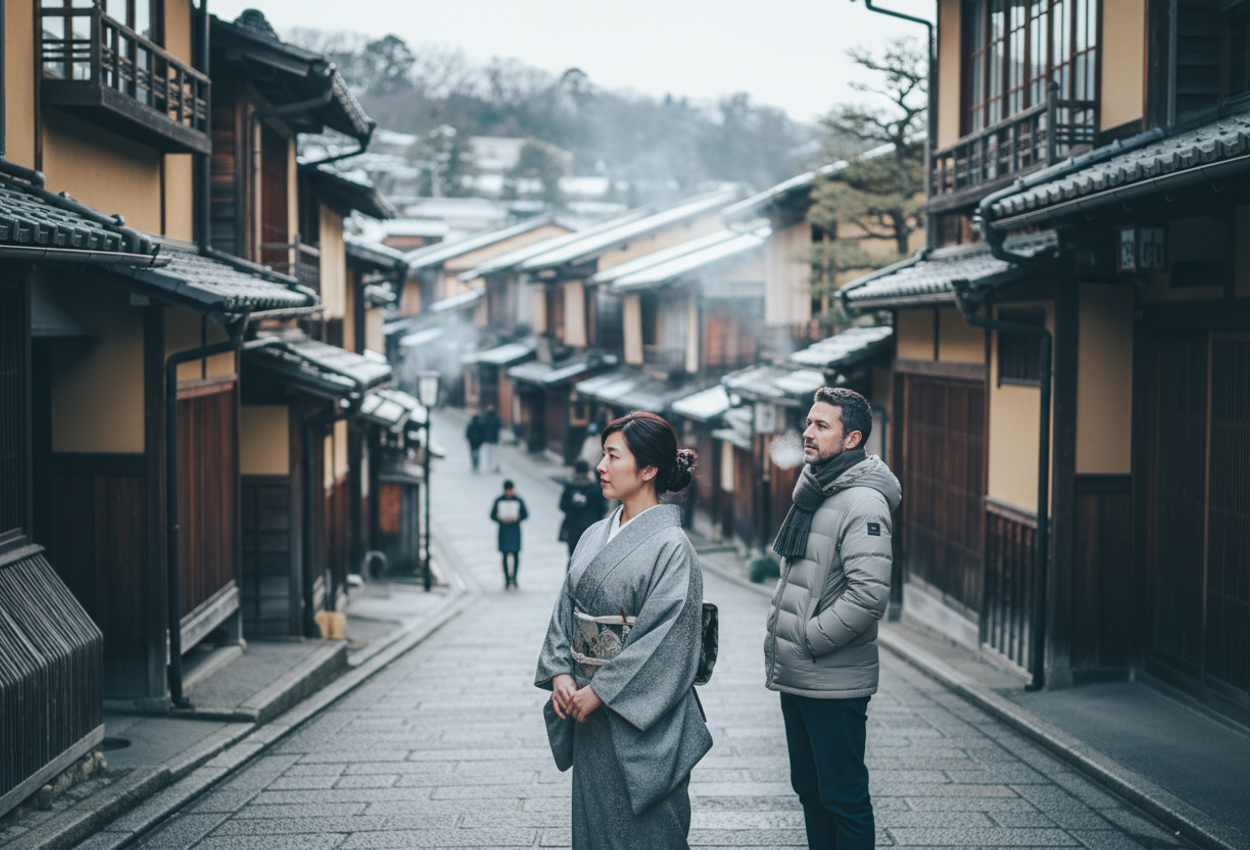
One distinctive aspect of Kyoto's winter is the 'Soko-bie,' or 'bottom chill,' a penetrating cold that seeps into your bones. To combat this, dressing appropriately is essential. Layers are key, starting with warm base layers like thermal underwear. Wool socks are a must, especially when exploring temples where you'll be removing your shoes frequently. Speaking of shoes, opt for slip-on styles that are easy to take on and off, saving you time and hassle at temple entrances. Don't forget a good coat, scarf, gloves, and a hat to protect yourself from the elements.
Despite the cold, Kyoto's winter skies are often clear and bright, offering stunning views of the surrounding mountains. The occasional snowfall only adds to the magic, creating a winter wonderland that is both serene and enchanting. The reduced crowds also mean that buses run more consistently, and temple visits don't require the strategic timing that peak seasons demand.
Temple Tranquility: Kinkaku-ji Under Snow
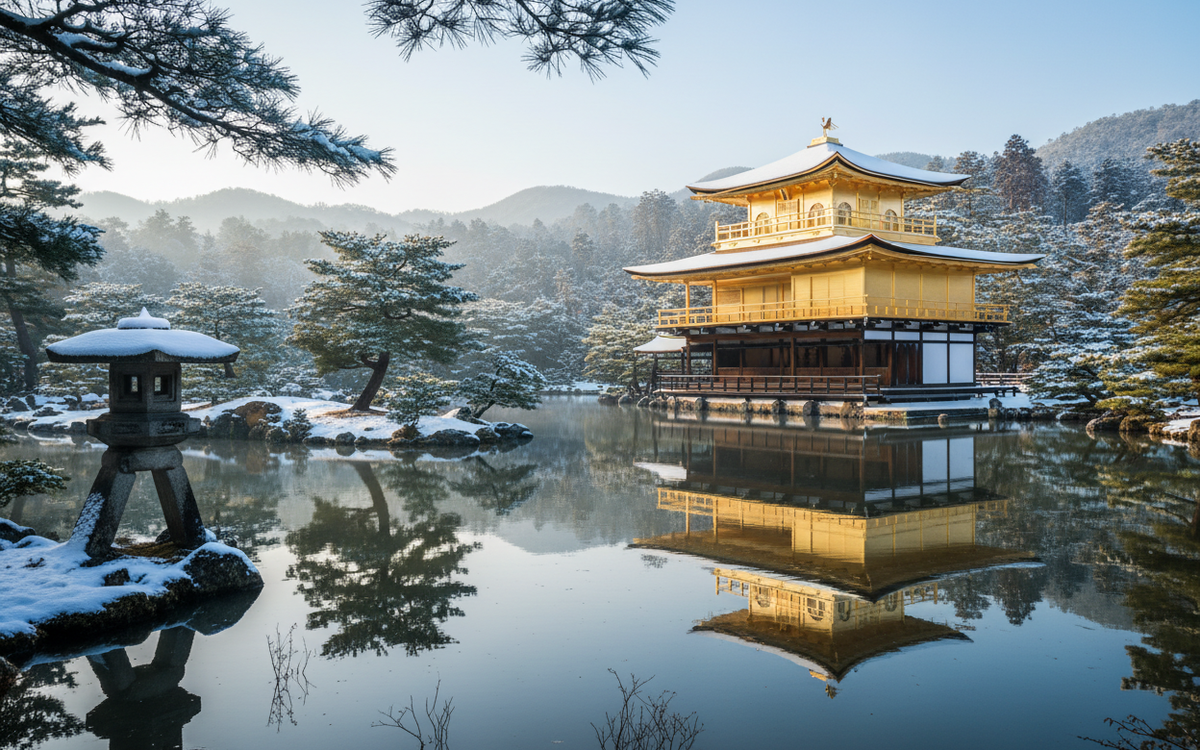
The Kinkaku-ji (Golden Pavilion) is an absolute must-see in any season, but it takes on an extra layer of magic in winter, especially when draped in snow.
The shimmering gold reflects beautifully against the white backdrop, creating a scene that is both dazzling and serene. The reflection of the pavilion in the pond below is particularly stunning, doubling the visual impact of this iconic landmark.
The Golden Pavilion is open from 9:00 AM to 5:00 PM daily. While there aren't specific winter events held at Kinkaku-ji, the winter scenery alone is enough to make a visit worthwhile. Be sure to check the weather forecast before you go, as a fresh snowfall will transform the entire experience.
Hidden Gem: For the most magical experience, visit Kinkaku-ji early in the morning after a snowfall. The crowds will be smaller, and you'll have a better chance of capturing the perfect photo of the Golden Pavilion glistening under a blanket of snow. The early morning light also adds a soft, ethereal glow to the scene, enhancing its beauty.
Arashiyama's Bamboo Whisper: A Snowy Stroll
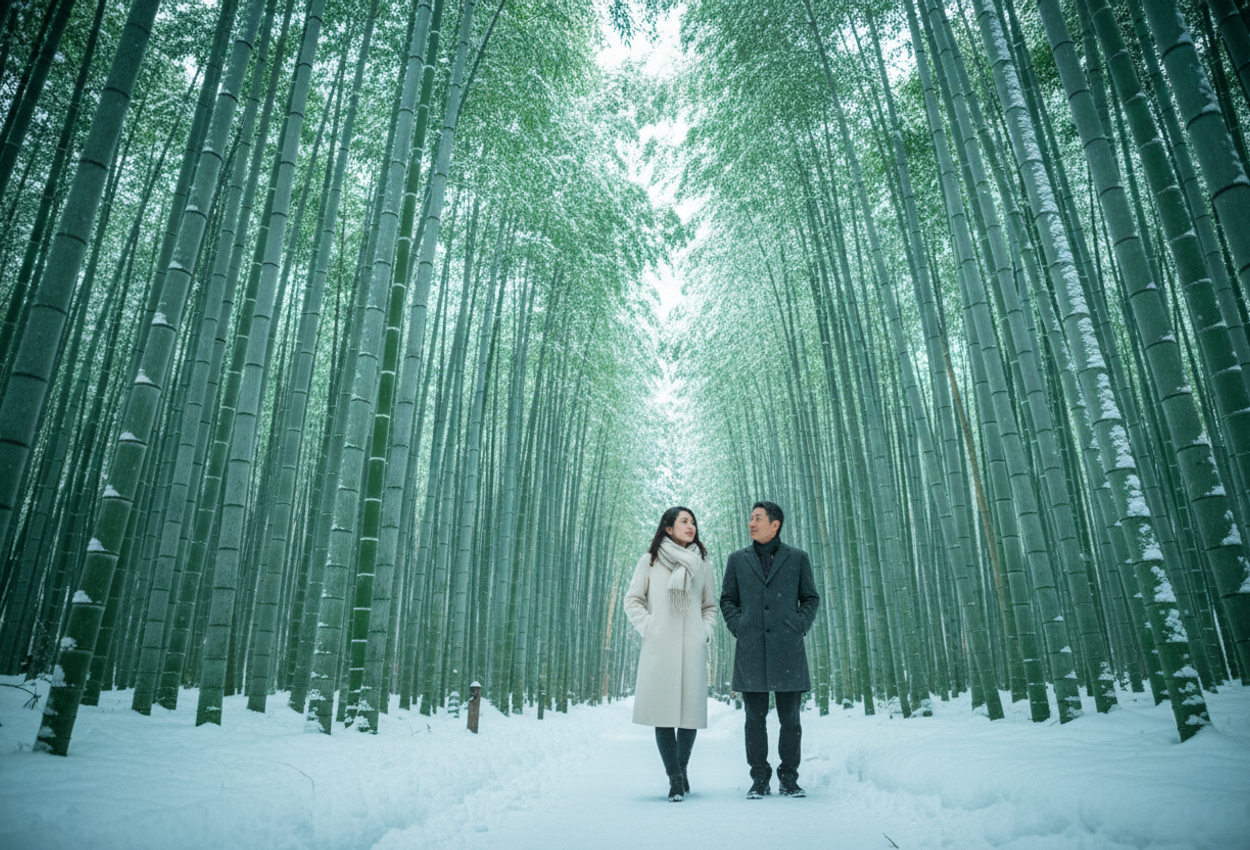
The Arashiyama Bamboo Grove is another iconic Kyoto destination that is particularly enchanting in winter.
Imagine strolling through the towering bamboo stalks as snow gently falls, creating a hushed and serene atmosphere. The snow-covered bamboo creates a striking visual contrast, with the white snow highlighting the vibrant green of the bamboo. The grove takes on a ghostly, ethereal quality, making for a truly unforgettable experience.
While walking tours are available in Arashiyama, exploring the Bamboo Grove on your own allows you to fully immerse yourself in its tranquil beauty. Take your time to wander through the grove, listening to the gentle whisper of the bamboo as the wind rustles through its stalks. Be sure to wear warm shoes, as the ground can be slippery after a snowfall.
Hidden Gem: For a truly unique experience, visit the Bamboo Grove very early (around 7 AM) or late at night. At these times, the grove is virtually empty, allowing you to enjoy a ghostly, solitary winter walk. The darkness adds to the mystique, creating an atmosphere that is both awe-inspiring and slightly eerie. However, be mindful of the path as it can be dark.
Winter Flavors: Kyoto's Culinary Warmth
Kyoto's winter cuisine offers a welcome respite from the cold, with a variety of warming and flavorful dishes to tantalize your taste buds.
One popular winter dish is Oden, a hearty stew of various ingredients such as boiled eggs, daikon radish, and fish cakes simmered in a light soy-flavored broth. Yudofu (tofu hot pot) is another Kyoto specialty, featuring silken tofu simmered in a delicate broth and served with various dipping sauces. Shabu Shabu, a hot pot dish with thinly sliced meat and vegetables cooked in a simmering broth, is also a great option for a warming and interactive meal. For a more elaborate culinary experience, indulge in a traditional Kaiseki dinner, a multi-course meal featuring seasonal ingredients and artful presentation.
For Shabu Shabu, consider visiting Mishima Tei, a venerable restaurant known for its high-quality beef and traditional atmosphere. Another option is Sukiyaki Iroha, which specializes in Sukiyaki, a similar dish to Shabu Shabu but with a sweeter soy-based broth.
Hidden Gem: For a more casual and affordable culinary experience, head to Nishiki Market for warm street food like Kyoto Yuba udon. This savory noodle dish features Yuba (tofu skin) in a warming broth, perfect for a quick and satisfying bite on a cold winter day.
Ryokan Retreats: Onsen and Winter Comfort
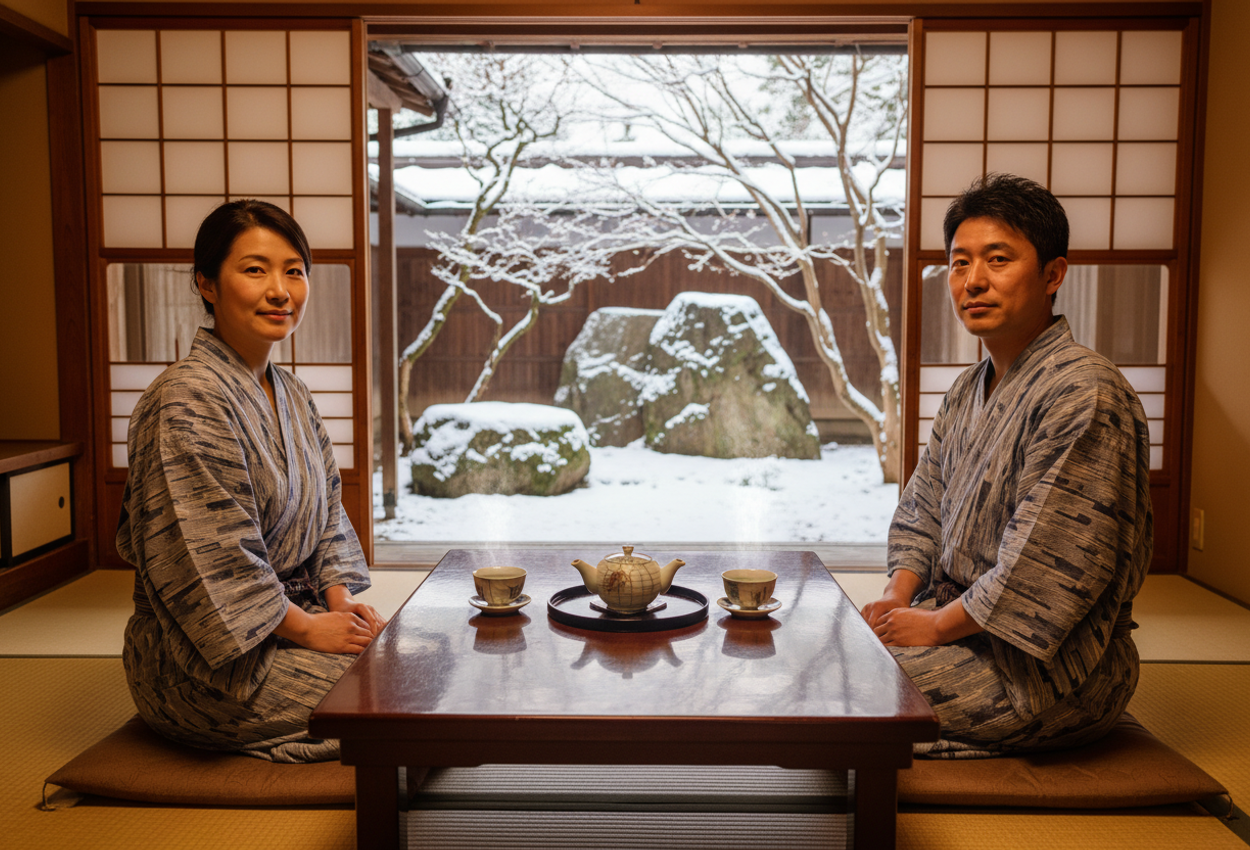
For the ultimate winter escape, consider staying in a traditional Ryokan, a Japanese inn that offers a unique blend of comfort and cultural immersion.
Many Ryokans feature onsen (hot springs), where you can soak in the warm, mineral-rich waters and let your worries melt away. The combination of the warm water and the cold winter air is an invigorating and relaxing experience. Heated floors are another welcome feature of Ryokans, keeping your feet warm and cozy even on the coldest days.
Some recommended Ryokans include Nanzenji Ryokan Yachiyo, known for its beautiful gardens and traditional atmosphere, Gion Oyado Kikutani, a cozy Ryokan in the heart of Gion, and Kyoto Takasegawa Bettei, offering comfortable accommodations and a convenient location.
Hidden Gem: For a truly special experience, consider Yuzuya Ryokan in Gion, known for its Yuzu hot pot Kaiseki meal. This unique culinary experience combines the flavors of Yuzu, a Japanese citrus fruit, with the art of Kaiseki dining. The Ryokan also features Yuzu-infused baths, adding to the relaxing and rejuvenating experience.
Festival of Lights: Arashiyama Hanatouro
The Arashiyama Hanatouro is a magical winter illumination event that transforms the Arashiyama district into a wonderland of light and flowers.
Thousands of lanterns are placed along the streets and pathways, creating a warm and inviting glow. IKEBANA installations, traditional Japanese flower arrangements, are also scattered throughout the area, adding to the beauty and artistry of the event. The Arashiyama Bamboo Grove is particularly stunning during Hanatouro, with the lanterns casting a soft light on the towering bamboo stalks.
The Arashiyama Hanatouro is typically held in December. Be sure to check the official website for confirmation of dates for December 2025. During the event, the streets are illuminated from 5:00 PM to 8:30 PM, creating a magical atmosphere that is perfect for an evening stroll.
Hidden Gem: If your visit coincides with December 13th, consider attending the Kotohajime event, a Geisha event that marks the beginning of the New Year preparations. This event offers a glimpse into the world of Geishas and their traditions.
Spiritual Snowfall: Kifune Shrine's Winter Magic
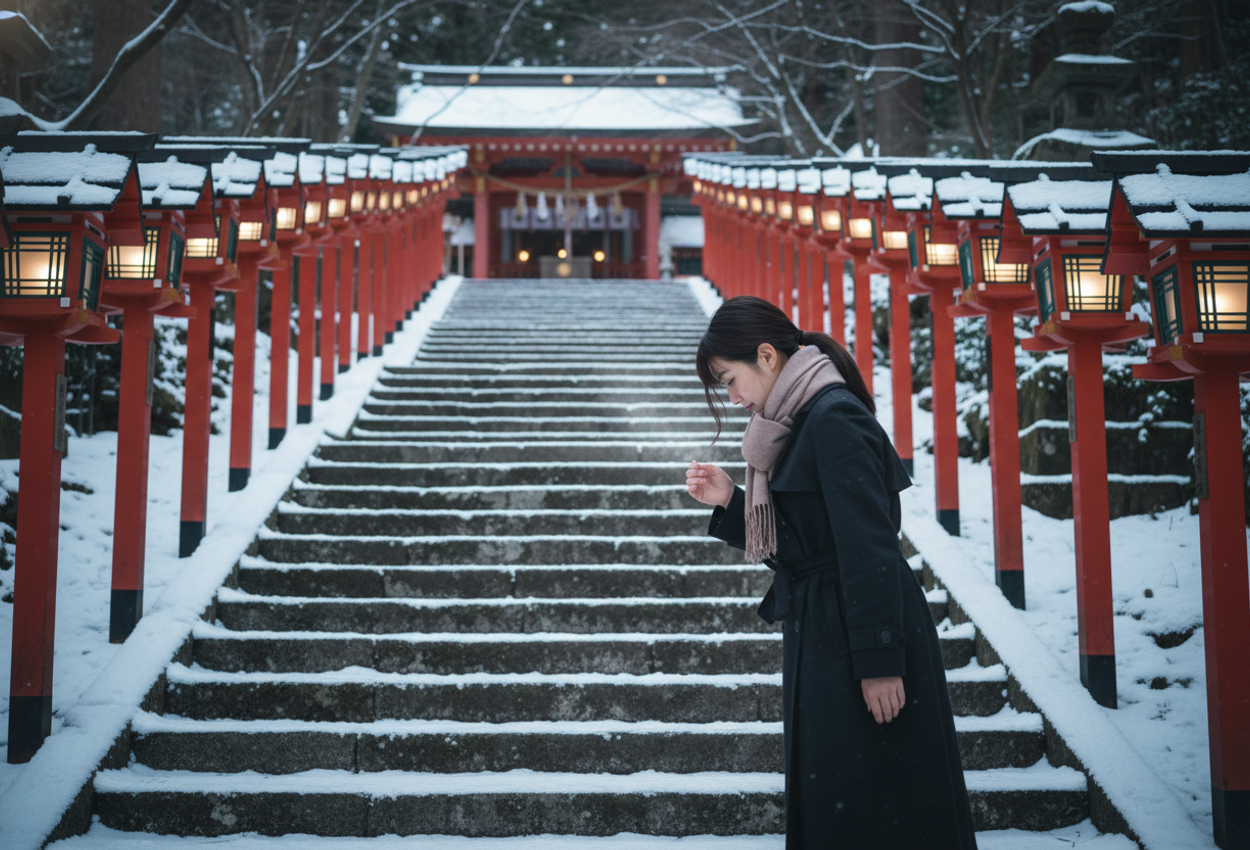
Kifune Shrine, nestled in the mountains north of Kyoto, is known for its stunning snow-covered scenery in winter.
The shrine is dedicated to the god of water, and its serene atmosphere is enhanced by the presence of snow. The red lanterns lining the stone steps leading to the shrine create a striking contrast against the white snow, making for a truly memorable sight.
At Kifune Shrine, you can try your luck with mizuura mikuji, a unique form of fortune telling. You purchase a blank piece of paper and place it on the goshinsui (holy water). The fortune will then appear on the paper, revealing your fate. This is a fun and interactive way to experience the spiritual side of Kifune Shrine.
Hidden Gem: For a scenic and spiritual experience, consider the Kurama-Kibune hike, a trail that connects Kifune Shrine with Kurama Temple. This hike takes you through a beautiful forest and offers stunning views of the surrounding mountains. The hike is particularly rewarding in winter, with the snow-covered trees creating a magical atmosphere.
Kyoto in winter is a destination that rewards those who seek a different kind of travel experience. It is a time to slow down, appreciate the simple beauty of the season, and immerse yourself in the rich culture and traditions of this ancient city. From the snow-covered temples to the warming cuisine and the serene atmosphere, Kyoto in winter offers a unique and unforgettable journey.